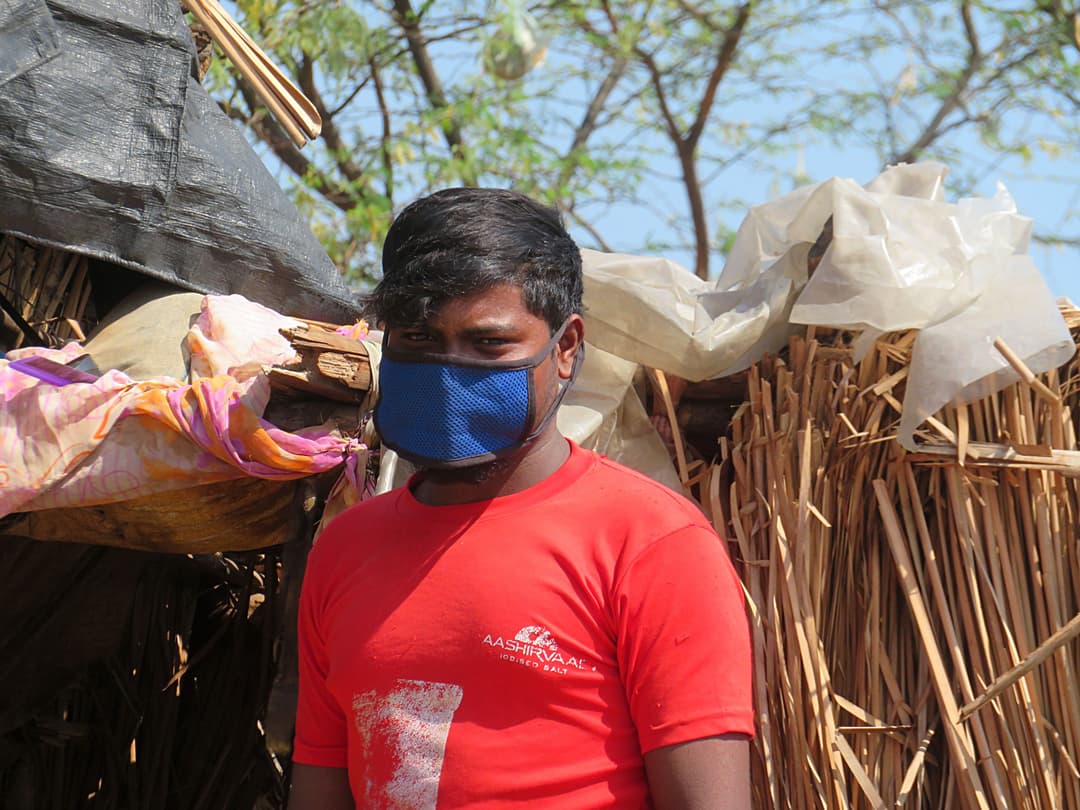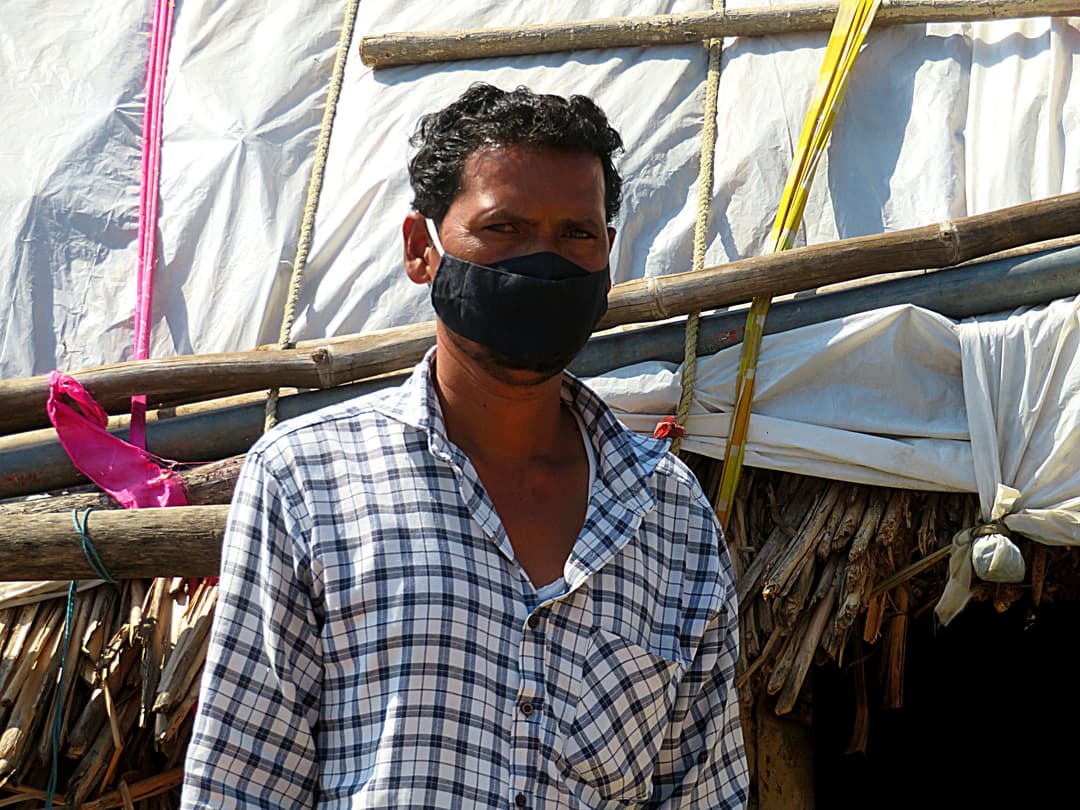

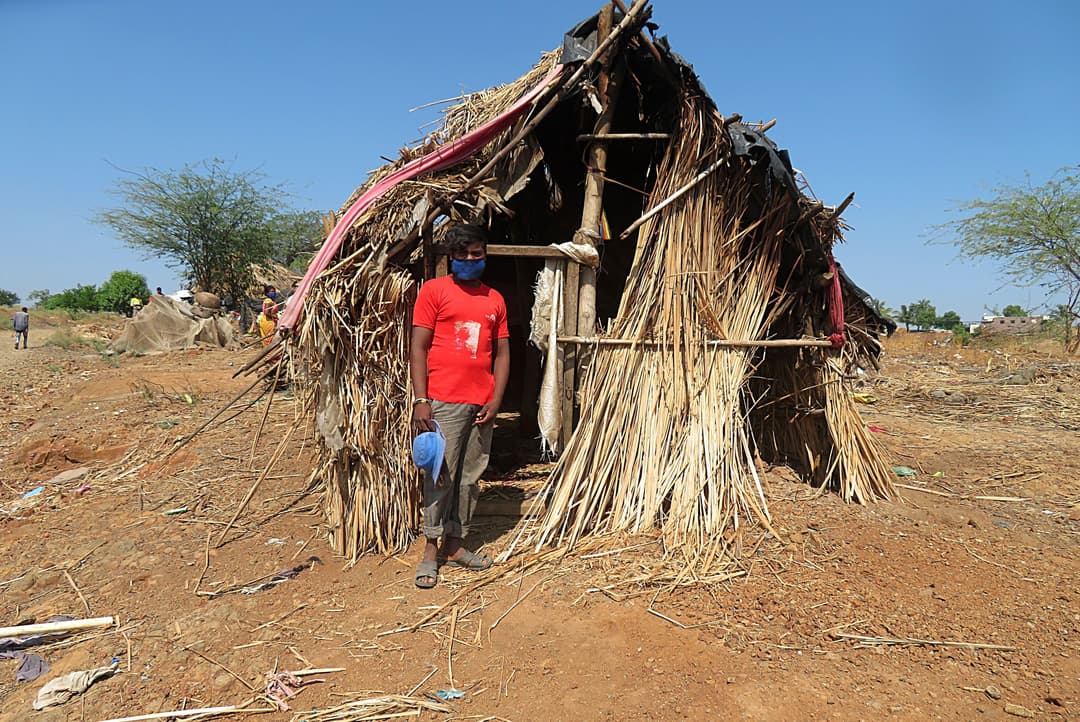
Amol Barde’s ‘isolation room’ is a dry straw hut with a broken door, a damaged roof covered with a torn black plastic sheet, and an uneven mud floor strewn with stones.
He moved into this empty hut in a remote area of Maharashtra’s Shirur taluka on May 1, after he tested Covid-positive
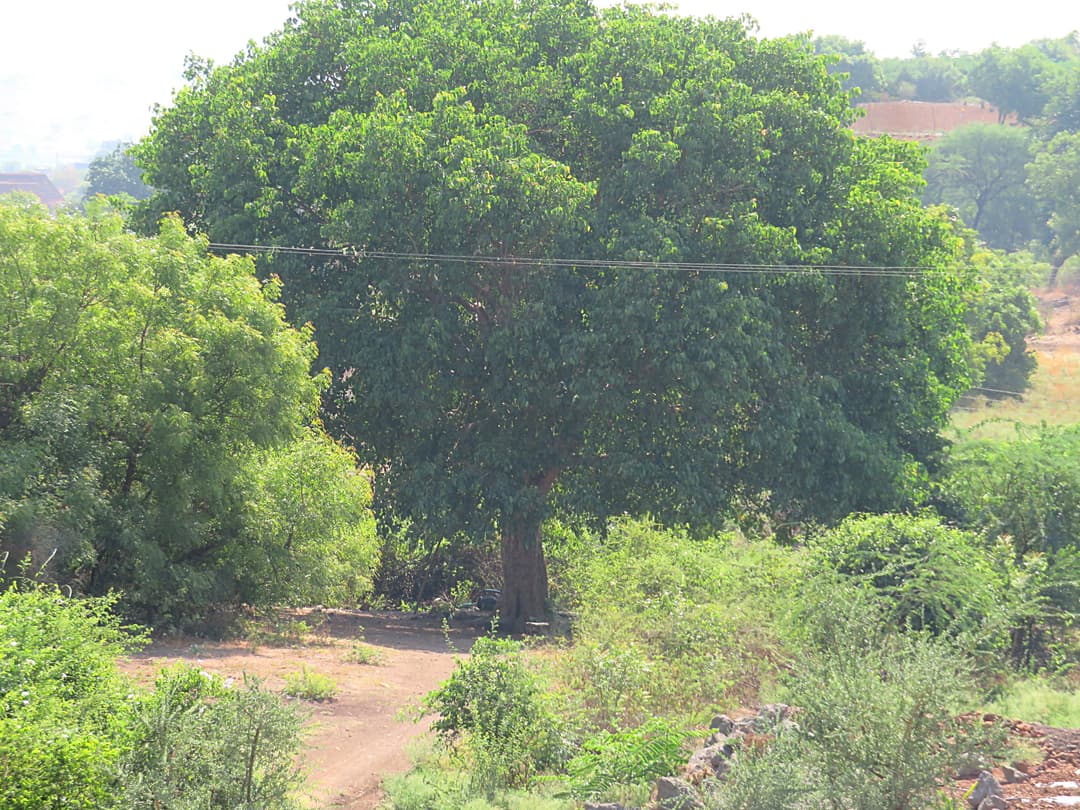
When the May heat makes it difficult to rest inside, he seeks relief under a peepal tree a few steps away. “From 11 in the morning to 4 in the afternoon, I sleep under that tree, on a plastic mat,” he says.
On May 1, 19-year-old Amol had woken up with fever, headache and body pain, and had immediately travelled in a shared jeep to Shirur Rural Hospital, 12 kilometres from his hut.
When a rapid antigen test showed he was positive, he asked the doctor at the hospital what he should do next. “The doctor told to buy 10-days’ medicines and stay in a separate room away from my family for 14-15 days,” Amol says.
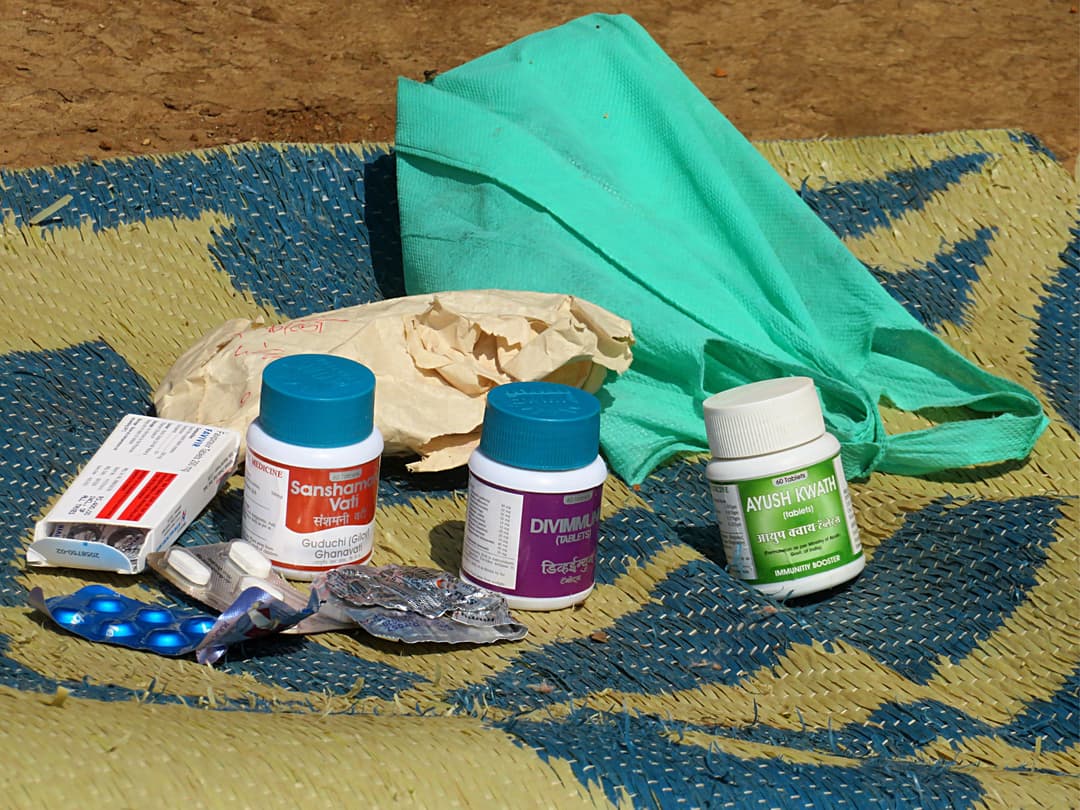
“A bed was not available,” he adds. Shirur Rural Hospital has 20 beds with oxygen facilities, and 10 isolation beds (the medical superintendent there told me). So Amol followed the doctor’s instructions and bought medicines from a chemist next to the hospital. Since it was not possible to isolate in his own small hut, he moved to a neighbour’s empty hut. “They went out for work for few months in April. I phoned them to allow me to stay until I finish my course [Covid treatment],” says Amol.