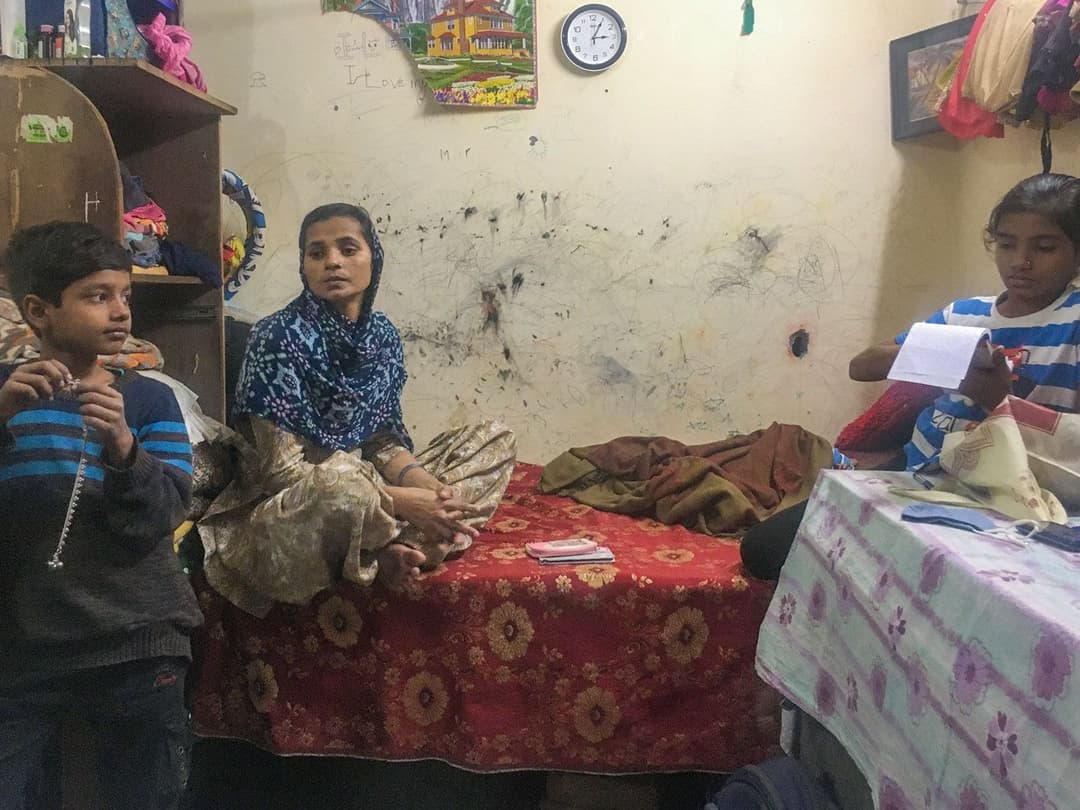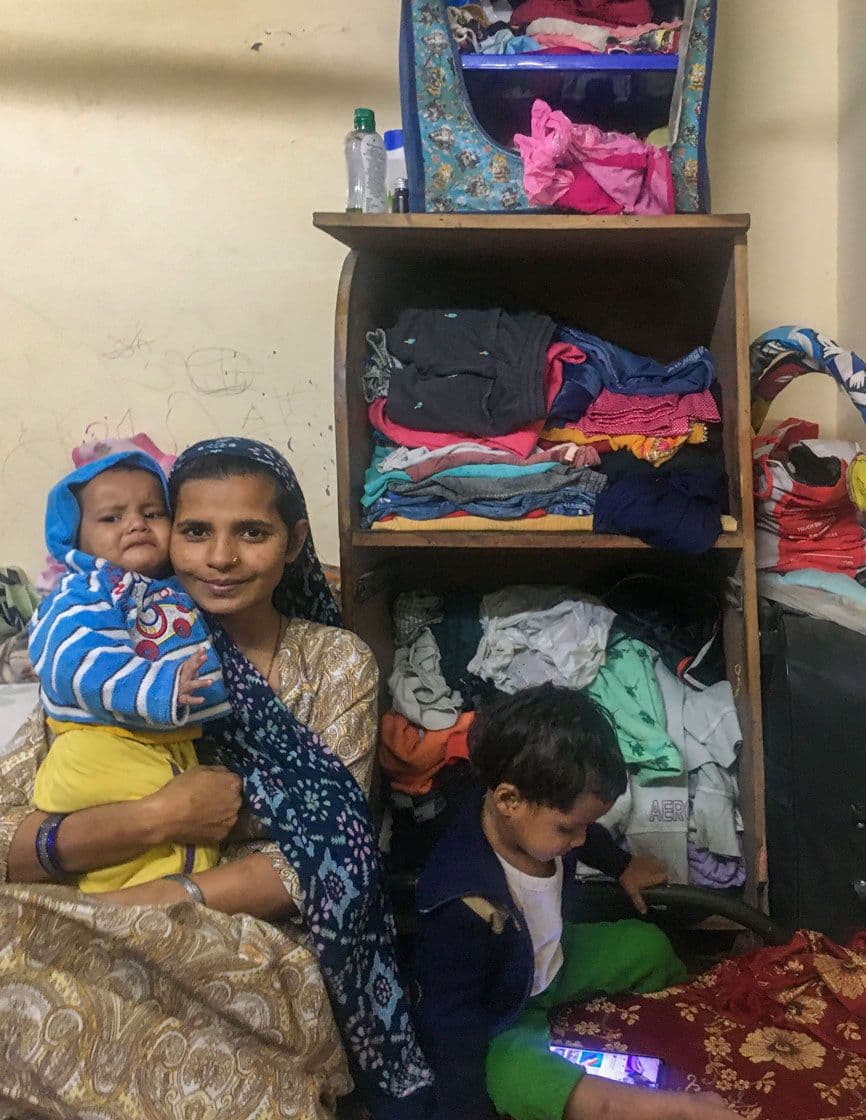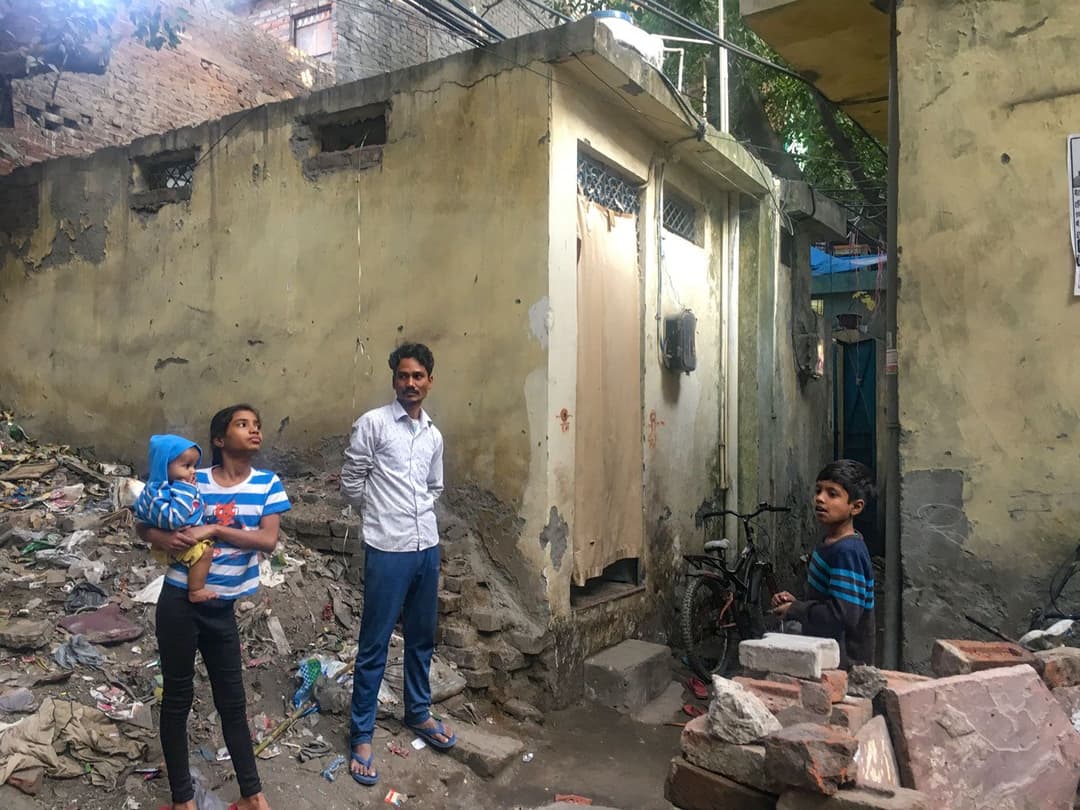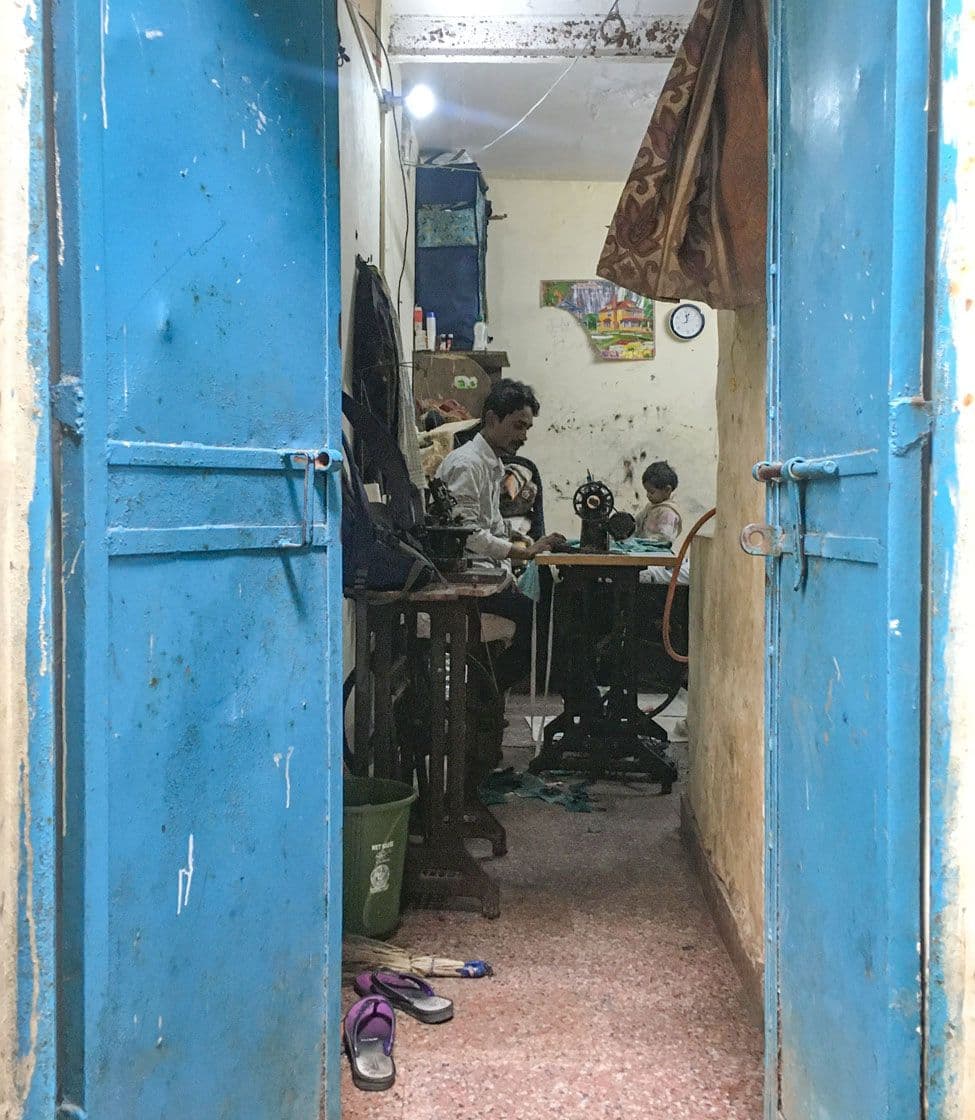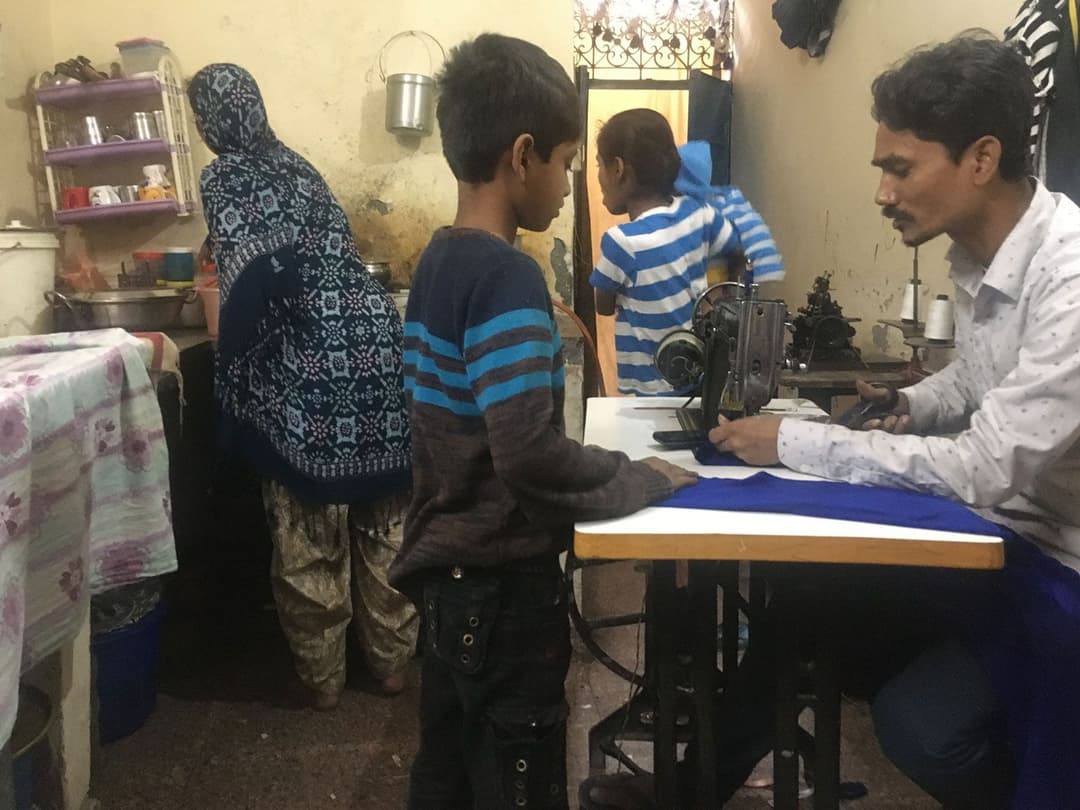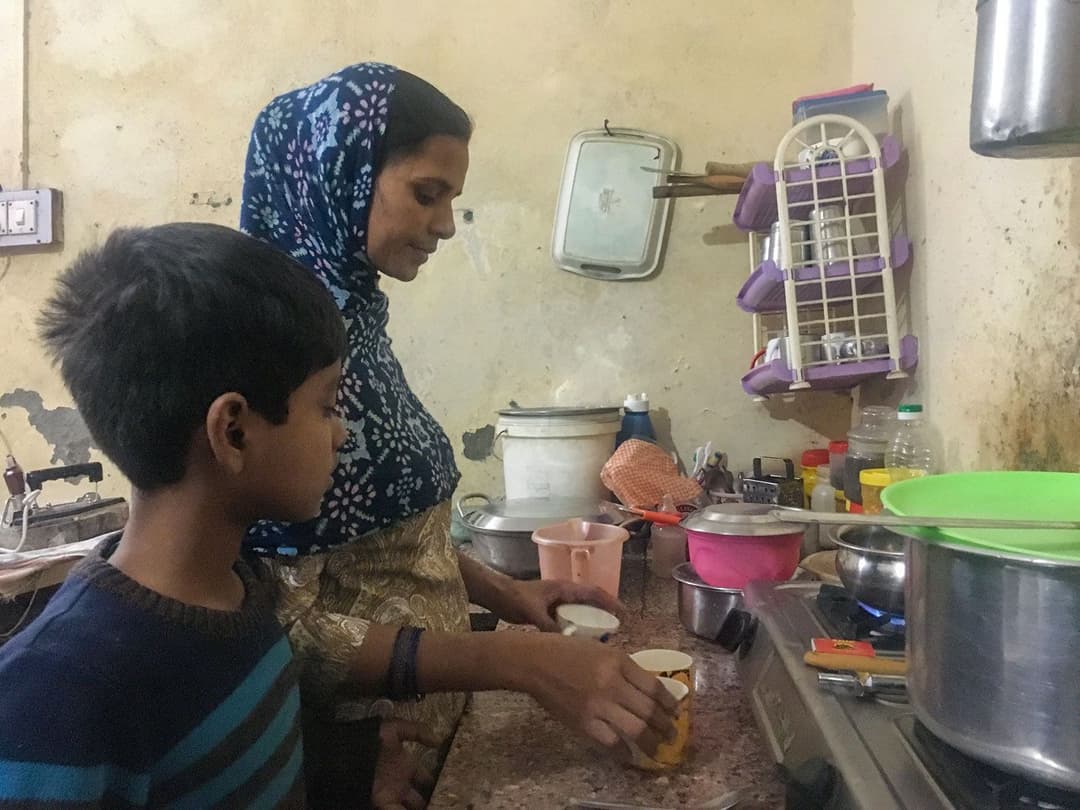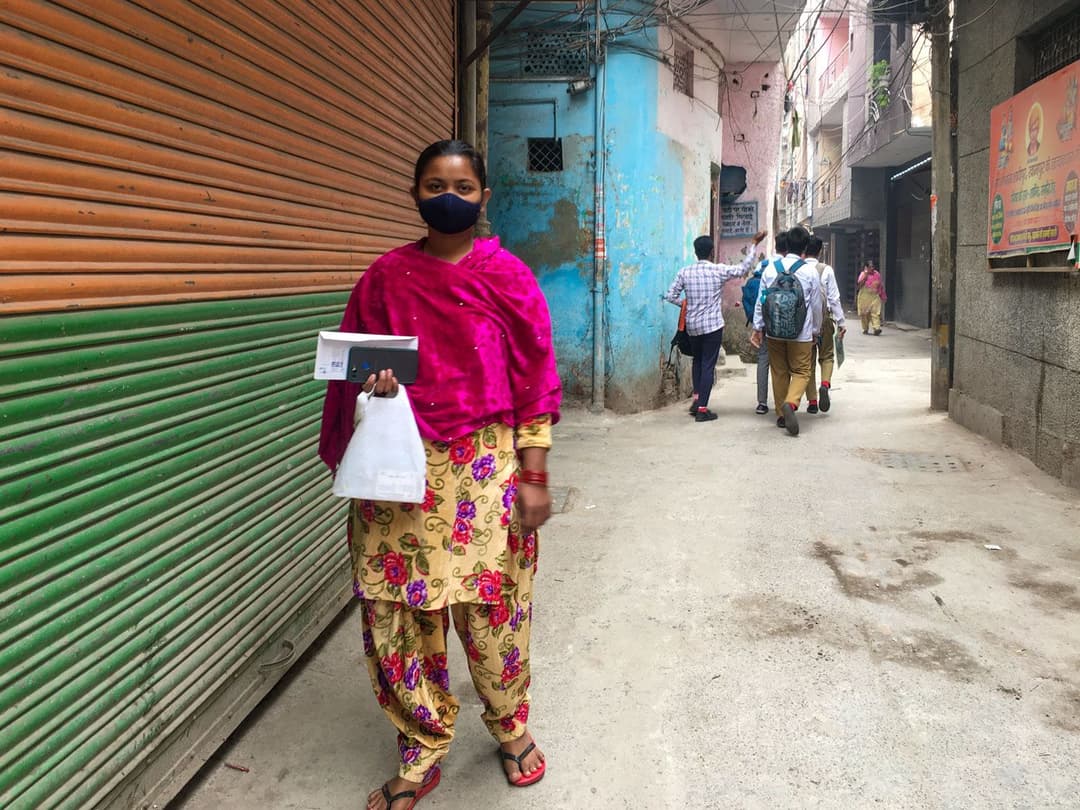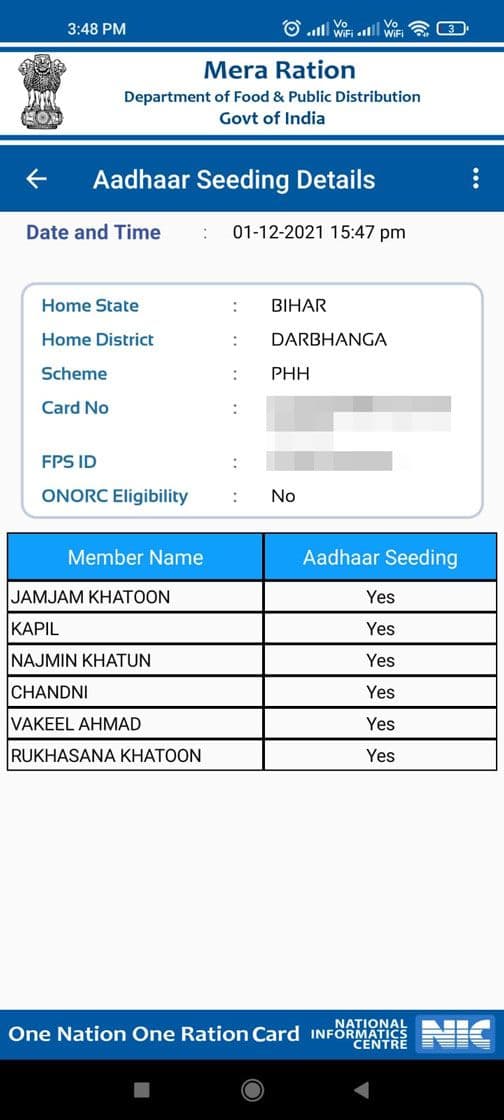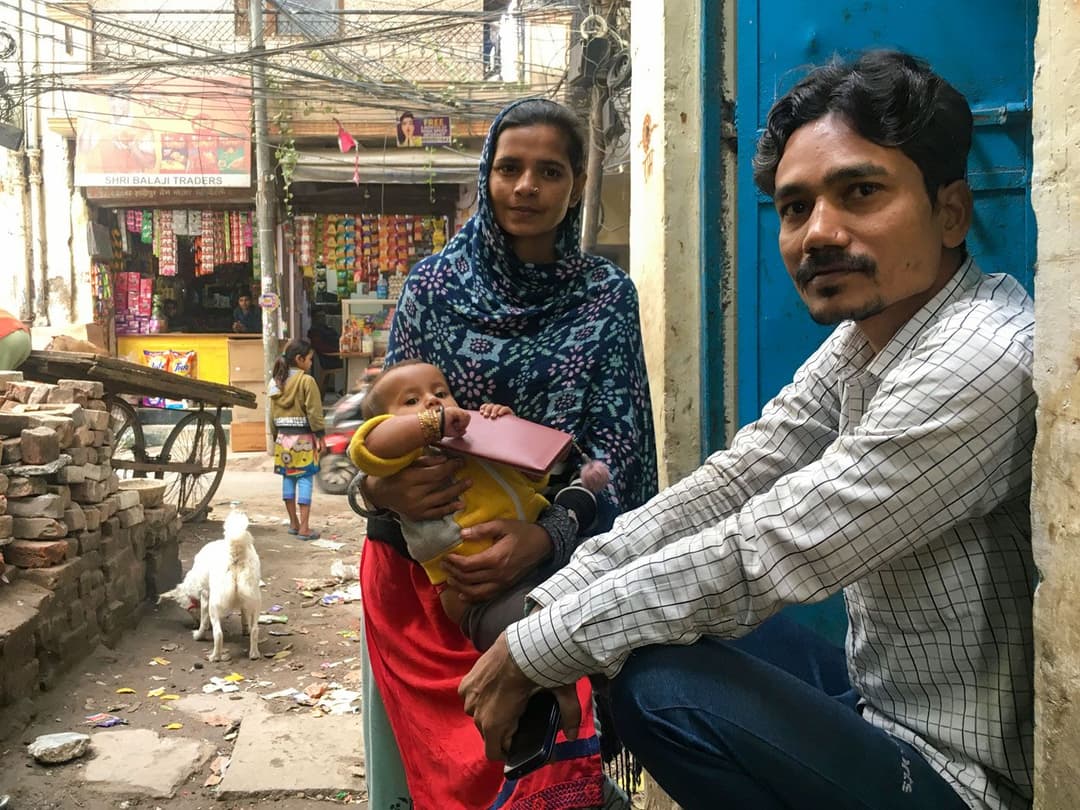

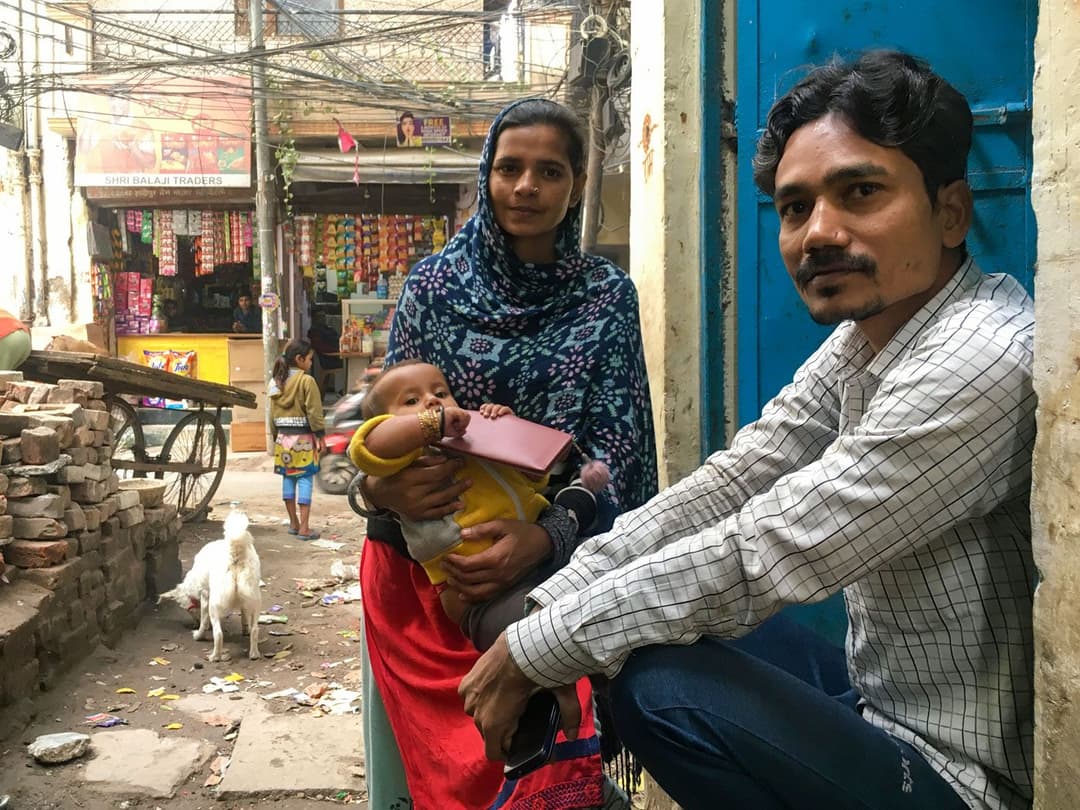
Rukhsana Khatoon thought she no longer had to worry about feeding her family. It was November 2020 and, after a third attempt that dragged out over two years, she had just received a ration card. Suddenly, the worst months of the pandemic year appeared to be behind them.
It was a ‘priority household’ card, a category under the National Food Security Act (NFSA), 2013, for which eligible beneficiaries are identified by state governments.
It bore the address of their native home where they were living at the time – in a village recently merged into a dusty municipal council area in Bihar’s Darbhanga district. Rukhsana could finally get subsidised rations for her family of seven.
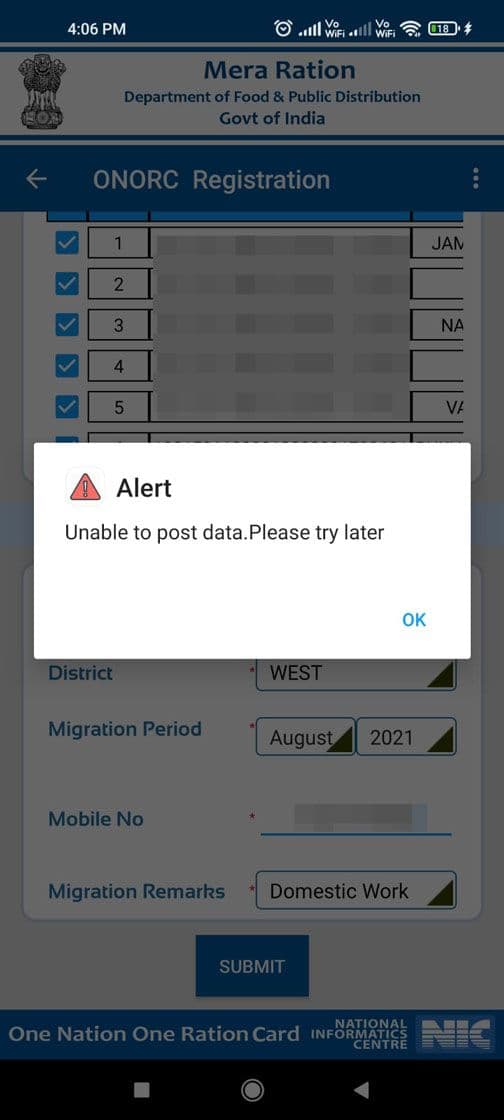
Then they all moved back to Delhi in August 2021, and getting foodgrains that her family is legally entitled to, once again hit a snag.
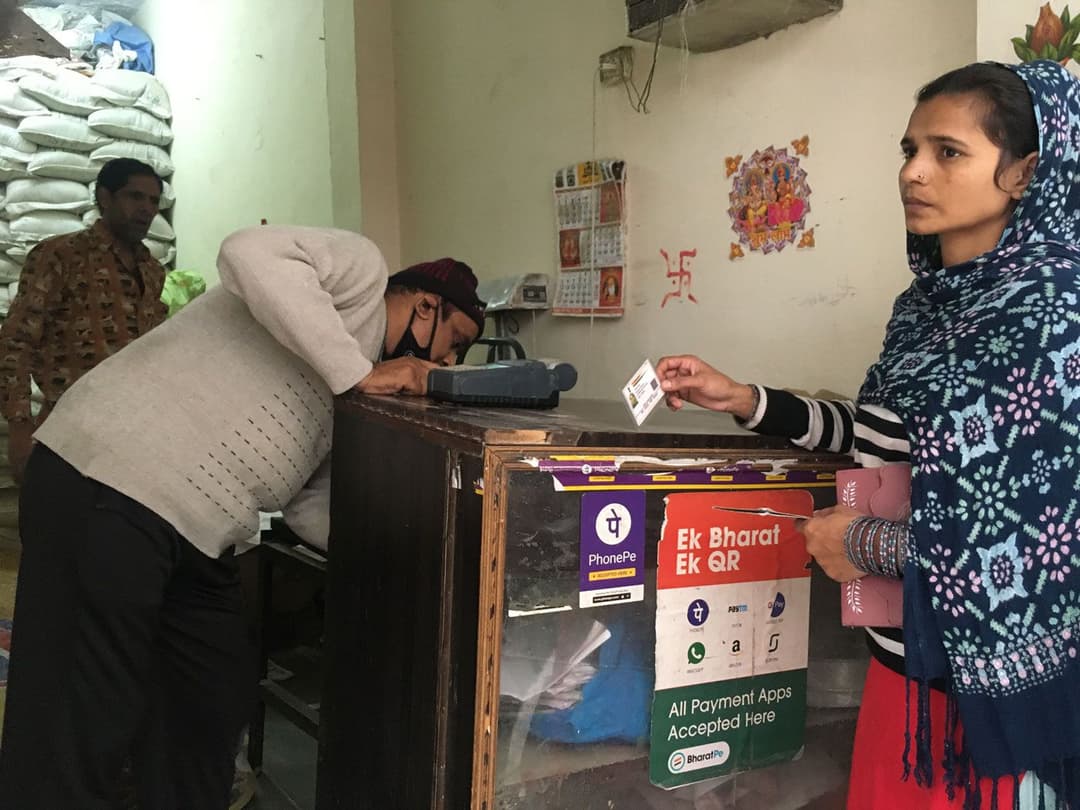
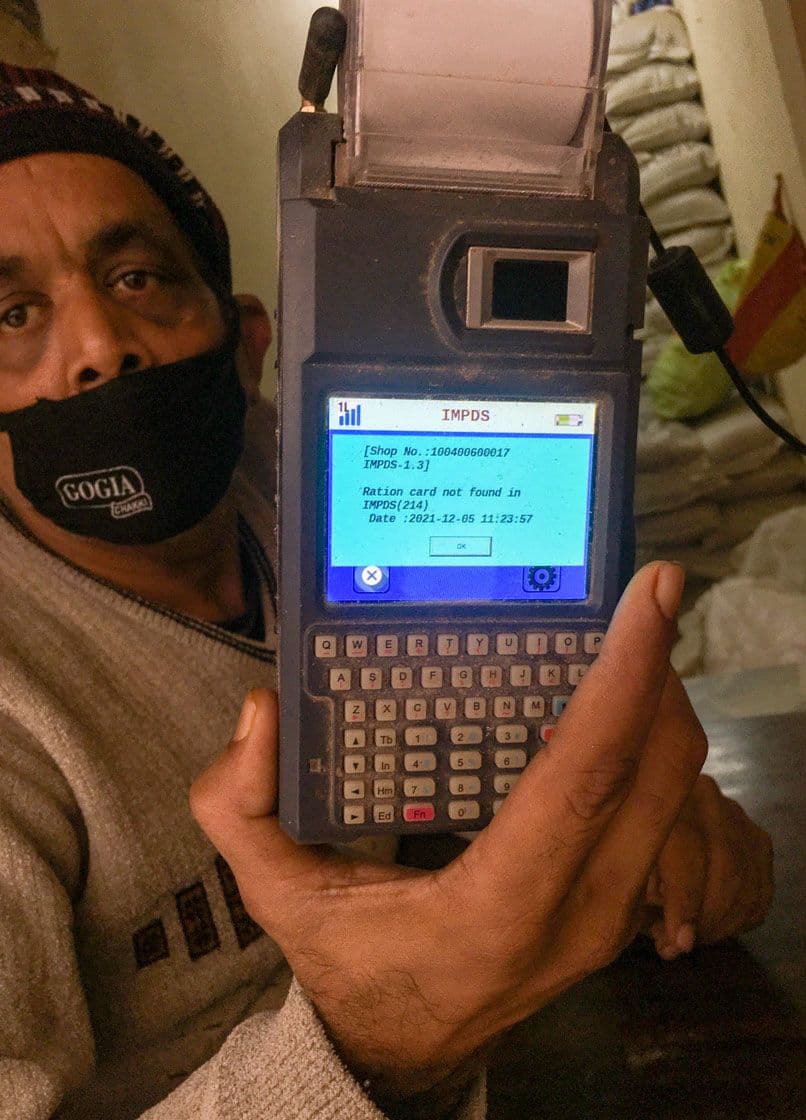
Under the central government’s One Nation, One Ration Card (ONORC) scheme, beneficiaries of the NFSA – categorised under ‘priority households’ and ‘poorest of the poor’ – are entitled to collect their quota of foodgrains from any fair price shop. The shops are licensed to distribute commodities under the Public Distribution System (PDS), using Aadhaar-linked biometric authentication. But each time Rukhsana visited the nearest fair price shop in the Shadipur Main Bazaar area of West Delhi for her monthly quota, the electronic point-of-sale (ePOS) machine read: ‘Ration card not found in IMPDS’.
While foodgrains are allocated by the union government to states for distribution under the PDS, the Integrated Management of Public Distribution System (IMPDS) was set up in 2018 to allow eligible migrants to collect their entitlements from anywhere in the country under the ONORC scheme.