
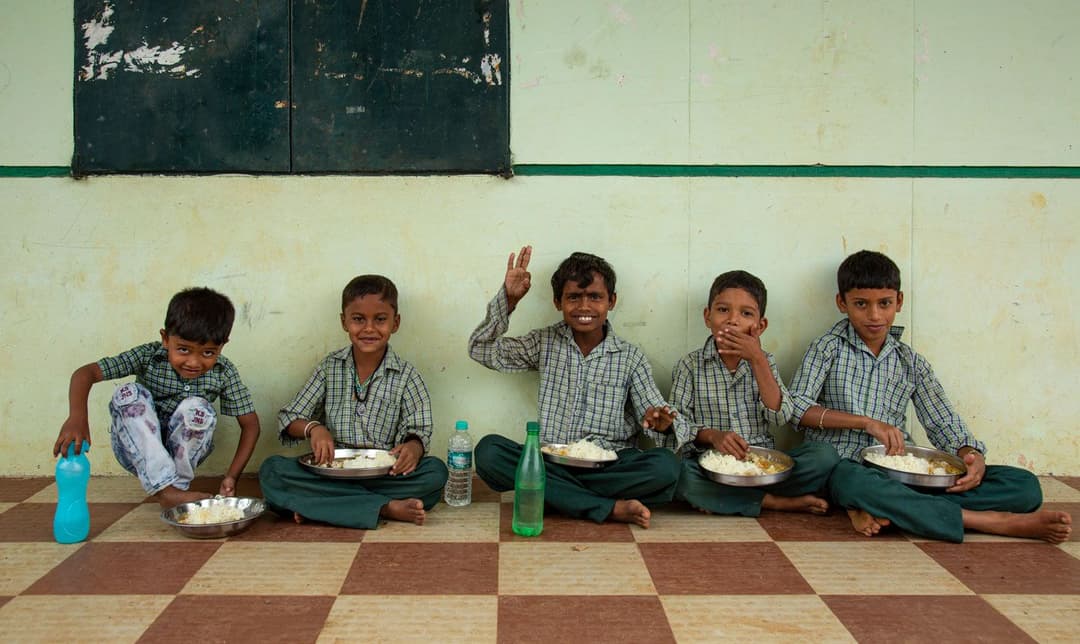
“I wish the school gave second servings.”
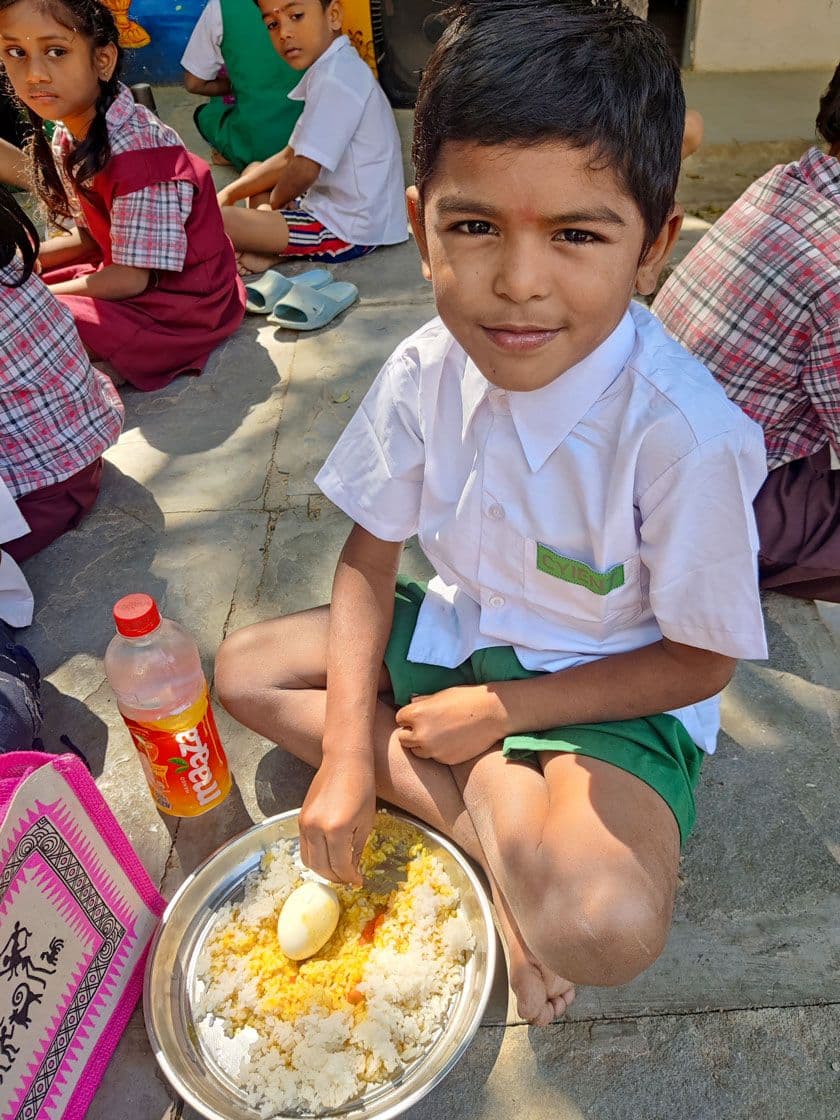
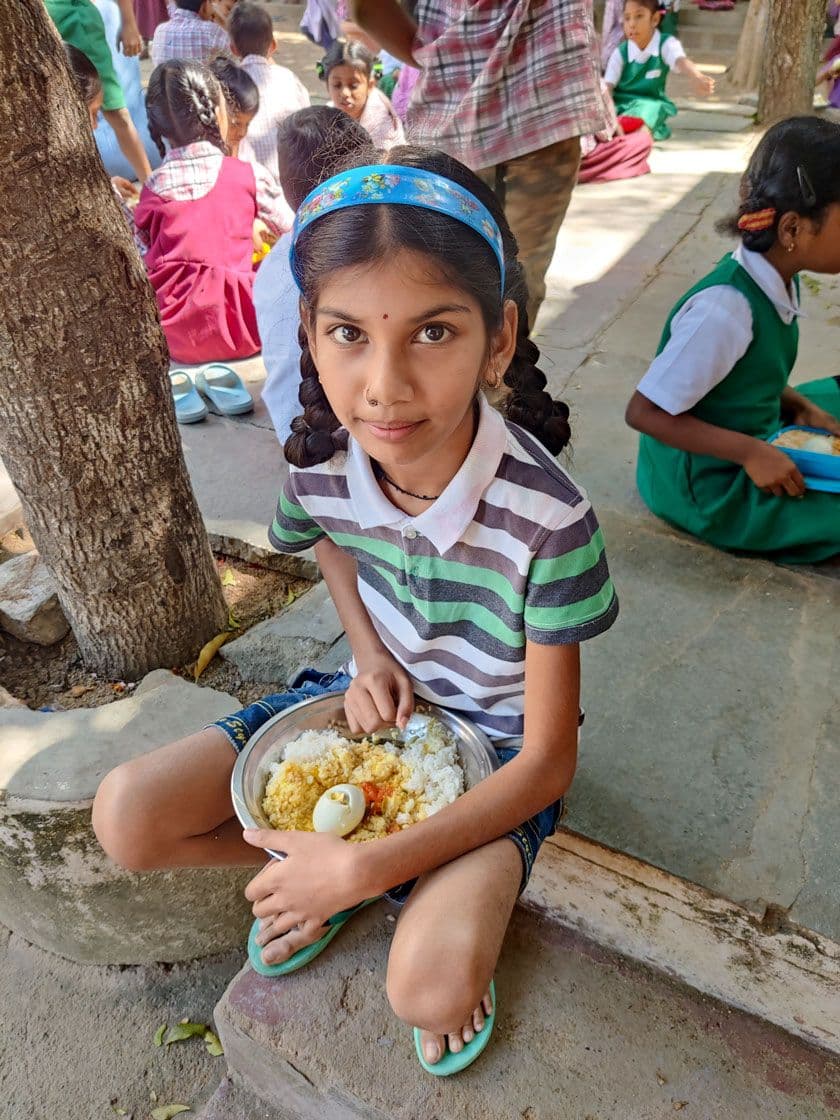
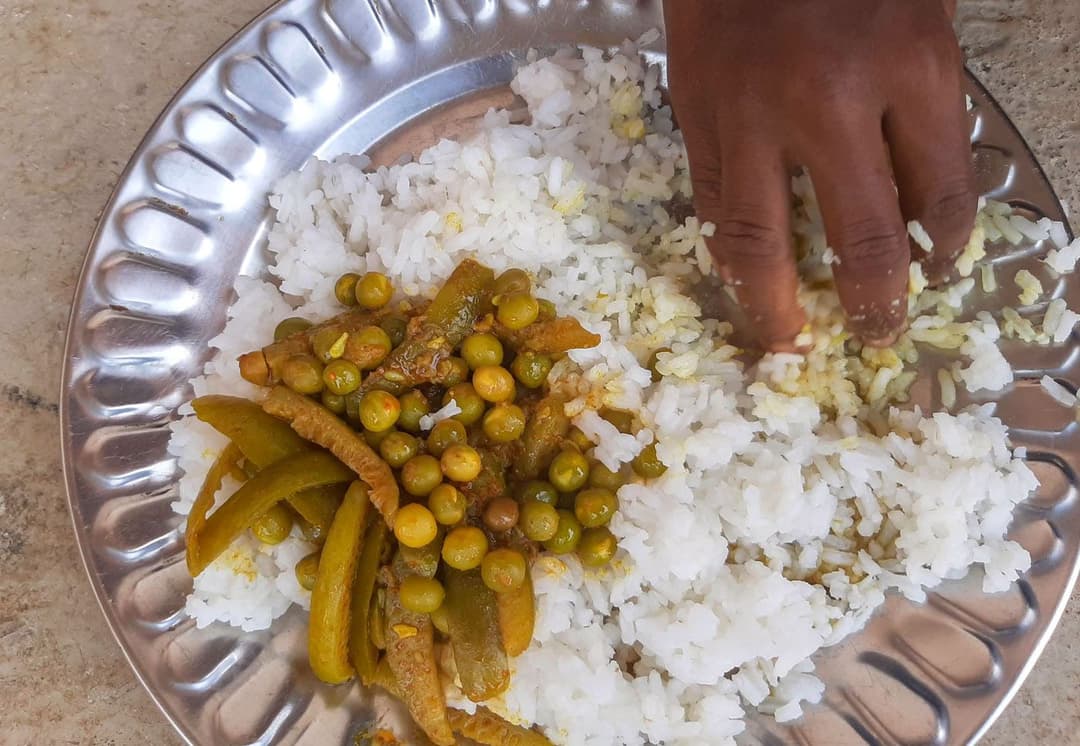
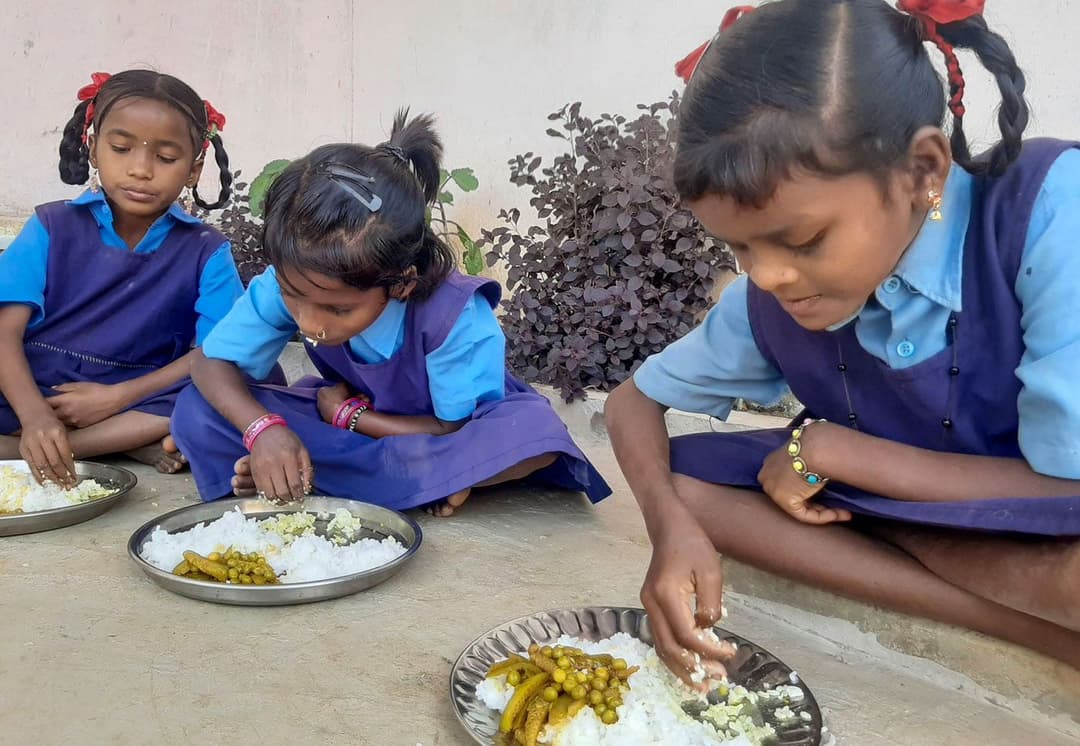
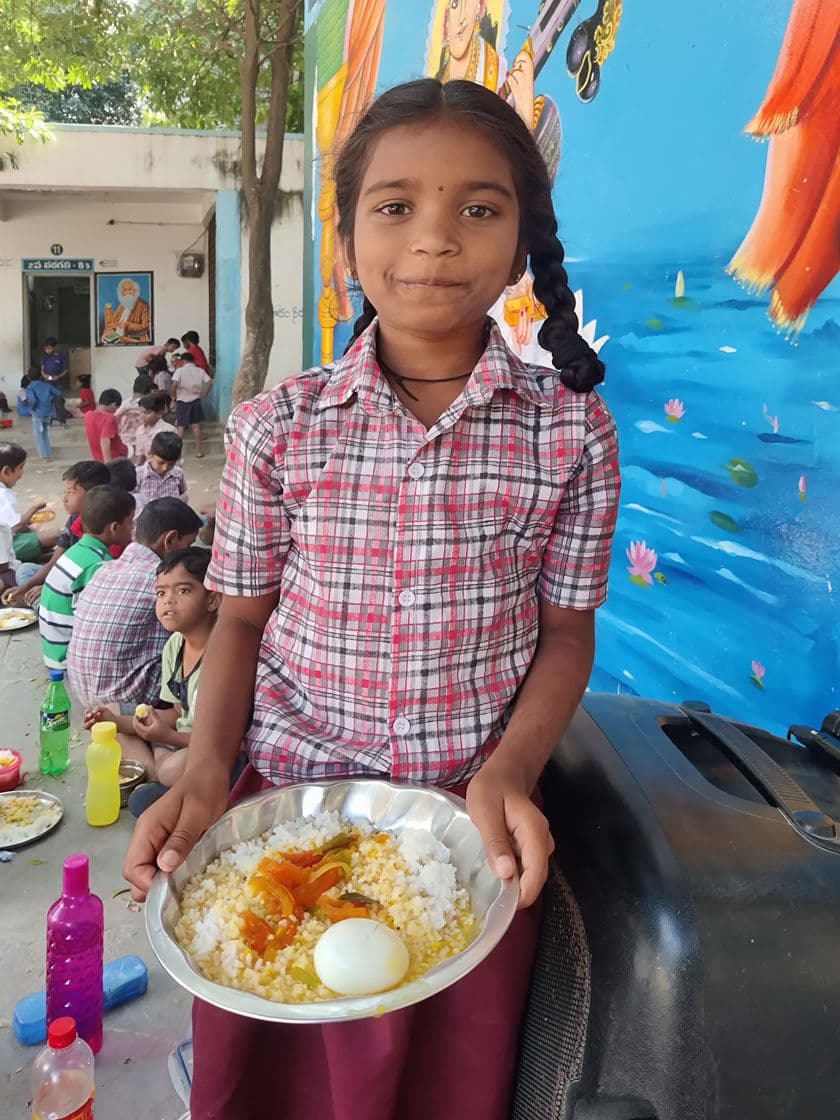
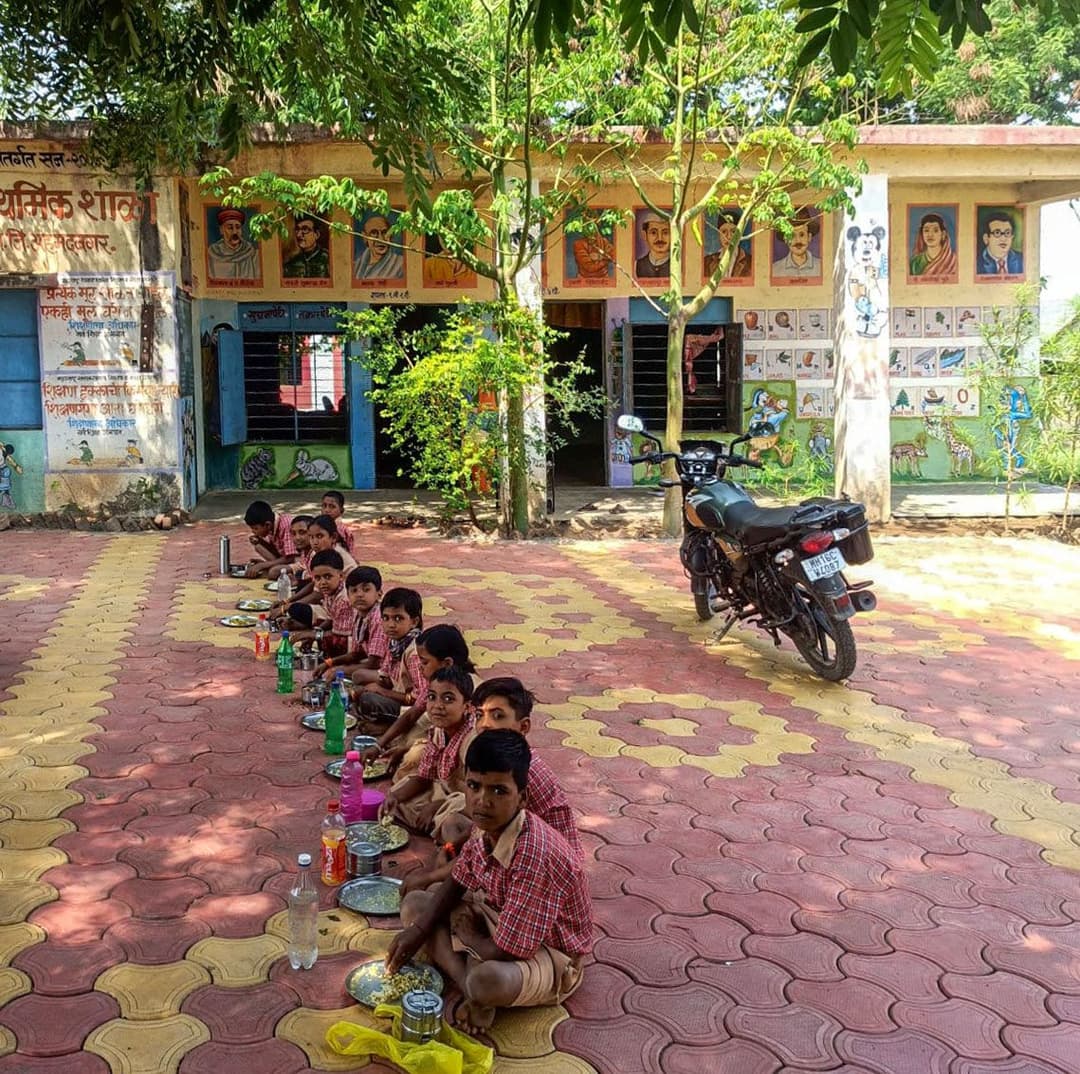
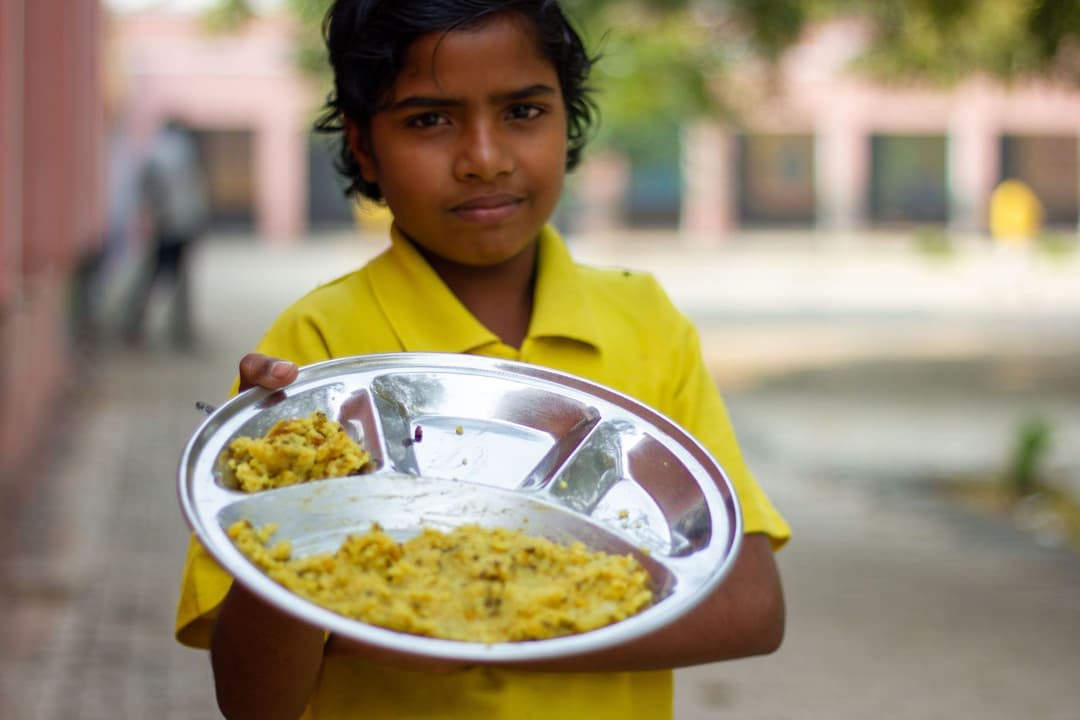
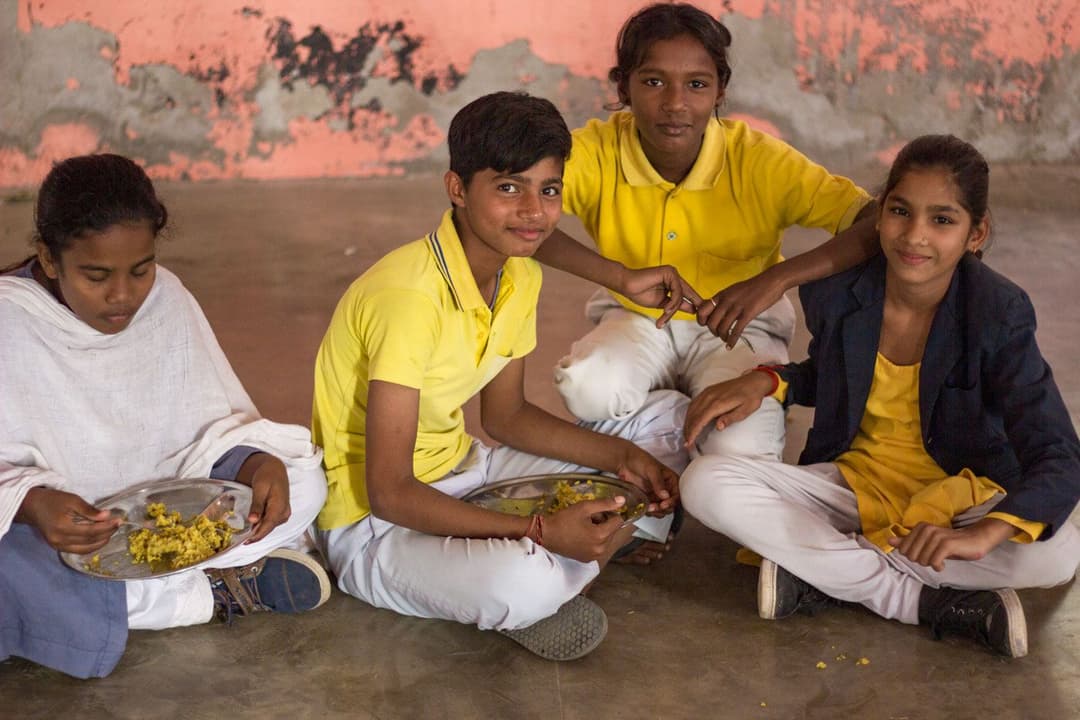
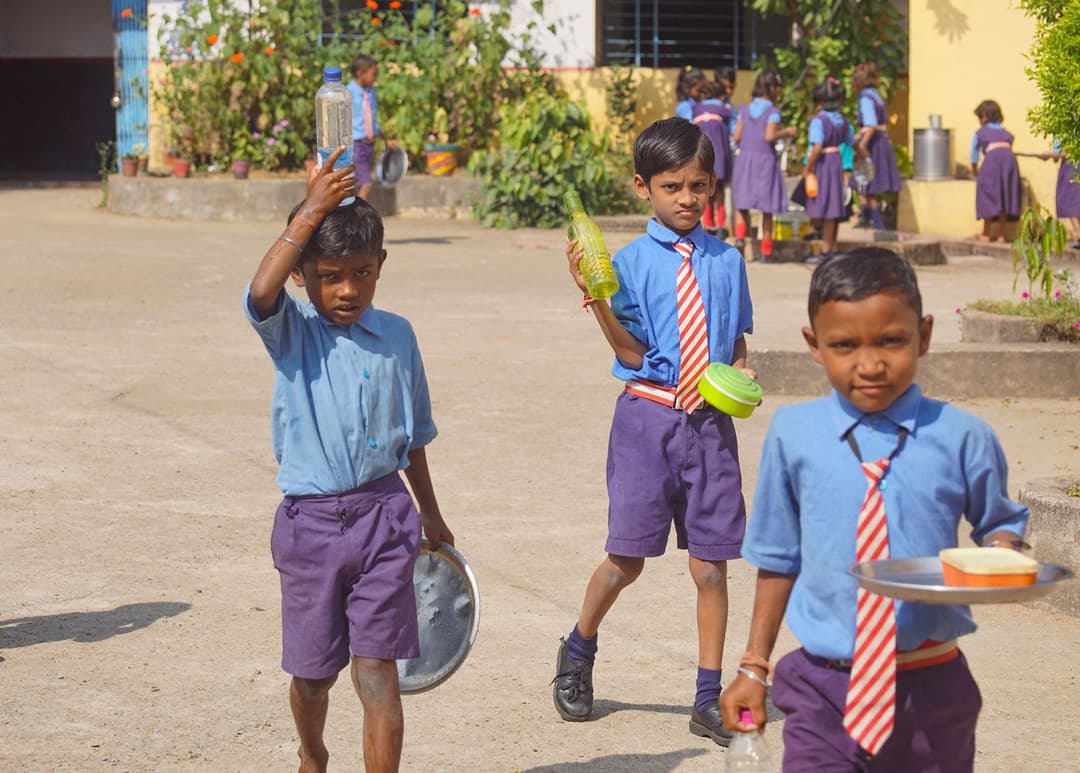
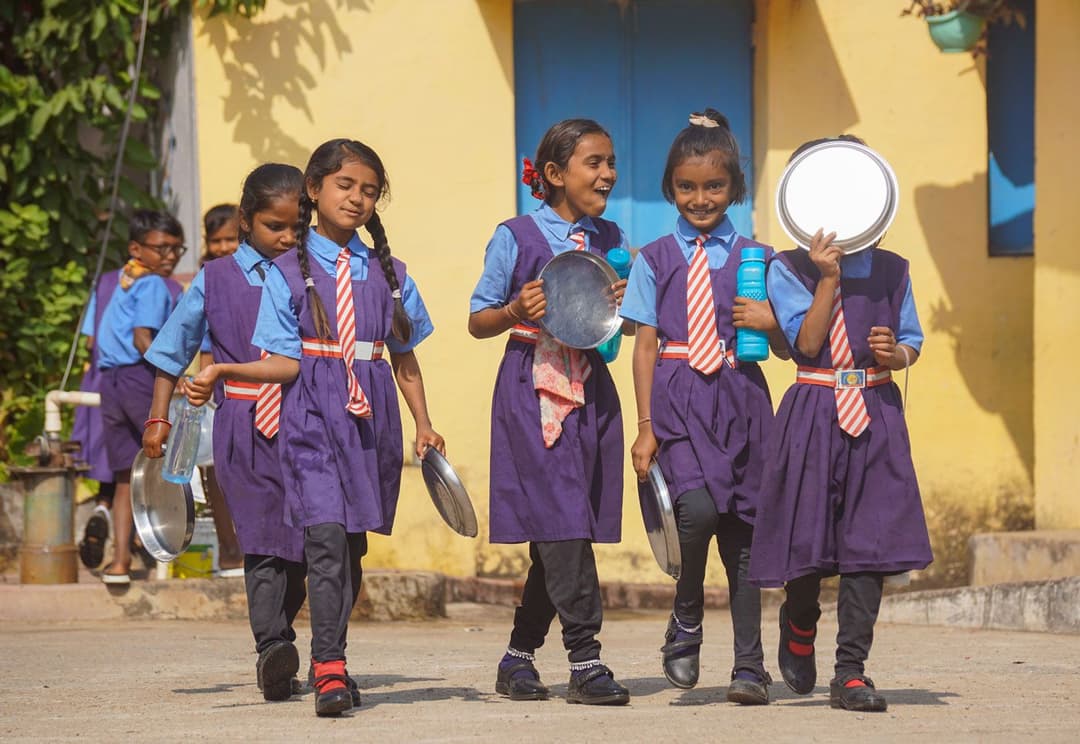
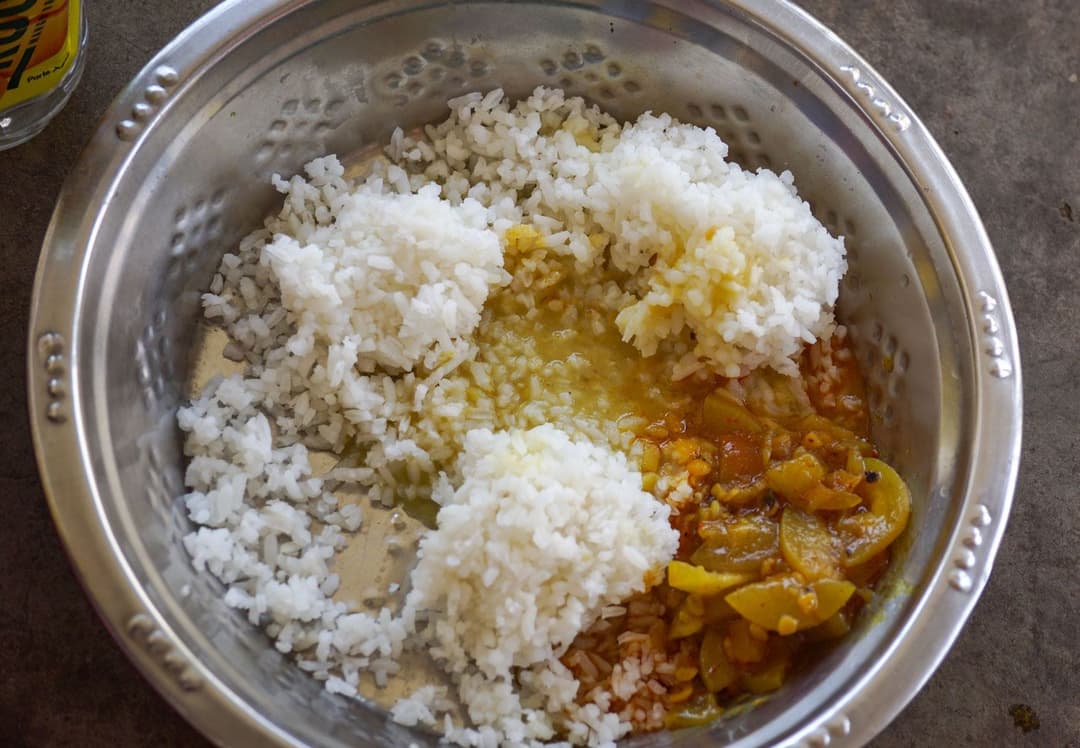
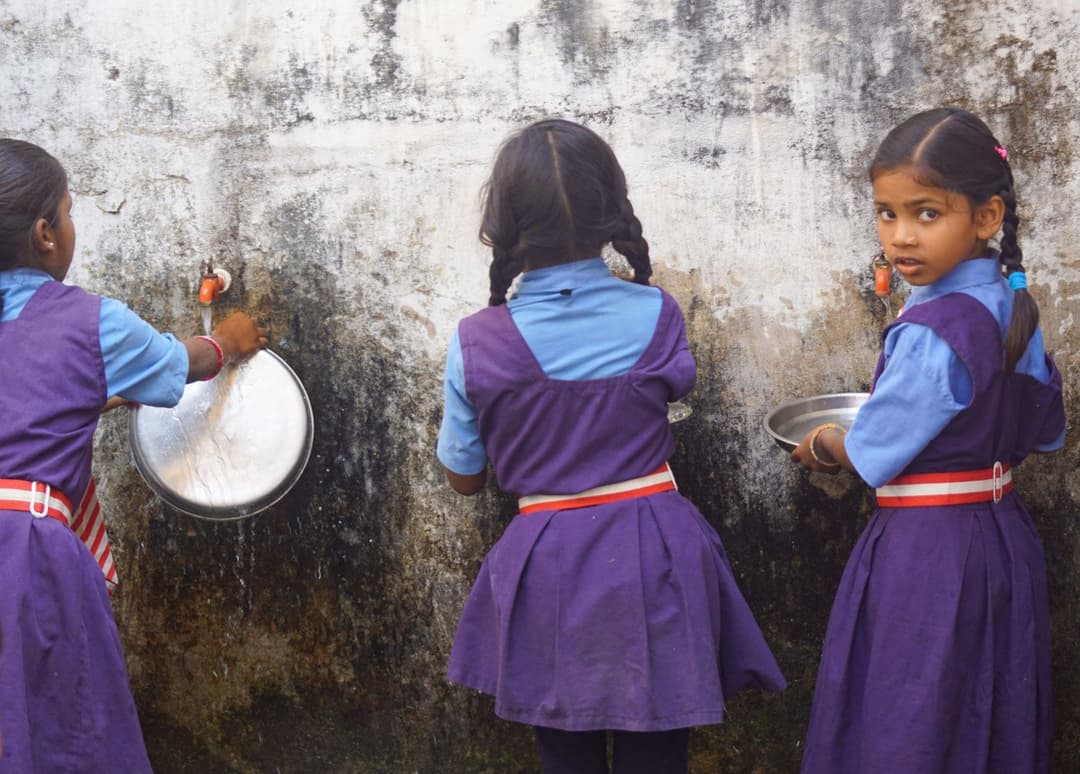
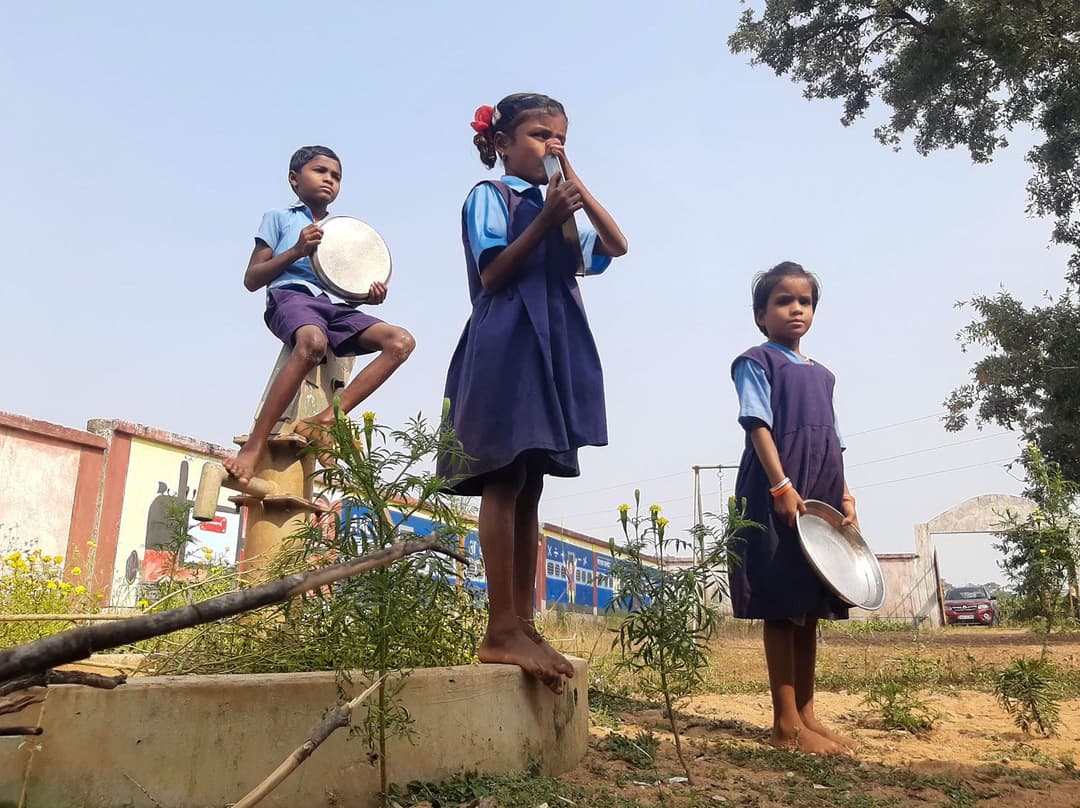
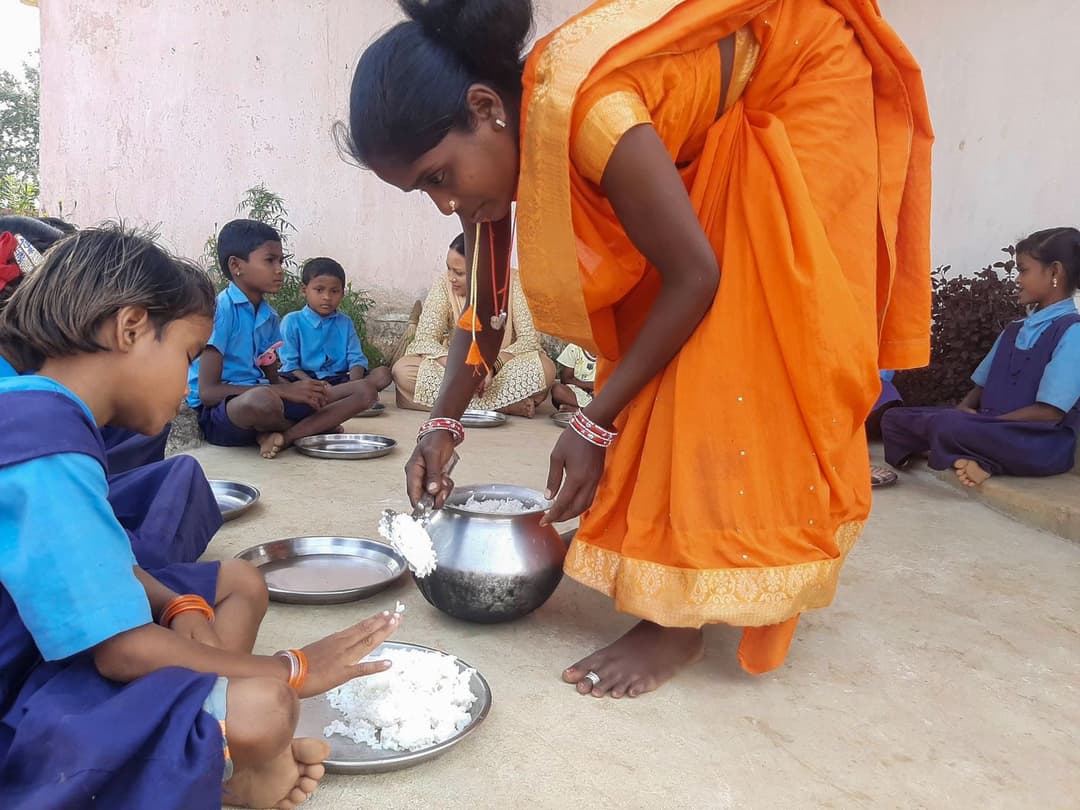
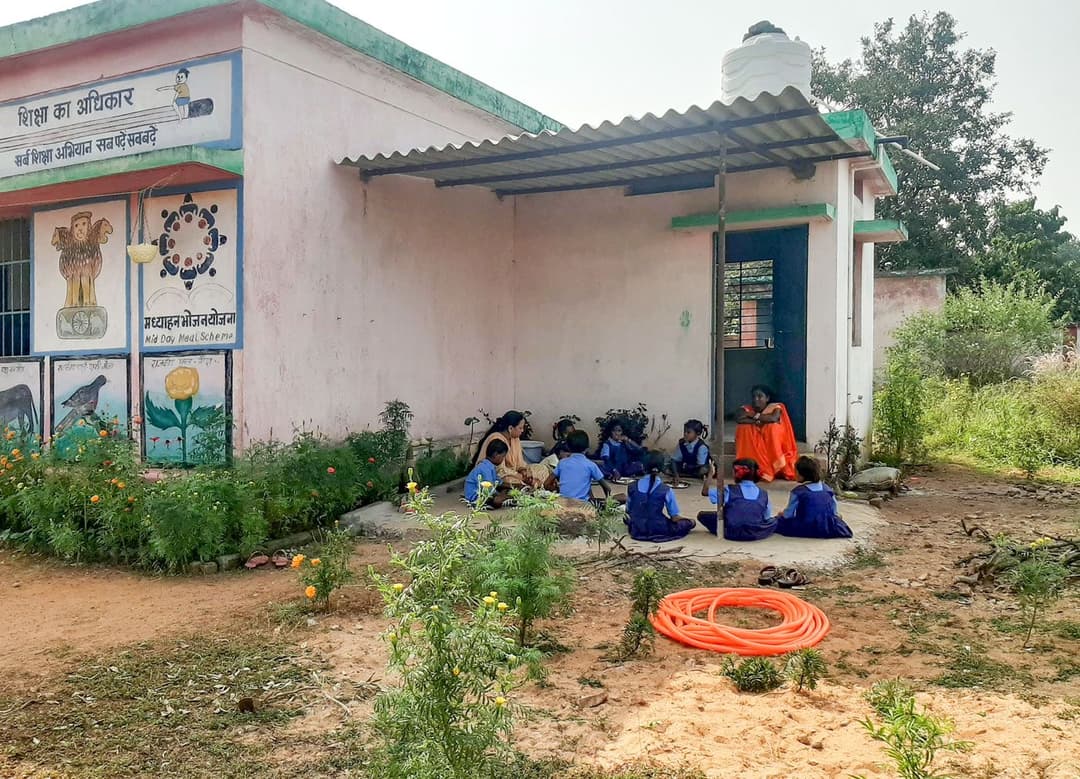
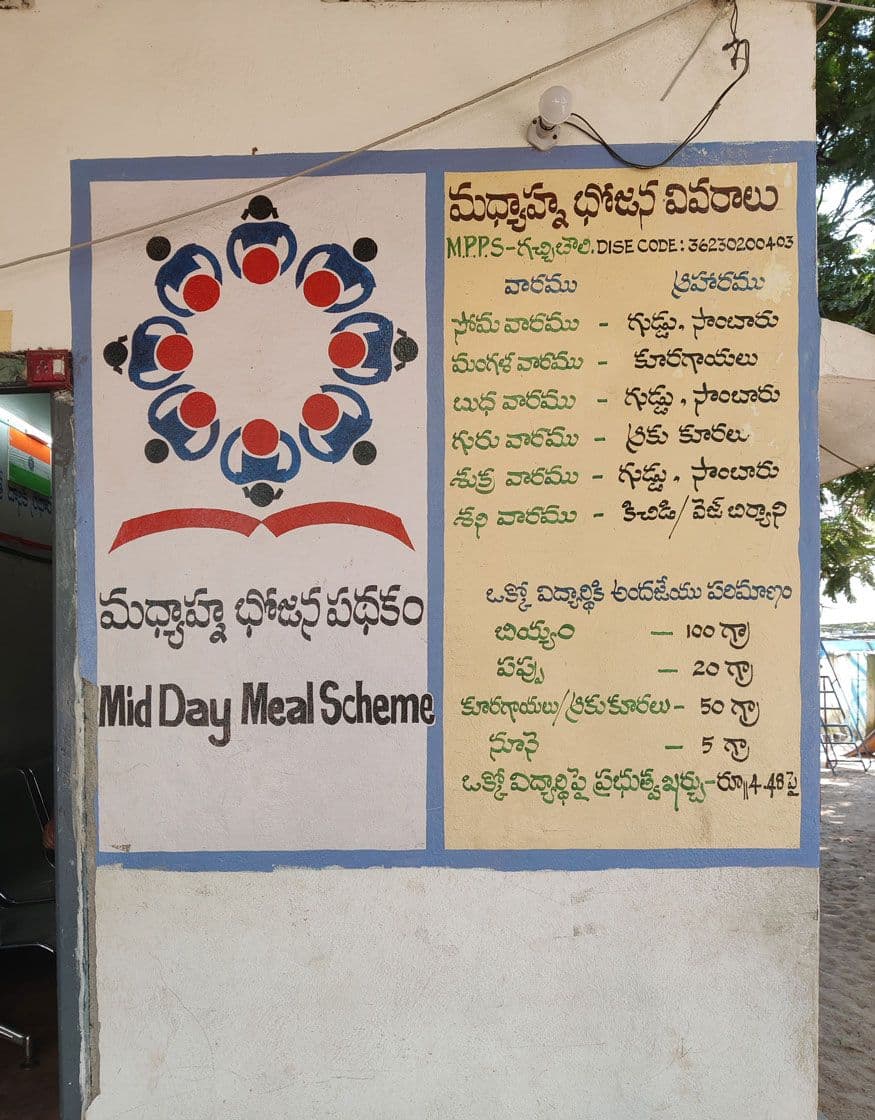
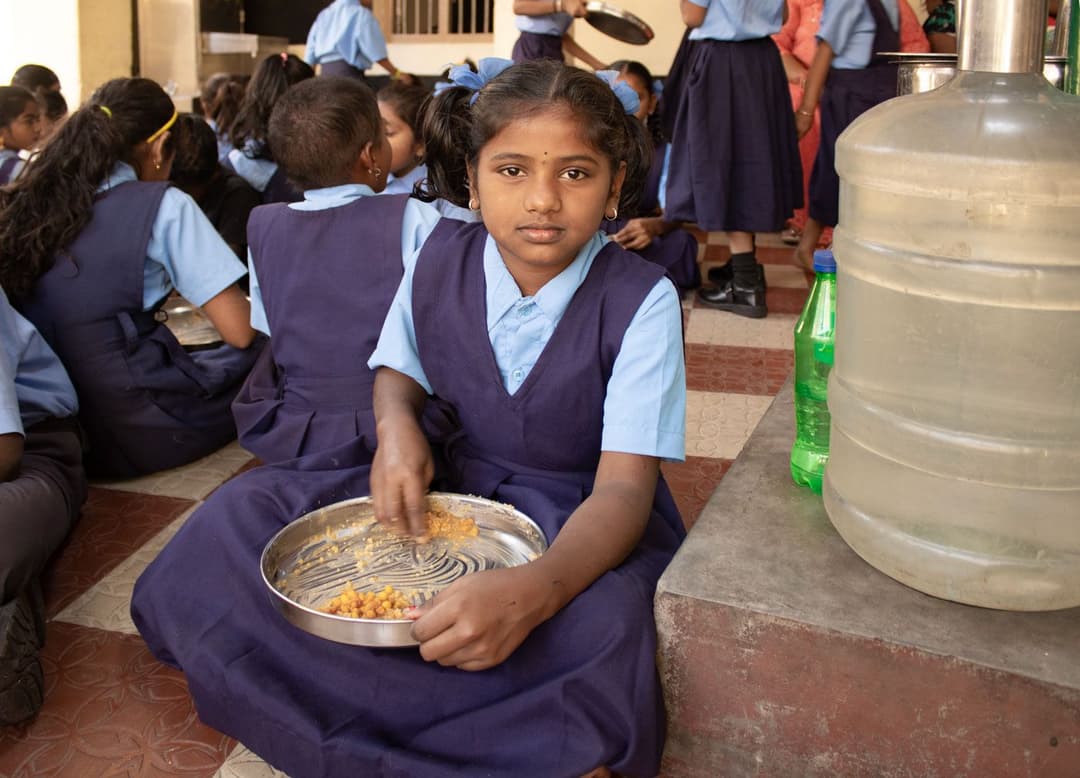
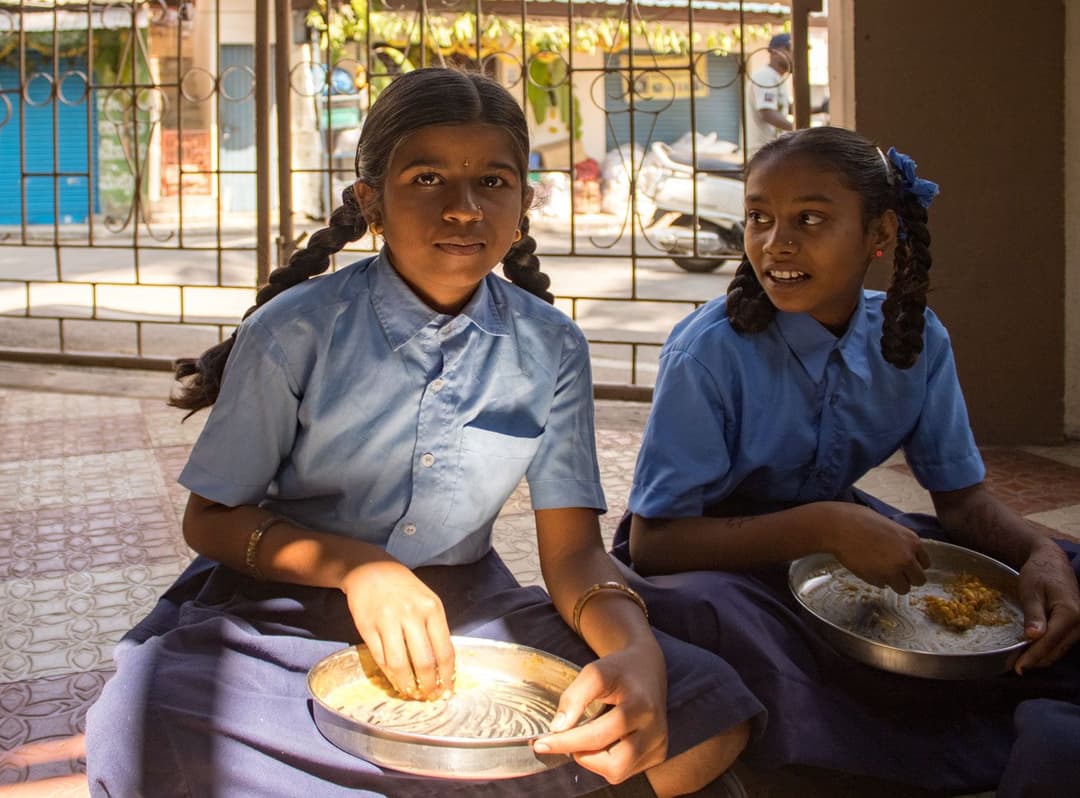
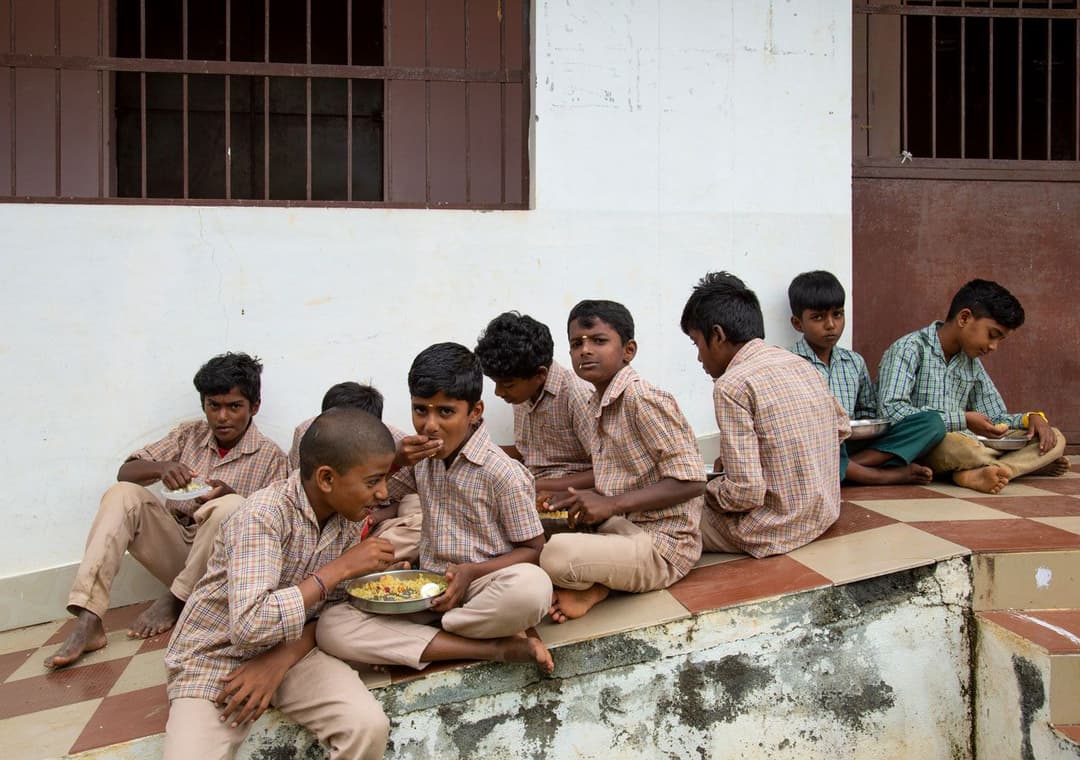
Seven-year-old Basavaraju attends the Mandal Parishad Primary School in Serilingampally mandal in Telangana. This school in Ranga Reddy district is one of the 1.12 million (11.2 lakh) schools across the country where children get a hot cooked lunch. For those like 10-year-old Ambica, Basavaraju’s schoolmate who drinks just a glass of ganji (cooked rice water) before heading to school, it is the first meal of the day.
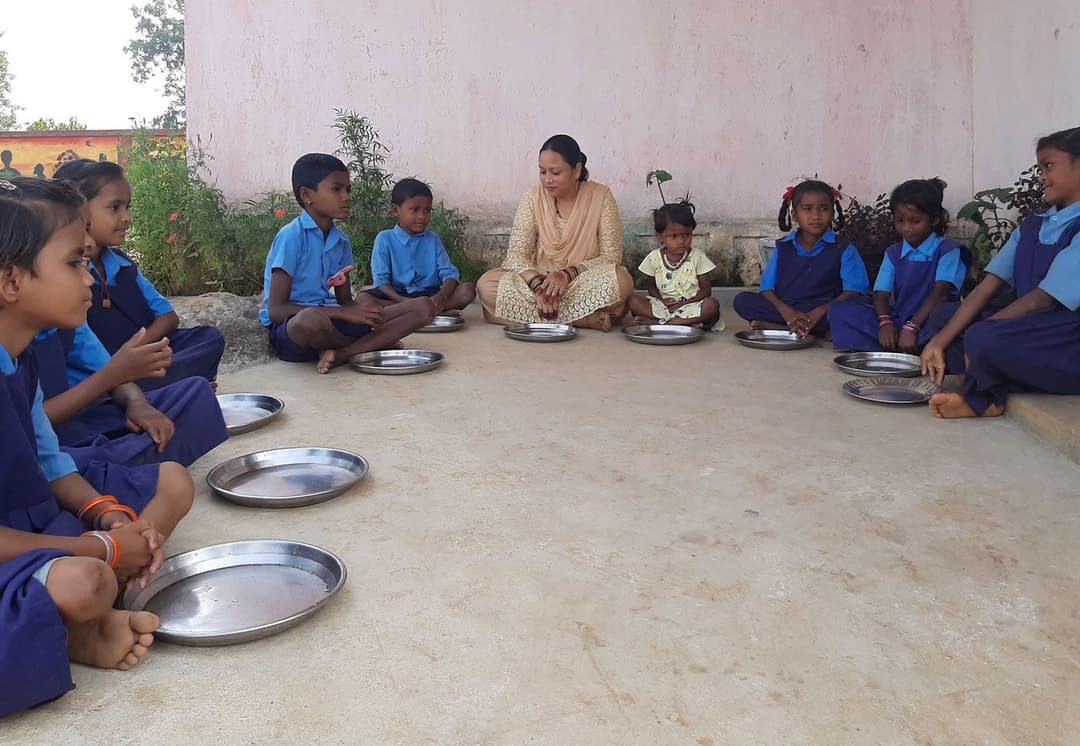
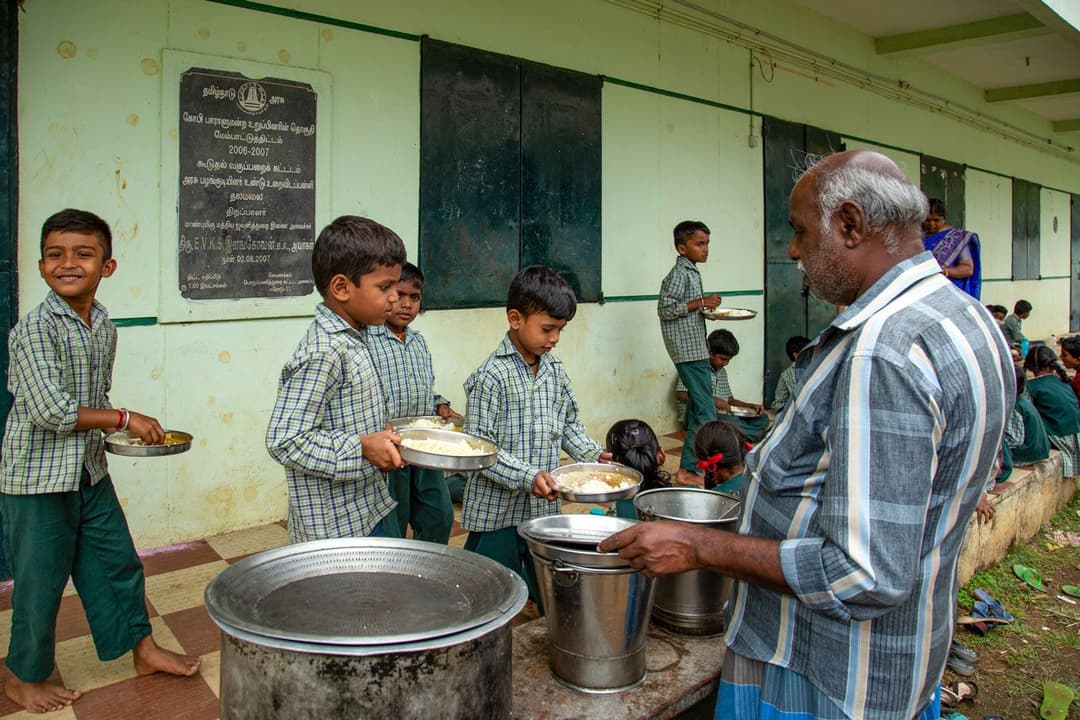
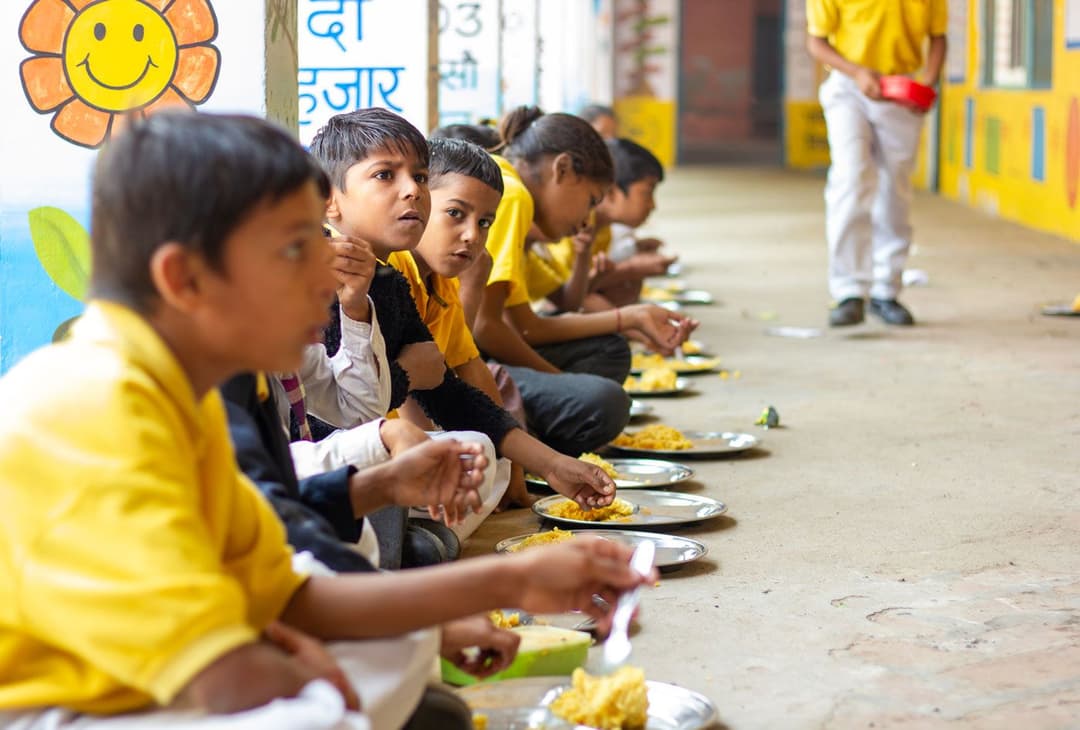
India’s mid-day meal scheme feeds about 118 million students of classes 1 to 8 studying at government and government-aided schools, and state-run learning centres supported by Sarva Shiksha Abhiyan – at no charge, on working days. No one can argue that a full stomach makes it easier to do math sums and wrestle with spellings, but the lunch is primarily expected to bring children to school. (At least 150 million children and youth are out of the formal education system in India, the union education minister, Dharmendra Pradhan, has said.)
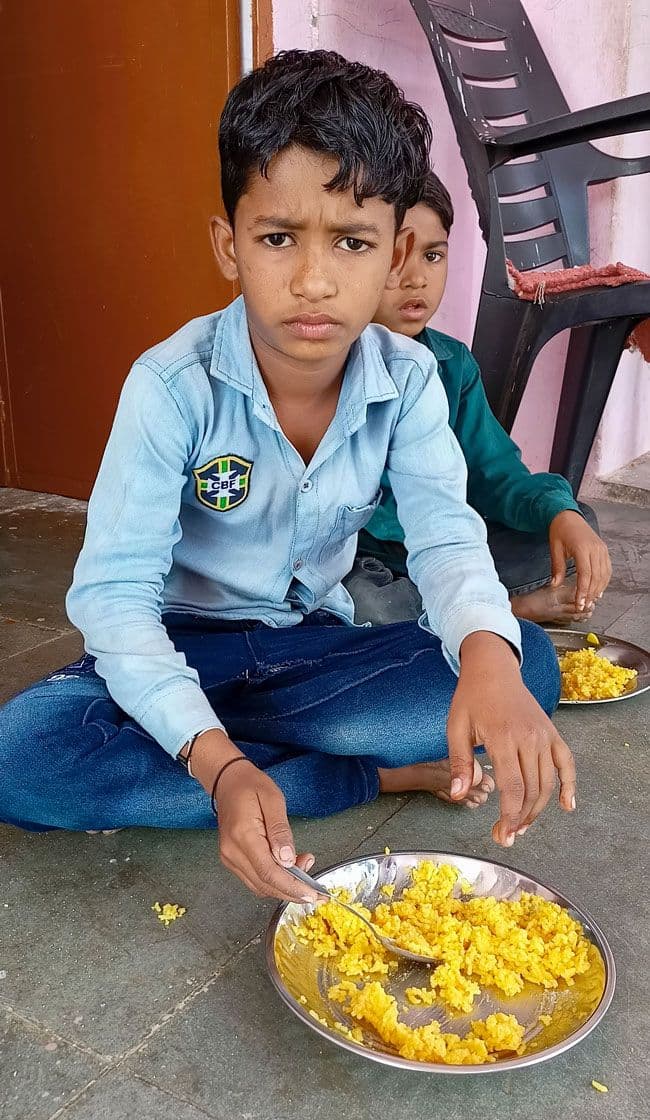
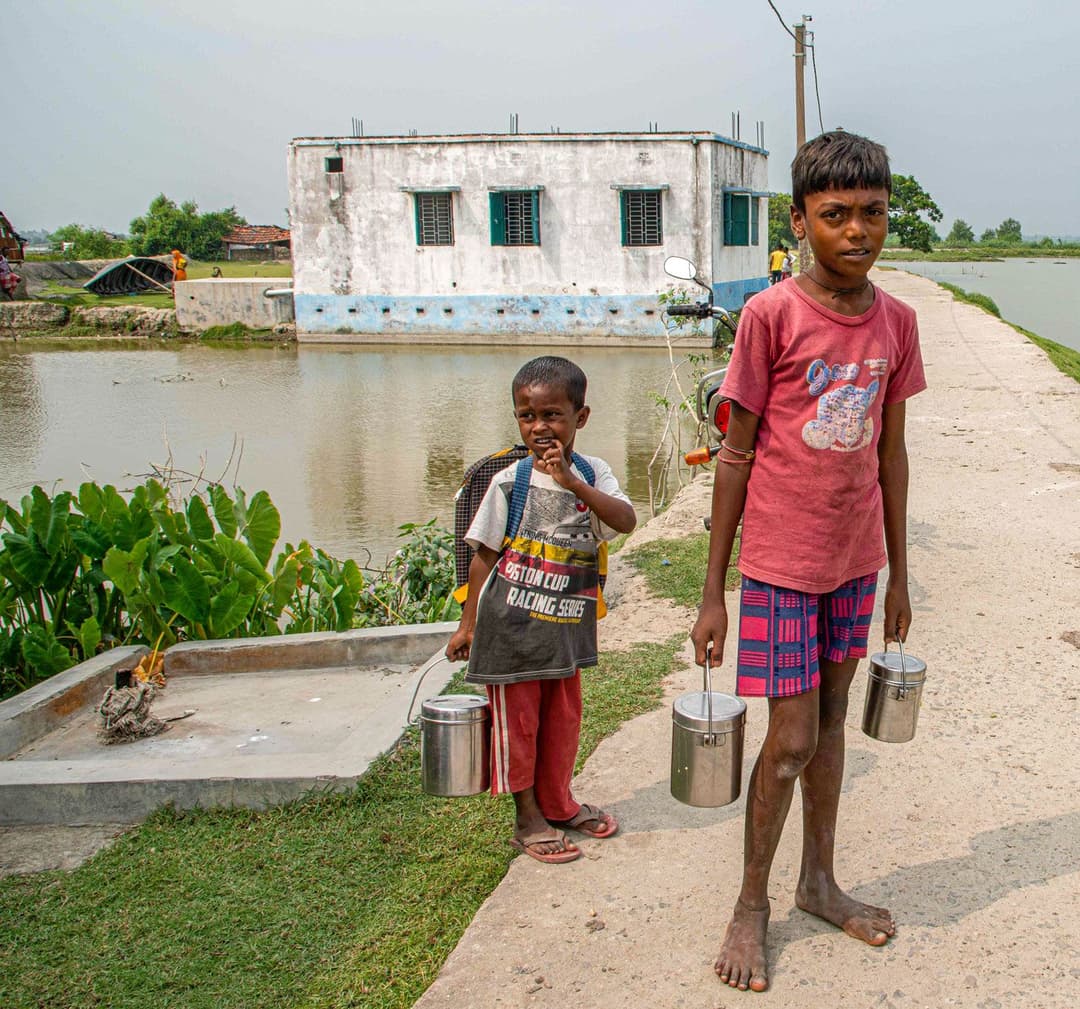
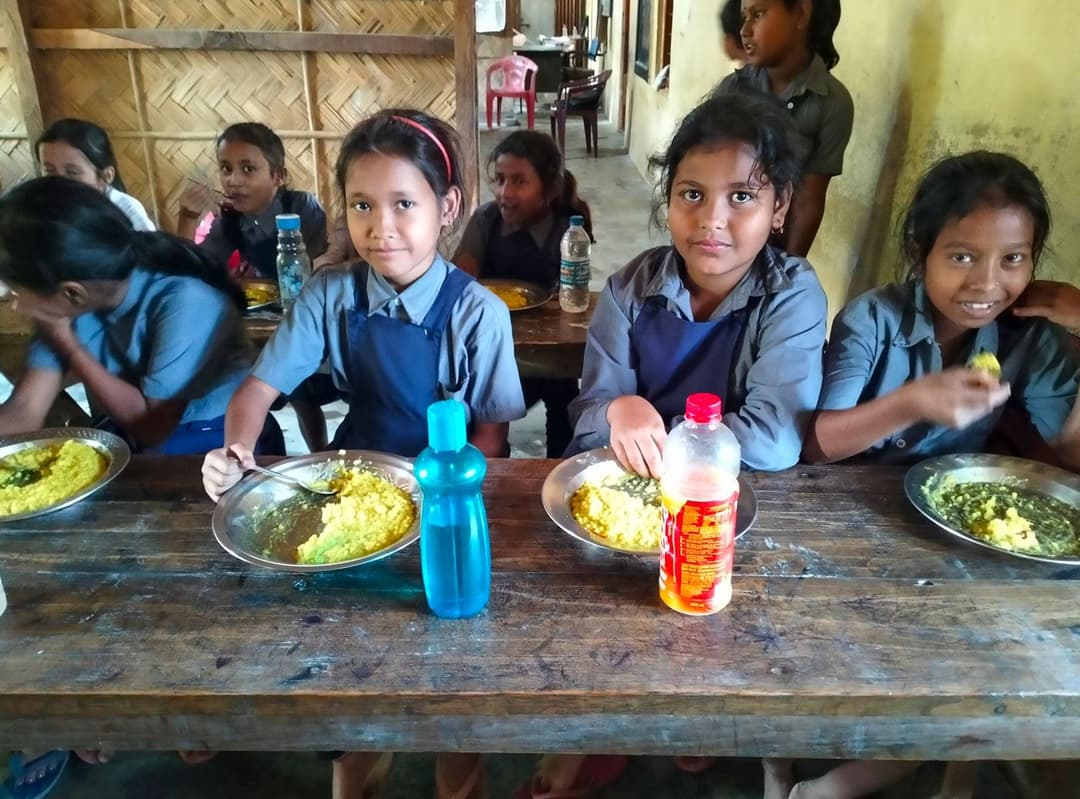
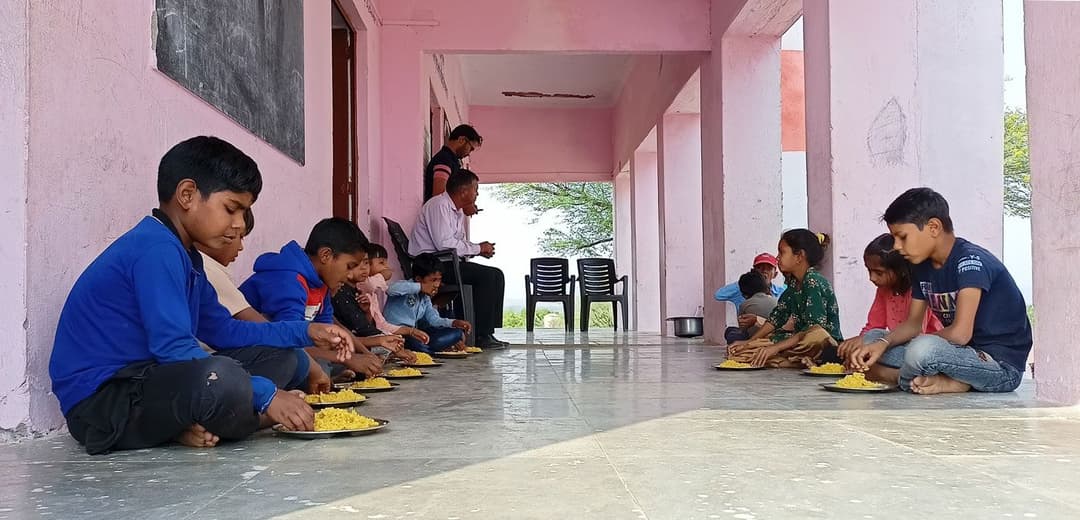
Ten-year-old Daksh Bhatt had only eaten a few biscuits before coming to his school when we visited his school, Rajkiya Prathmik Vidyalaya in Jodhgadh village, in Rajasthan’s Bhilwara district. Thousands of kilometres away, in Nalbari district, Assam, Alisha Begum tells us that she ate a roti and drank black tea before setting out for her school, No. 858 Niz Khagata LP School. Her father is a street vendor and mother is a homemaker.