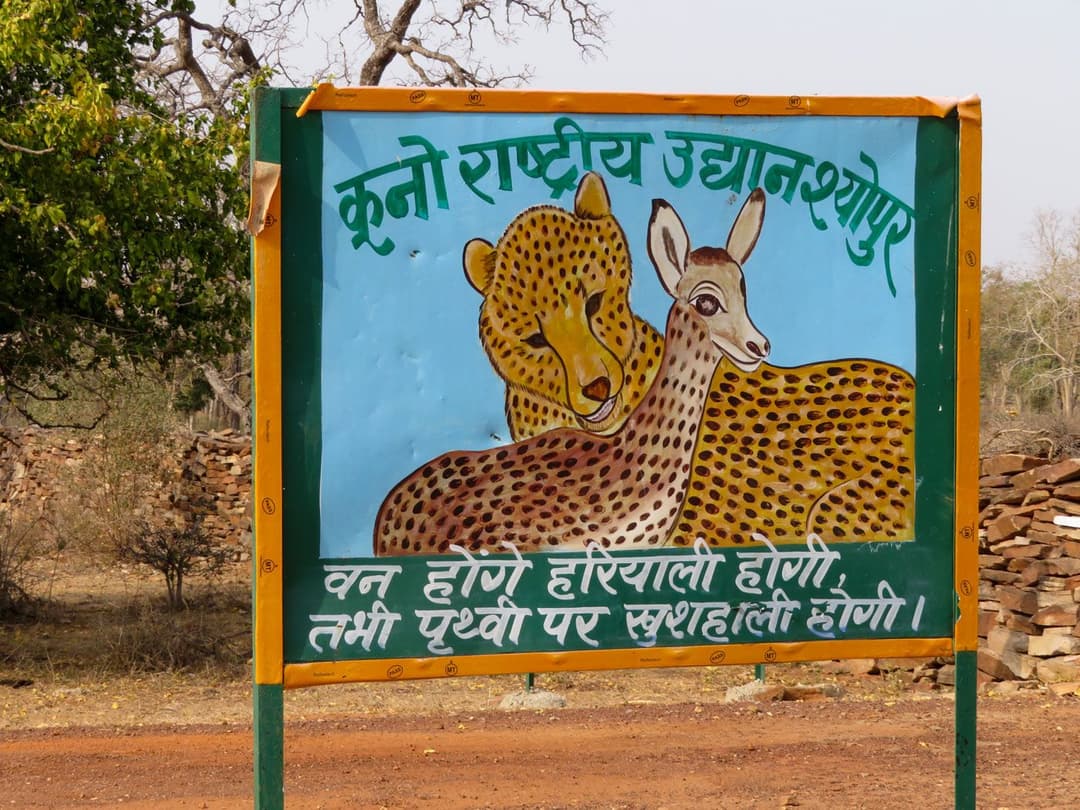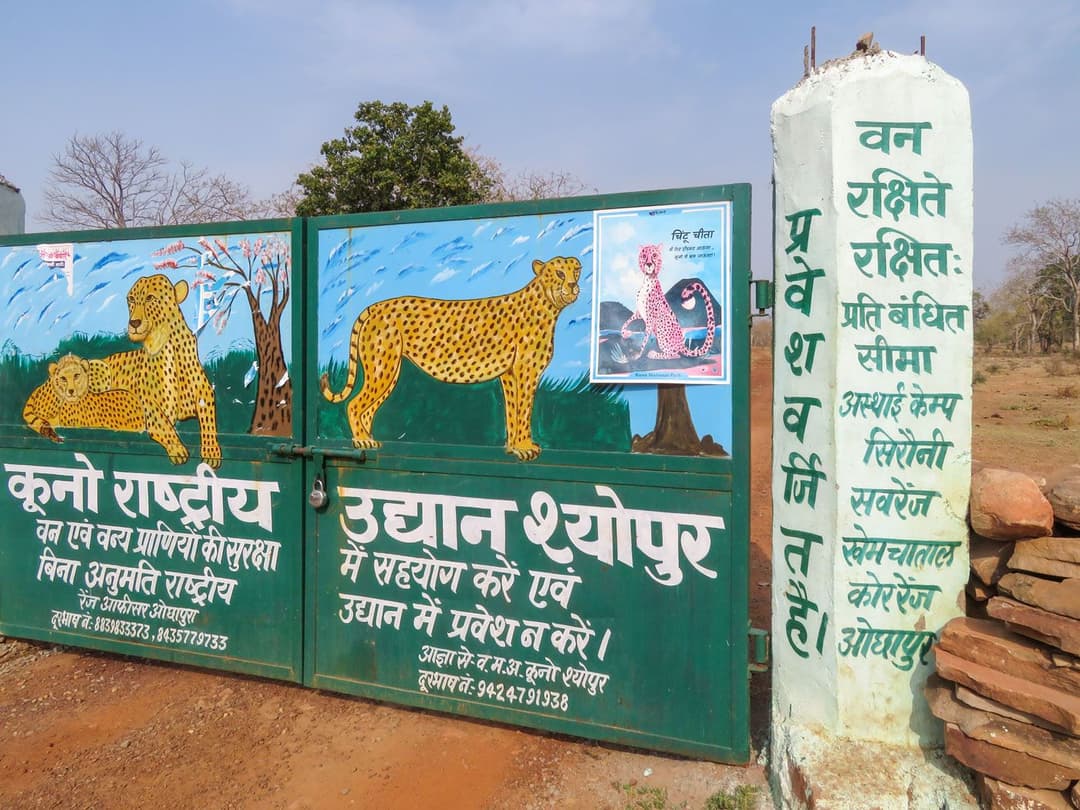

You don’t keep the King of the Jungle waiting.
The lions were coming. All the way from Gujarat. And everyone else had to move on to make their entry painless.
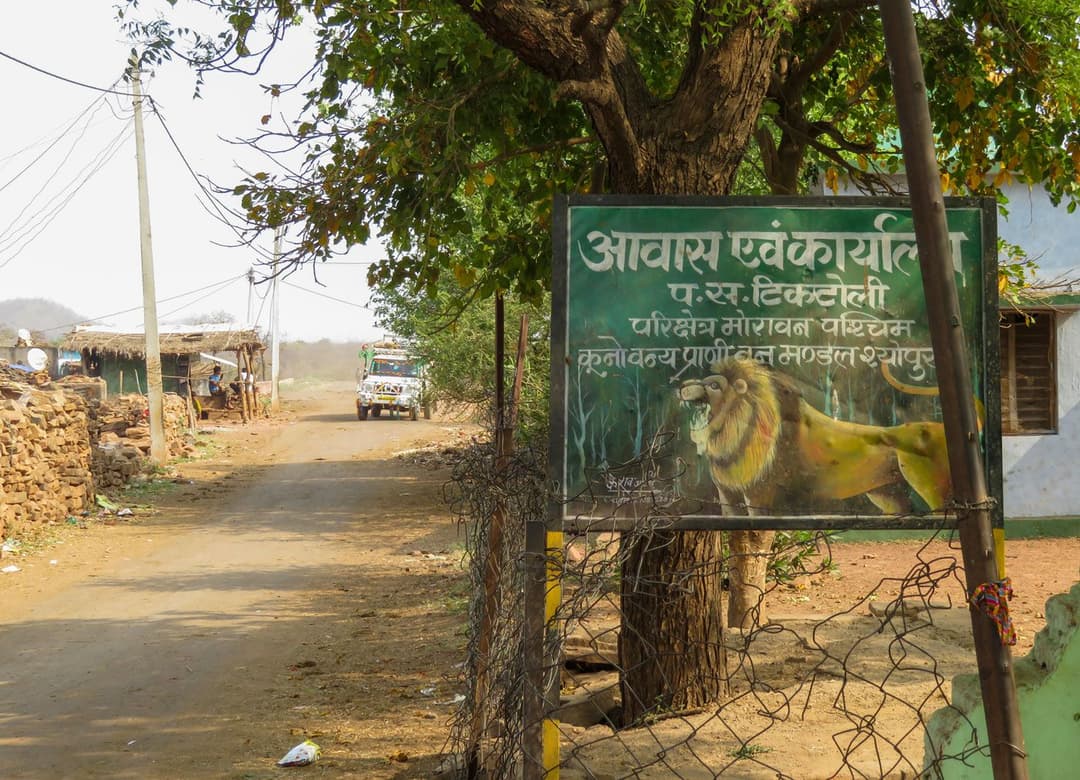
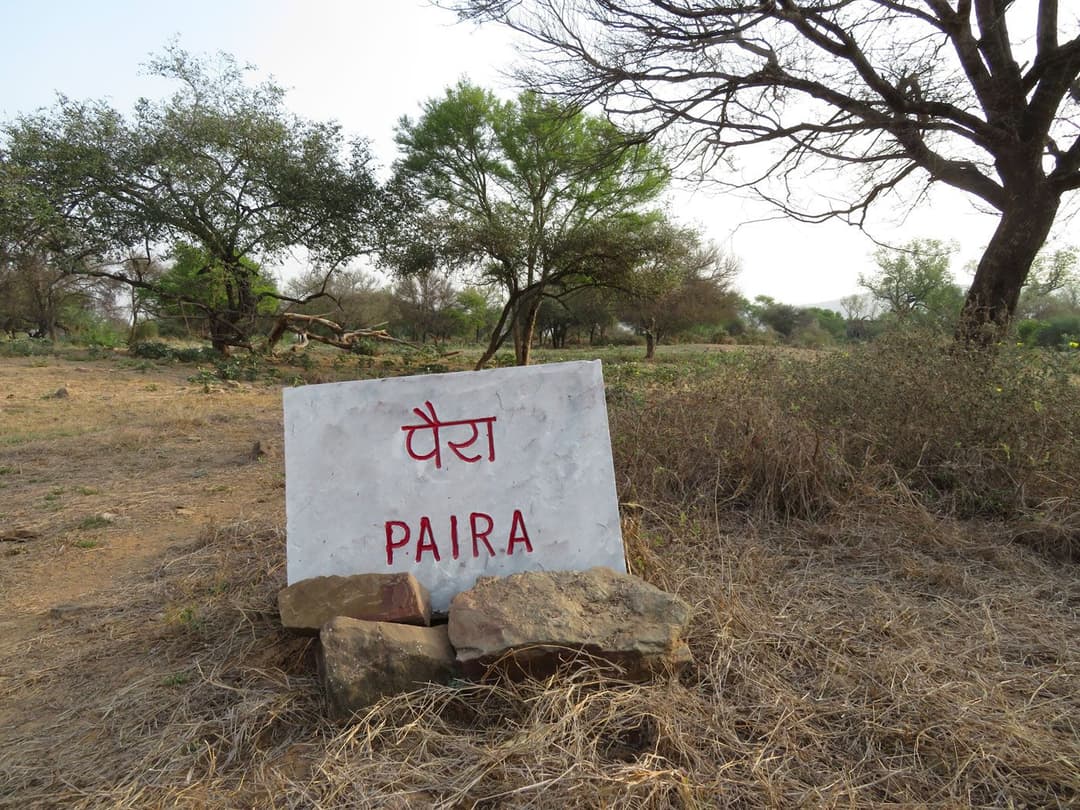
And that seemed a good thing. Even if the villages like Paira inside Madhya Pradesh’s Kuno National Park were uncertain of how it would all go.
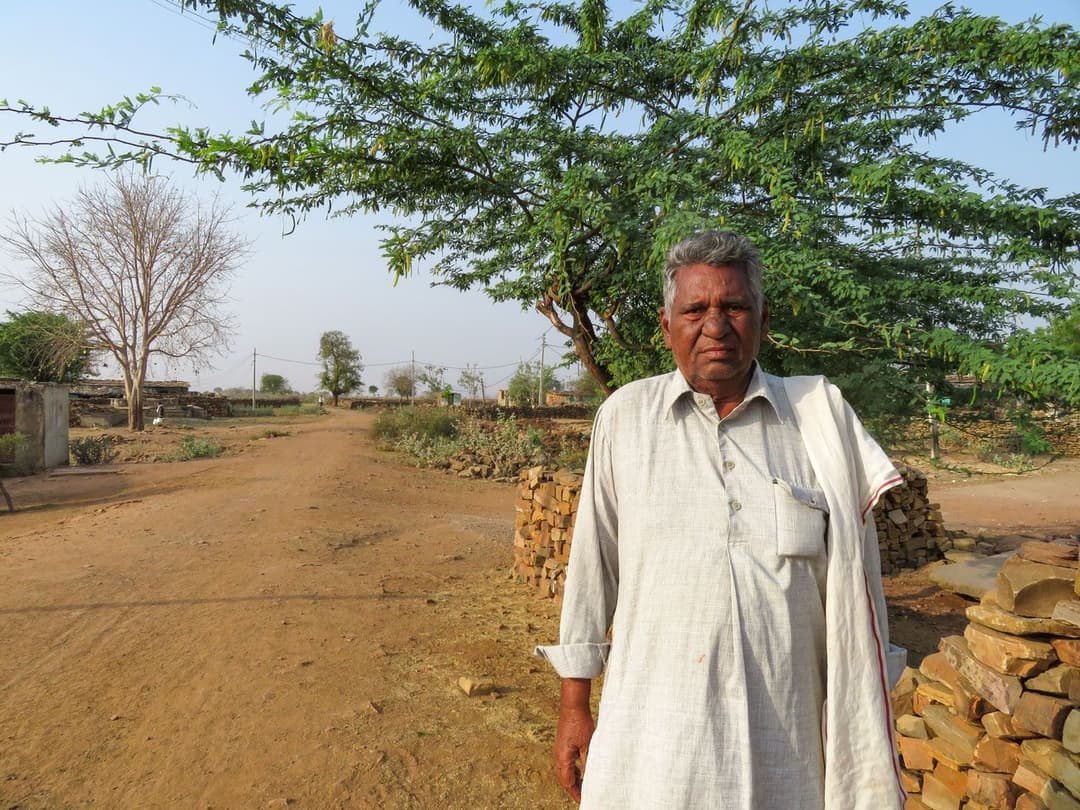
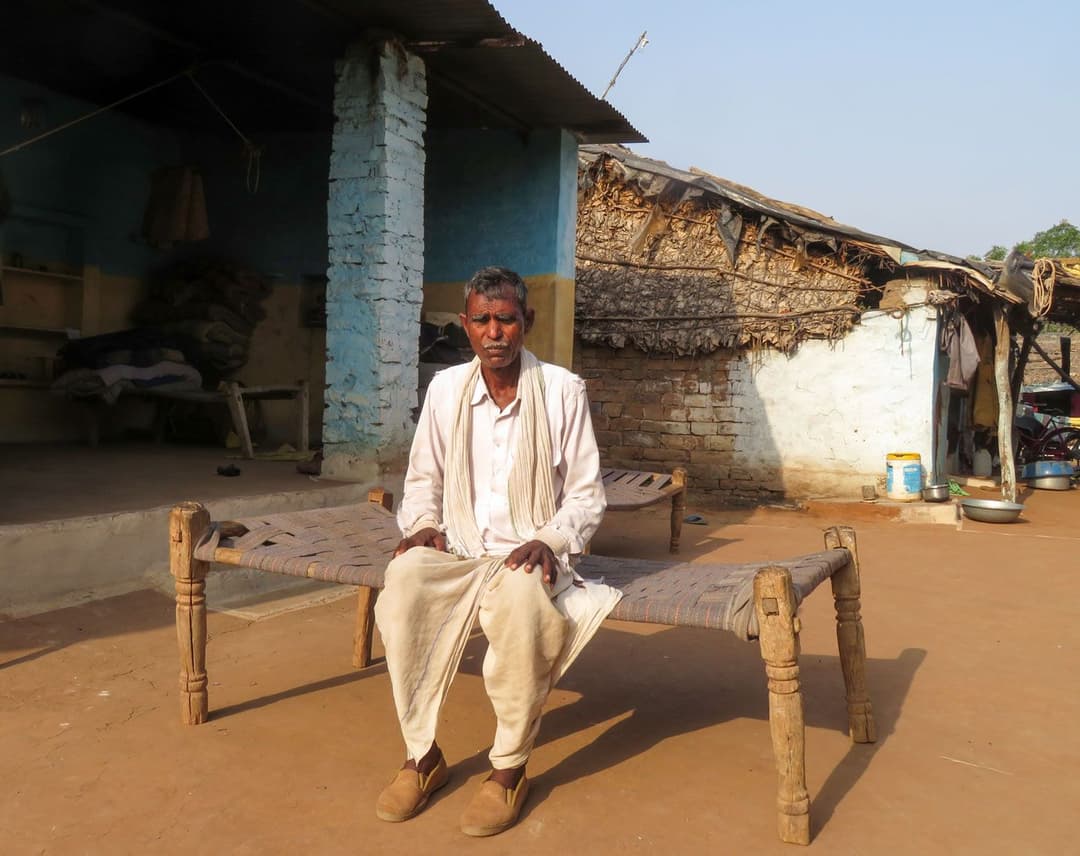
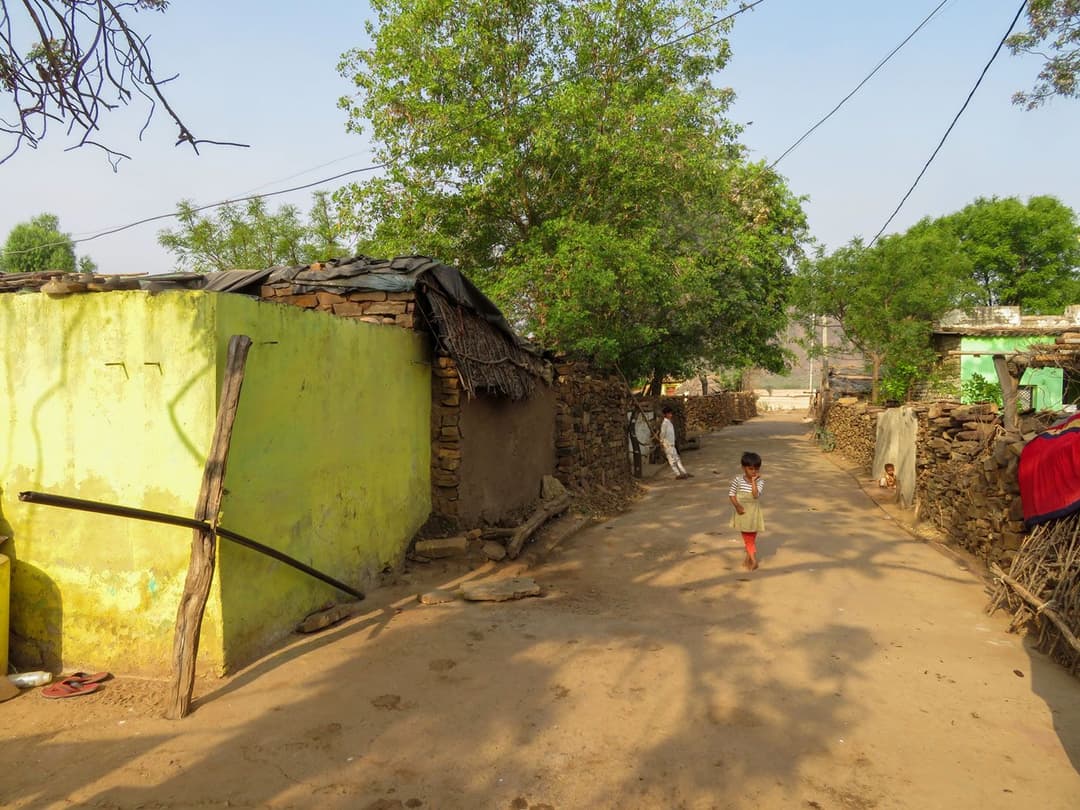
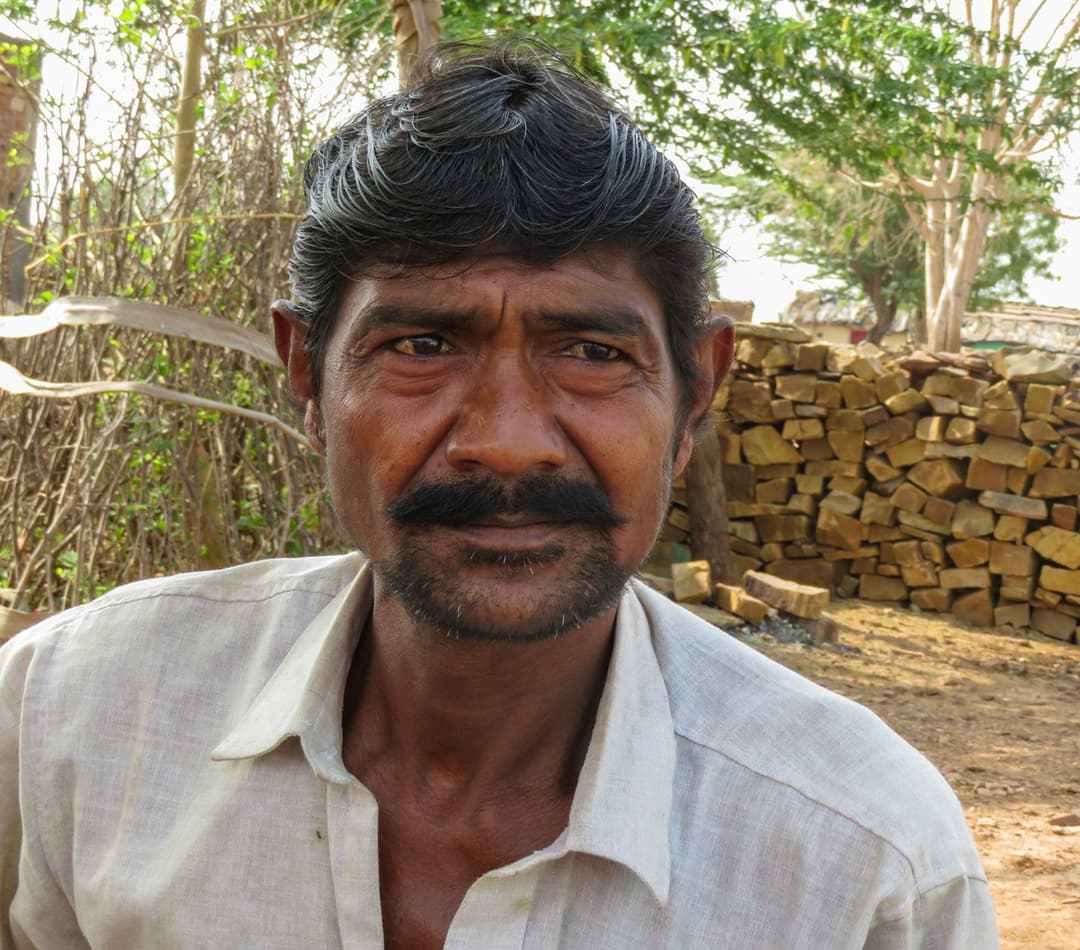
“After the great cats arrive, this area will become famous. We will get jobs as guides. We can run shops and eateries in this location. Our families will thrive.” That’s Raghulal Jatav, in his 70s, talking to us in Agara village outside the Kuno Park.
“We will get good quality irrigated land, all-weather roads, electricity for the whole village, and all civic amenities,” Raghulal says.
“That’s what the sarkar [government] assured us, anyway,” he says.
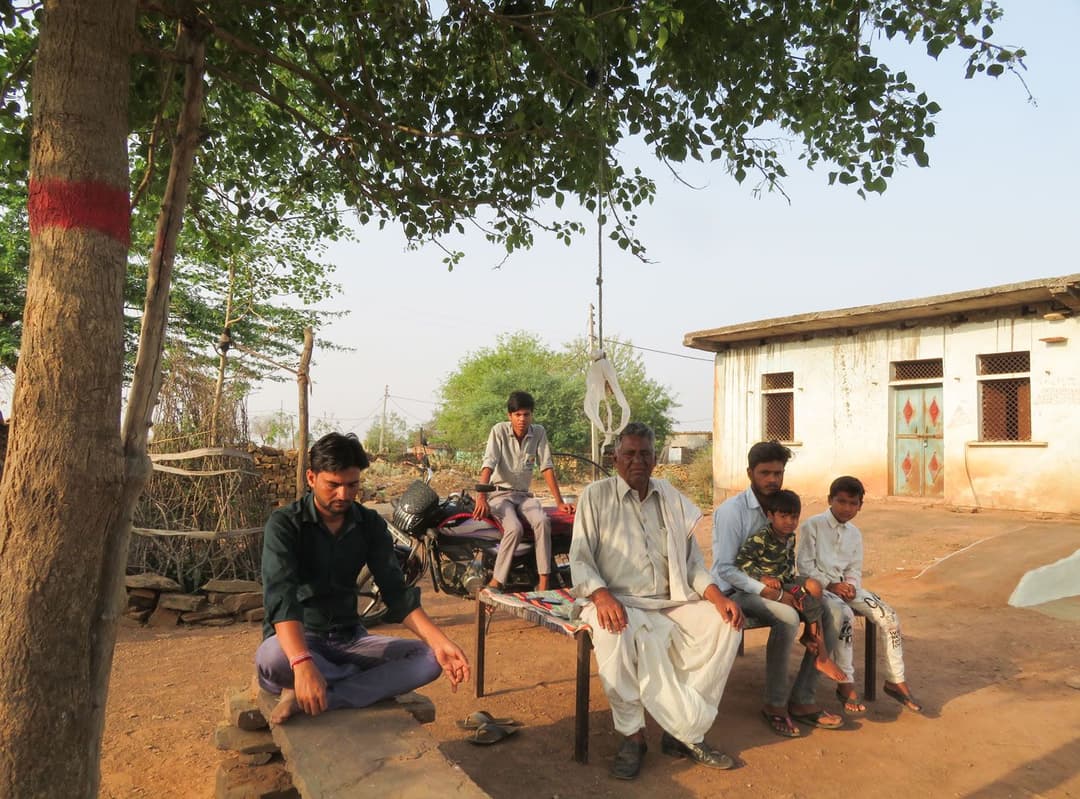
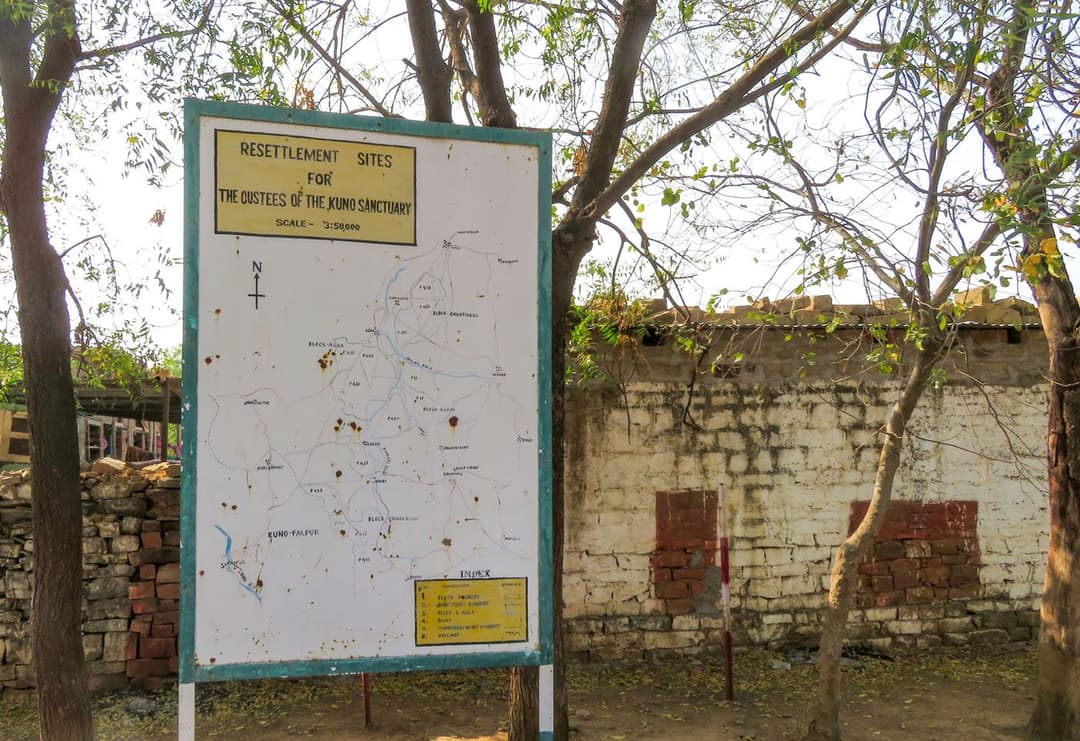
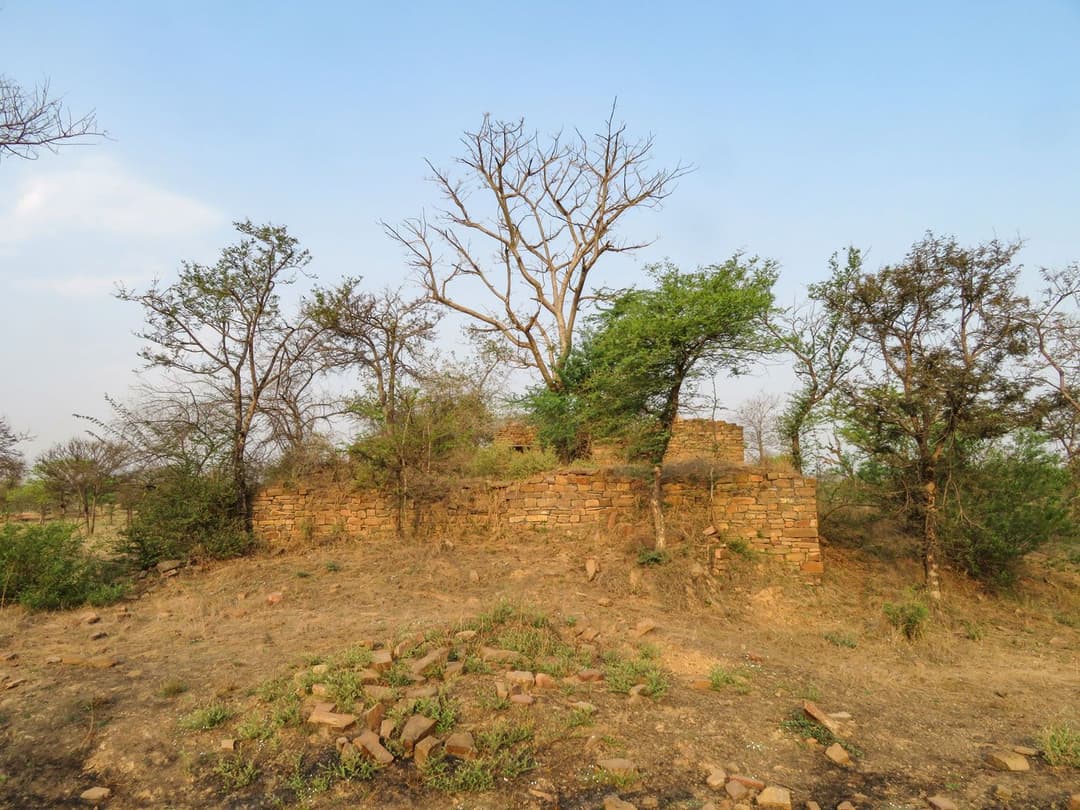
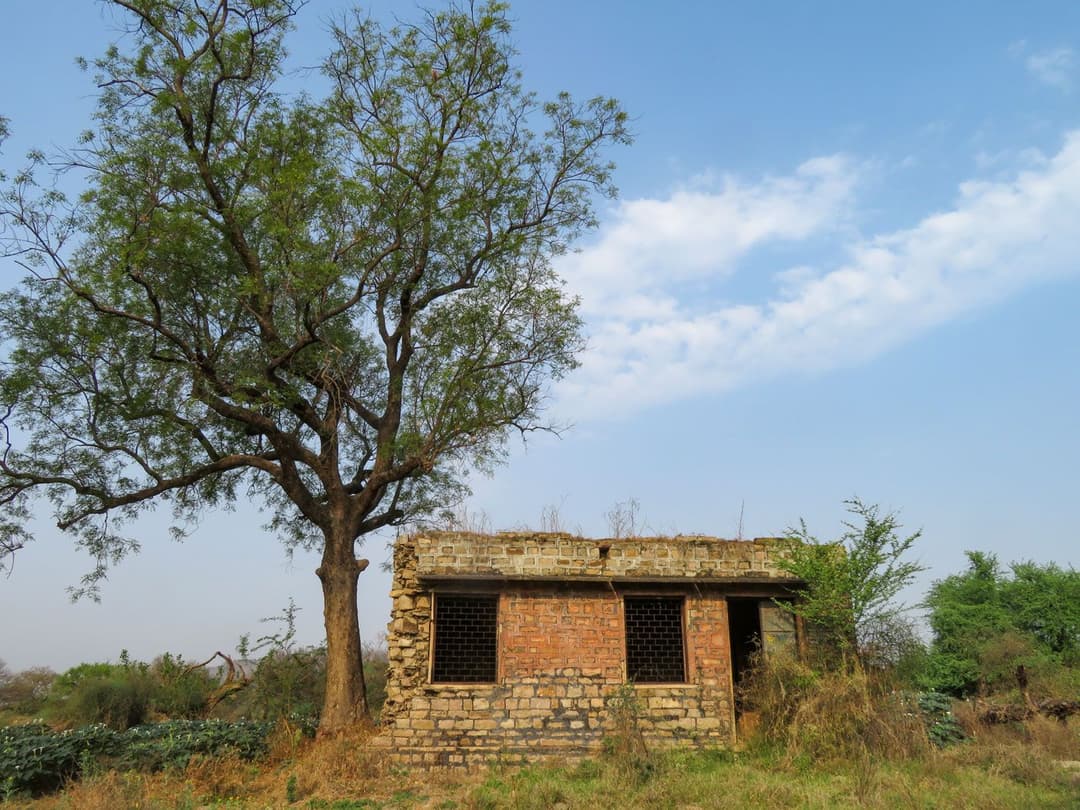
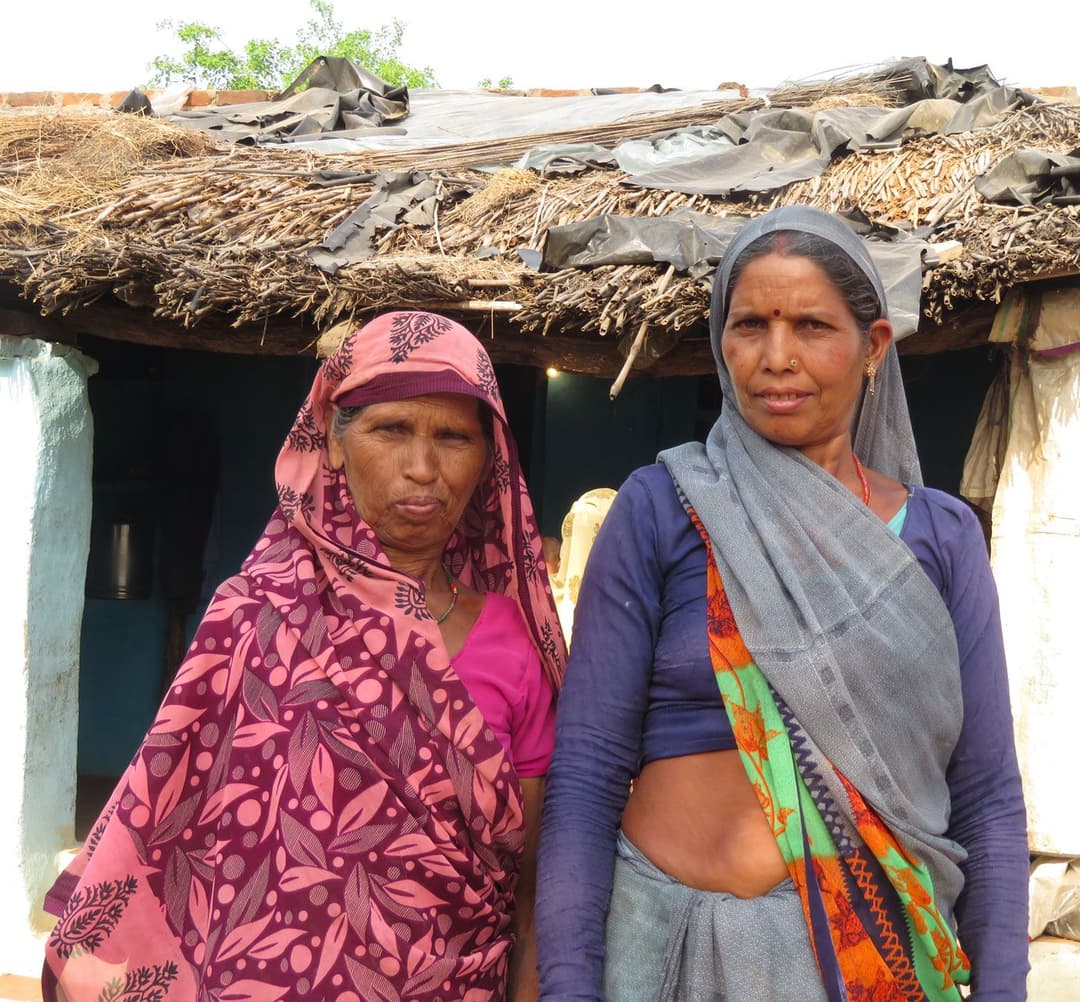
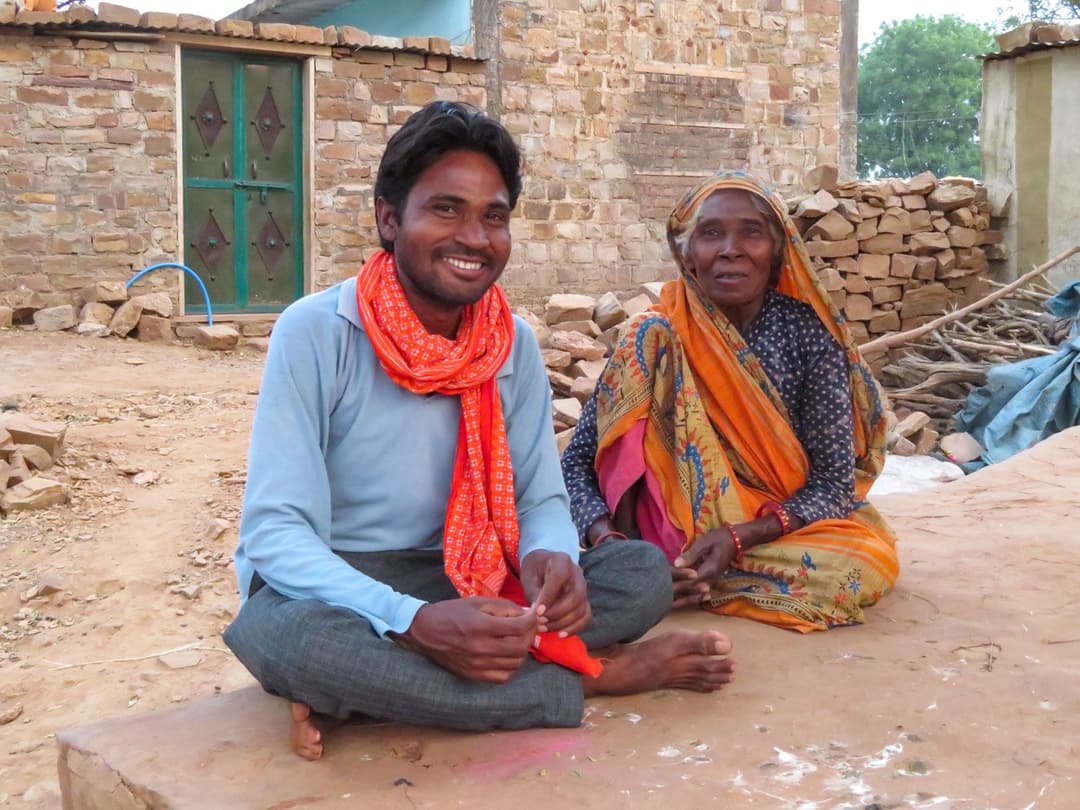
And so the people of Paira and some 1,600 families across 24 villages vacated their homes in the Kuno National Park. They were mainly Sahariya Adivasis, and Dalits and poor OBCs. Their journey into exile was a hurried one.
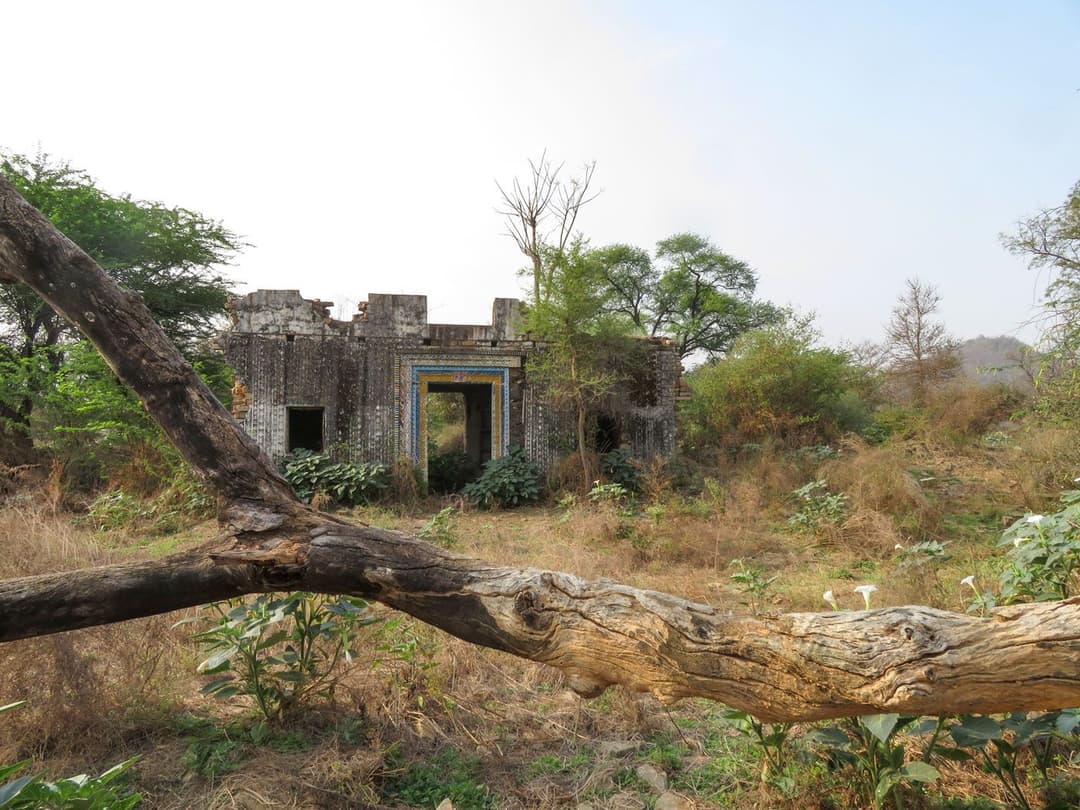
Tractors were brought in, and the forest dwellers piled many generations of possessions to hastily leave their functioning homes behind. They also left primary schools, hand pumps, wells, and land they had tilled for generations. Even cattle were abandoned. For they would be a burden to feed without the ample grazing resources of the forest.
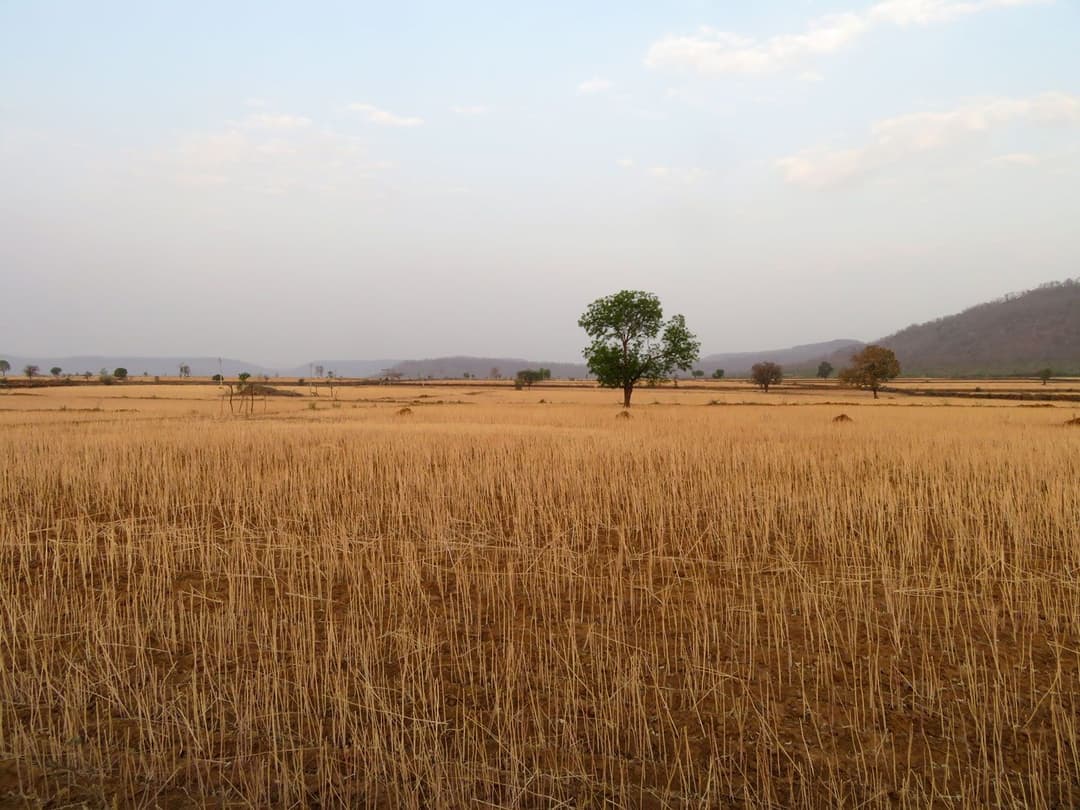
Twenty-three years later, they’re still waiting for the lions.