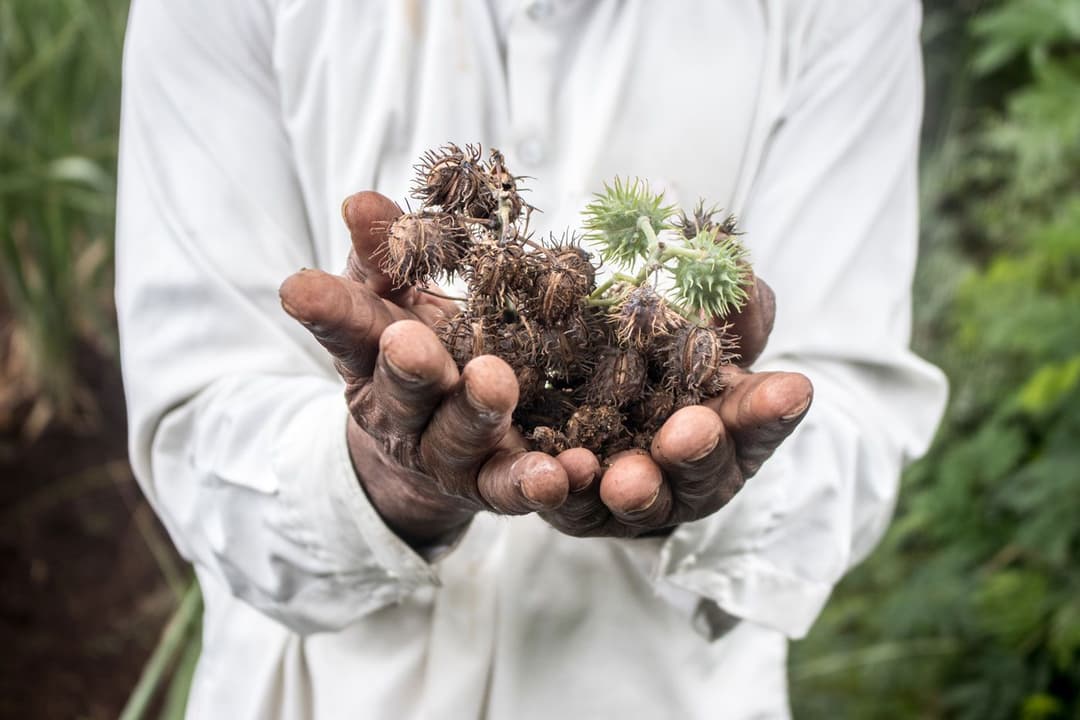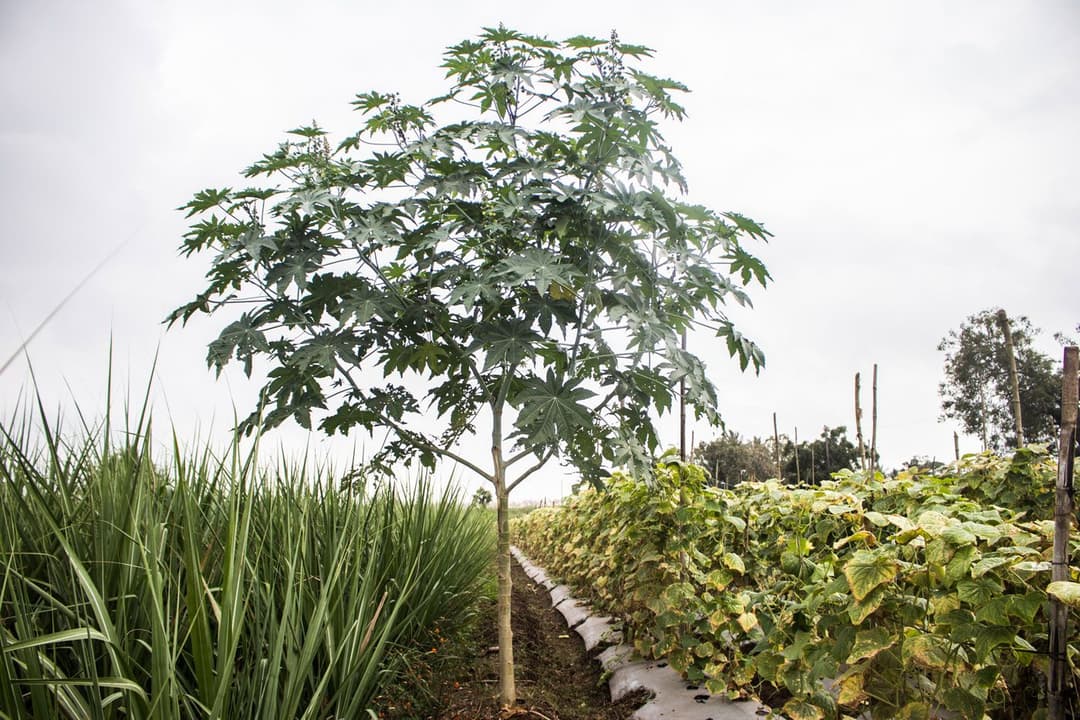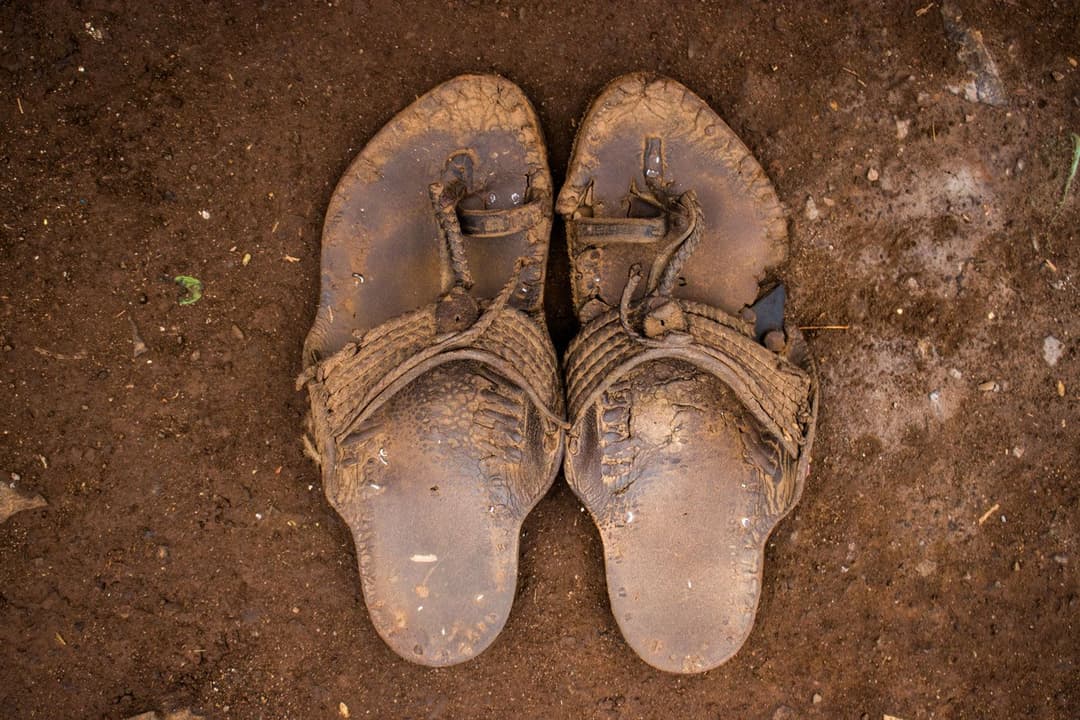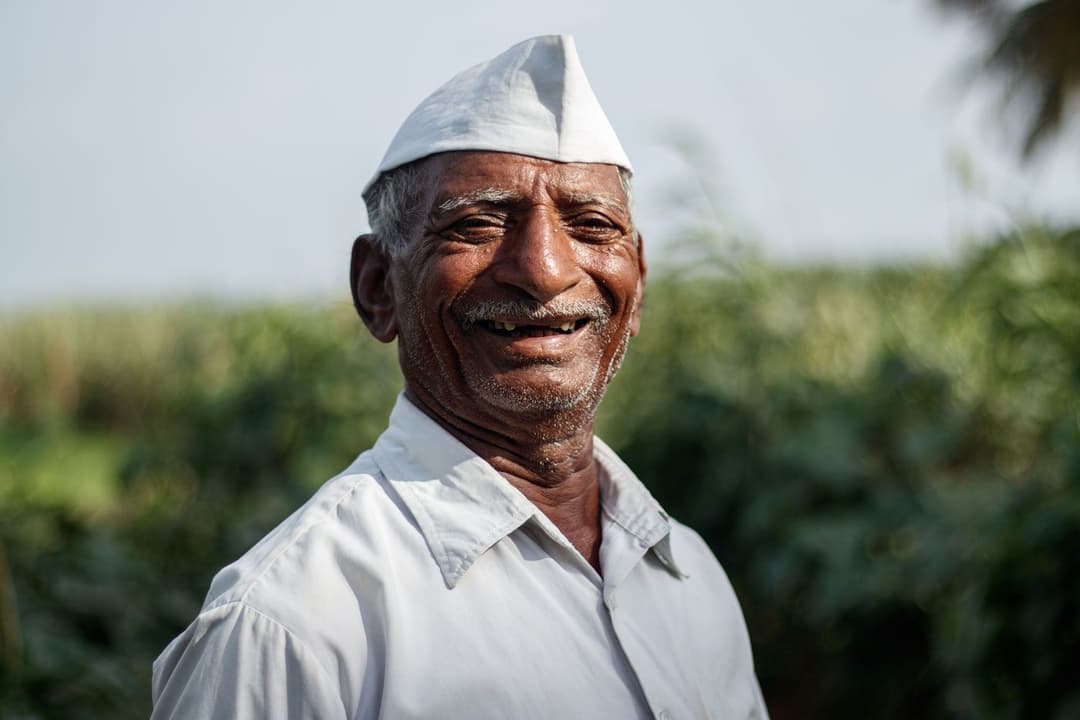

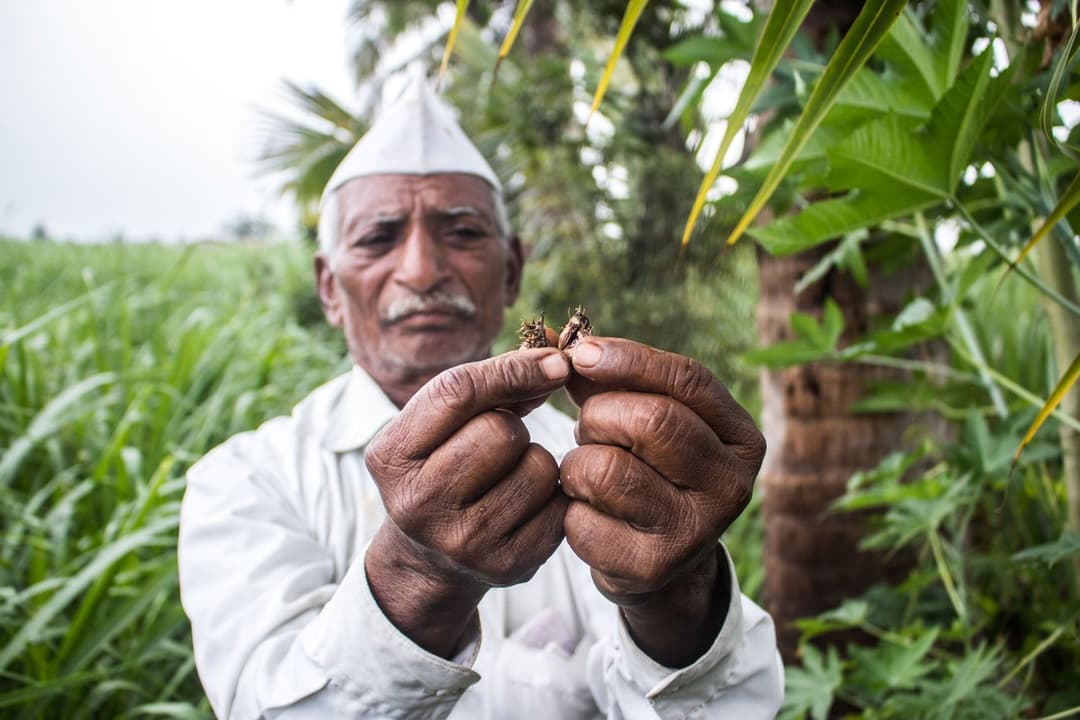
When Narayan Gaikwad looks at the handful of castor plants growing in his field, he recalls his Kolhapuri chappals – last used more than 20 years ago. “We used to oil Kolhapuri chappals [slippers] with castor oil. It helped increase its life,” says the 77-year-old farmer, illustrating the close connect between the oil and the footwear famous from the region.
Castor oil has predominantly been extracted in Kolhapur district to grease Kolhapuri chappals. This footwear, made of buffalo or cow hide, was greased to retain its softness and shape, and the preferred oil for this was from castor plants.
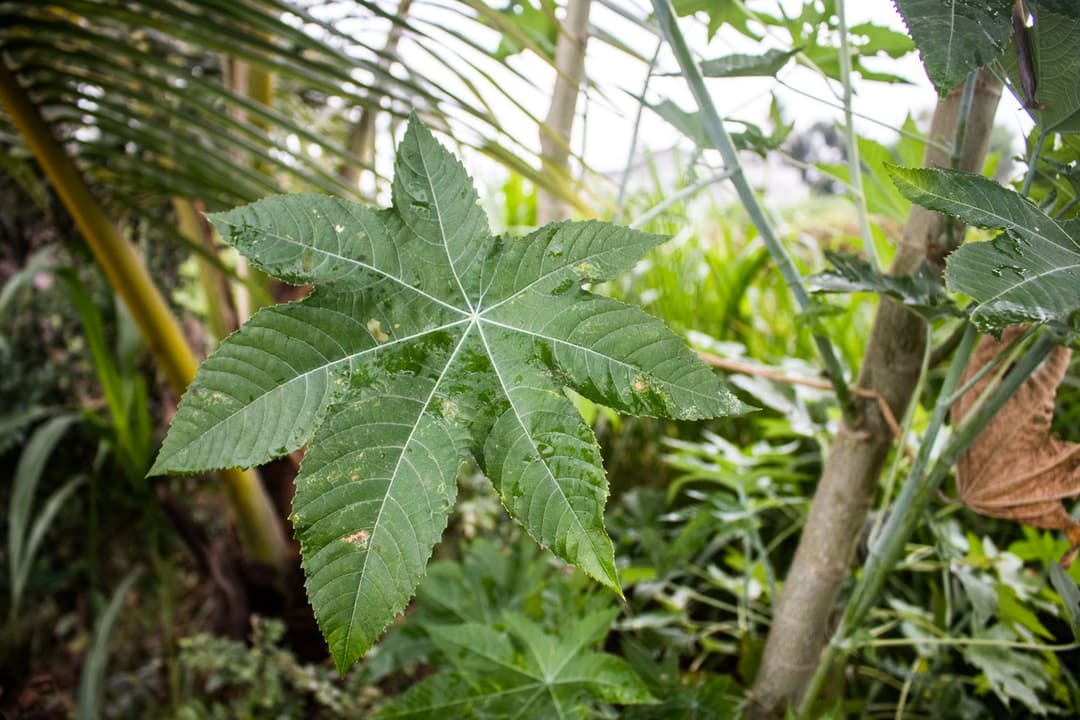
Despite not being native to Kolhapur, castor (Ricinus communis) was a popular crop in this region. This thick-stemmed plant with green leaves can be grown all year round. India is the highest castor-producing country globally, with an estimated production of 16.51 lakh tonnes of castor seed in 2020-21. Major castor-producing states in India are Gujarat, Andhra Pradesh, Tamil Nadu, Odisha and Rajasthan.
“Majhe vadil 96 varsh jagle [My father lived for 96 years] – and he planted erandi (castor) every year,” says Narayan who continued the tradition and has planted castor in his 3.25 acre farm year after year. He believes his family has been growing castor for over 150 years. “We have preserved these indigenous erandi bean-shaped seeds. They go back at least a century,” adds Narayan, pointing to the seeds he has wrapped safely in newspaper. “Fakt baiko ani mi shevkin [Only my wife and I are its caretakers now].”
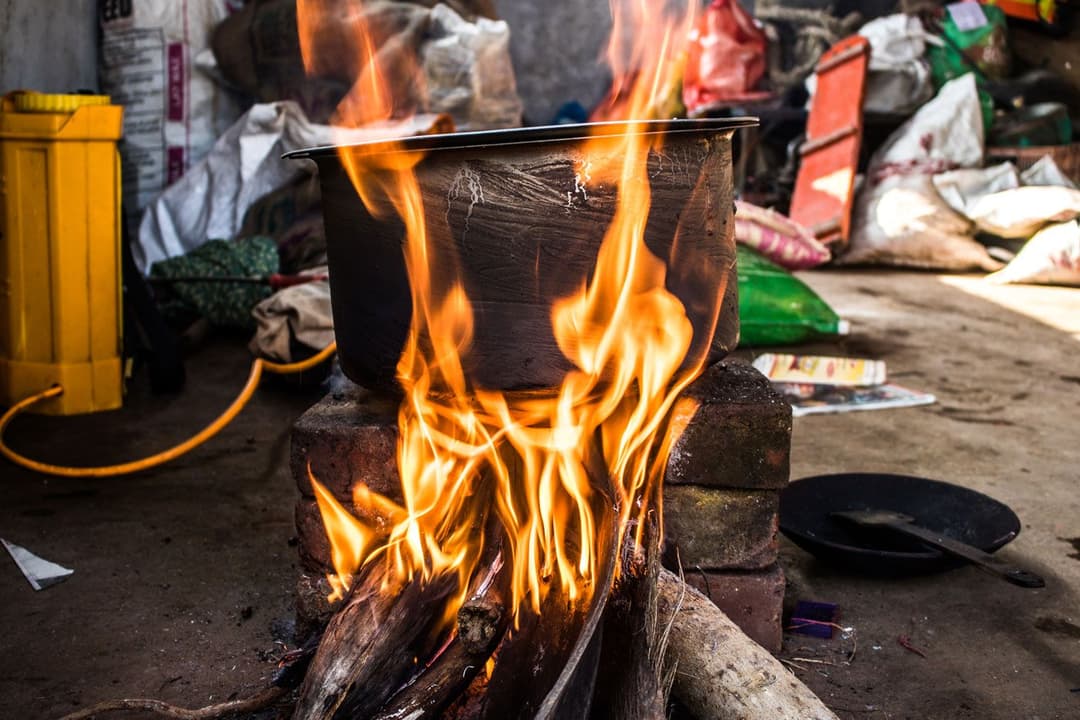
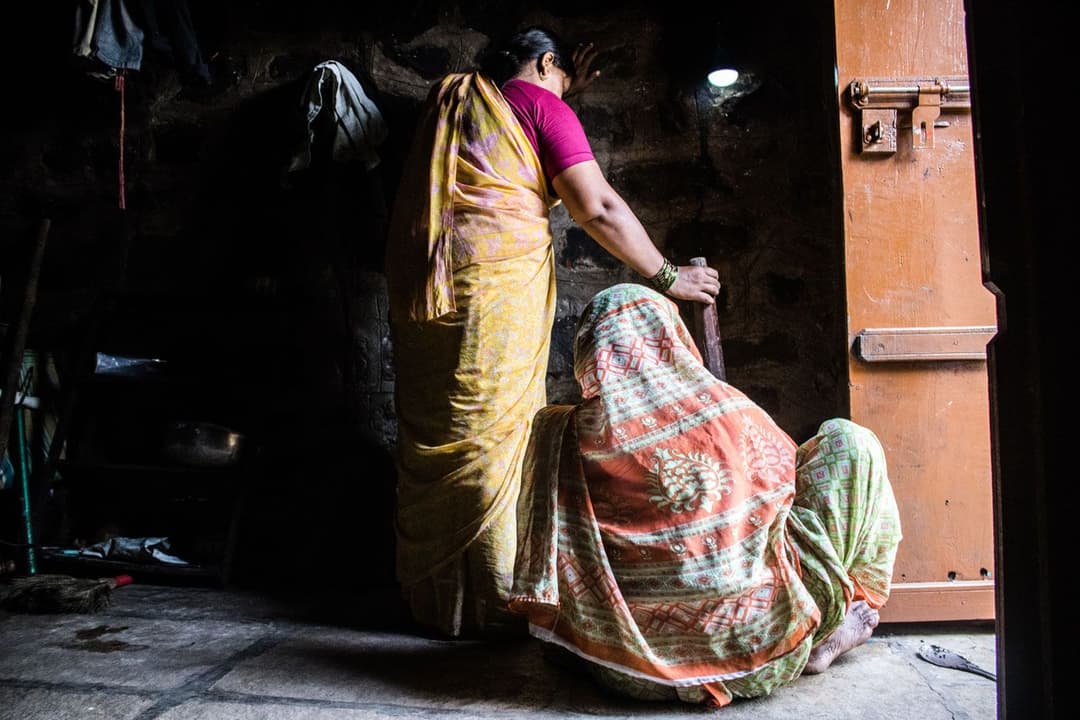
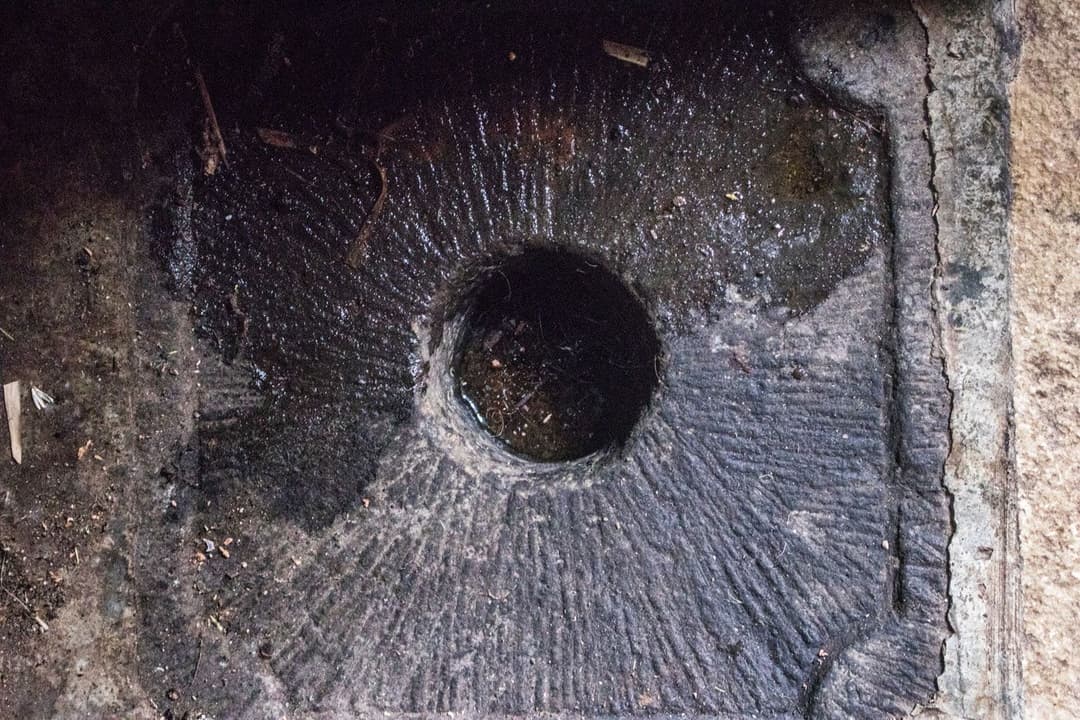
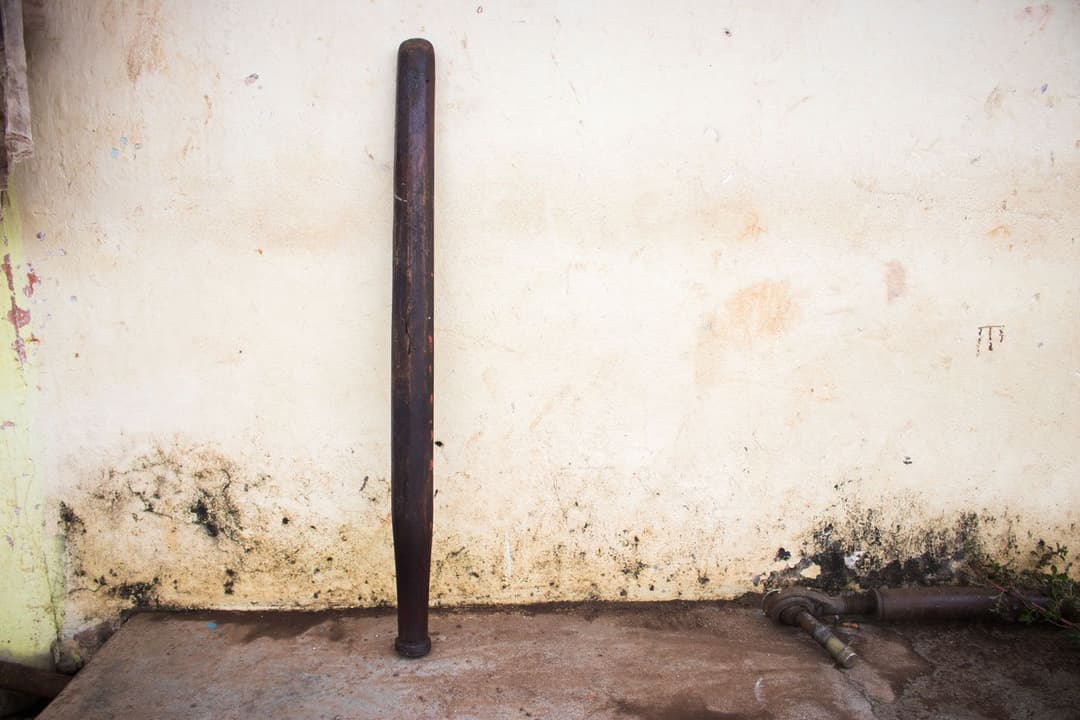
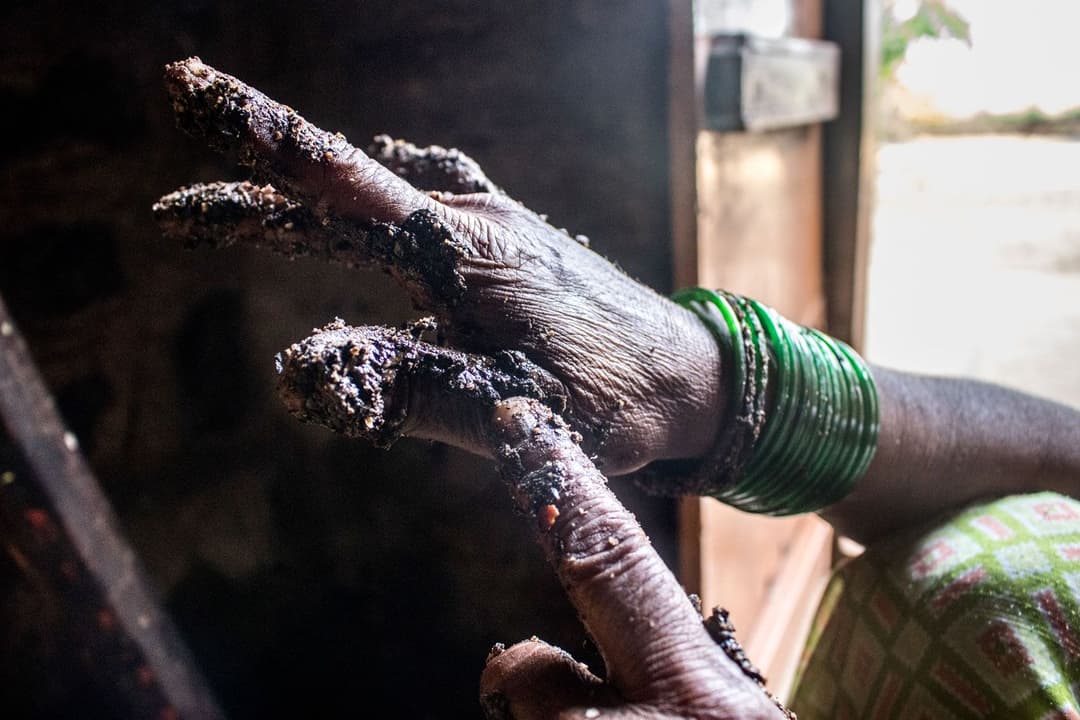
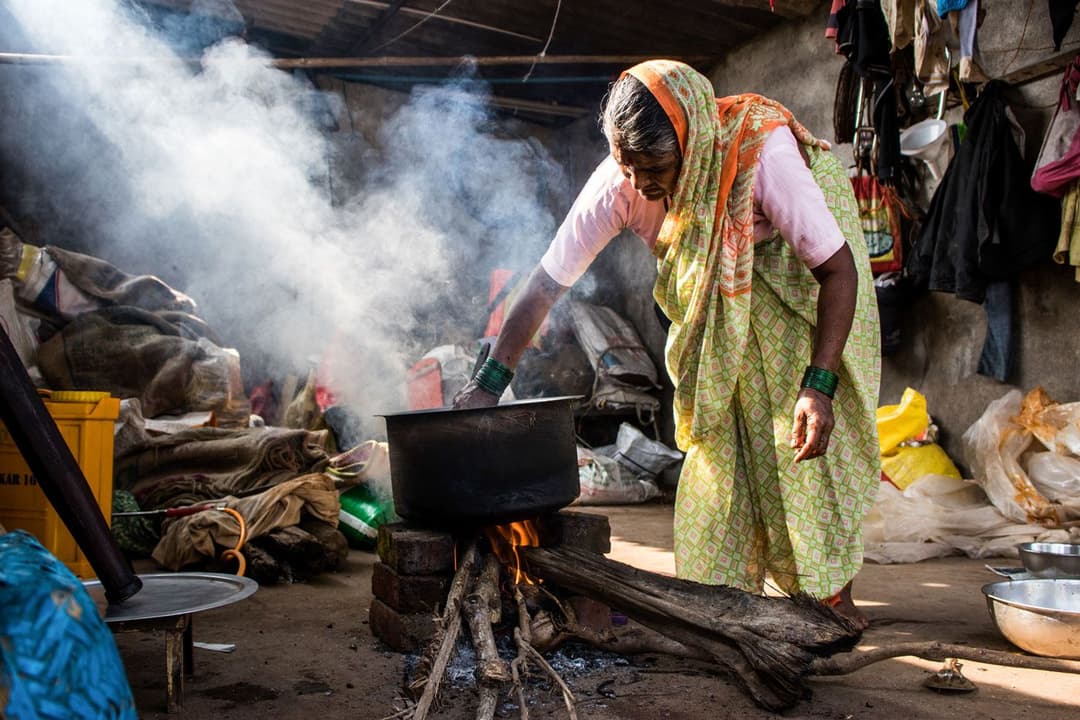
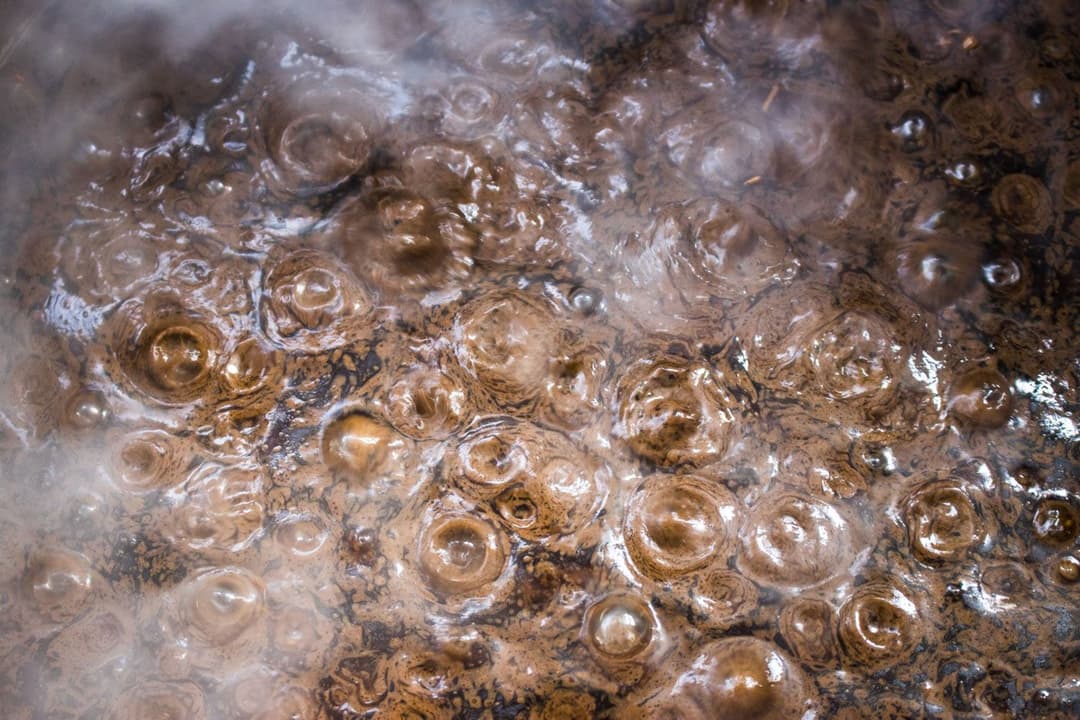
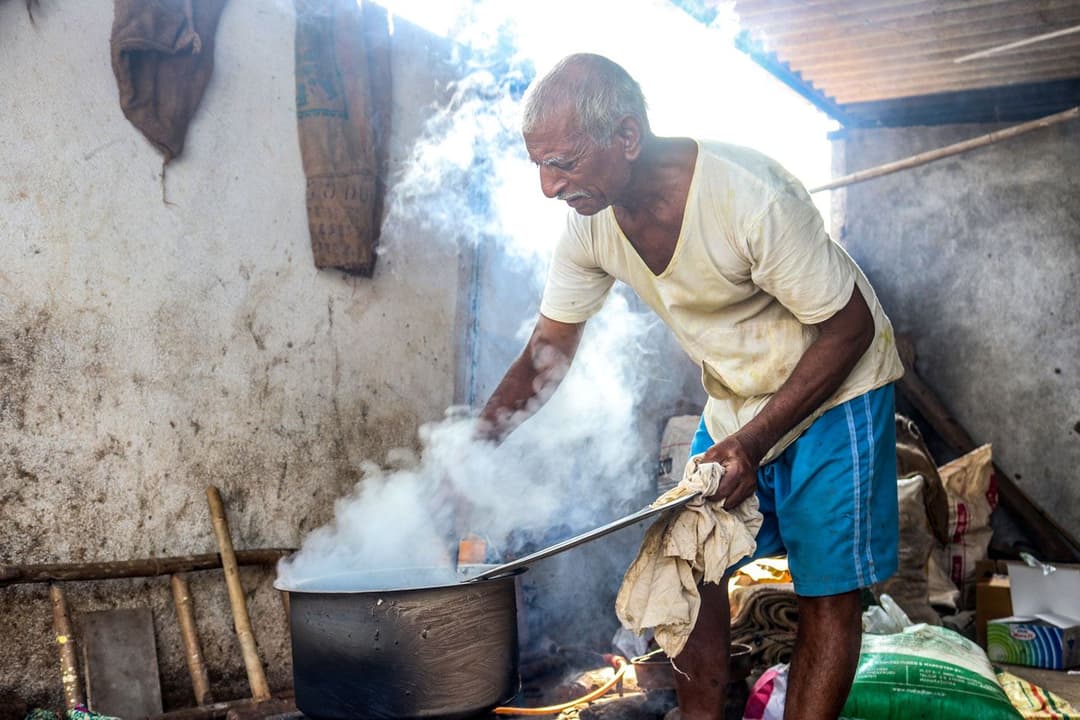
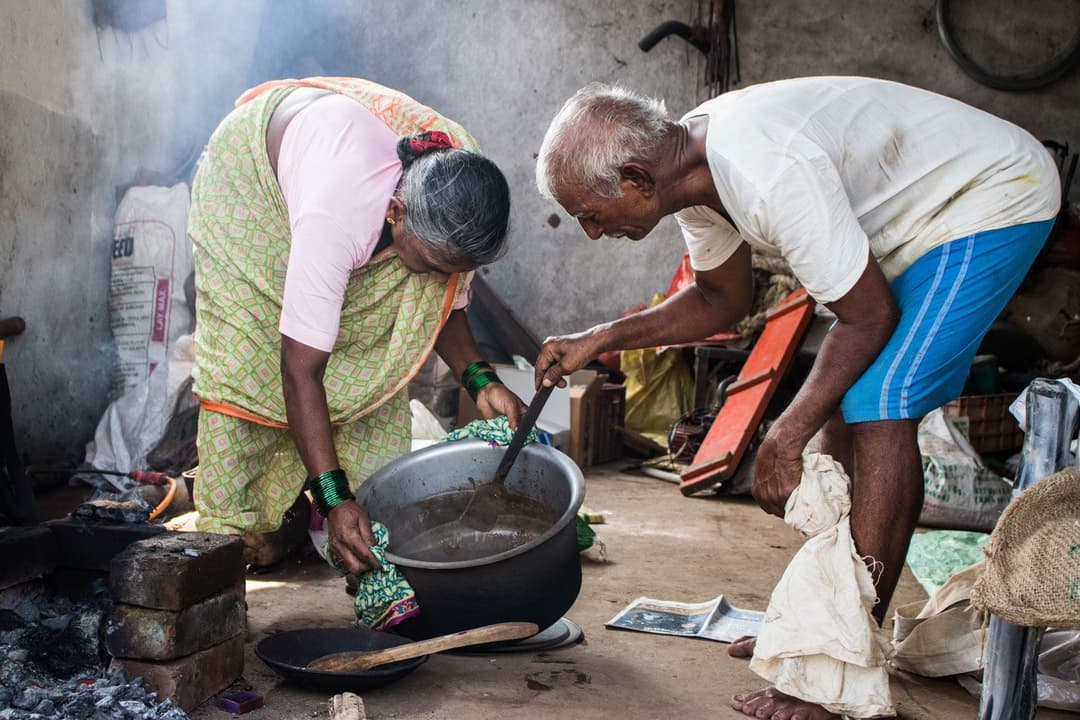
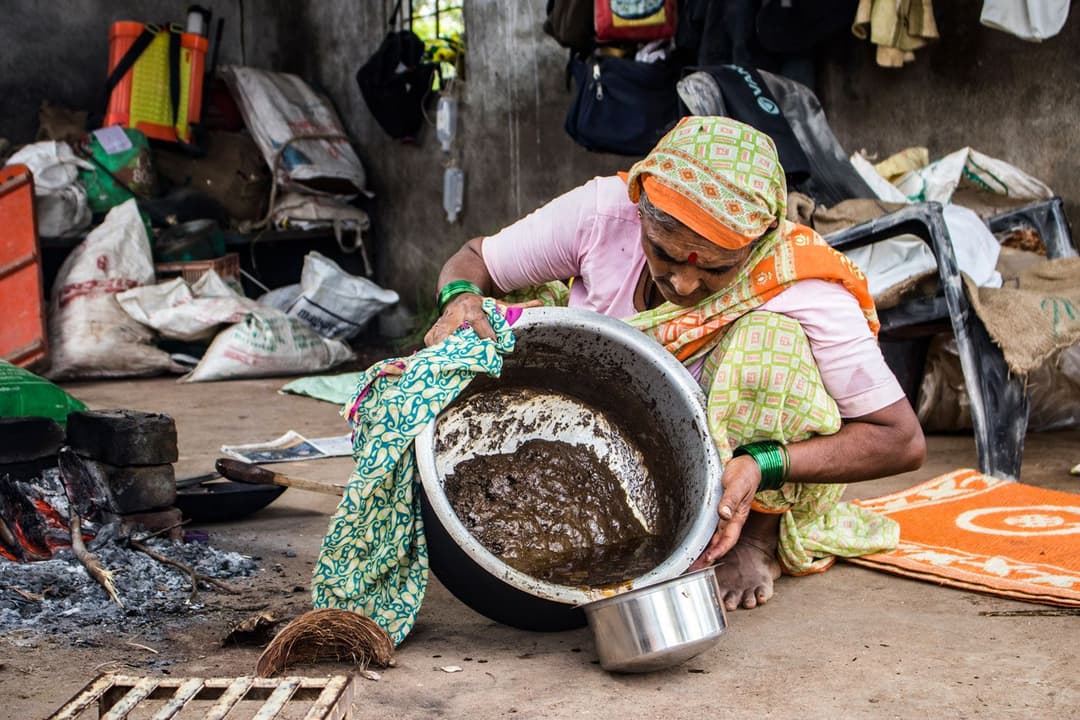
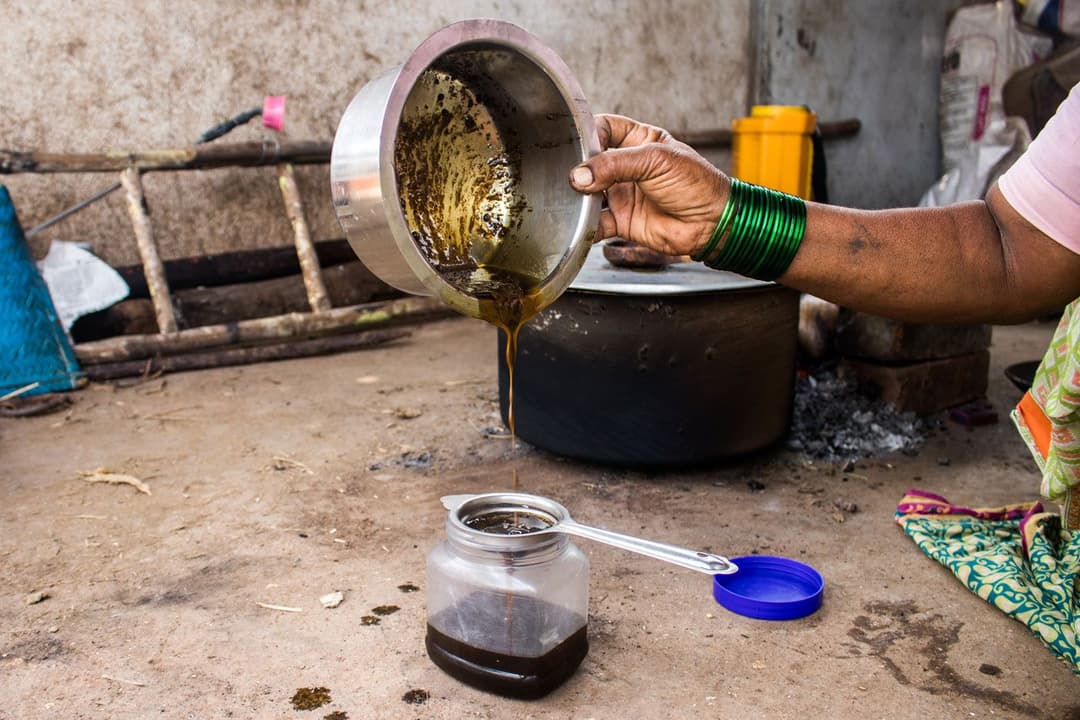
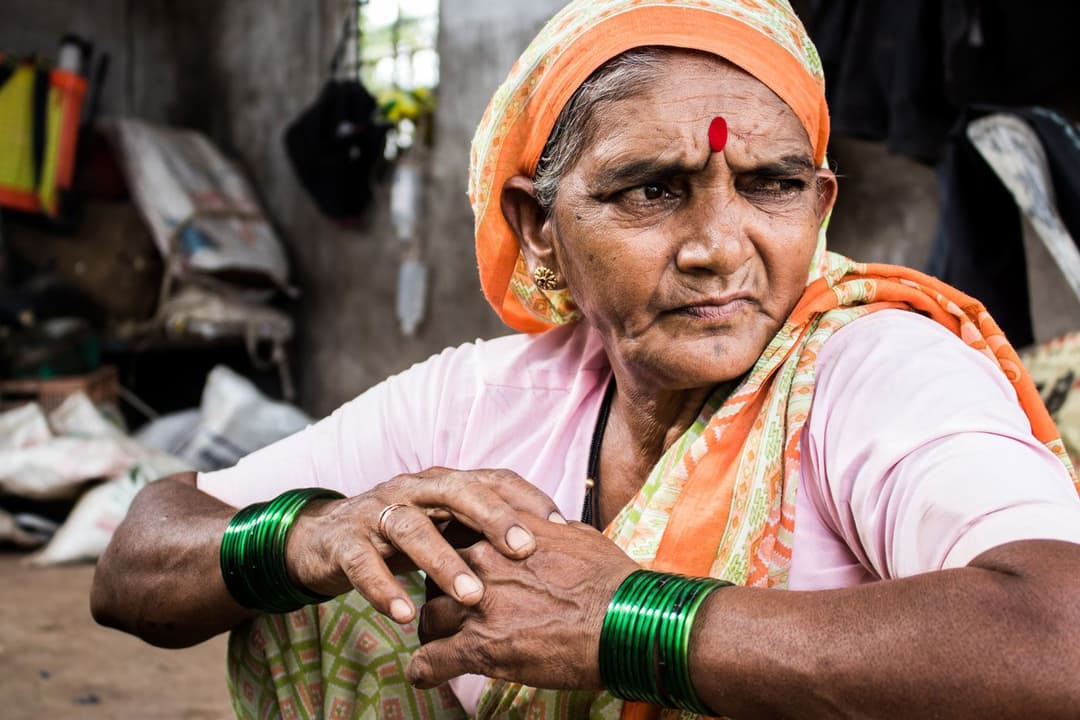
Narayan and his wife Kusum, 66, also manually extract oil from the castor beans they grow. Despite the proliferation of oil mills around, they continue with the laborious manual process. “Back in the day, we used to extract oil once every three months,” says Narayan.