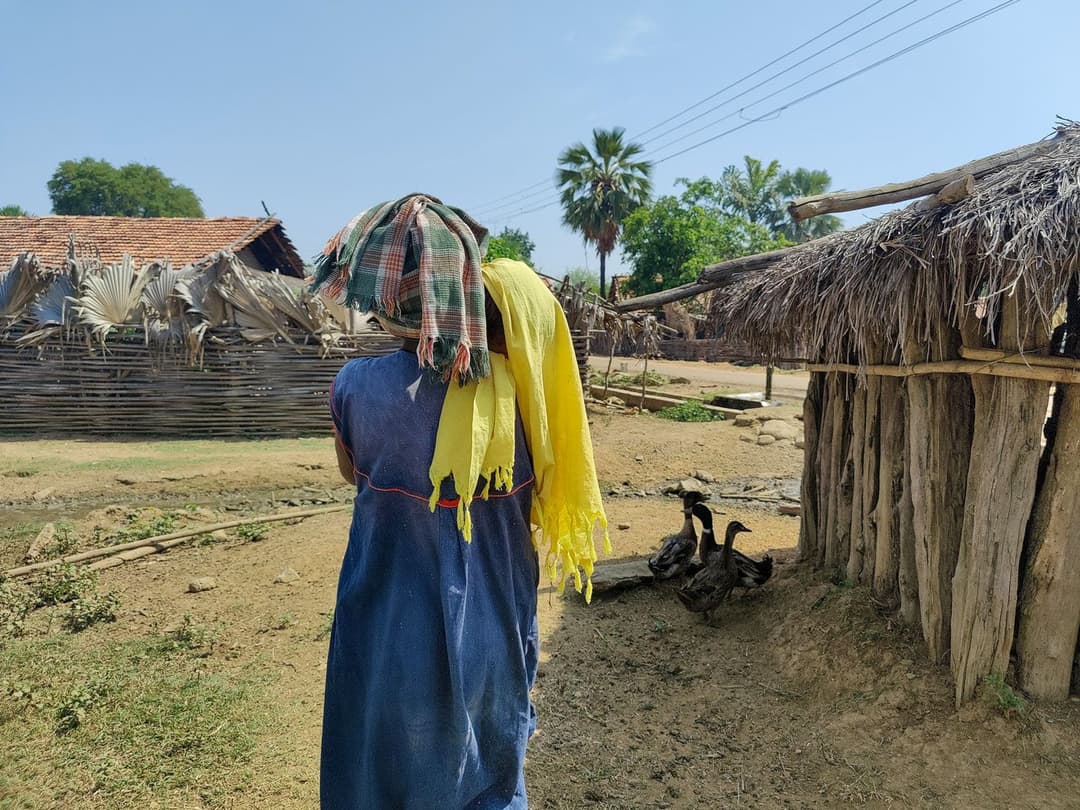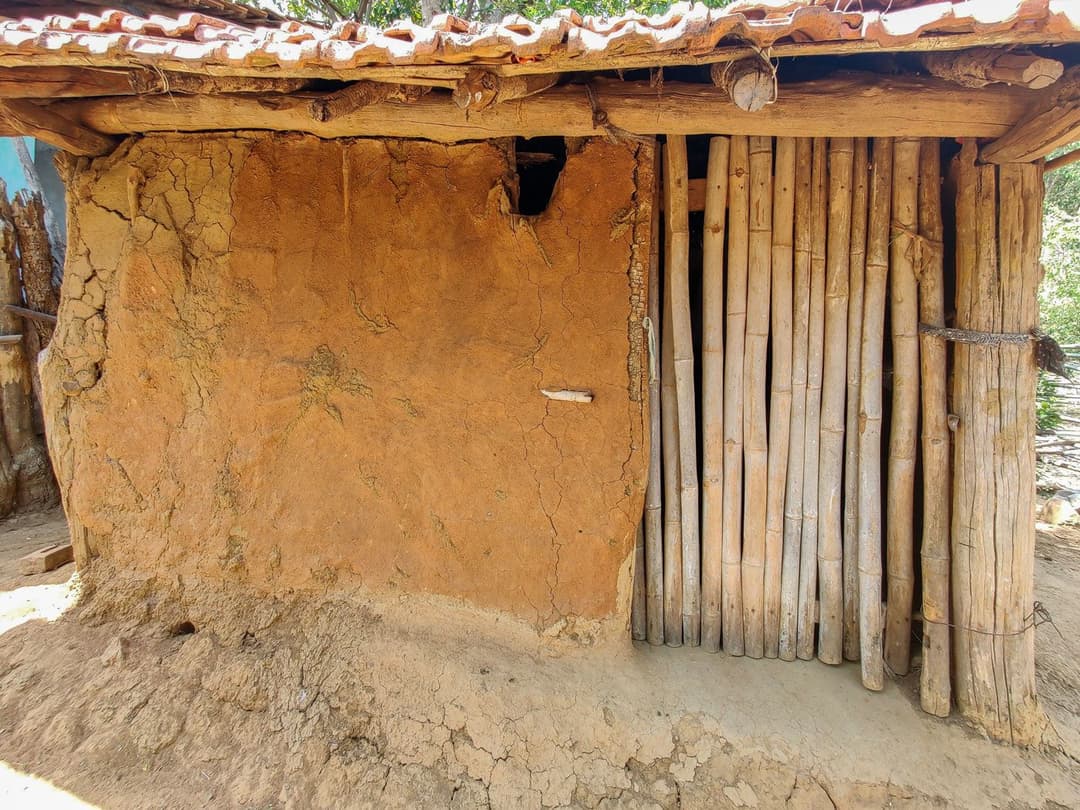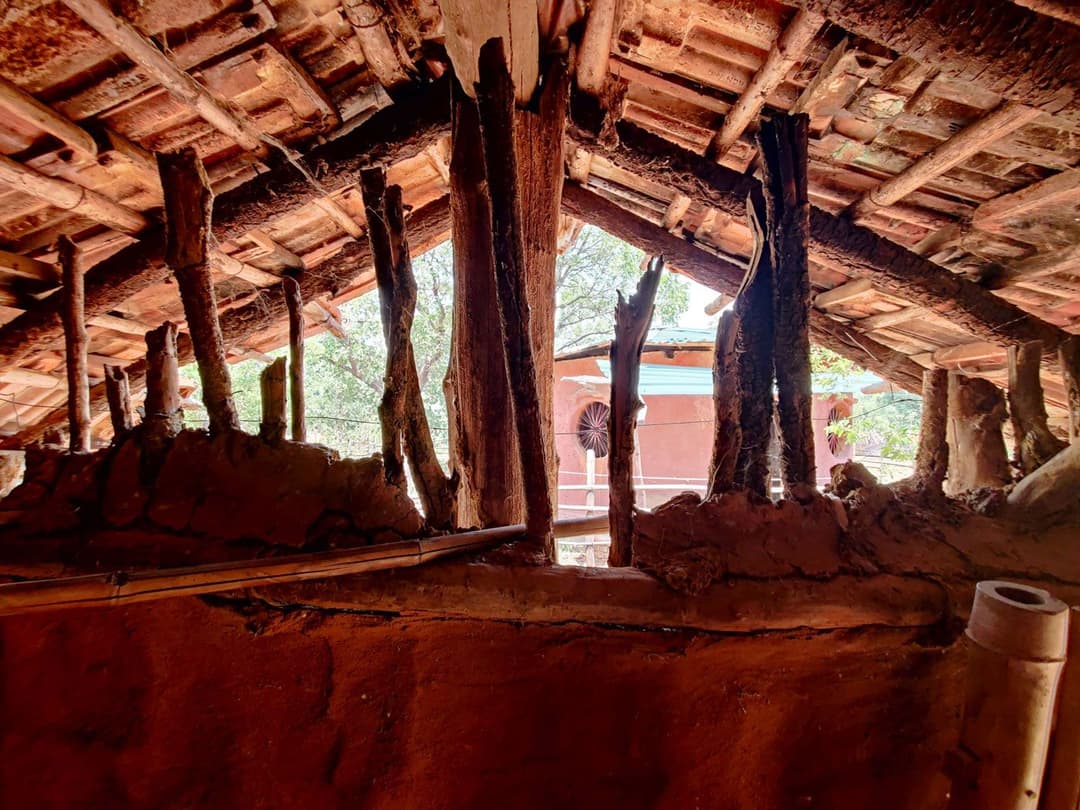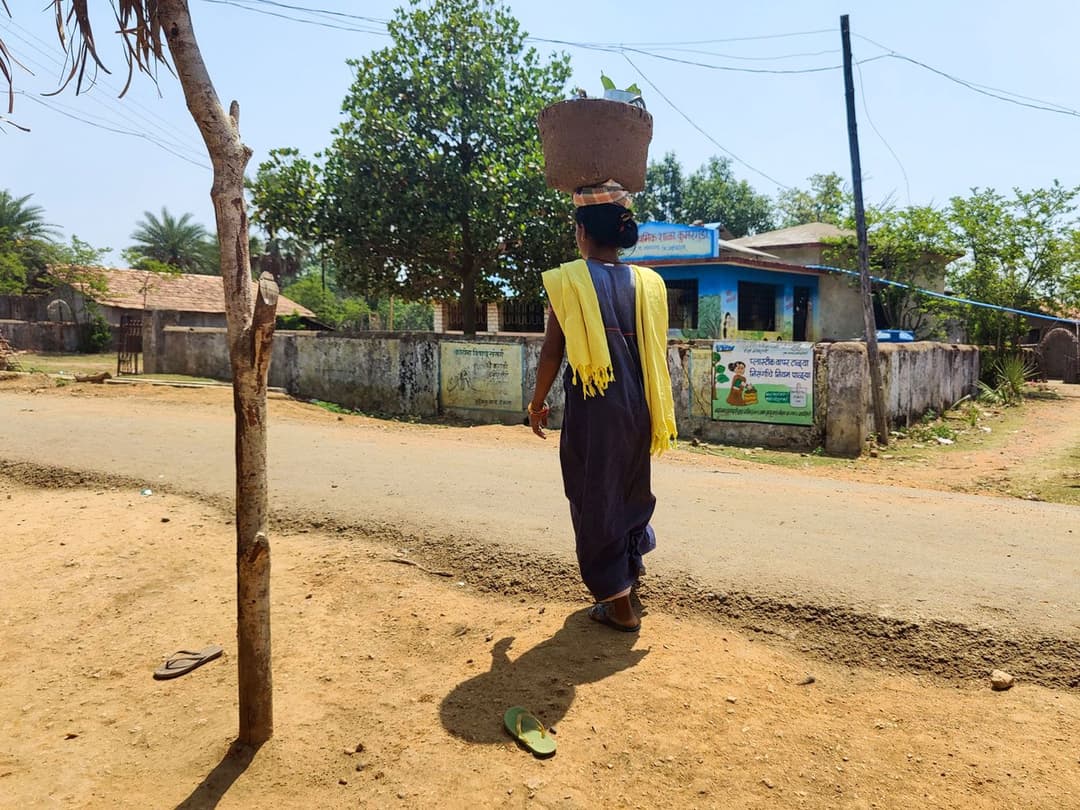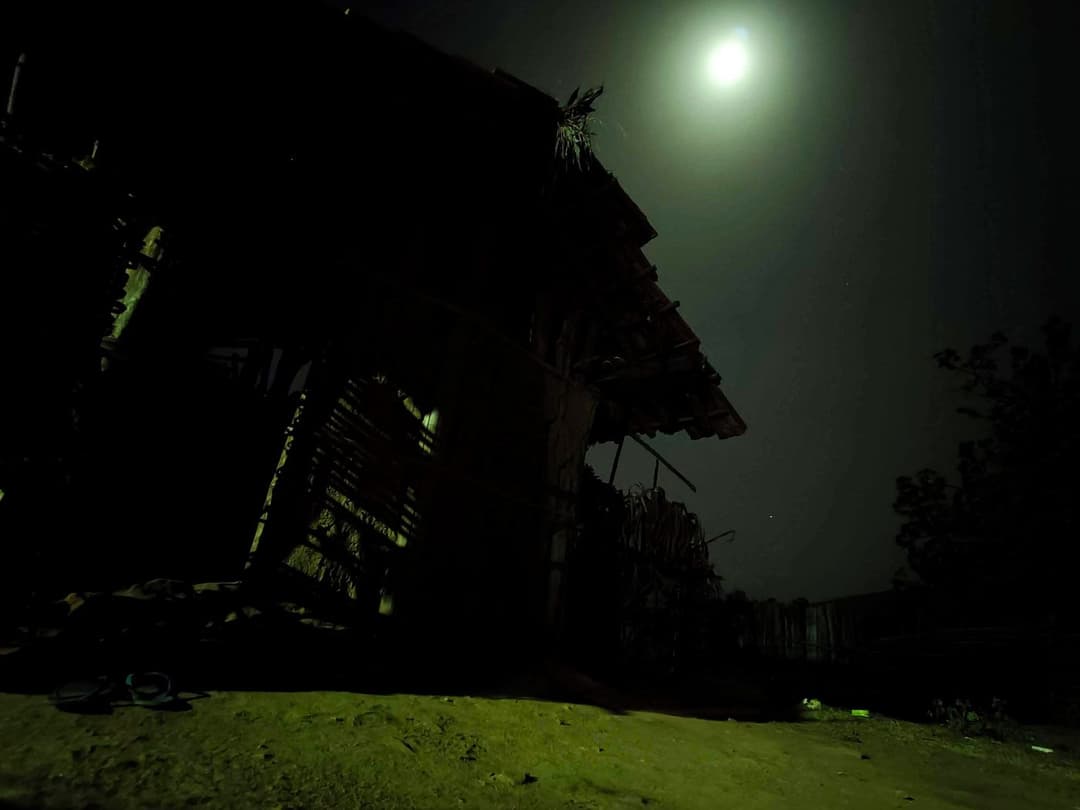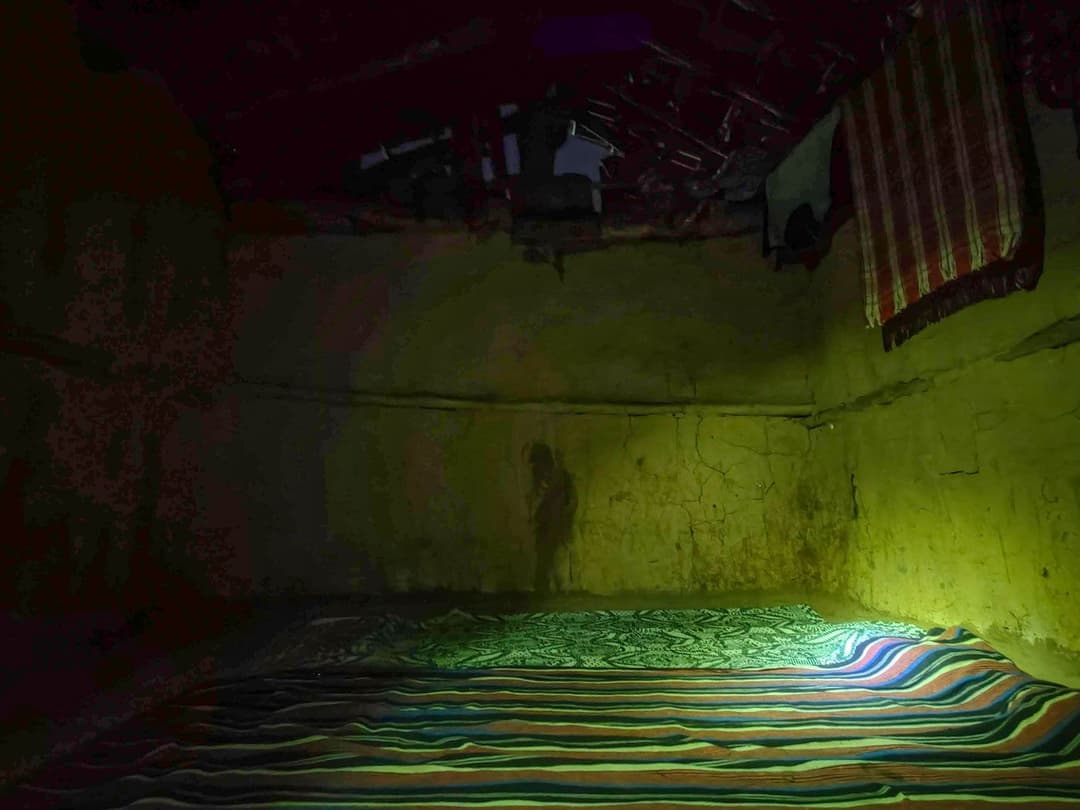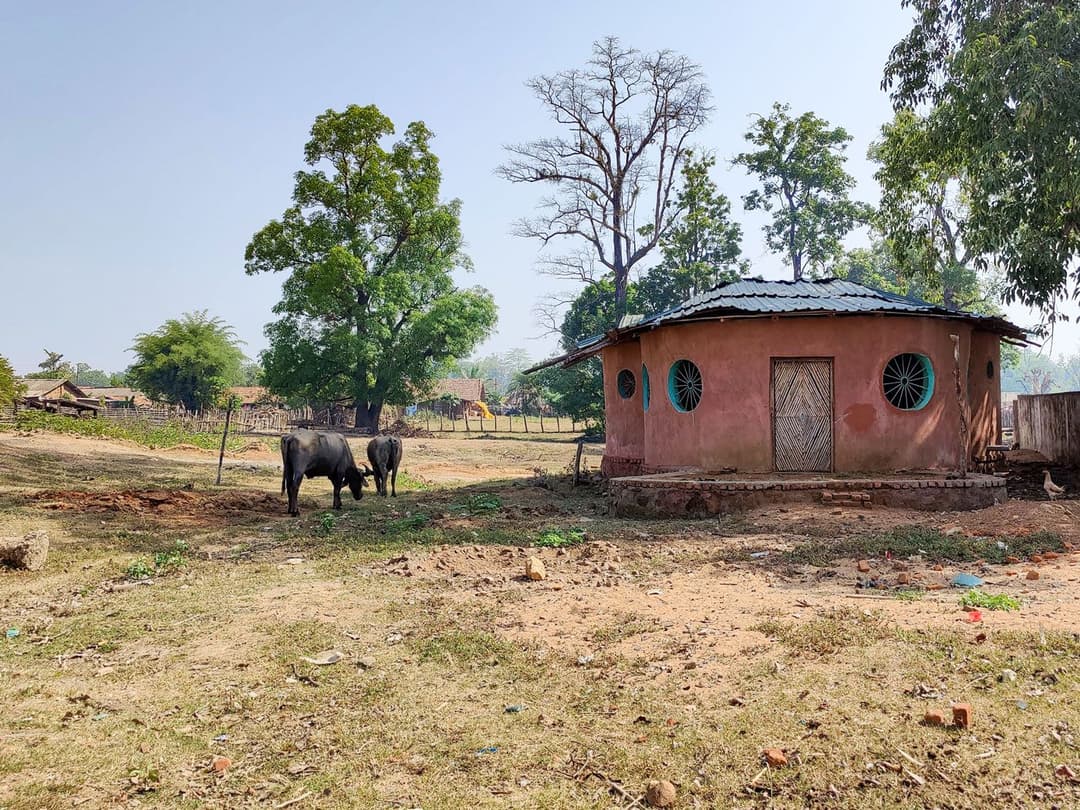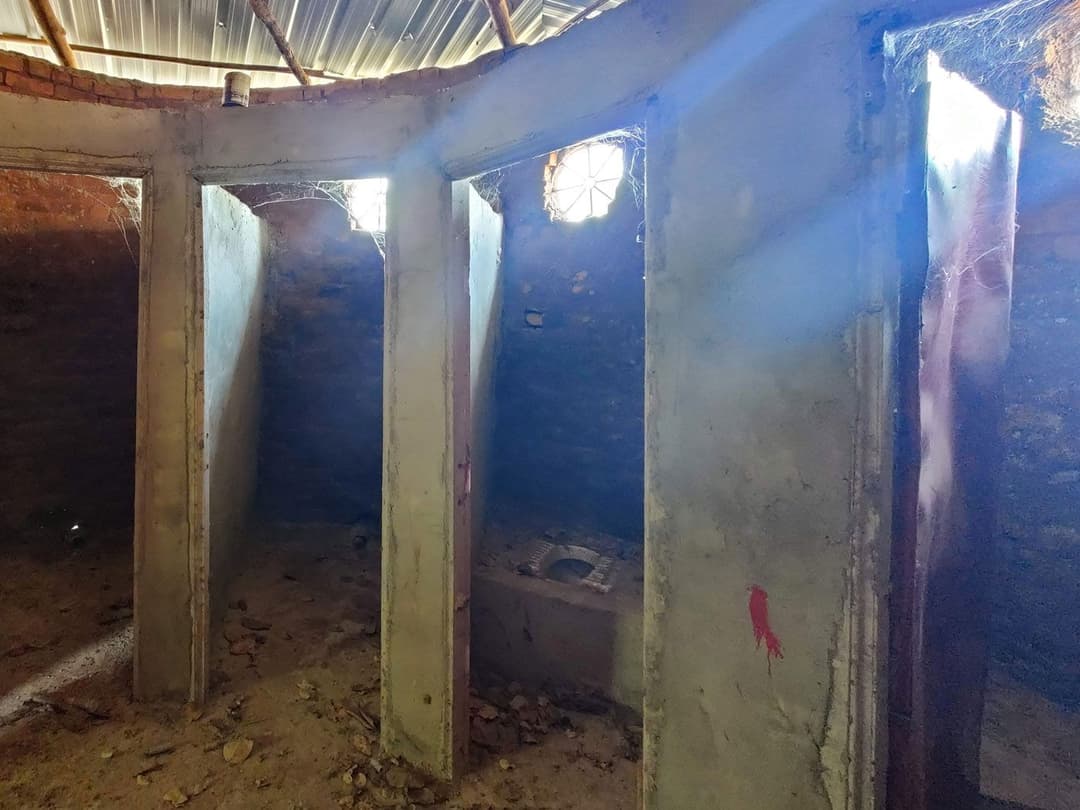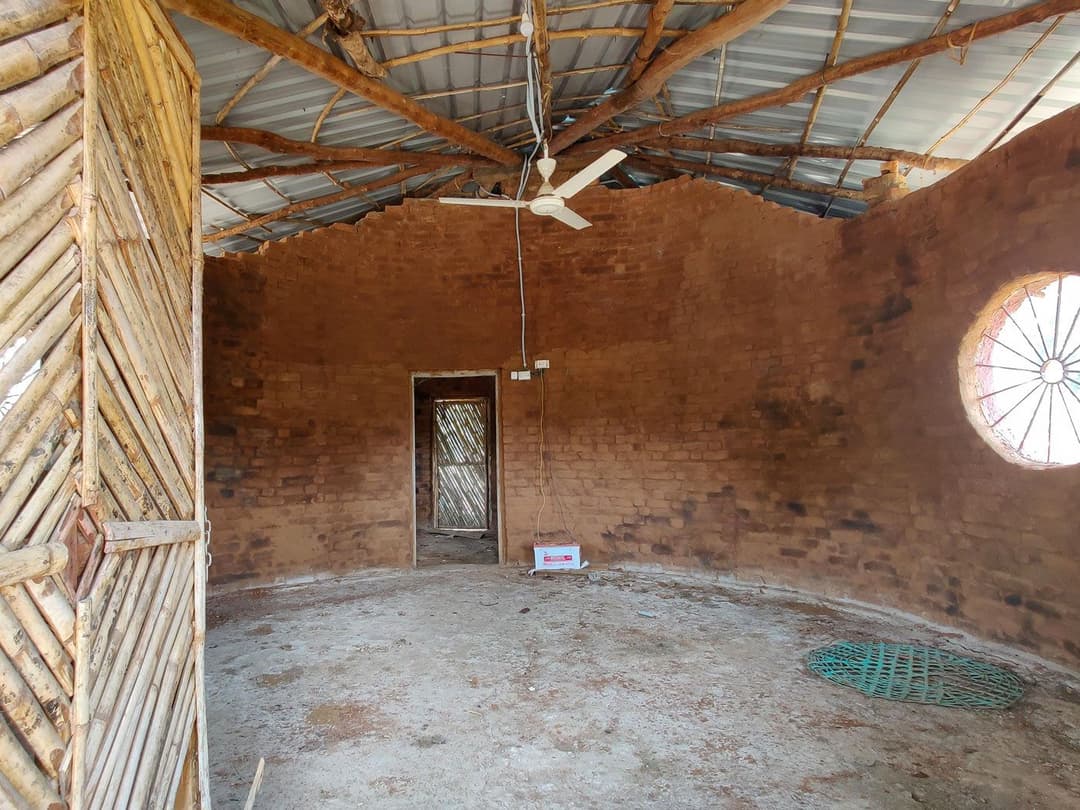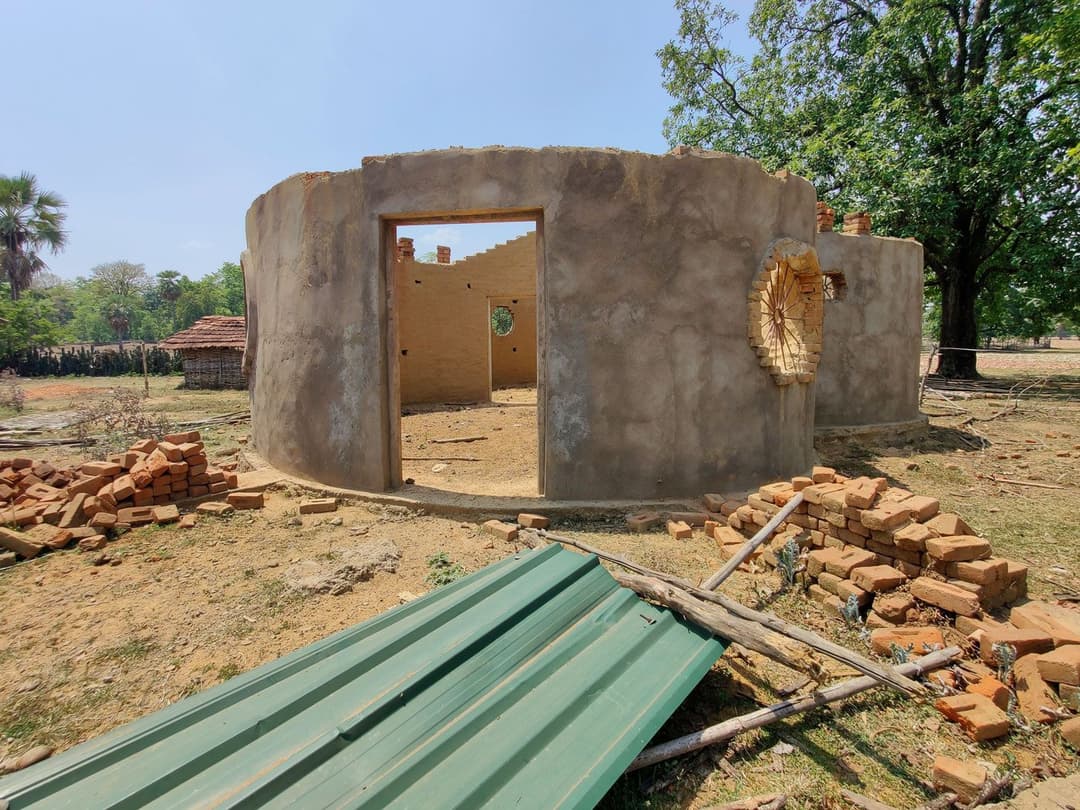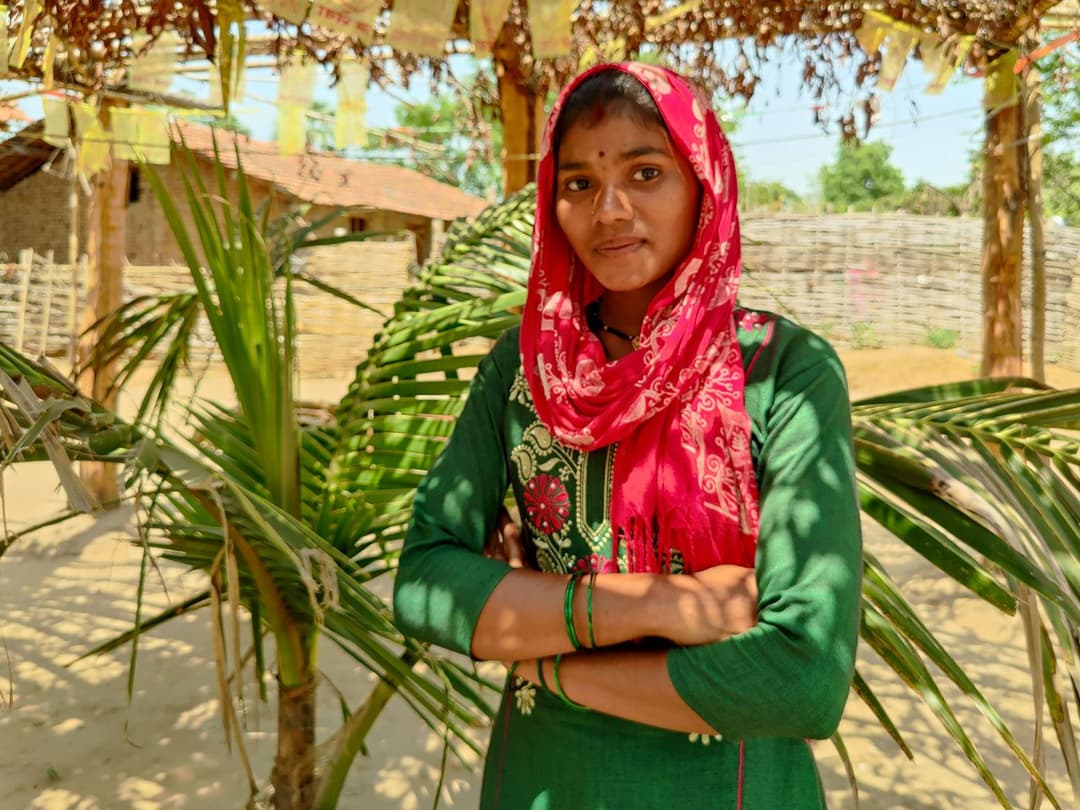

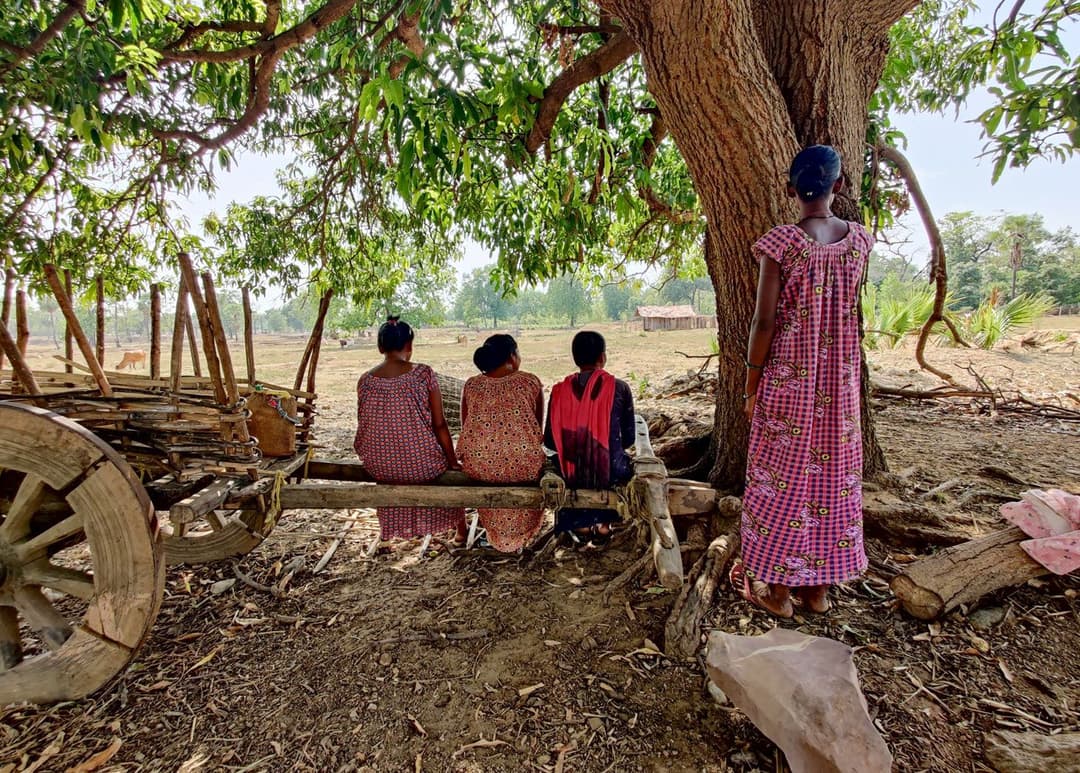
Saru looks gloomy sitting under the mango tree outside her home. In her lap, her infant son is restless and babbling. “My periods will come any day now,” she says, “I will have to go to the kurma ghar then.” Literally ‘period hut’, the kurma ghar is where she’ll stay for 4-5 days when she menstruates.
The imminent event is troubling Saru (not her real name). “It is suffocating in the kurma ghar and I can't sleep at all, away from my children,” she says, trying to calm her nine-month-old son. She has a daughter too, Komal (not her real name), who is three-and-a-half years old and attends nursery school. “Her pali [menstrual cycle] will start someday; it frightens me,” says Saru, 30, anxious that her daughter would have to endure the traditional practice of their Madia tribe.
There are four kurma huts in Saru’s village – one less than 100 metres from her home. They are currently used by the 27 adolescent girls and women of menstruating age in the village. “I have grown up seeing my mother and her mother going to the kurma ghar. Now I am using it. I don't want Komal to suffer this system,” says Saru.
The Madia, an Adivasi tribe, consider menstruating women to be impure and untouchable, and send them away when they get their period. “I have been going to the kurma ghar since I was 13,” says Saru. She was at her parents’ home then, in a village about 50 kilometres from her current home in the eastern part of Gadchiroli district, Maharashtra.
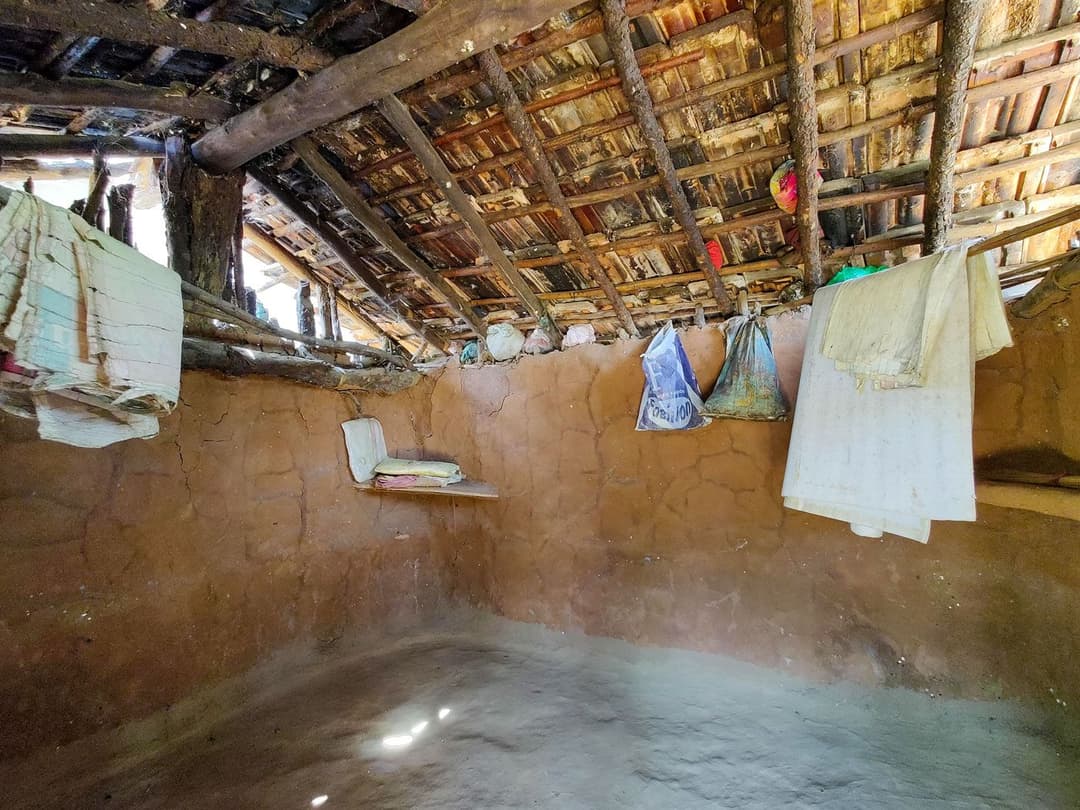
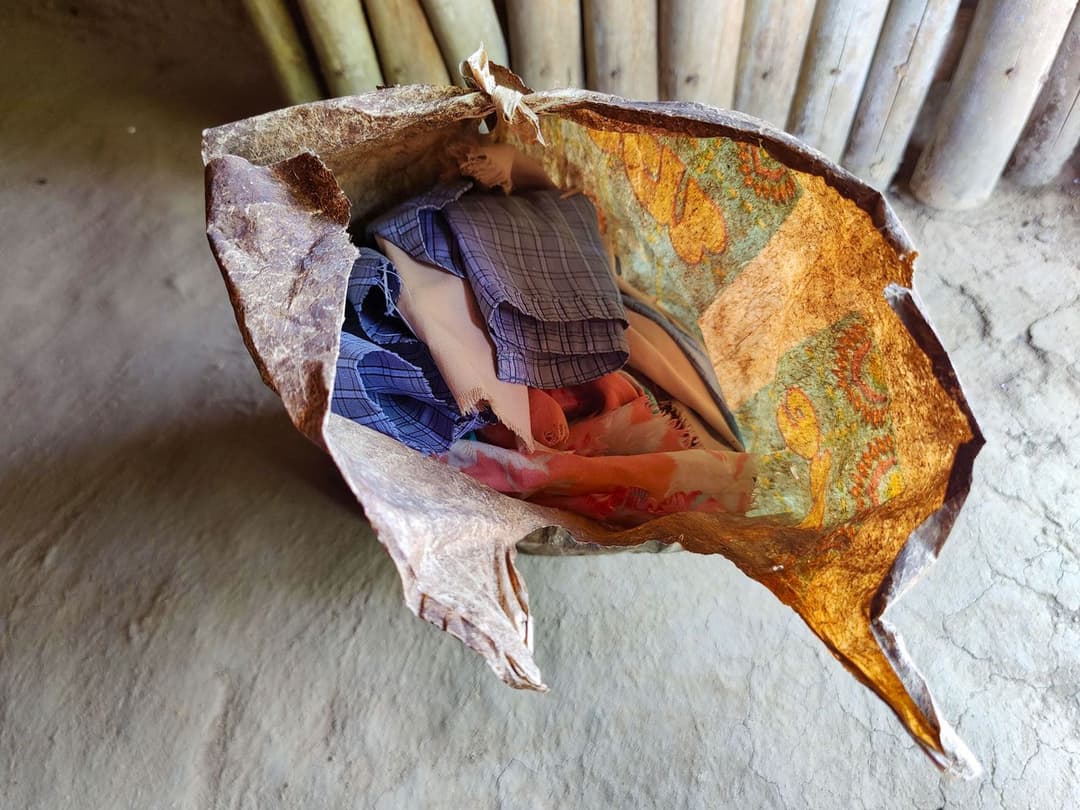
In the last 18 years, Saru has spent close to 1,000 days of her life – about five days every month – in a hut with no bathroom, no running water, no electricity and no bed or a fan. “It is dark inside and the nights are scary. I feel as if the darkness will eat me up,” she says. “I feel like running fast towards my house and holding my kids tight, close to my chest…but I can’t."