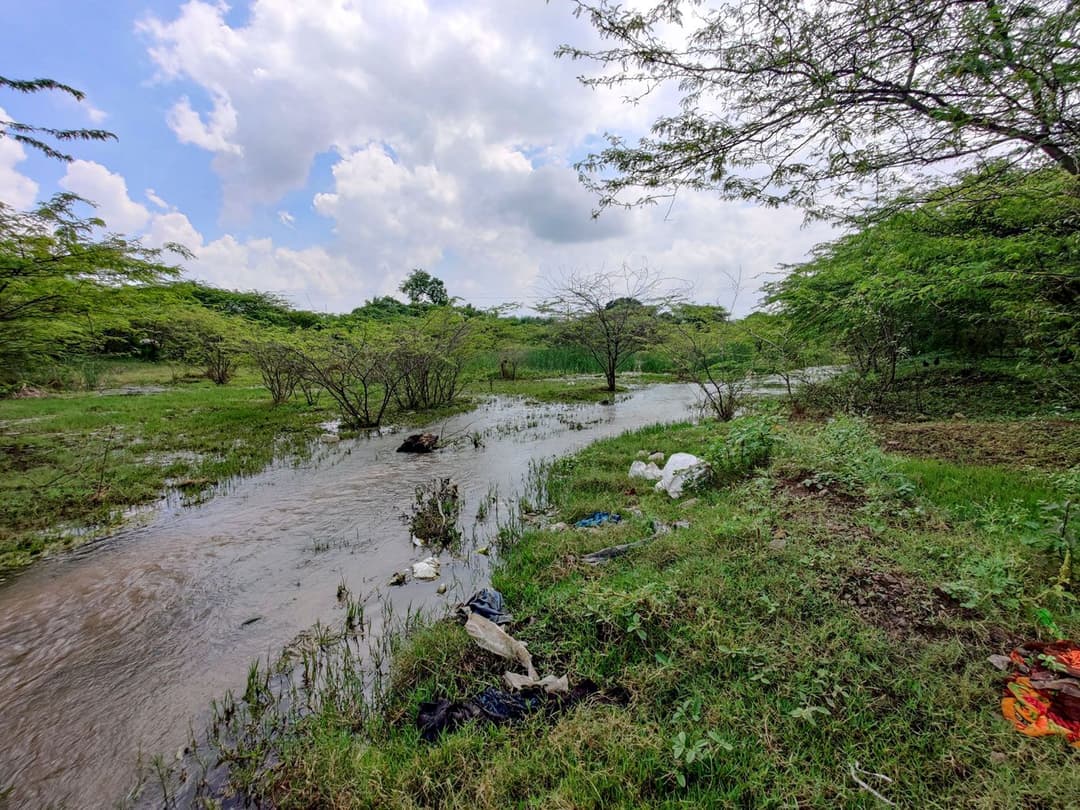


Green grass underfoot, open sky above, lush trees around, and a calm stream of water flowing through the woods – this could be anywhere in rural Maharashtra.
But wait, Geeta has something to add. Pointing at the stream, she says: “We women go to the left, and the men, to the right.” That's the arrangement followed by the residents of her vasti (colony) when they go to relieve themselves.
“We have to sit in ankle-deep water – with an umbrella when it rains. What can I say about how it is during [my] periods?” says 40-year-old Geeta.
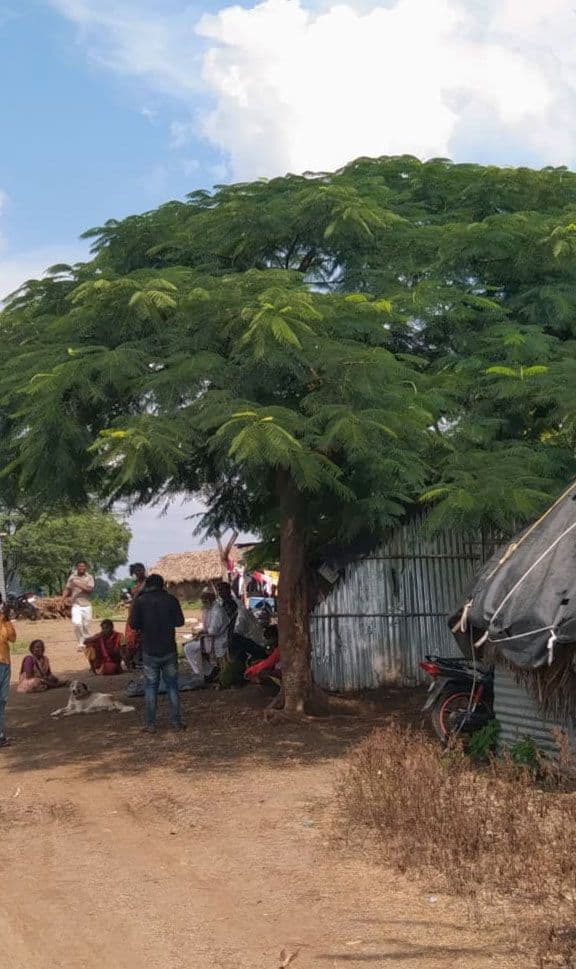
Her colony of 50 households – on the outskirts Kuruli village in Shirur taluka of Pune district – is inhabited by Bhil and Pardhi families. The two communities, categorised as Scheduled Tribes in Maharashtra, are among the poorest and most marginalised in the state.
Geeta, a Bhil, is candid about her discomfort of going to the toilet in the open. “The grass hurts where we sit, and mosquitoes bite... Then there's always the fear of snake bite.”
Residents of the settlement face challenges at every step – particularly women, who are afraid of being attacked on the way to the woods.