
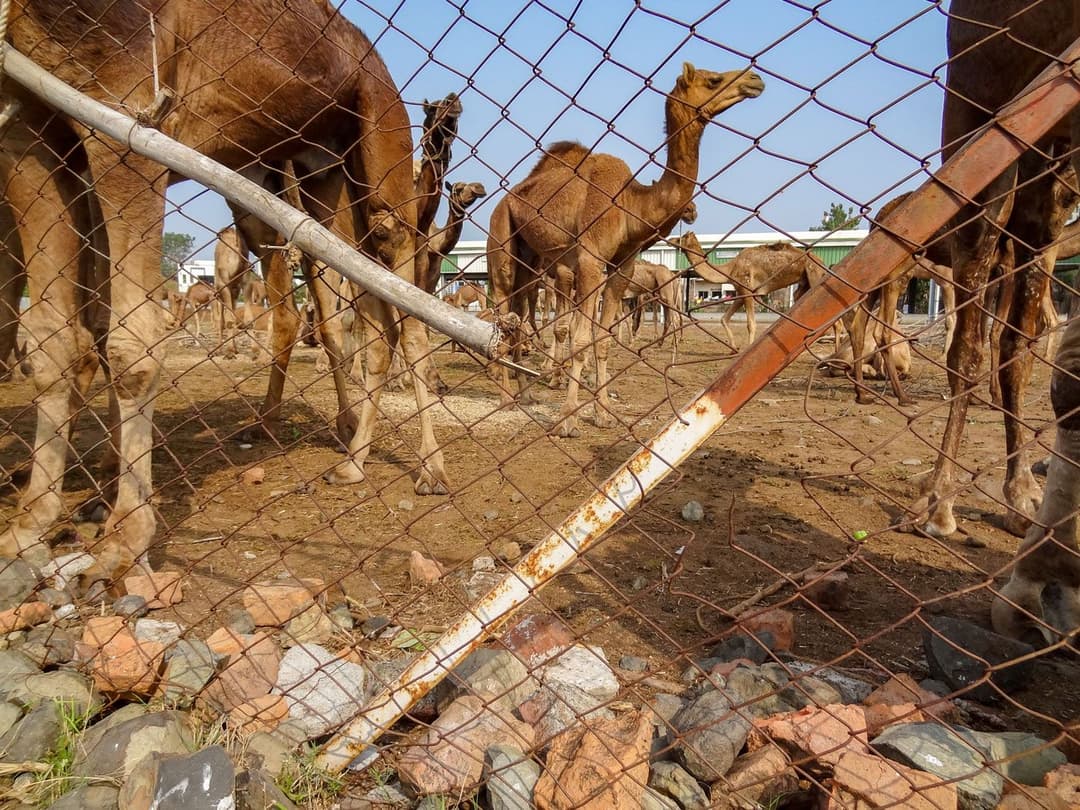
“We have not confiscated these 58 camels,” asserts Inspector Ajay Akare, in charge of the Talegaon Dashasar police station in Amravati district. “We don’t have the powers to do so since Maharashtra has no specific law against cruelty to these animals.”
“The camels,” he says, “are under detention.”
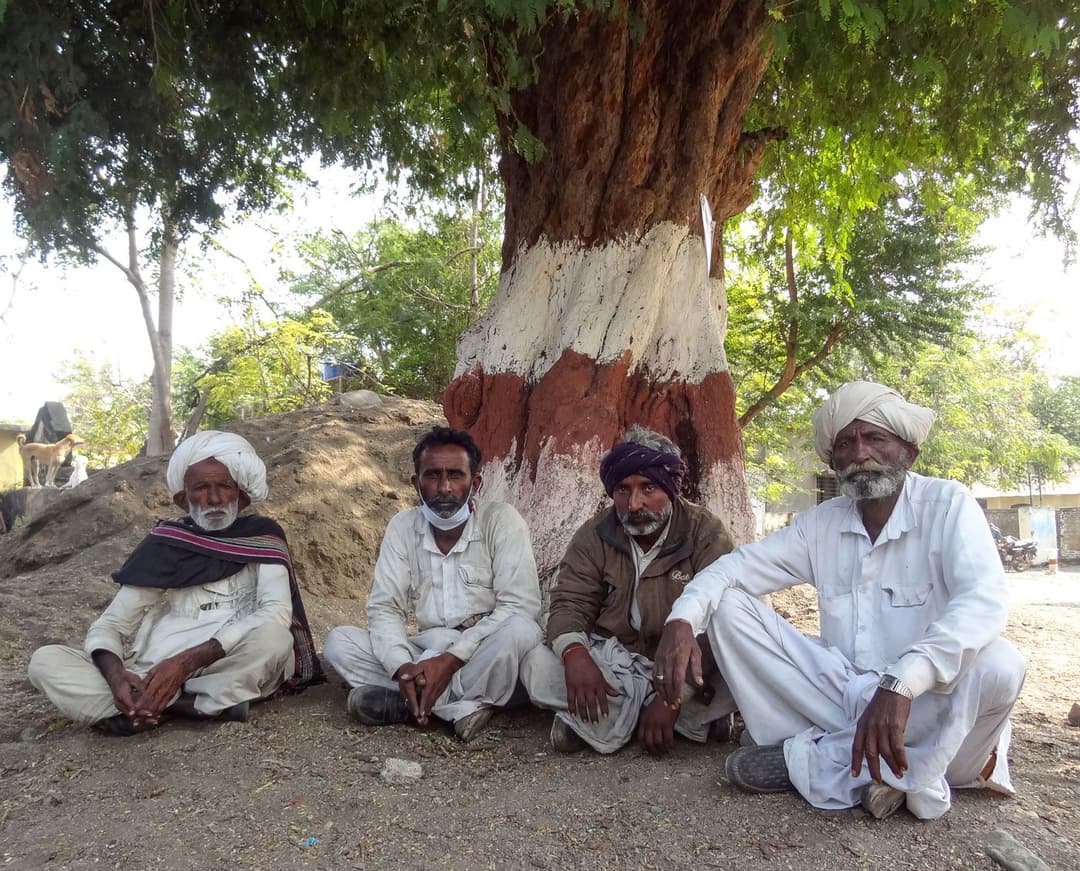
And so too would their caretakers be, but for a local judicial magistrate in Amravati. The five keepers are semi-nomadic pastoralists, four from the Rabari community and one a Fakirani Jat, from Kachchh in Gujarat. Both social groups have been traditional camel herders across generations and centuries. The magistrate granted the five immediate and unconditional bail after they were arrested by the police on a complaint from self-styled ‘animal rights activists.’
“The accused did not have any papers pertaining to the purchase and possession of camels or legal documents relating to their own domicile,” says Akare. So, this was followed by the curious situation of traditional herders having to produce ID cards for the camels and their ownership documents for a court. Those were sent in by their relatives and other members of the two semi-nomadic pastoralist groups.
Separated from their herders, the camels now languish in a gauraksha kendra, a shelter home for cows, in the custody of people quite clueless when it comes to caring for and feeding them. While both are ruminants, camels and cows have very different diets. And the condition of the dromedaries is likely to swiftly deteriorate in the cow shelter if the case drags on.