
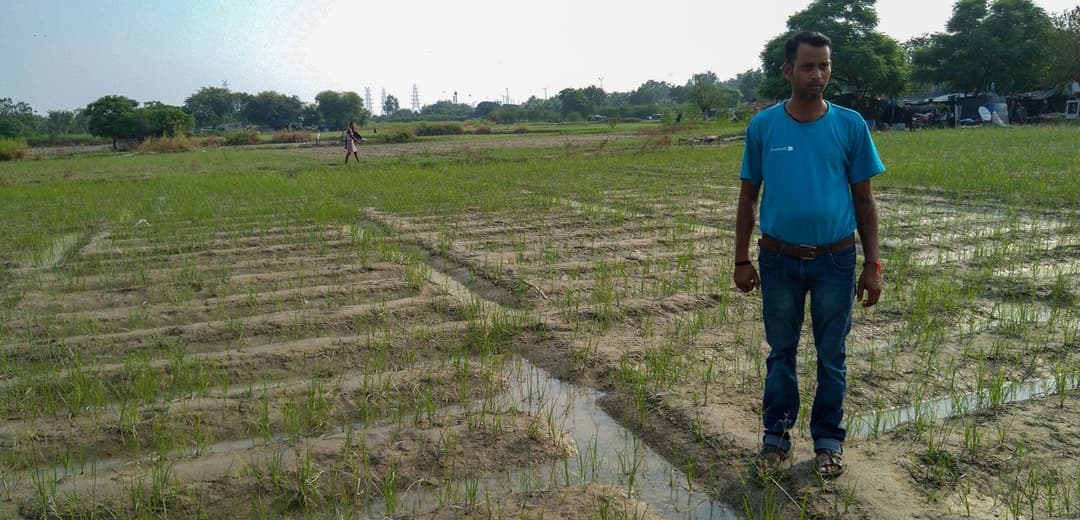
“Our relationship is with the Yamuna. We have always been next to a river.”
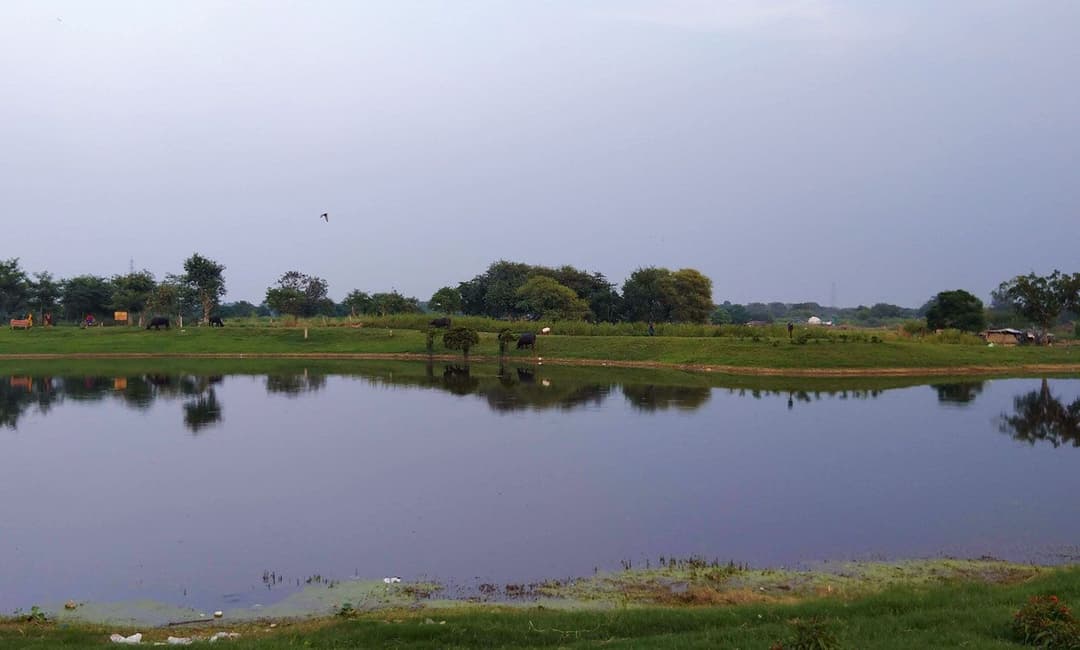
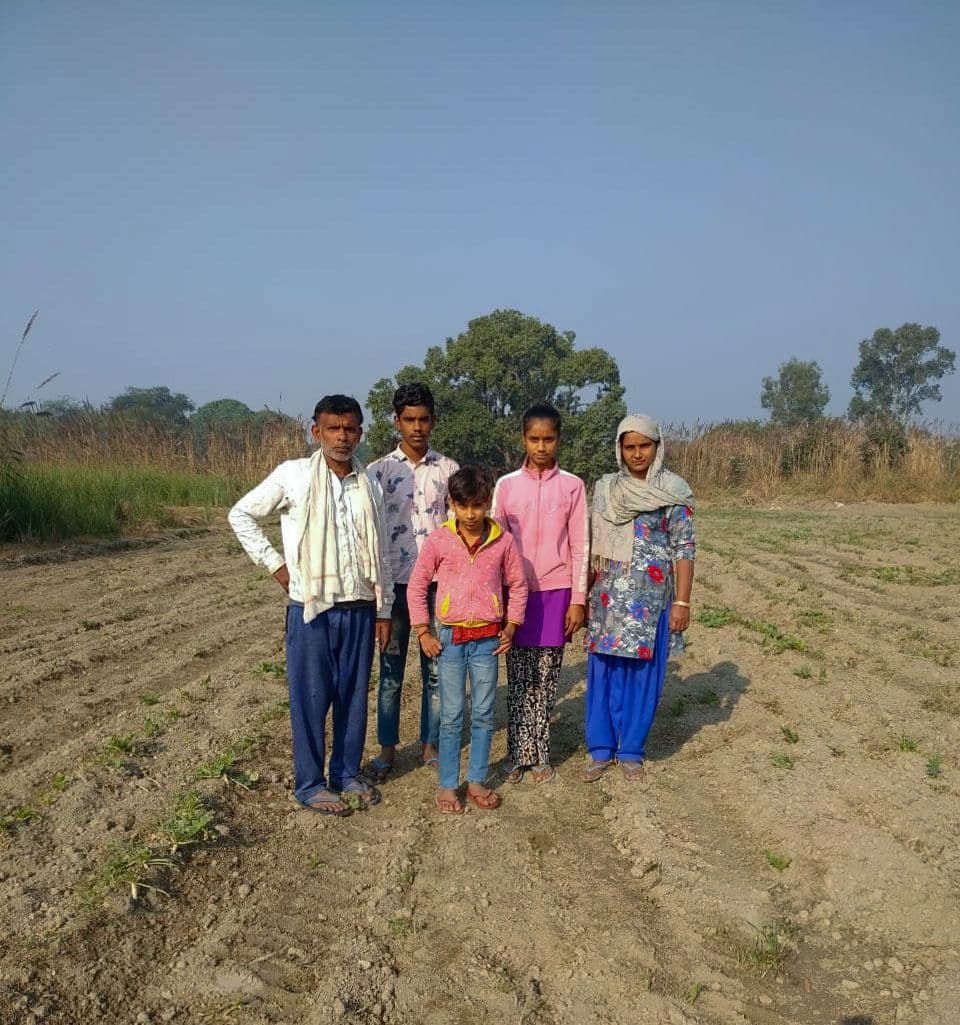
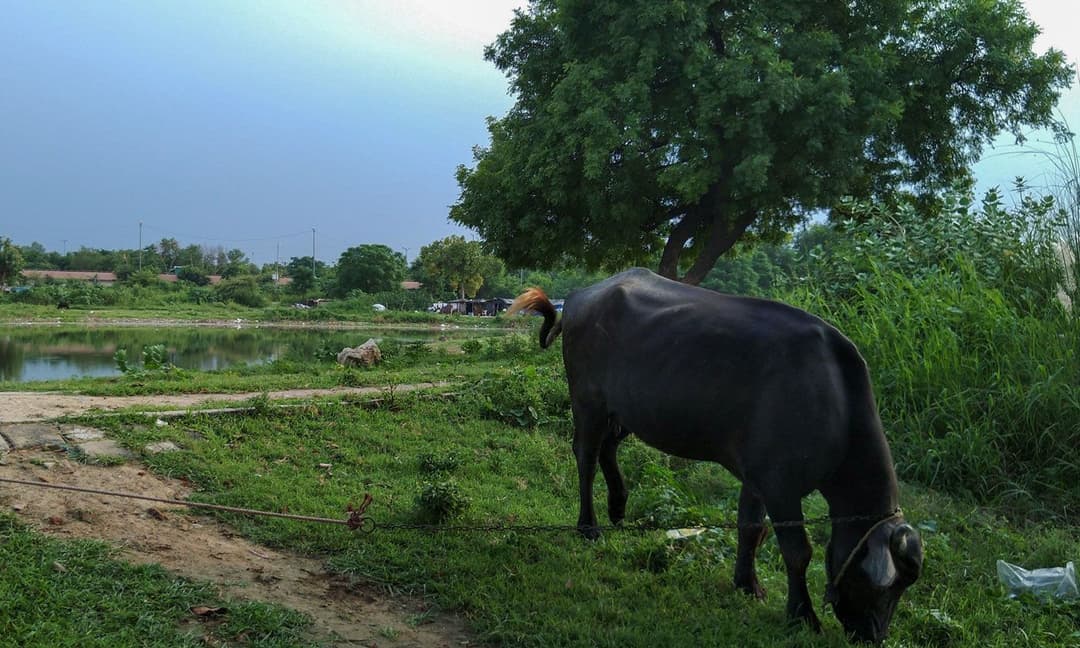
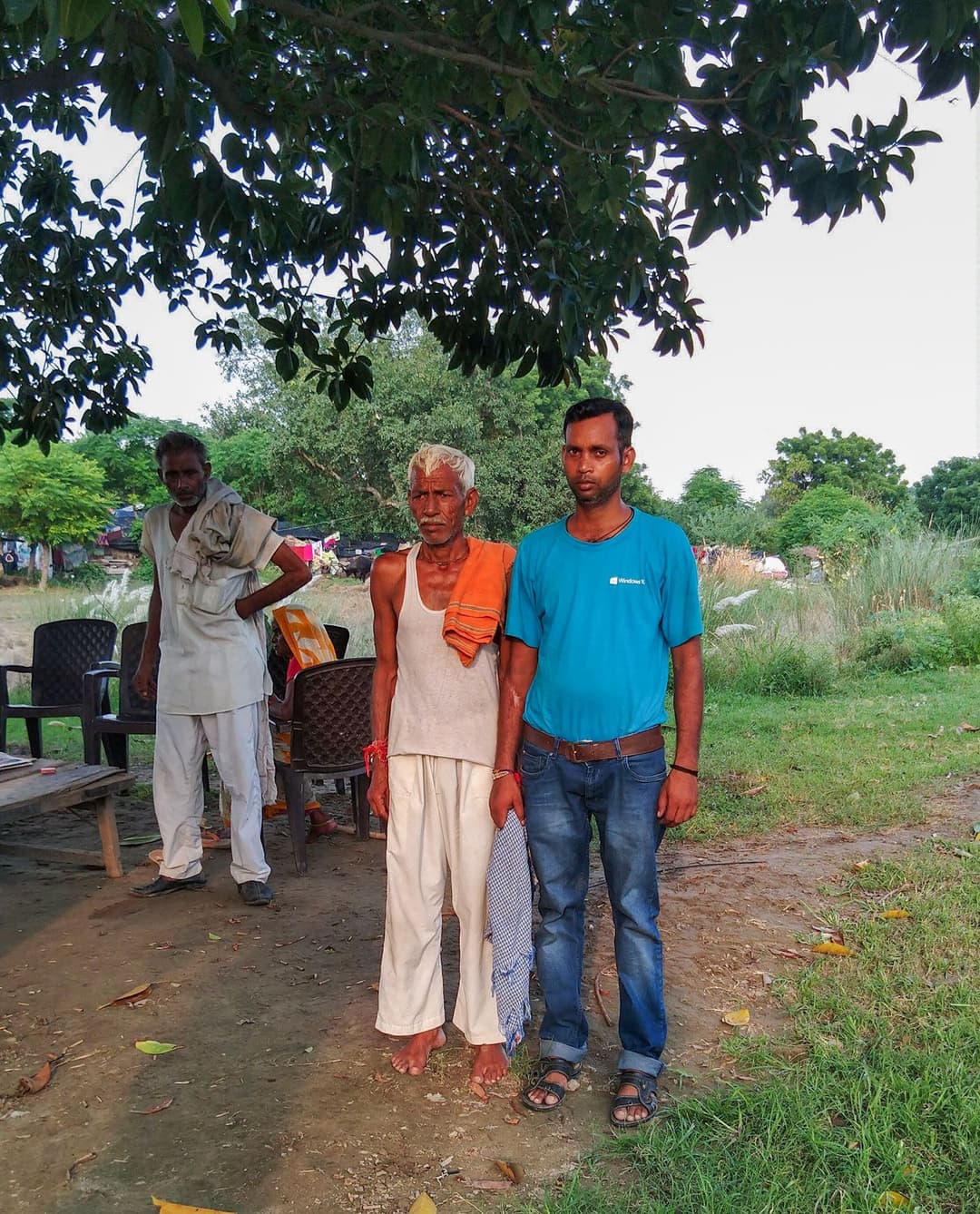
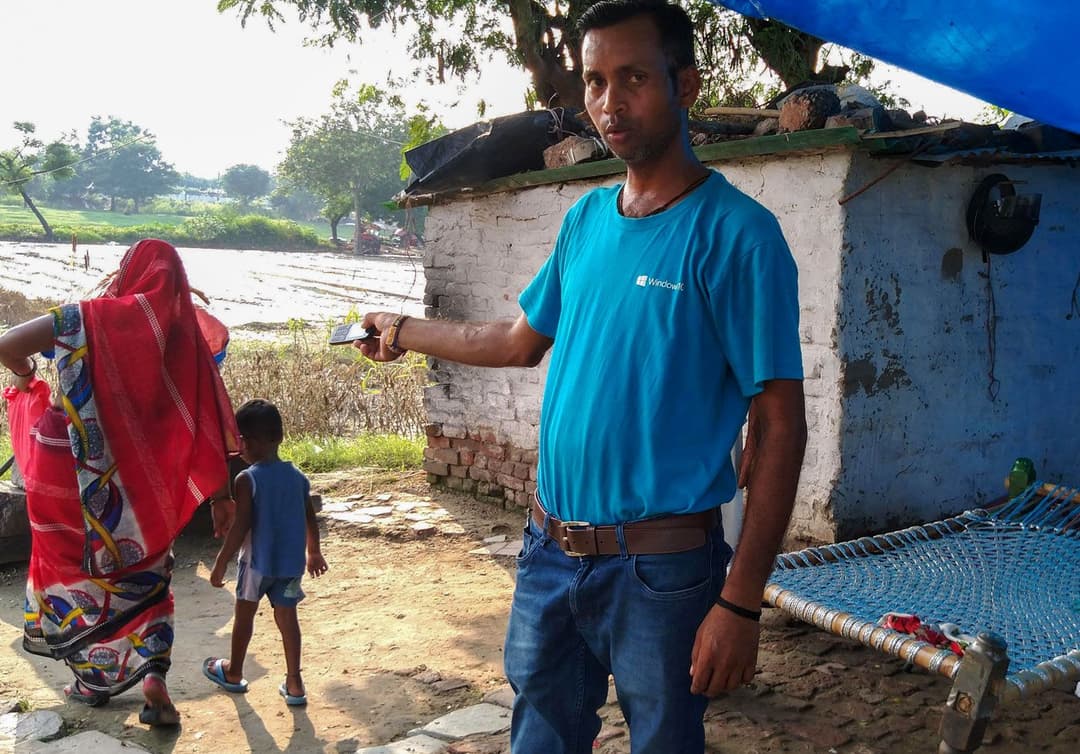
That’s Vijender Singh talking about his family’s bond with the river. A community of mallahs (boatmen), they have lived next to and ploughed the floodplains adjoining the Yamuna in Delhi for generations. The 1,376 kilometre long river flows for 22 kms through the National Capital Territory and its floodplains here measure 97 square kilometres.
Over 5,000 farmers like Vijender had pattas (land deeds) giving them ownership for 99 years.
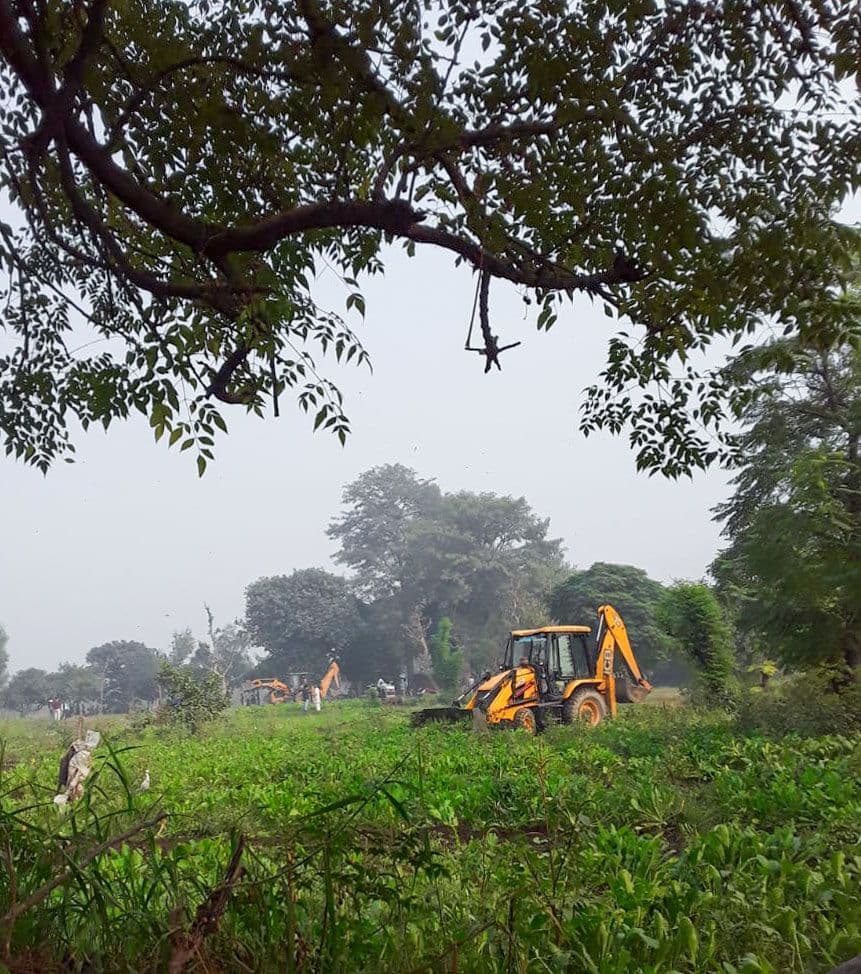
That was before the bulldozers came.
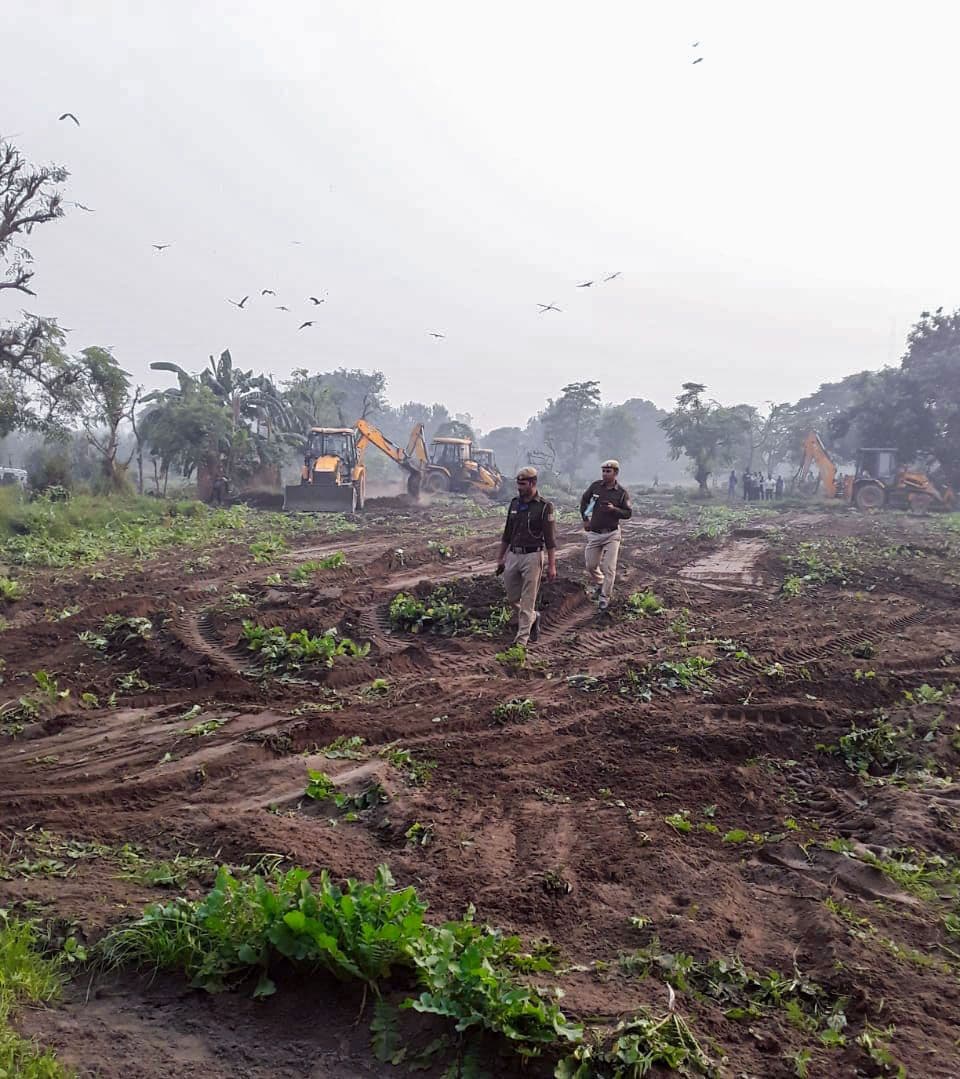
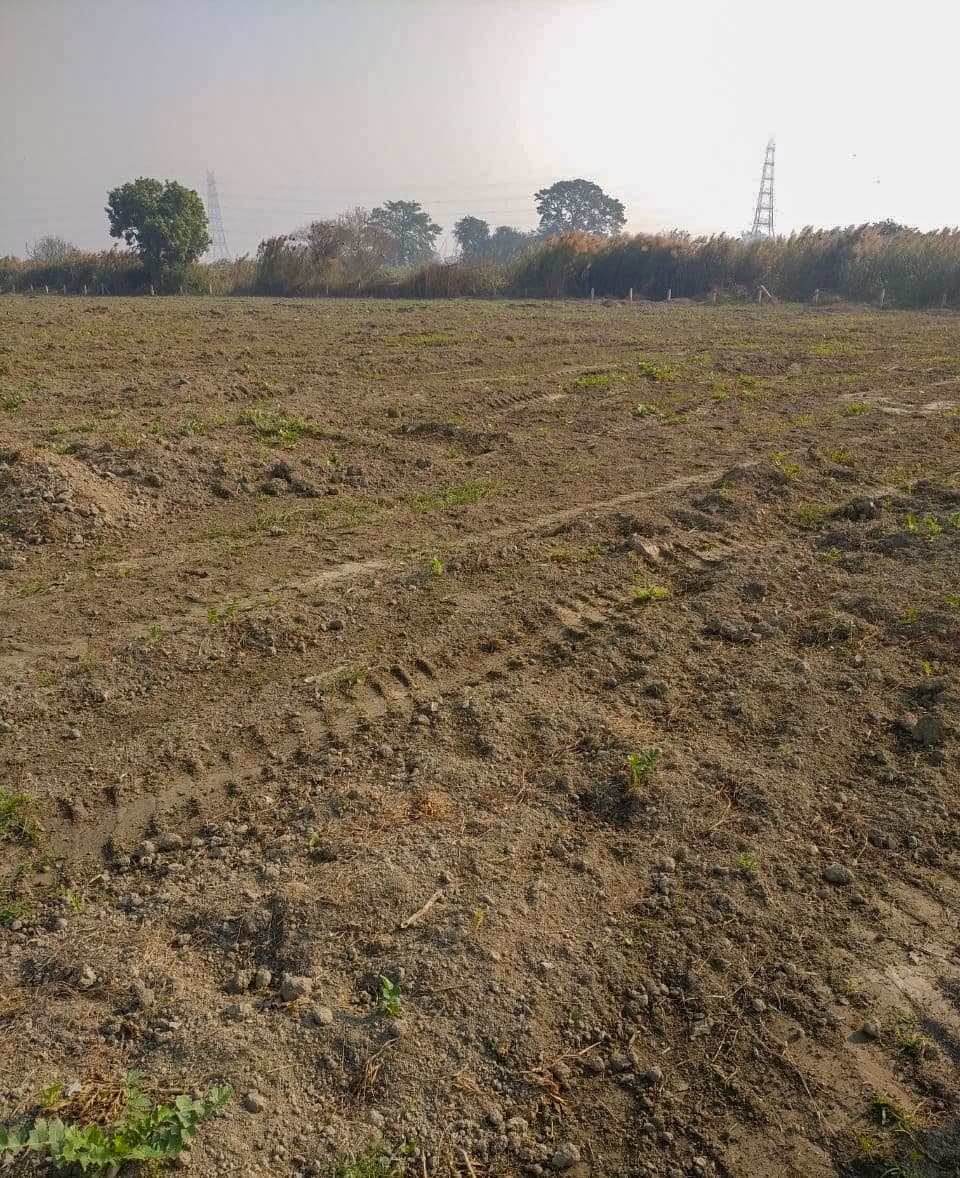
In the biting winter of January 2020, municipal authorities bulldozed their fields with standing crops to make way for a proposed biodiversity park. Vijender had to quickly move his family to a rented accommodation in nearby Geeta Colony.
Overnight the 38-year-old farmer lost his livelihood and had to start driving in the city to feed his family of five – his wife, and three sons all below the age of 10. He was not the only one. Others who were displaced from their land and livelihoods scrambled to find jobs as painters, gardeners, security guards and sweepers at metro stations.
"If you look at the road from Loha Pul to ITO, the number of kachori sellers on bicycles has gone up. These are all farmers. Once the land is gone, what can a farmer do?" he asks.