Sunita Devi had been worried about the lump growing in her stomach. She wasn’t able to eat well, and felt bloated. After ignoring it for two months, she went to see a doctor at a private hospital near her home. What the doctor said left her in disbelief: “Aapko bacha thahar gaya hai [You are pregnant].”
She did not understand how that was possible – it had hardly been six months since she had had a copper-T inserted to prevent a pregnancy.
Recounting the incident from 2019 now, her pale, gaunt face looks even more so. Her hair is neatly pulled back into a bun; her sunken eyes are dull and tired. The only bright spot is a red bindi on her forehead.
Sunita (not her real name) is a 30-year-old mother of four. She has two daughters and two sons, who are between the ages of 4 and 10. In May 2019, when her youngest was 2 years old, Sunita decided not to have any more children. She learnt about family planning methods from an ASHA worker who visited the area. After considering the options, she had chosen Antara, an injectable contraceptive that claims to prevent pregnancy for three months. “I thought let me try the injection,” she says.
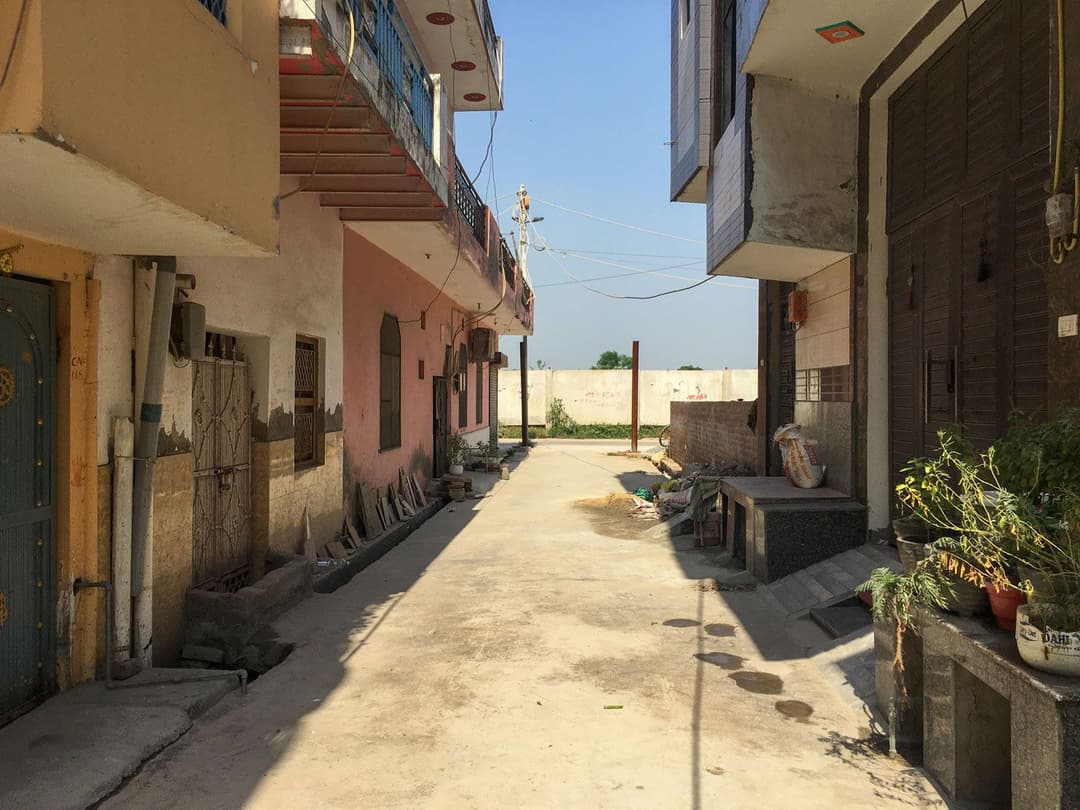
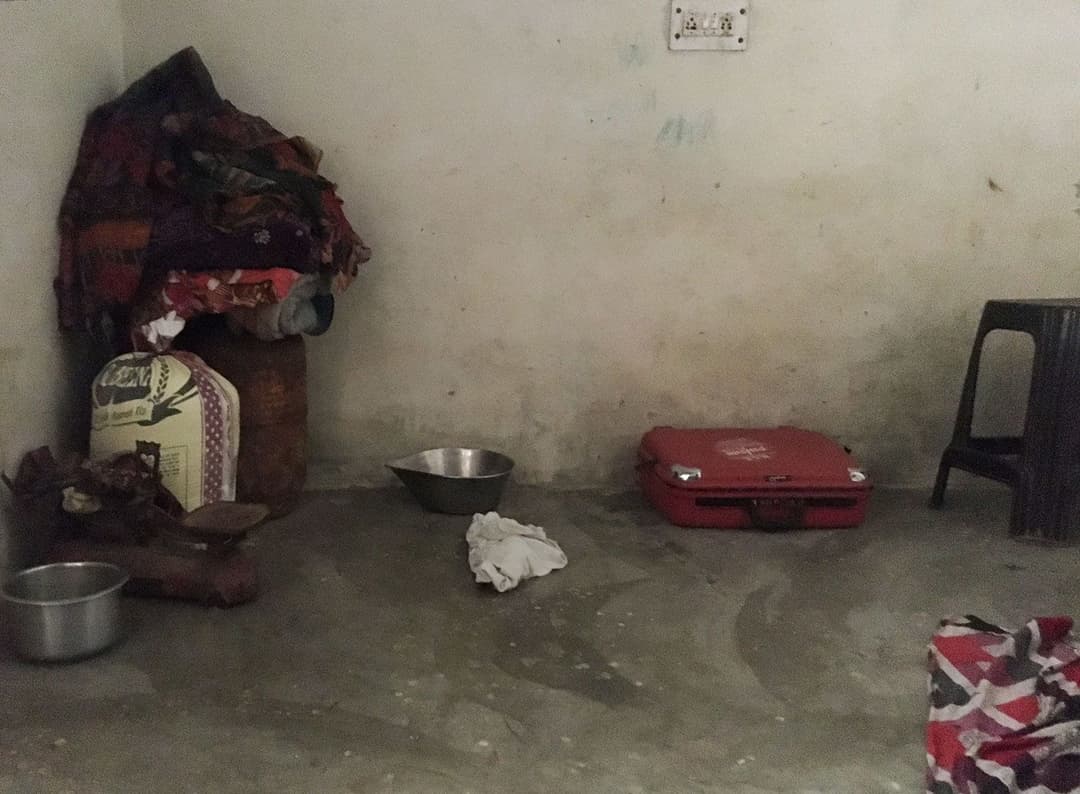
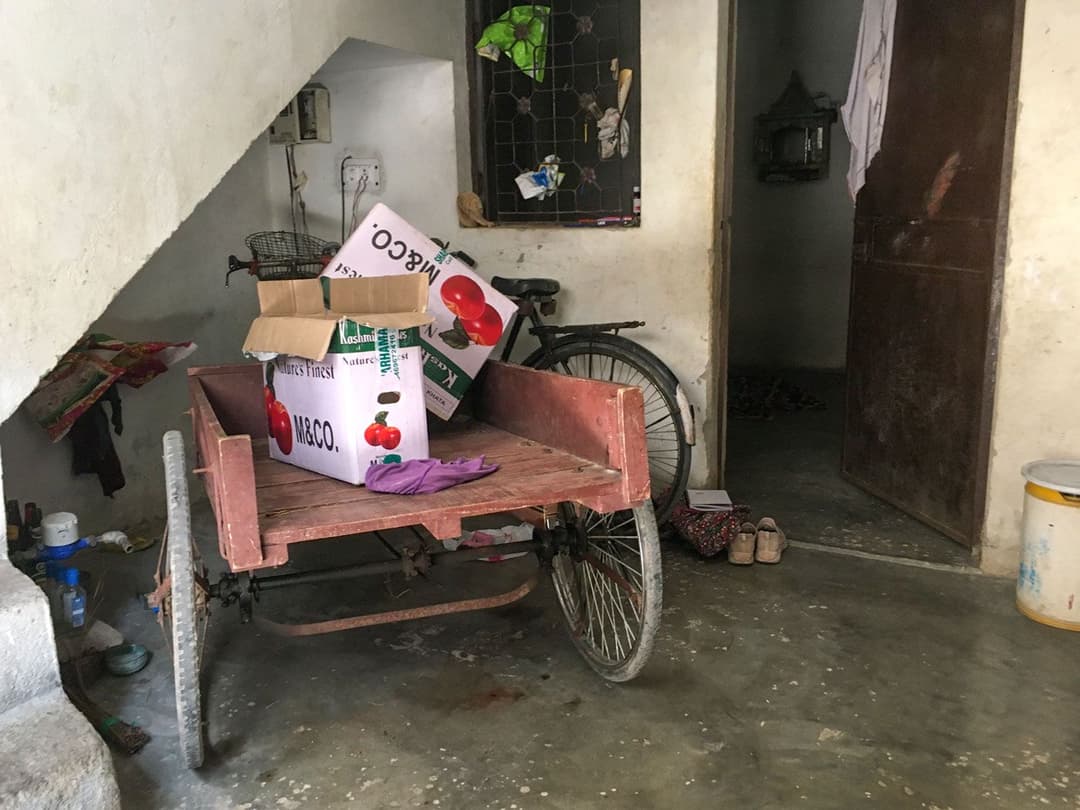
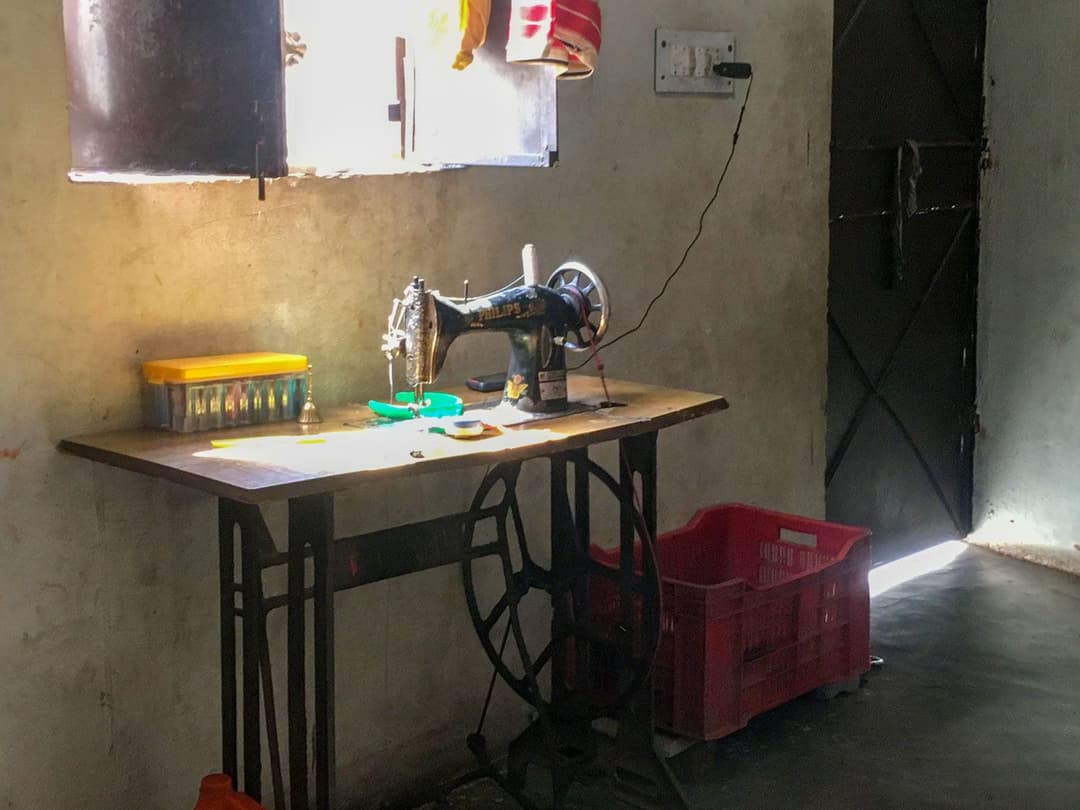
We are sitting on a mat on the floor of her 8 x 10 feet room, and more mats are stacked on an empty gas cylinder in a corner. Sunita’s brother-in-law’s family lives in the adjacent room, and one can see a third room that belongs to another brother-in-law. The house is in the Mahesh Garden area of Najafgarh, a locality in South West Delhi district.
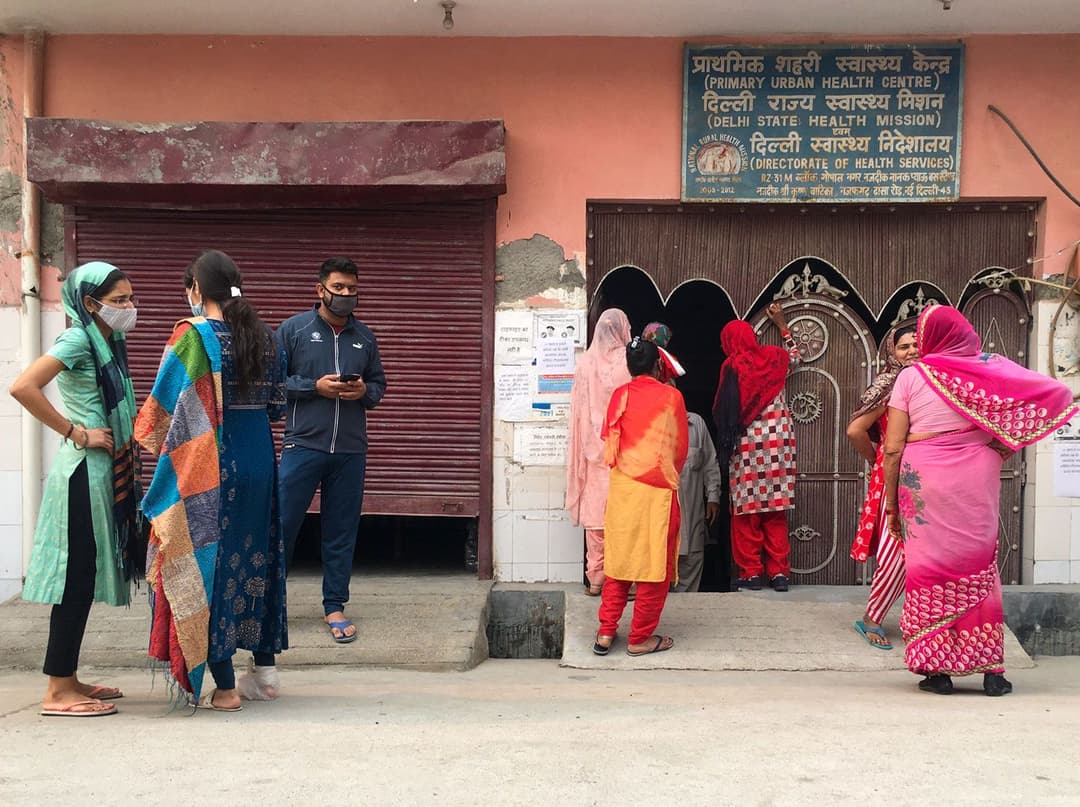
The Gopal Nagar primary health centre (PHC) is about two kilometres from Sunita’s home. It was there that she went with the ASHA worker to get the Antara injection. But the doctor at the PHC had something else to suggest. “The doctor started telling me about copper-T instead. She asked me to get it inserted as it was safer,” Sunita says. “I had never asked the doctor for copper-T,” she adds, her voice assertive. “But the doctor kept insisting that it would be fine. ‘Don’t you want to stop having more kids?’ she had asked me.”