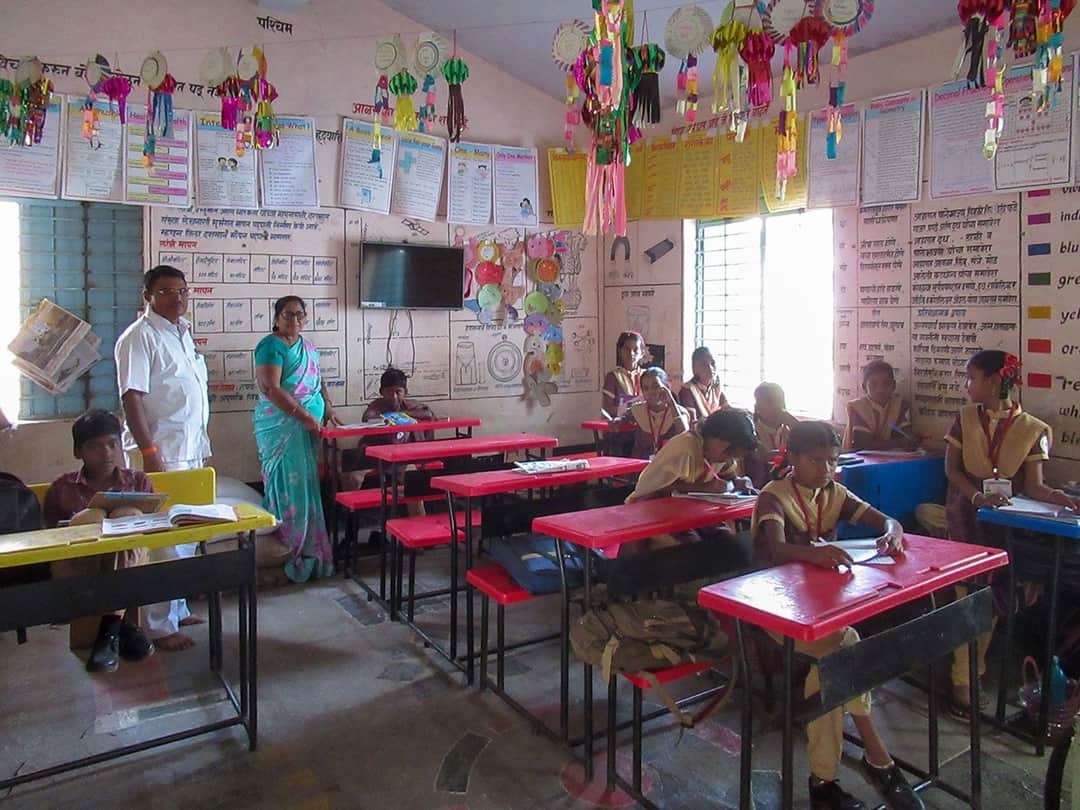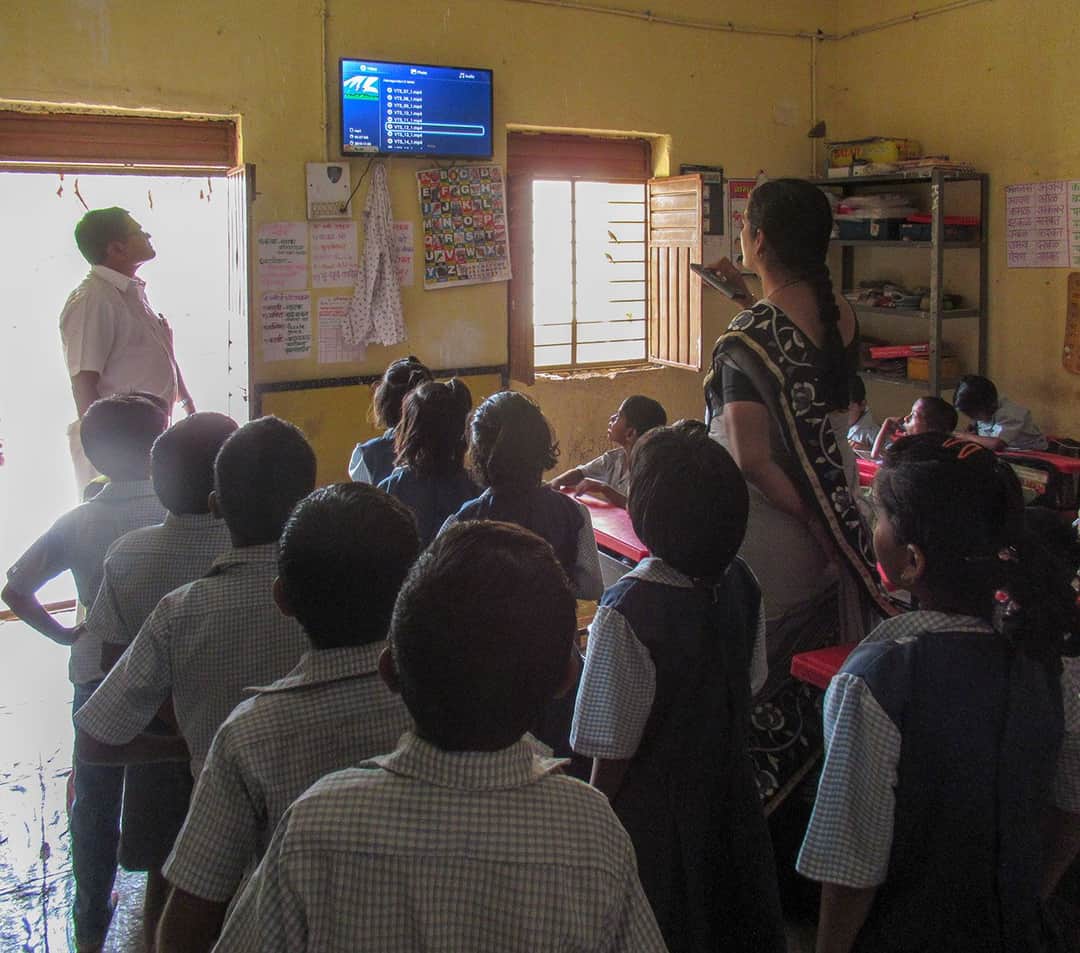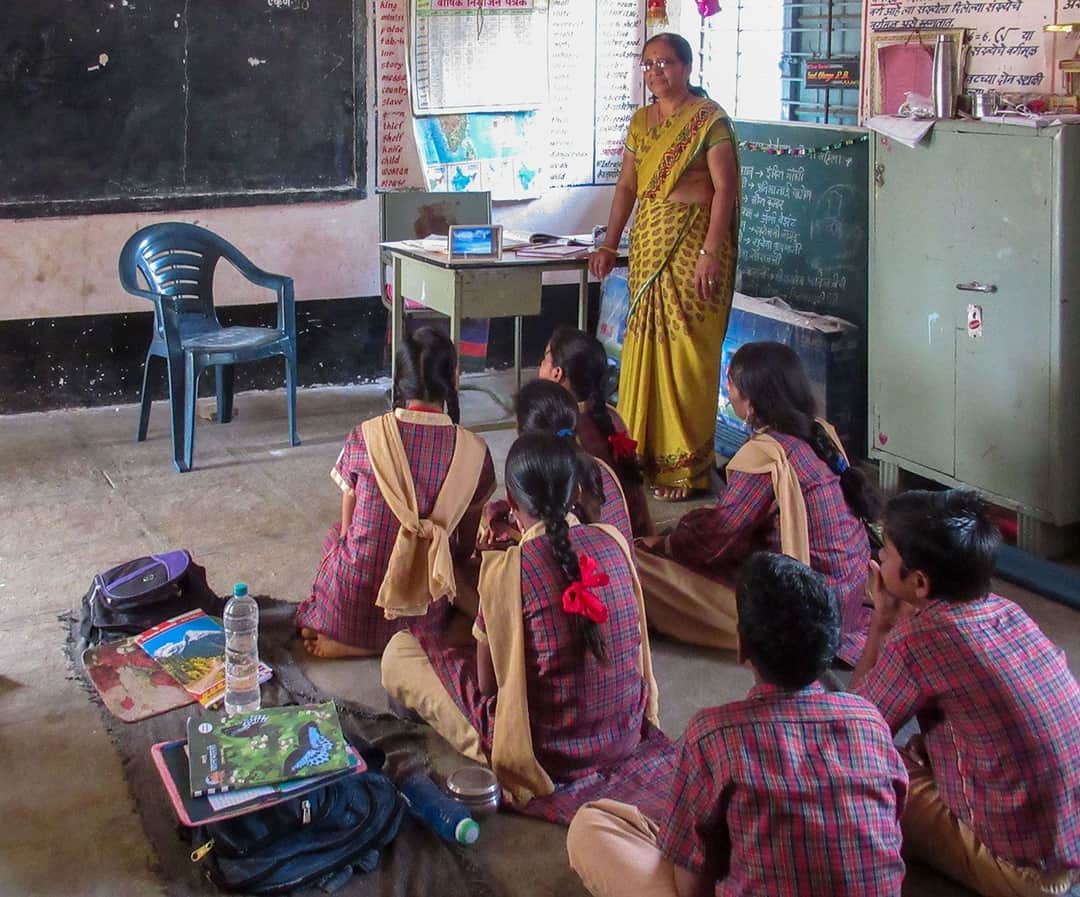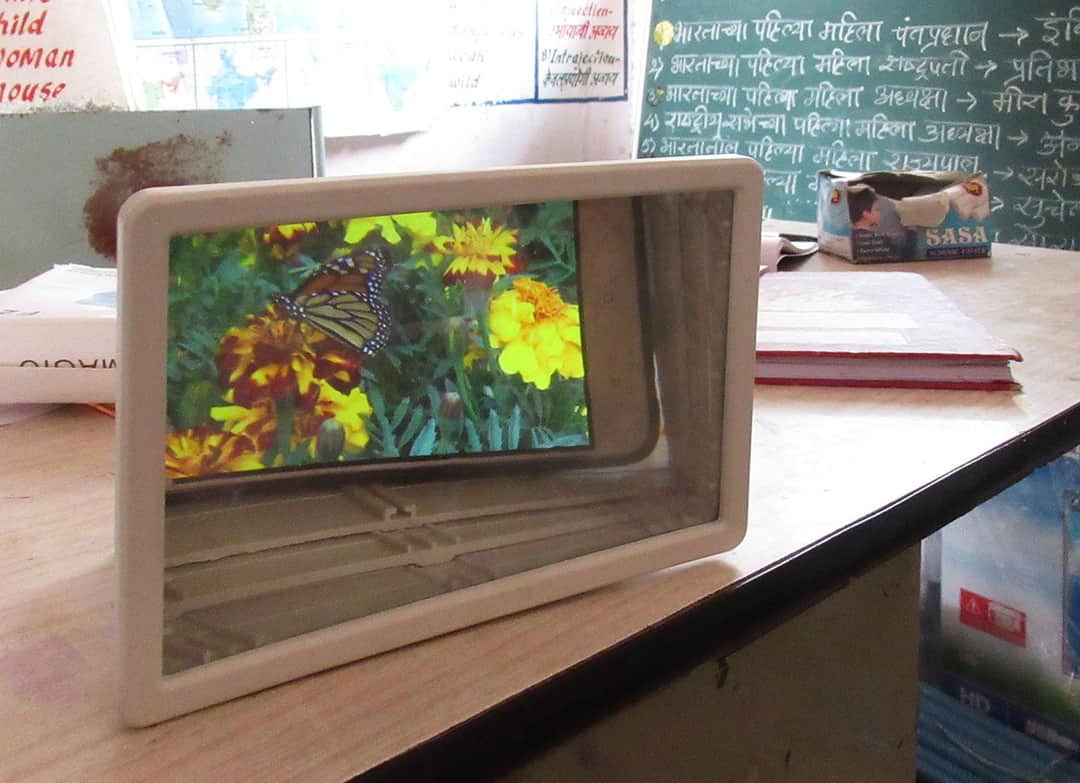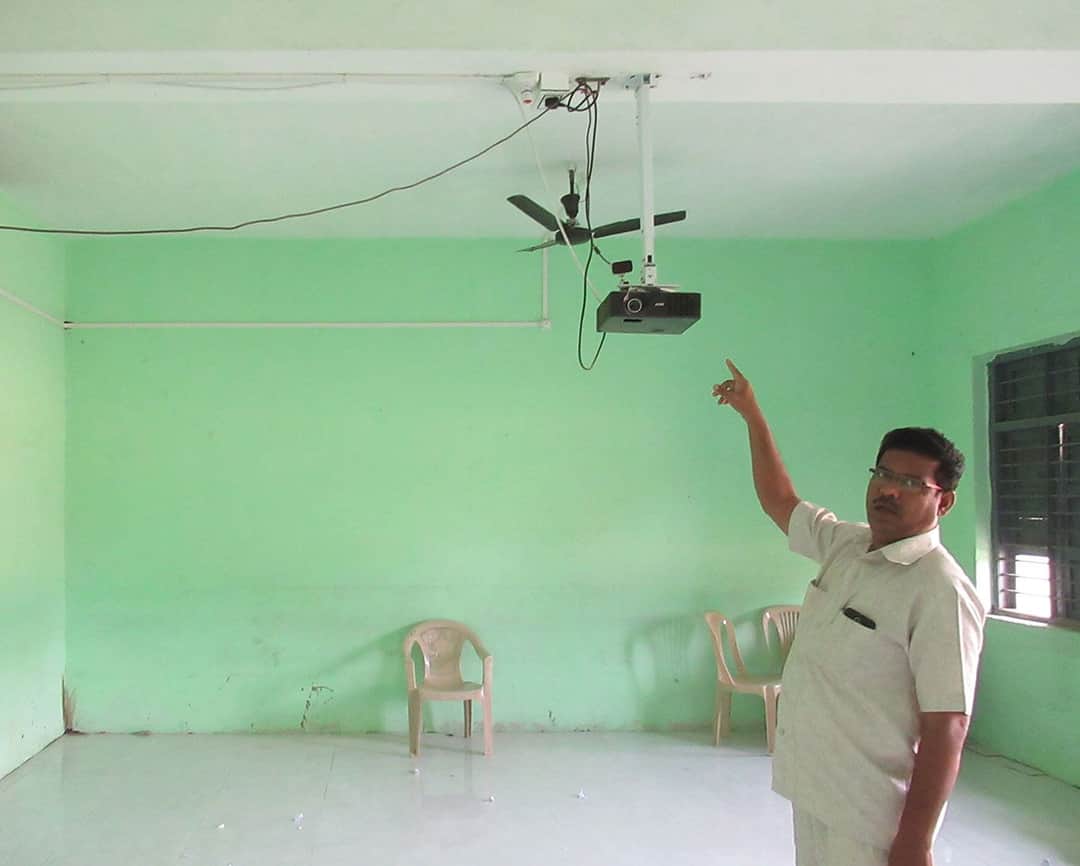

At the end of October last year, two slick LED television sets were mounted in two classrooms at the zilla parishad primary school in Sanja village. The gram panchayat had dispatched them for use as teaching-learning aids.
But the TV sets hang forlornly from the walls, their screens blank. Since March 2017, for two years now, the school has not had any electricity.
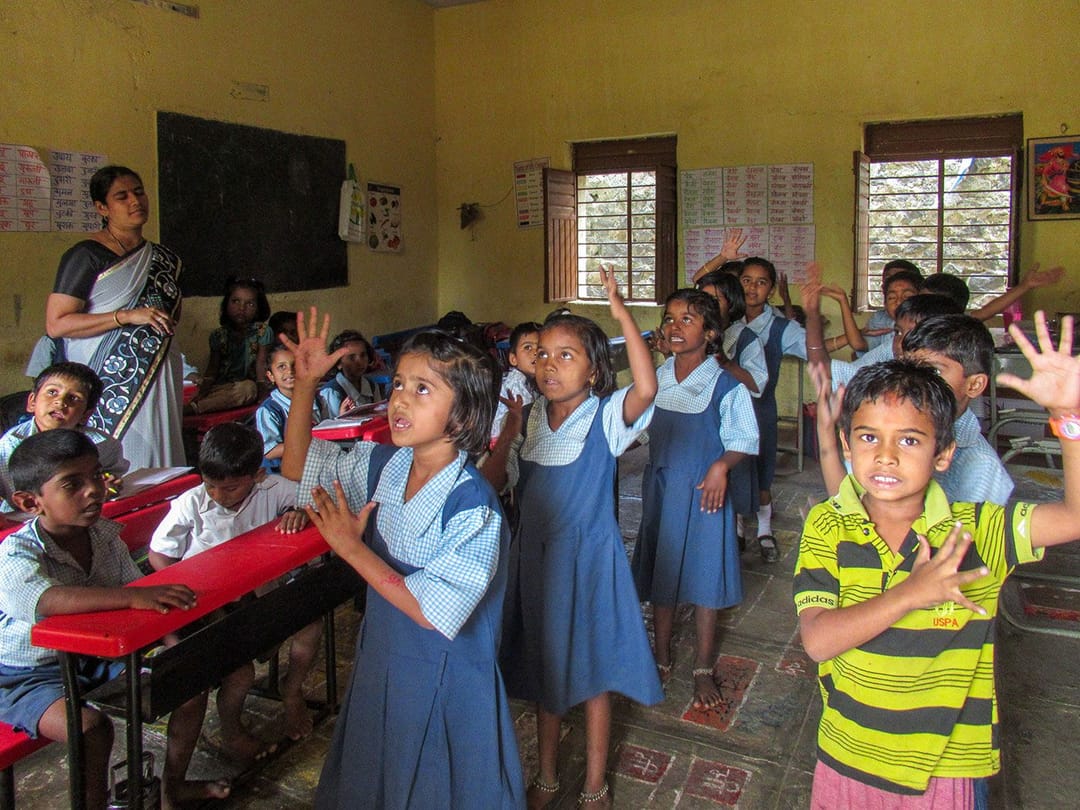
Sheela Kulkarni, the principal of the school in Maharashtra’s Osmanabad district, says she does not know whether to laugh or cry. “The funds coming from the government are not enough. For a school with our enrolment number [a total of 40 students in two classes], we get only 10,000 rupees per year for school maintenance and to buy stationery for students. We will have to pay around 18,000 rupees to restore power supply.”
The school’s powerlessness dates back to 2012. At that time, says an official of the Maharashtra State Electricity Board, a government resolution (GR) in Maharashtra said that zilla parishad (ZP) schools would henceforth be charged power tariffs at commercial rates (Rs. 5.86 per kWh) instead of domestic rates (Rs. 3.36 per kWh).
The electricity bills of schools shot up. By the end of 2015, the power supply was cut off in 822 of 1094 ZP schools in Osmanabad district, says Sanjay Kolte, the chief executive officer of the Osmanabad zilla parishad. By October 2018, Kolte says, the dues had crossed Rs. 1 crore, and 70 per cent of schools in the district were operating without electricity.