
In a mainstream publication job in the 2000s, you were likely to be given assignments to write about whisky pairings and pet weddings rather than ordinary people’s pressing issues. Holding on to your ideals would result in you being labelled as a ‘jholawala’ (literally, one who carries a tote bag, an image commonly associated with left leaning activists in north India, and used as a disparaging term).
There was no coverage of rural India which comprises 69 per cent of the country — its 833 million people who speak roughly 800 languages — occupy just 0.67 per cent of the front page of print news publications, says a 2014 study conducted by the Centre for Media Studies. News reports from New Delhi alone make up 66 per cent of the news on the main page of national dailies, it said.
“After 35 years in journalism, I found not a single newspaper or TV channel had dedicated reporters working full time on agriculture, labour, and all vital social sectors. They have full-time correspondents on Bollywood, high society events, business, and no full-time correspondents for farming and labour. It’s against this background that the idea of the People’s Archive of Rural India (PARI) was born,” says Palagummi Sainath, PARI’s founder-editor, an eminent journalist who has won over 60 journalism prizes in his 43 years of covering the Indian countryside.
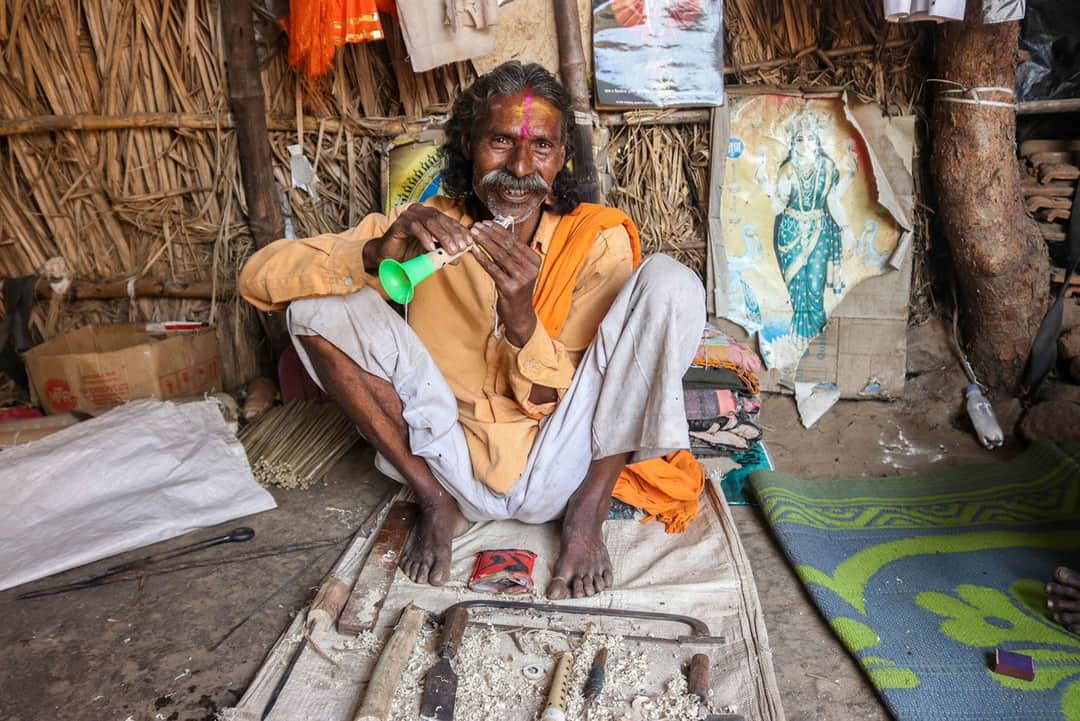
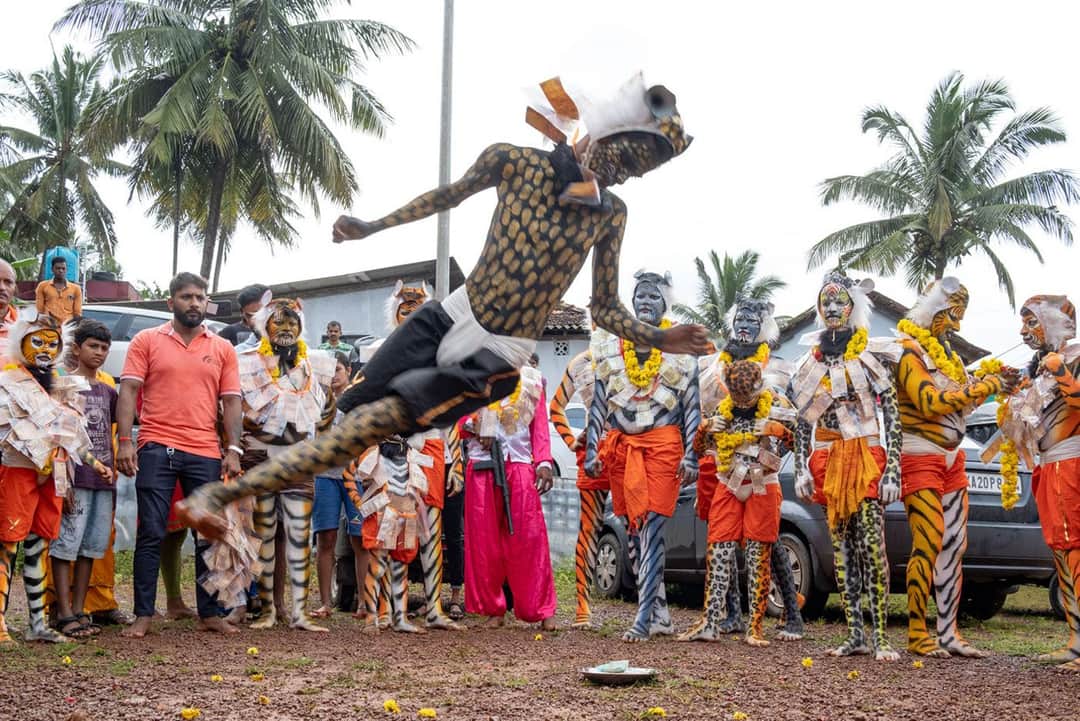
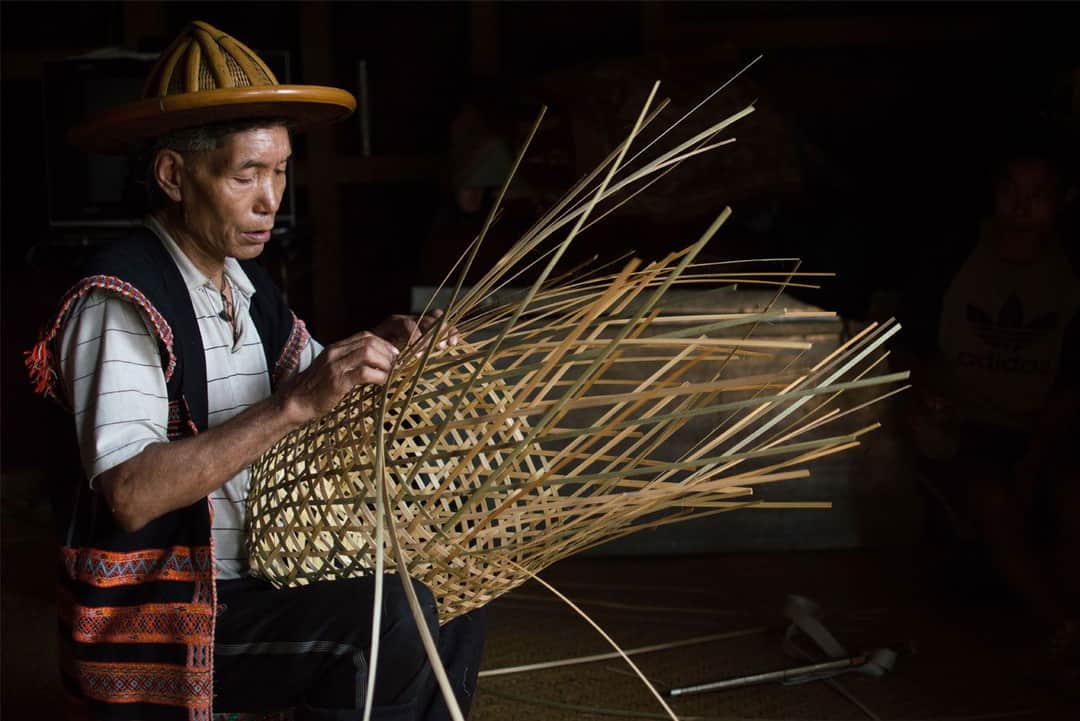
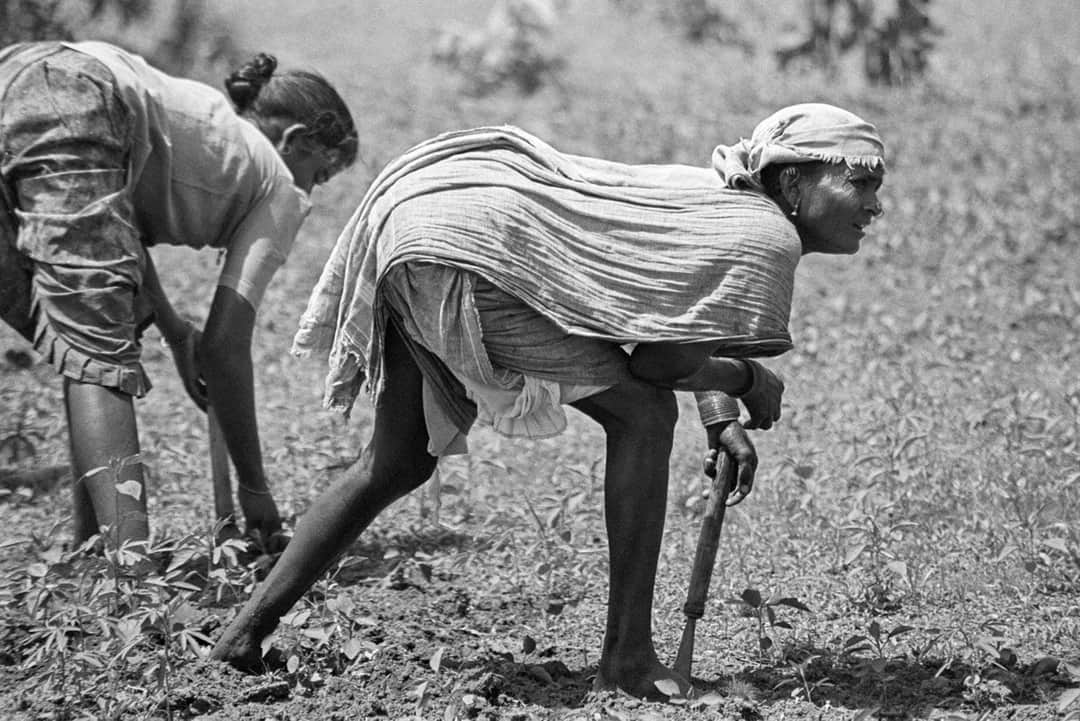
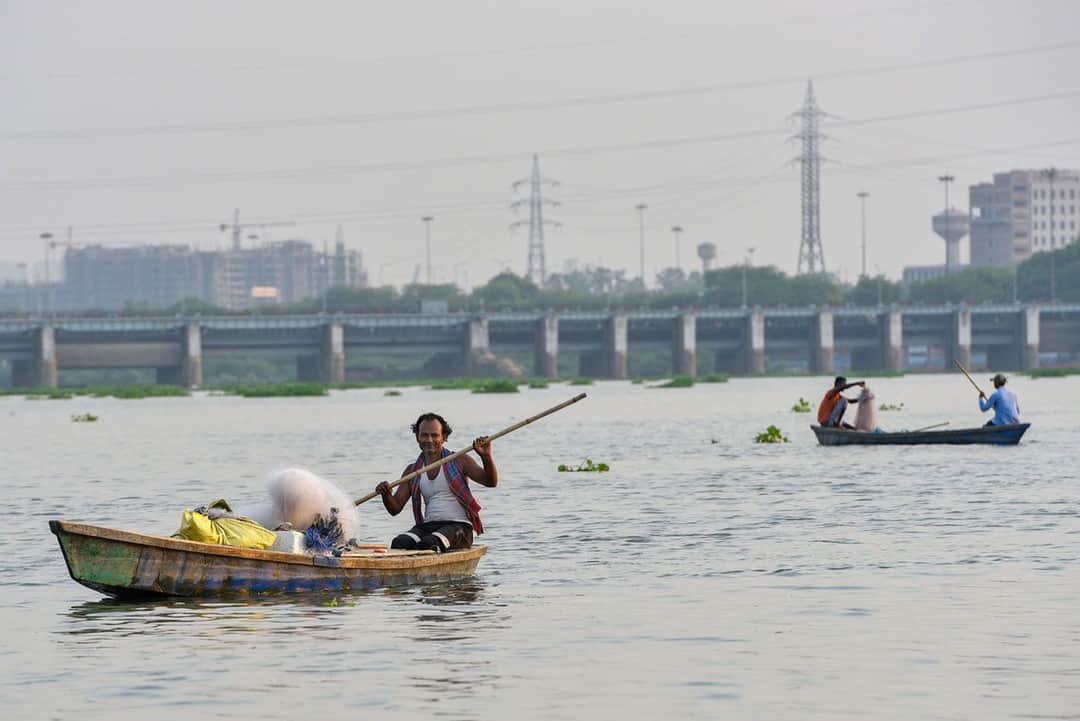
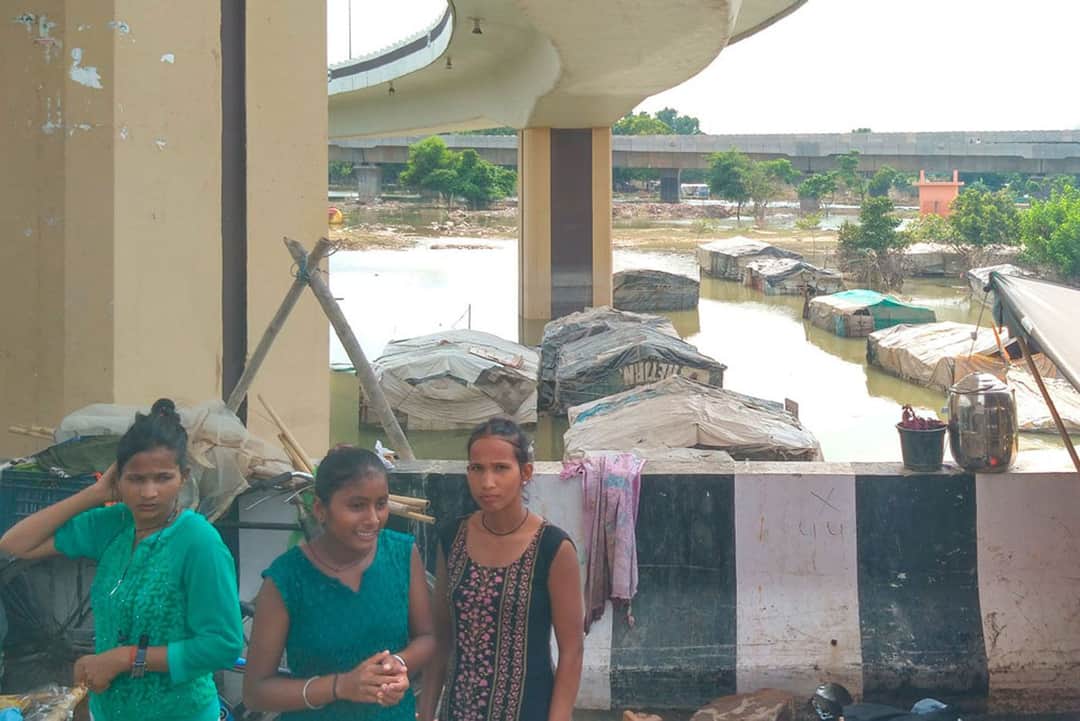
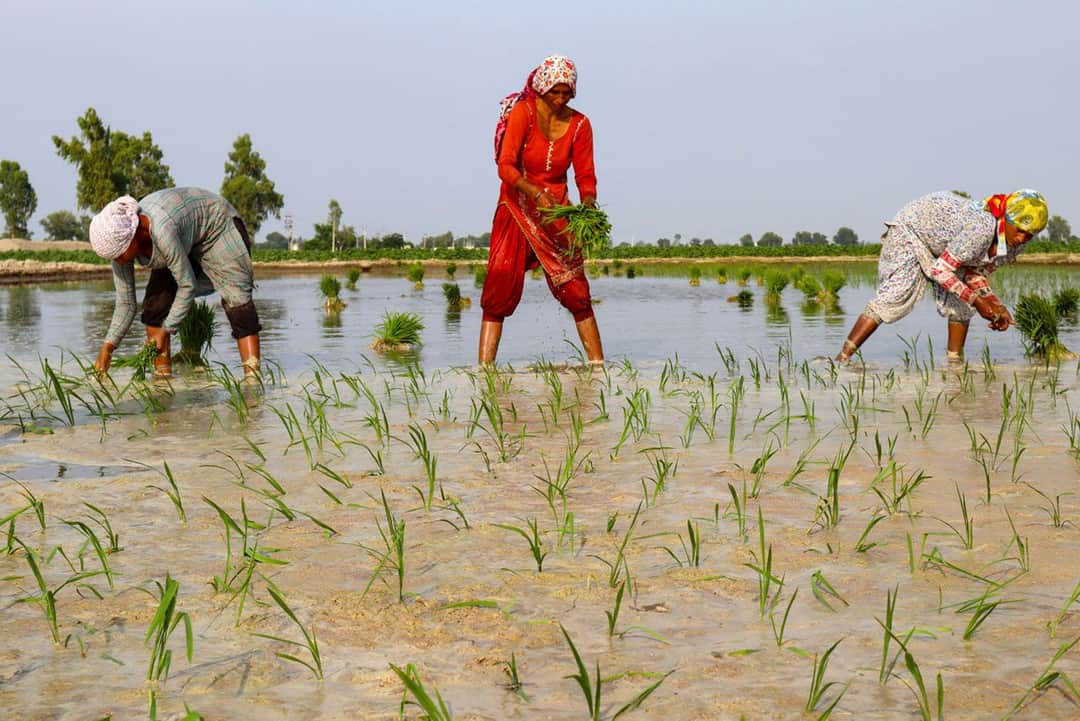
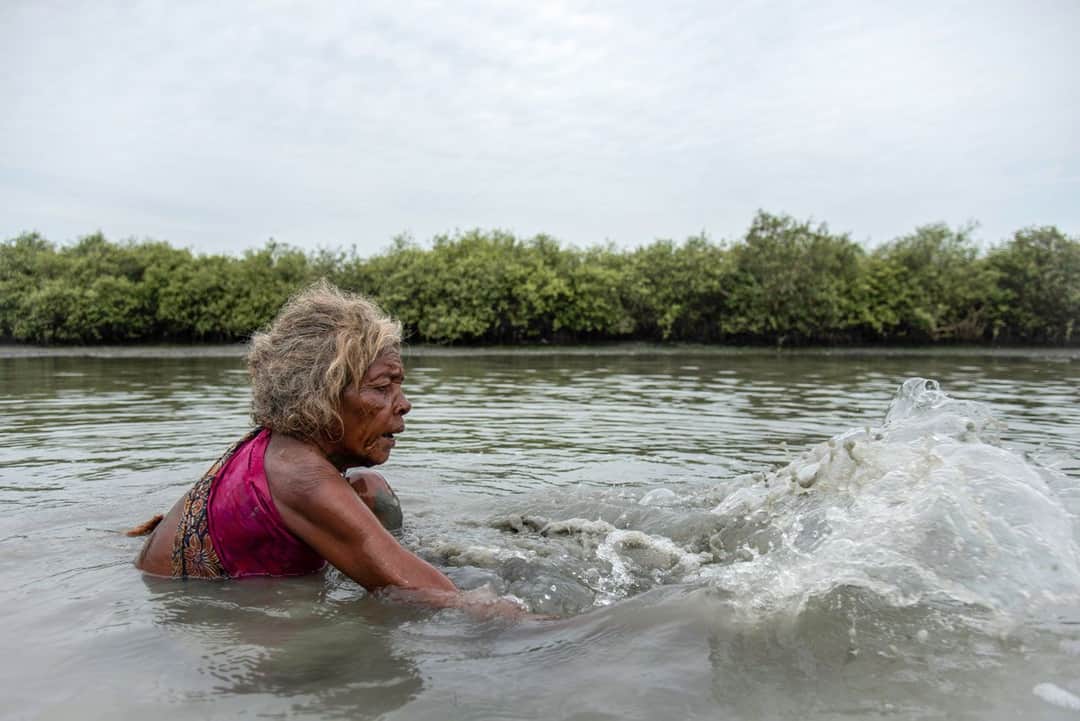
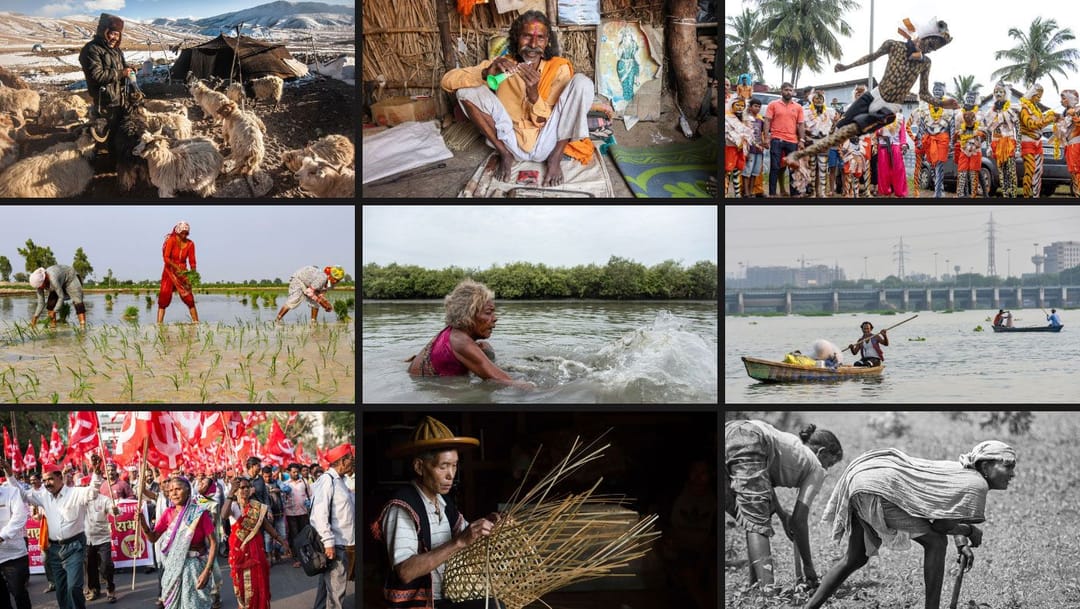
PARI, a multimedia storehouse about the everyday lives of everyday people, is a living journal and an archive. An initiative of the CounterMedia Trust, it started out with less than a dozen people in December 2014. It began as a rural journalism site and has grown to include an online library of official reports and rare documents on rural India, arts from and about rural life, and an education initiative. PARI generates original field stories in the form of text, photographs, illustrations, audio, videos and documentaries. They cover the lives of ordinary Indians and encompass labour, livelihood, craft, crisis, stories, songs, and more.