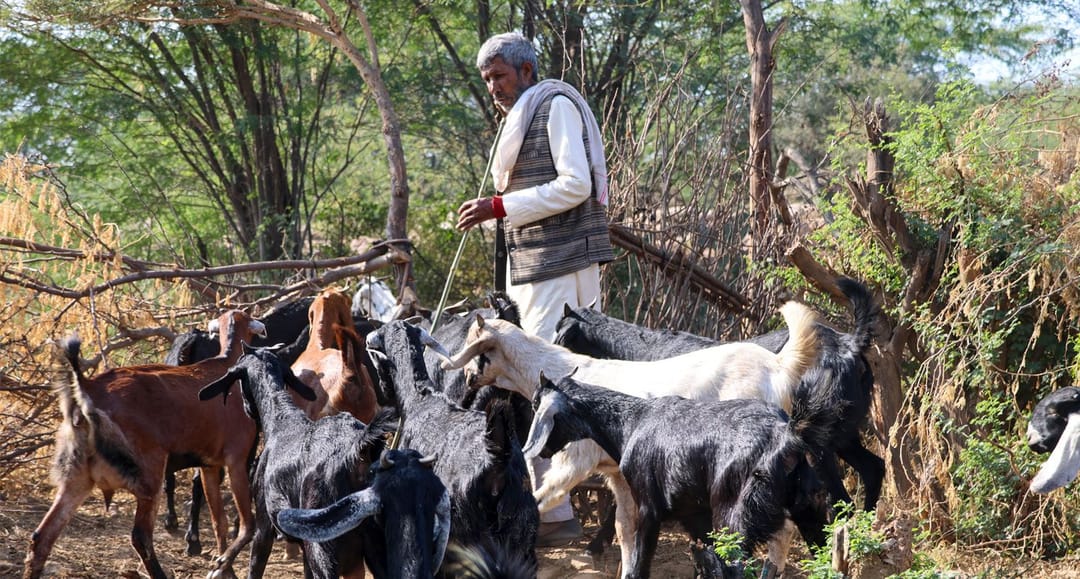
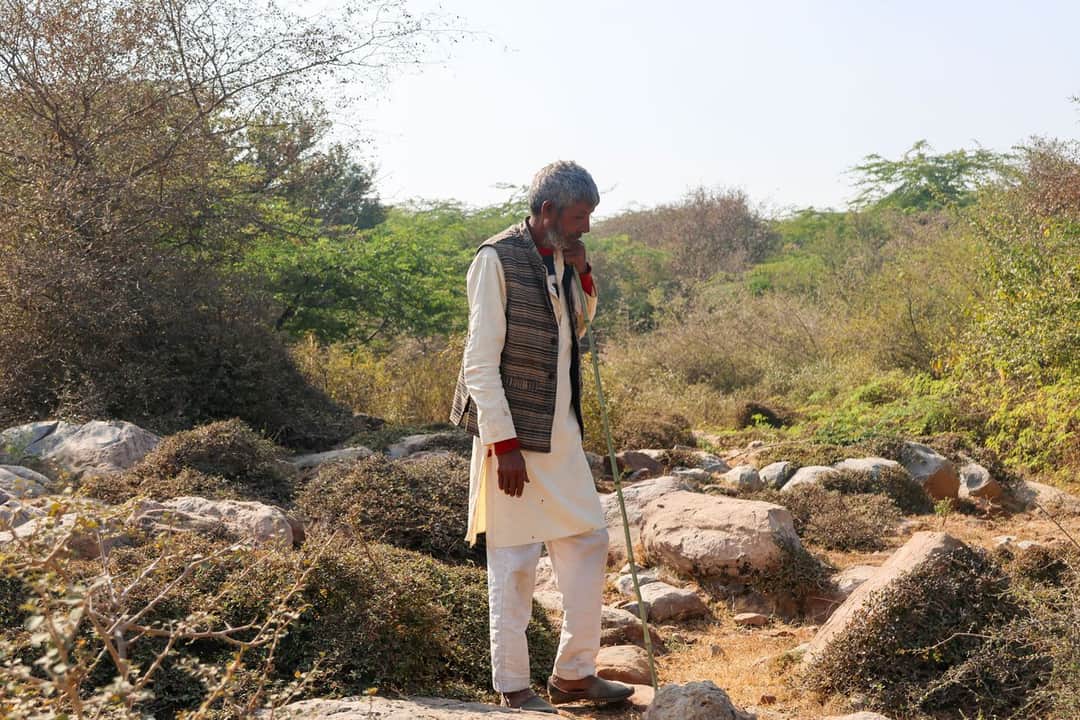
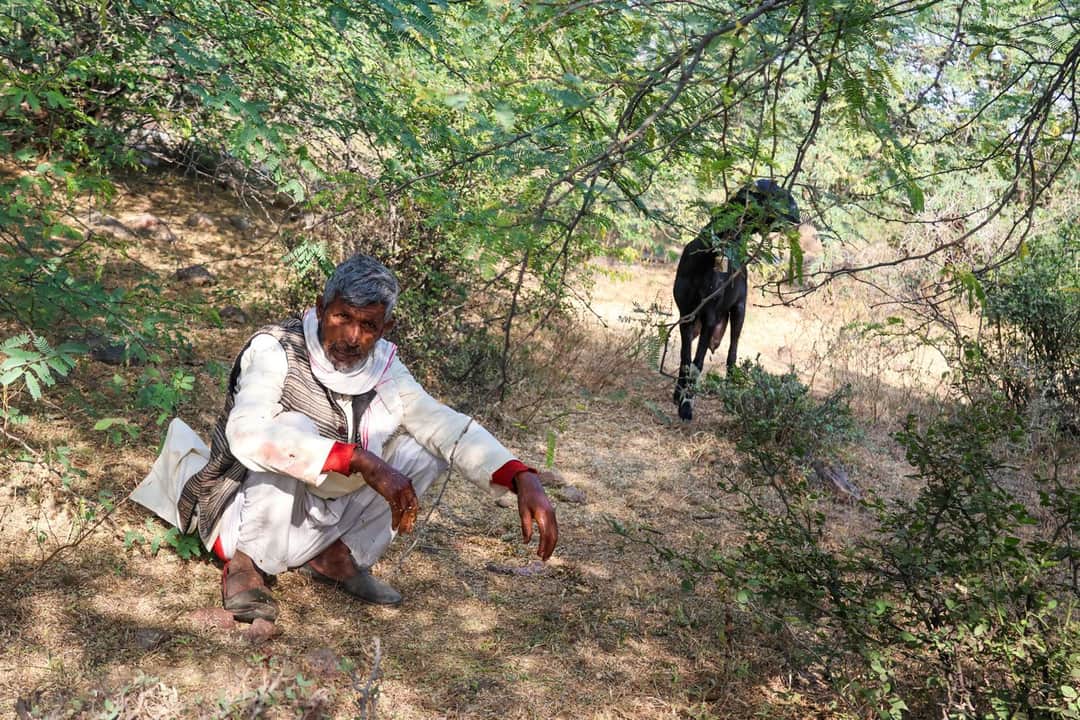
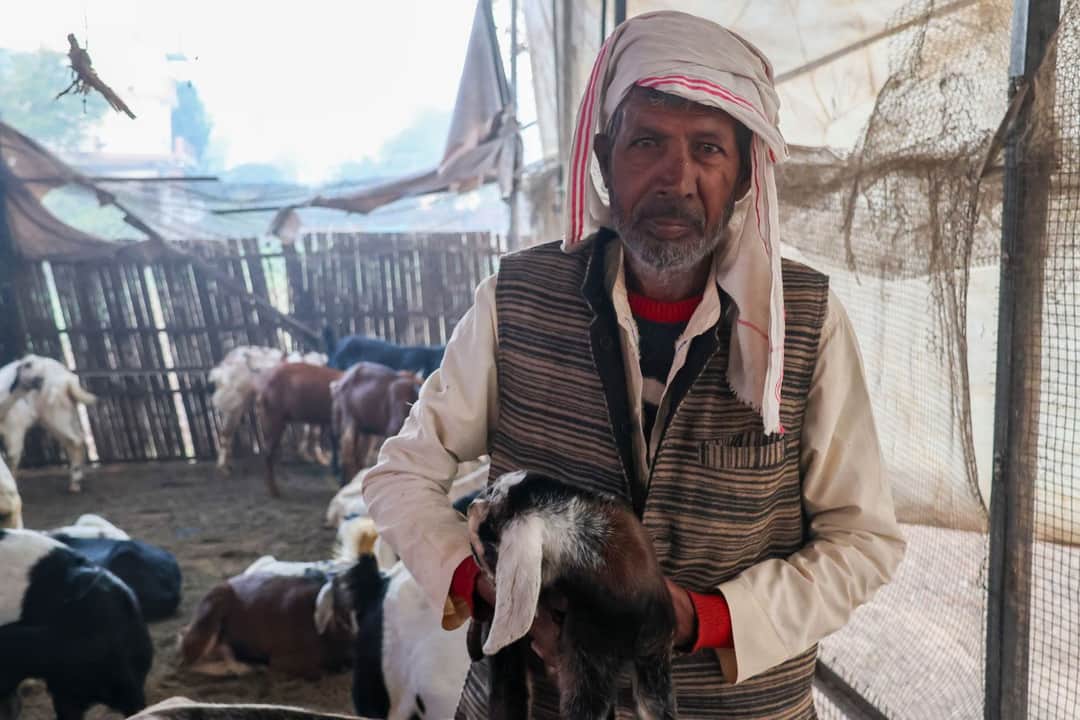
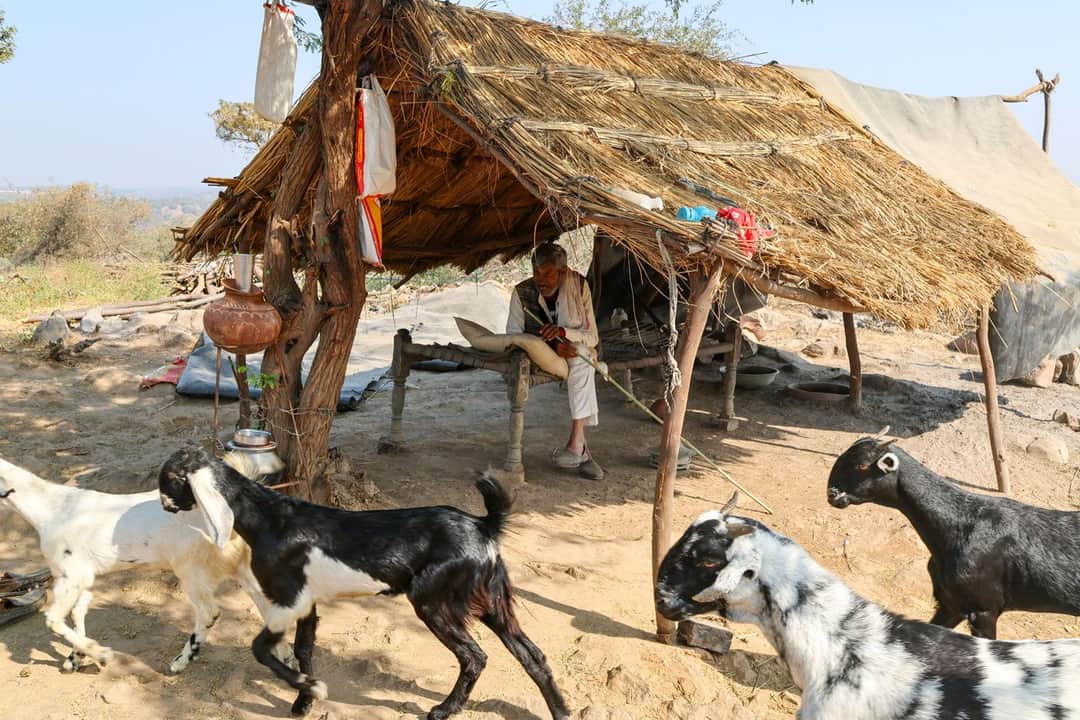
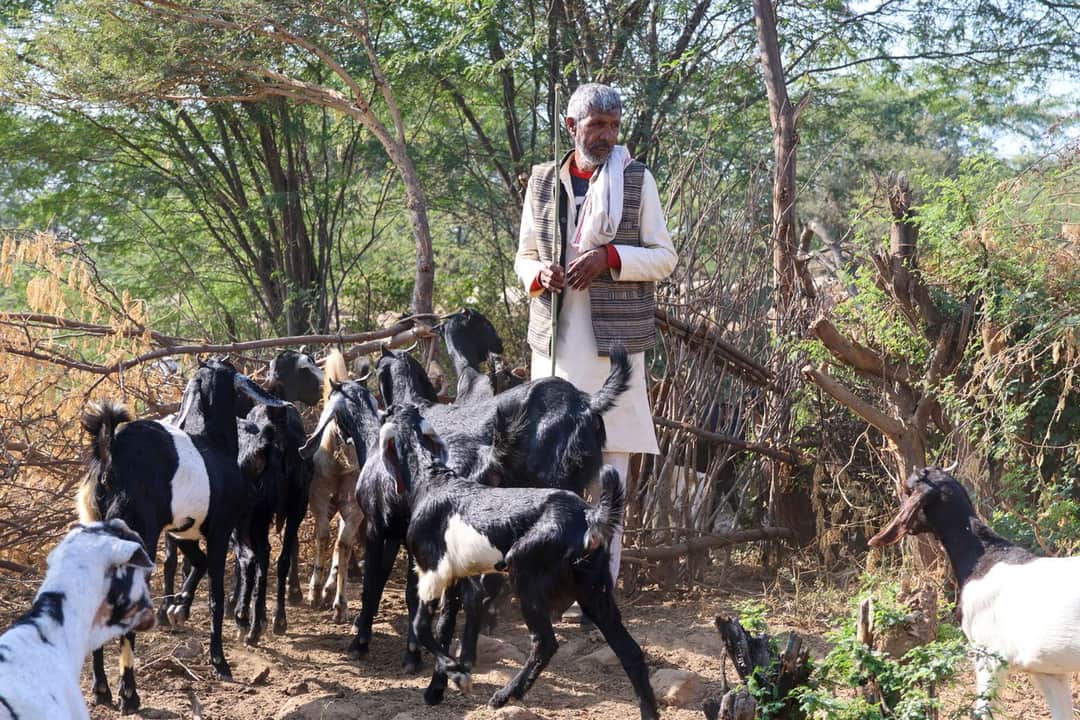
The Aravallis, which stretch across the country’s north-west from Delhi through Haryana and Rajasthan to Gujarat, are currently an environmental flashpoint for the country following a November 2025 Supreme Court order that limited legal protection to only those parts of the range that exceed 100 metres in elevation. While ecologists and civil society groups have conveyed dismay at the ruling, for families like Ratan Singh’s, a traditional stewardship of these lands endures. On December 31, 2025, the SC kept its previous order on the Aravallis in abeyance after taking suo motu notice of the public outcry. It has proposed that a high-powered committee be constituted to analyse whether mining in the areas no longer covered by the new definition poses an ecological danger to the Aravalli range.
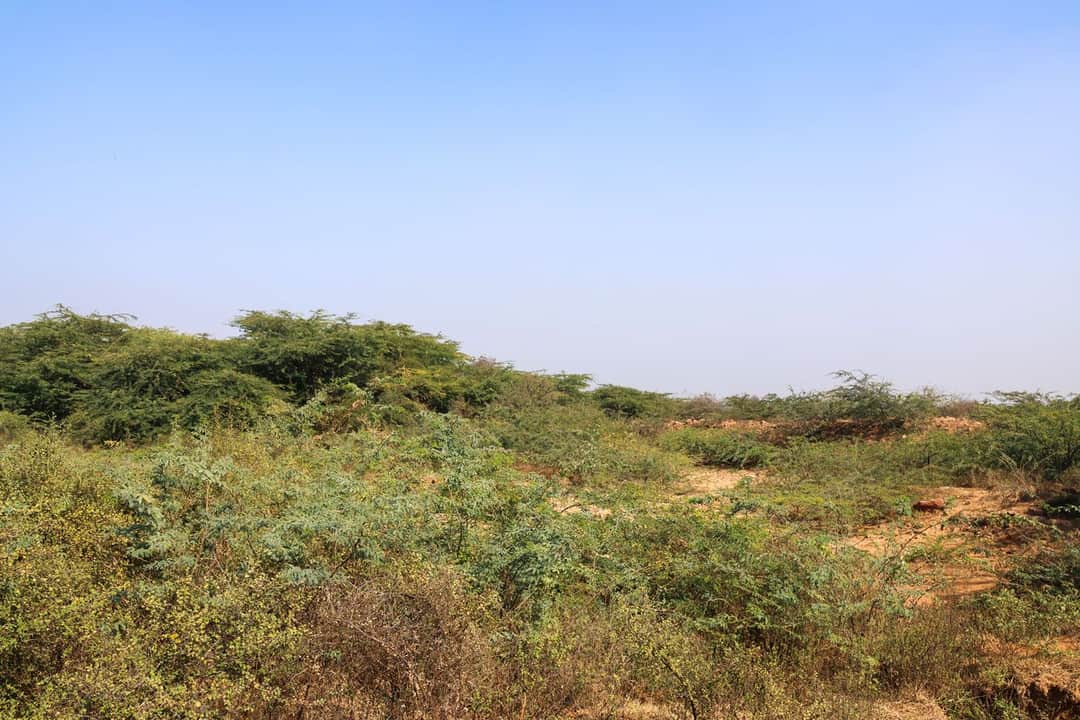
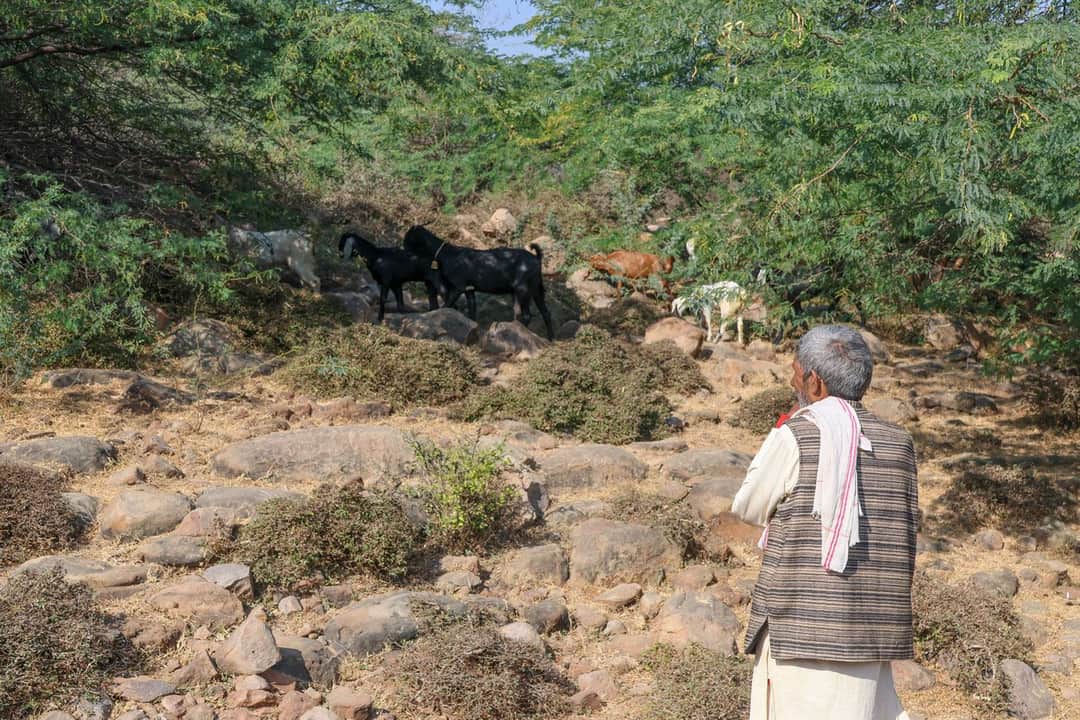
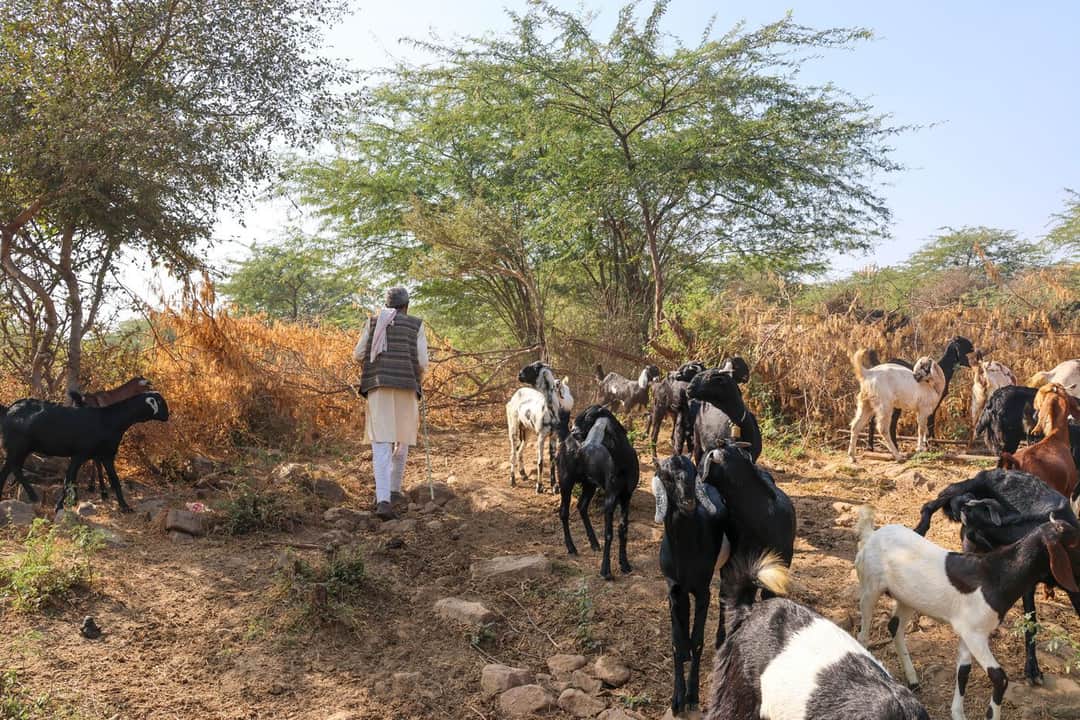
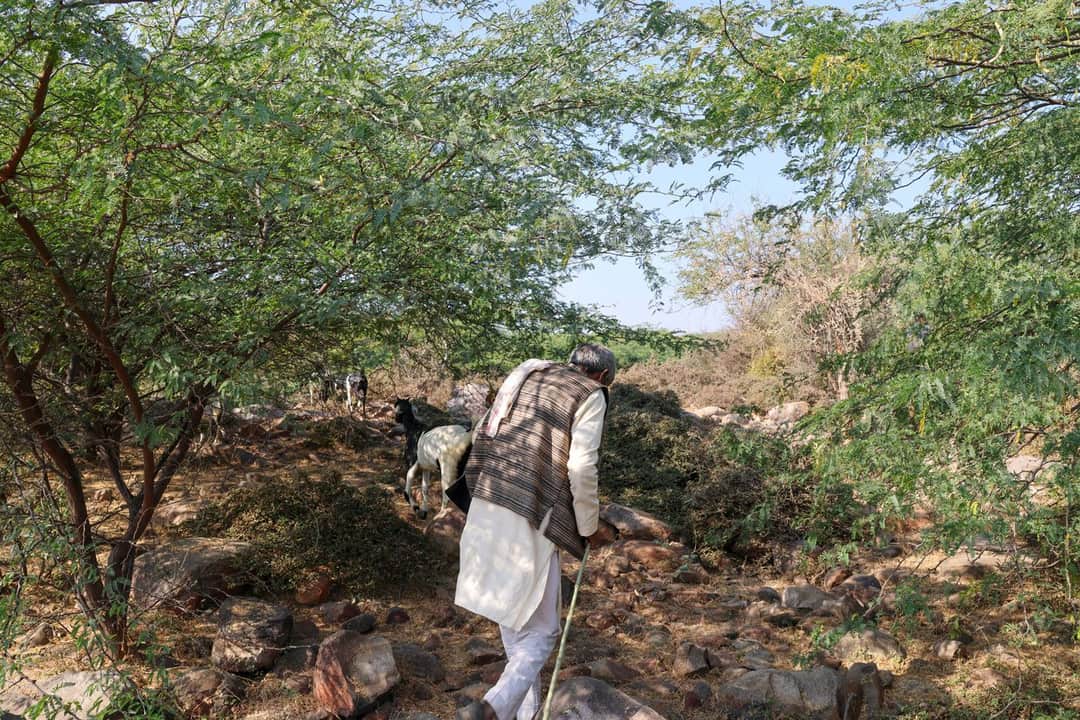
Nearly 90 per cent of Mangar’s total area of 4,262 acres is forested, with tropical dry deciduous and tropical thorn trees. There are at least 40 species of trees and 30 species of shrubs, and he can identify each of them—Dhau (Terminalia pendula) is the dominant tree species that is now often seen as a shrub due to heavy grazing pressure; and then there are Ganger (Grewia tenax), Aatan (Grewia flavescens), Ronjh (Vachellia leucophloea), and Jharber (Ziziphus nummularia), all commonly used as fodder for grazing herds.
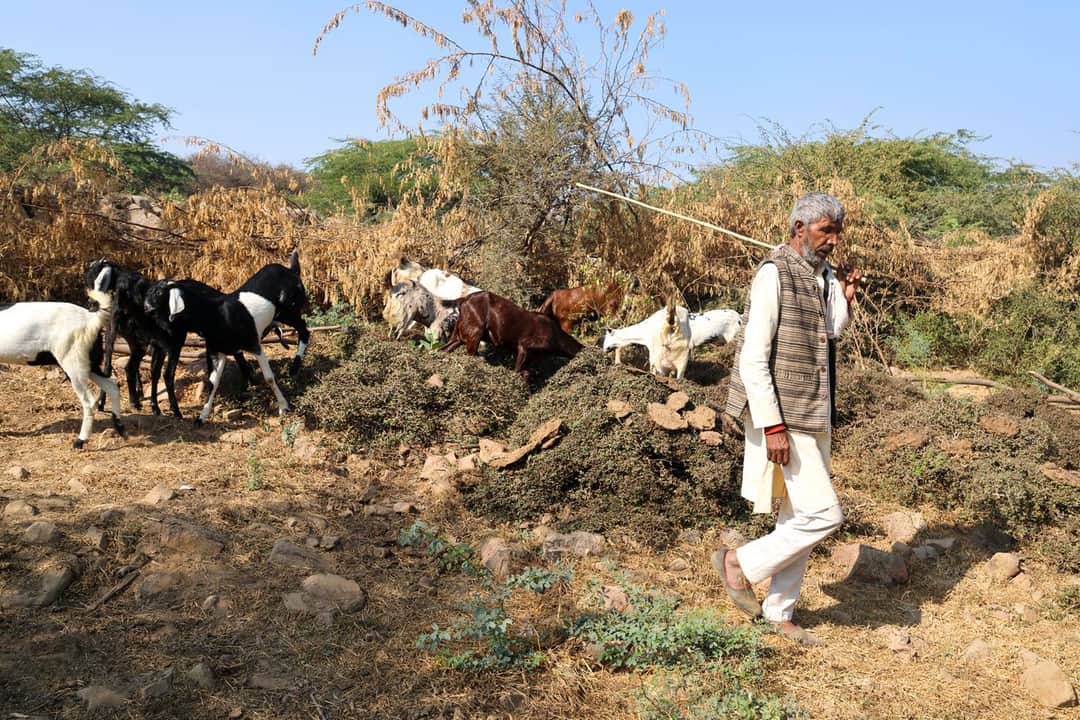
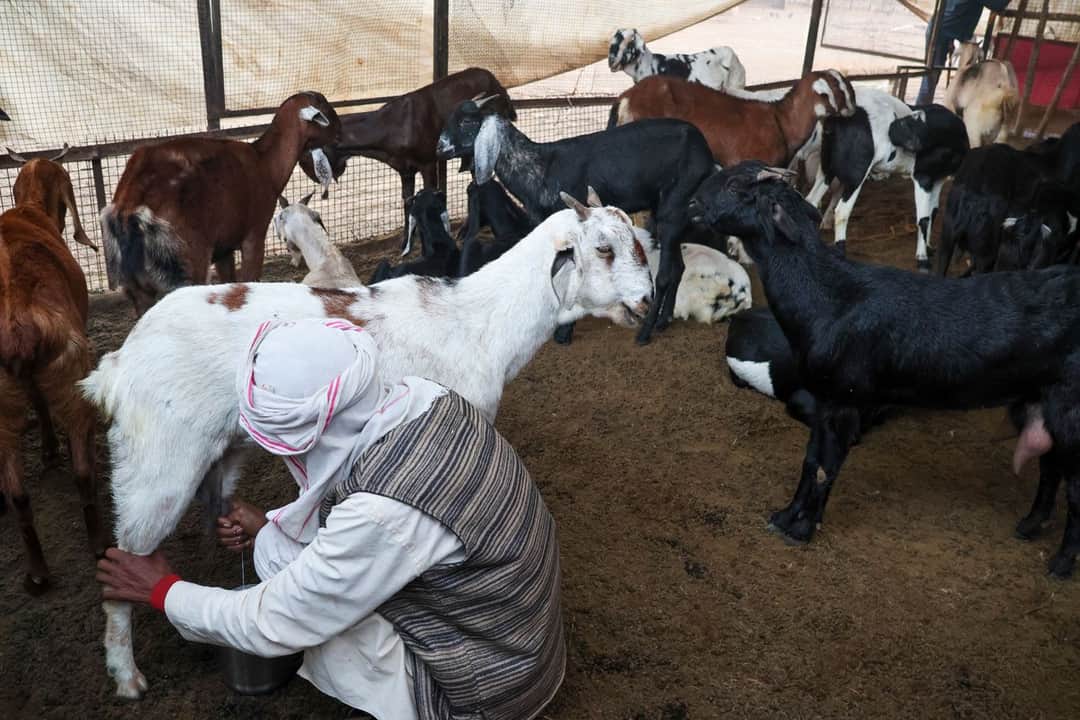
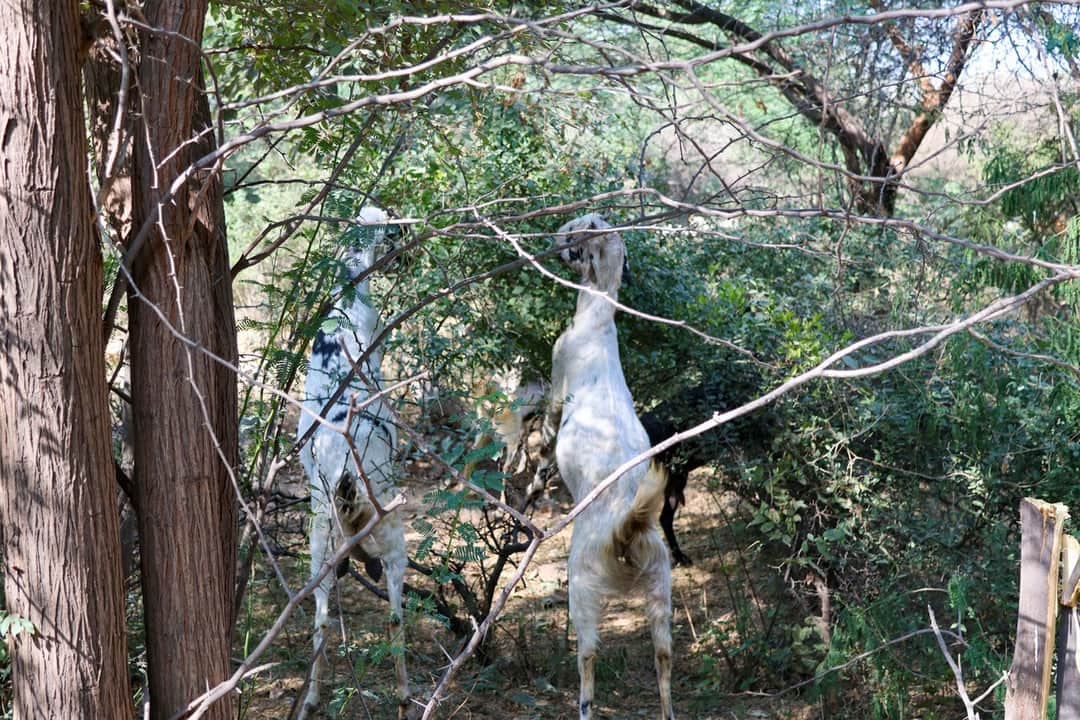
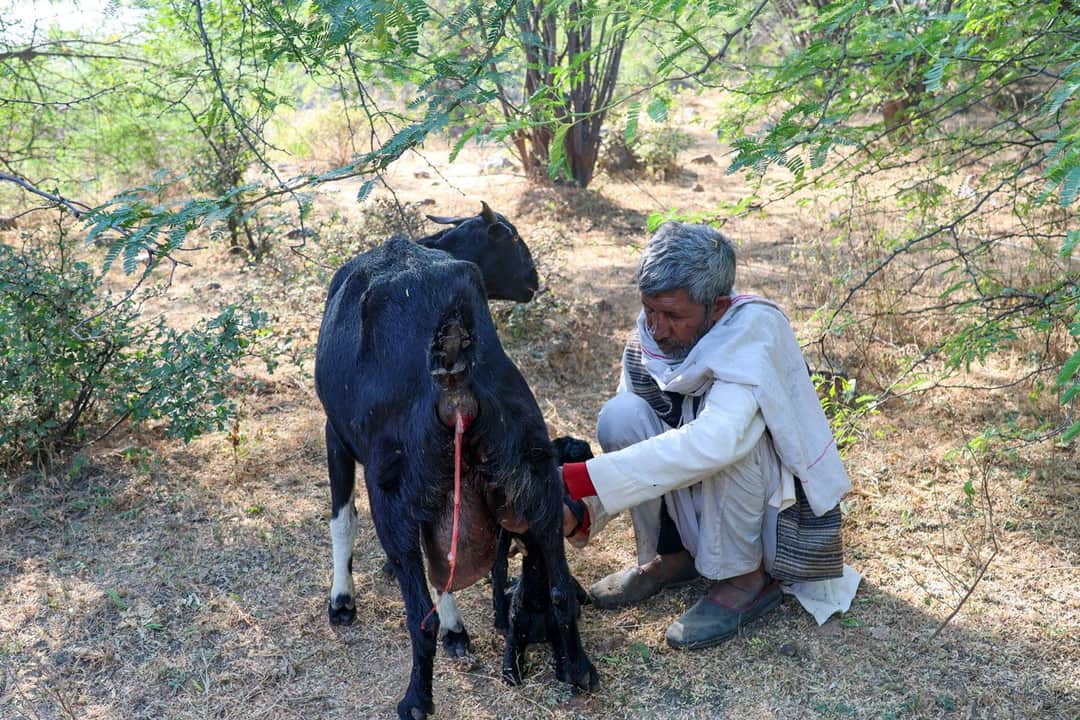
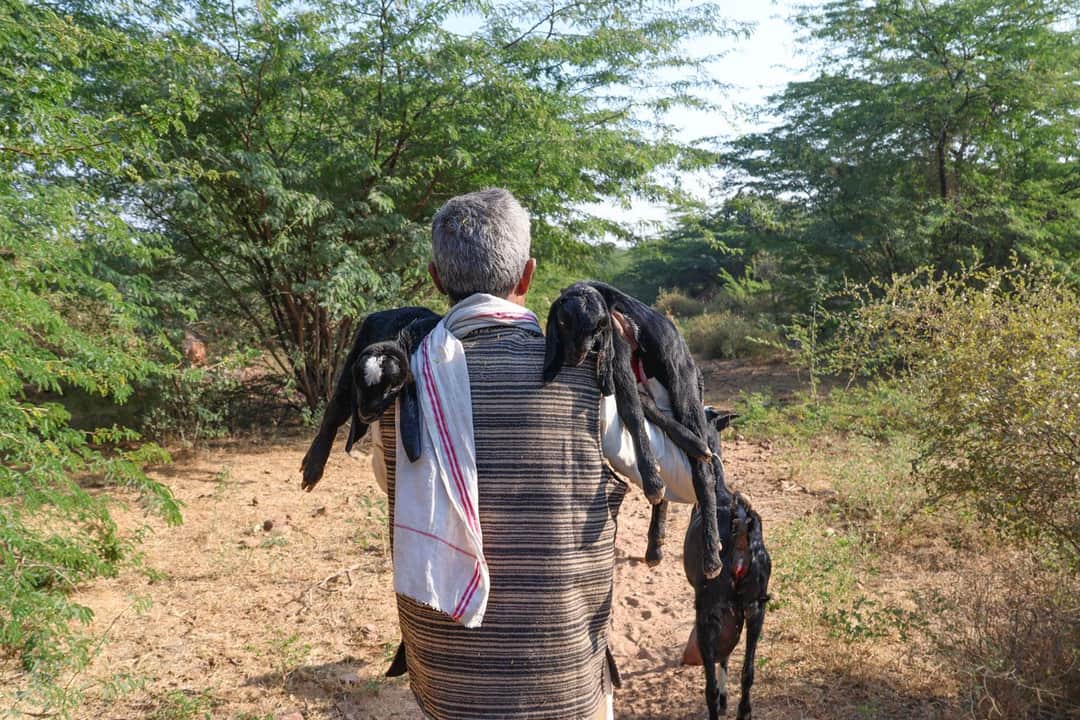
“People here used to keep a lot of livestock—every household had at least 100 goats,” says Singh, who also owns two large cows, two small cows, and a buffalo with its two calves. “Now, invasive species have replaced the native trees and shrubs that traditionally provided fodder.”
The Prosopis juliflora, a threatening non-native tree species that has spread across several continents with a range of severe impacts, is among them. While the Haryana government in 2017 attempted to remove this species from its list of protected trees under the Punjab Land Preservation Act (PLPA, a law introduced by the British in 1900 to prevent soil erosion), calling it an ‘alien invasive species’, in fact the state government had itself planted the trees in the Aravallis two decades earlier.
The Aravallis are classified as open scrub forest, referring to forests with the least tree cover (10 to 40 per cent), landscapes that are often classified as ‘wastelands’ in state records, and attempts are made to ‘improve’ or make them financially productive through forestry projects. Local shepherds like Singh, however, have always known the Prosopis juliflora, locally called the ‘Vilayati Kikar’, to be less useful as fodder, though cattle now eat its pods, and the tree serves as the primary source of fuelwood in this region.