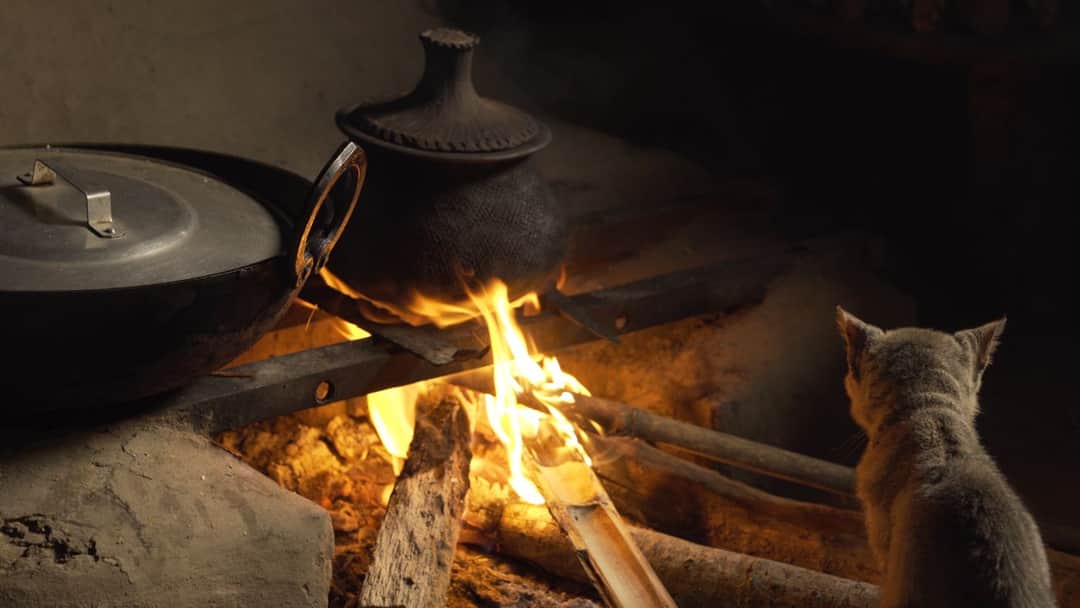

The clay pots made by Changki’s women potters once played a strategic role in local wars. Essential for cooking food in the region, no one wanted to risk harming the pot that fed them! When fires and other disasters burned a village to the ground, grain from Changki went in pots as food aid. Such was the durability and significance of Changki pots, women of the Ao tribe proudly tell me.
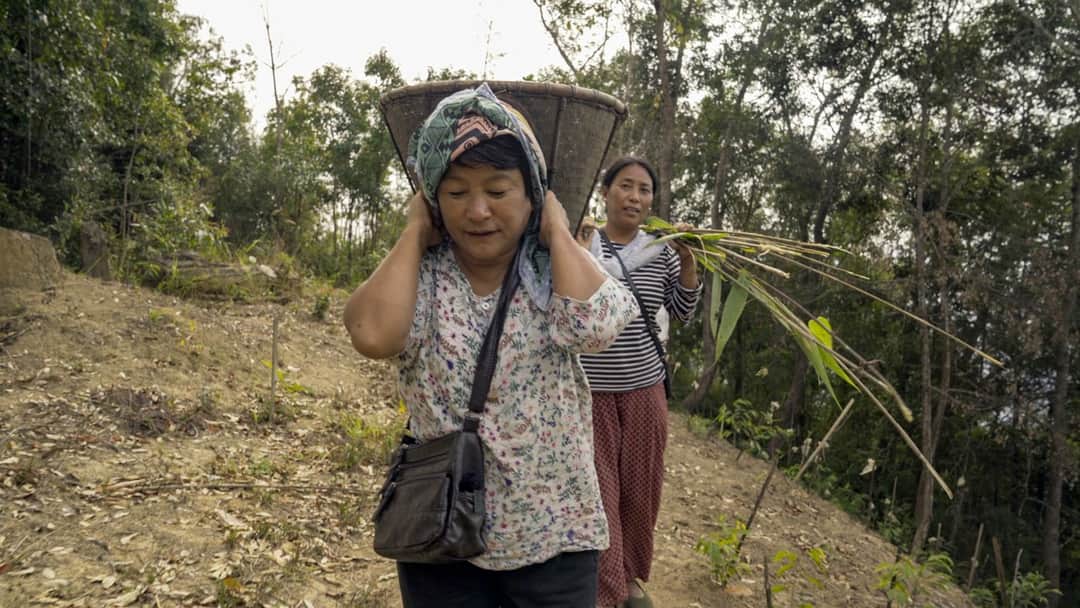
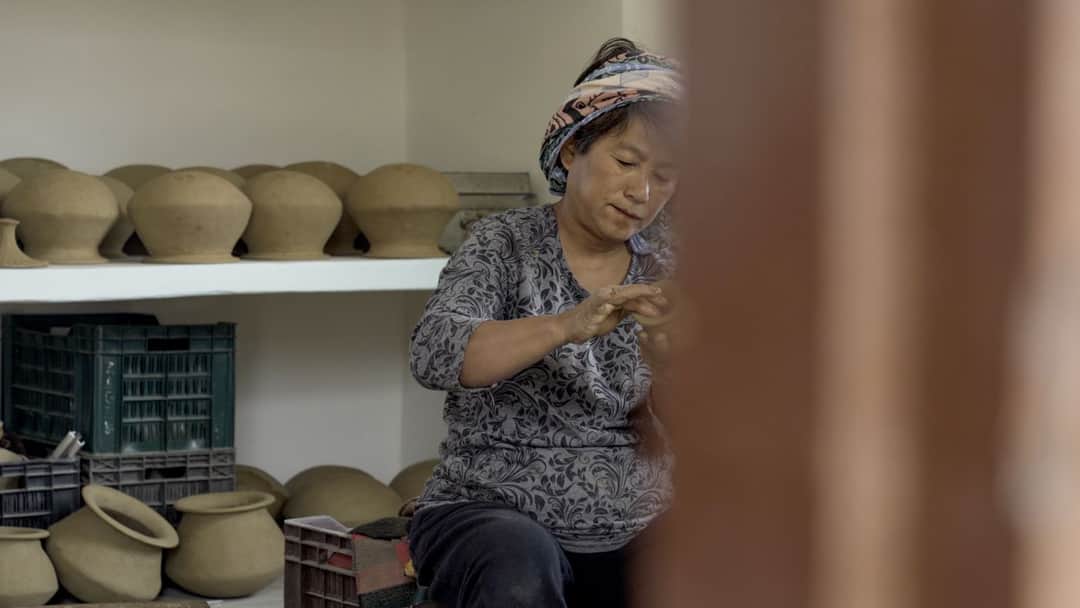
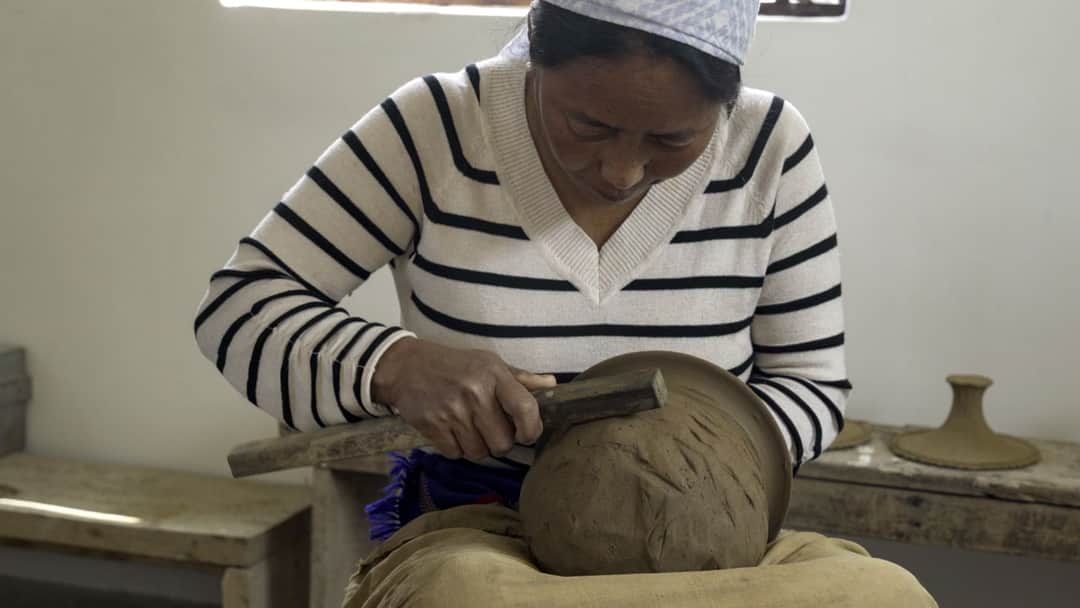
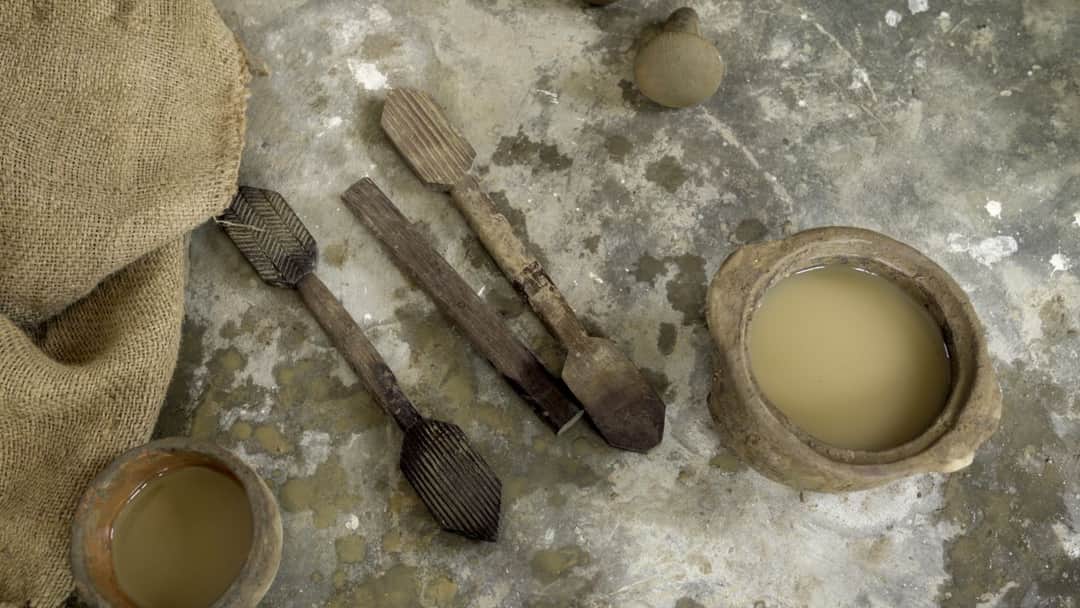
Centuries later, these pots continue to be made by hand, the traditional way. “We don't use wheels or any machines. It’s handcrafted from the start to end,” says Tiamongla Longchari. The clay is sourced from in and around Mokokchung’s fields, hills, forest and riverbanks as only a mix of clay from this altitude and region is suitable for making these pots.
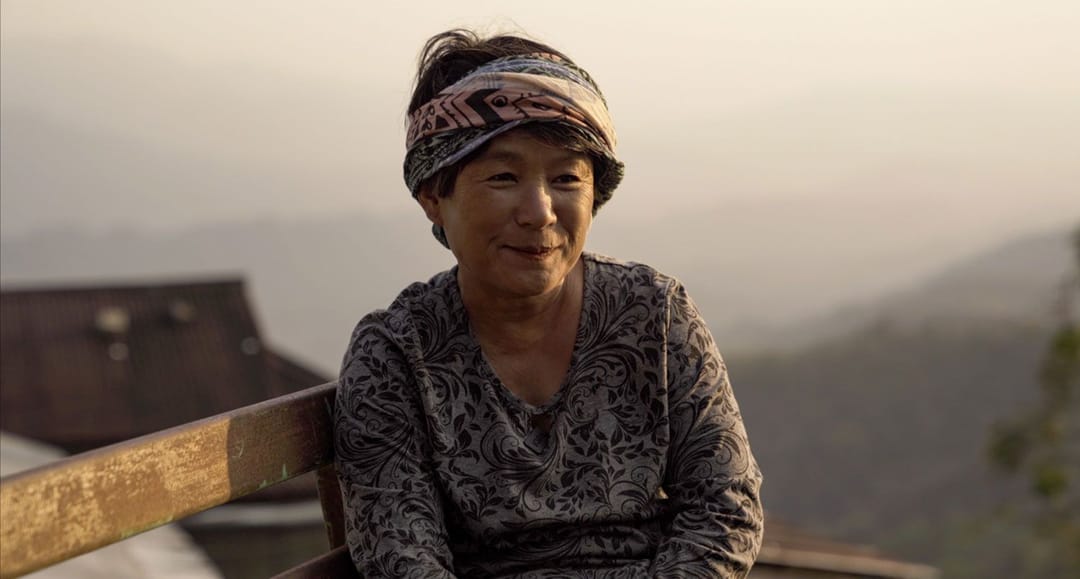
This pottery tradition, says the 55-year- old Tiamongla, is “made in the same way as our grandmothers and great grandmothers were making.” Among the last remaining potters in the village in Nagaland, she makes them at home where she lives with her elderly mother. In the past, every household had women crafting pots for use in their own homes and for sale, but today in Nagaland’s Changki village, there are only 15 women left who still make pots in their home.
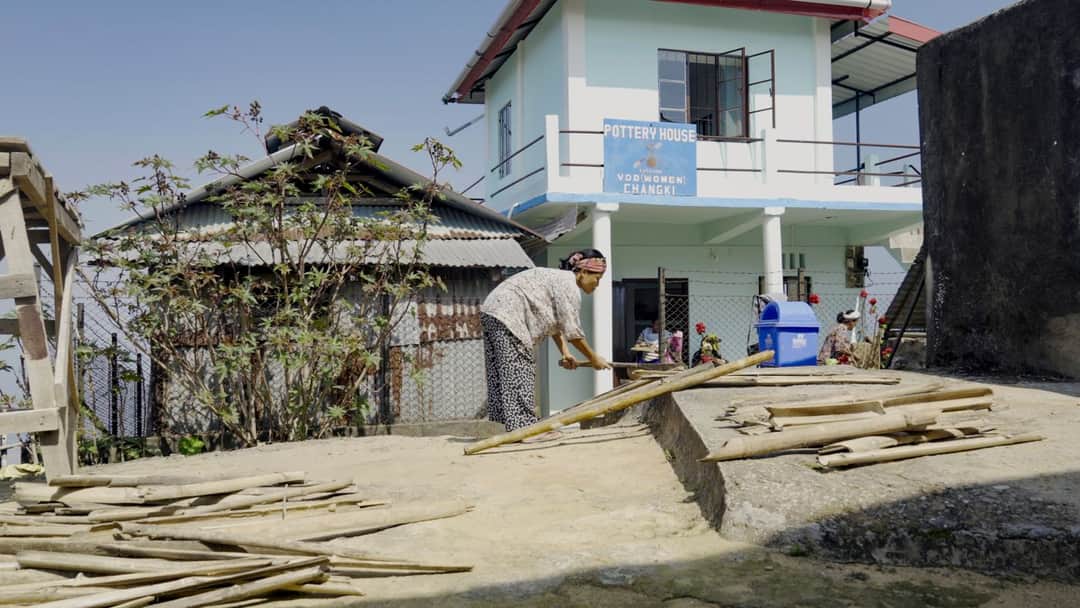
The women that PARI met while filming this story said that they enjoy coming together, practicing and transferring an ancient tradition central to women of their tribe in Nagaland. And the extra income they earn, comes in handy to pay for their children’s education and more.