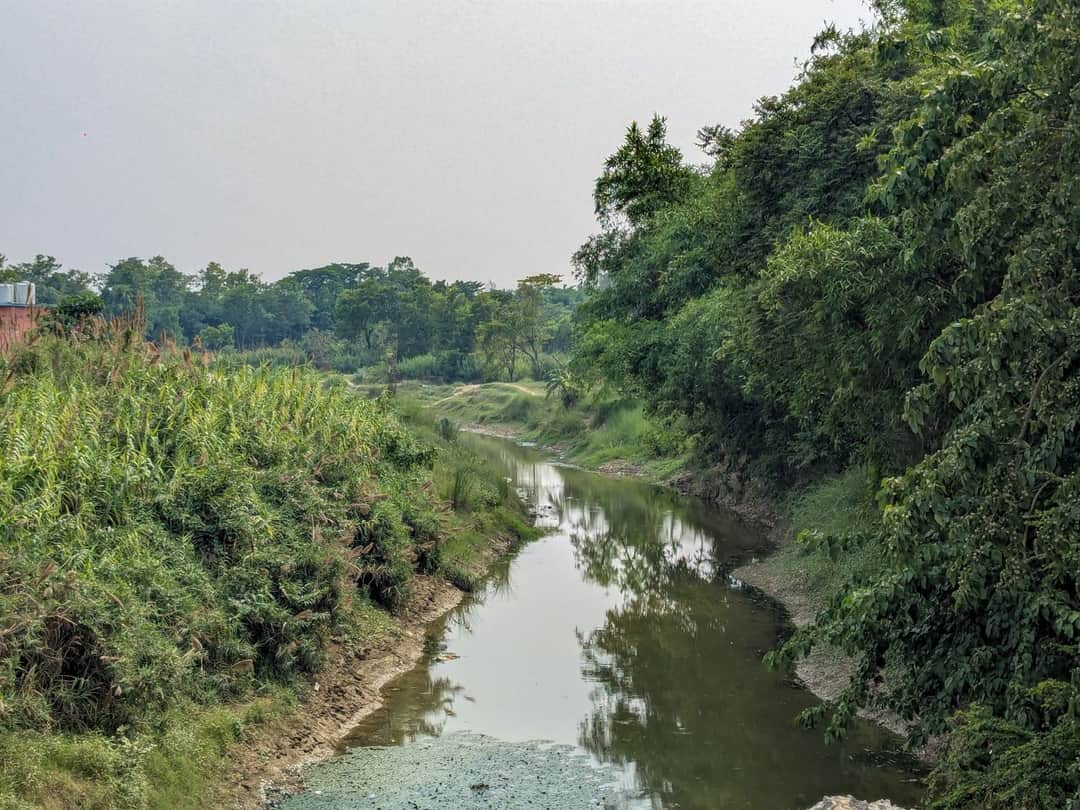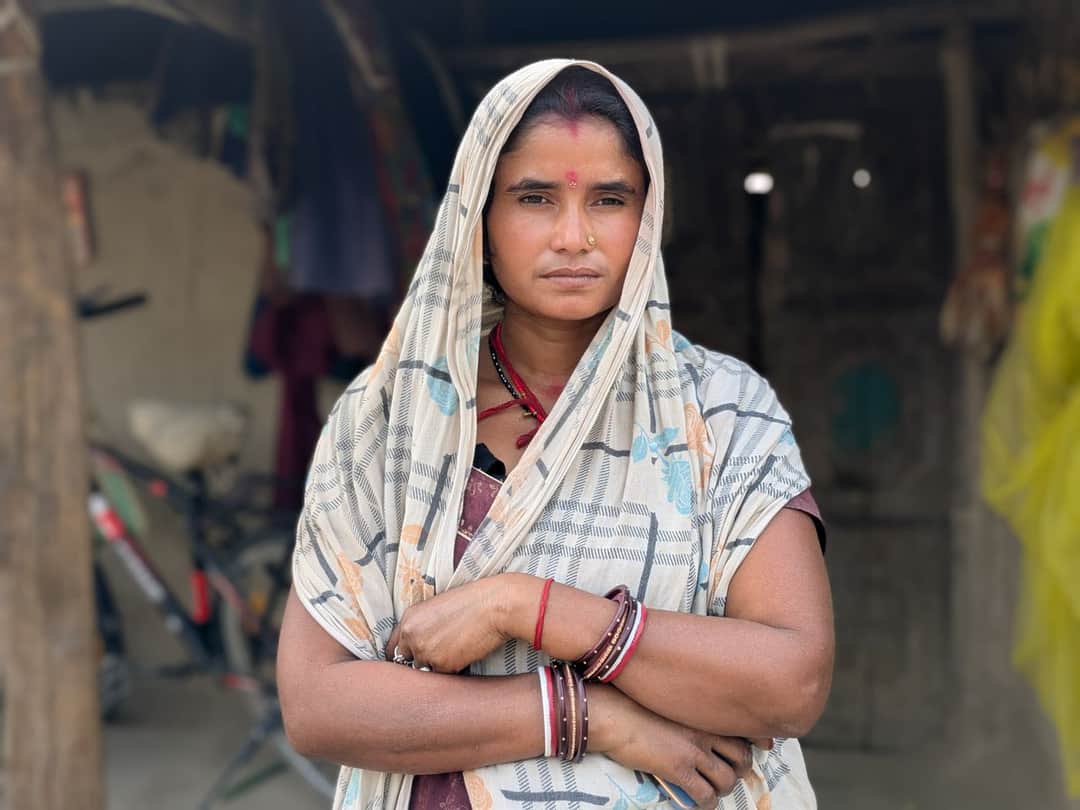


The flood alert came on one of his WhatsApp groups, an advisory in Hindi from a non-profit organisation, about water levels rising in the Rato river. Ganesh Safi, 32, was home that September evening, and knew instantly that he had about two hours to safeguard his family and his household essentials.
It had rained heavily in the southern plains of Nepal, the lowland region known as the Terai, about 220 kilometres north of Sarkhandio Bitha, Ganesh’s native village in Sursand block of Sitamarhi district in the eastern Indian state of Bihar.
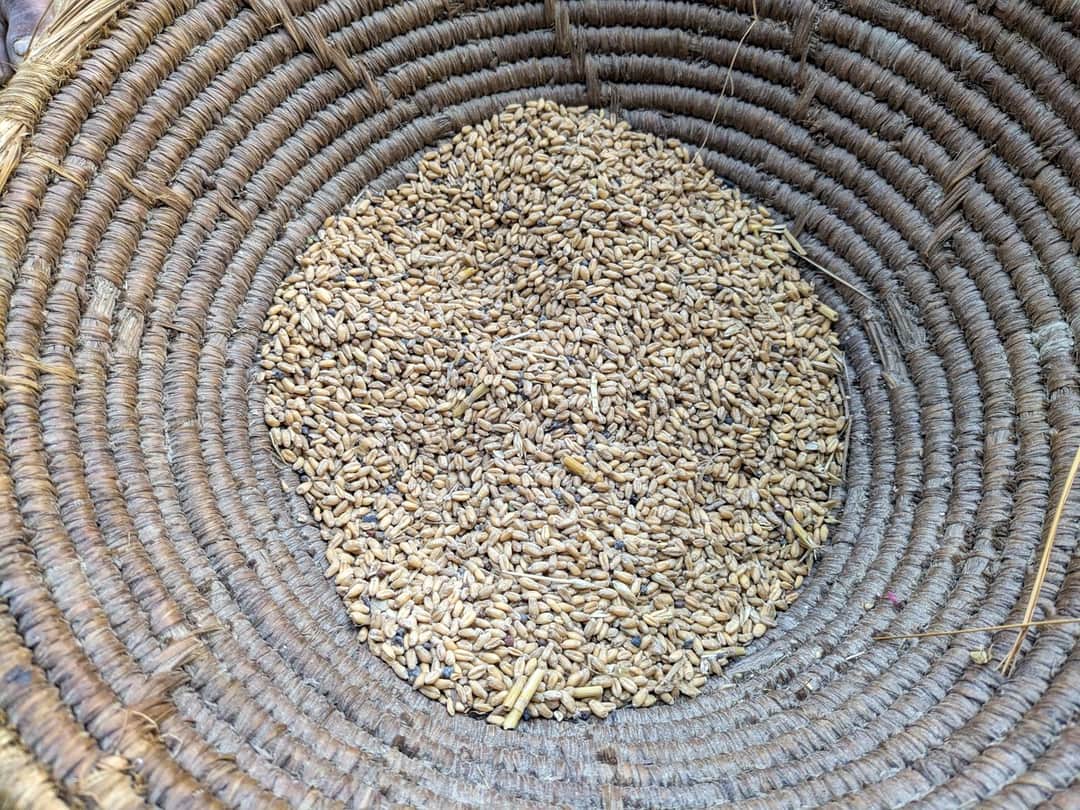
Eight months later, on a scorching afternoon in May 2025, resting under the shade of a mango tree, Ganesh recalls how he moved his twin children (a boy and a girl, aged 5), his wife Nagina Devi, 28, two goats and about a quintal of food supplies—wheat, pulses and rice—to his neighbour’s concrete house. Unlike his hut, the neighbour’s brick and mortar house is built on a raised foundation standing six feet tall, to stay above the floodwaters.
Originating in hilly Terai, the Rato flows through Ganesh’s village. When it rains heavily in the upstream region, the water takes about two hours to reach Sarkhandio Bitha.
Ganesh and his family stayed with their neighbour for a couple of days. Did the neighbour welcome the uninvited guests? “Yes, why not?” replies Ganesh. “If neighbours don’t help in times of trouble, who will?”
Meanwhile, in his bamboo hut with a thatched roof, floodwaters rose to 3 feet. When the water receded, it left behind a thick coat of mud on the floor and also on everything kept on the floor, including their clay stove and utensils. Ganesh spent a week and Rs.10,000 ($117) to make the hut habitable again—a substantial sum for the landless labourer who earns Rs. 400 a day.