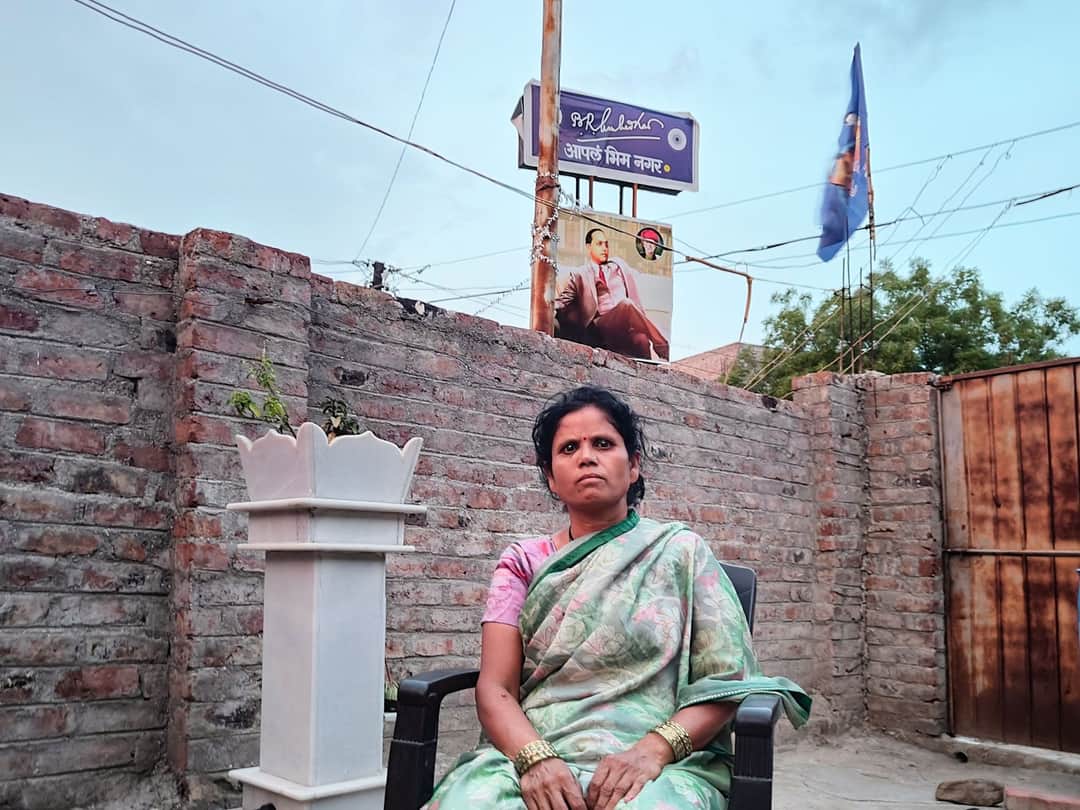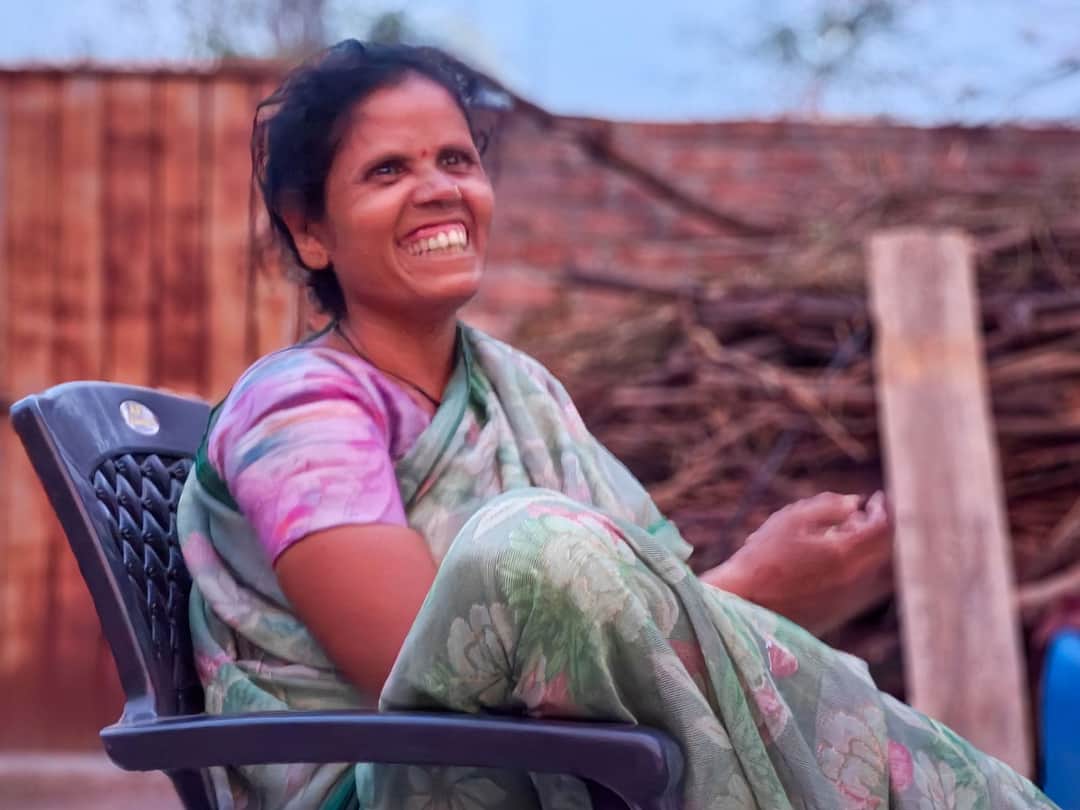


Sita Sasane’s lunch break turned into a nightmare when she glanced at her husband.
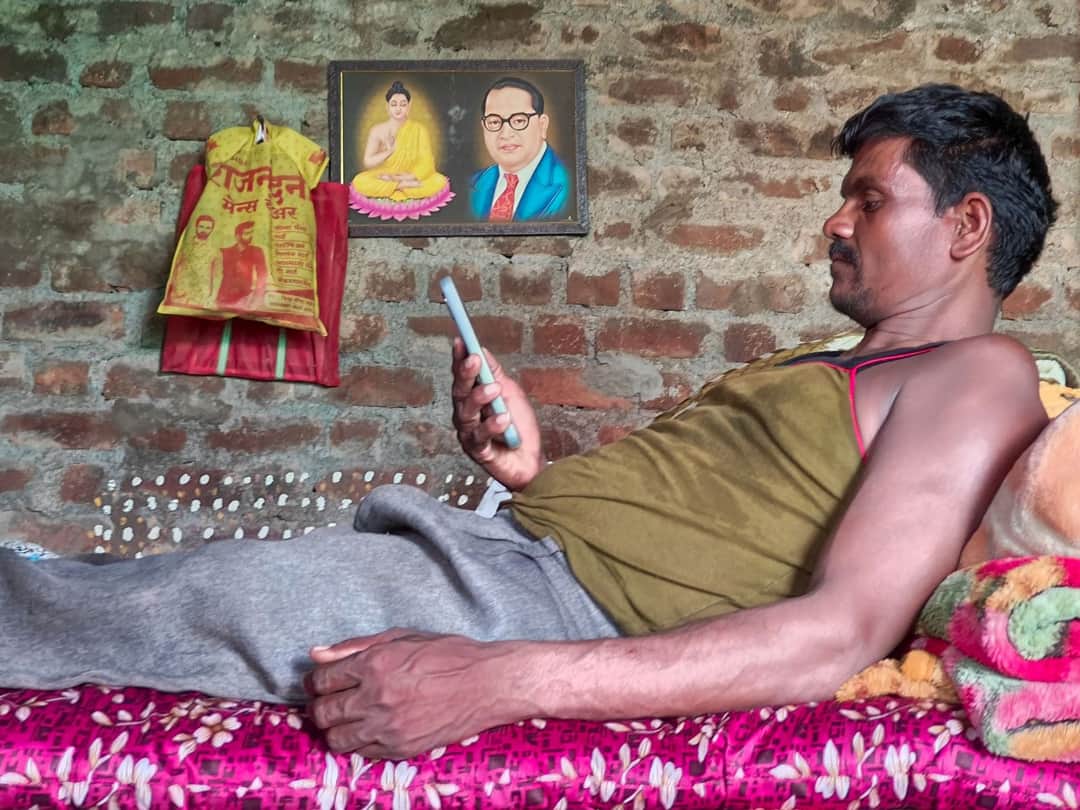
Right before her eyes, her husband Keshav’s face had twisted in one direction. She rushed towards him and realised he had wet himself.
“I shouted his name but he still didn’t respond,” Sita recalls, years later. We are sitting in her one-room hut in the village of Aherwahegaon in Maharashtra’s Beed district.
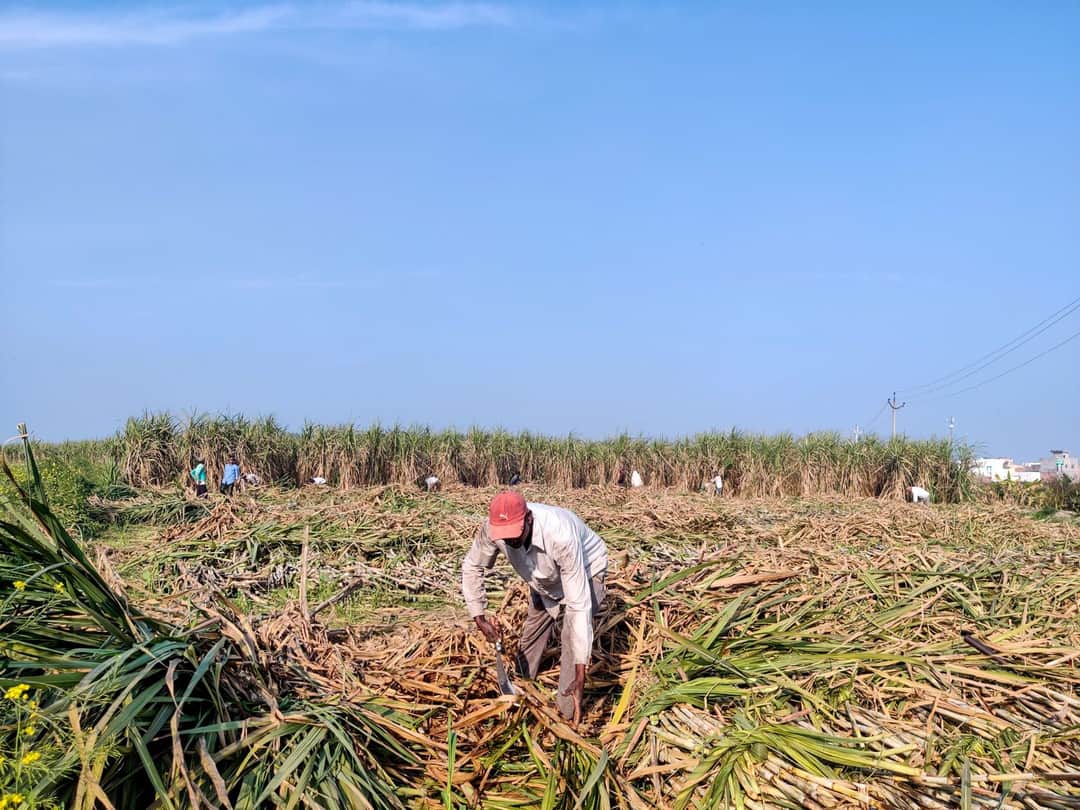
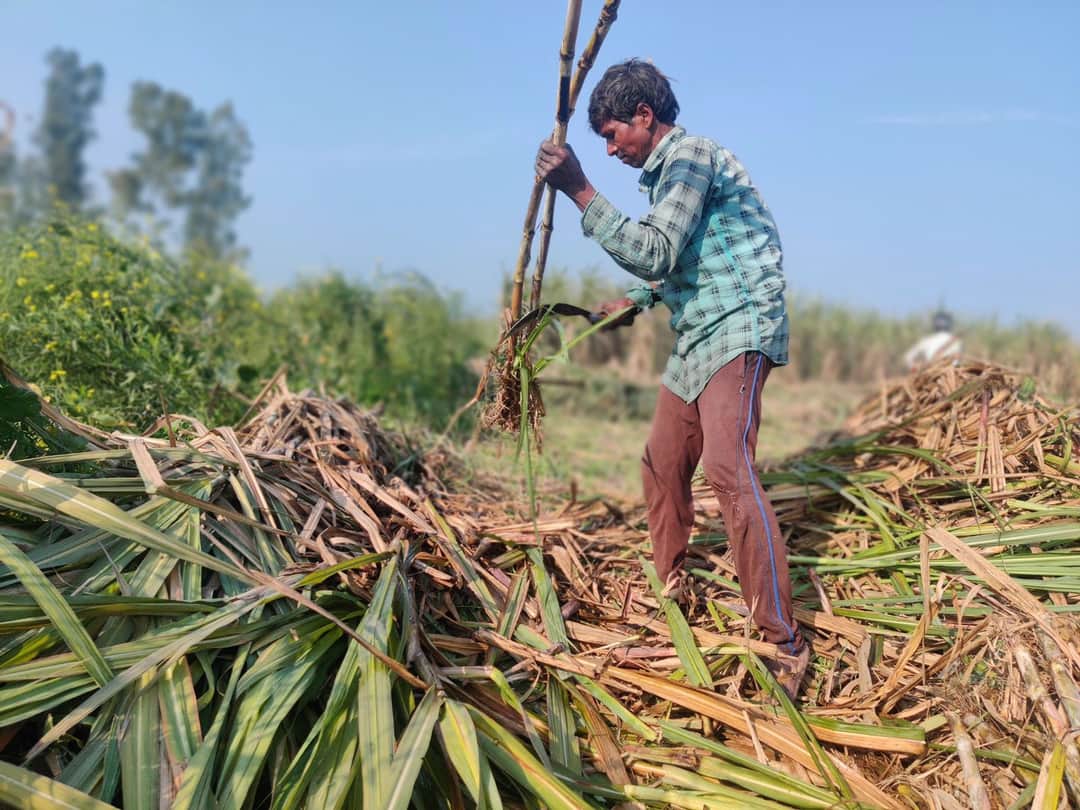
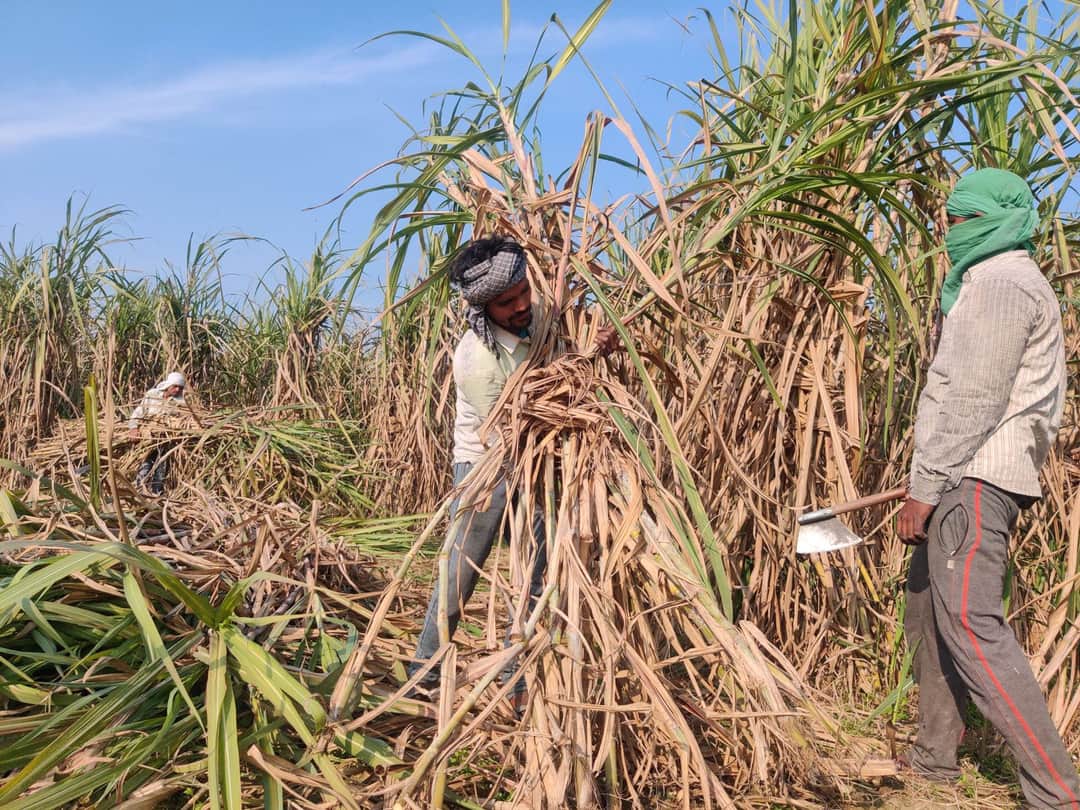
The couple had spent the entire morning chopping sugarcane and loading it onto a tractor for a sugar factory in Kolhapur. Their two sons also worked in tandem in the same fields of western Maharashtra.
The backbreaking labour that started at the crack of dawn didn’t end until sunset – except for a half hour lunch break at noon. Sita, 45, would spread out a sheet in the fields to unpack the food she had cooked in the morning, working quickly in their makeshift hut. She fixed four plates and handed over the first one to her husband, Keshav, 55, who seemed lost in his world. And then his face crumpled.
“I panicked and took him to the nearest dispensary,” says Sita, remembering the terrifying afternoon of October 2023.
The doctor’s diagnosis was quick: a paralytic stroke. Keshav had to be immediately admitted to a hospital.
However, they couldn’t just leave. Like every other destitute migrant worker, the family had taken an advance of Rs. 1.5 lakh to be adjusted against the kilos of cane they chopped during the six-month season.
“The contractor who employed us wouldn’t let us go,” Sita, who belongs to a Dalit household, says. She argued, or rather begged, with the contractor for some mercy but he didn’t budge. Her two sons, Saurabh, 23, and Sooraj, 21, were forced to continue to work along with her, while Keshav lay incapacitated in the makeshift tent in the fields.