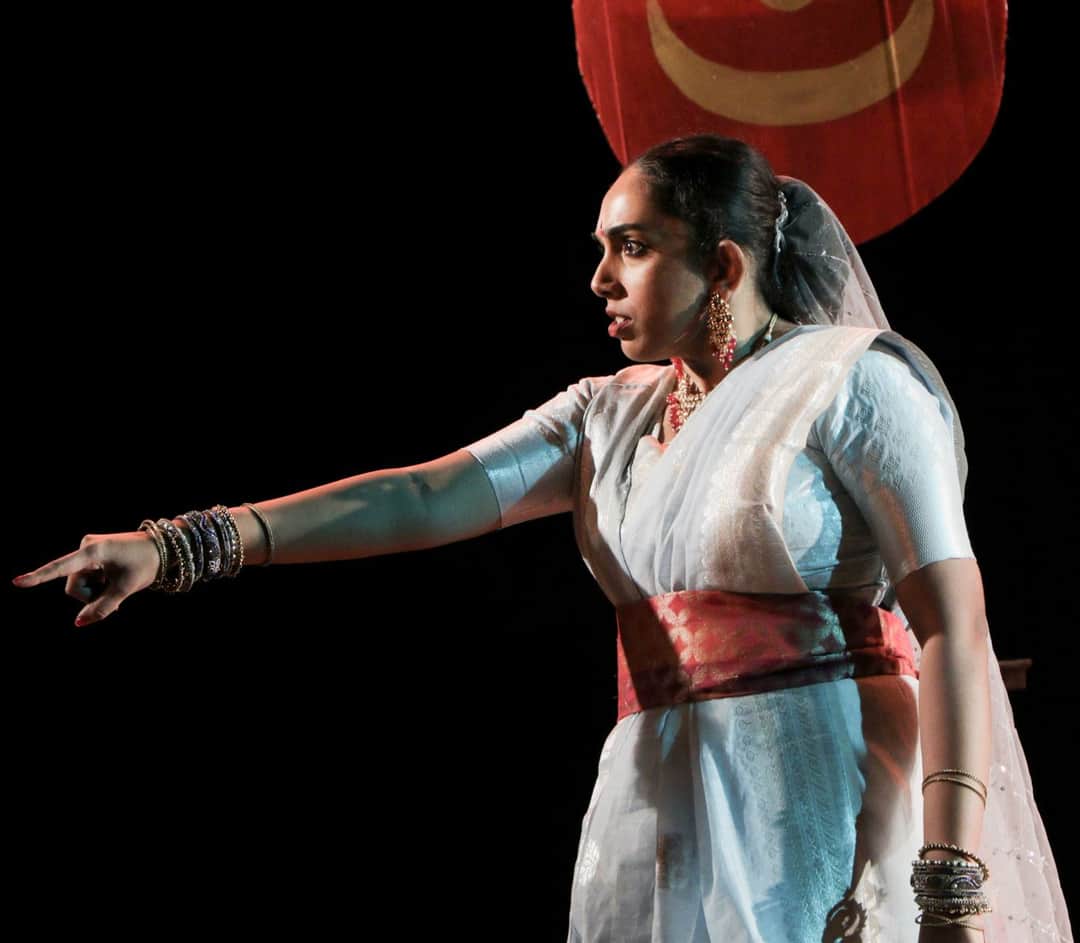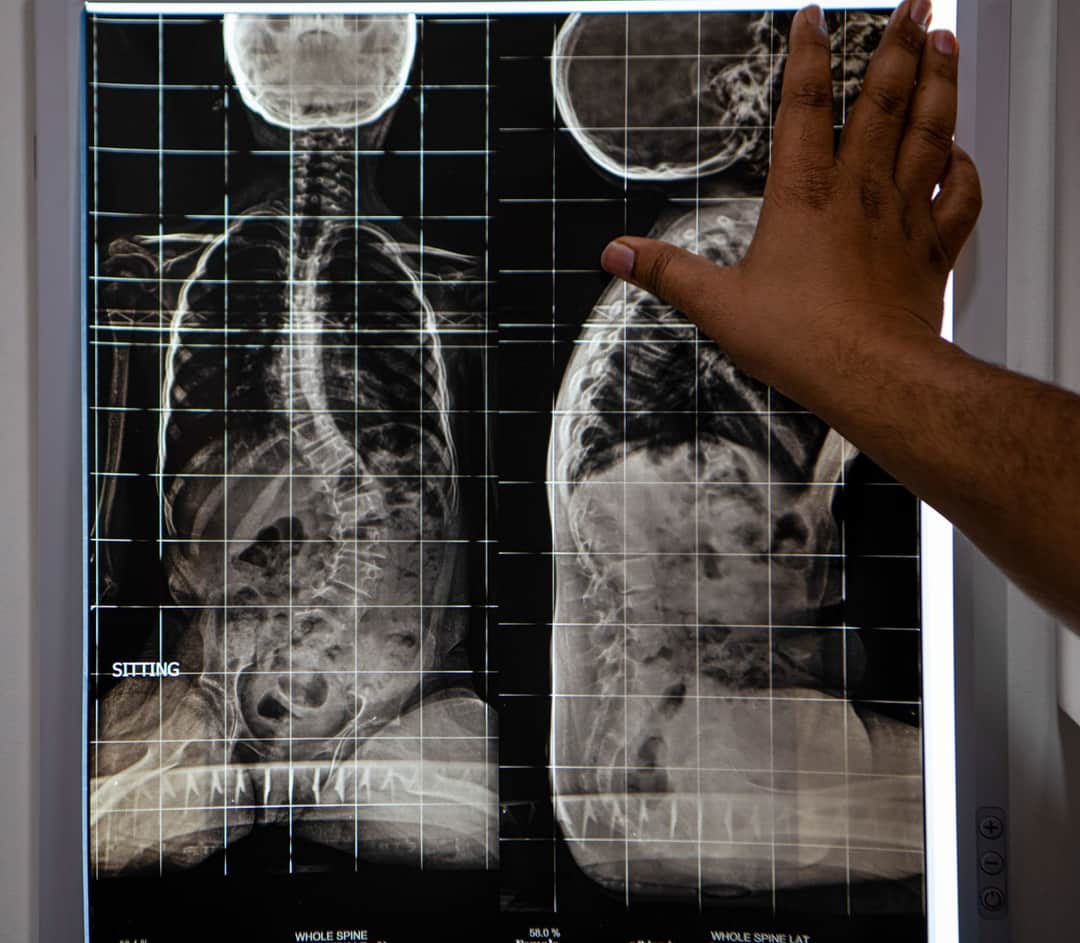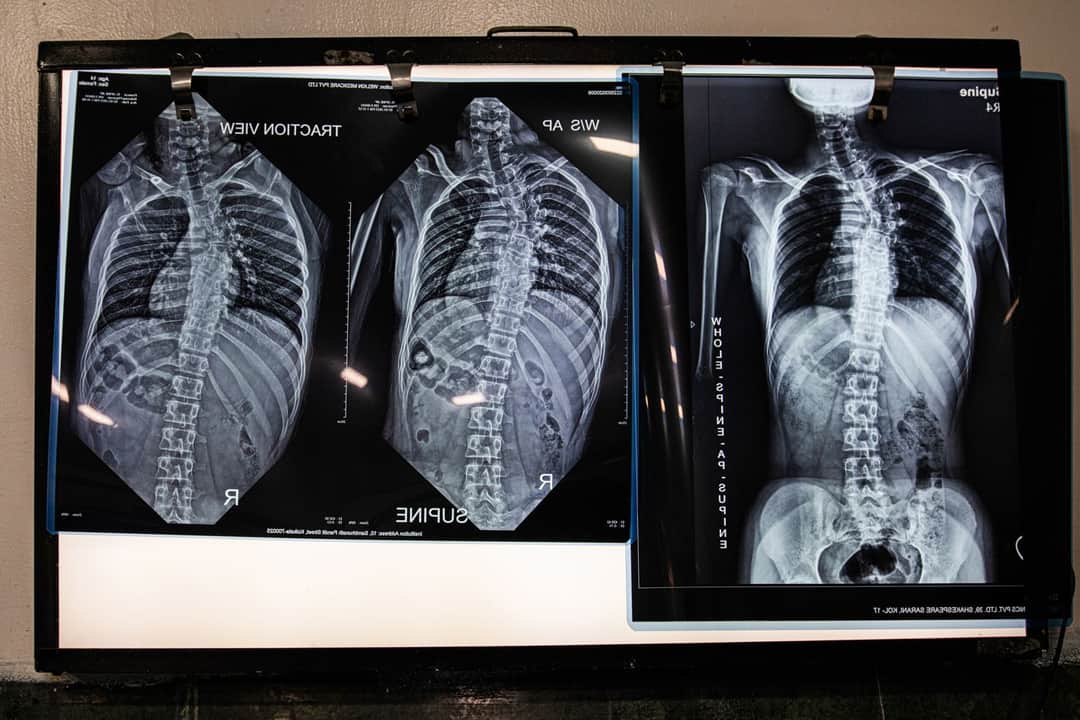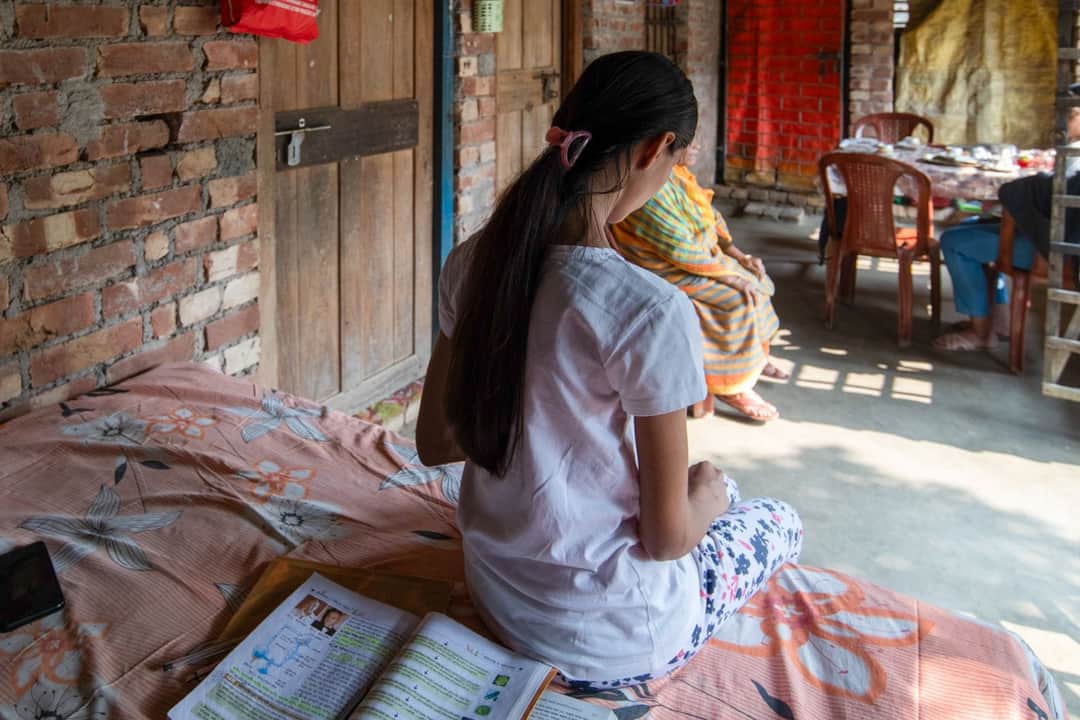

It was Sebanti Roy’s dance teacher who first noticed an asymmetry in her student’s shoulders. The aspiring dancer’s movements were off. Shortly after, the then 13-year-old was diagnosed with scoliosis. “Initially, I was oddly enthusiastic about the diagnosis, as my childhood idol, Hrithik Roshan [a famous film star known for his dancing skills] shared the same condition,” Sebanti recalls laughing.
Roshan’s scoliosis was diagnosed when he was 21, and he was told he would never dance. Scoliosis causes the spine to curve sideways. Everybody has regular curves in their spines, but in kids and teenagers with it, the spine – or parts of it – curve abnormally in the shape of an ‘S’ or ‘C’.
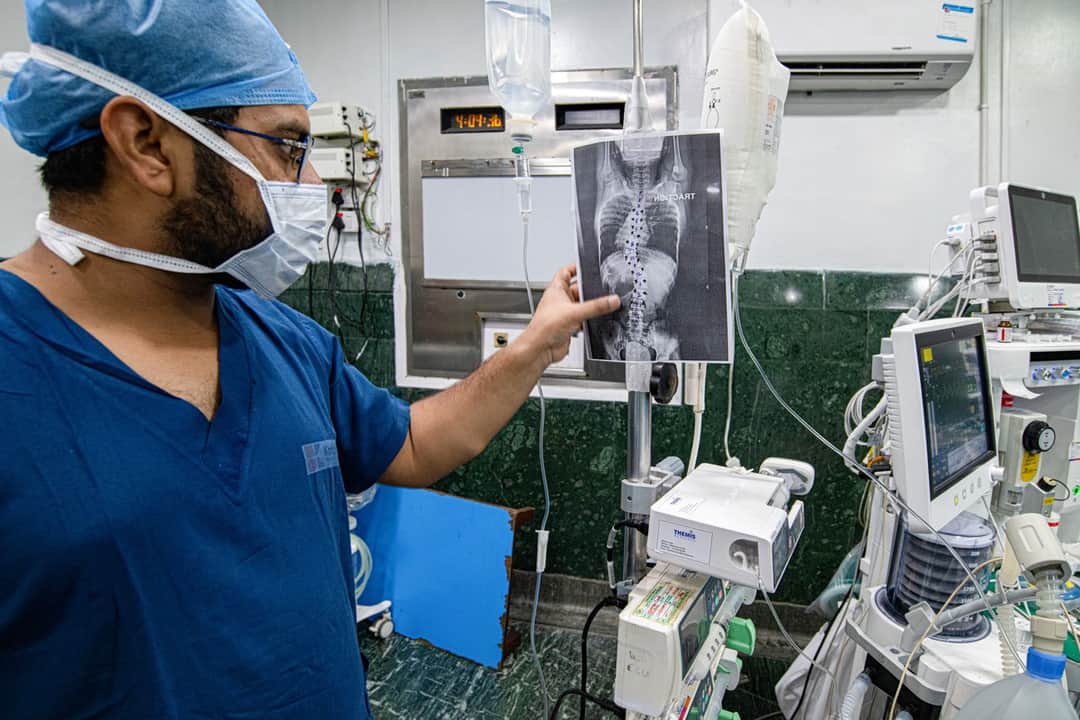
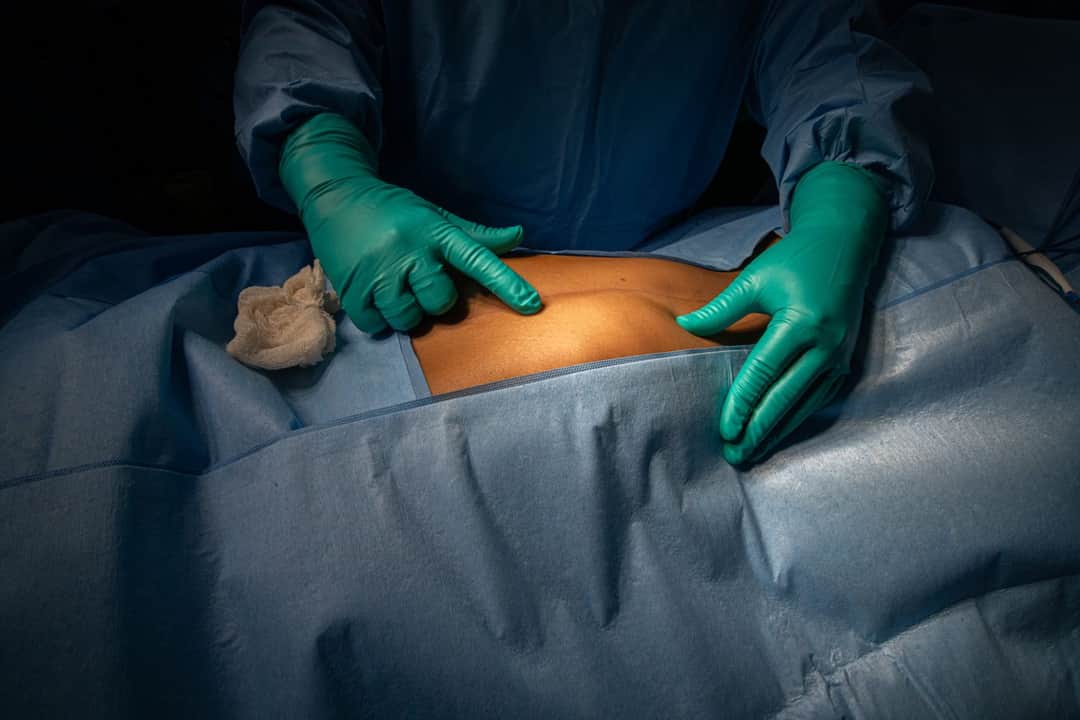
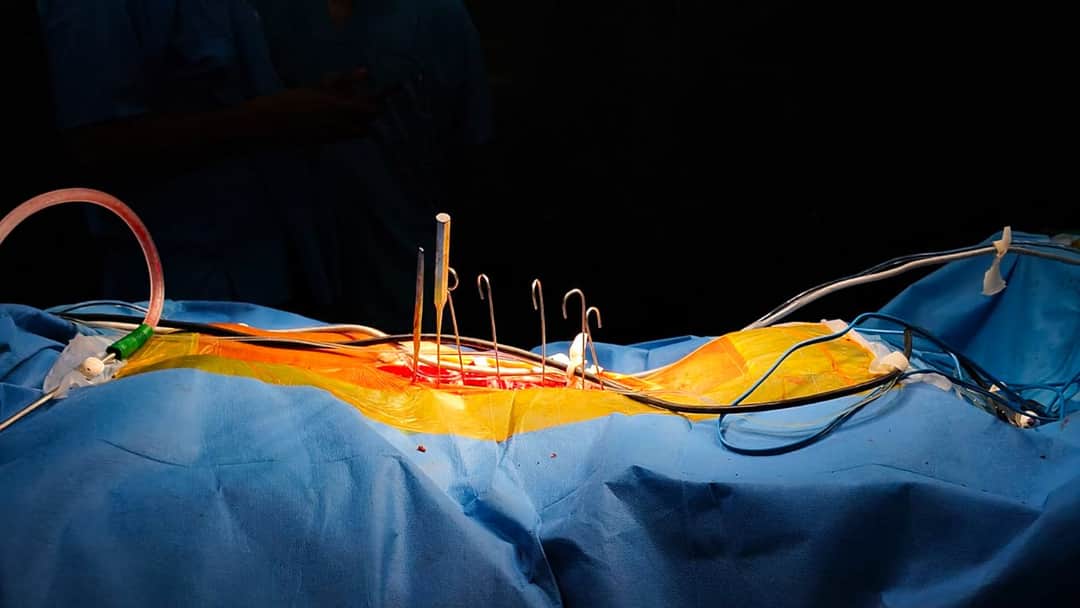
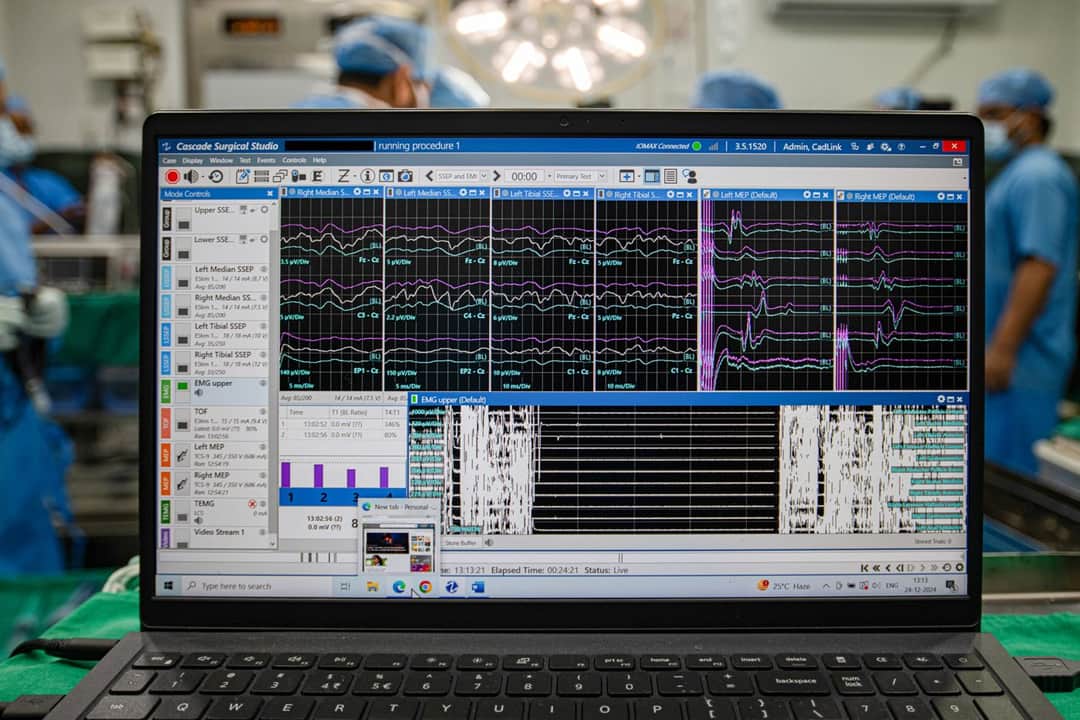
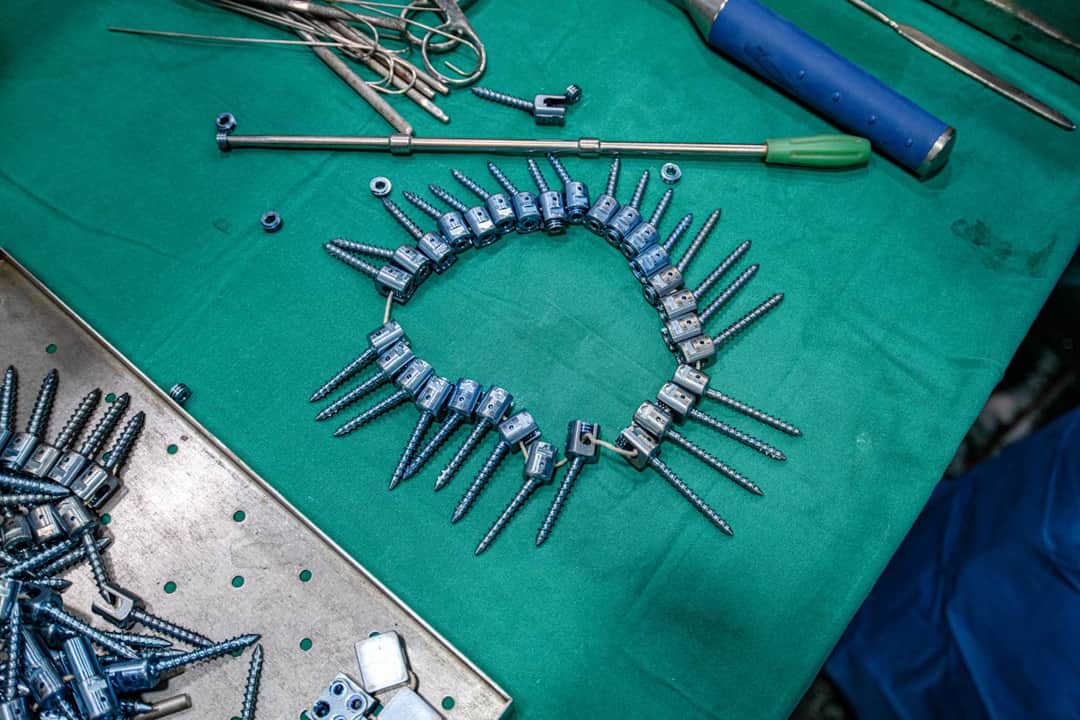
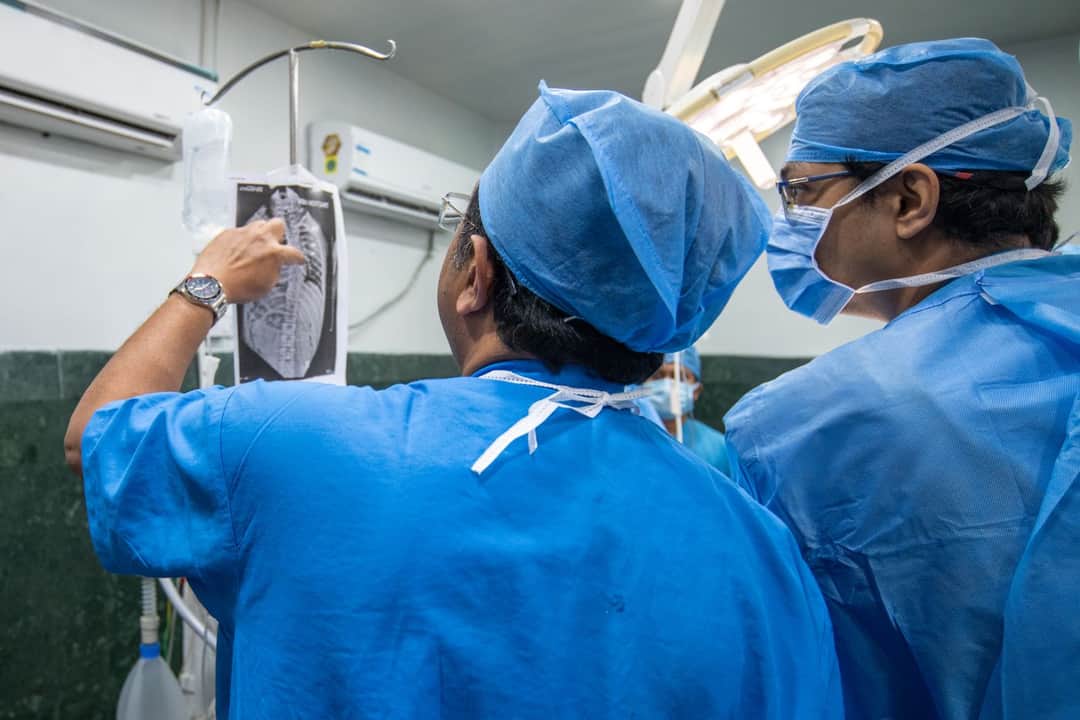
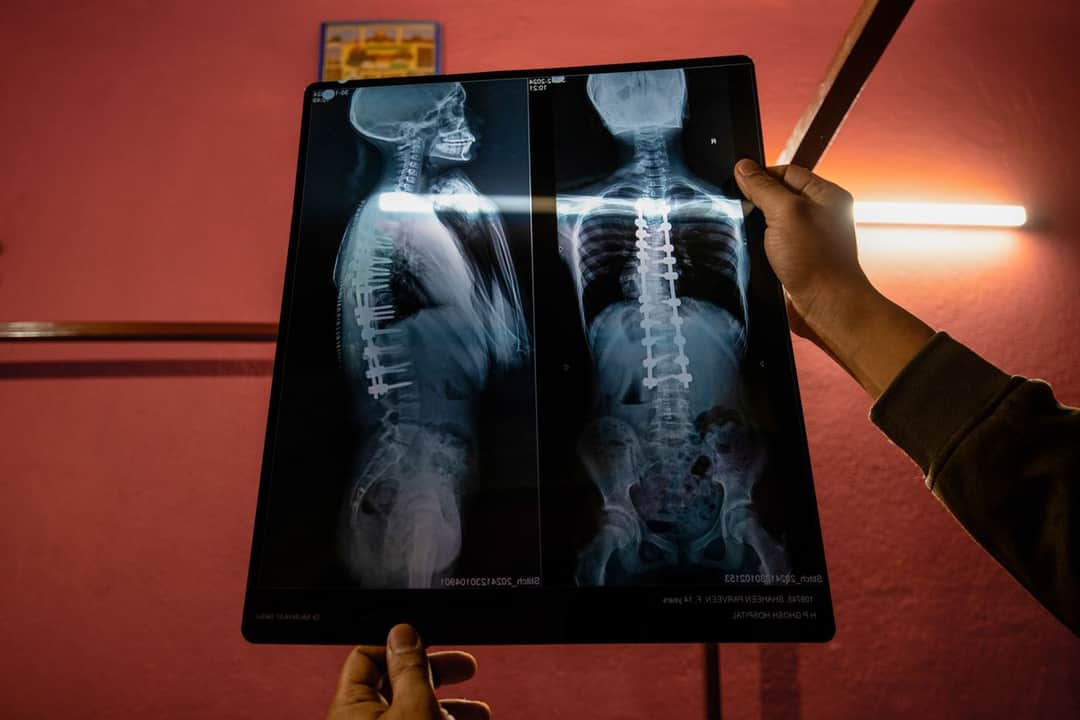
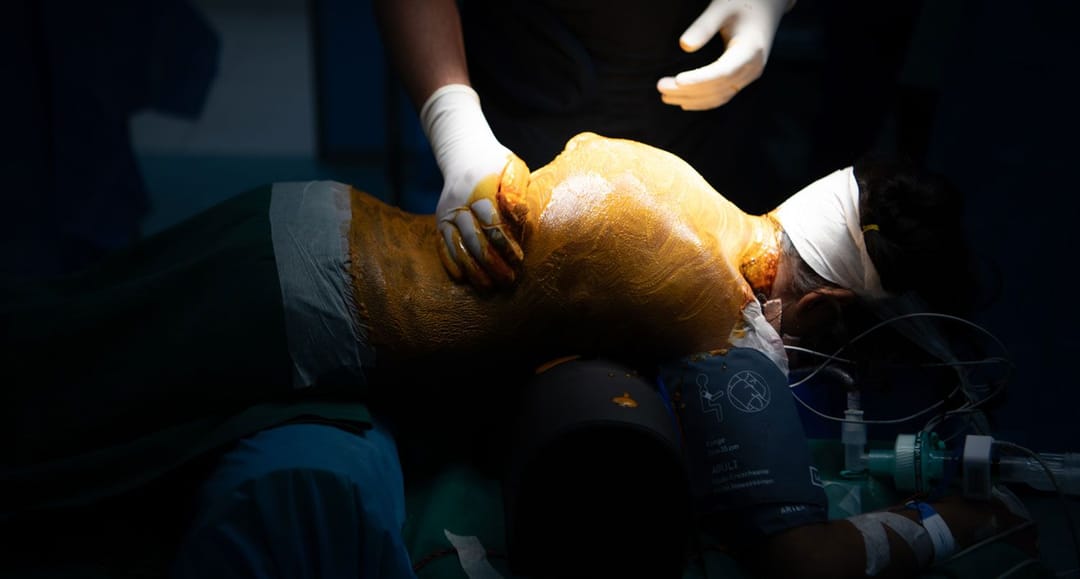
The teenage Sebanti travelled from her home in South 24 Parganas to Kolkata to have surgery for adolescent idiopathic scoliosis (AIS). The procedure involved the insertion of two rods and 14 screws in her back to straighten her spine.
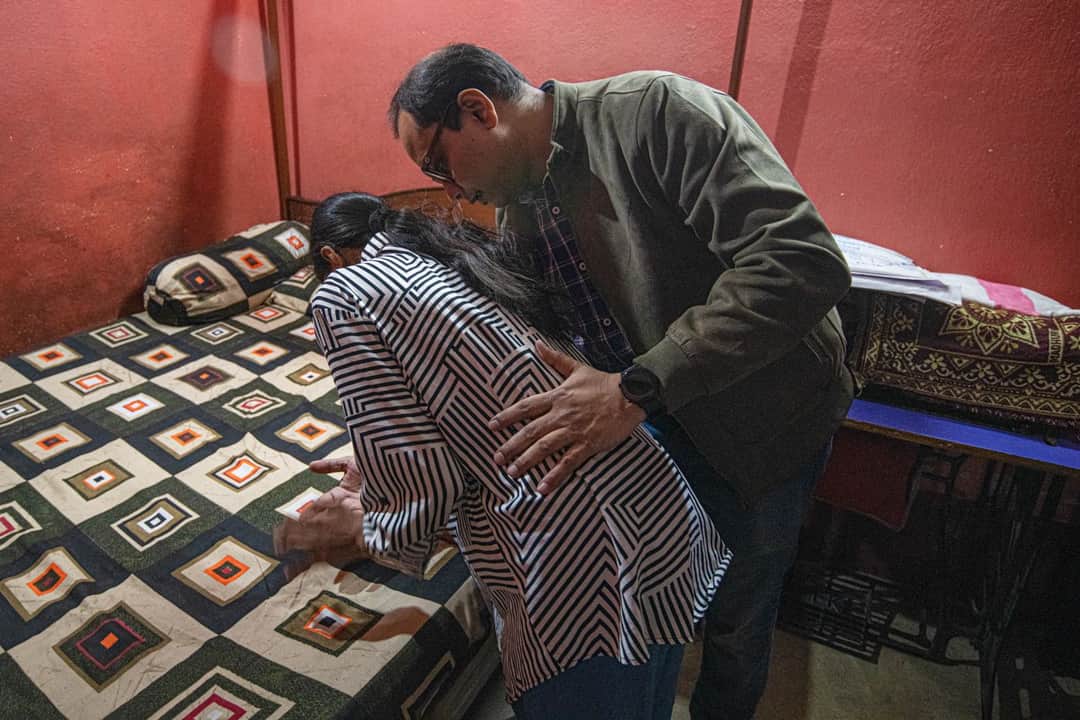
“I don't feel a thing now,” she says, 12 years later. “Life is normal. I learnt to live with scoliosis and got back to normal life,” she adds smiling as she speaks. We are sitting on the roof of her grandfather’s home in Diamond Harbour, a town in West Bengal where the Hoogly passes before it empties into the Bay of Bengal.
While Sebanti’s scoliosis caused her to be awkward, for millions of other patients, the disease is painful, debilitating, and can lead to heart issues and breathing discomfort. For patients in rural areas, even the first step of getting the right diagnosis is a challenge.