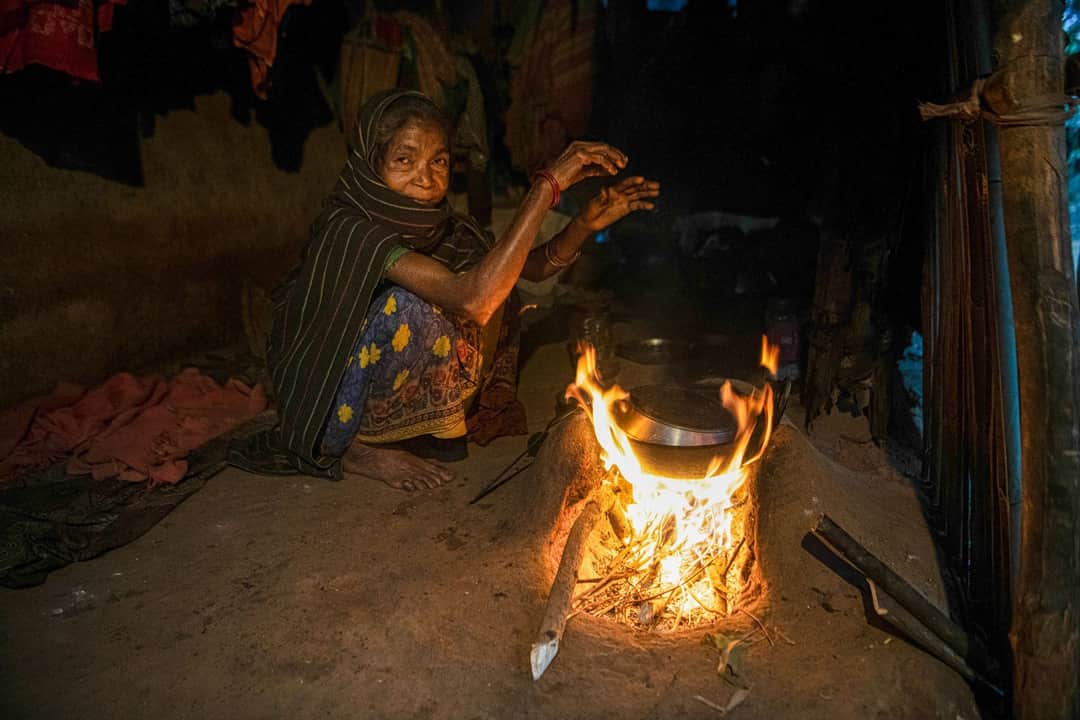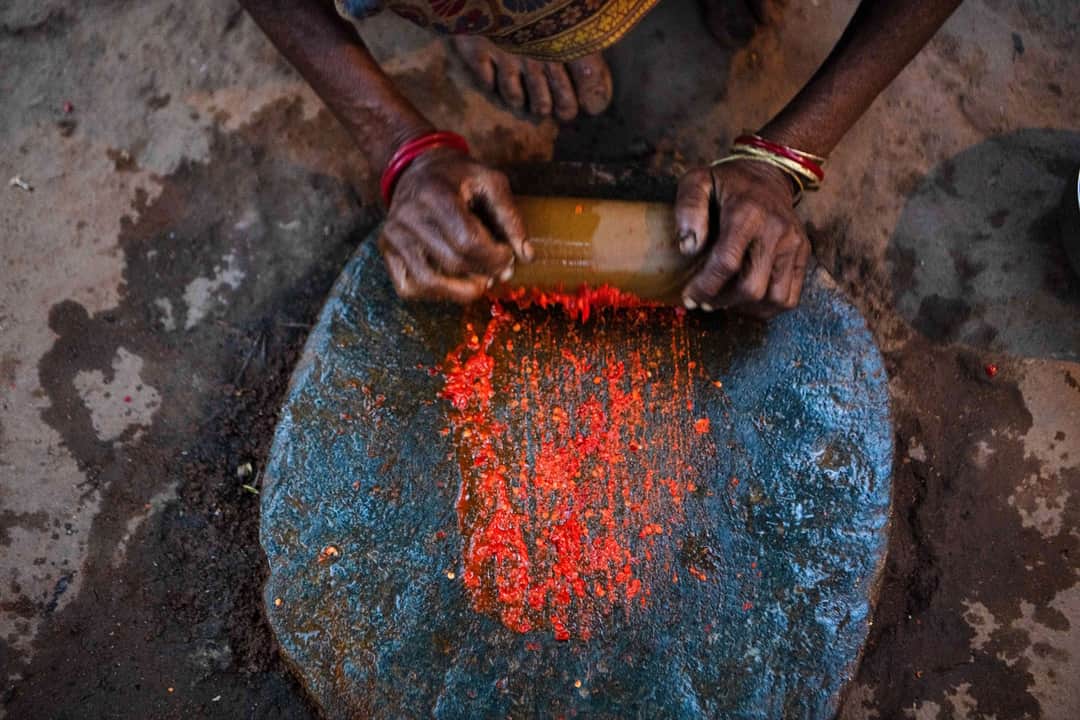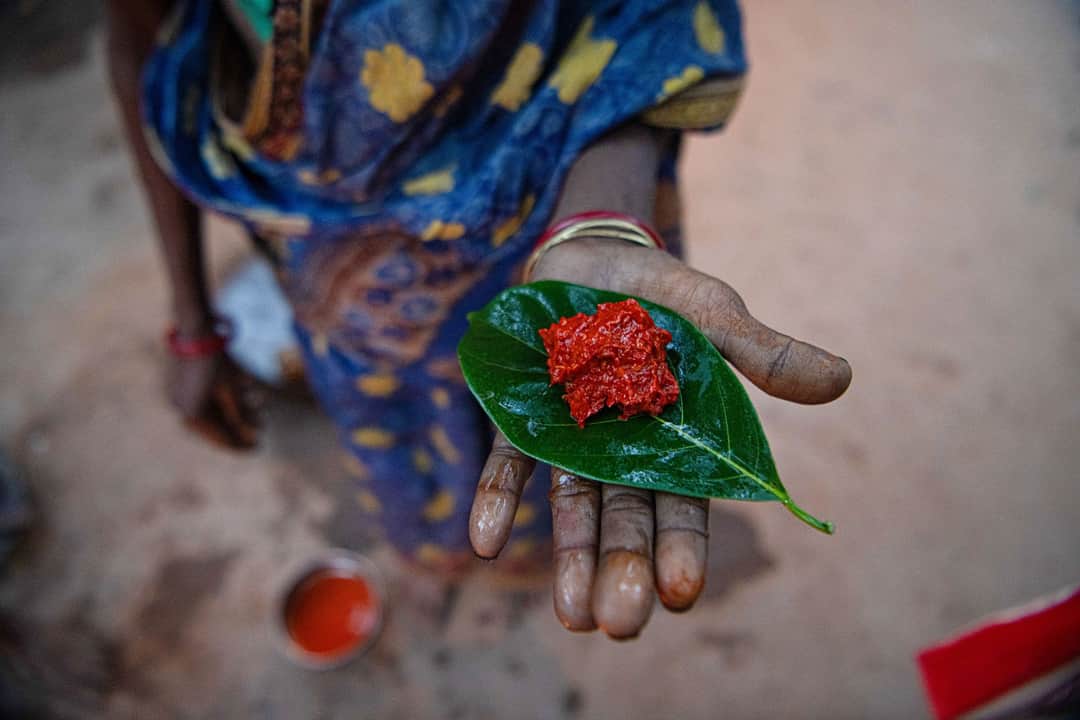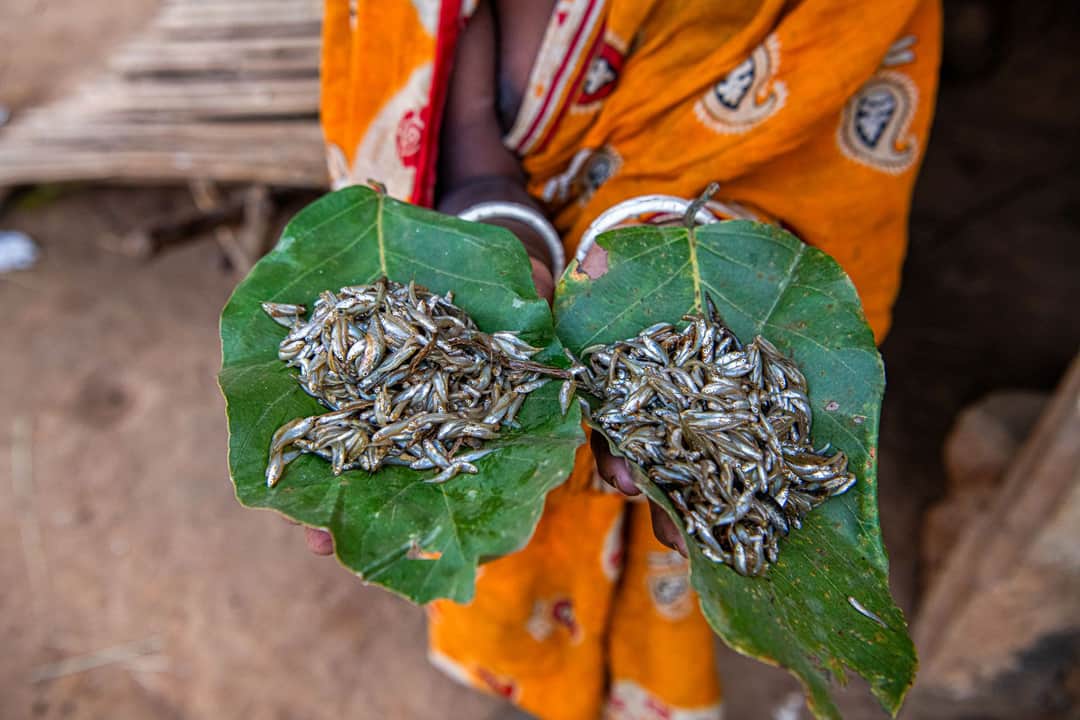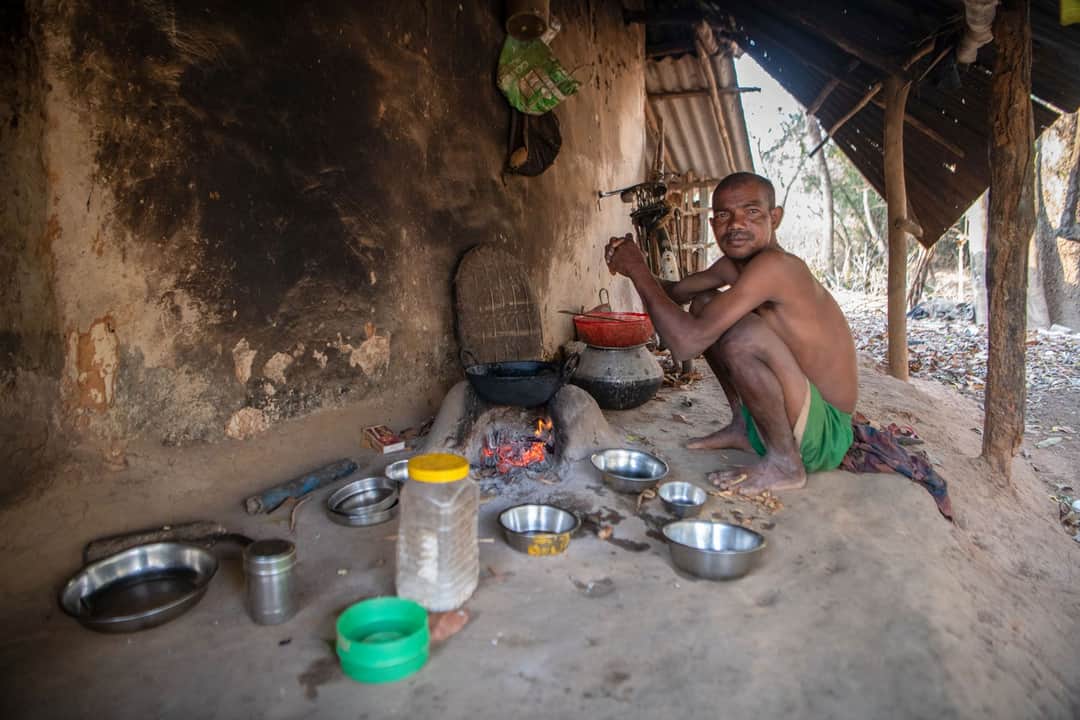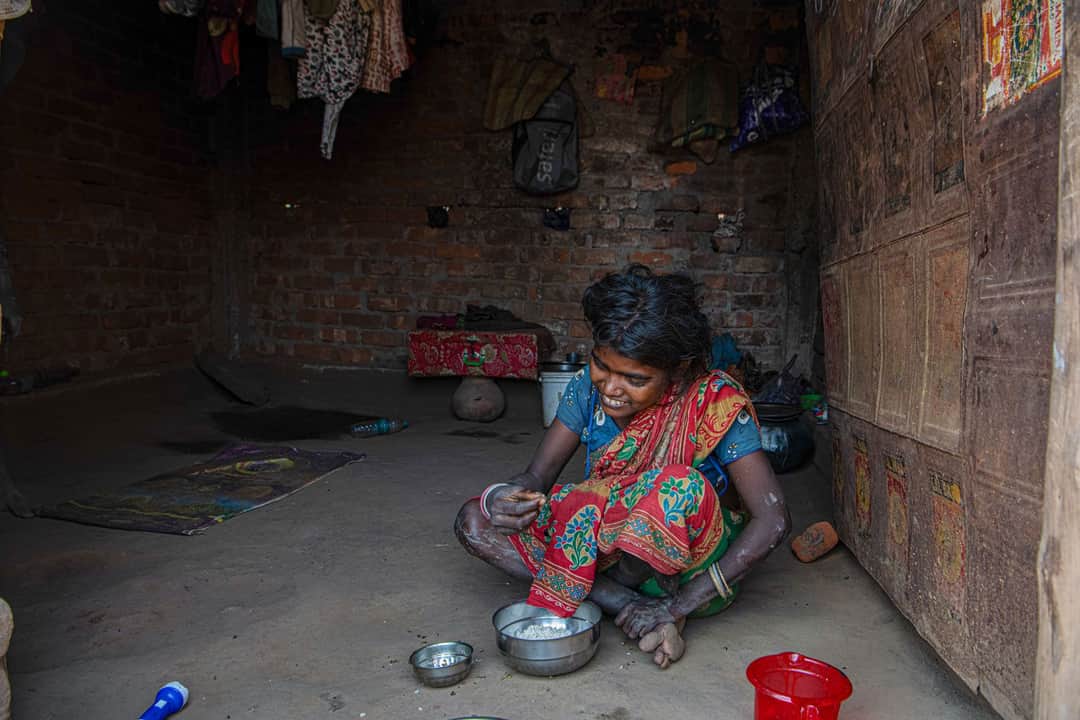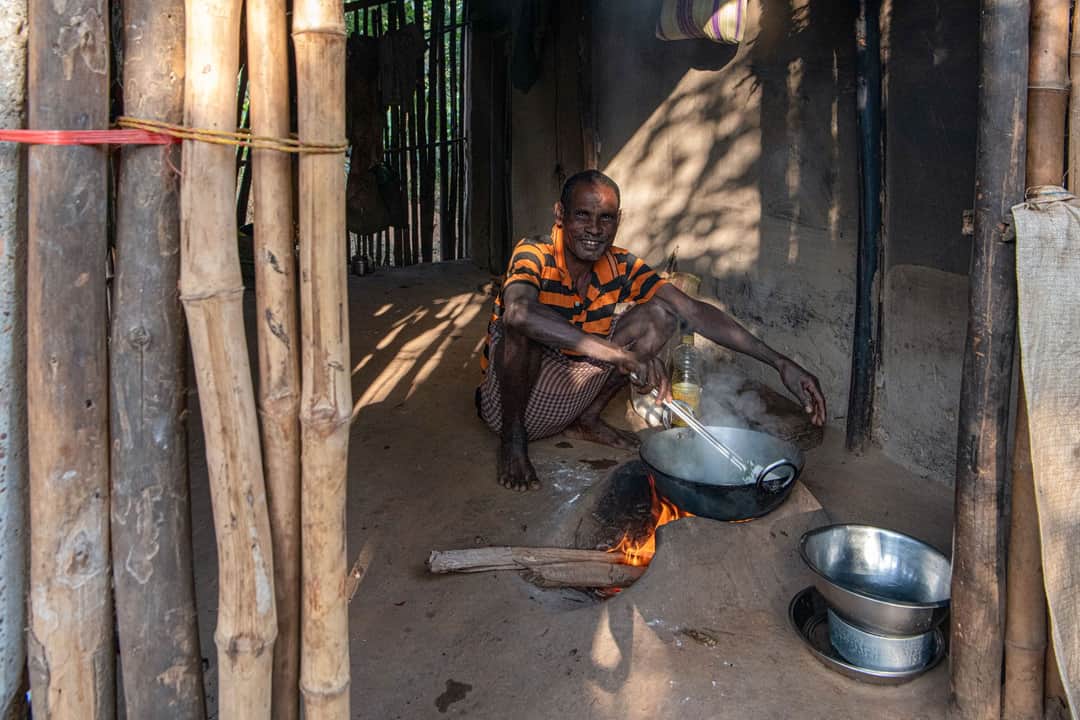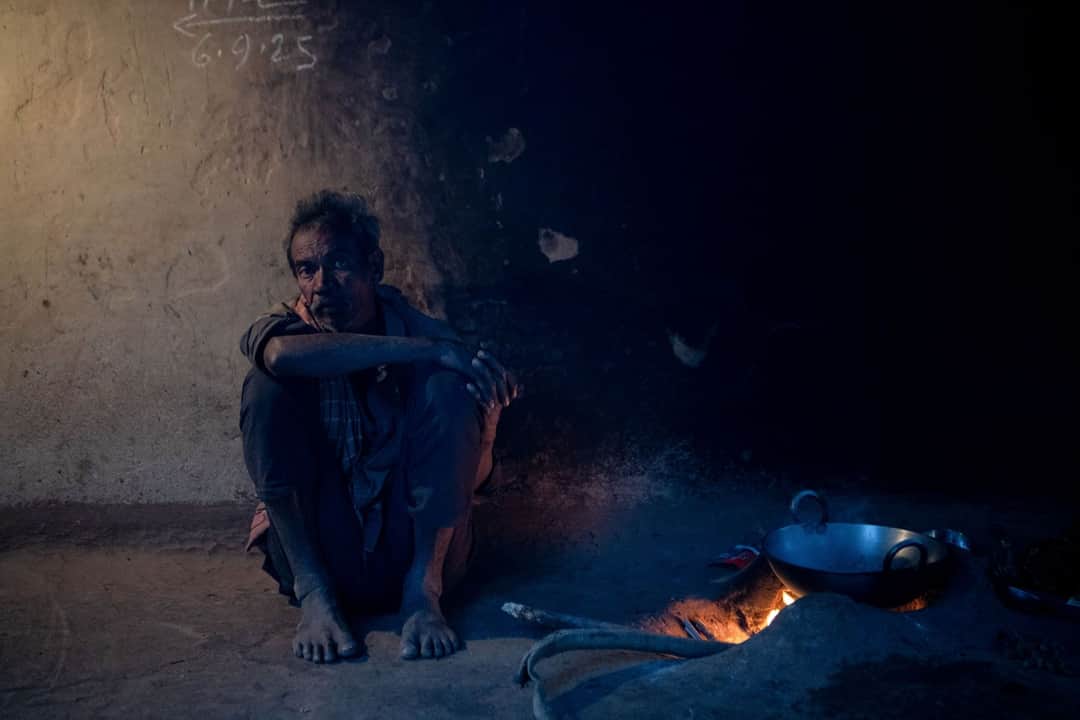

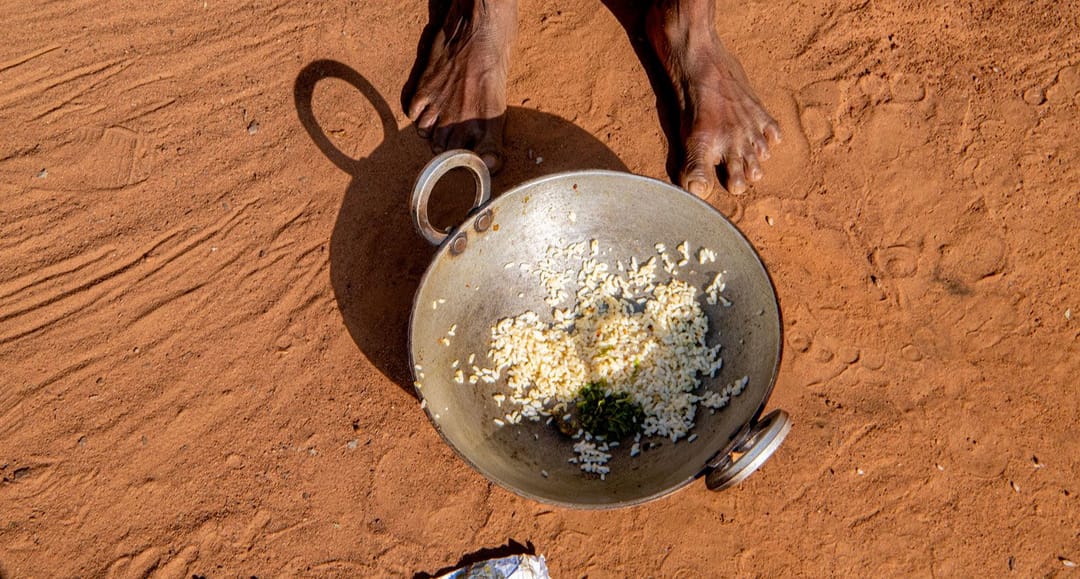
“What do we have to eat every day except panta bhat [fermented rice water]?" says Bato Mallick, grinding up red chillies and salt to make the rice more palatable.
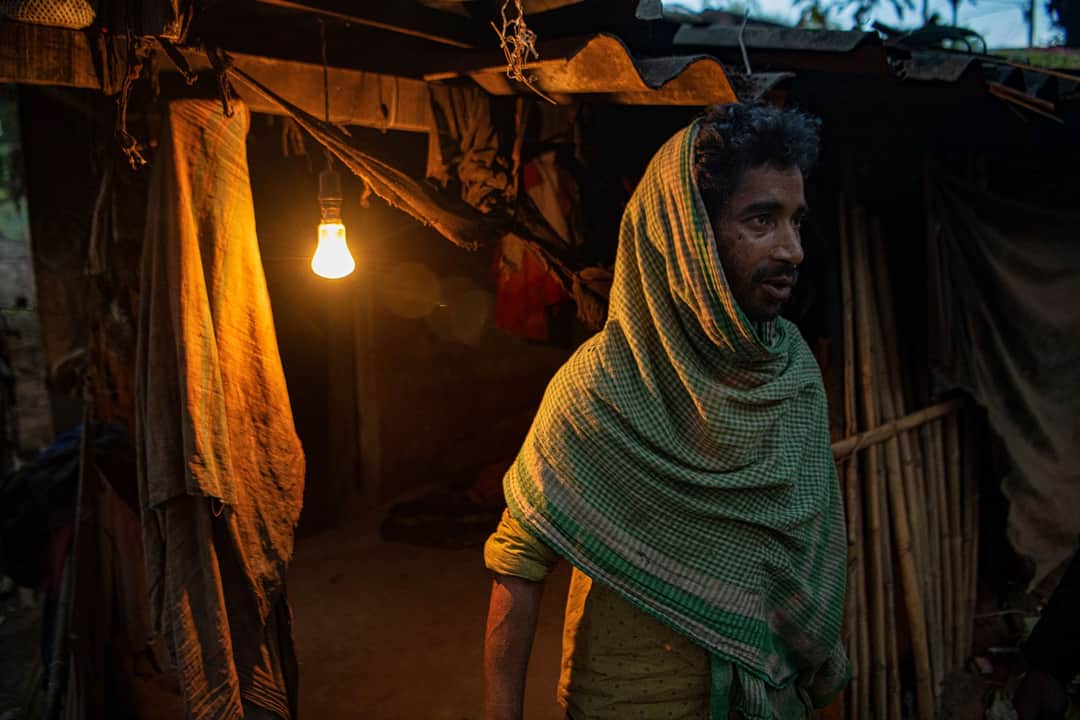
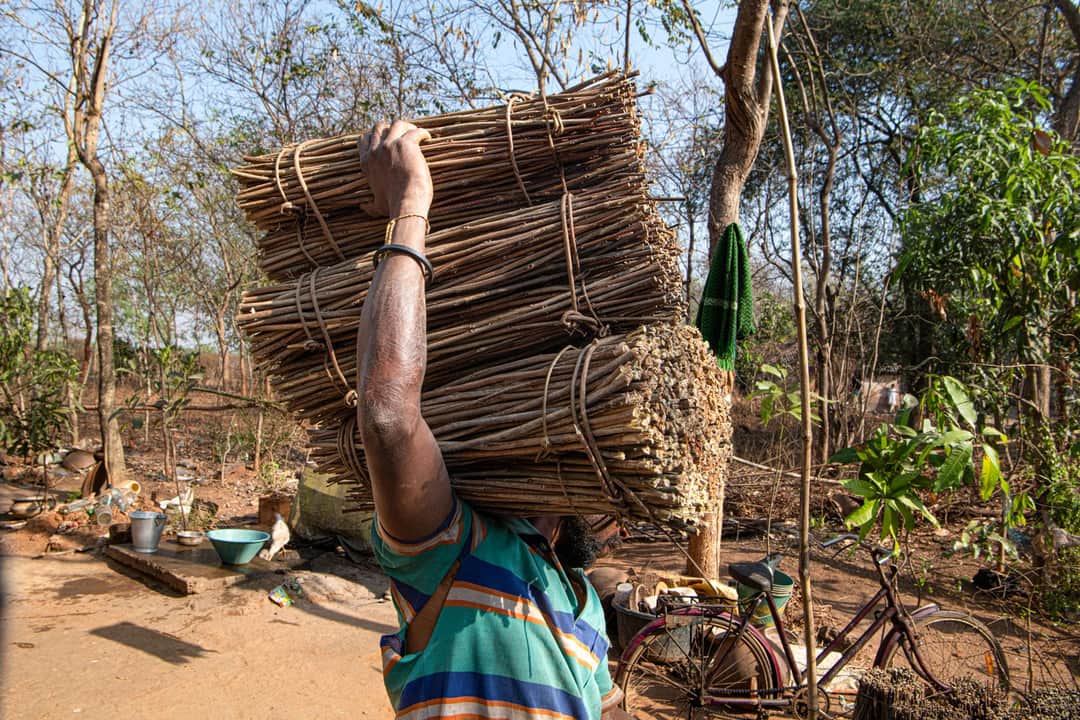
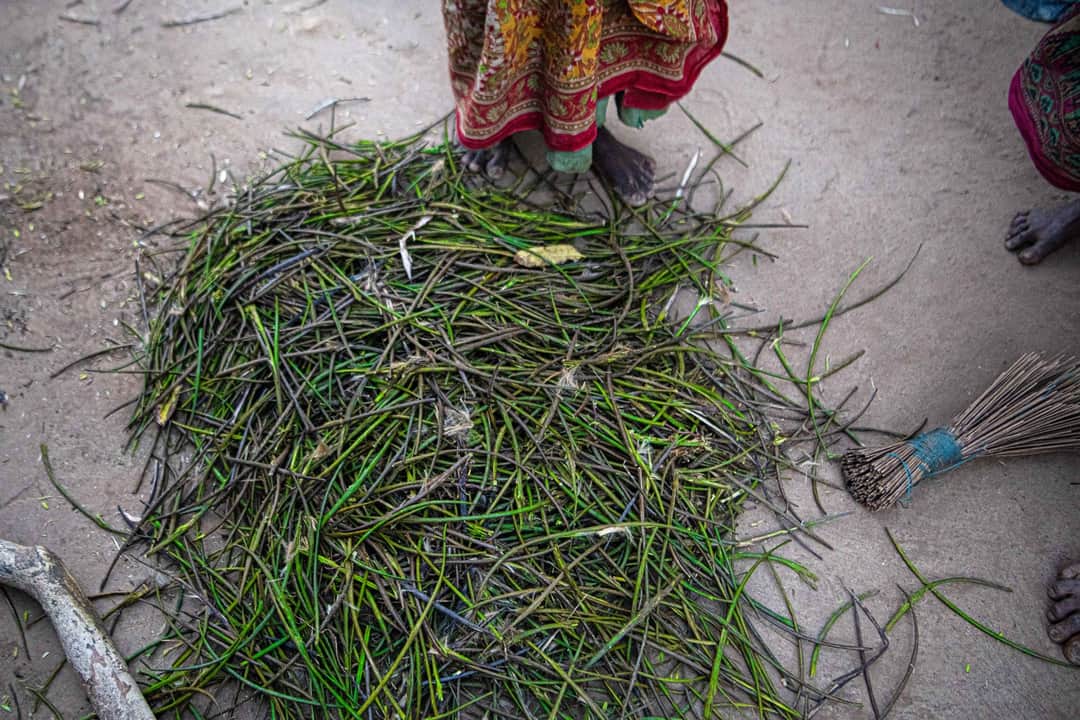
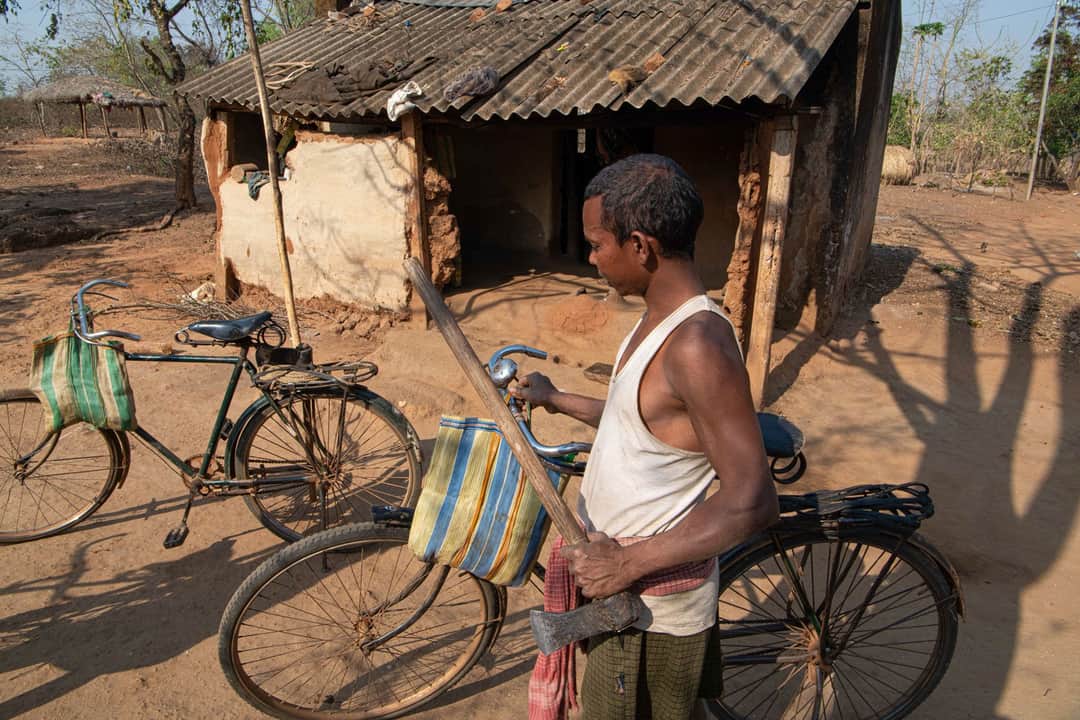
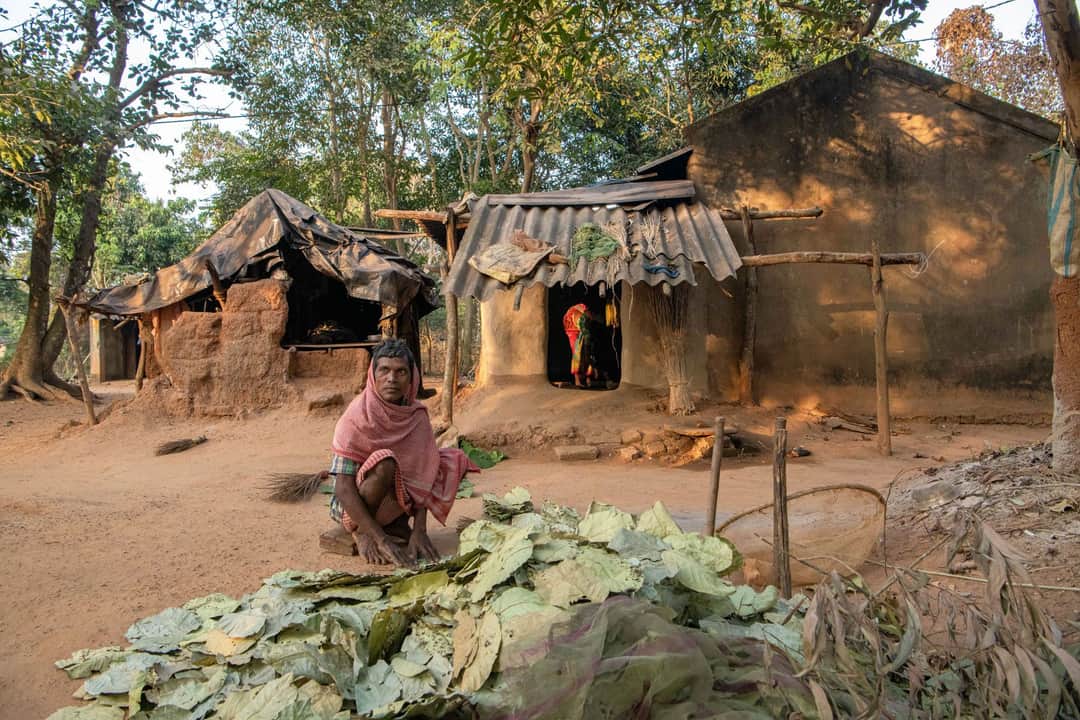
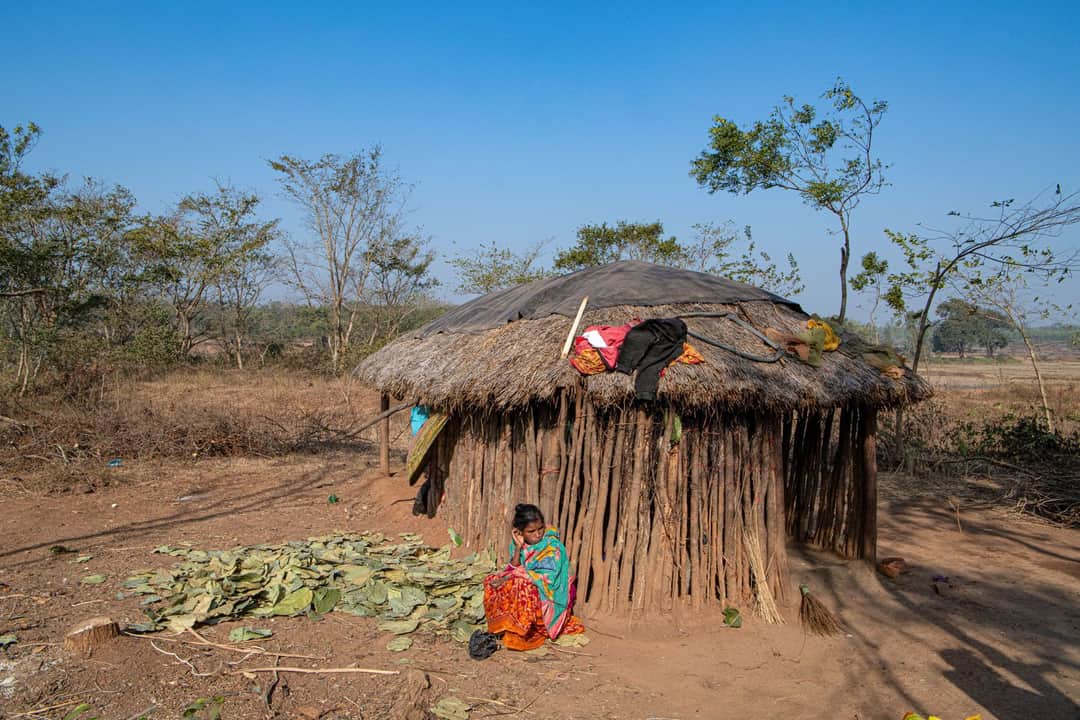
It is evening, and Bato and her husband, Yogen Mallick have just returned from the nearby forest. The couple, like all other families in the tribal hamlet, spend their day in the jungle foraging for sal (Shorea robusta) leaves to sell in the weekly market.
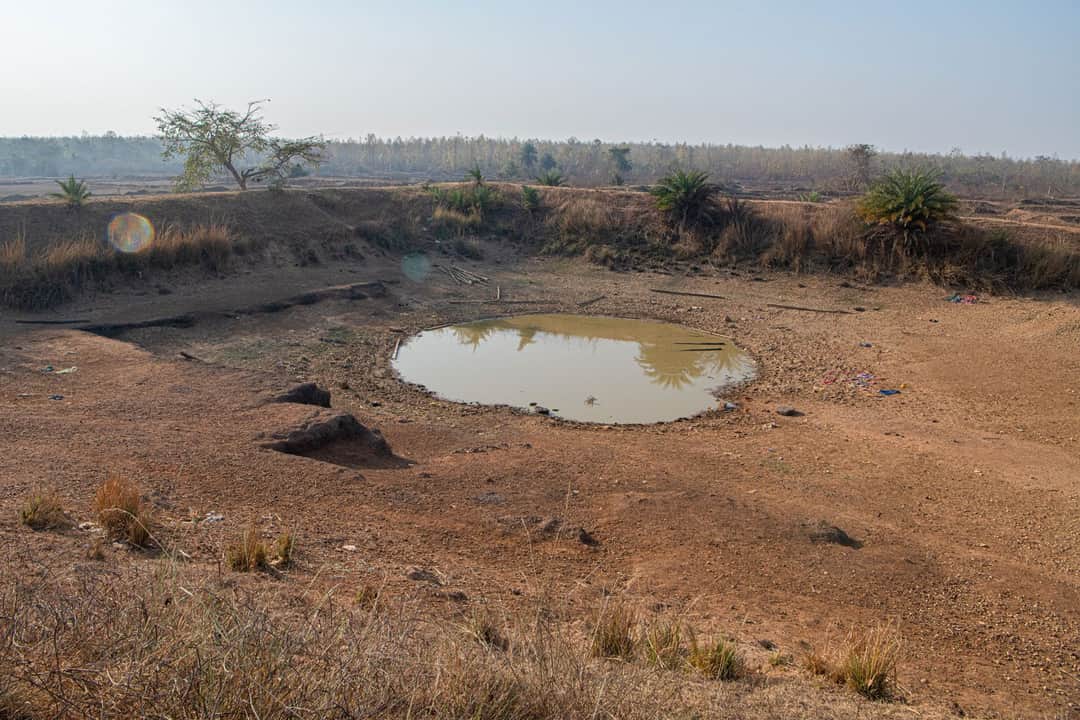
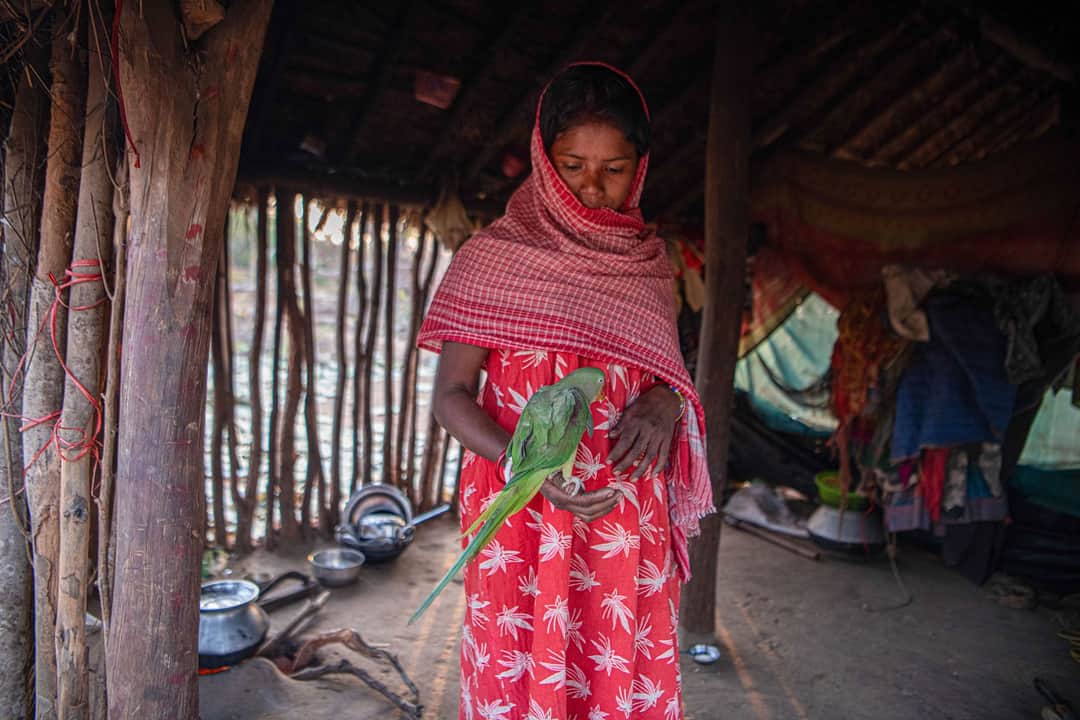
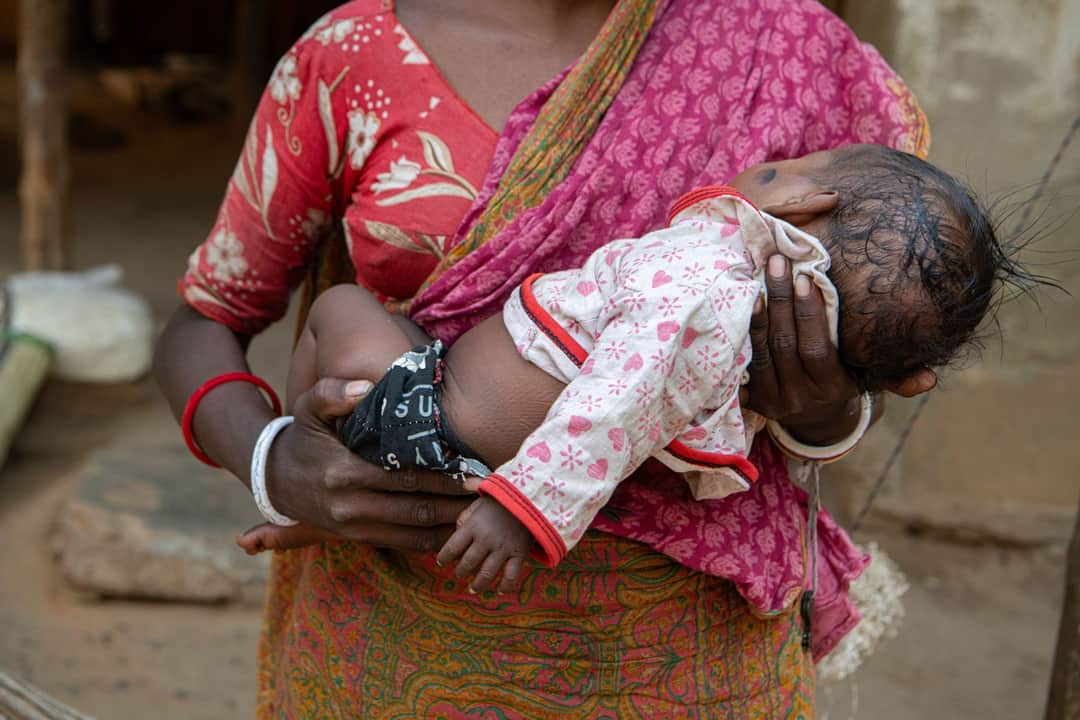
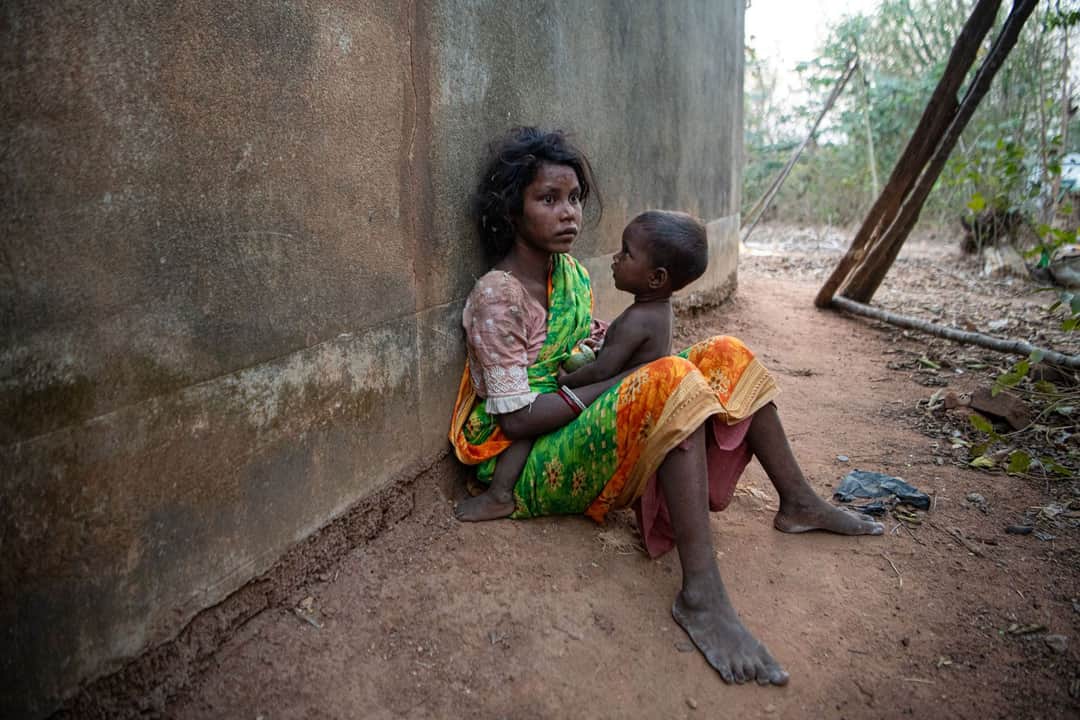
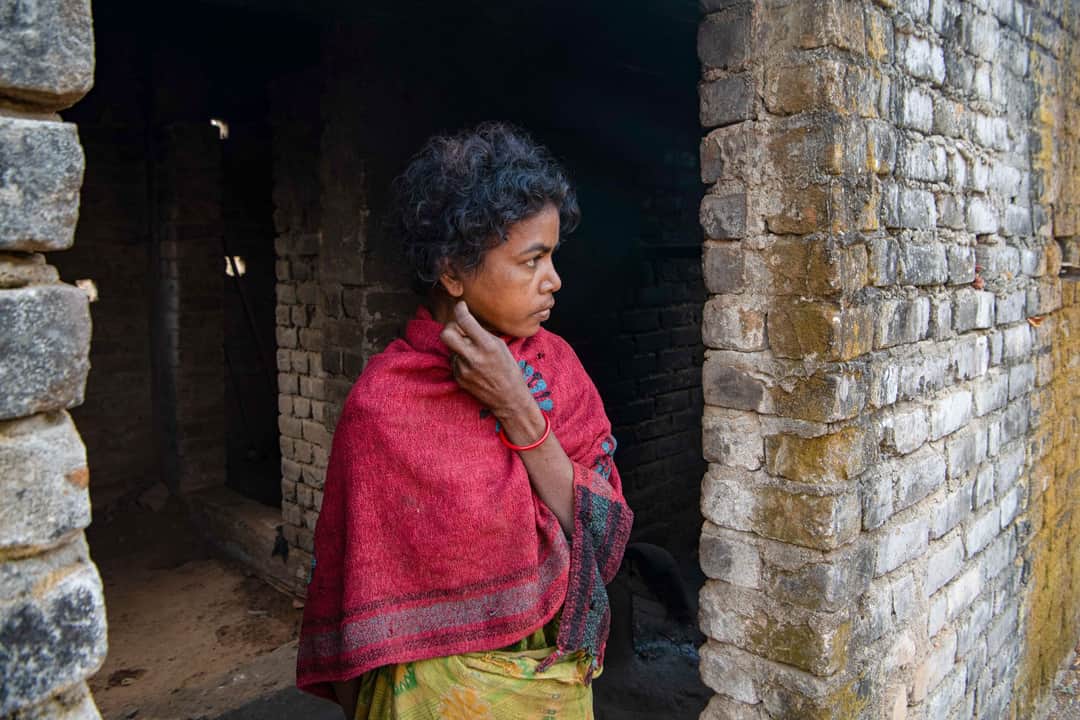
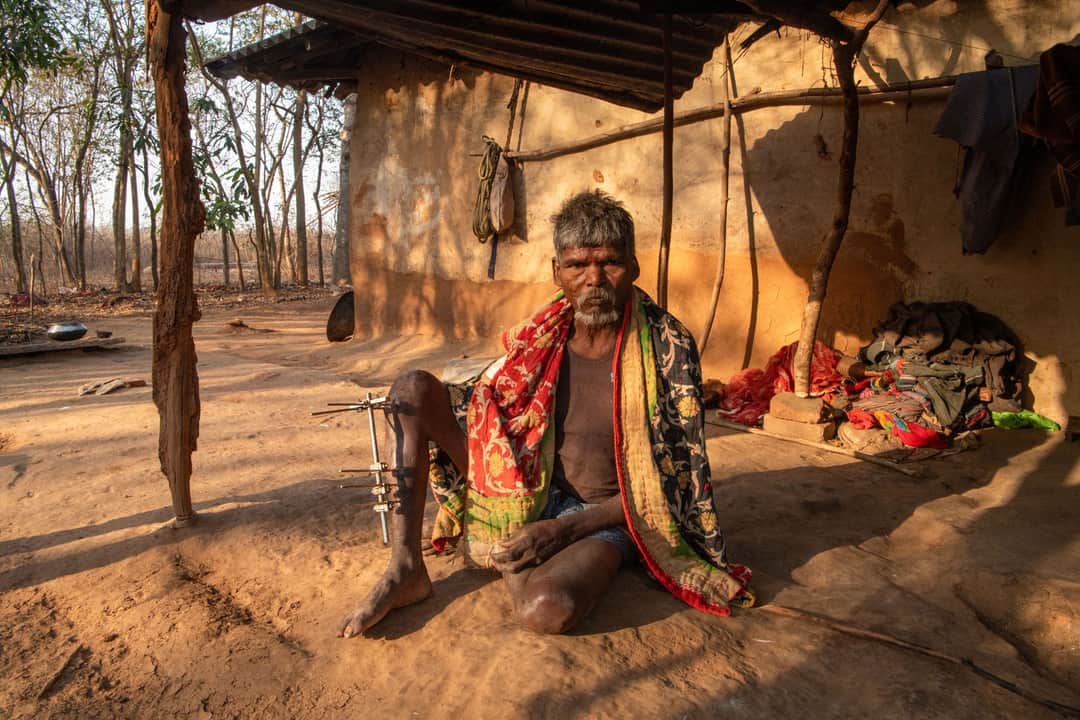
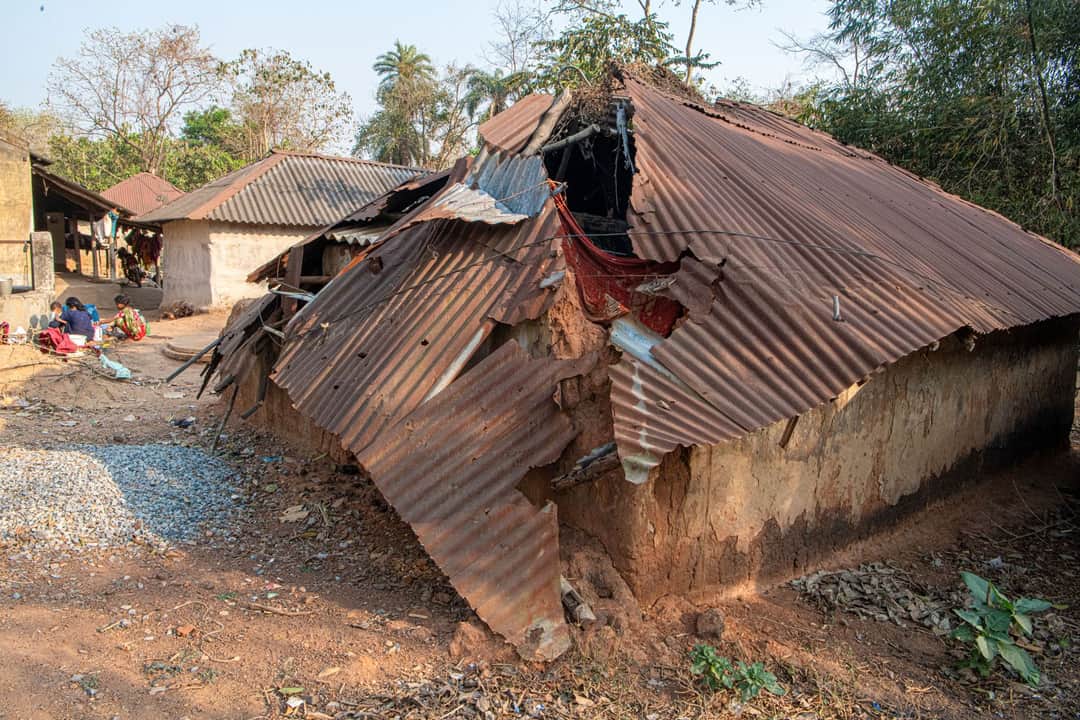
Their home is in Benasuli village of West Bengal’s Jhargram district – a community of largely Sabar Adivasi (listed as Savar in West Bengal). This tribal community is among the poorest and most deprived citizens of the country, living on the edge with hunger and malnutrition.
I have been visiting this region for many years to document Sabar people. Labelled ‘criminal tribes’ by the British, they were denotified in 1952. Very few have land and they rely on the forest to subsist. Read: Hunger in the belly of the beast
Each time I return, I note that their condition has not improved, not in years, and not in decades. To satisfy their hunger, local alcohol brewed from mahua (Madhuca longifolia) is a substitute for food it brings on a feeling of fullness. In fact, with rampant and rising alcoholism in almost every household (local liquor is brewed almost everywhere), malnourishment and anaemia have come to stay.