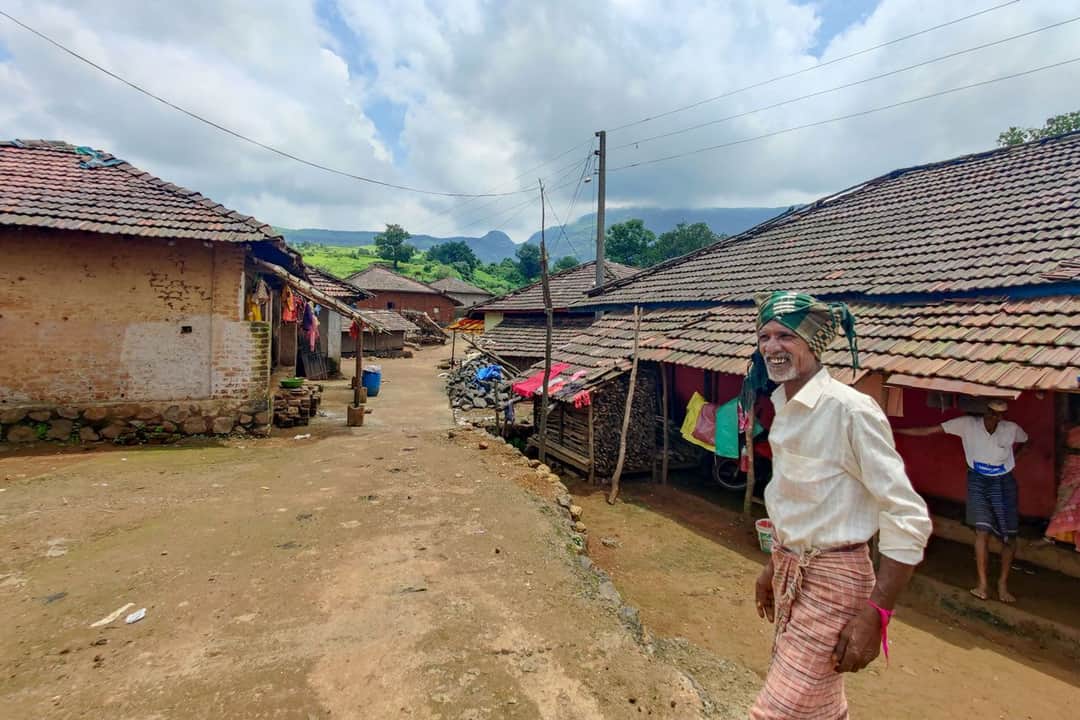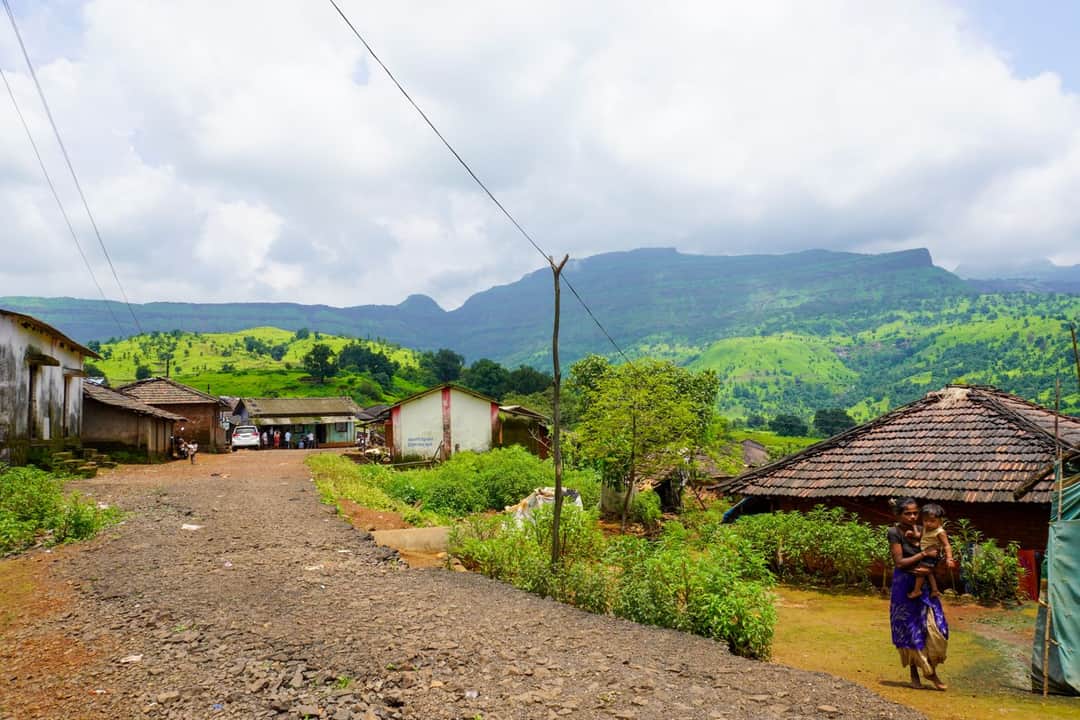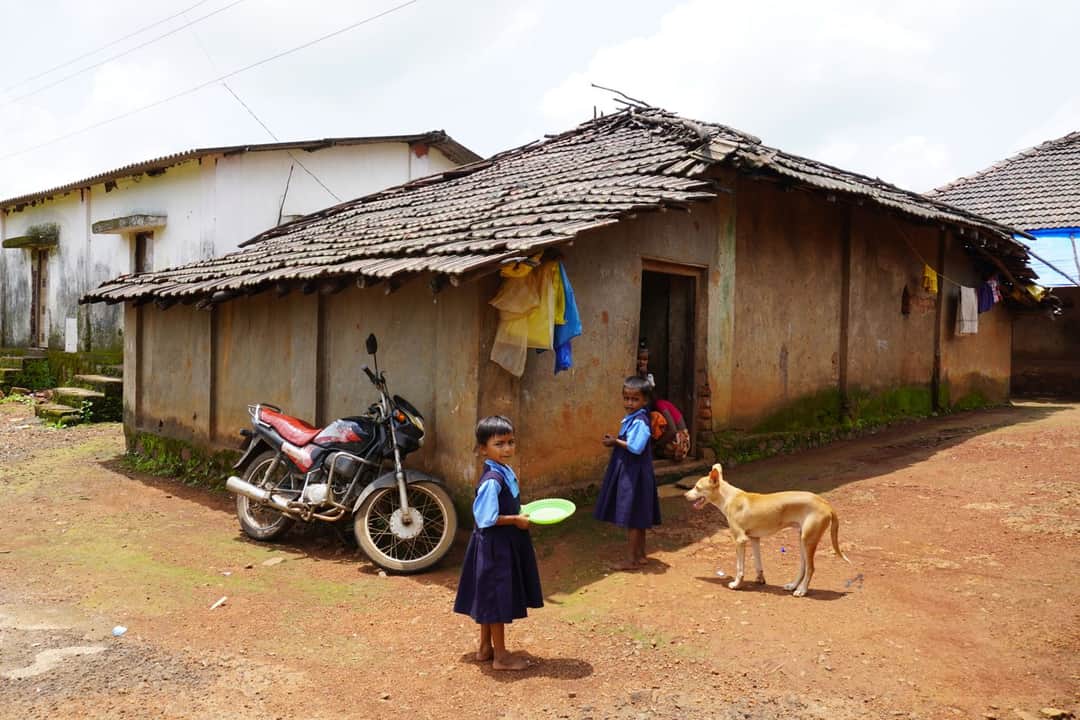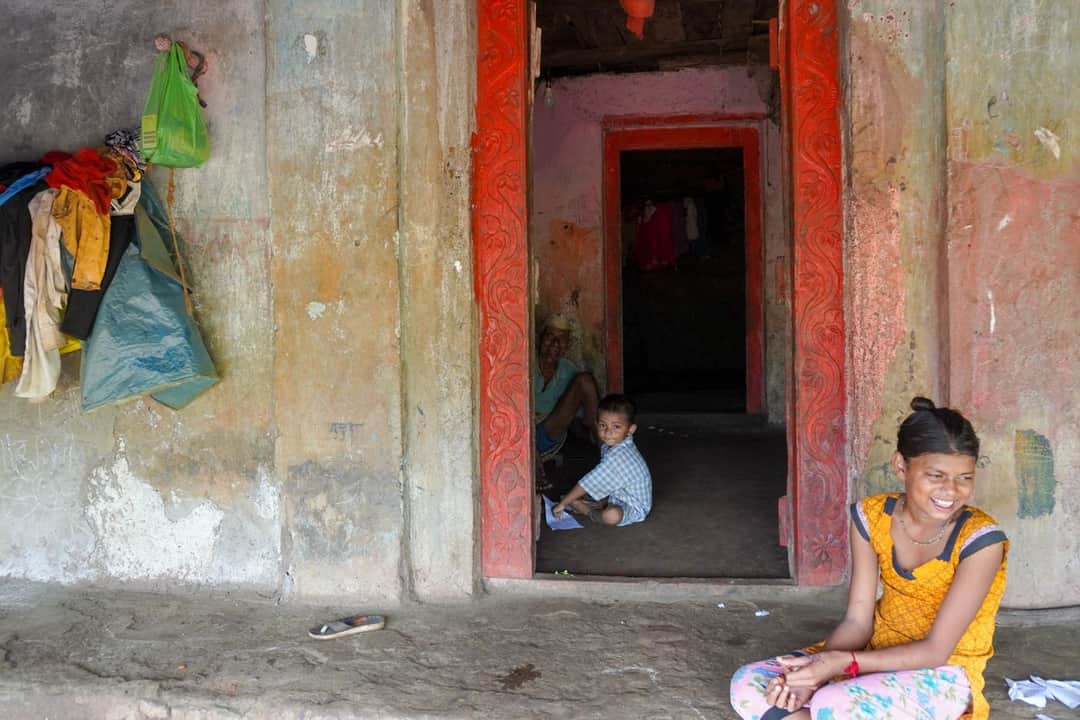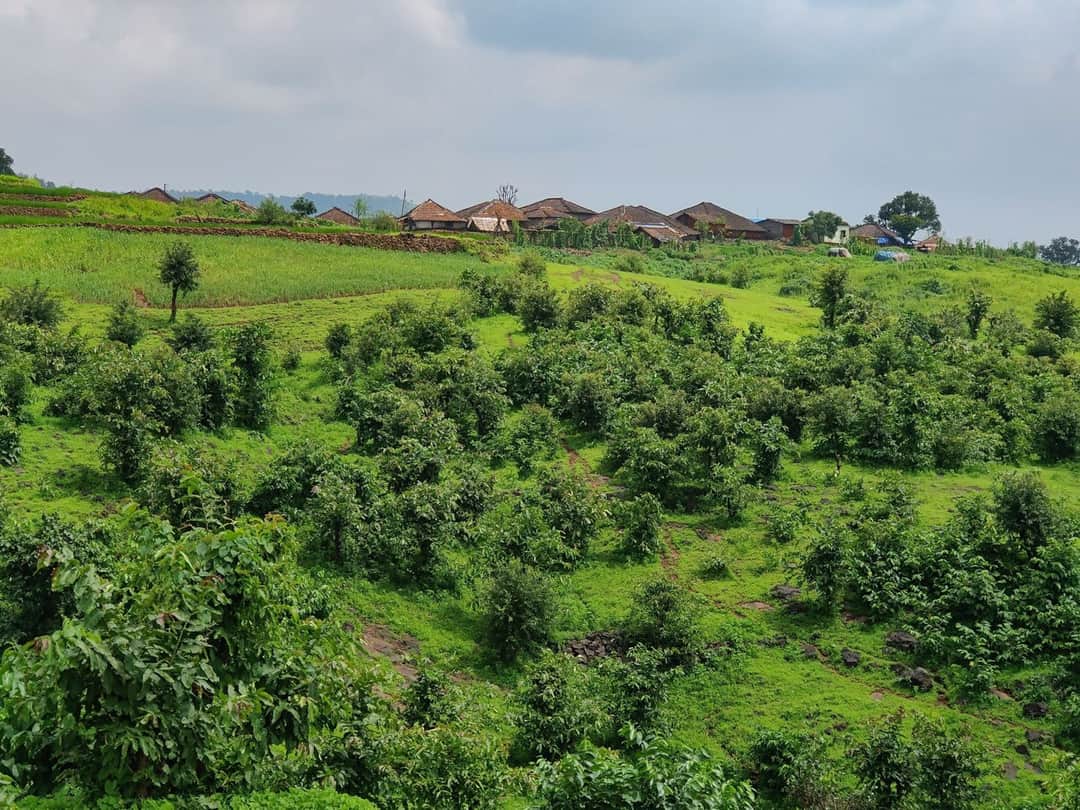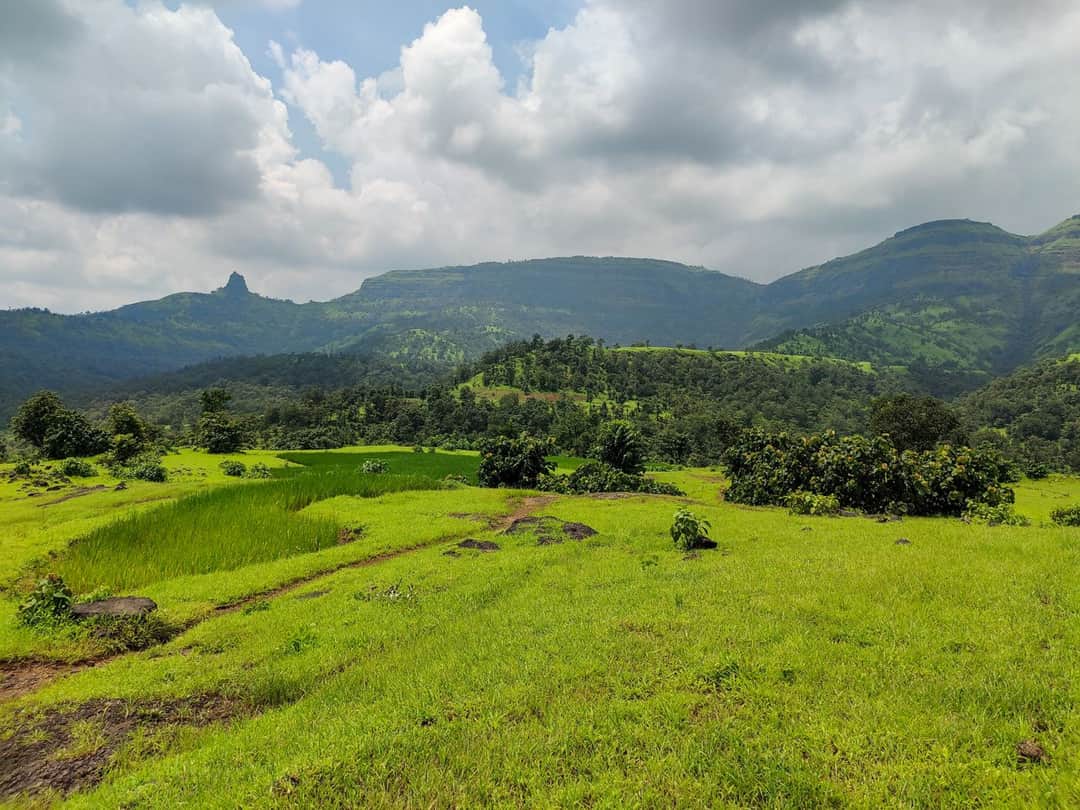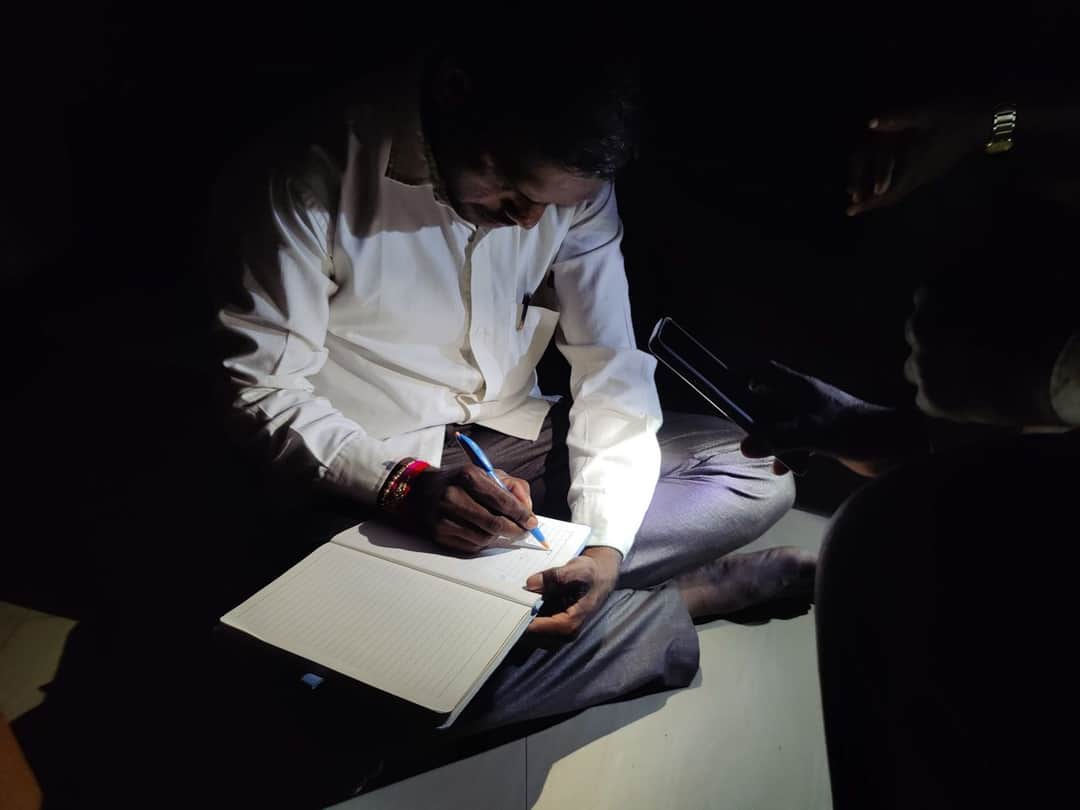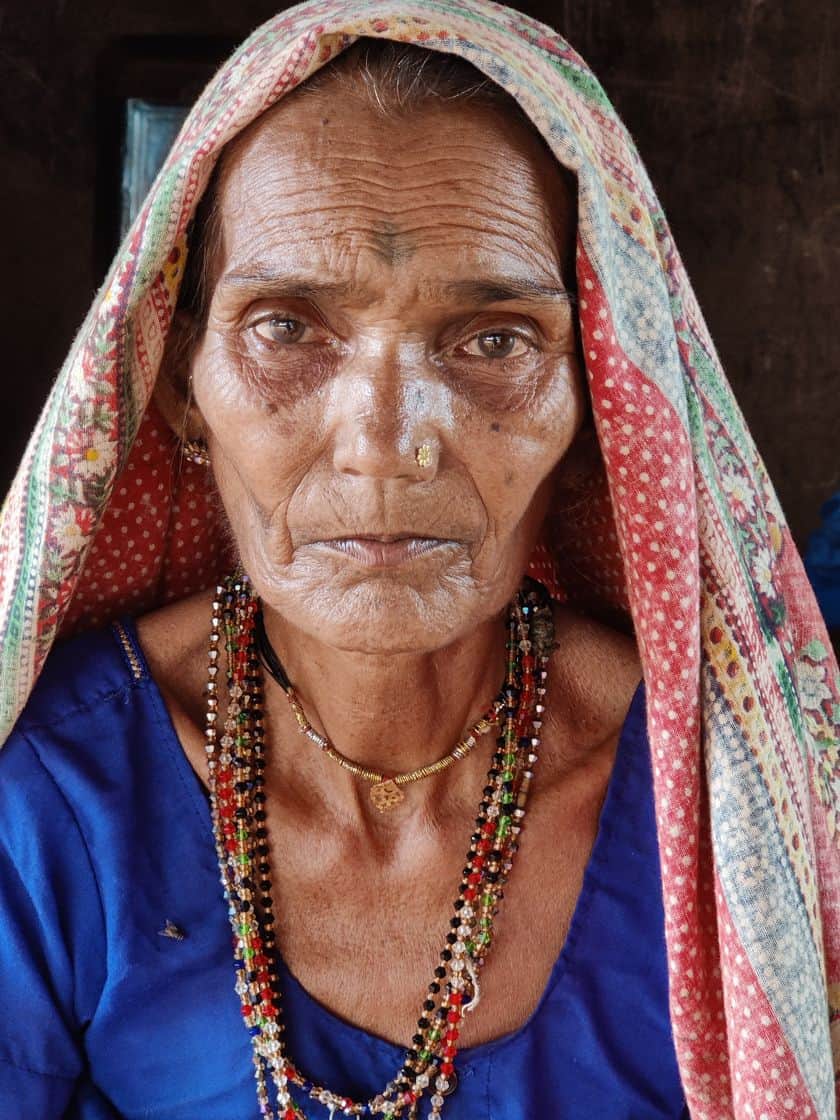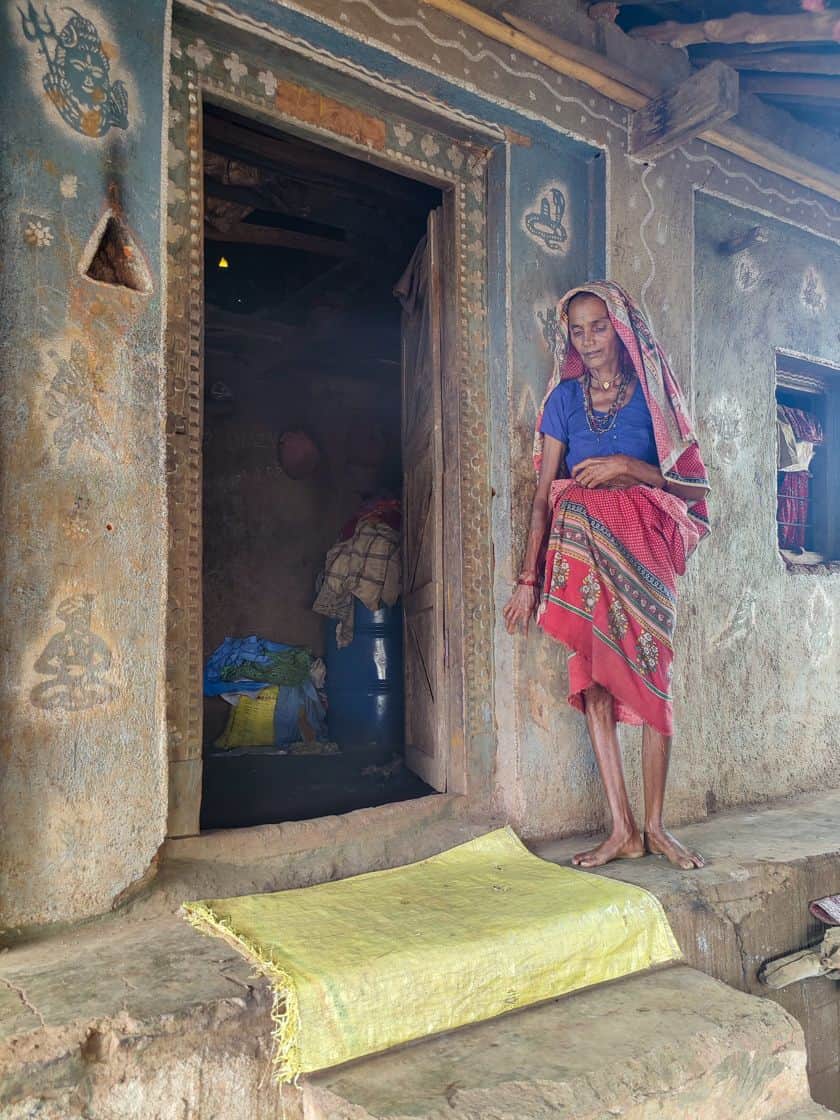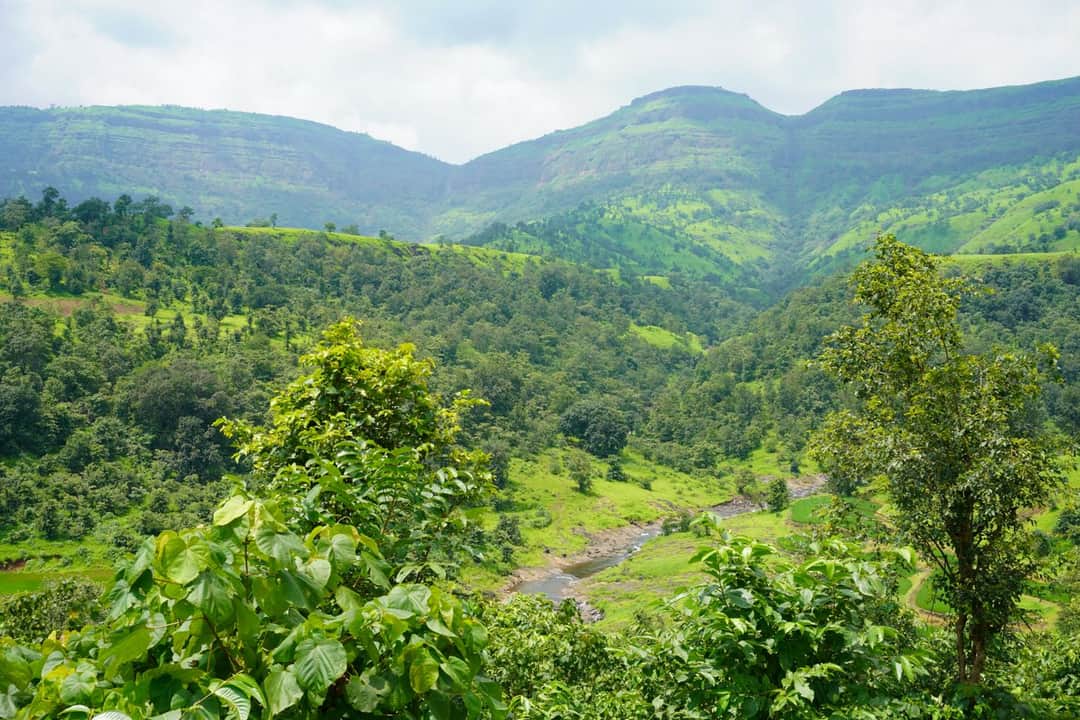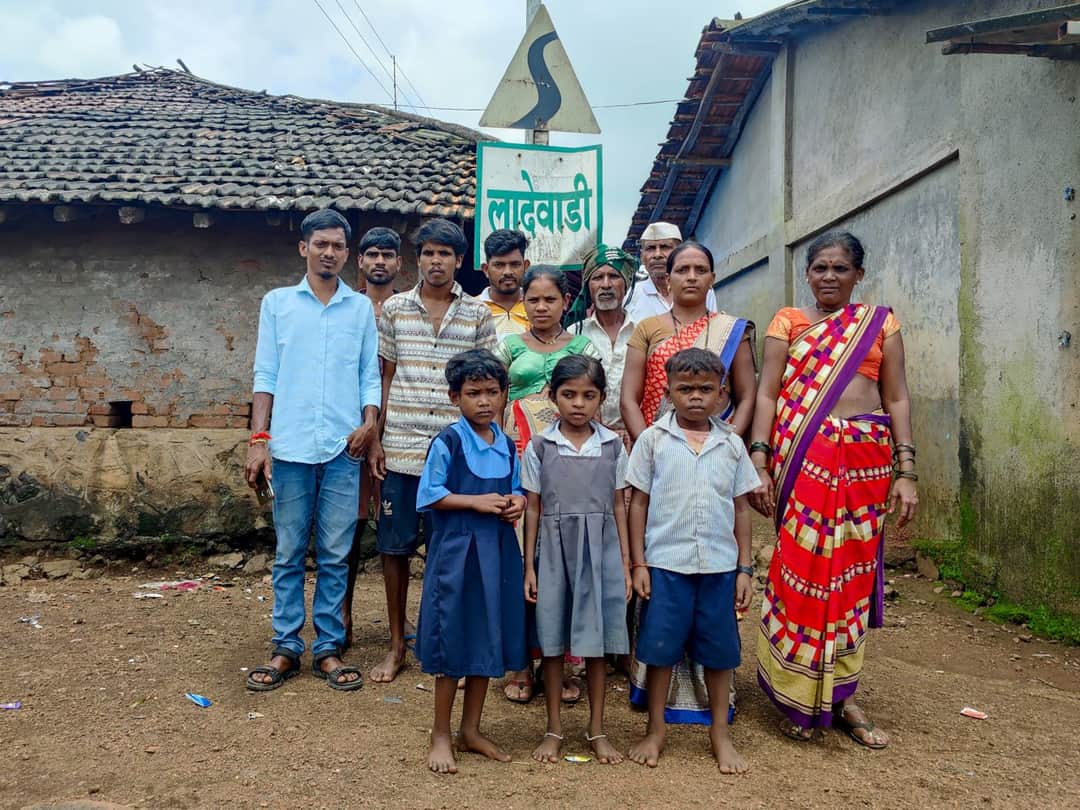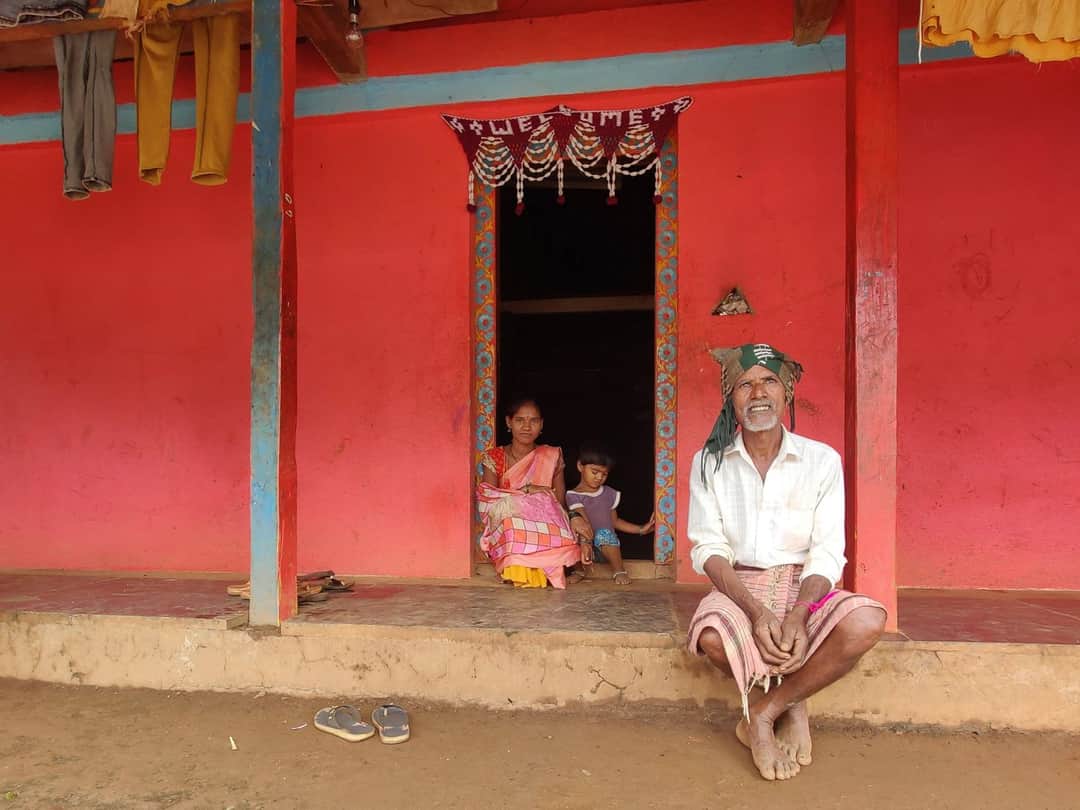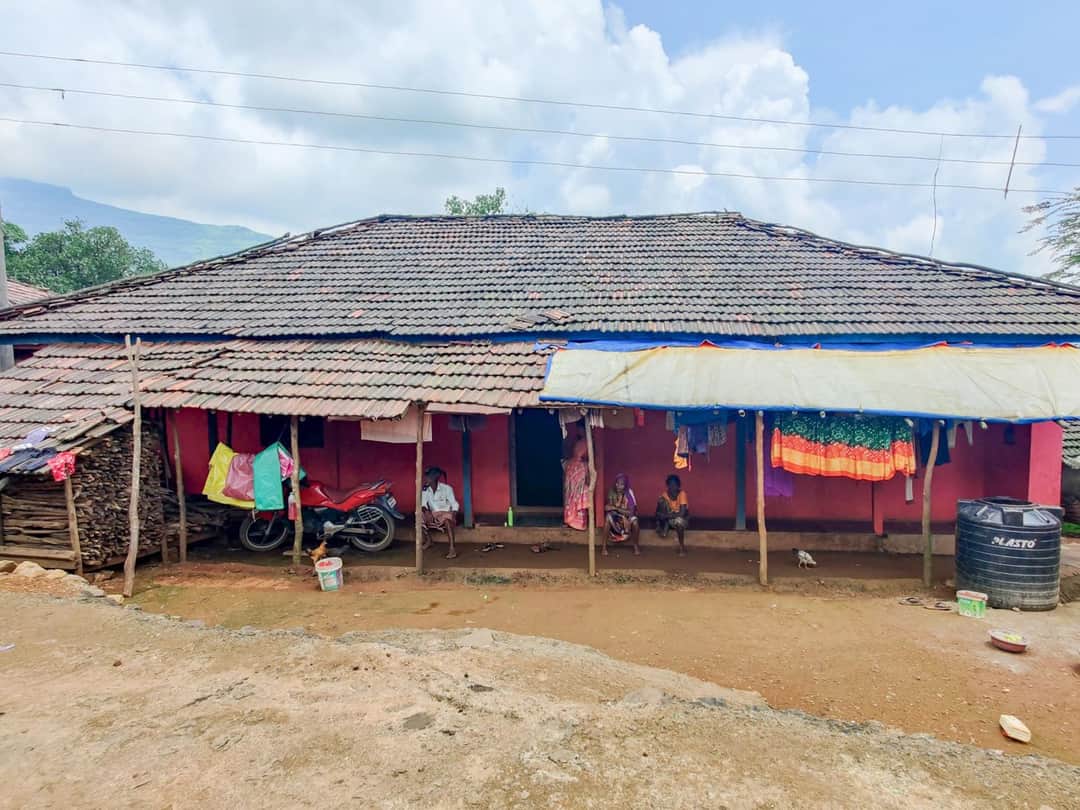

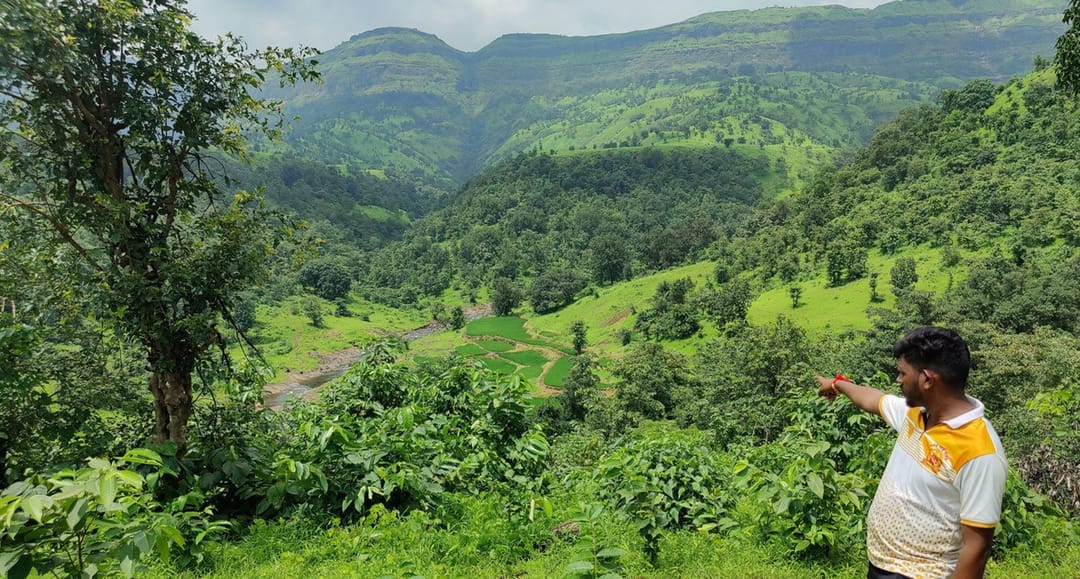
“I was born here. I grew up wandering in these jungles, this dongar [mountain],” Yema Songal’s smile never leaves his face as he introduces this reporter to his hamlet. Houses with red clay-tiled roofs encircled by the dense green Sahyadris – a serene blend of nature and human settlement. He’s unaware of it, but it is also a section of one of the world’s eight “hottest hotspots” of biological diversity.
Unfortunately, some 280 hectares of it could be underwater soon.
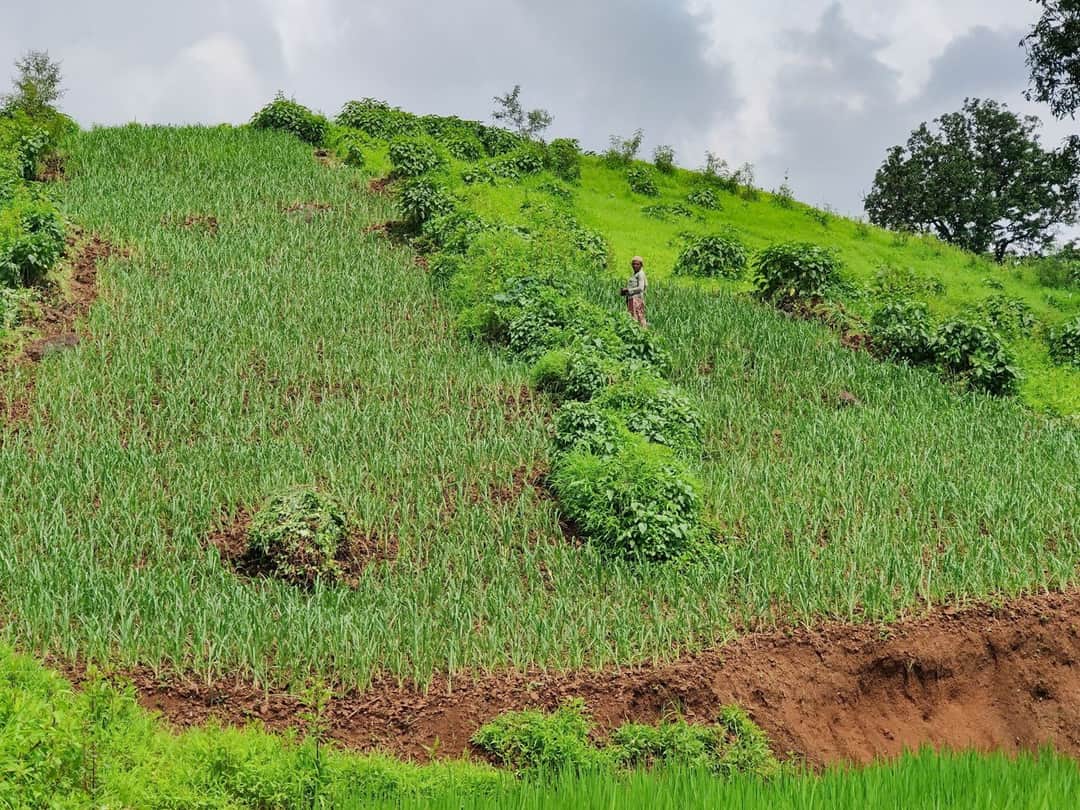
“Our farm is behind that dongar,” Yema gestures towards a hillock while standing in the front yard of his house in Maharashtra’s Ladewadi hamlet (Kalbhonde village gram panchayat). Every trip to their tiny farm to cultivate varai (barnyard millet) is a one-hour trek for him and his wife Suli – both Adivasis in their seventies. “It’s monsoon farming. We get 5-6 sacks [quintals].” That’s the total yield from this less than one acre farm which supports 15 family members – Yema, Suli, their four sons, three daughters-in-law and six grandchildren – until the next harvest a year away. The family depends as much on the forest as on the farm.
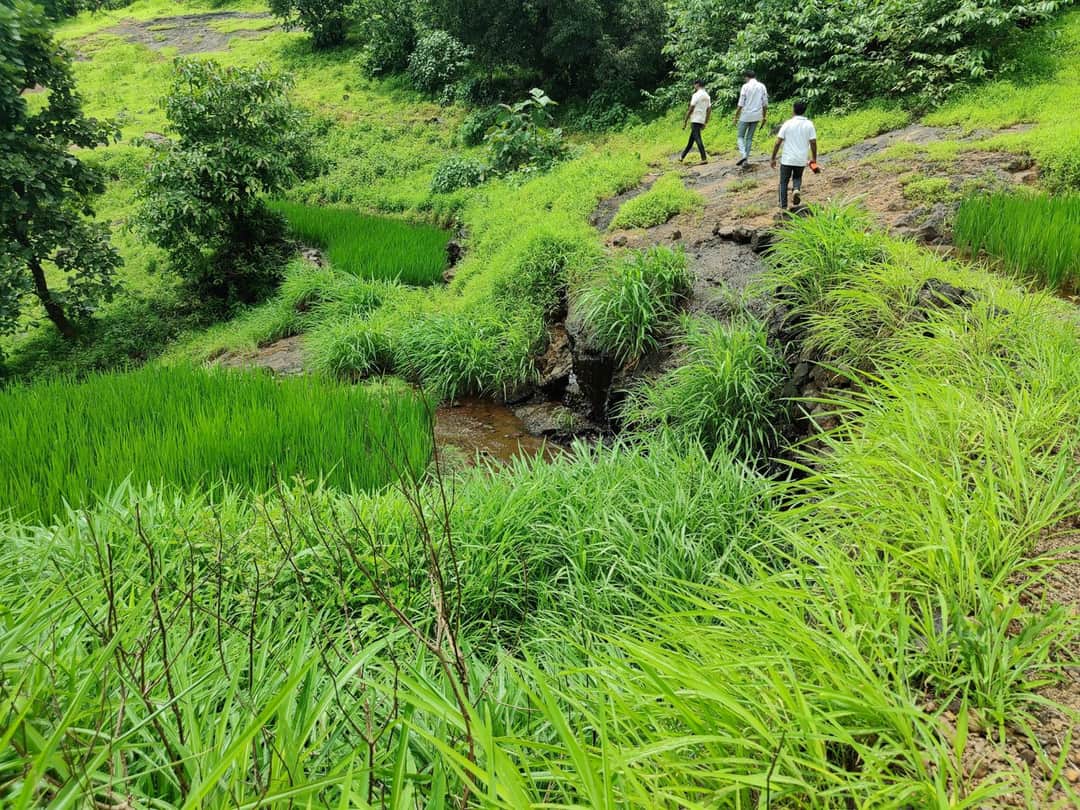
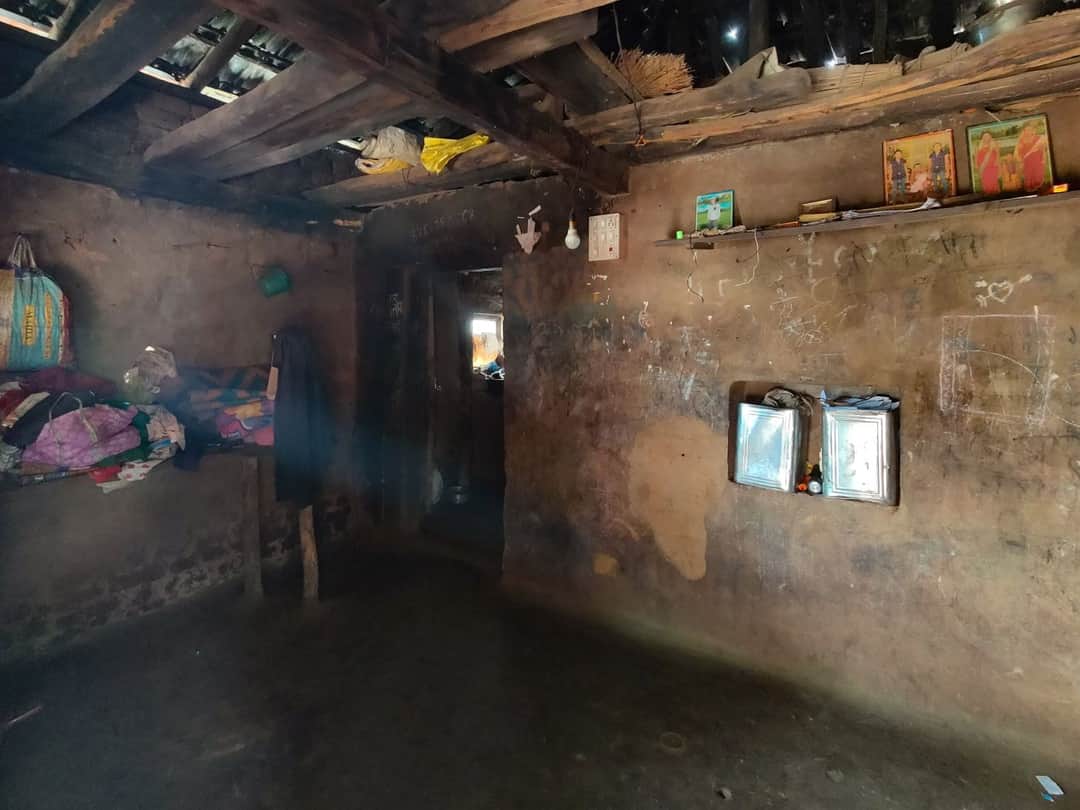
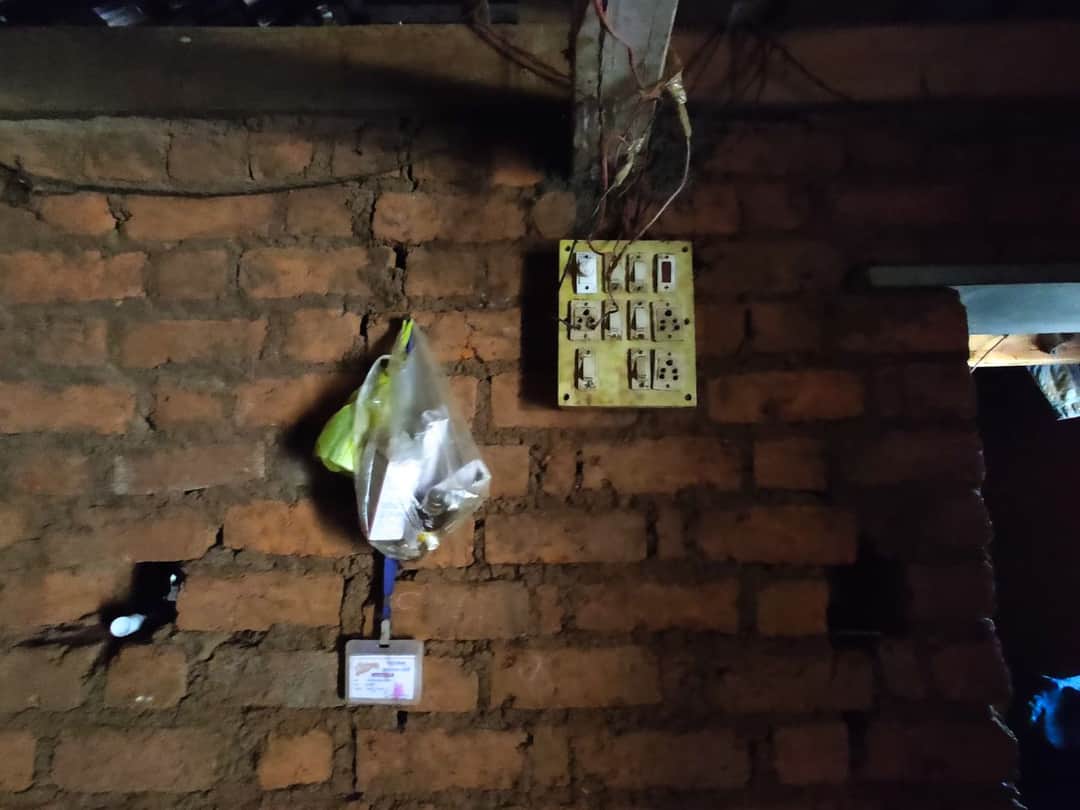
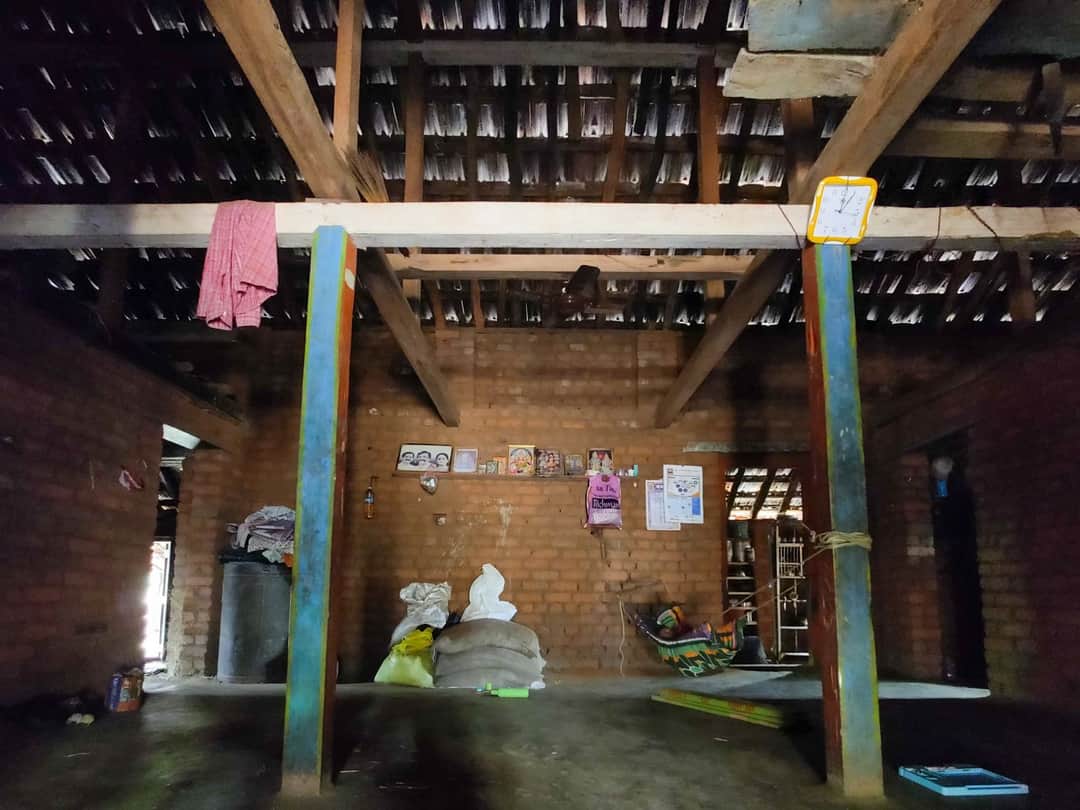
“The jungle also provides for us,” he adds. “Fruits, raankand [wild tubers], vegetables, medicinal plants to treat cold, fever, knee pain.” For Yema and his community of 97 families belonging to the Ma Thakur Scheduled Tribe, the forest is essential for survival here in Shahapur taluka of Thane district. “We don’t cut trees. We collect fallen branches for fuel. We build pucca houses with mud, bricks and forest wood; they last decades.”