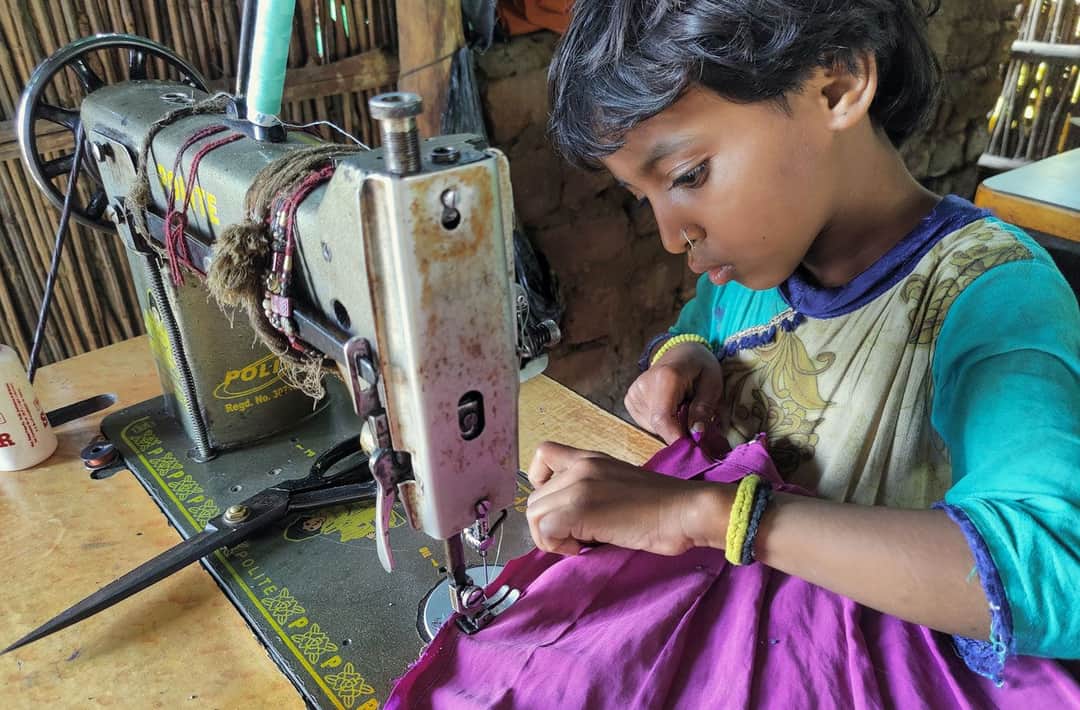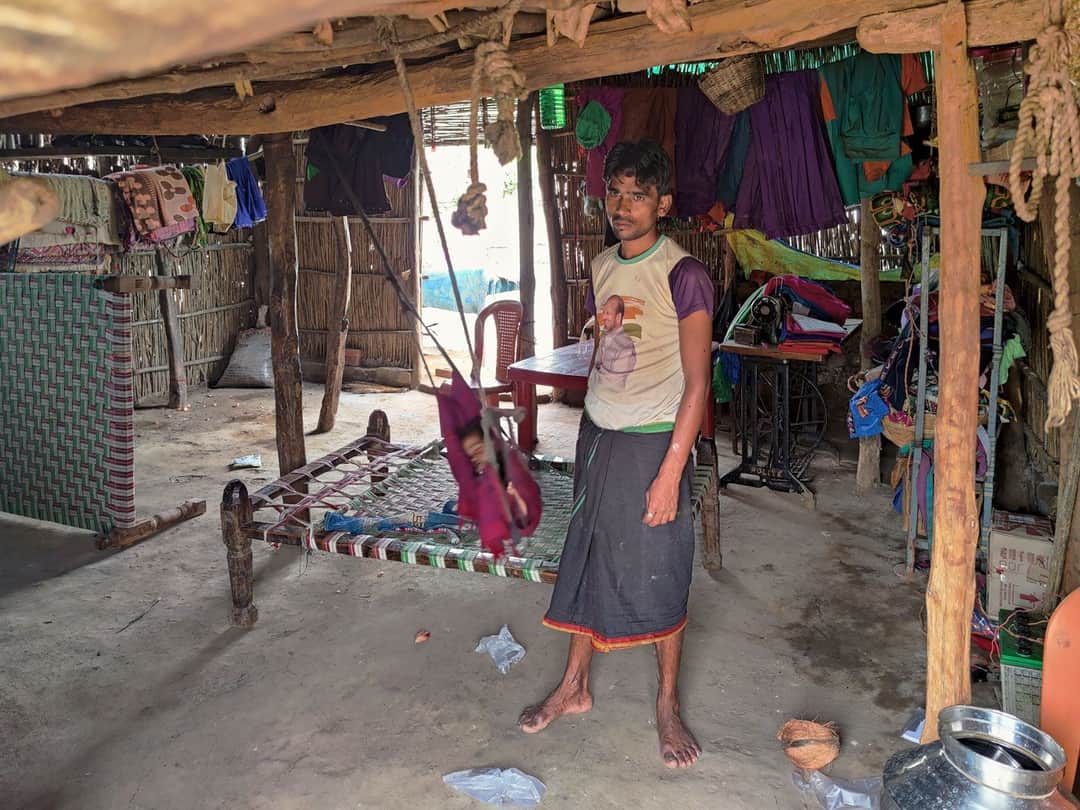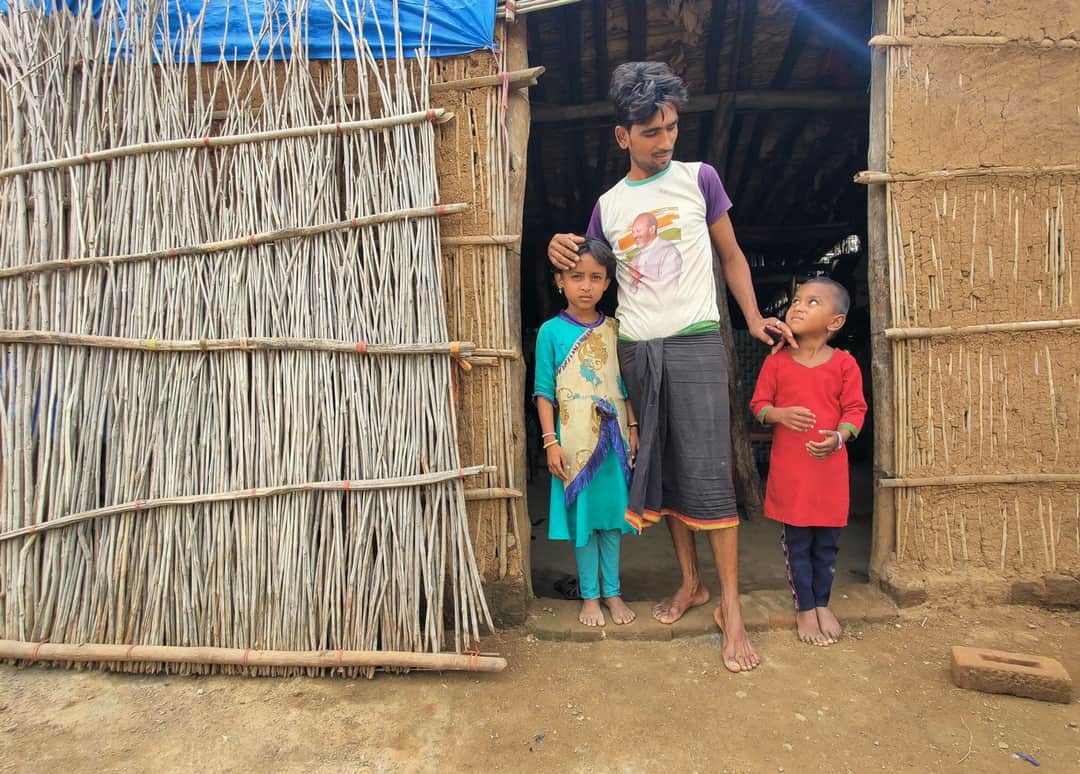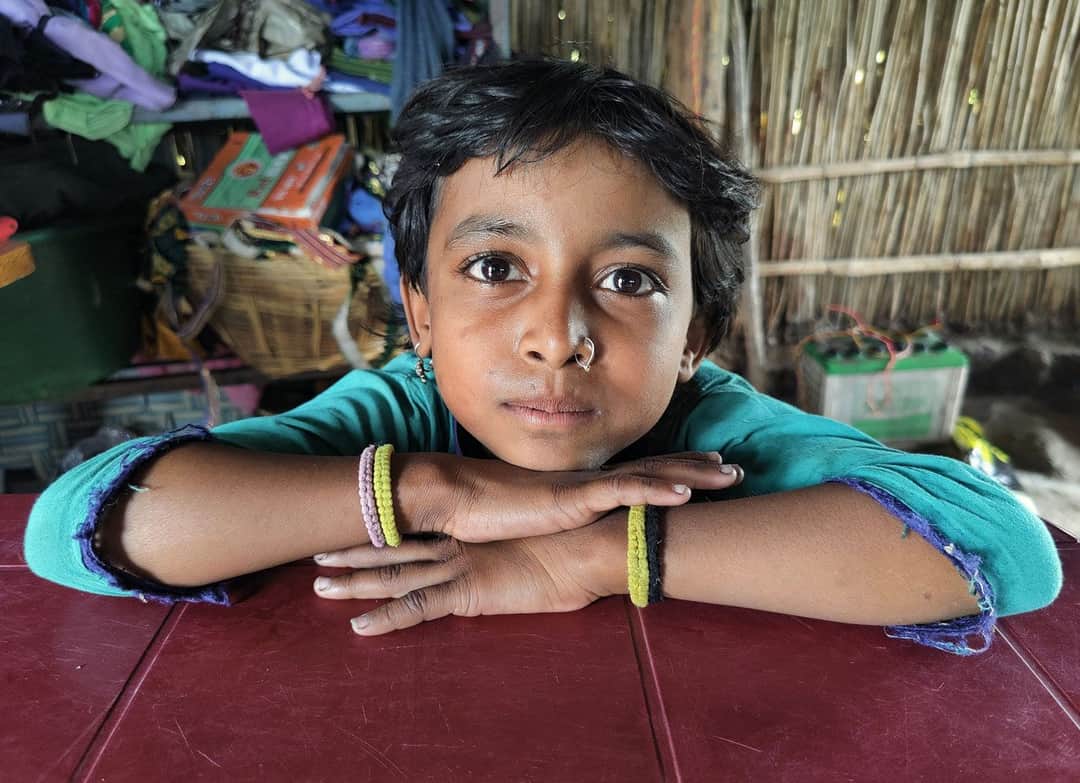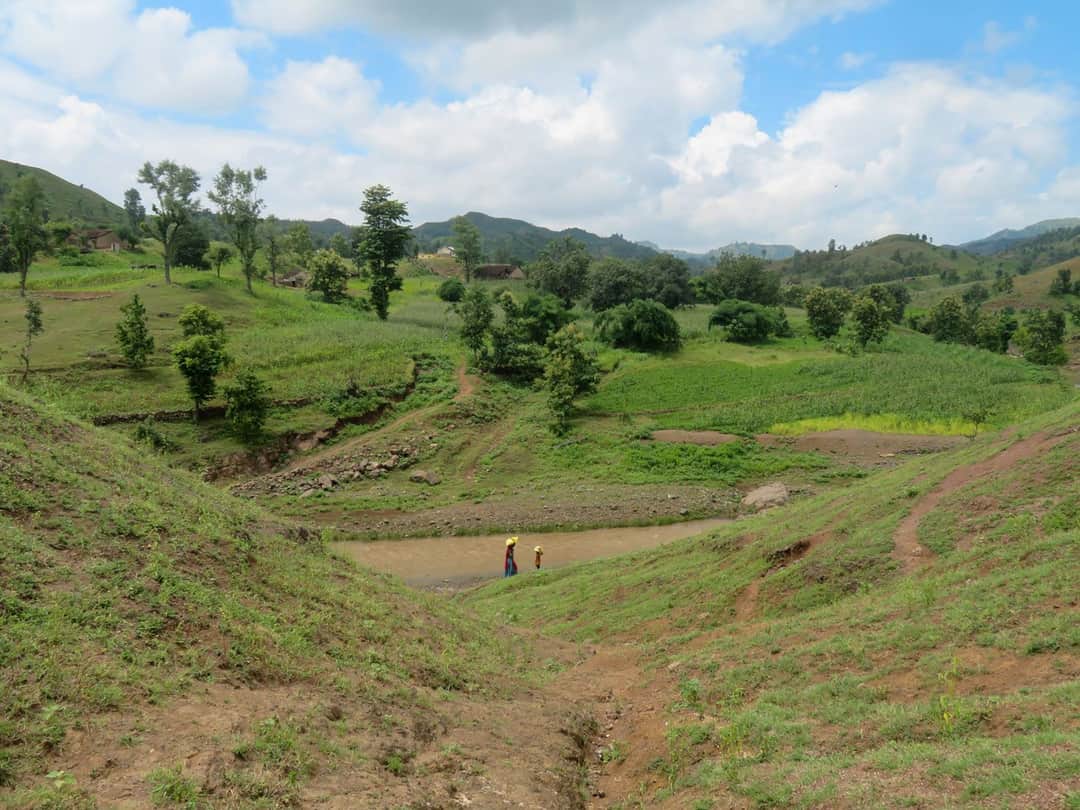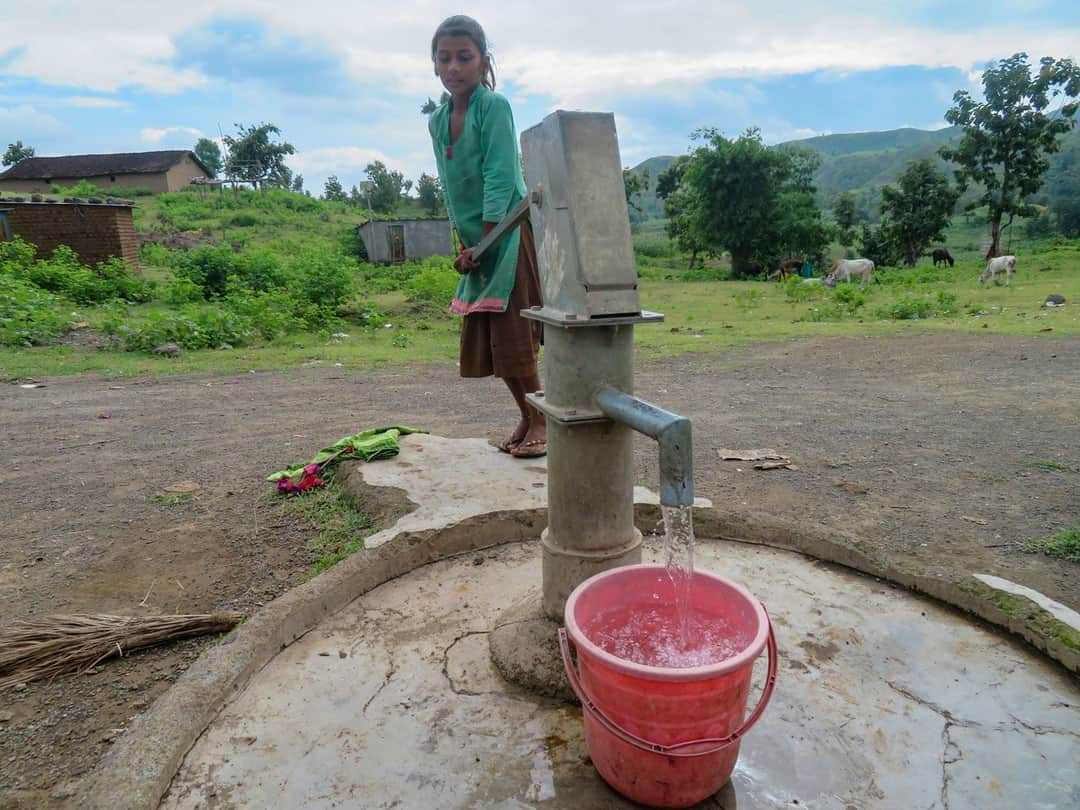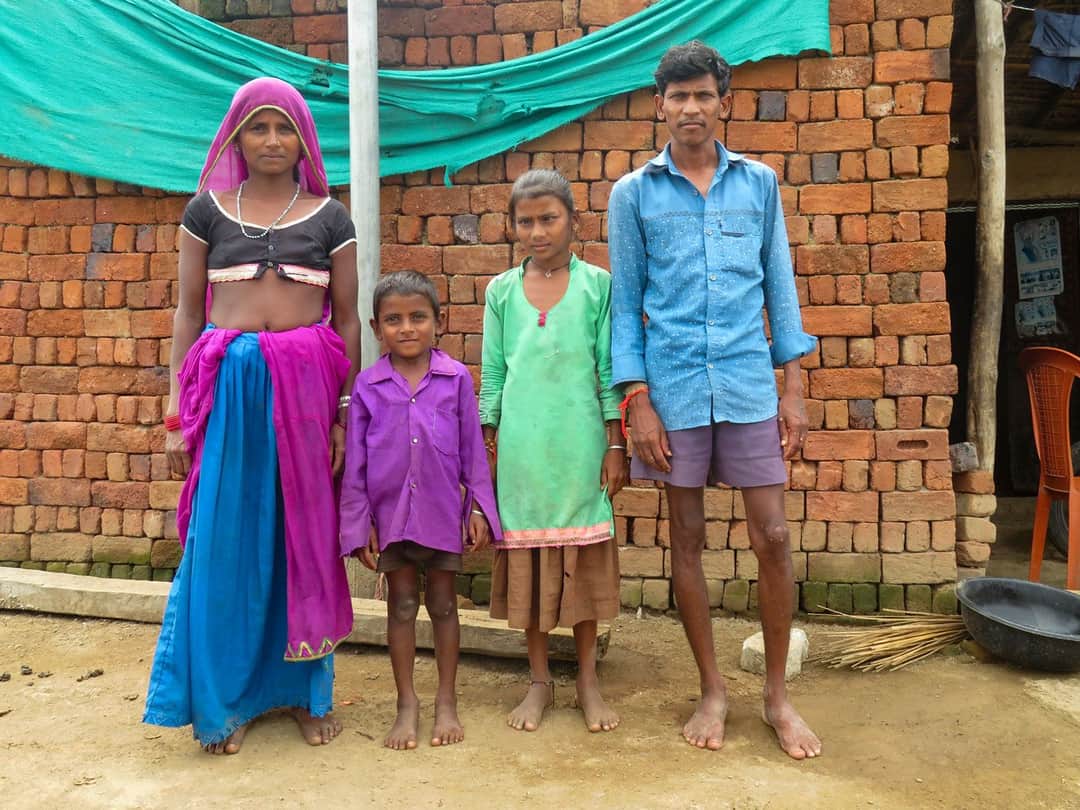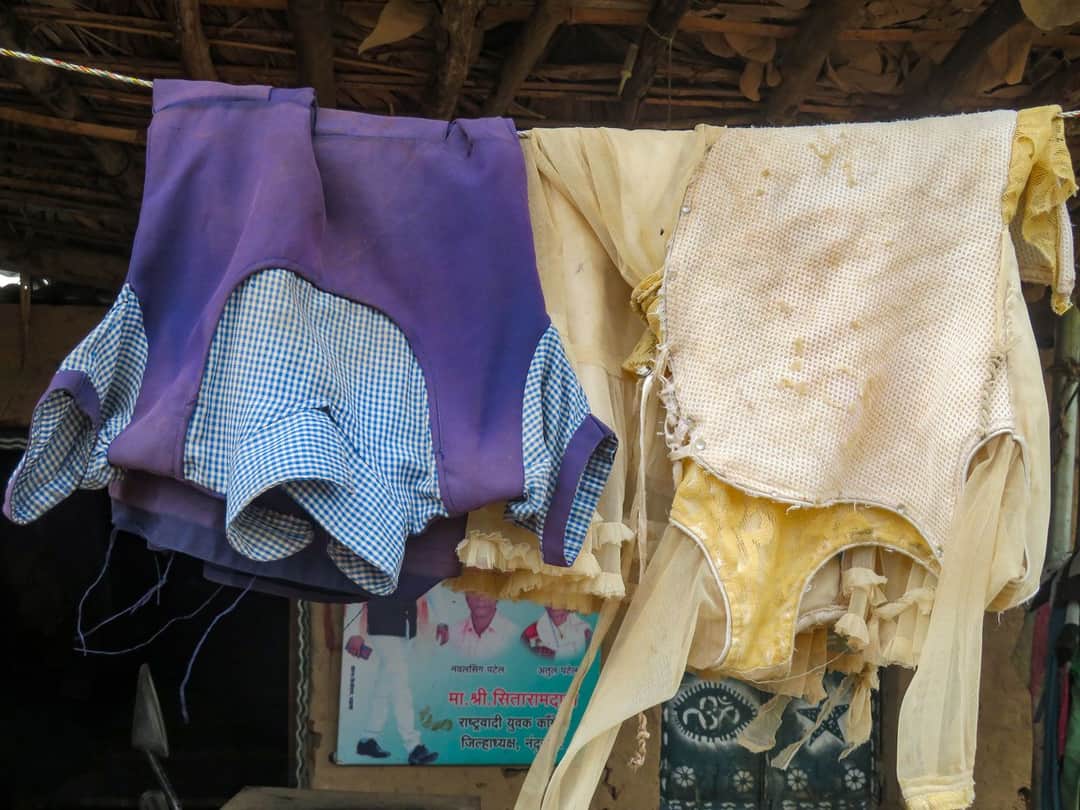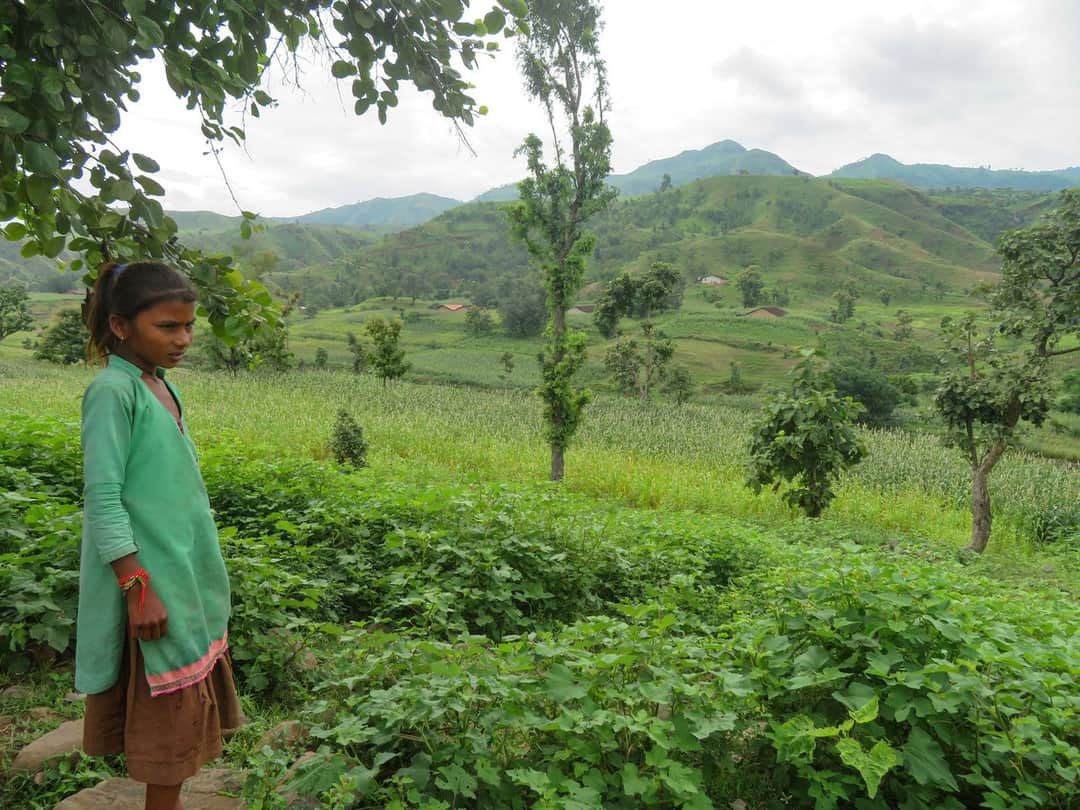

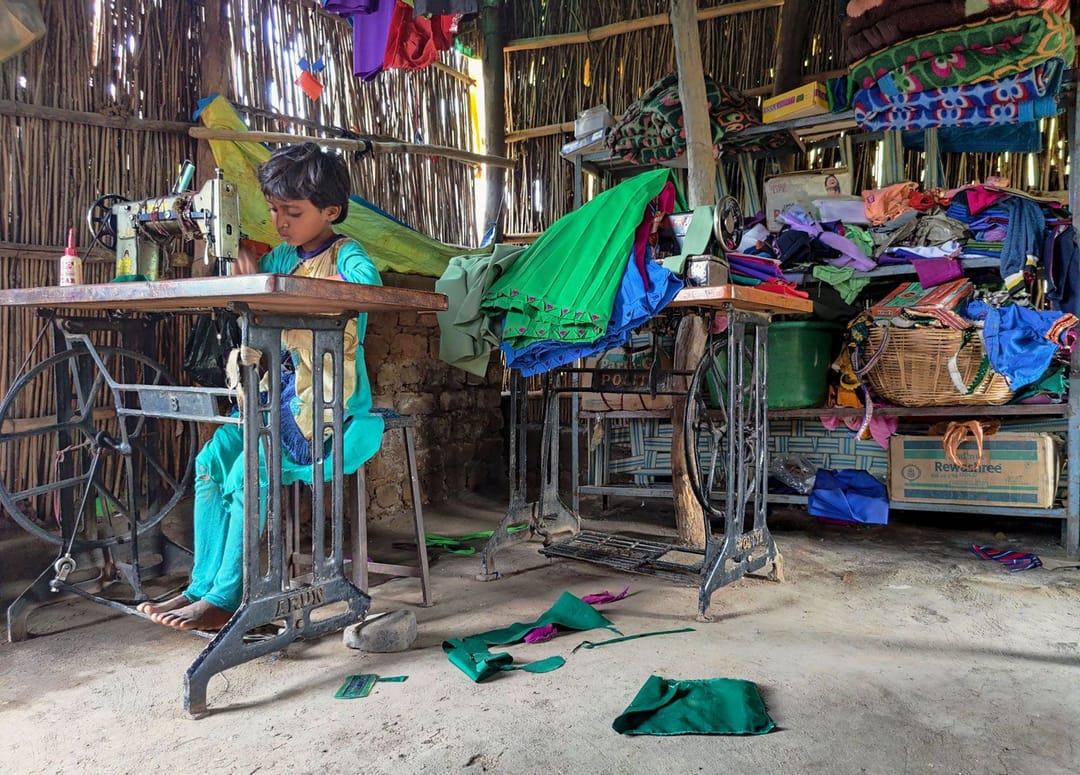
Inside a thatched hut in Phalai village, amid the Satpuda hills of north-western Maharashtra, eight-year-old Sharmila Pawra is sitting at her ‘study table’ with large scissors, fabric, needles and thread.
On the table is an old sewing machine, with a garment left incomplete the previous night by her father. She takes it up, fine-tuning with each seam and pedal her already considerable stitching skills.
This table has been her learning space in her remote village in the Toranmal region of Nandurbar district ever since her residential school closed in March 2020 due to the pandemic-lockdown. “I learned to operate the machine myself by just watching Ma and Baba stitch,” she says.
What she learnt at school though, Sharmila barely remembers after an over 18-month gap.
There is no school in Phalai. Hoping to give their kids a chance at an education, in June 2019, Sharmila’s parents had enrolled her in the Atal Bihari Vajpayee International Residential School in Nandurbar town, roughly 140 kilometres from their village. The school is one of around 60 ashramshalas (special schools across Maharashtra for children from Scheduled Tribe communities) run by the zilla parishad and affiliated to the Maharashtra International Education Board. Constituted in 2018, the Board claimed to provide ‘international level’ education, designed locally and delivered in the Marathi medium. (The board has since been disbanded, and the schools now come under the state board.)