
Note: this is the first of a series on the state of rural health in India.
In the small farming village of Malajpur, two teenagers – Savi Dhurve, 17, and Asha Korku, 16, (names changed) — have formed an unlikely friendship. They met earlier this year at the temple fair here, where both families had brought them to undergo a local exorcism ritual. Both teenagers and their families believe they are under the spell of a demon.
“I used to get thrown around the room and have fainting fits. I would be contorted in pain and wake up not remembering anything,” Savi says by way of explanation. “Same,” chimes in Asha before Savi can end her sentence. “I wouldn’t remember anything either.”
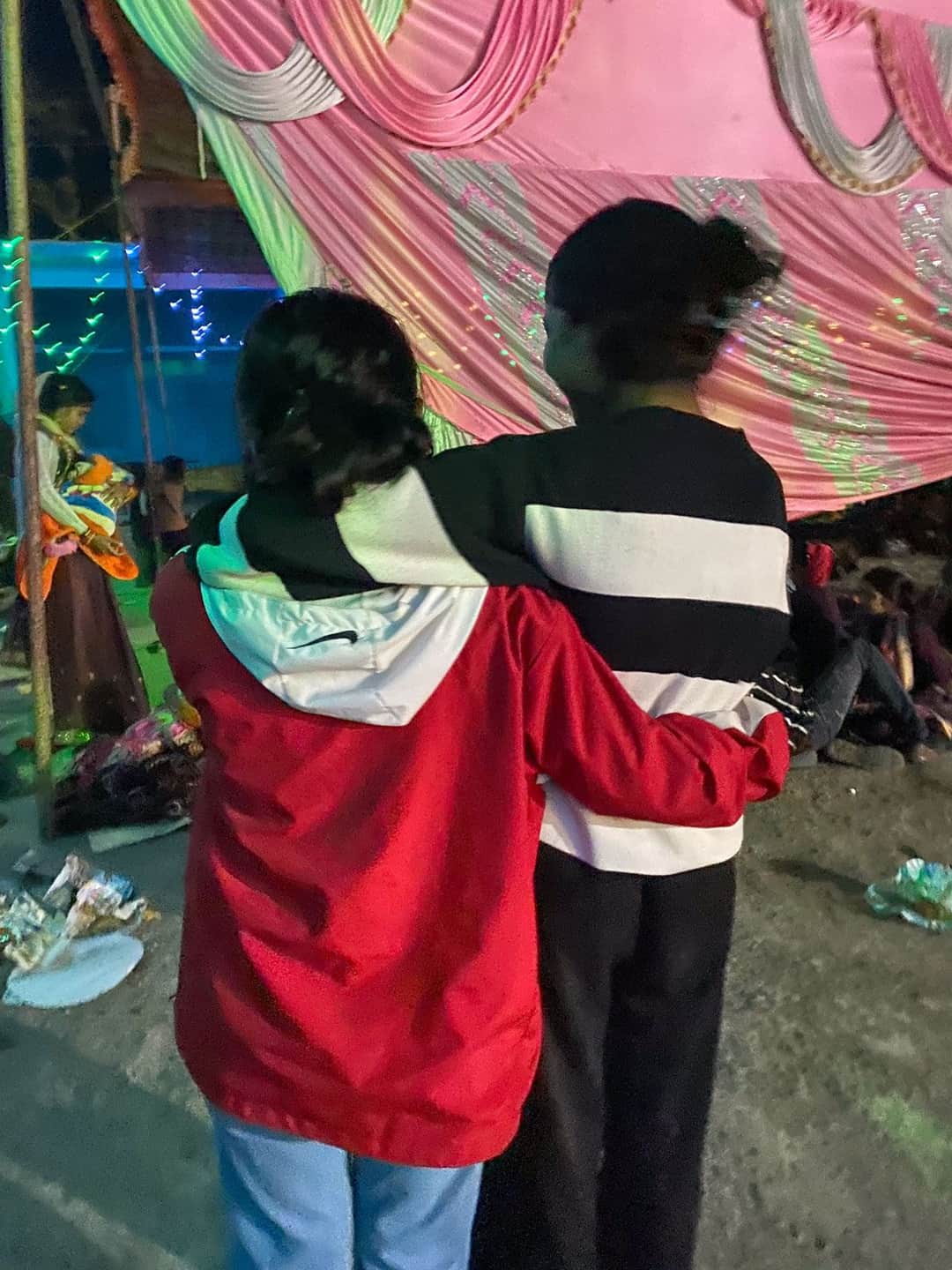
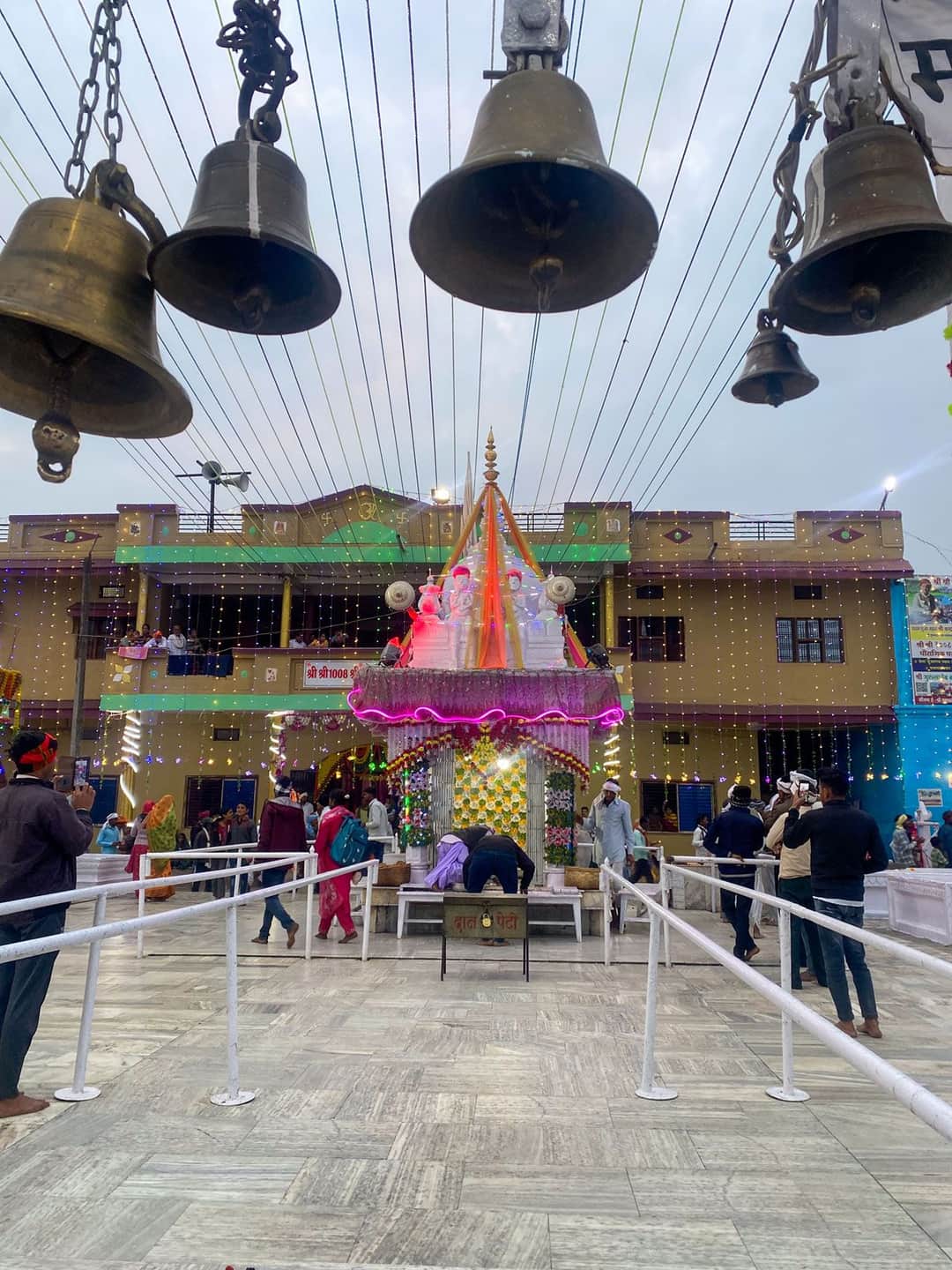
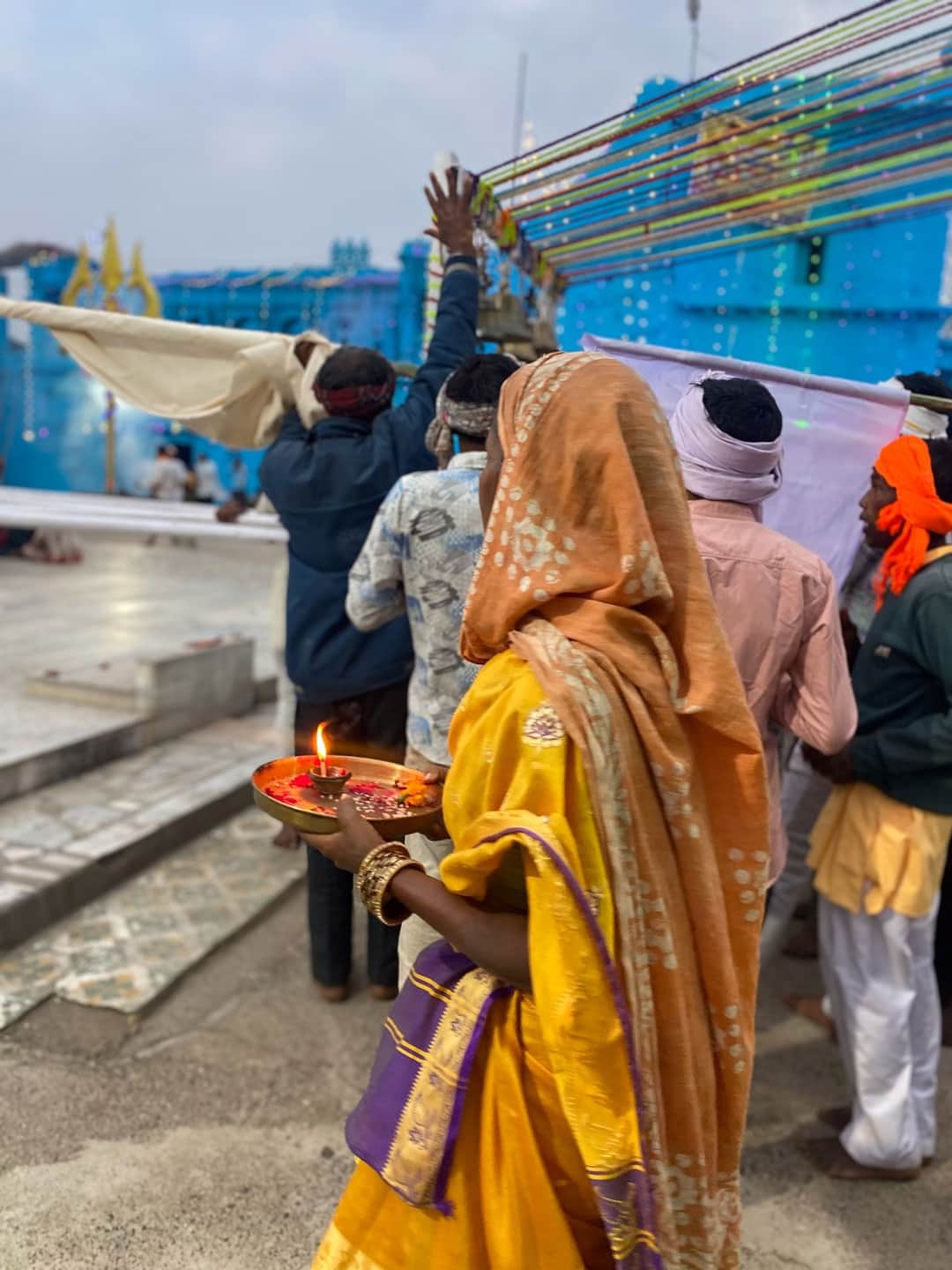
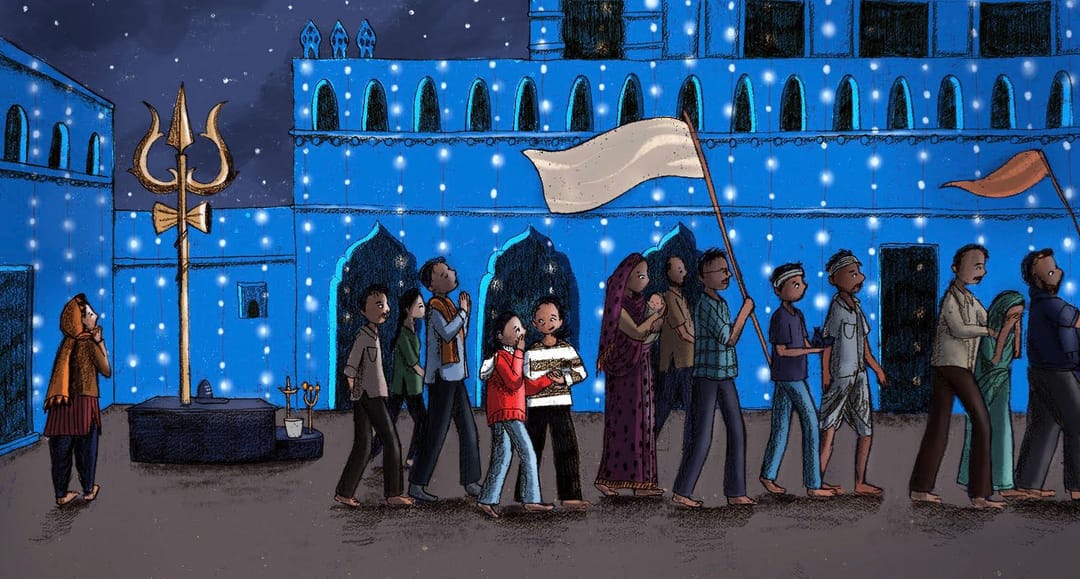
They look at each other and laugh – at nothing, at everything. It is the familiar best friend-chaos-energy that teenagers tend to have. The two girls have been living inside the temple premises for nearly a month. Over that time, they have become inseparable – sitting shoulder to shoulder during aarti, whispering jokes during parikramas around the deity inside the sanctum, speaking in a jumble, for and over each other.
Savi looks at Asha fondly and says, “she gets affected easi…”
“– I can’t explain it –”
“– you’ll see during the aarti –”
“– but I’m much better now – " Asha concludes, implying that the month at the temple has helped her condition.
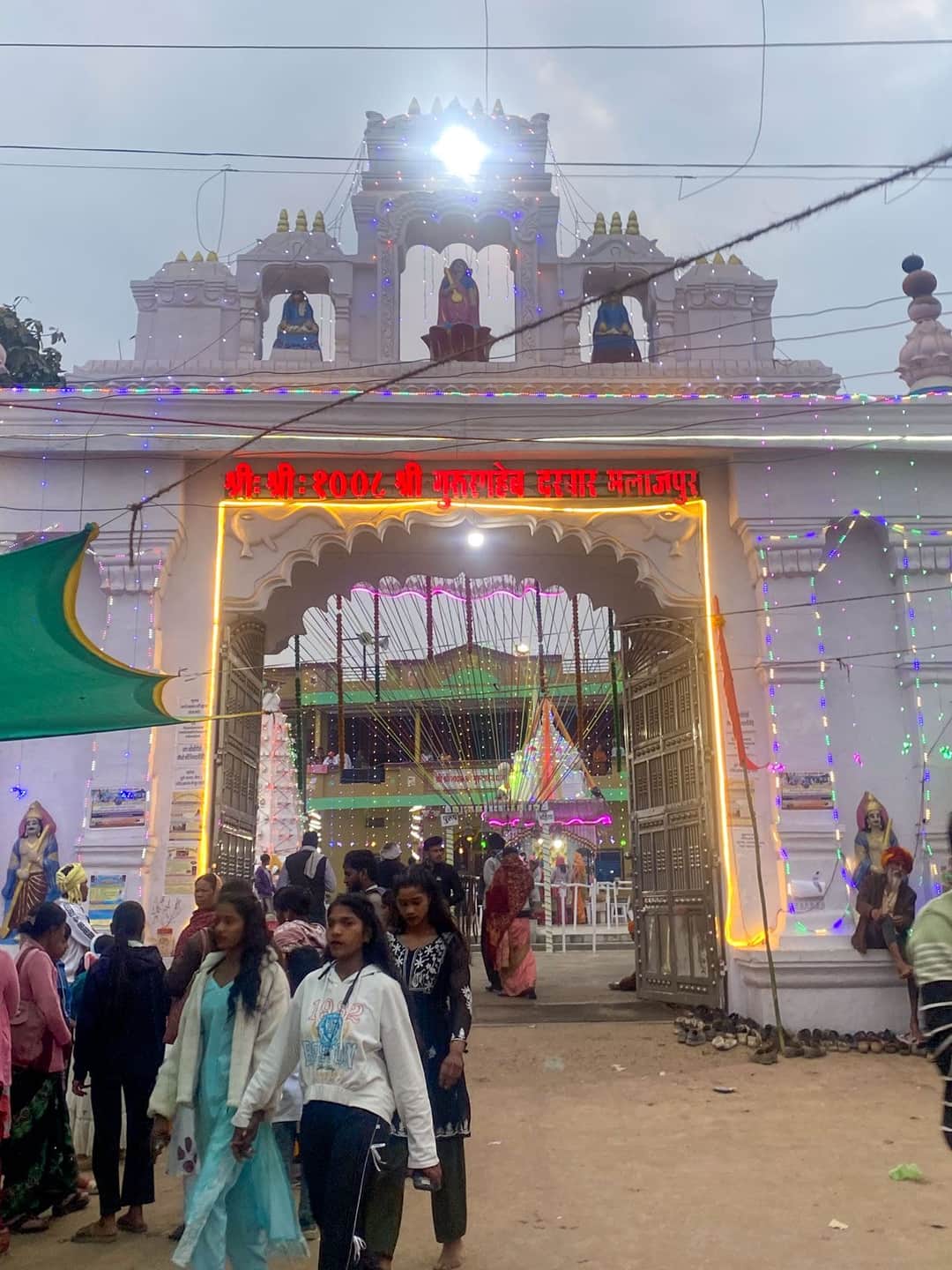
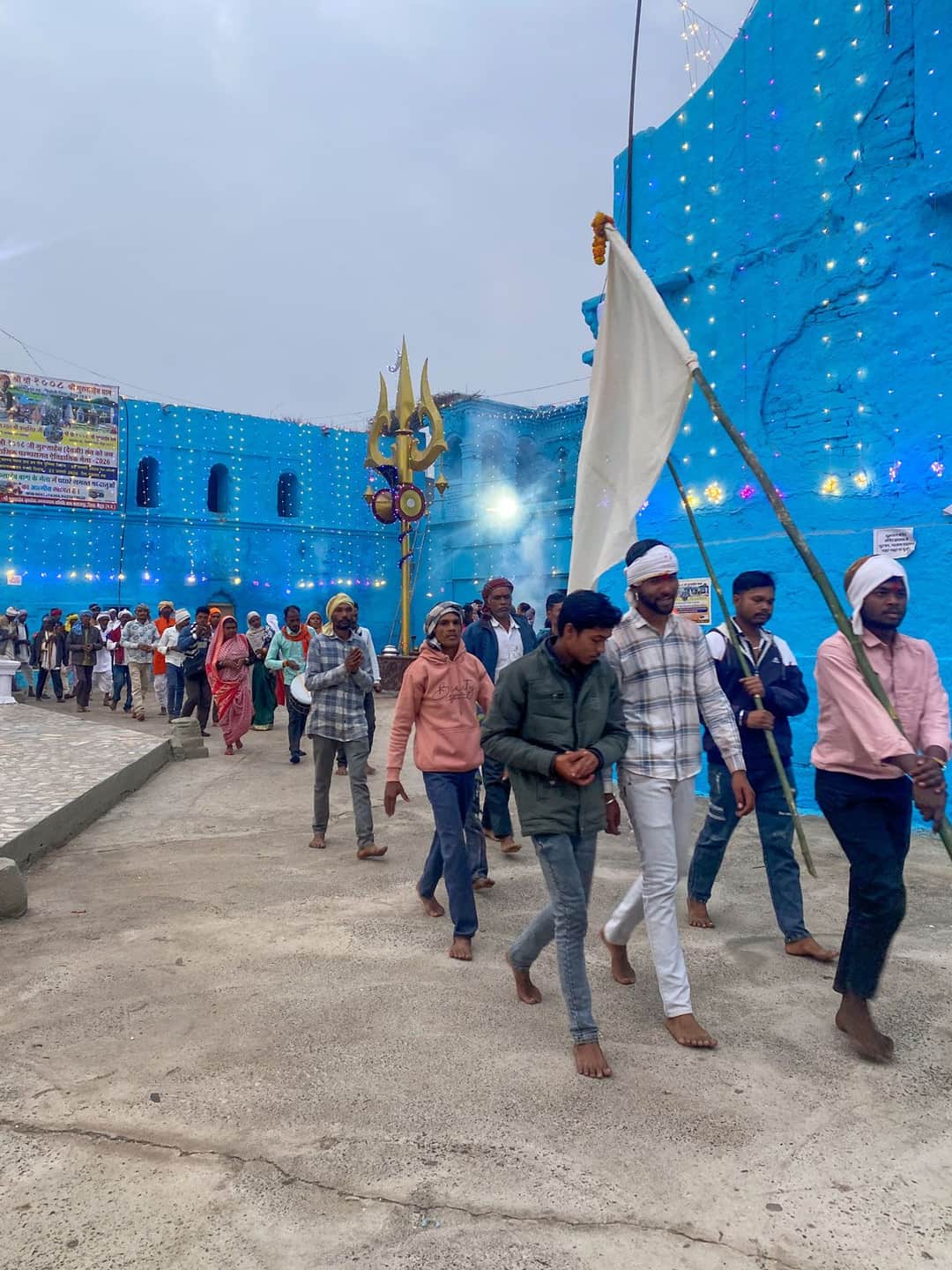
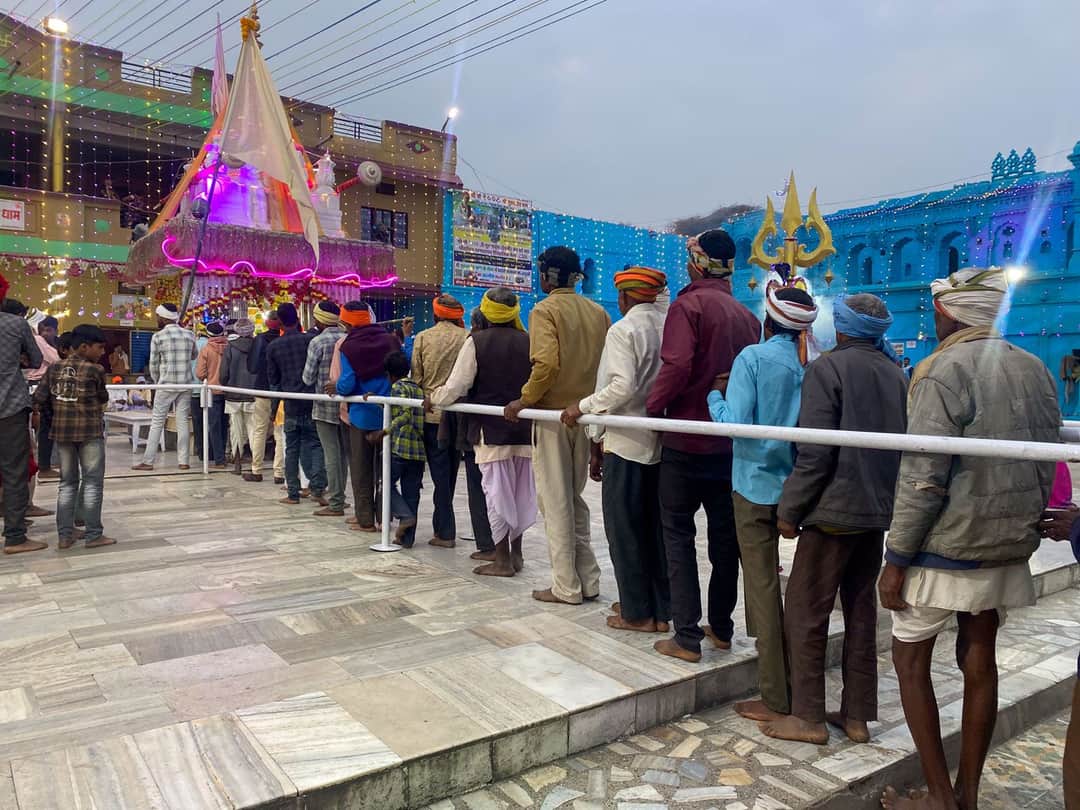
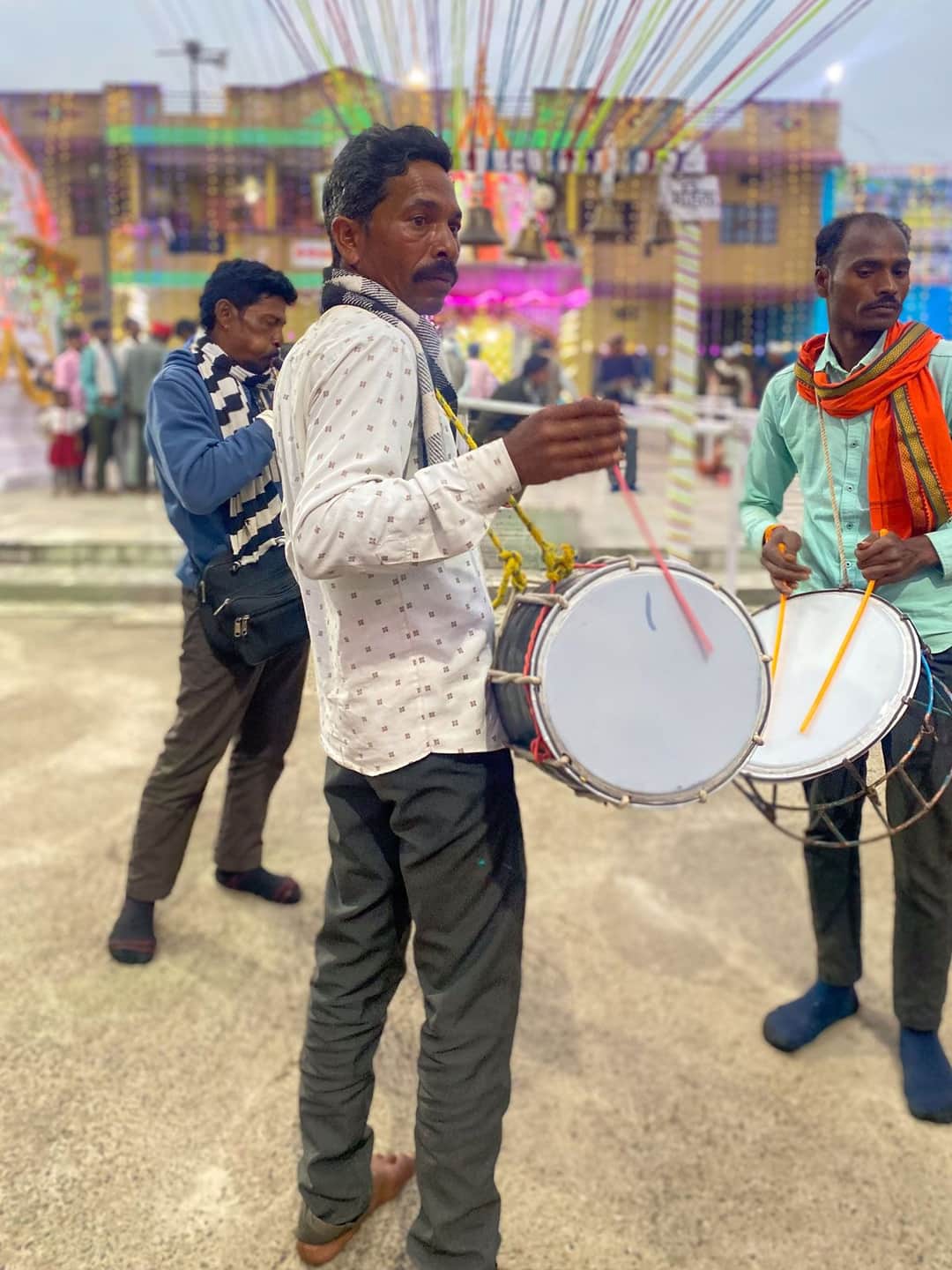
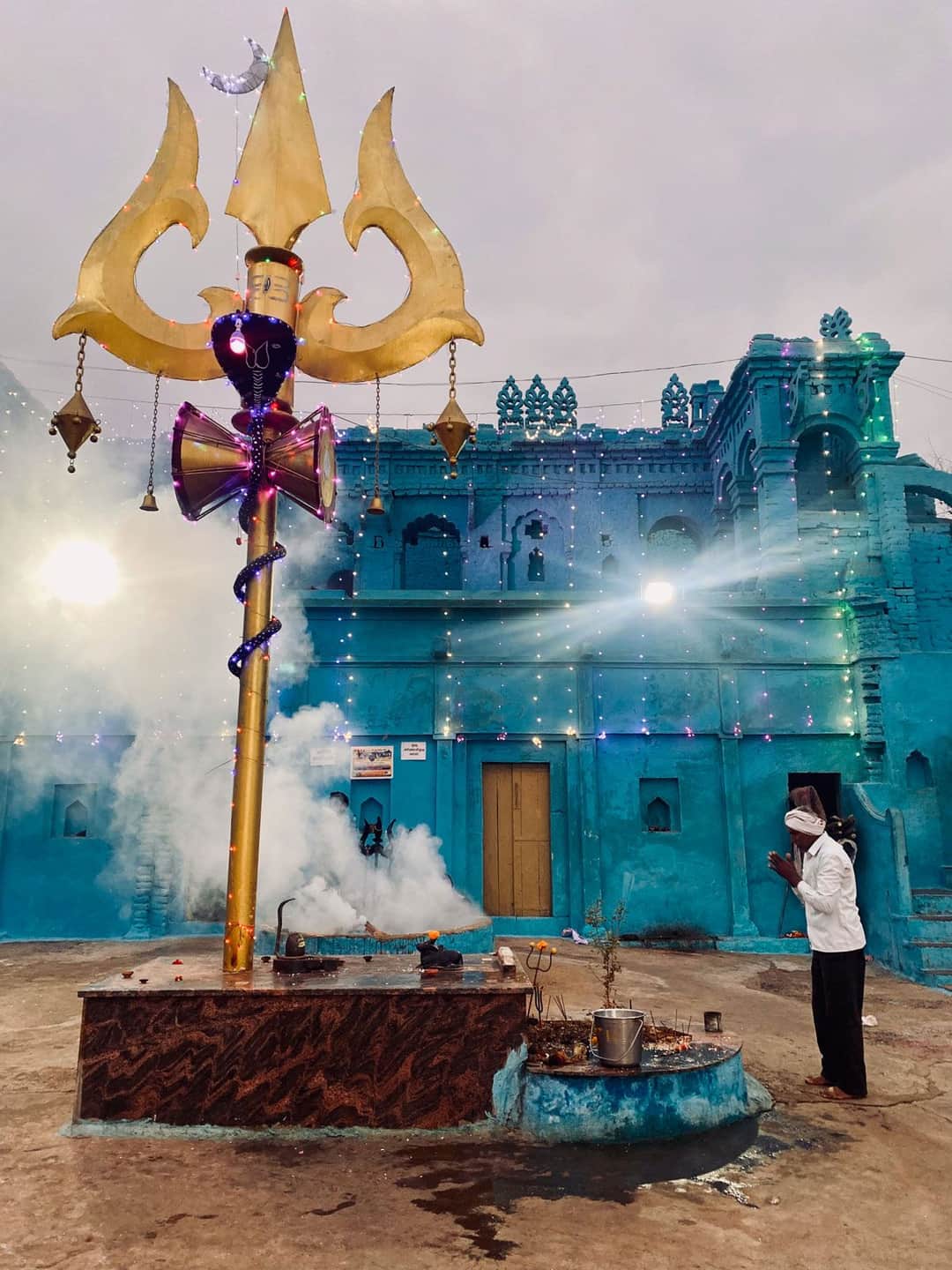
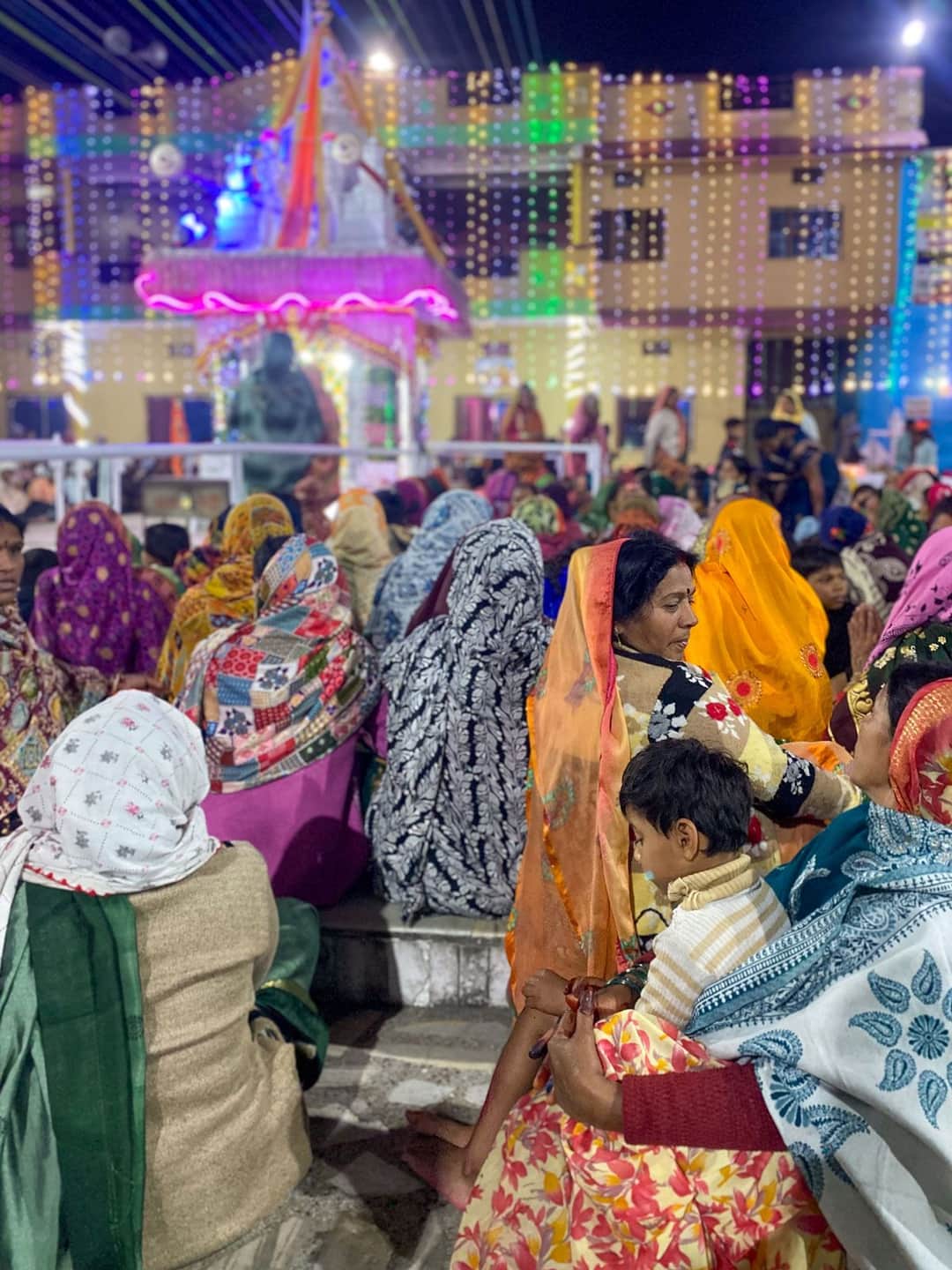
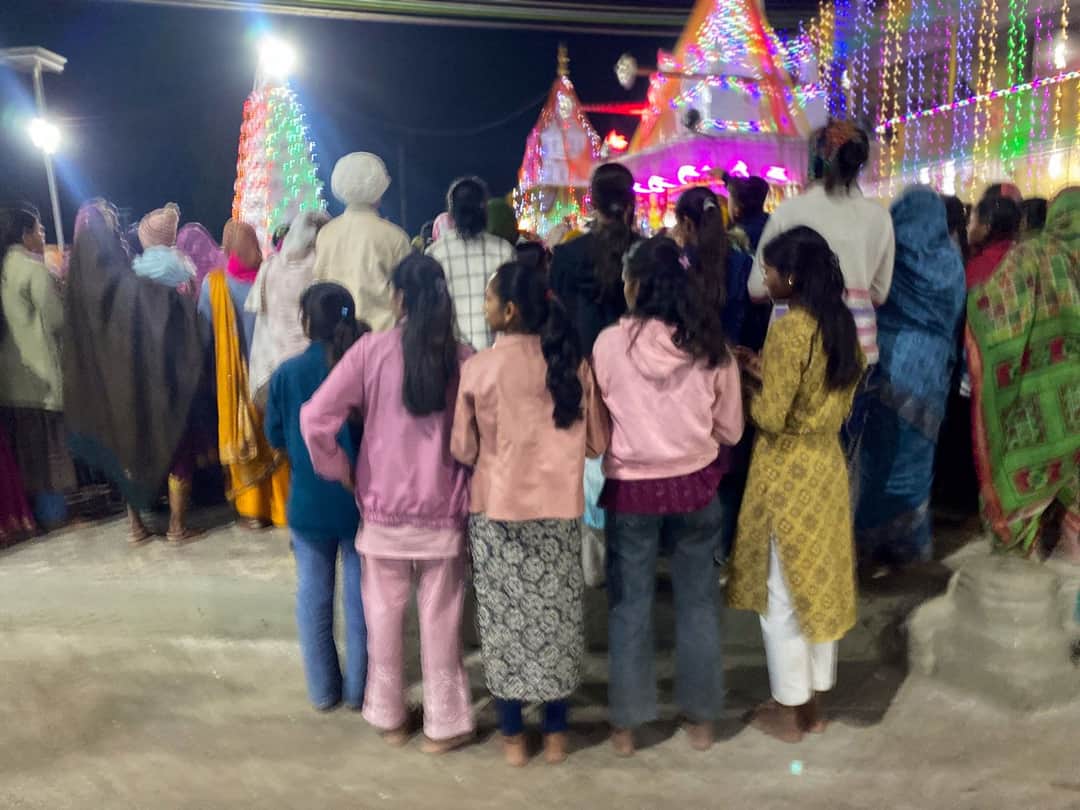
The Malajpur Ghost Fair – locally known as Bhooton ka Mela – is a centuries-old annual event. It begins on Magha Purnima (a full moon day during January-February) and ends on Basant Panchami (the arrival of spring). The fair, held in Betul district’s Chicholi Block, is centred around the samadhi of a saint called Gurusahab Baba or Deoji Maharaj. He was believed to have had mystical powers to cure people ‘possessed’ by spirits. Villagers here believe that the demonic spirits become trapped in the leaves of banyan trees inside the temple compound. The event draws thousands of pilgrims and believers from around Madhya Pradesh as well as from neighbouring Chhattisgarh and Rajasthan.