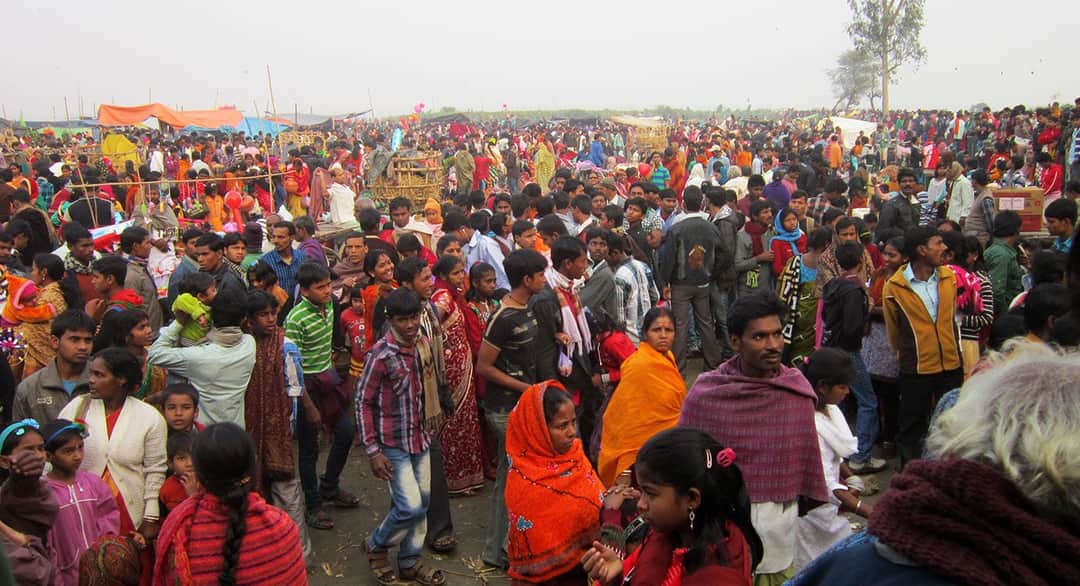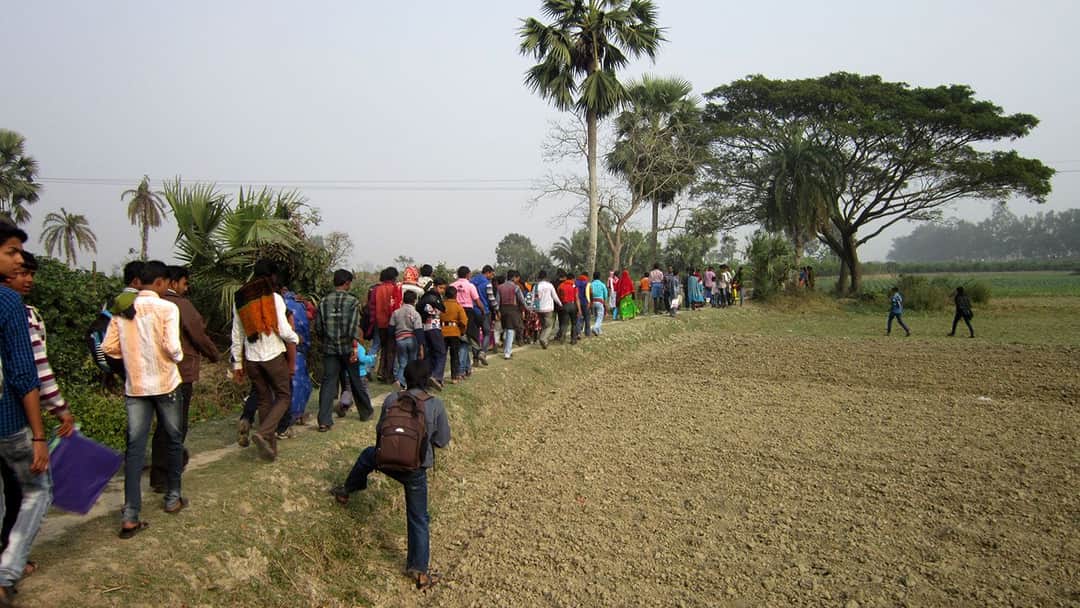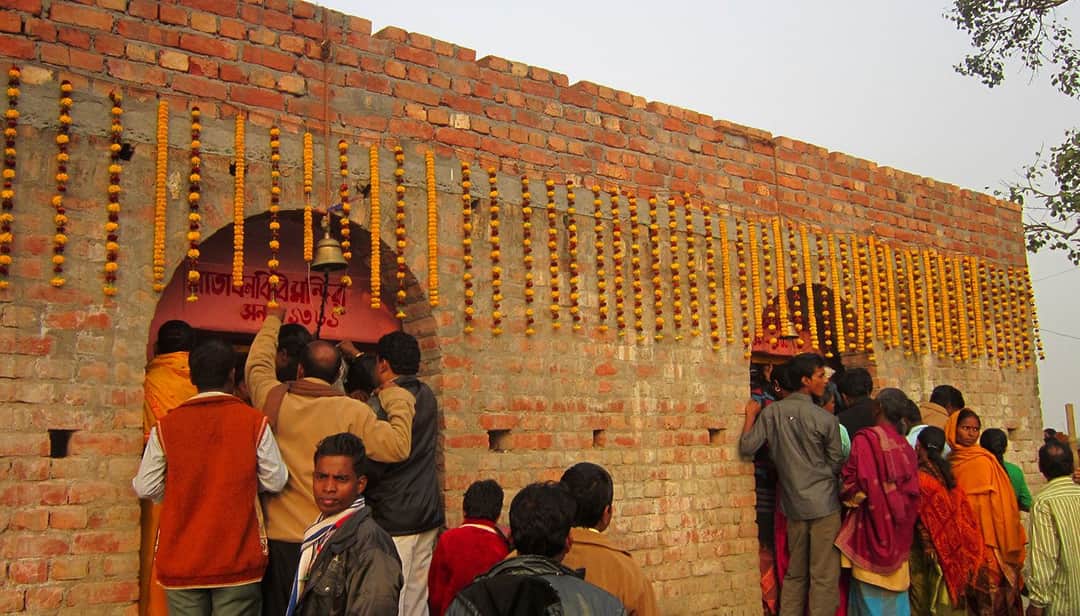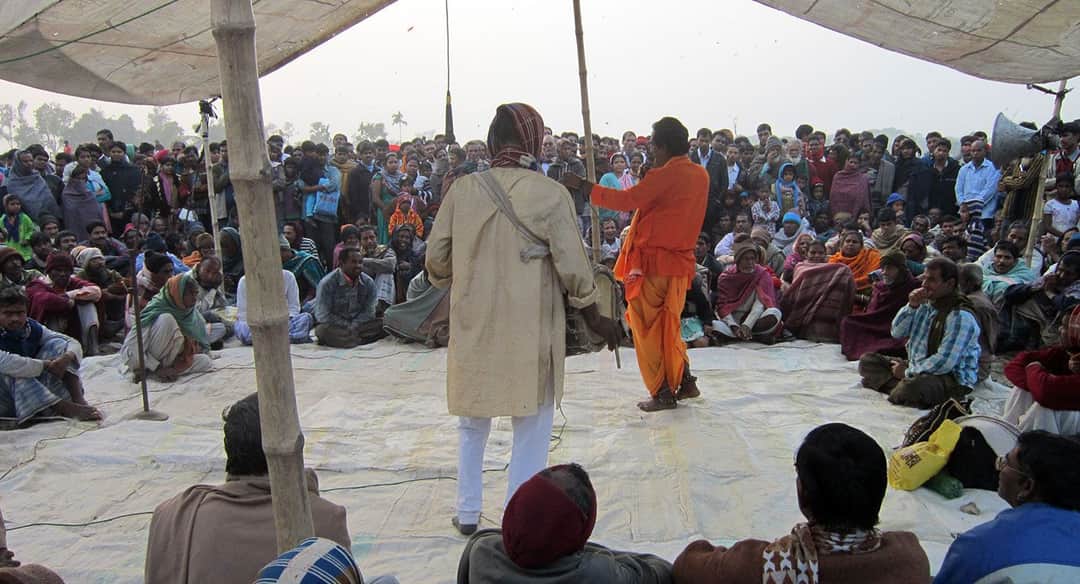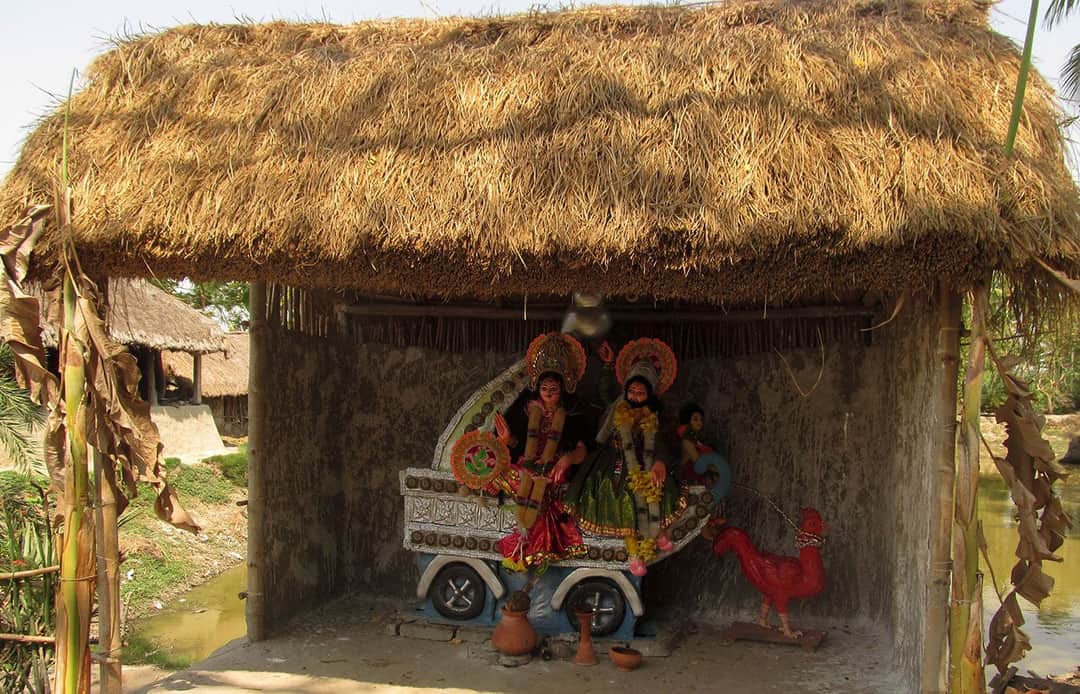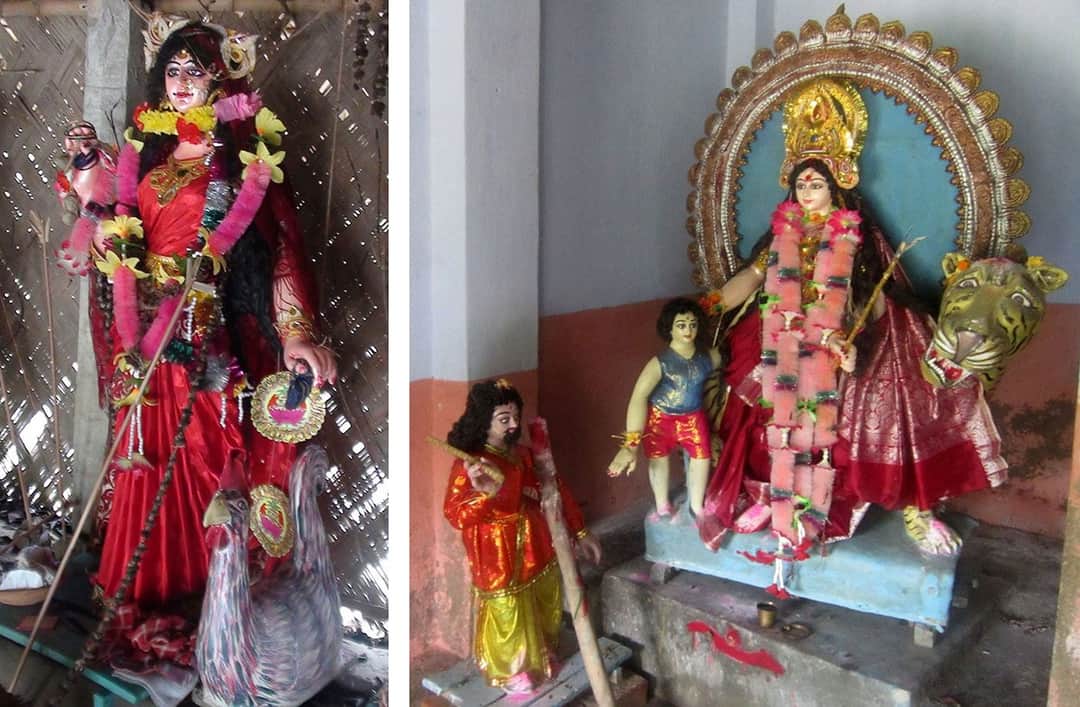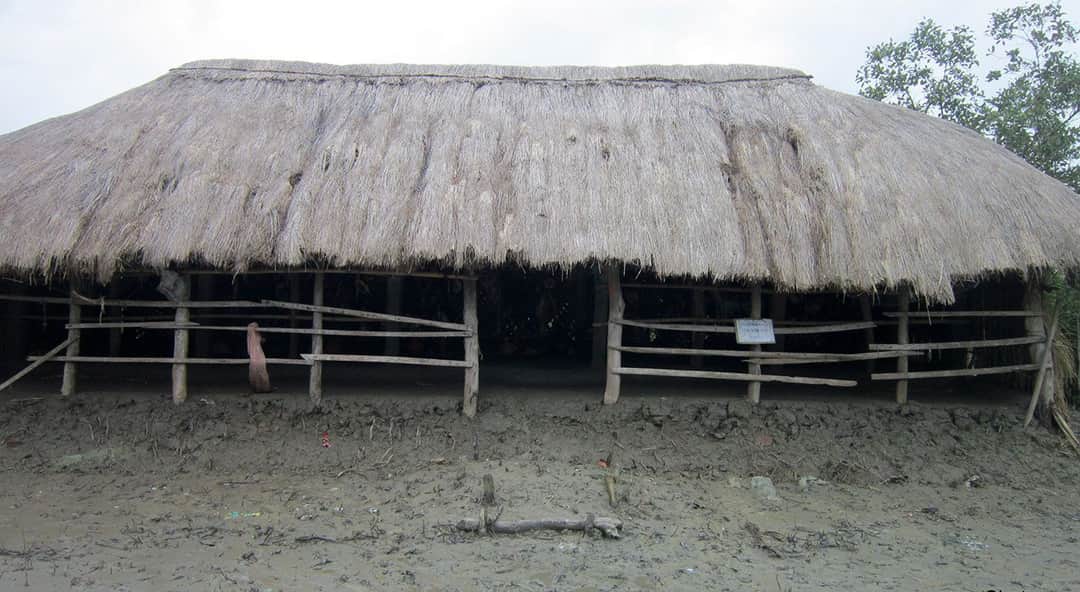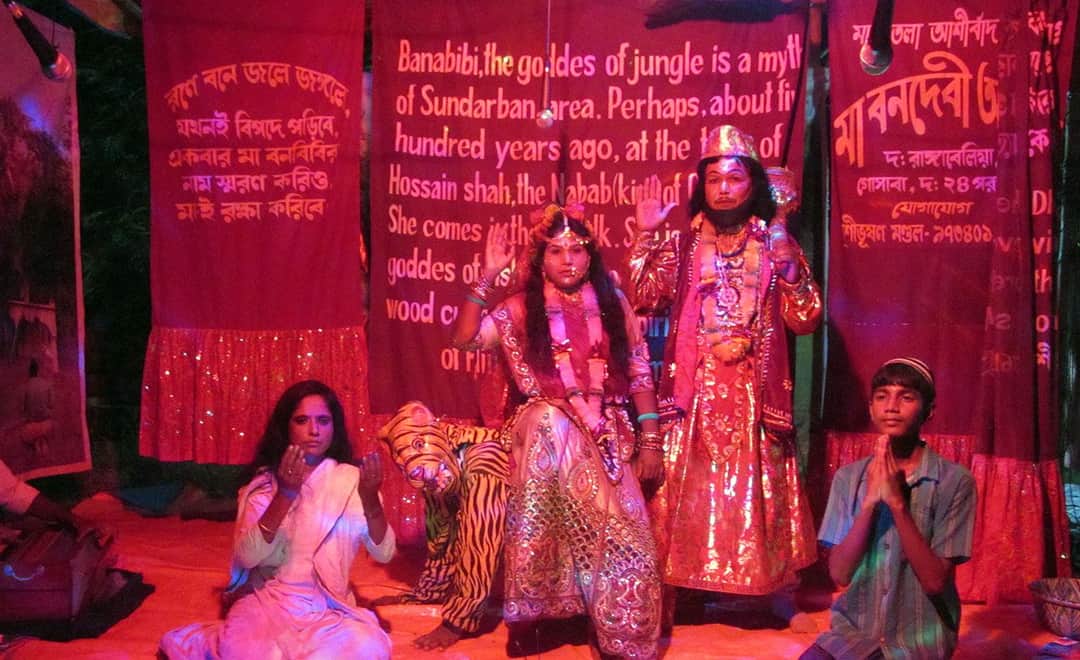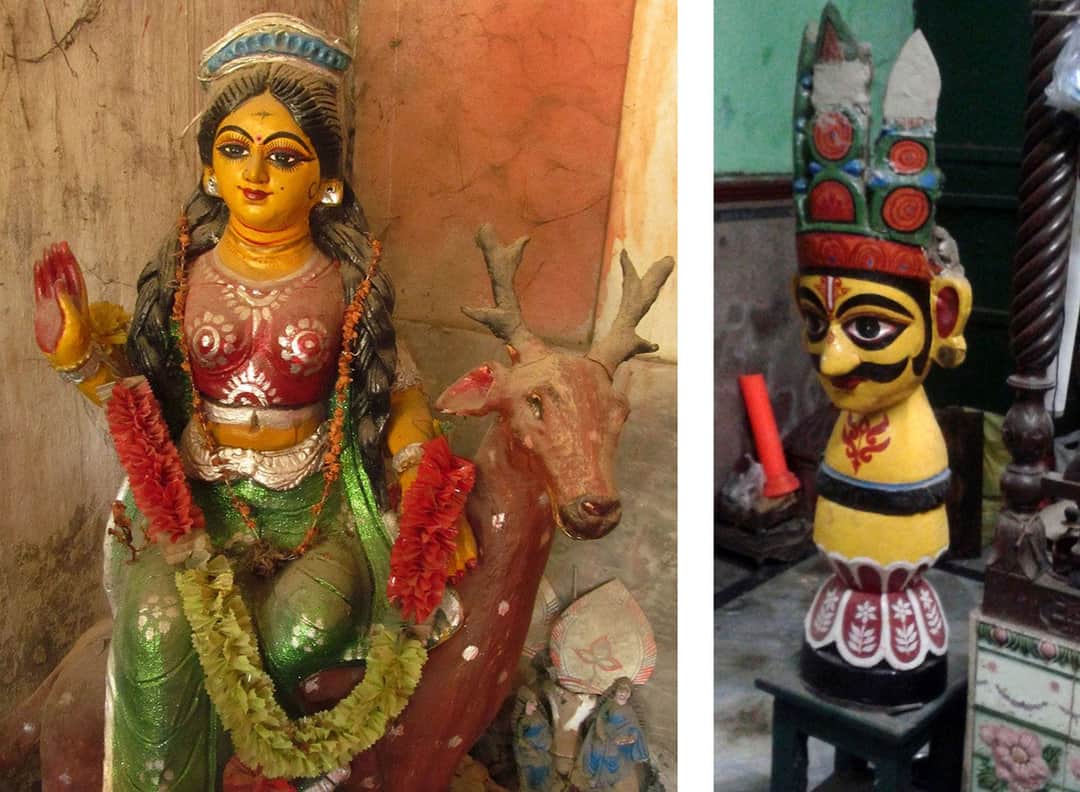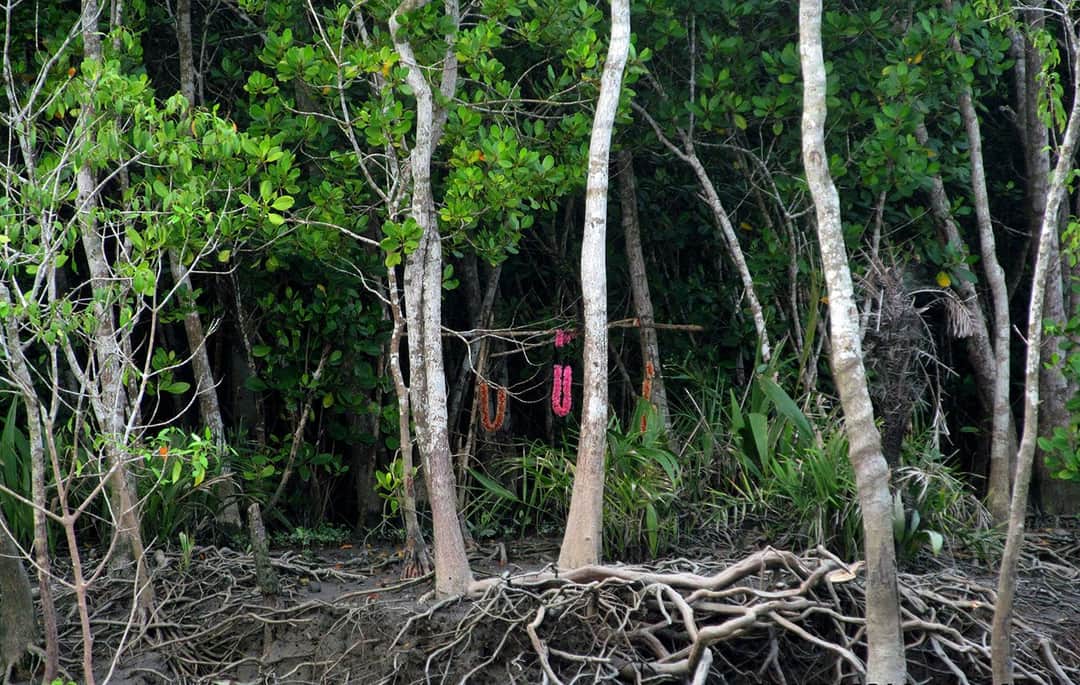

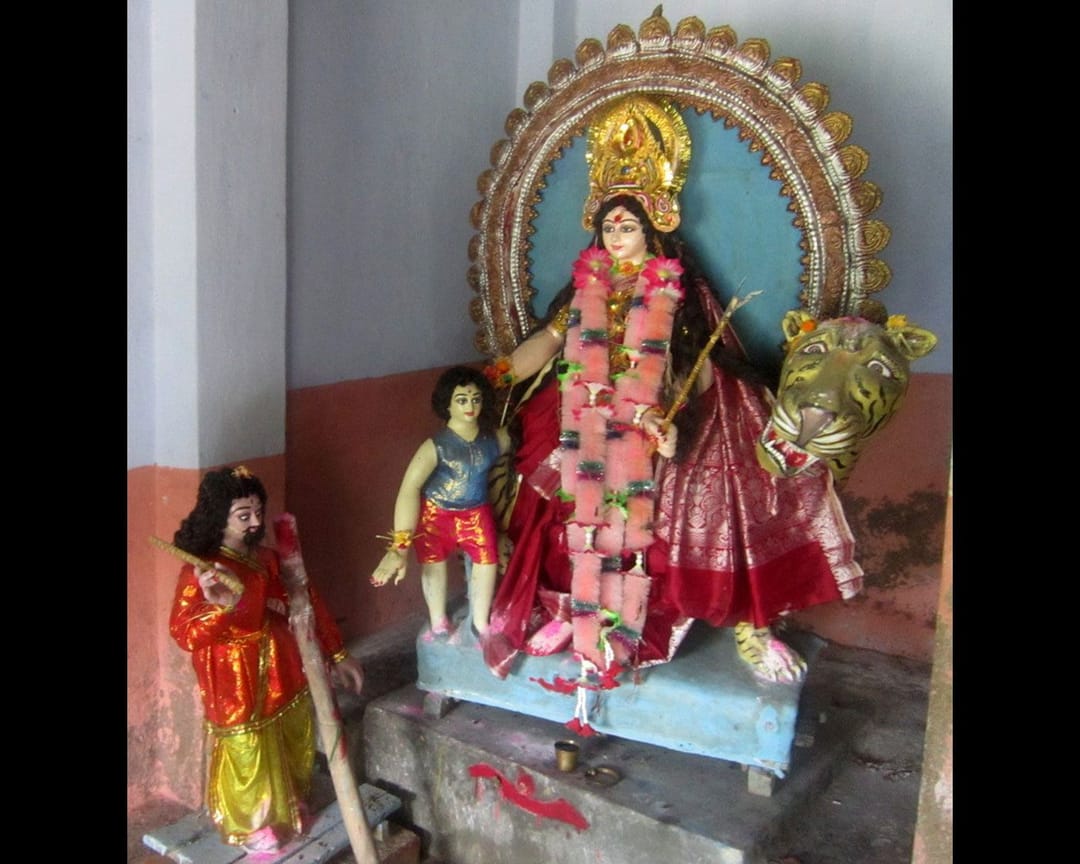
"No one can ignore Ma Bonbibi’s call," said Shampa, devoutly gesturing toward the sky. "Joy Ma Bonbibi!" She, her husband Raghu Gucchai, and their three-year-old son were rushing toward the 150-year-old temple of Ma Bonbibi at the southern end of their village. It was mid-day in January, and everyone in Ramrudrapur in West Bengal's South 24 Parganas district, whether Hindu or Muslim, seemed to be headed there. "Ma Bonbibi is the queen of the jungle," declared Ful mashi (aunty), a village elder. "Today the forest is not here anymore, but her blessings are still here. Bonbibi is the epitome of power and this fair is an age-old tradition of this village."
The Bonbibi festival is celebrated once a year, in January or February, and Ramrudrapur's fair is one of the oldest and biggest. Raghu took me to the stall he had set up with his brother, Shibu. It was filled with colourful bangles and other ornaments that he had bought from a trader in Kolkata. The brothers were not particularly interested in seeking Bonbibi’s blessings, but had positioned themselves strategically by the temple, where could be found the largest congregation of women. Sakina Mondal, also from the village, asked me, smiling, "Didi [elder sister], did you go to the temple?" and sent her daughter, Sabeena, to accompany me there.