

“There is no paddy here, only pads. If you dig up the Andamans you will find just pads!” Sima jokes, leaving the other four women in splits.
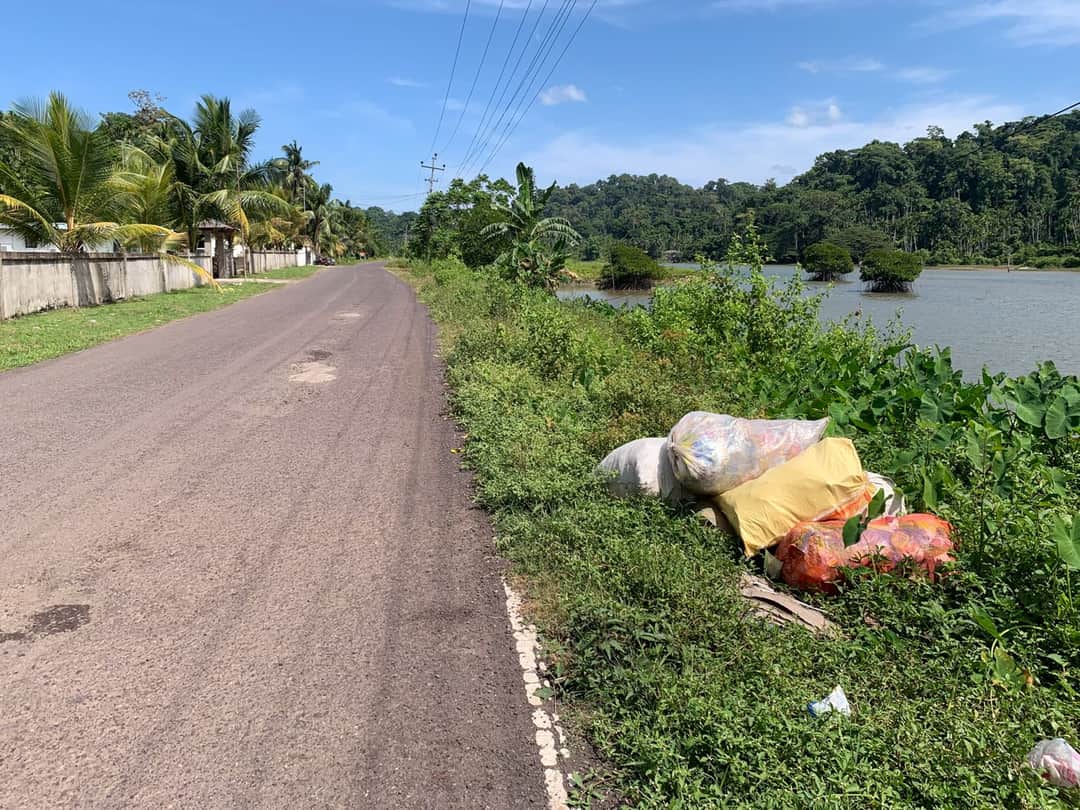
In almost every home in Wandoor village of this union territory, there is a corner of the land that does not need an “X” to mark the (red) spot. Every woman in the household can find it without a map; the spot where they bury the used sanitary napkins. The Mondal girls are shy and reluctant to show me the place where they bury their waste, though.
“We gather the pads for a month,” Sima continues, “and then we dig a hole in the soil and bury them. Everyone buries their waste around their house. We have a place close to home, but right now it's all slushy so we collect them in a corner of the house and then we bury those. Sometimes we put them in the same hole, sometimes we dig new ones,” she says.
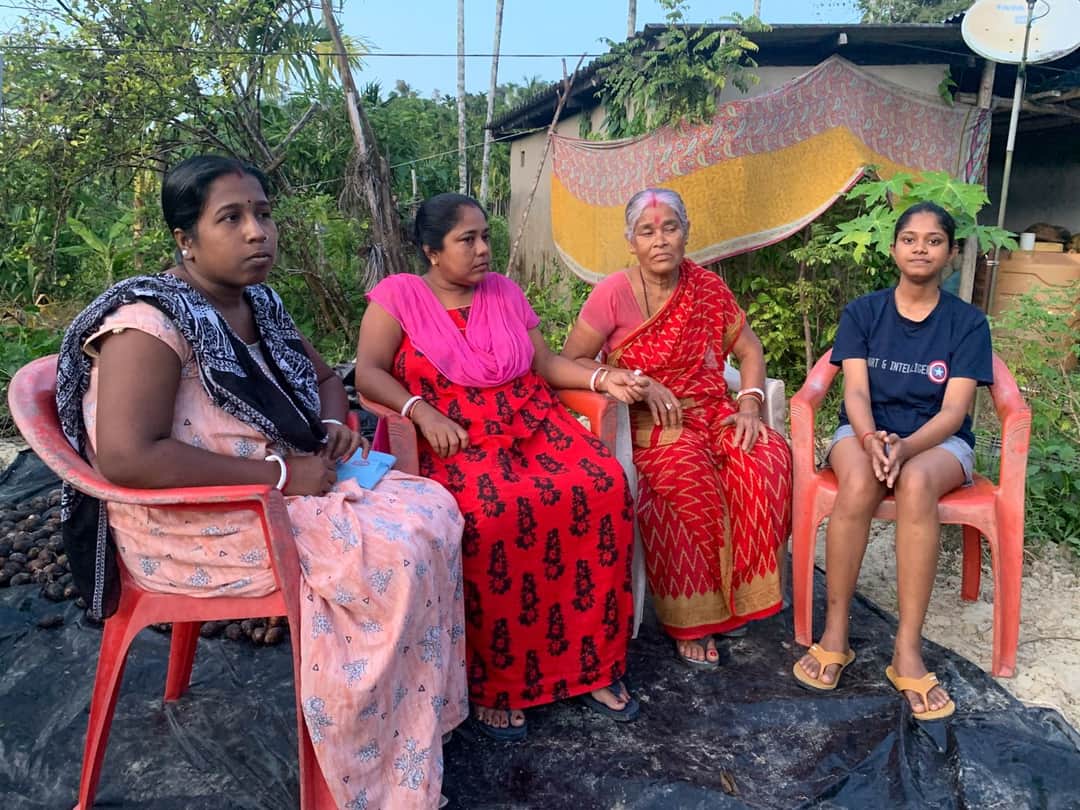
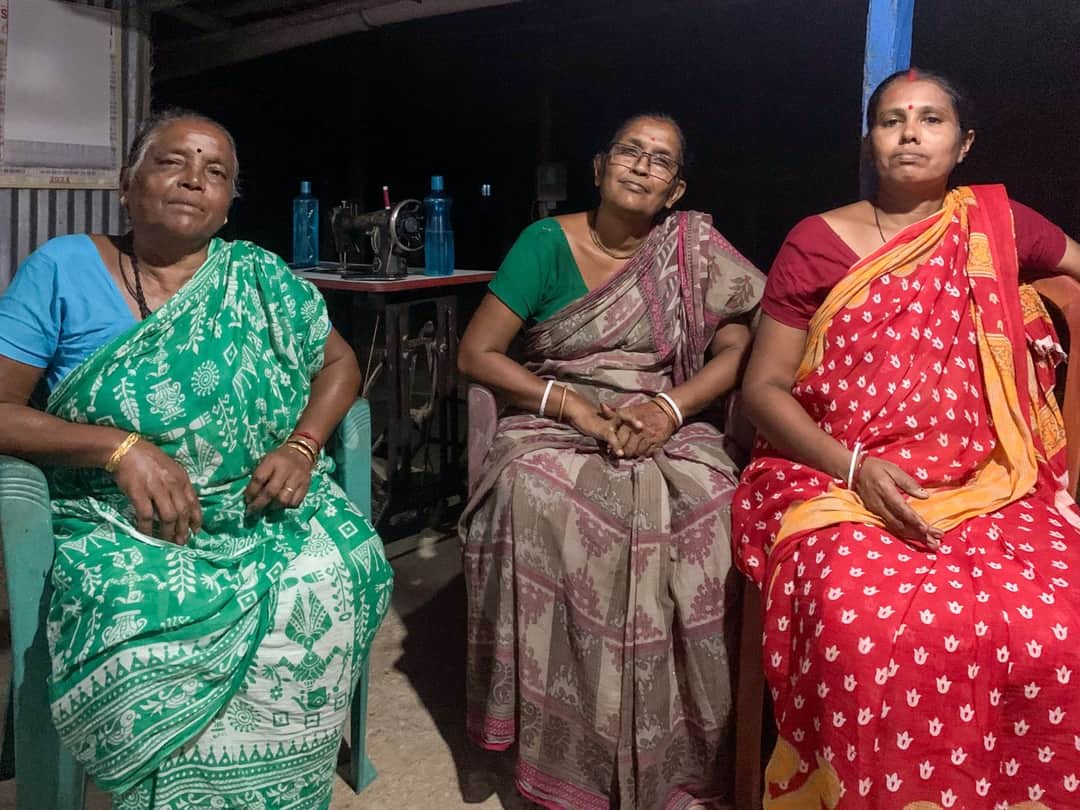
The five women sitting outside a pucca house in this village in the western part of the South Andaman district are engaged in a conversation about menstruation and practices of waste disposal. “Why would anyone want to discuss it? We never talked about these things.” 72-year-old matriarch of the Mondal family, Urmila, interrupts our conversation. Her family is one of Bengali settlers – several of whom from different communities have come to this union territory over generations.
“We weren’t really told about our periods by anyone,” she says. “They used to call it masik [monthly] in Bangla. When it happened, we found out. I did from my older sister. We wouldn’t go to school or leave the house to visit the temple during that time, and in the house, we didn’t enter the kitchen. Those were the rules. I never broke any of them, so I don't know what happens if you do,” she says.
The women gathered outside the Mondal house belong to three different generations. There is the septuagenarian Urmila, her daughter-in-law Sima Mondal, 41, Sima’s daughters, Bani, 17 and Shika, 21, as well as their relative Shivani Mondal, 33. Each one of them has their own ways of navigating tradition in a society that still holds on to old taboos.