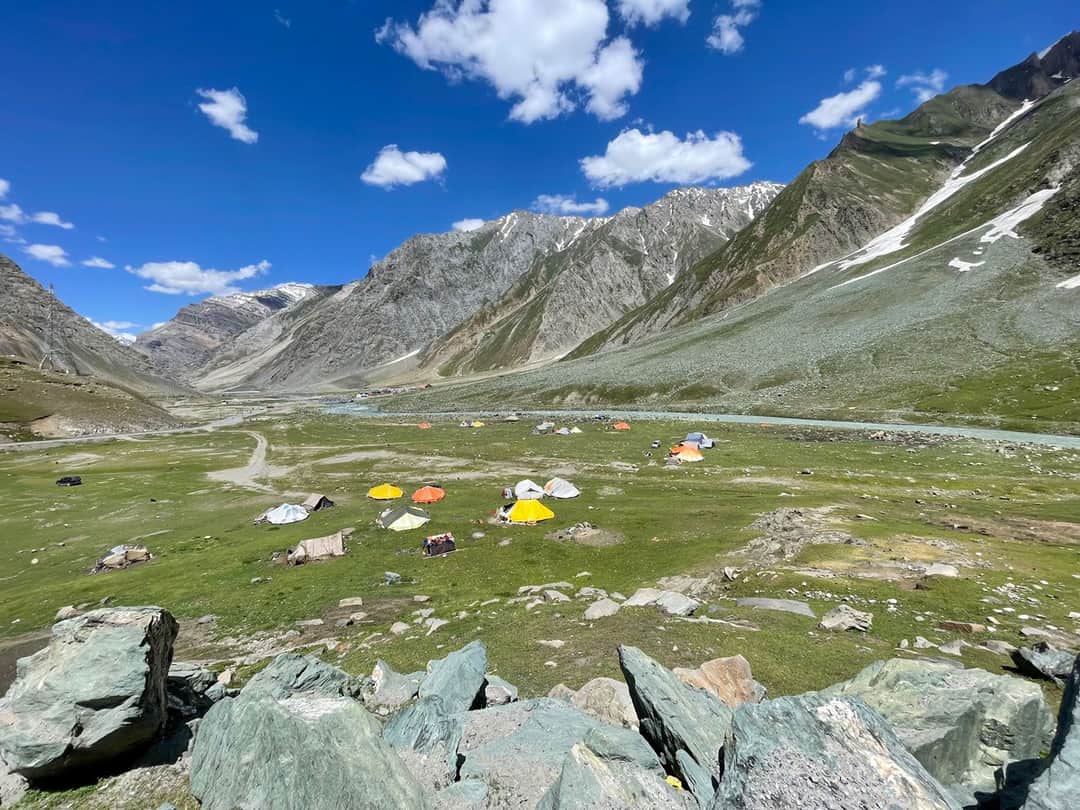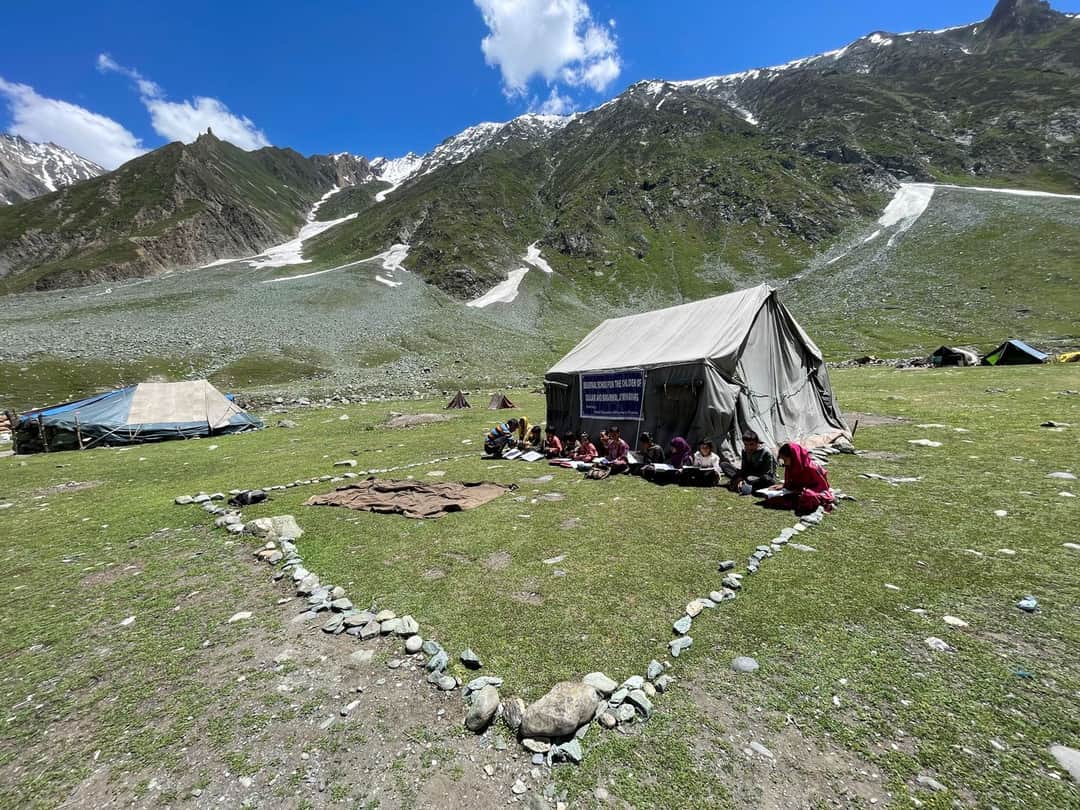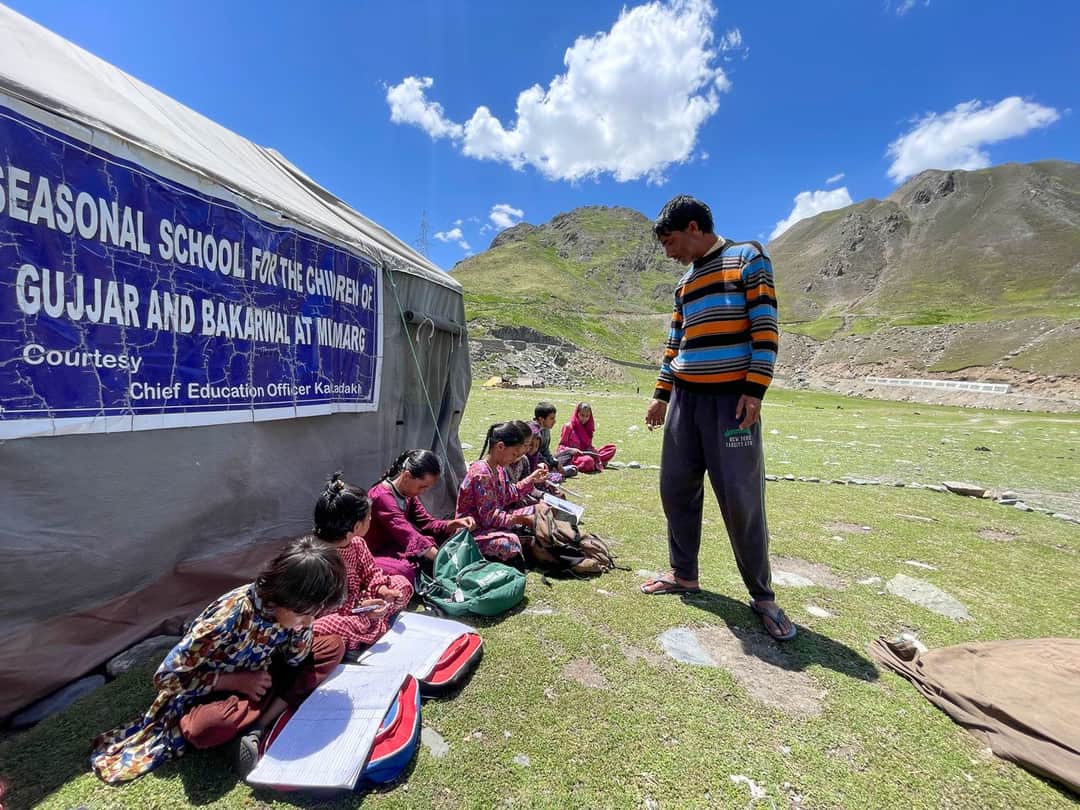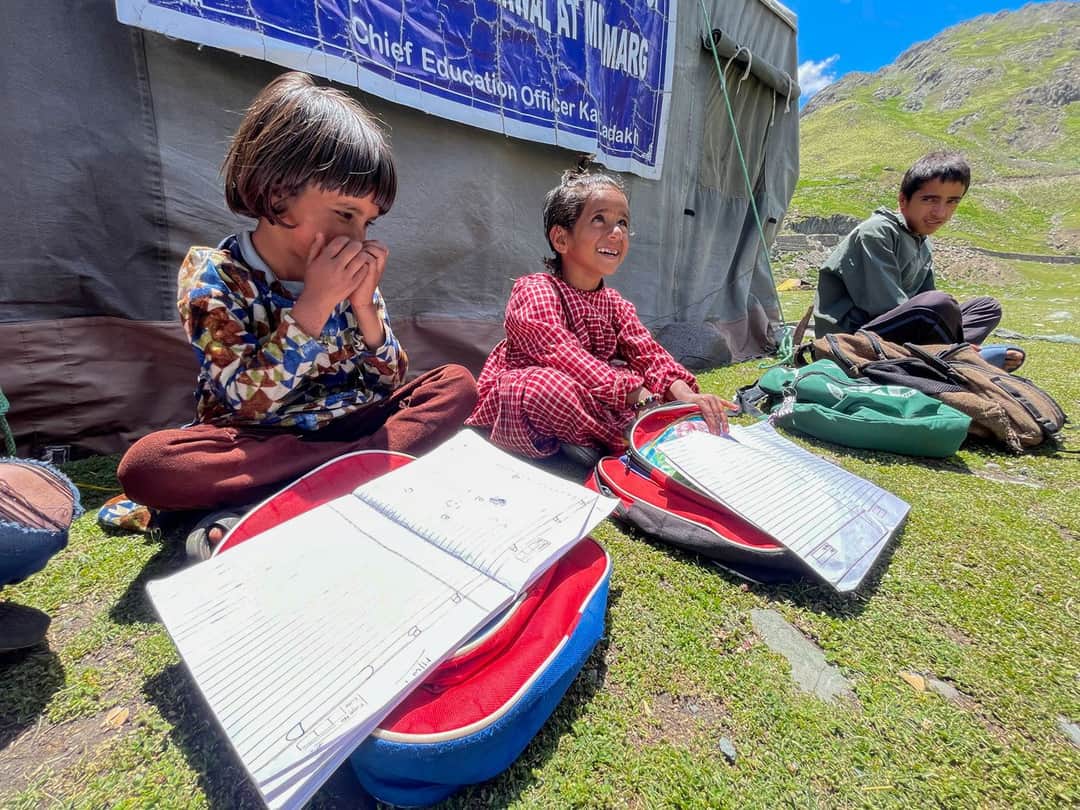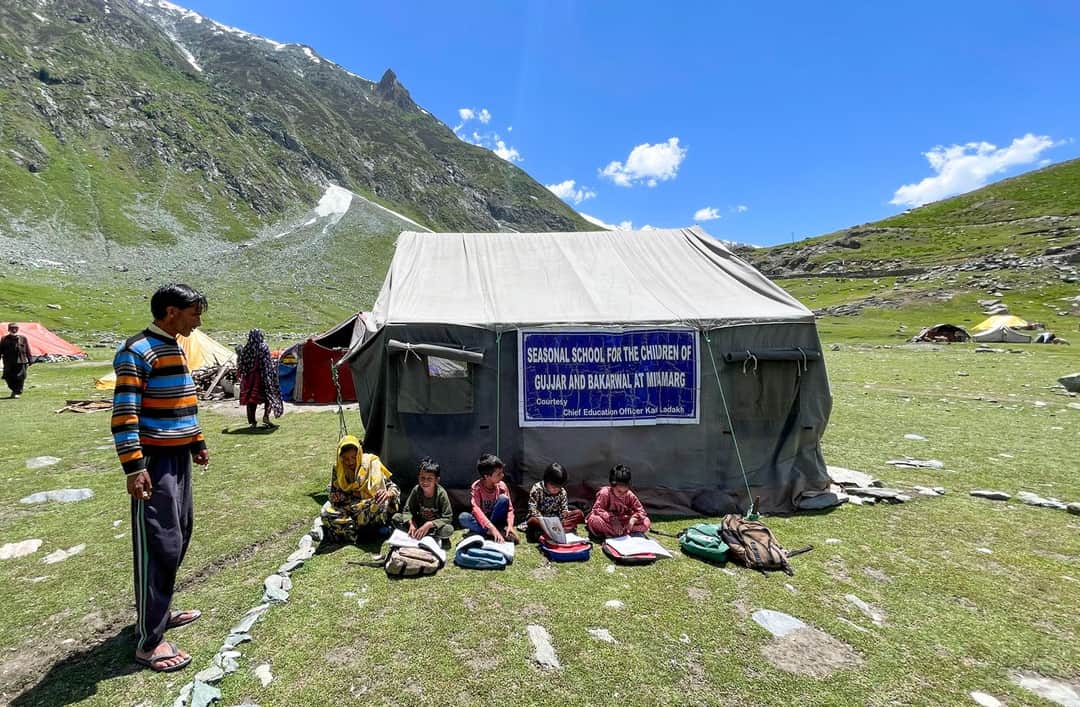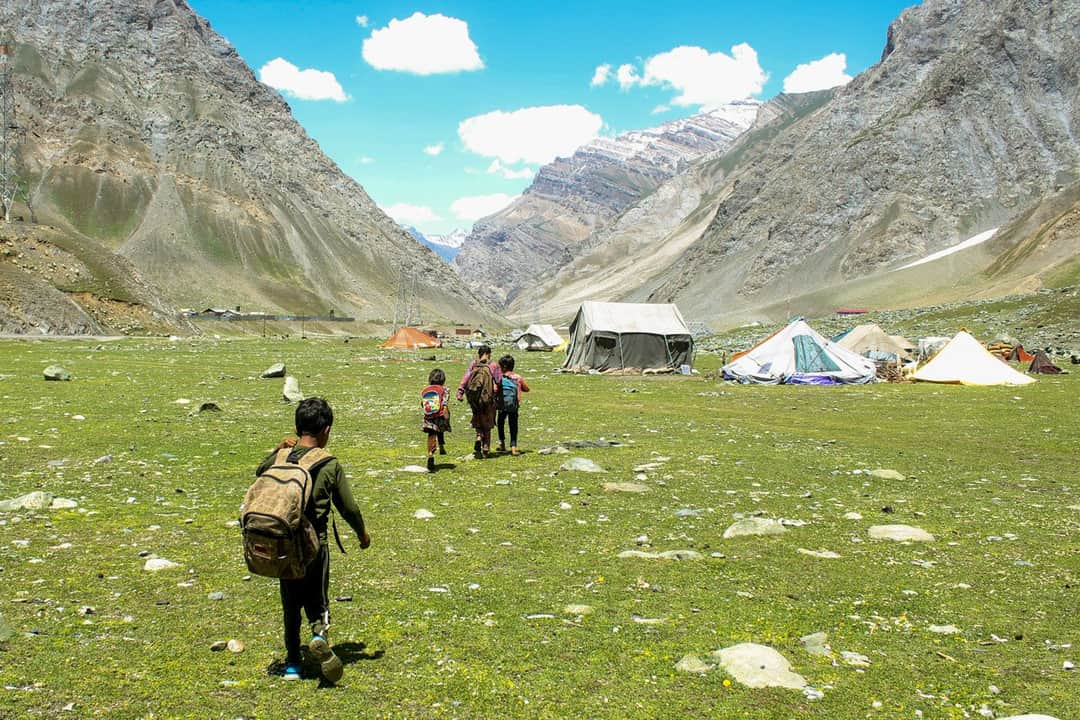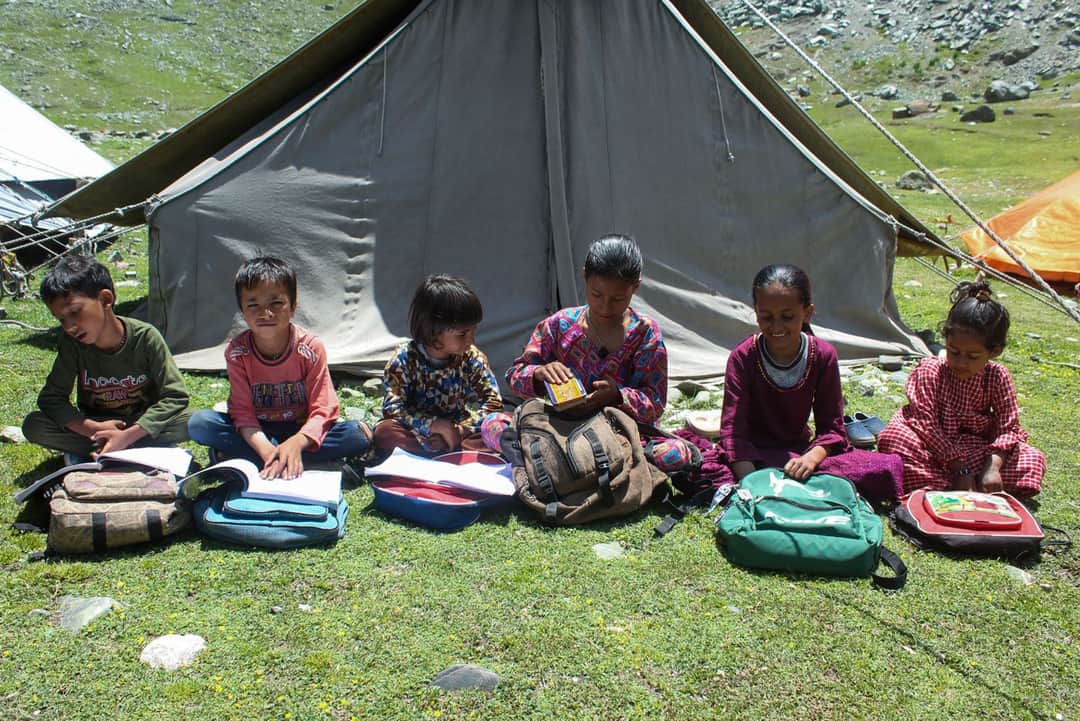

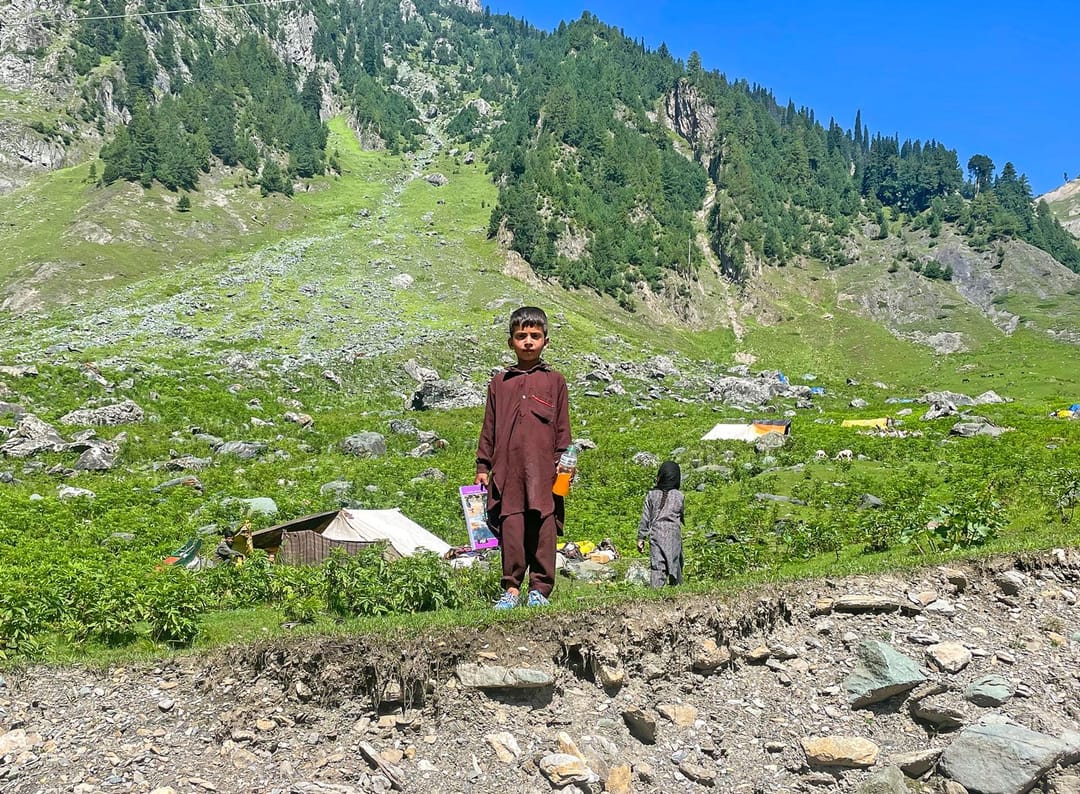
Tariq Ahmed spent 10 years as a teacher, getting primary school kids to learn their basics. The 37-year-old was an educational volunteer from 2009-2019 with the central Samagra Shiksha scheme. He was placed in the high-altitude area of Drass to teach the children of migrating Bakarwal families who bring their sheep and goats to graze in Ladakh.
But in 2019, when the state was bifurcated into the two union territories of Jammu and Kashmir (J and K) and Ladakh, he lost his job. As a resident of J and K – his home is in Kalakote in Rajouri district – he is not eligible to teach children outside the UT of J and K.
“Since two separate UT’s were made, the education system for our children has been in a mess,” says Tariq, who blames the authorities for forgetting children of nomads.
“There are no mobile schools, no seasonal teachers available for us in this region from Zero Point to Drass in Kargil district. Our children just end up wandering around all day or pestering locals for food,” says Shamim Ahmad Bajran, sarpanch of Bathera village in Kalakote.
The community of Bakarwals say that there are thousands of temporary schools for migrants within J and K, but their kids miss out when they migrate to Ladakh for six months – between May and October. Here their young ones lose touch with academic instruction and fall behind their peers. Bakarwal community's literacy is at 32 per cent, the lowest among all tribes in the state, says a 2013 report on Scheduled Tribes.