
“I tried calling 108 [ambulance service] multiple times. The line was either busy or unreachable.” His wife was suffering from a uterine infection and had become seriously ill despite medications. Night had fallen by now and her pains increased. Ganesh Pahariya was desperate to get her medical help.
“Finally I reached out to the local minister’s assistant, hoping for help. “He had promised us support during his [election] campaign,” Ganesh recalls. The assistant declined saying he was not around. “He just avoided helping us.”
A distraught Ganesh adds, “if an ambulance had been available, I could have taken her to a good government hospital in [big cities] Bokaro or Ranchi.” Instead, he had to take his wife to a nearby private facility, incurring a debt of Rs. 60,000, borrowed from a relative.
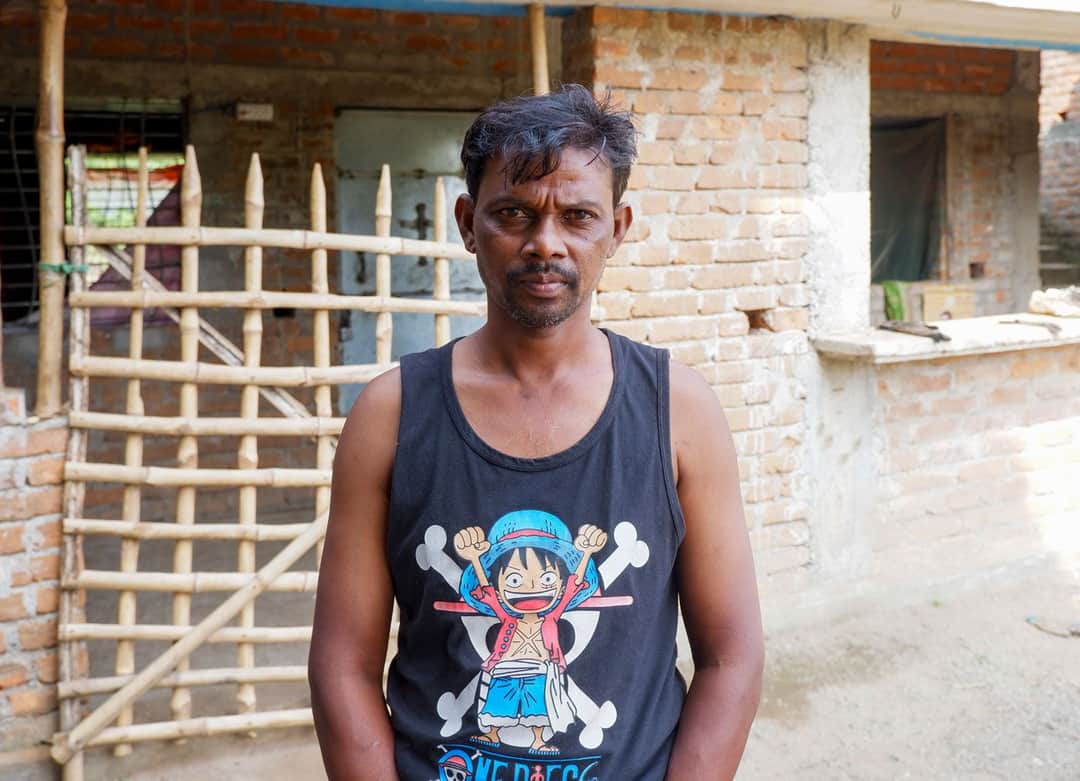
“During election time, they say all sorts of things – this will happen, that will happen...Just help us win. But later, even if you go to meet them, they don’t have time for you,” says the 42-year-old village headman. He says basic facilities for members of his Pahariya community (also spelt Paharia), are ignored by the state.
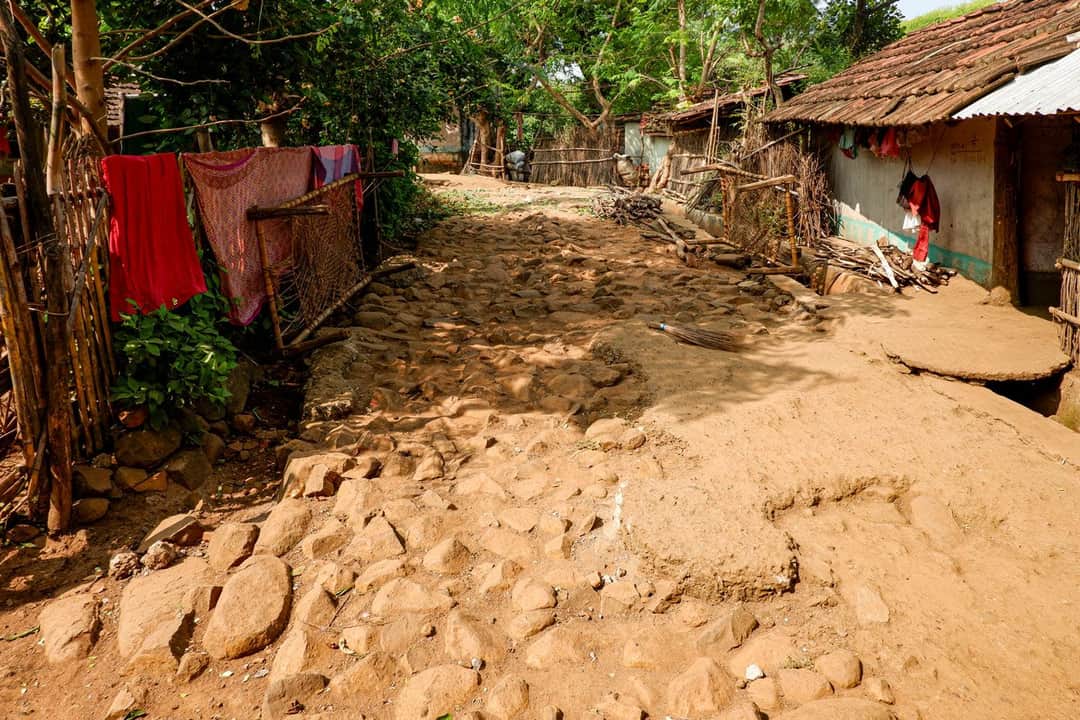
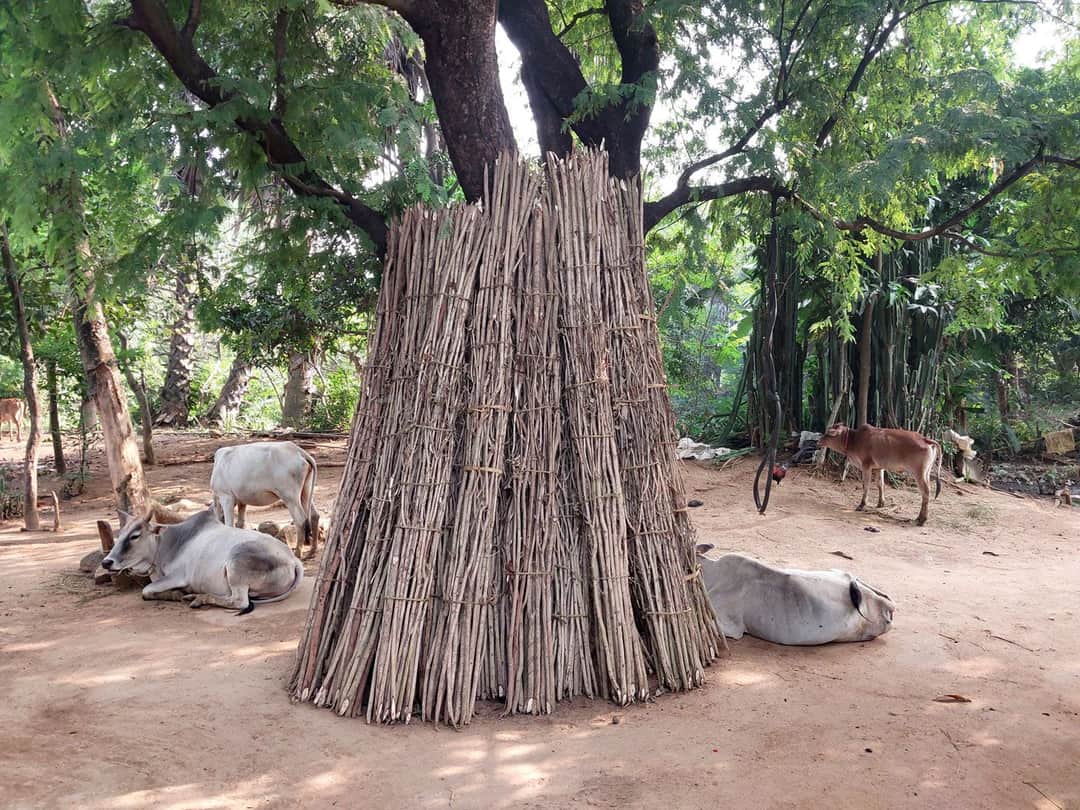
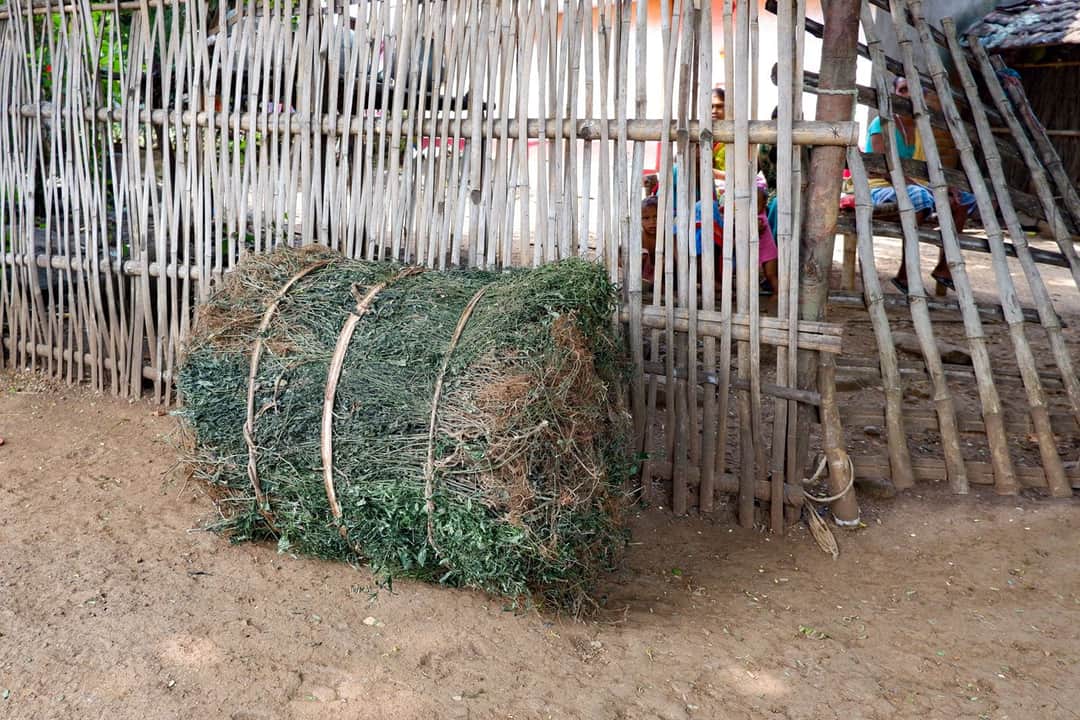
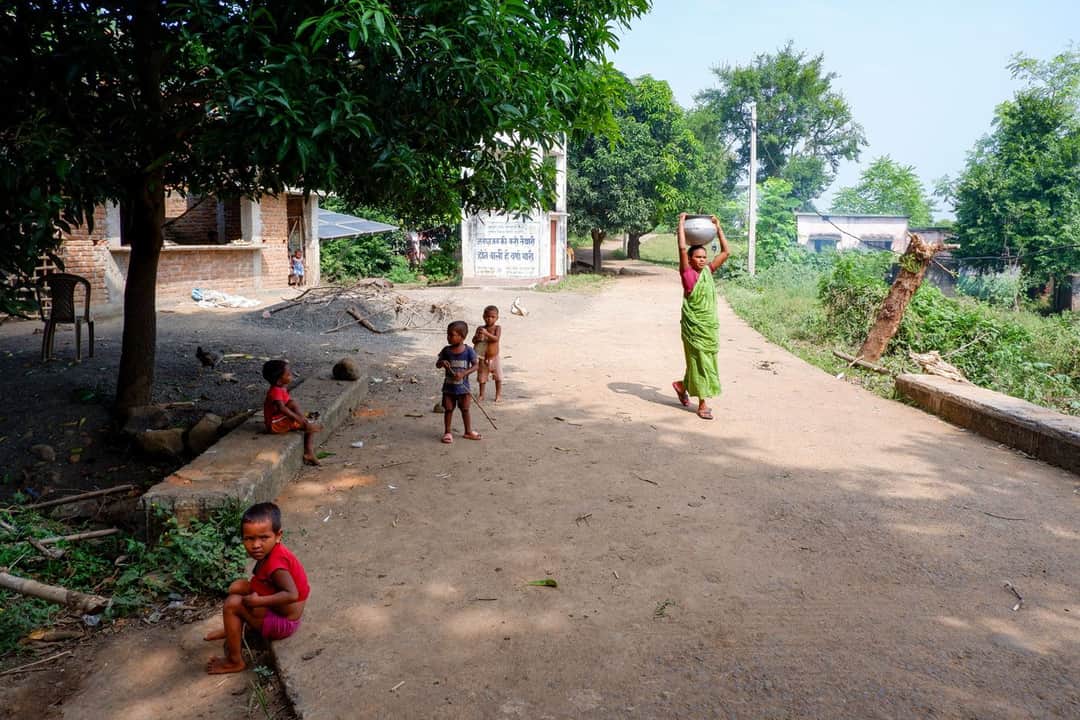
Dhanghara is a small hamlet in Hiranpur block of Pakur district and 50 families of the Pahariya tribe live here. To reach the village, it’s an eight kilometre journey on a poorly maintained road to reach the isolated settlement on the side of a hill in the Rajmahal range.
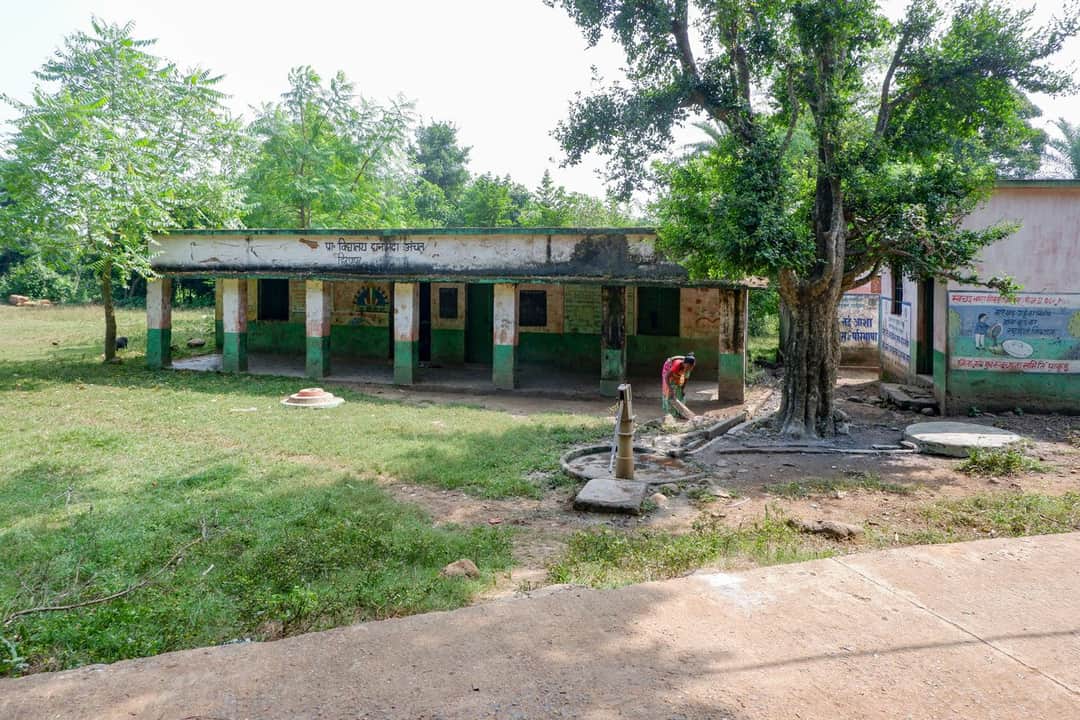
“Our government school is in poor condition. We asked for a new one, but where is it?” Ganesh asks. Most children from the community are not enrolled and so cannot get the midday meal scheme mandated by the state.