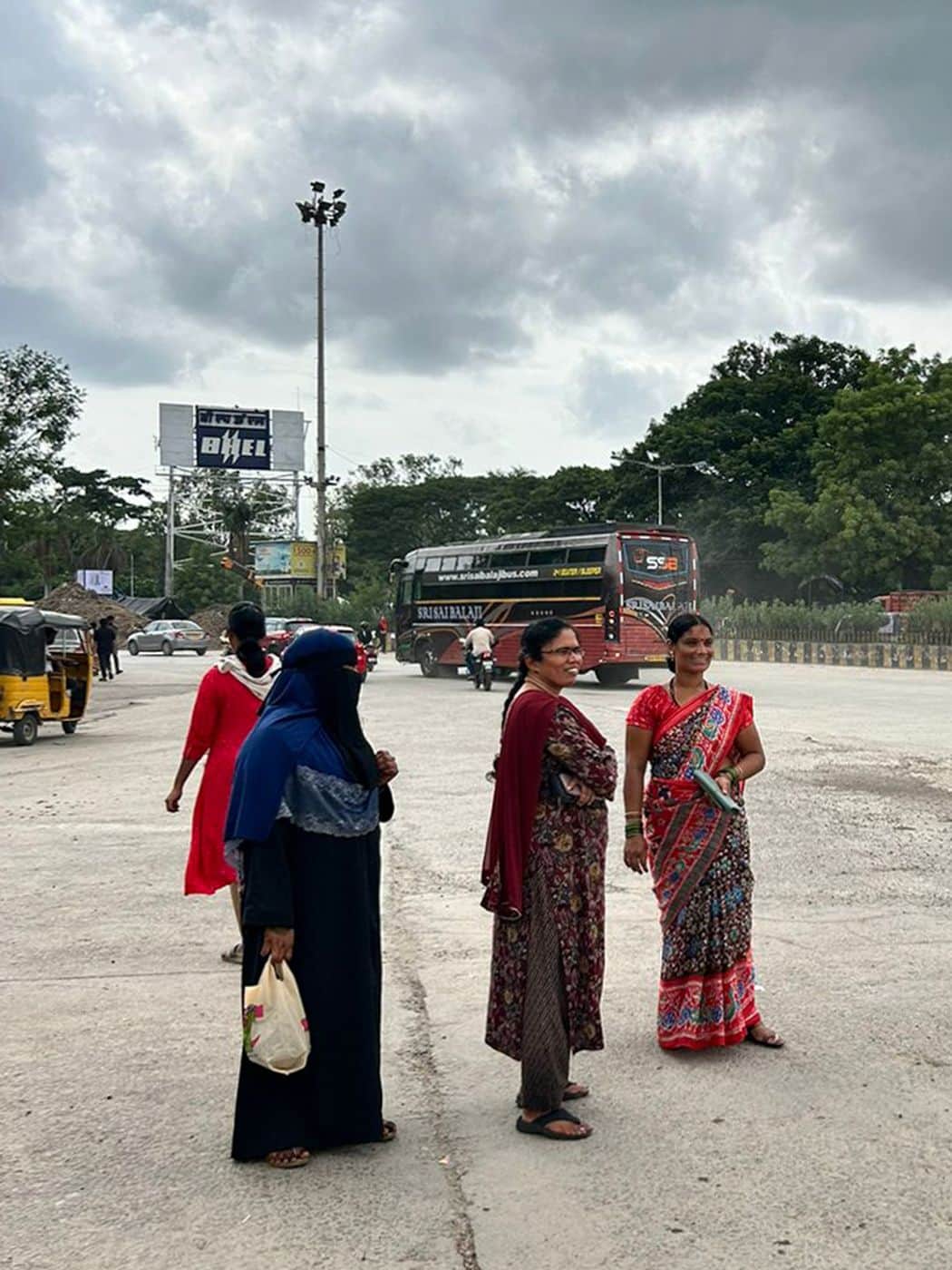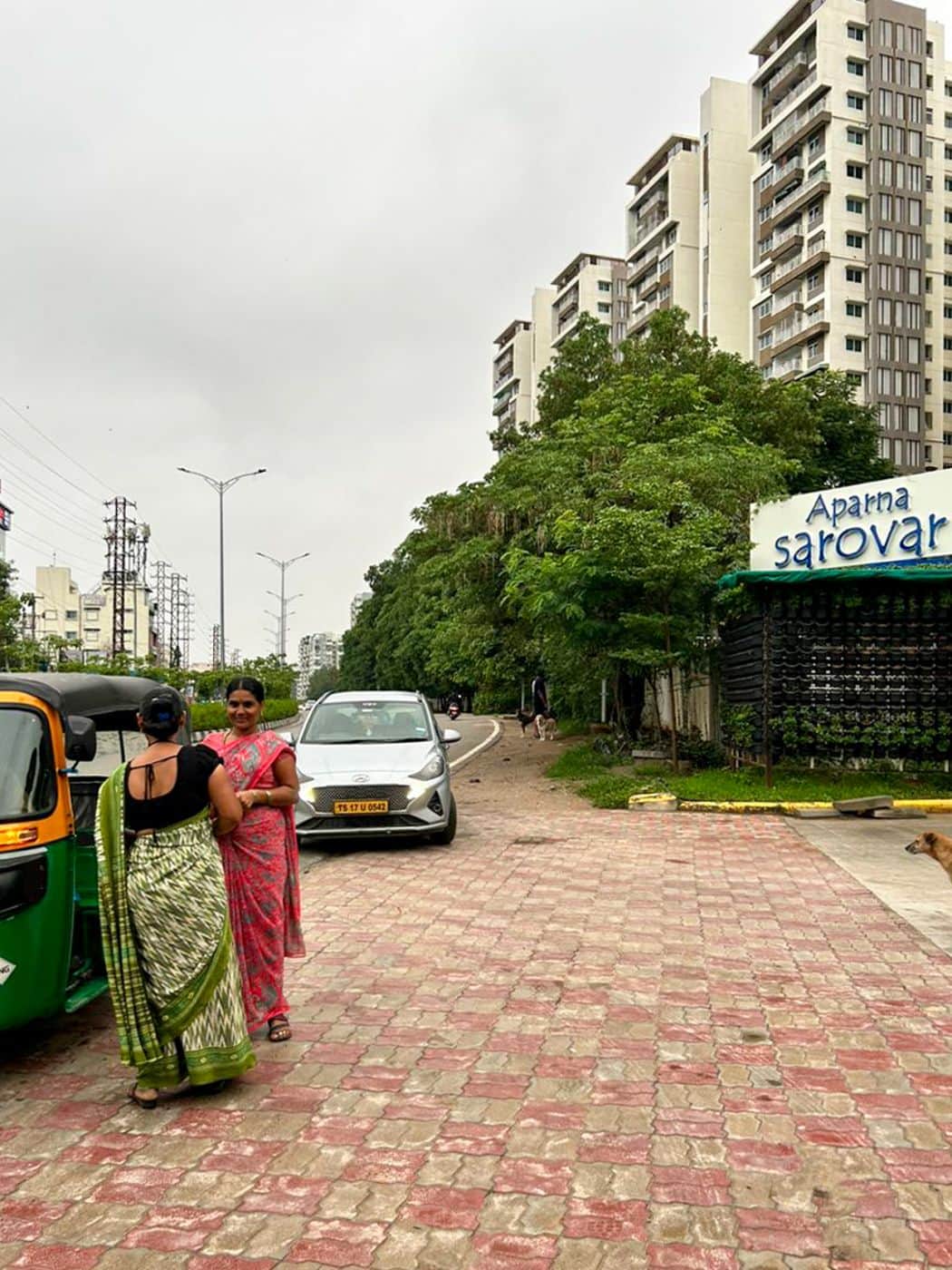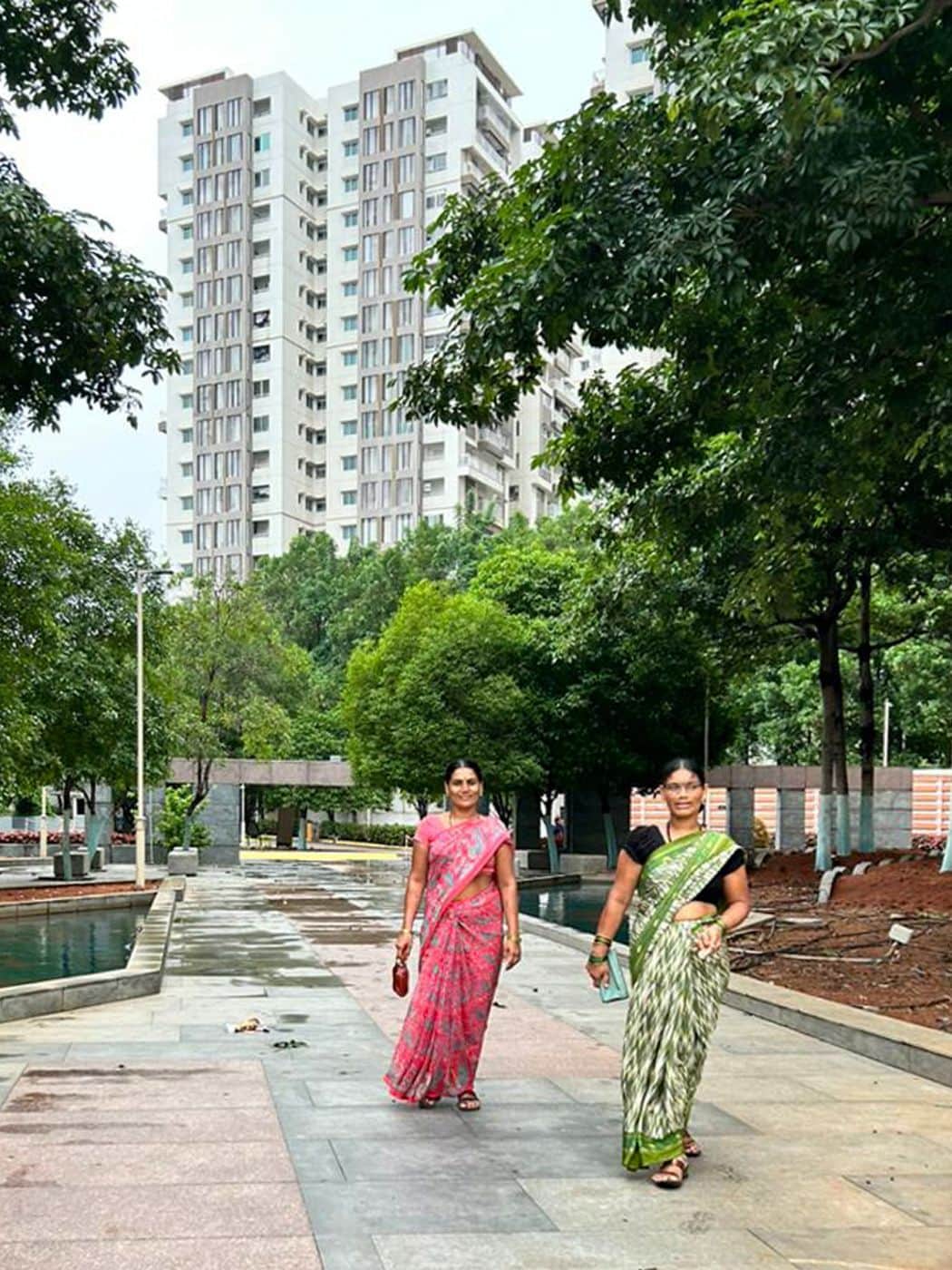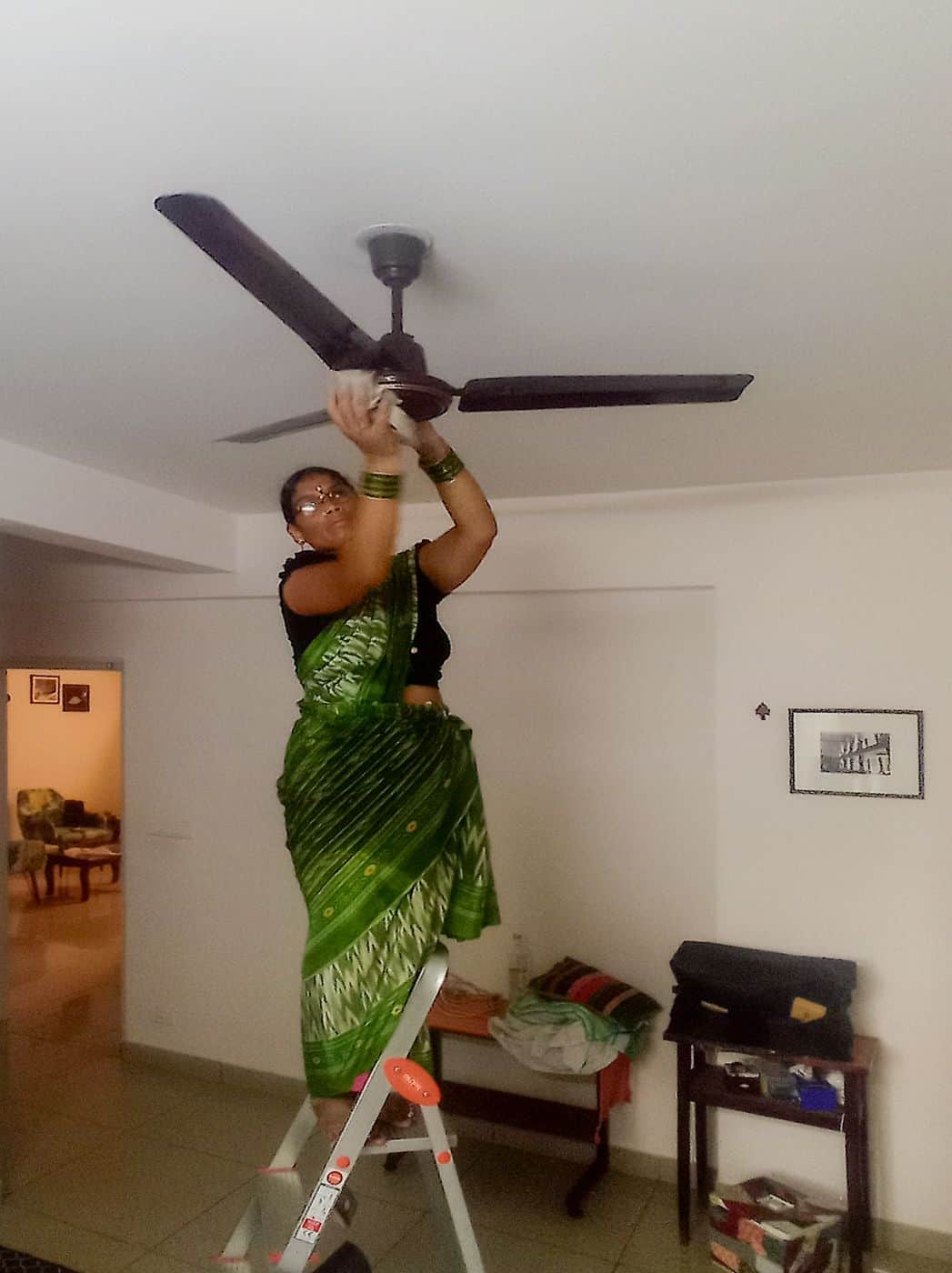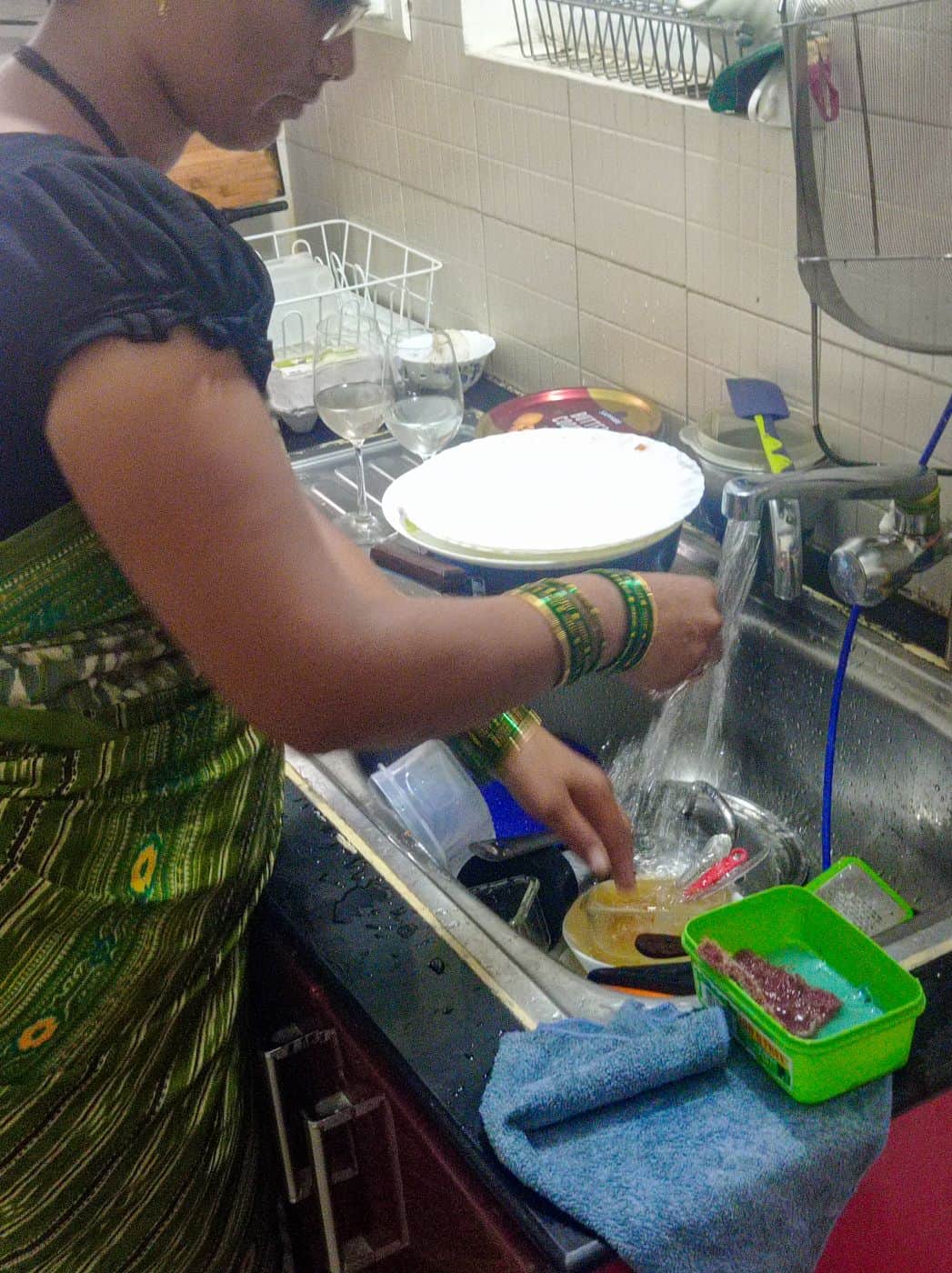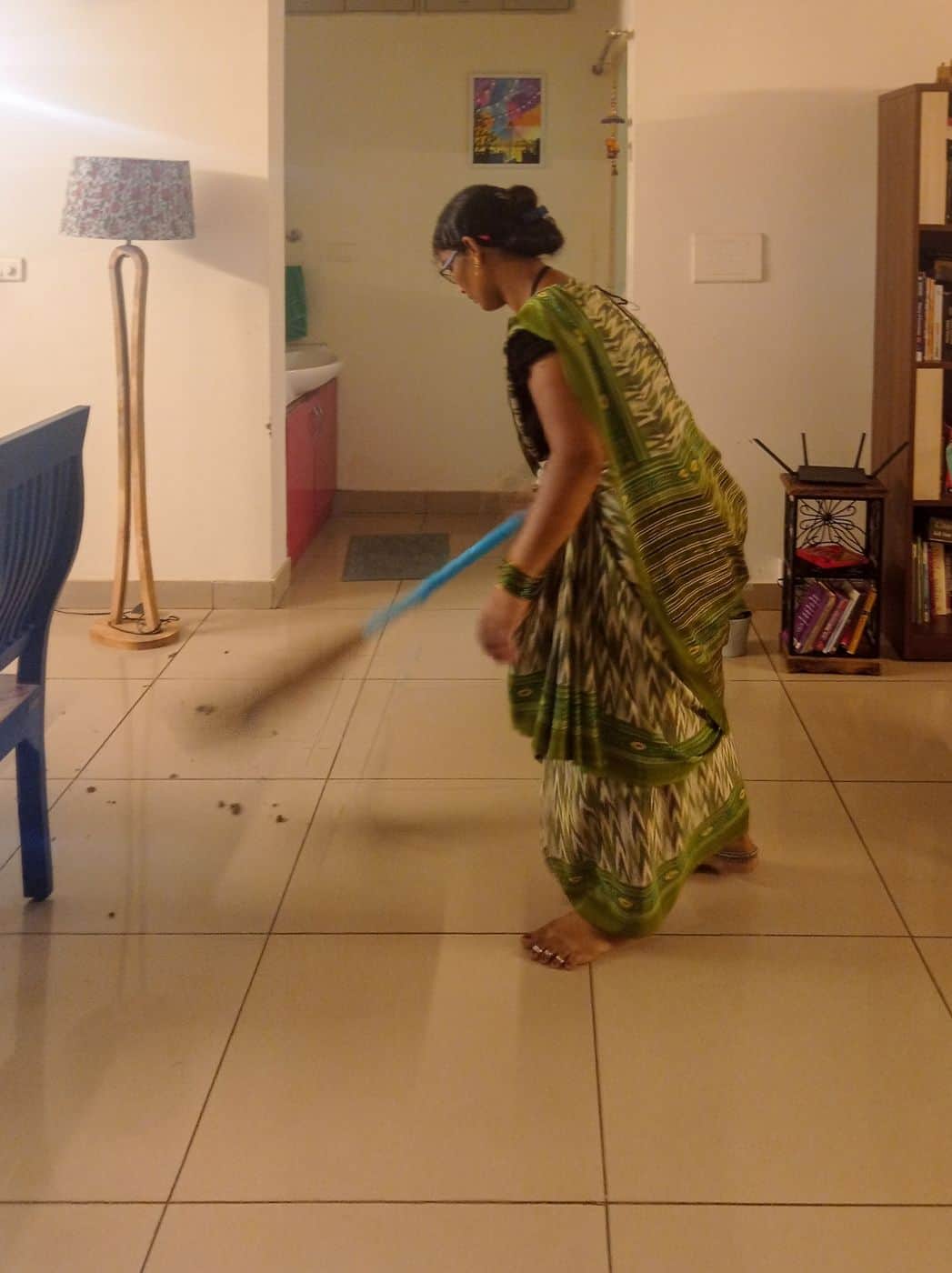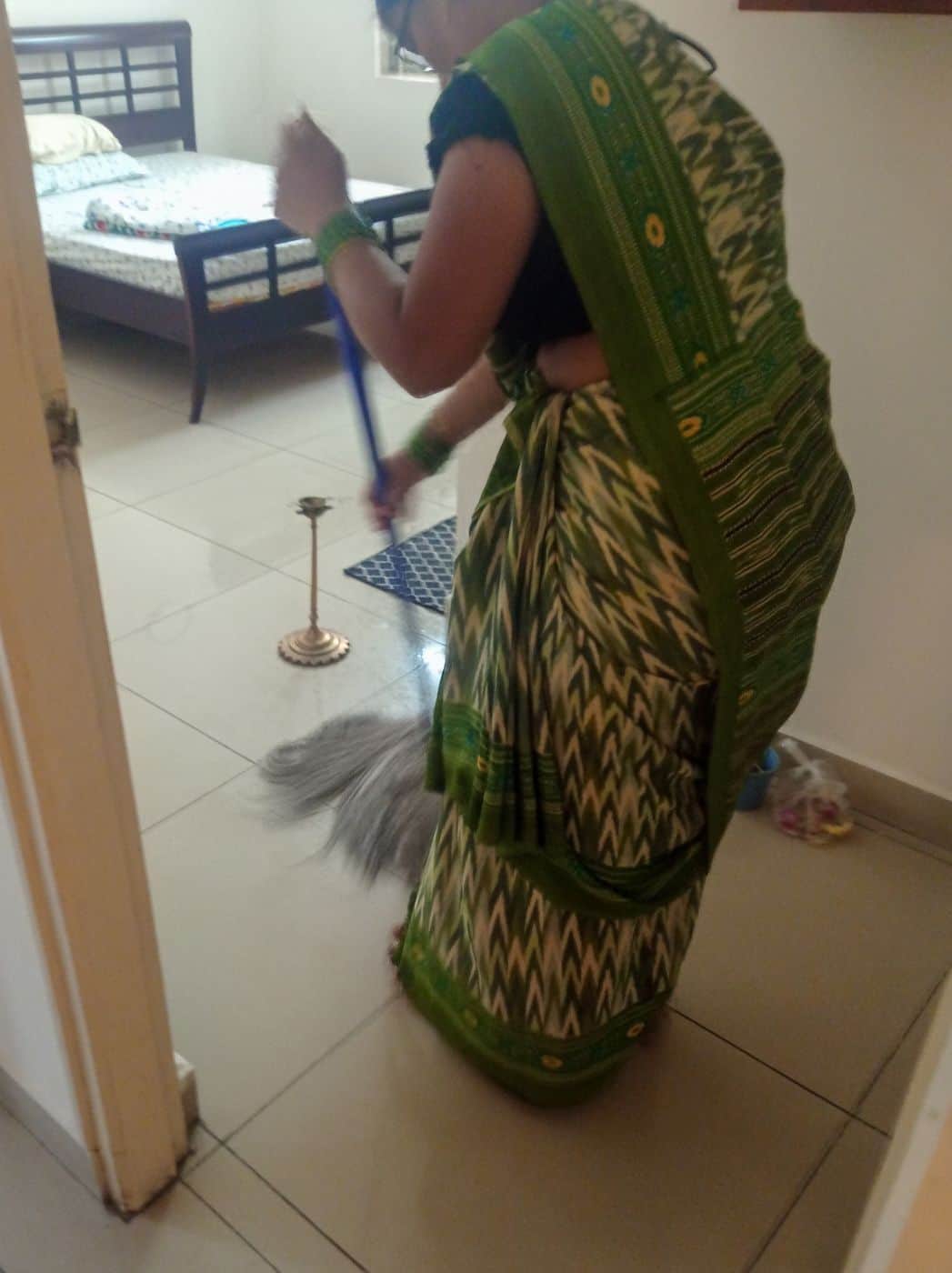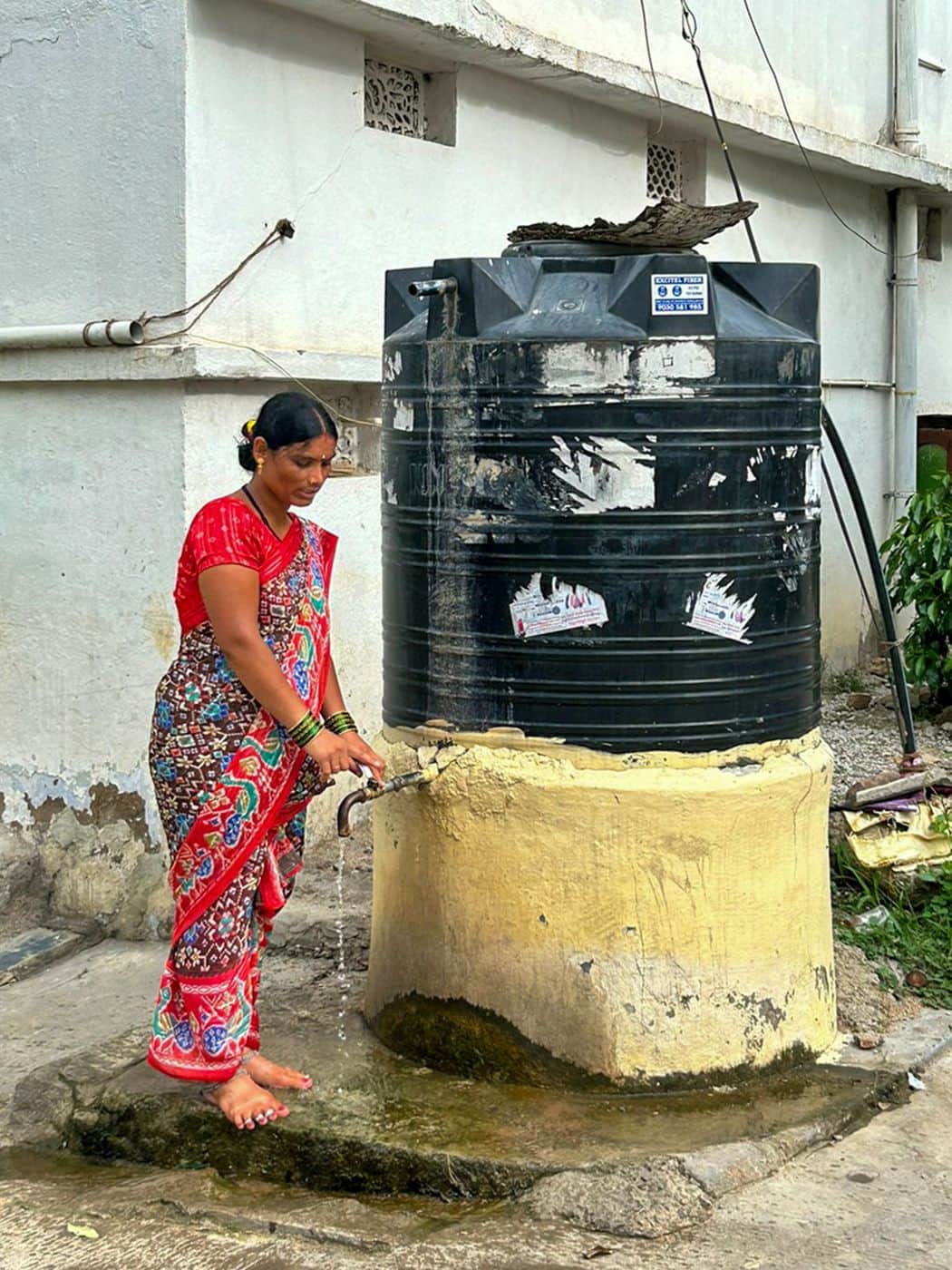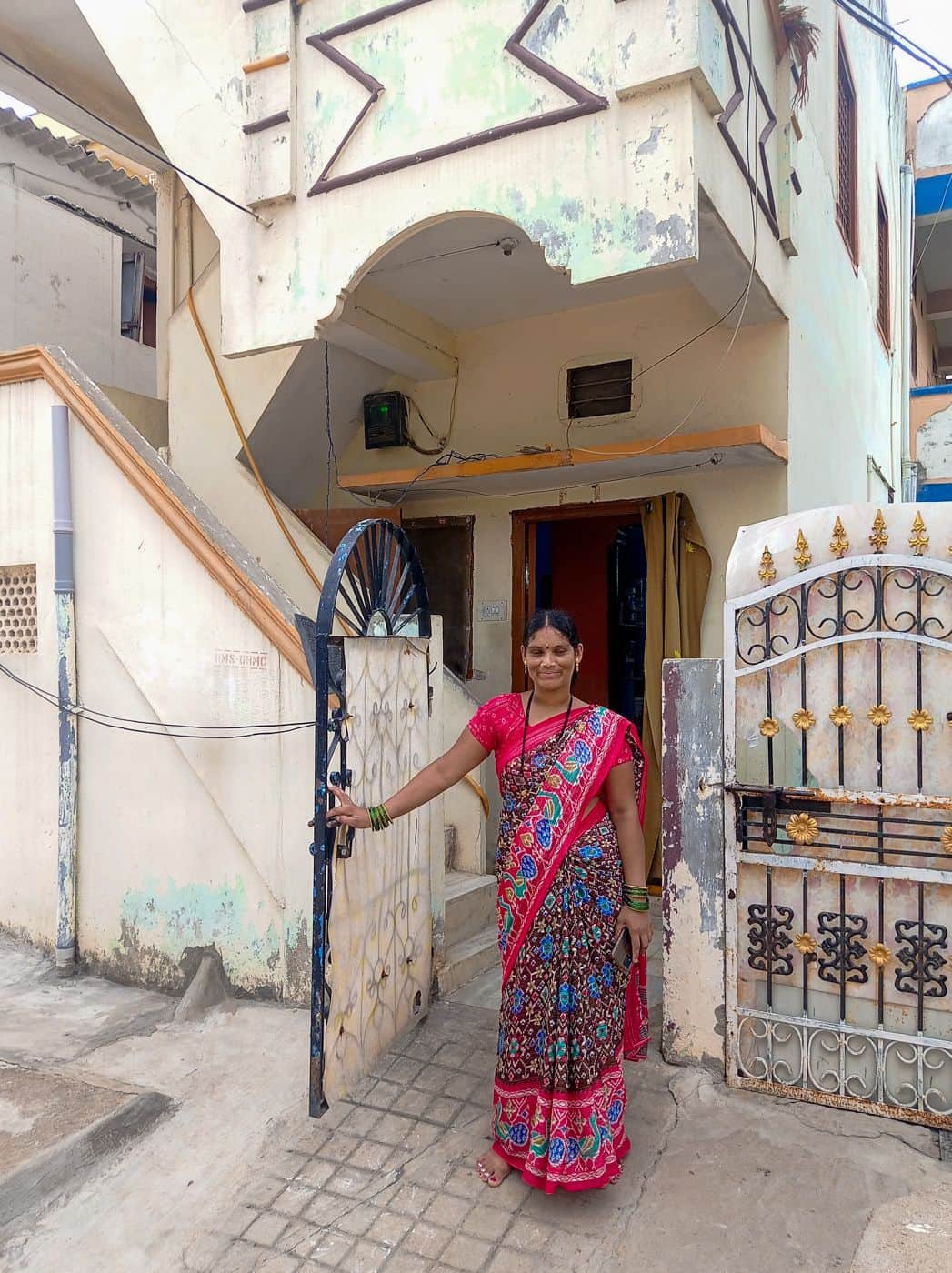

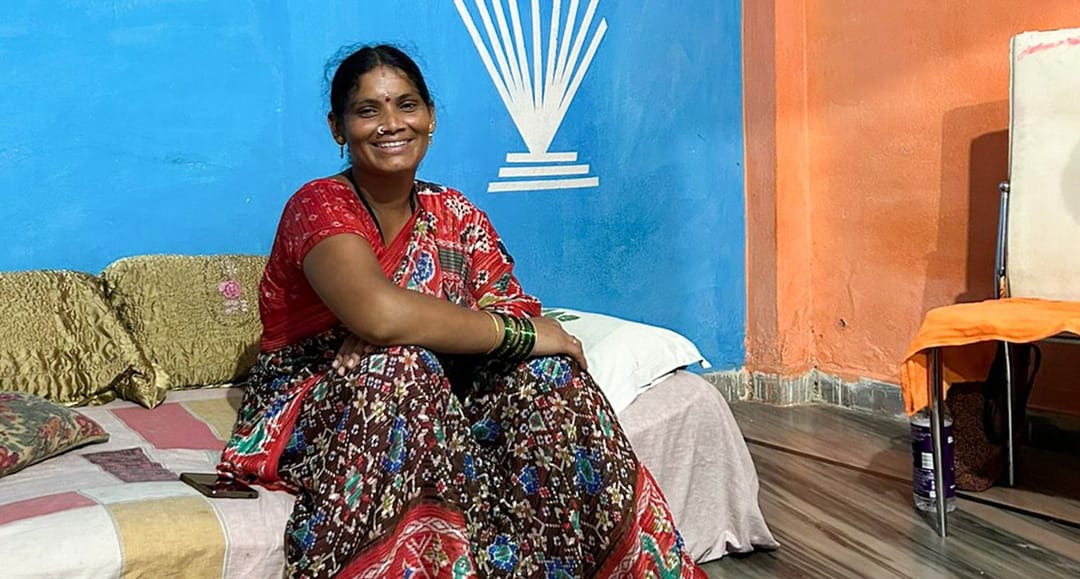
“I could have become a police officer if only my father had let me study,” she says wistfully before turning towards the sink, loaded with sticky utensils and foaming with soap. It is 9 a.m. and she will be dashing off to other apartments in the gated community. Anitha didi, as she is known in the colony where she works as a domestic labourer, still has five more homes to go to before she can begin the journey back home. From Nallagandla, the upscale suburb where she works, in north-west Hyderabad, back to her home in Patancheru in neighbouring Sangareddy district, is a 10-kilometre journey.
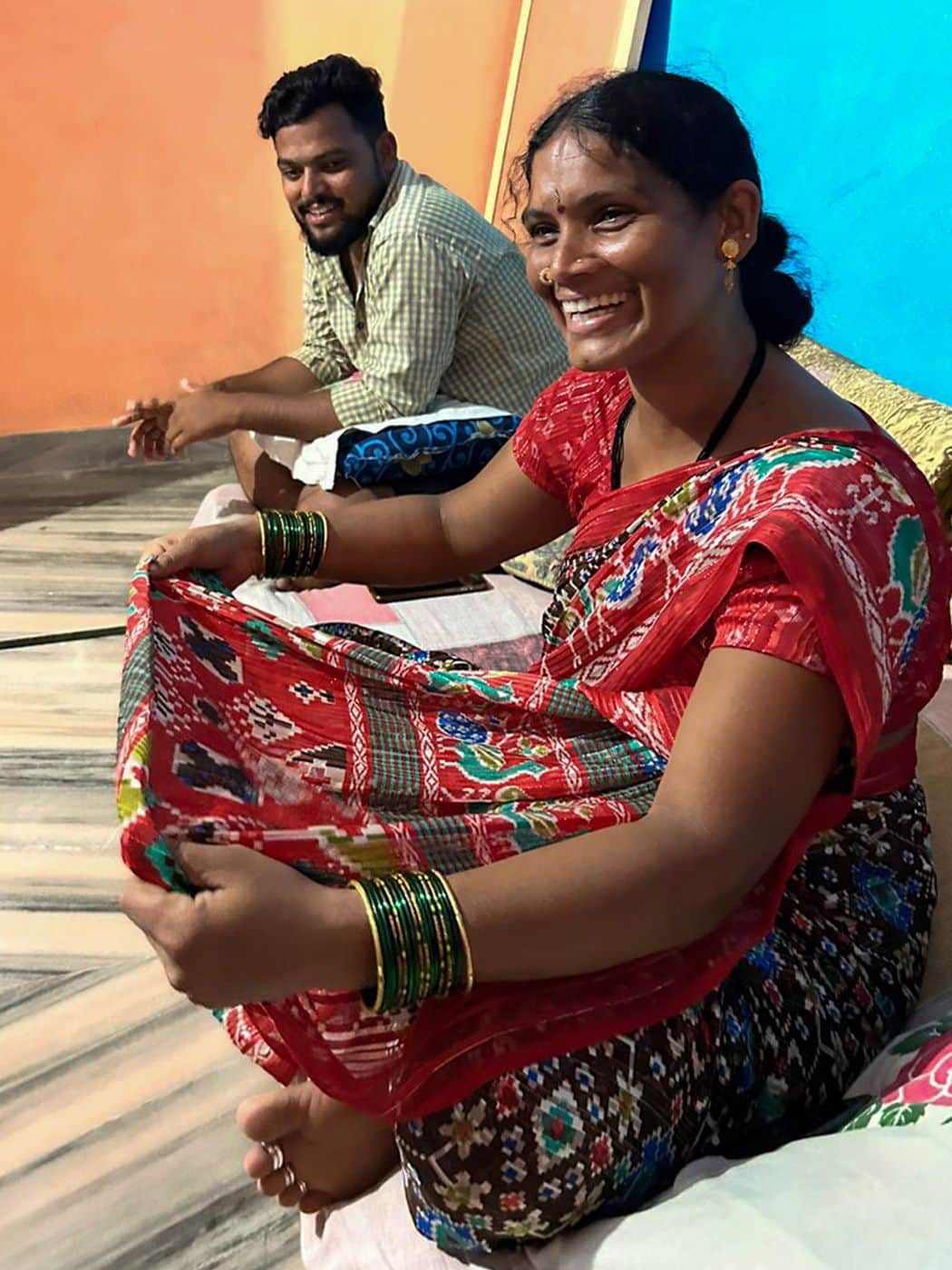
Anitha Rathod, 25-year-old and already a mother of four, belongs to the Lambadi community, listed as a Scheduled Tribe in Telangana. She is among the many migrant workers employed within the gated communities of Hyderabad - a city that ranks among the top five in the country for attracting migrant labour. Working long hours, she needs to leave behind her extended family in Challagidda thanda, her children with her parents in native Maineli, and also give up on her dreams.
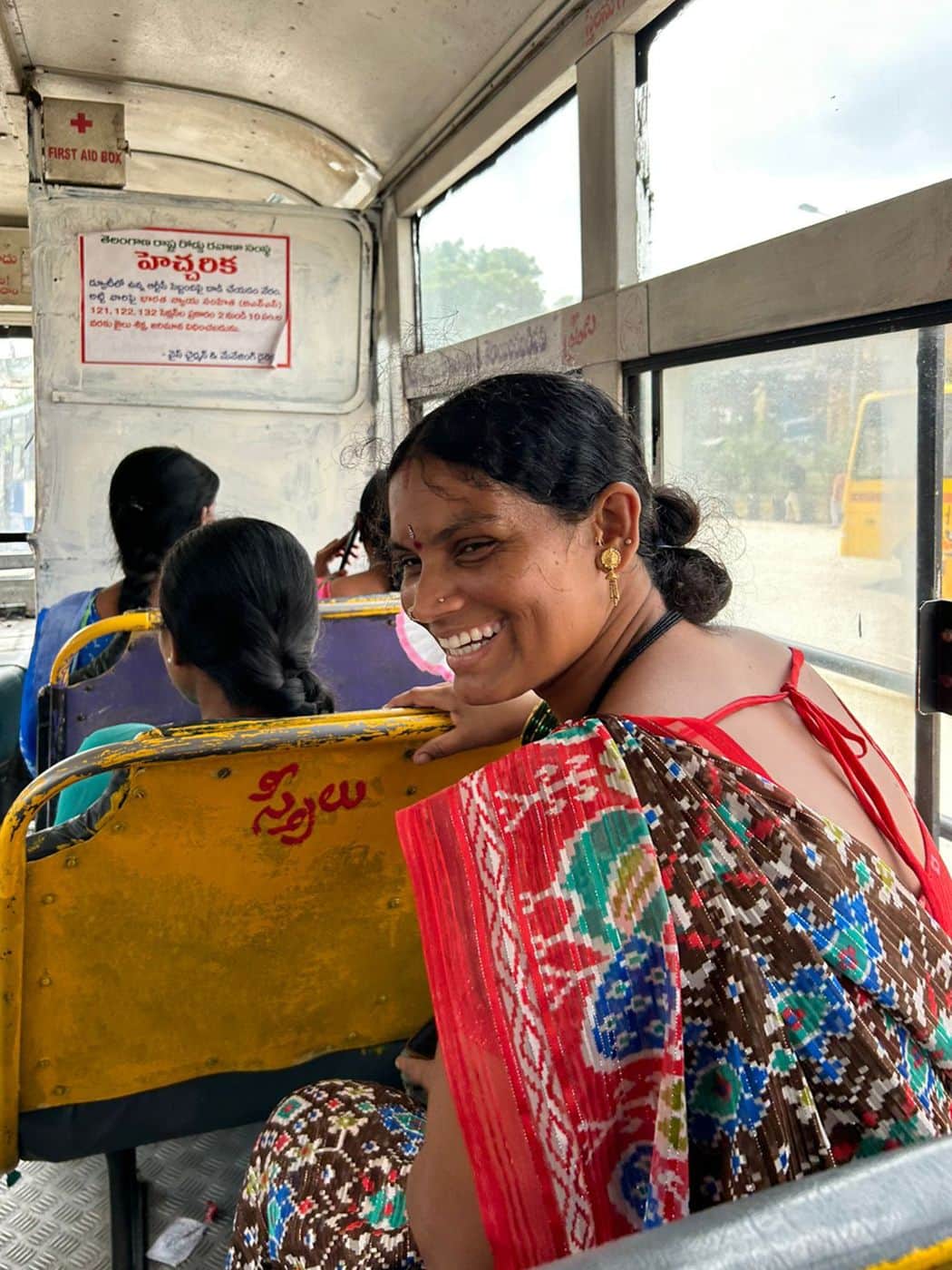
Every morning, her day begins at about 4 a.m. with cooking and washing clothes, cleaning the house. At 5.30 a.m. she boards a bus to nearby Lingampally in Ranga Reddy district. And from there takes an auto for Rs. 20 to reach the gated community in Nallagandla by 6 a.m. The Telangana government’s Maha Lakshmi Scheme, introduced in 2023, offers free travel for women in state transport buses, and that helps Anitha save on some portion of the commute to her workplace.