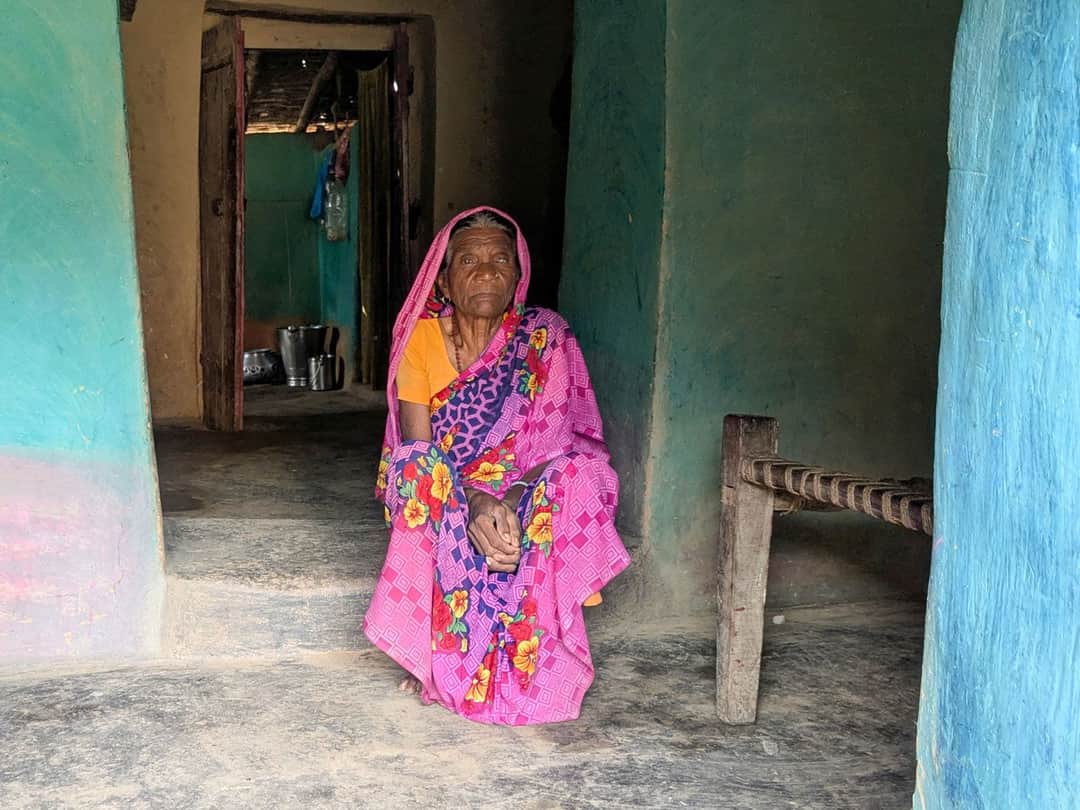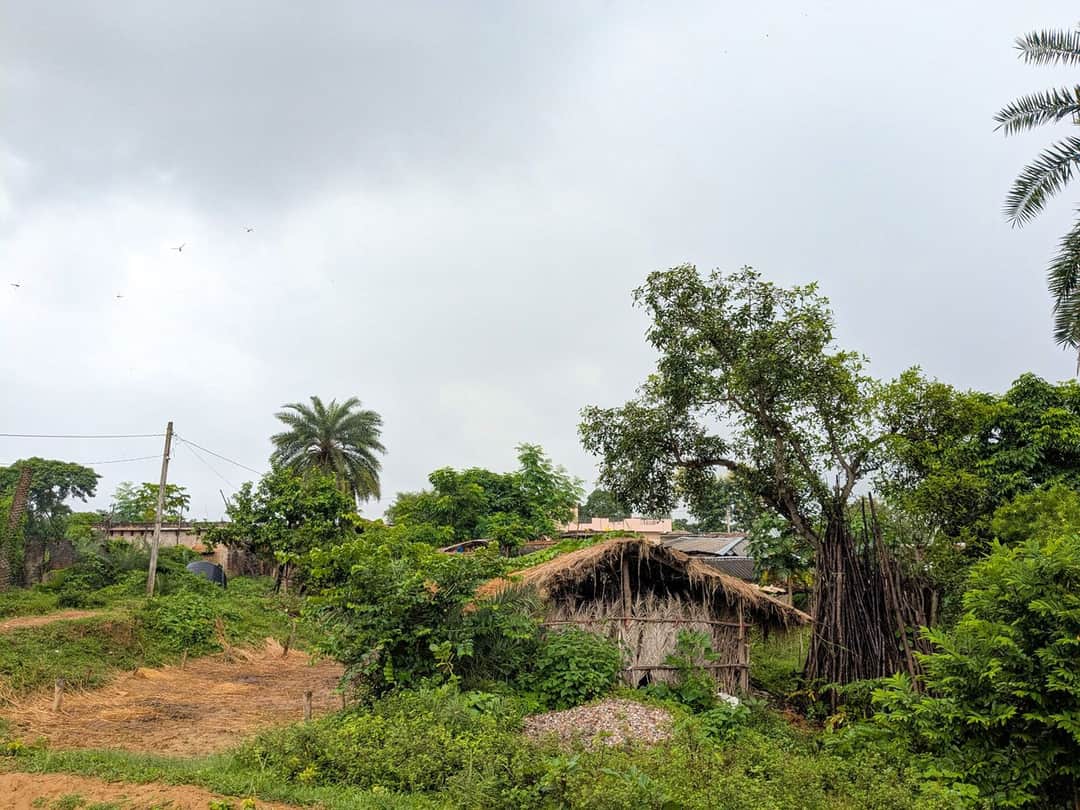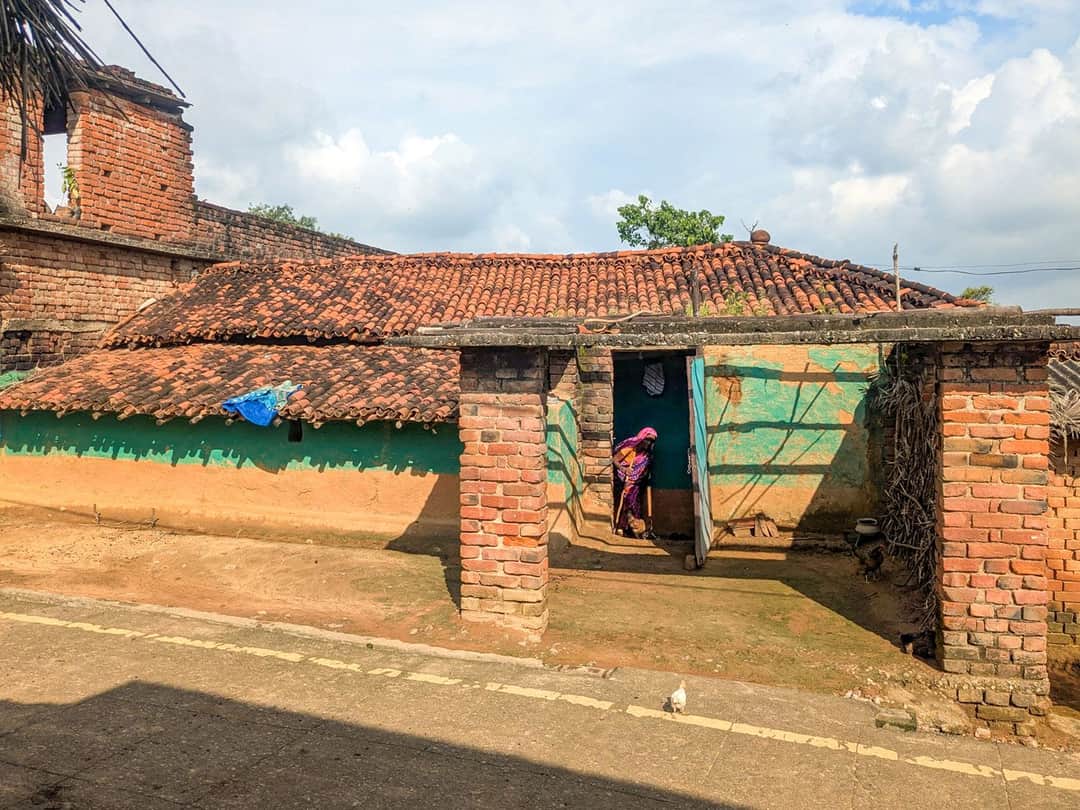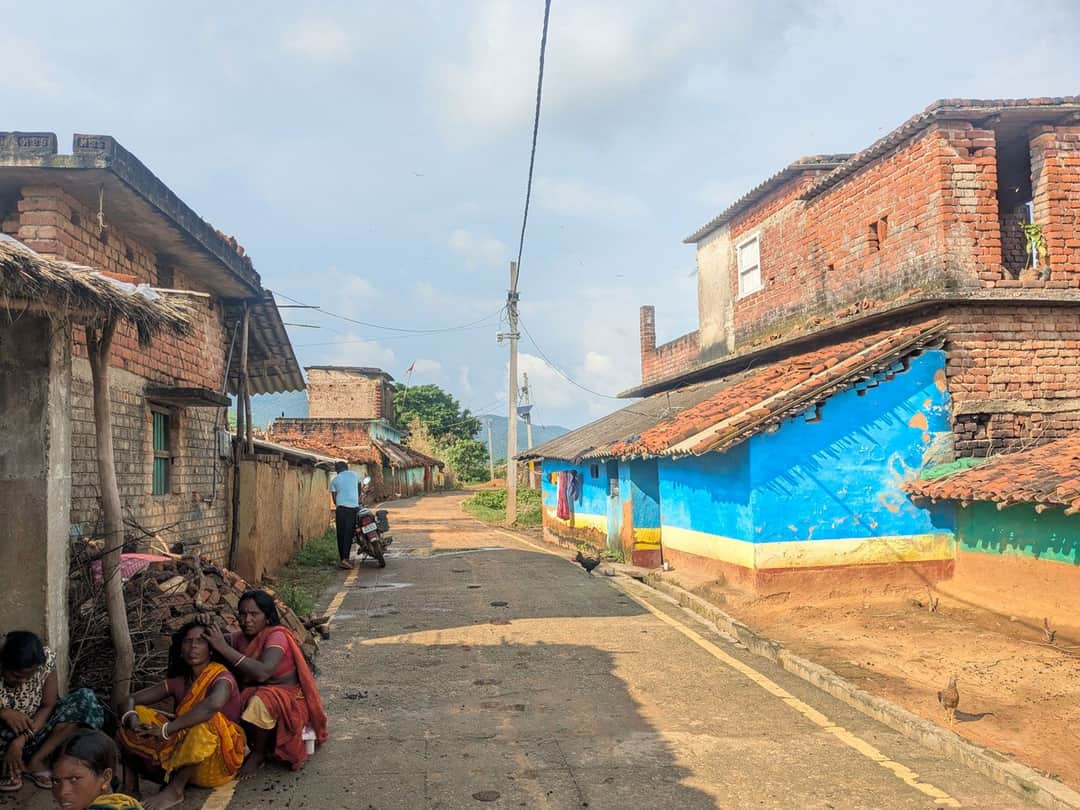

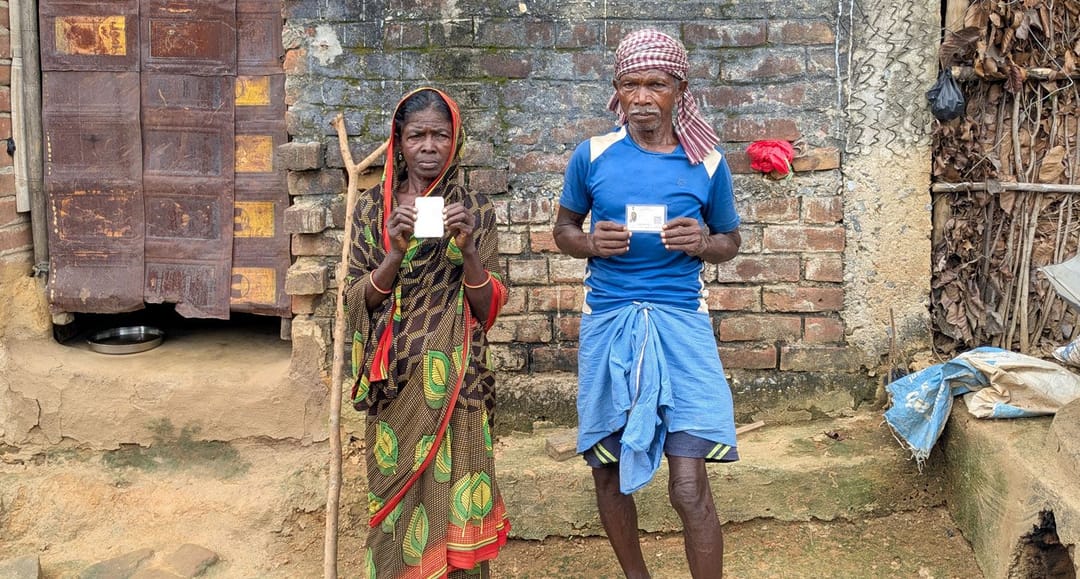
Latehra tola has around two dozen houses of Adivasis on both sides of the road. Some houses are concrete, others made of mud and thatch. It’s an afternoon in September, and the rain has just stopped; the sky is almost clear. Some elderly women are sitting on the side of the road under the shade of homes, chatting and passing the time.
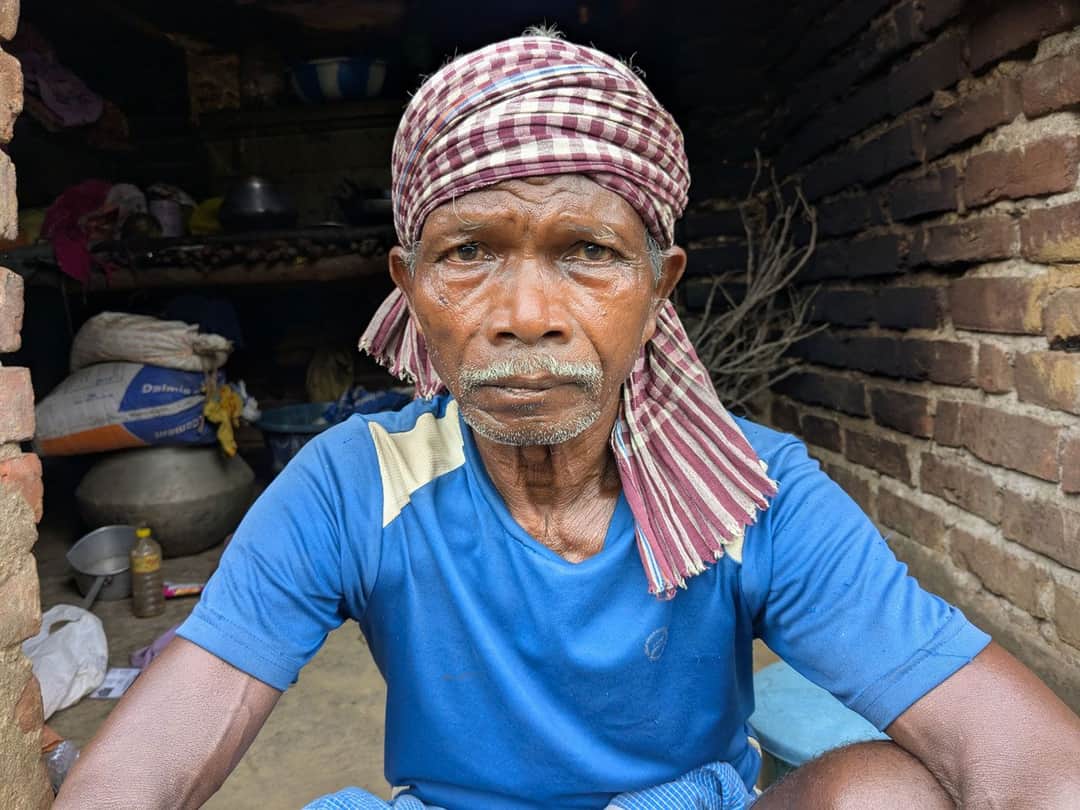
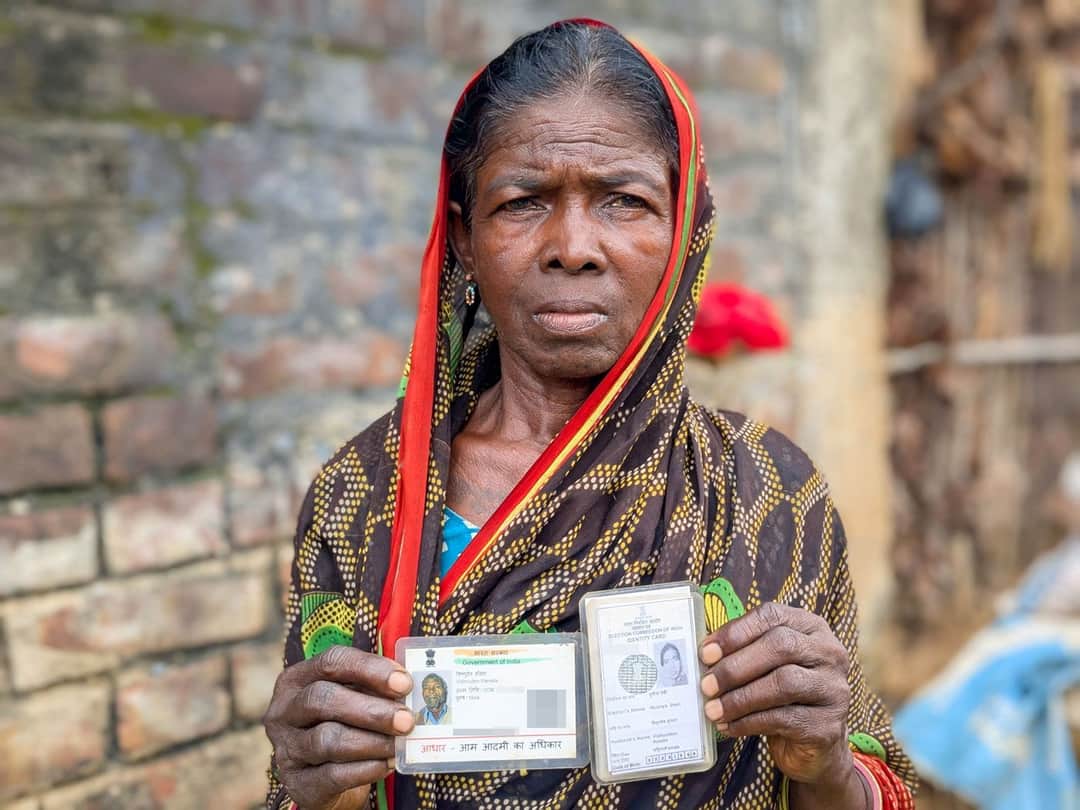
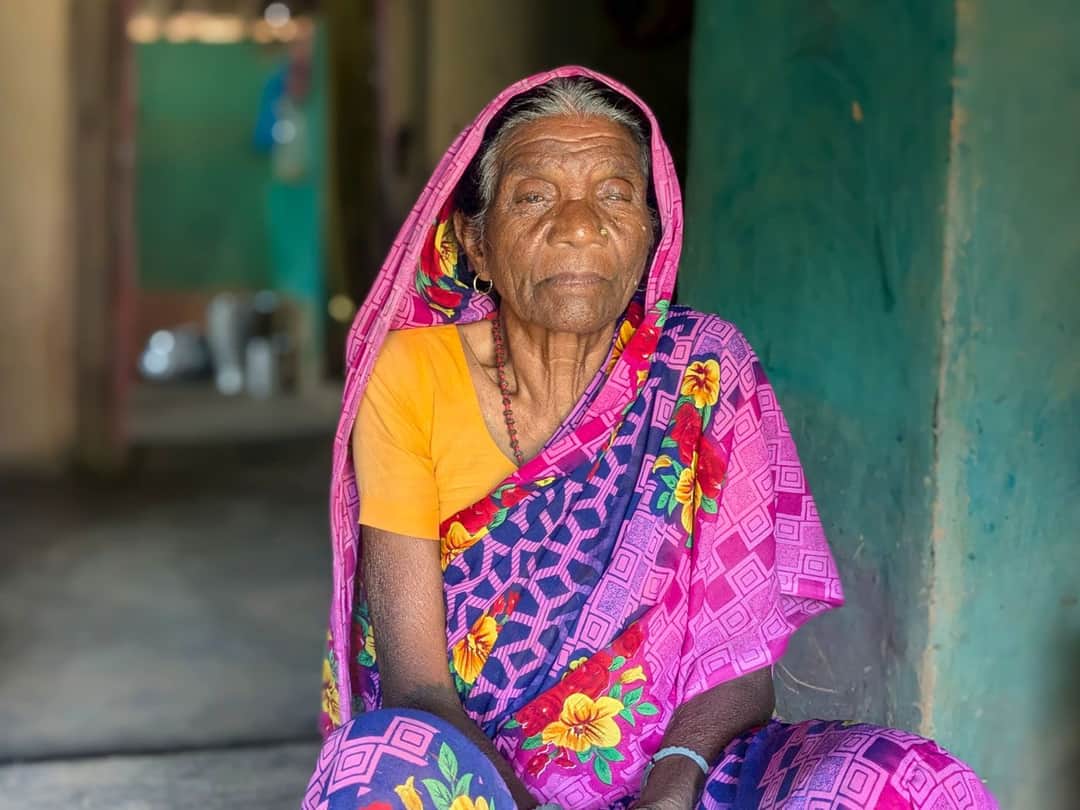
Her bent back and deep wrinkles give away Phulmani’s advancing age. She walks towards me with a stick. Phulmani was three years old when India became independent. Once she turned 21, this Santhal Adivasi from Latehra tola in Jamui district has always been on the voter list, until last month when her name was struck off. Now in her early eighties, Phulmani worries how the rest of her life will go – she fears that if she cannot vote, she will become ineligible for government schemes, vital for this elderly woman.
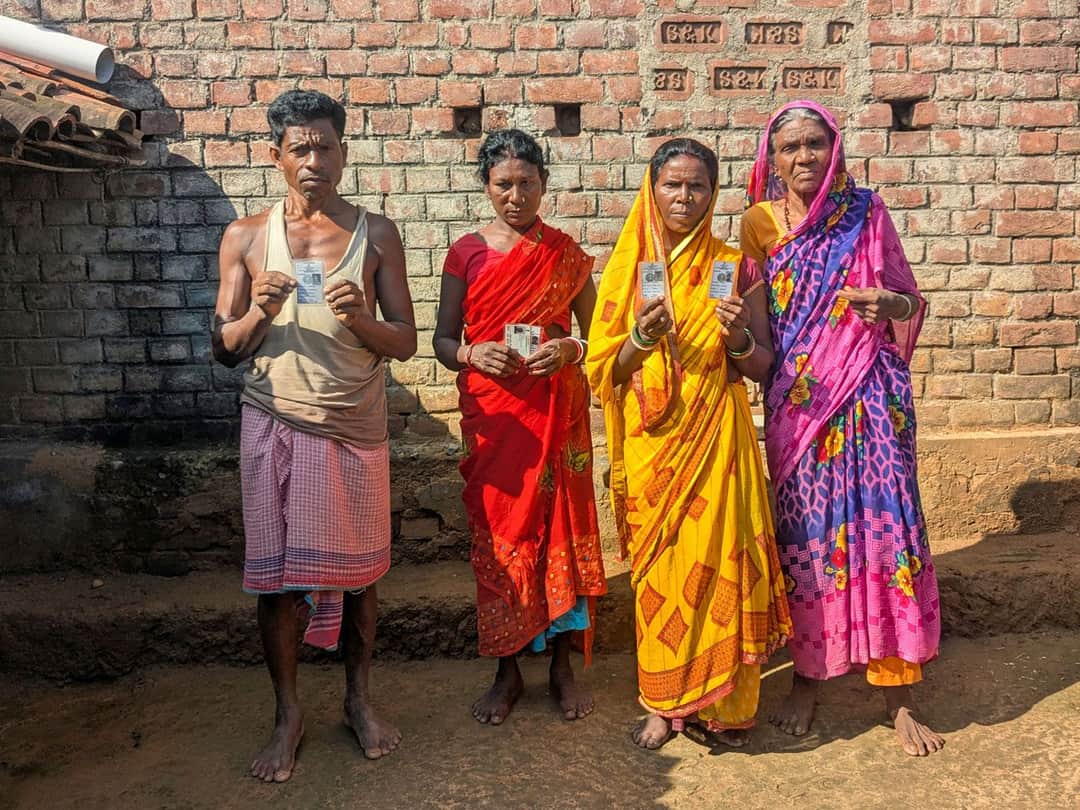
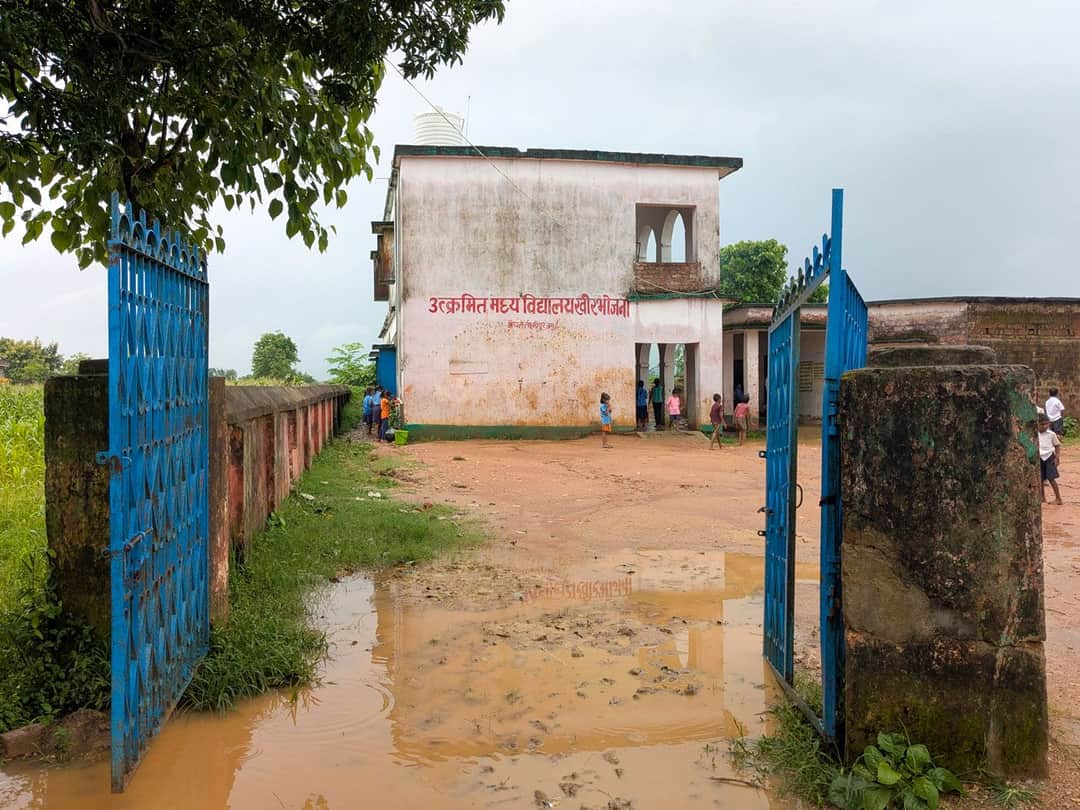
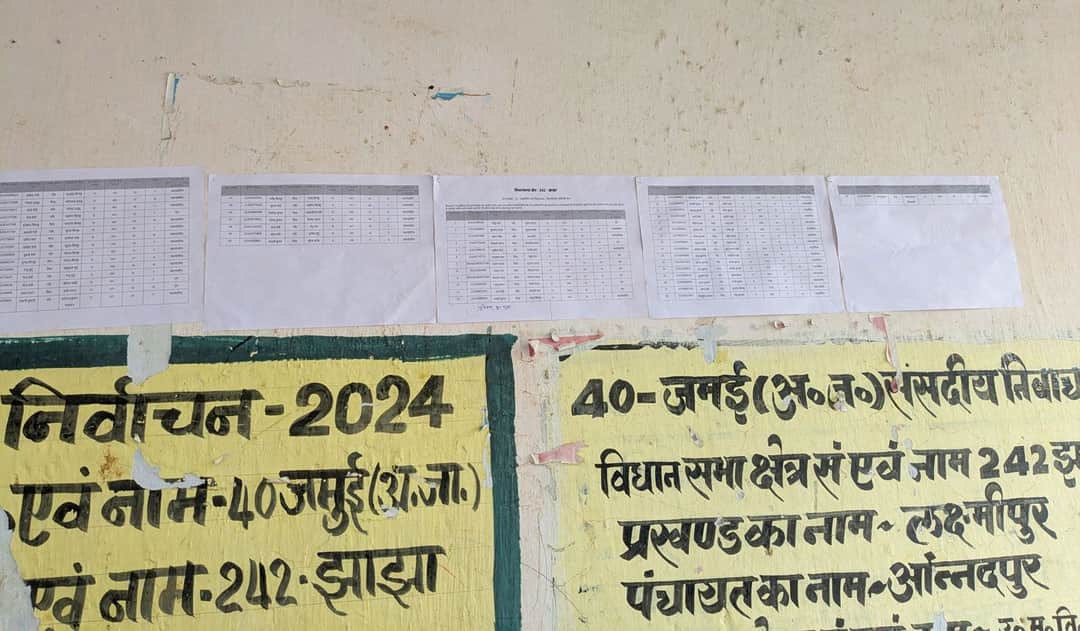
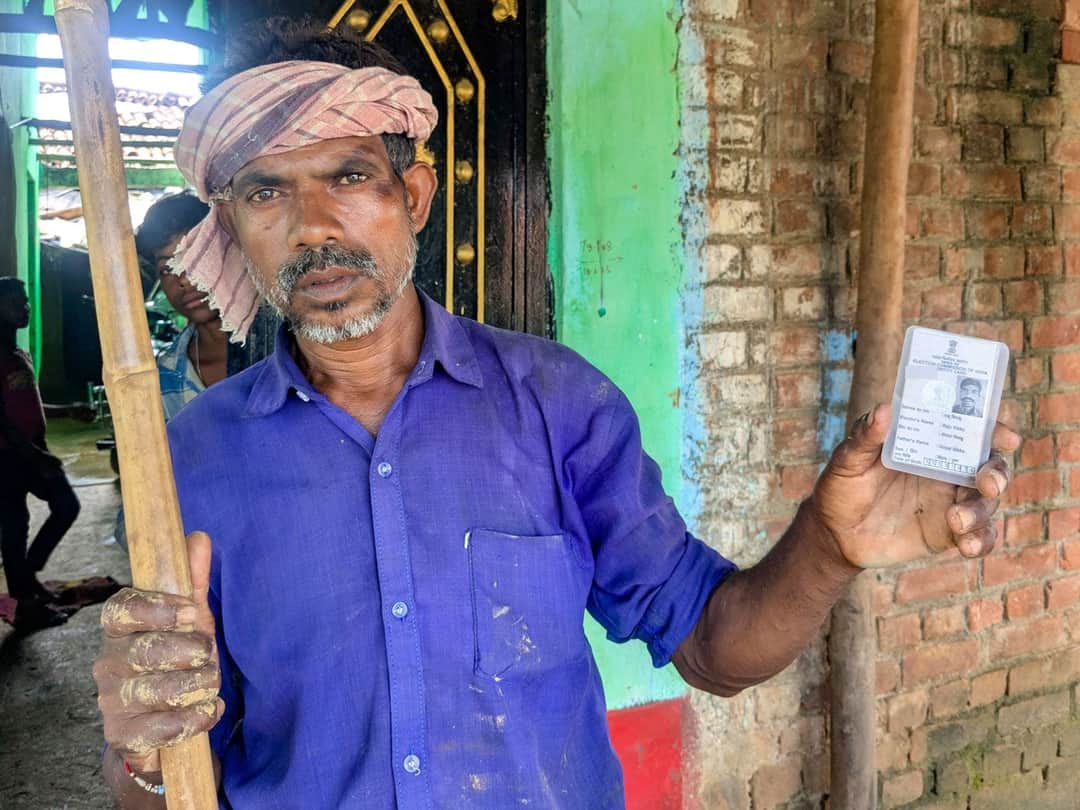
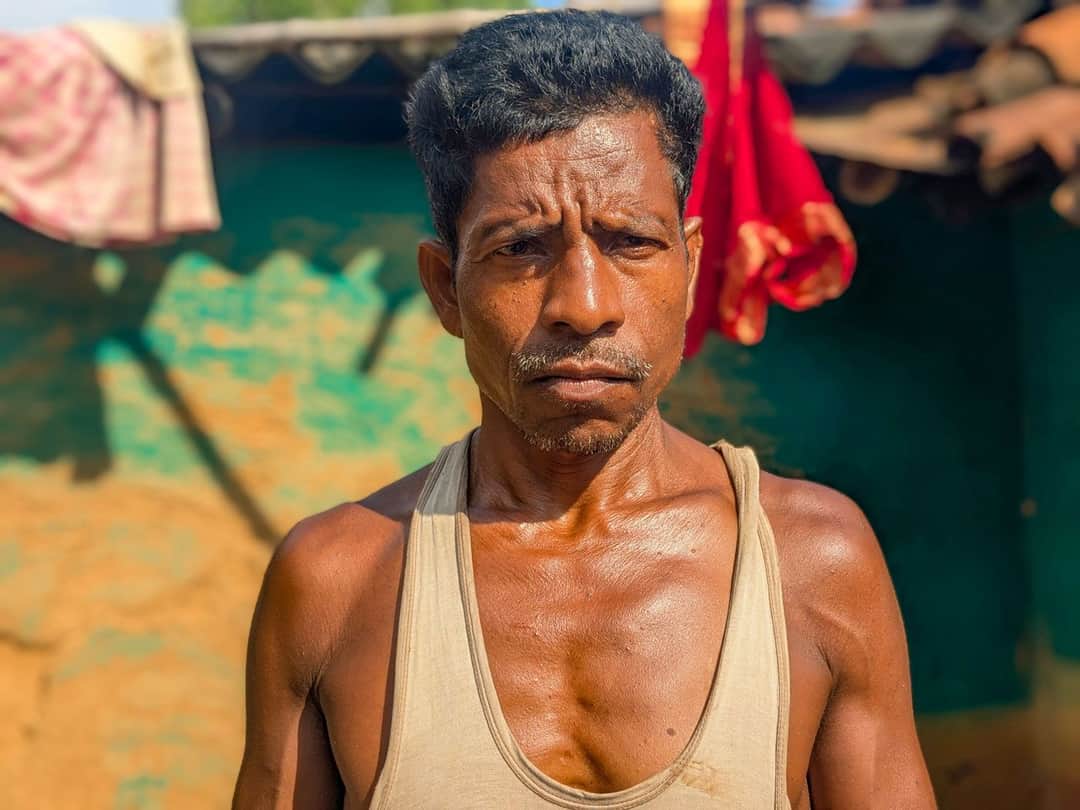
Vishnudev Hansda’s name has also been deleted from the list of eligible voters in Kanar Adivasi tola in Dubaratari village. As has Raju Kisku’s. And five more members of Phulmani’s family as well. They all come under booth number 14, Utkramit Madhya Vidyalaya, Khirbhojna (East). Fifty names had been deleted. Of these, 50 per cent were Adivasis when I checked. The final list, after revision, listed 661 voters in this booth.
The Special Intensive Revision (SIR) in Bihar was held in July 2025, and it deleted over 66 lakh votes, citing ‘dead’ and ‘shifted’ as major reasons. Read: In Bihar: ‘dead’ Adivasis tell their tales
Adivasis count for less than two per cent of the population in this state, but they were among those who faced the highest deletions in the SIR held before the recent elections. Tribals here are mainly dependent on minor forest produce from the nearby hills to run their households. They collect dry wood from the forest throughout the day and sell it in the nearby market in the evening, to earn around Rs.150-200. Apart from this they work as daily wage labourers in farms, for MNREGA and wherever they get work.