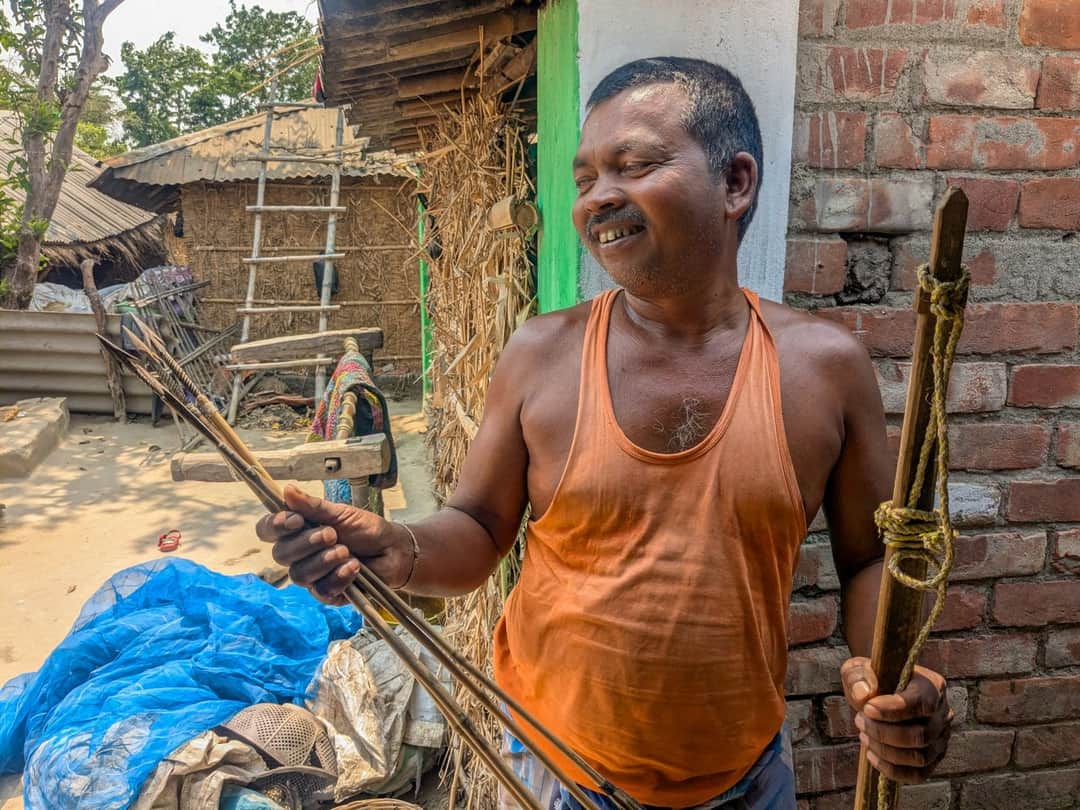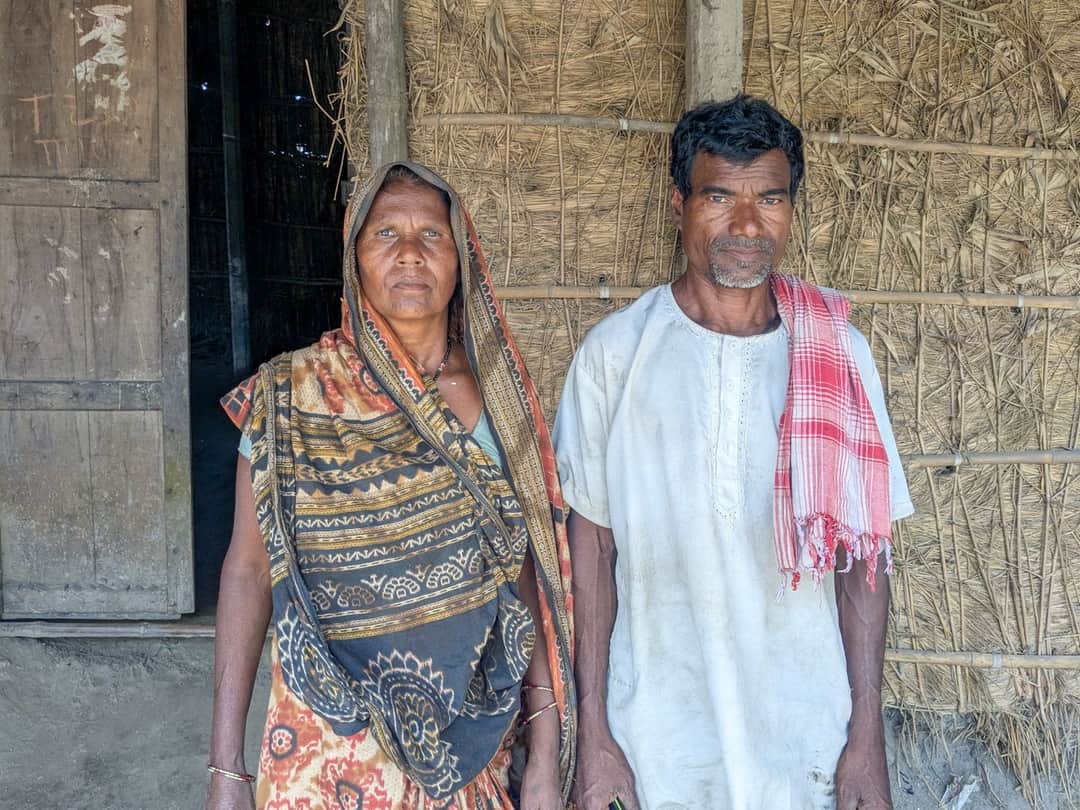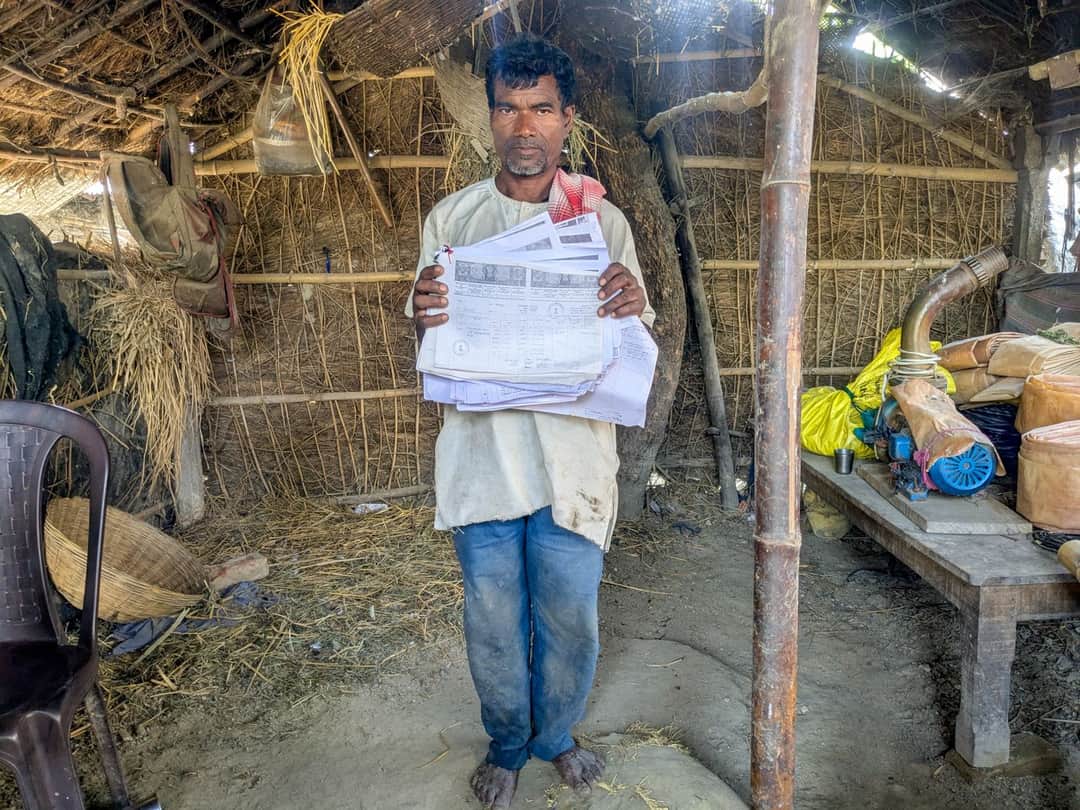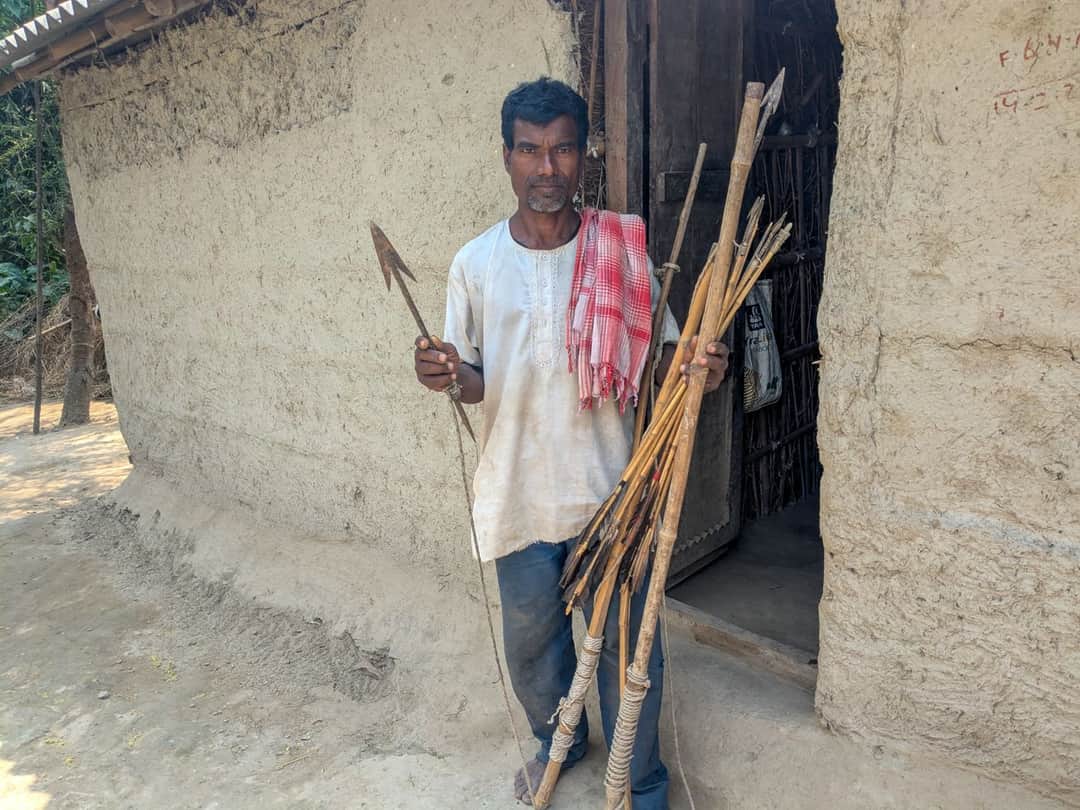

The main asphalt road that passes through a part of the corn belt in Purnia district is studded with gold on both sides this time of the year. The maize harvest is over, and the farmers have carpeted sides of the road adjacent to their fields with yellow corn kernels to dry. Nearing Chandwa-Rupaspur Adivasi tola, we see Santhal men and women turning over the grains with a wooden plough-like tool to help the moisture evaporate faster. Somewhere, a chowkidar must be keeping a watch and will soon descend at their doors to collect the share of the landlords, on whose fields the Adivasis have been working for generations as sharecroppers. And to whom they still pay a part of their harvest, years after land rights reforms in the state.
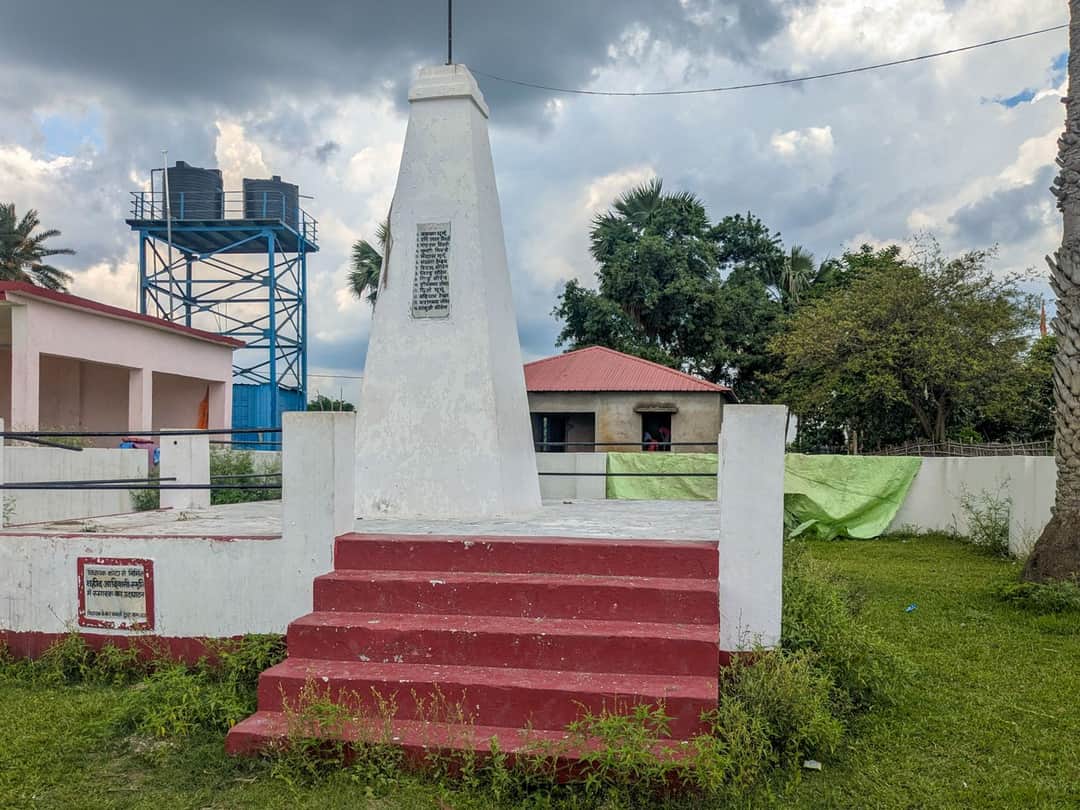
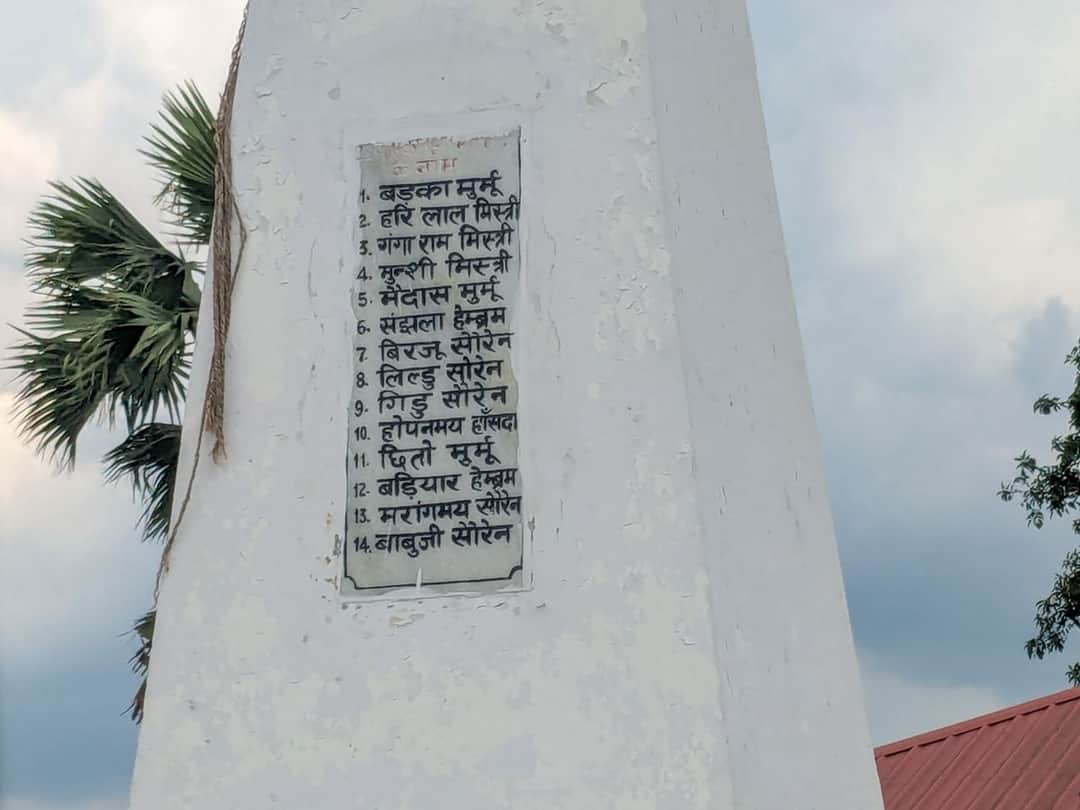
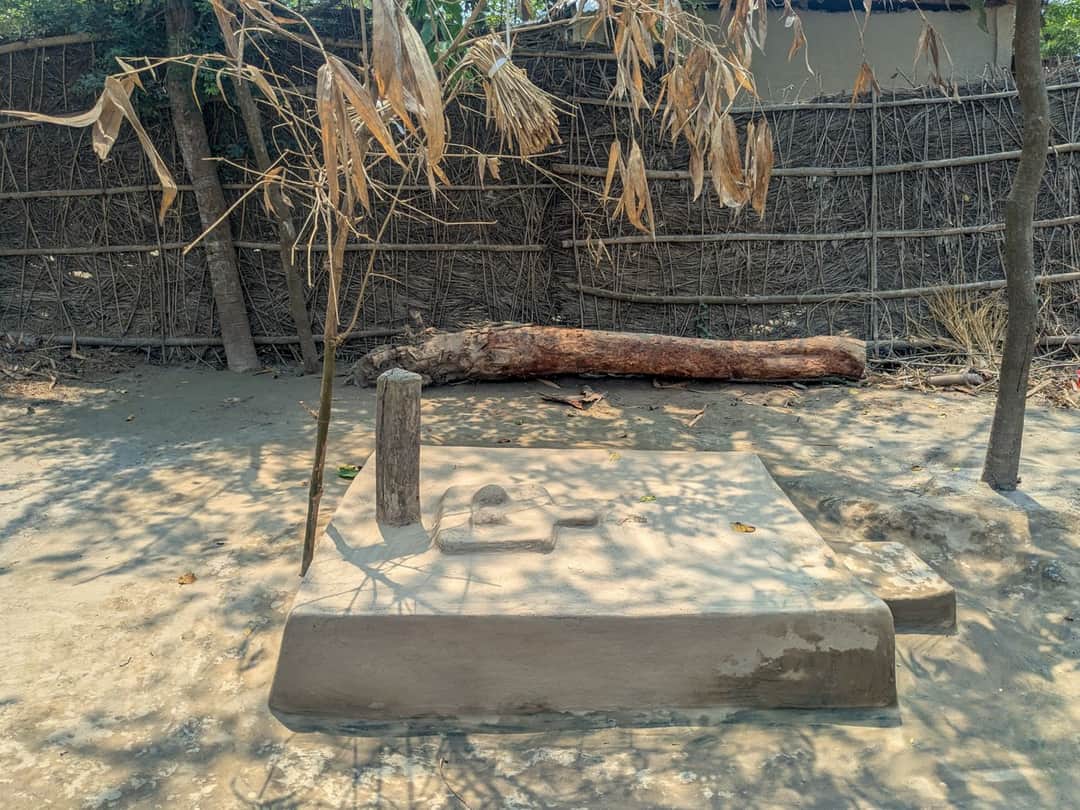
Somewhere a little further from the main road, closer to the village, their ancestors keep a vigil too, from a memorial raised in memory of their death during a five-decade old massacre. A white pillar on a raised platform inside a gated field has a marble plate with names of all the 14 brutally murdered by their landlords on November 22, 1971.
“The whole village looked like a cremation ground. Wails and smoke were rising from every house. People were inconsolable. They [private army of the landlords] had burnt 45 houses to ashes.” Age has not dimmed the memories of a massacre that Shivnarayan witnessed as a teenage boy. Neither has time changed many things for his lot in Bihar.
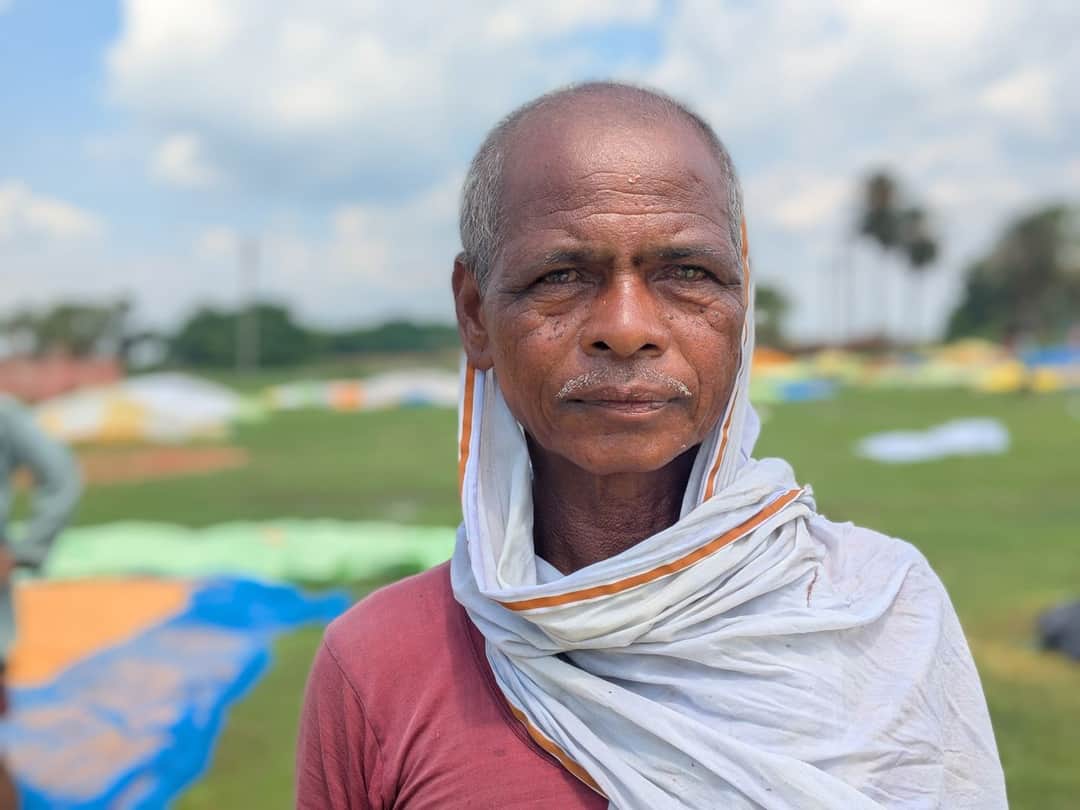
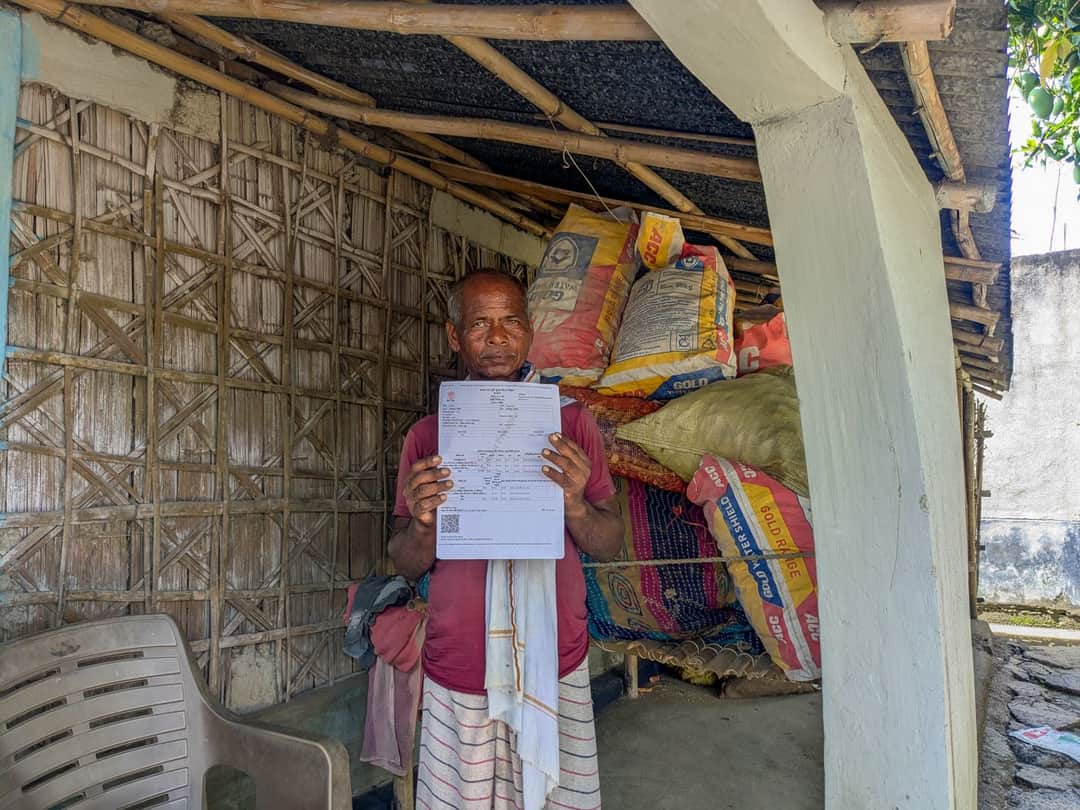
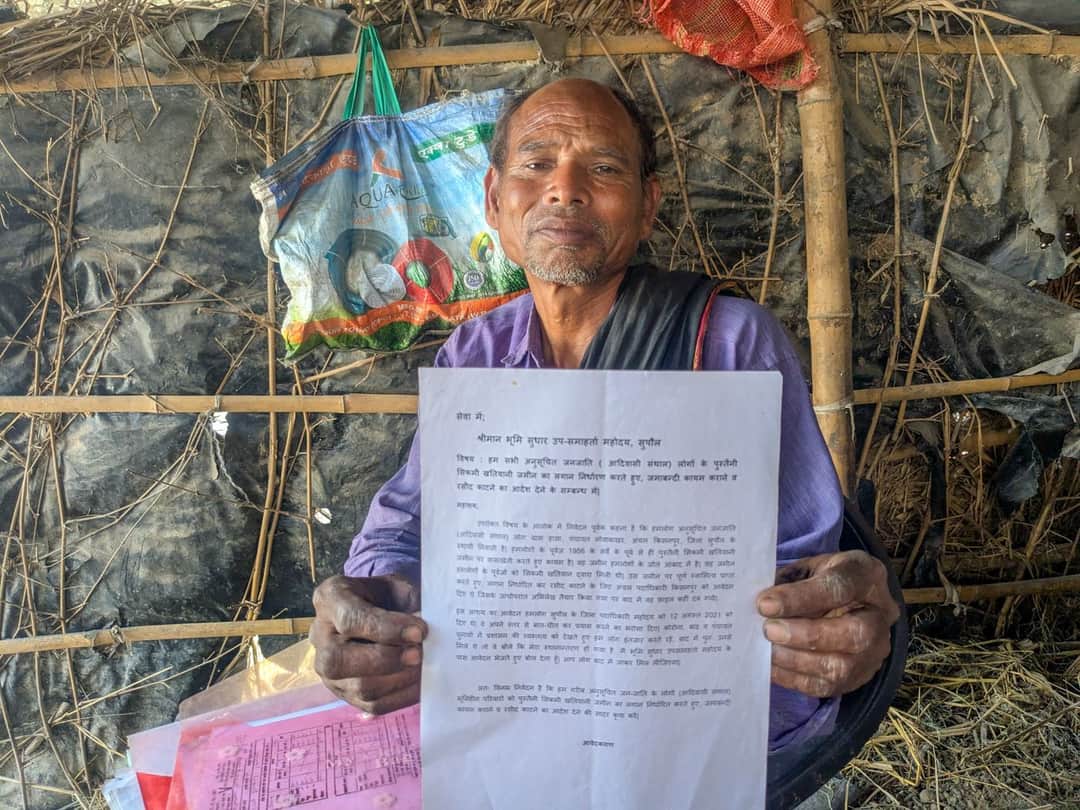
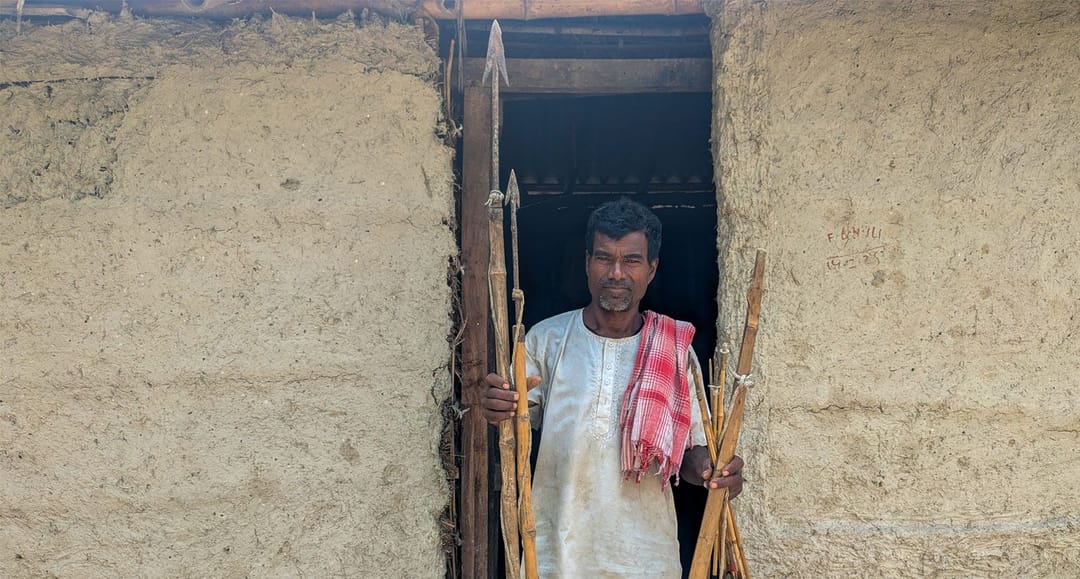
Even then, “it was a fight over land,” says Shivnarayan Murmu, now 70-year-old. He had lost two of his relatives in the massacre. “The Sun had not set.” He slips into another time as we speak to him on a July evening in 2025. “They had come armed with guns, sticks, axes and had surrounded our settlement from all sides. They set ablaze our Adivasi houses and shot at and burnt alive anyone who came in their way,” he says.
But for Shivnarayan himself the trauma went deeper and further in the past. About seven years before the massacre, when he was hardly 10, his father Lakhan Lal Hembram was murdered. Once again, the cause was the land. “He was educated and used to go to the court to fight for the ownership rights of Santhal Adivasis. Once he went to drop the people from the landlord's side who were visiting him and did not return. Three days later, they found his body, with his throat slit, in the forest some four kilometres away from the house.” No one was convicted.
Shivnarayan thought times were changing when a decade after the massacre in Purnia, a lower court pronounced 20 years of imprisonment for the 25 to 30 landlord convicts in the case.
But he knows only half the story.