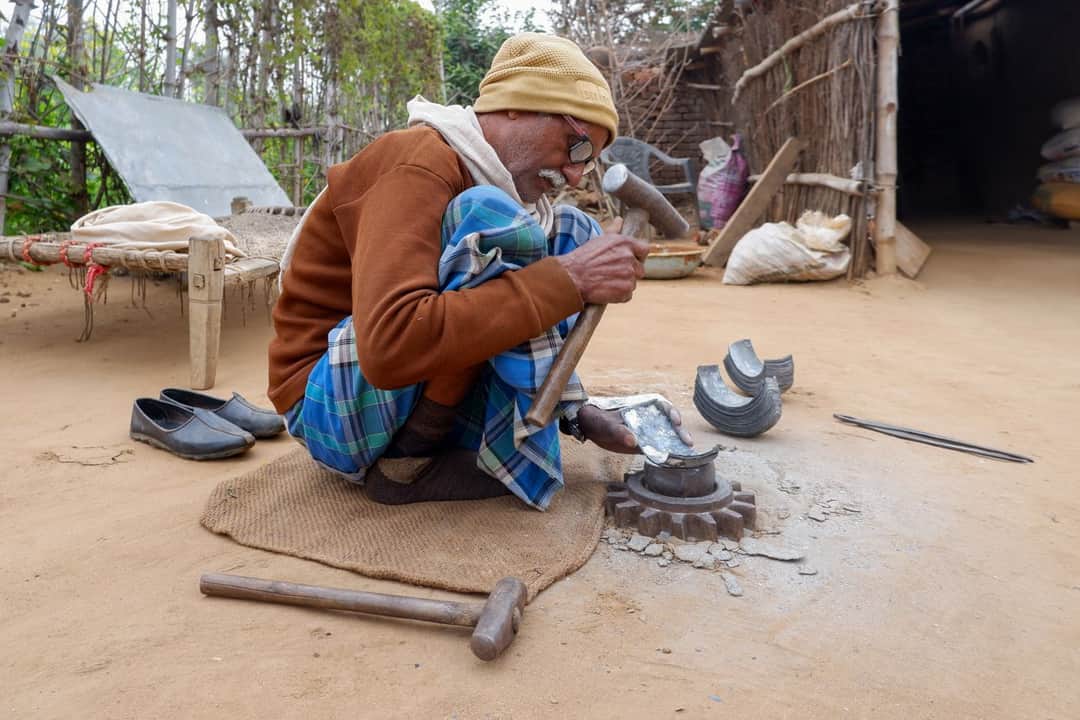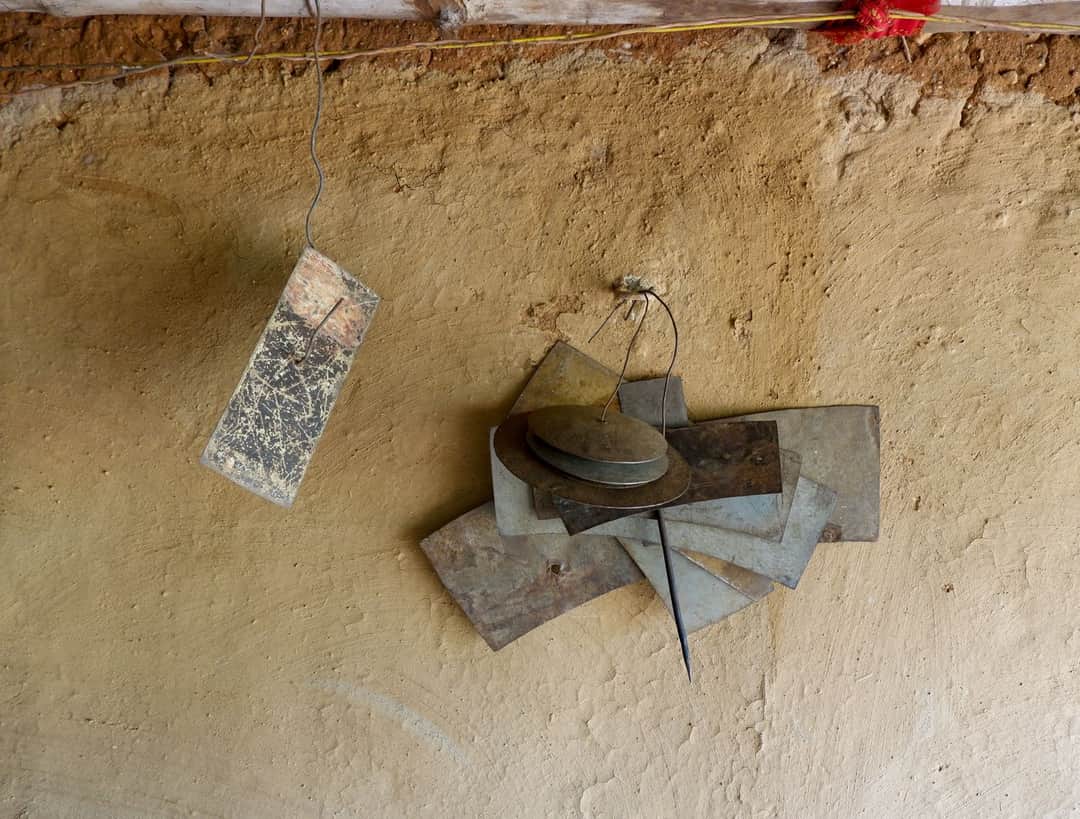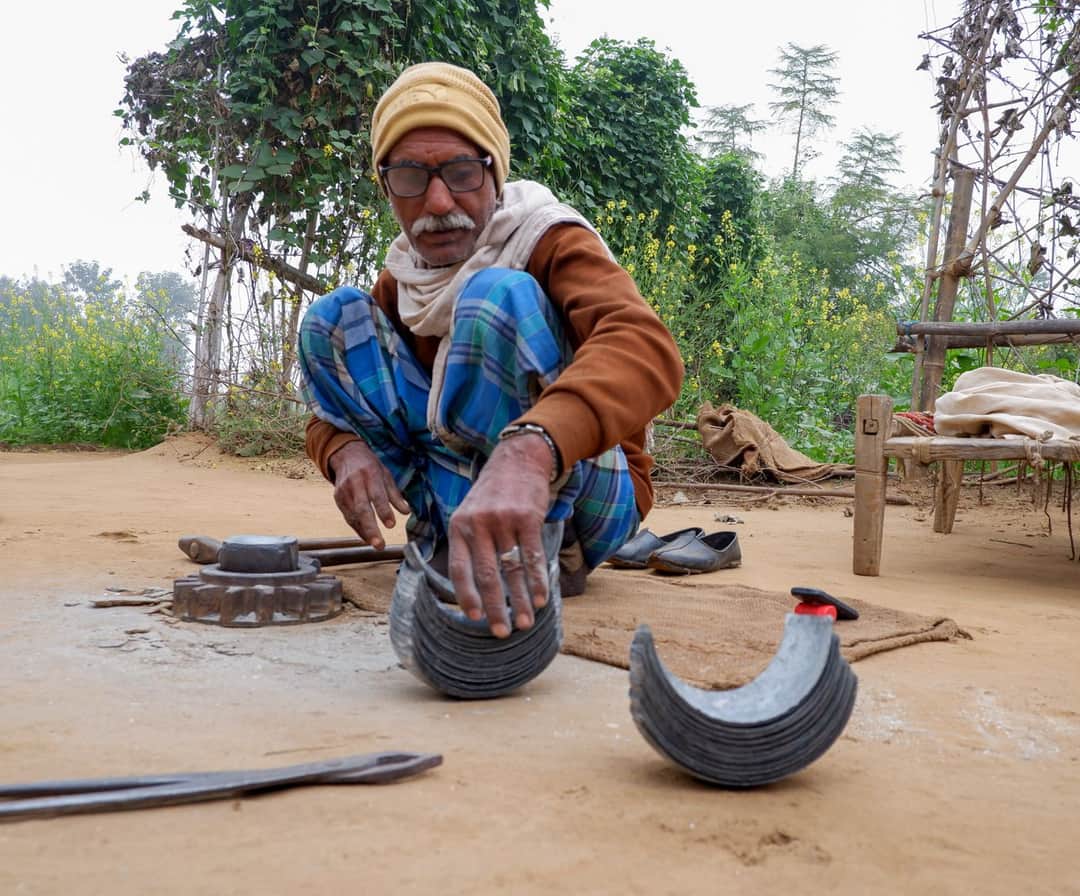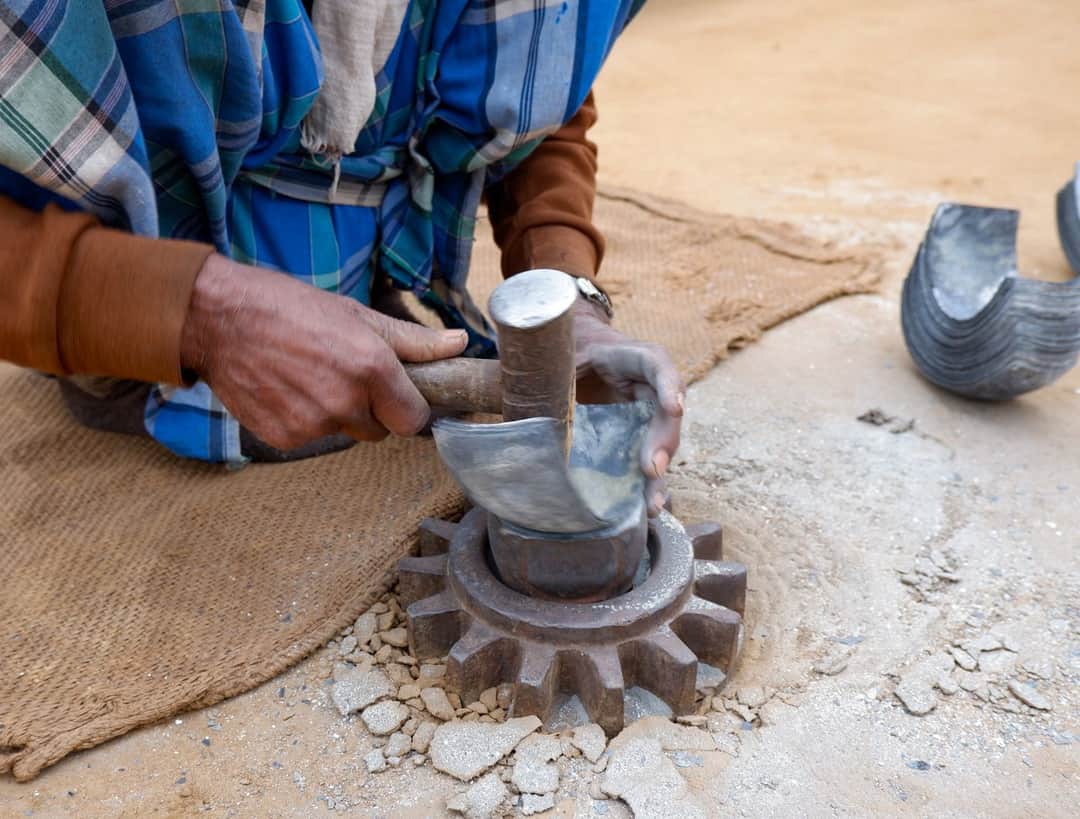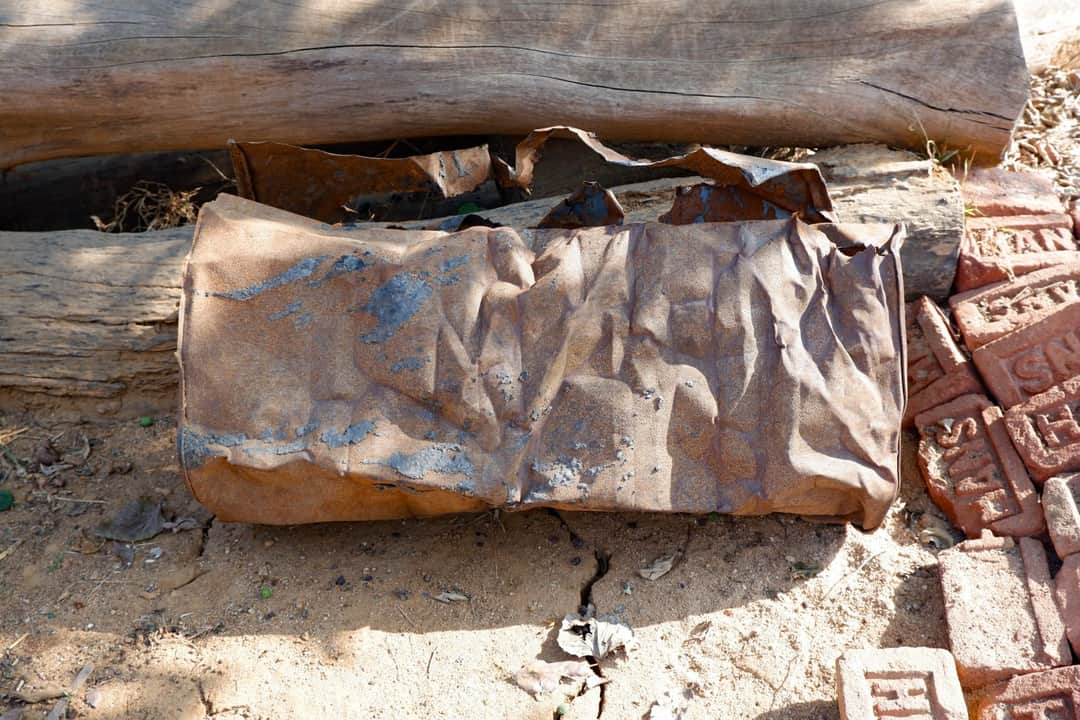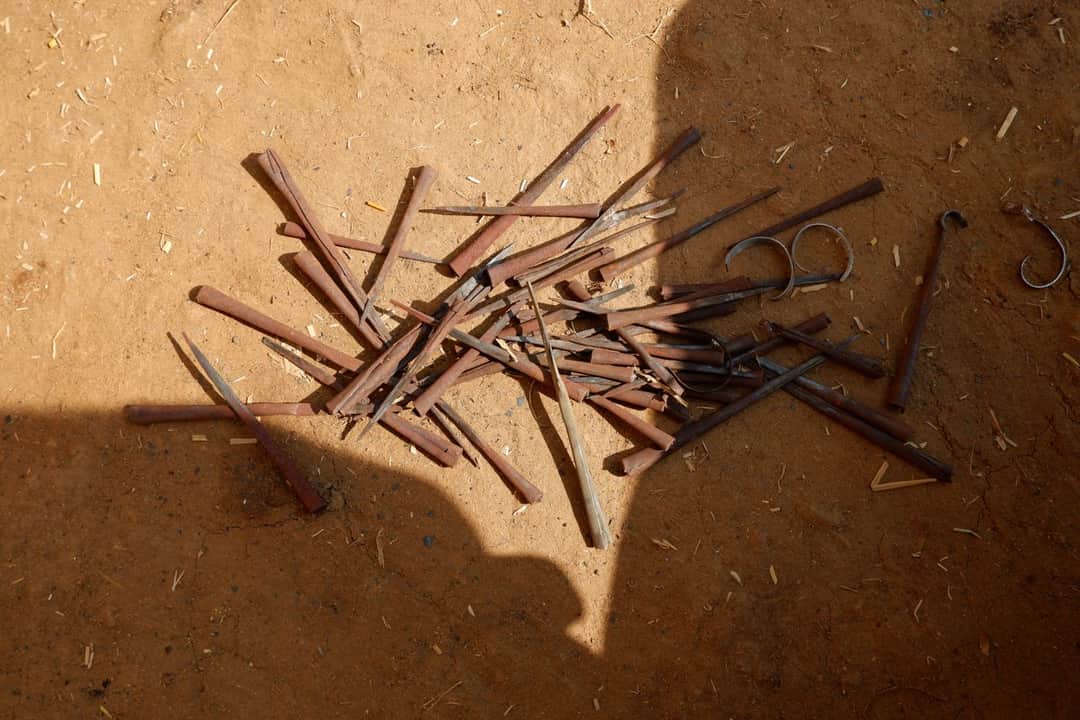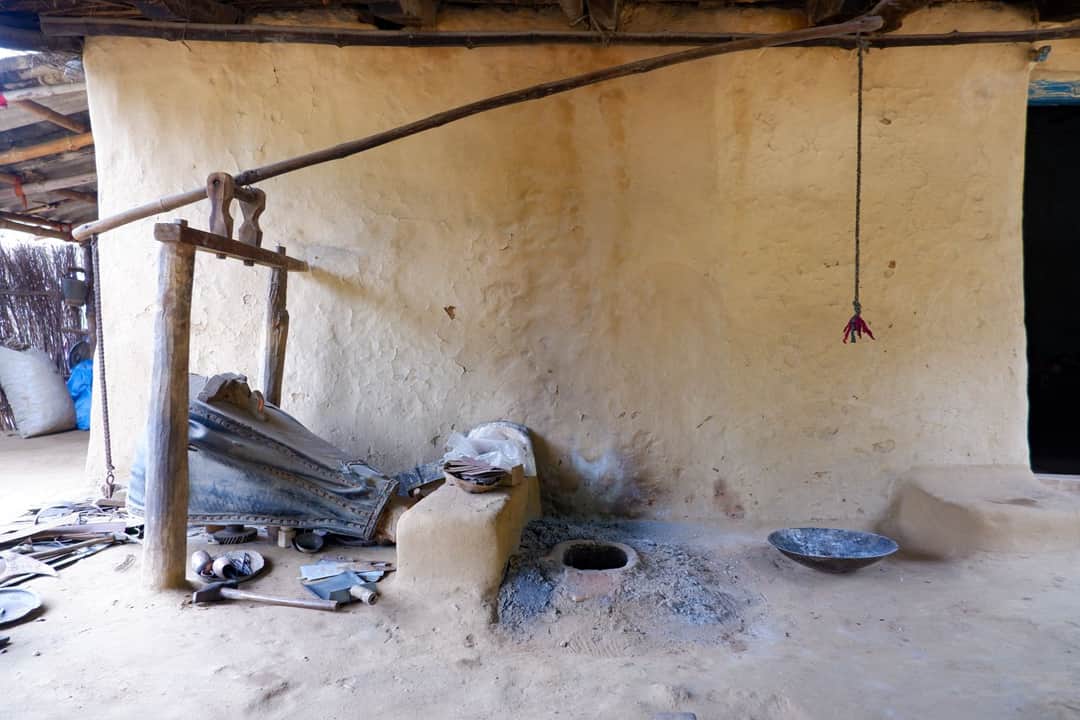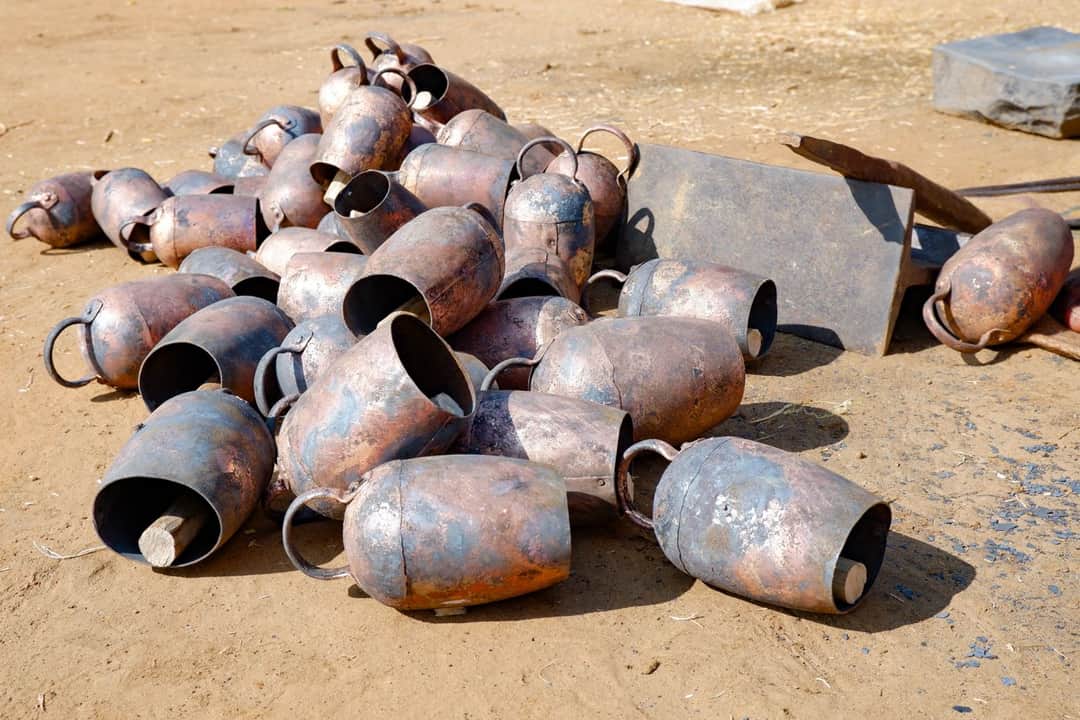

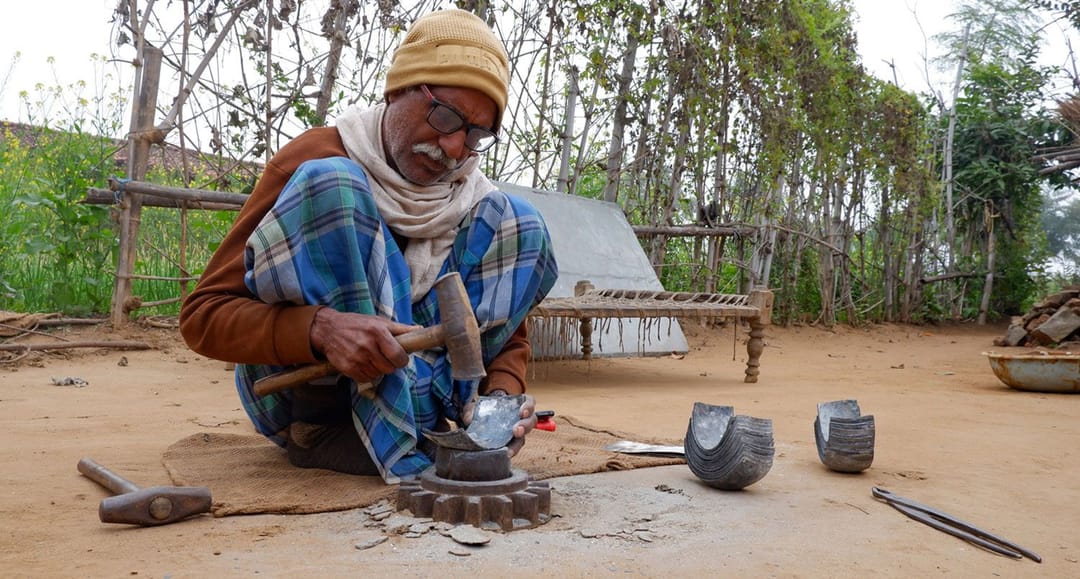
As he prepares a sheet of iron by striking it with a long hammer, Raghuveer Vishwakarma strikes up a rhythm: ‘Thud thud thud thud.’ The ‘tap tap tap’ of a smaller hammer follows, as the artisan switches to finer detailing, ensuring there are no bumps on the metal that he’s about to fashion into a bell.
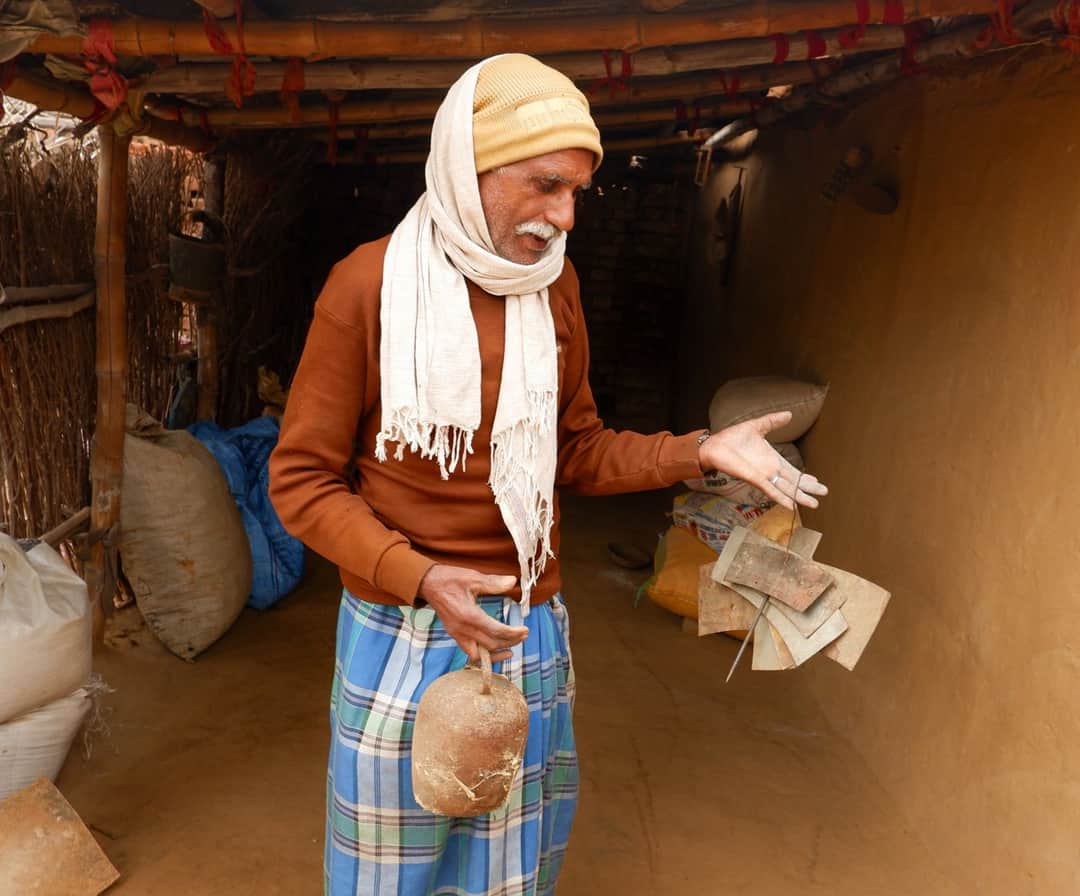
“This is the jewellery of cattle,” Raghuveer says, a quiet pride in his voice. “Just like goldsmiths make jewellery for people, we make jewellery for cattle.”
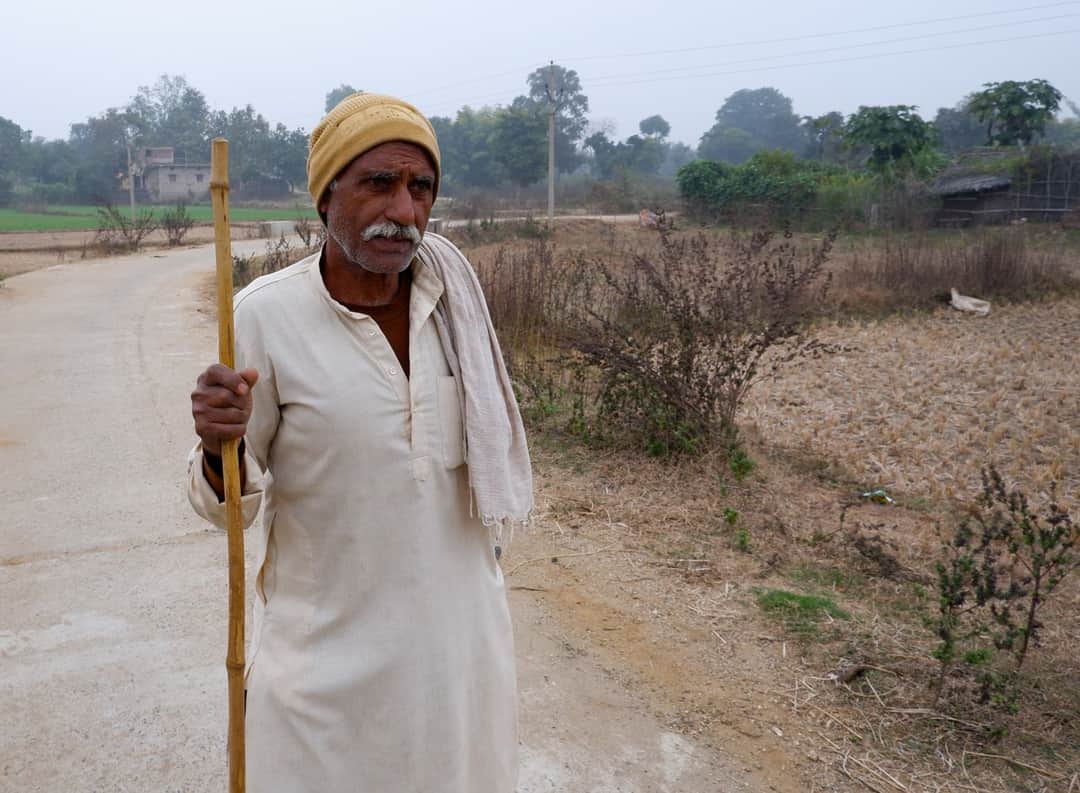
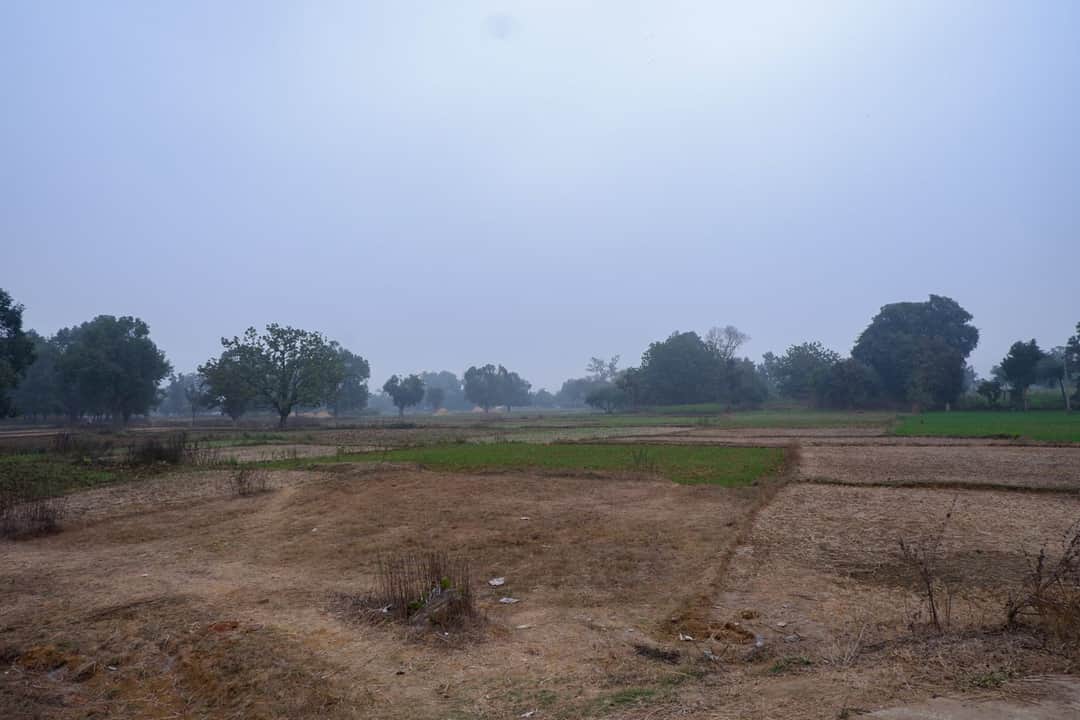
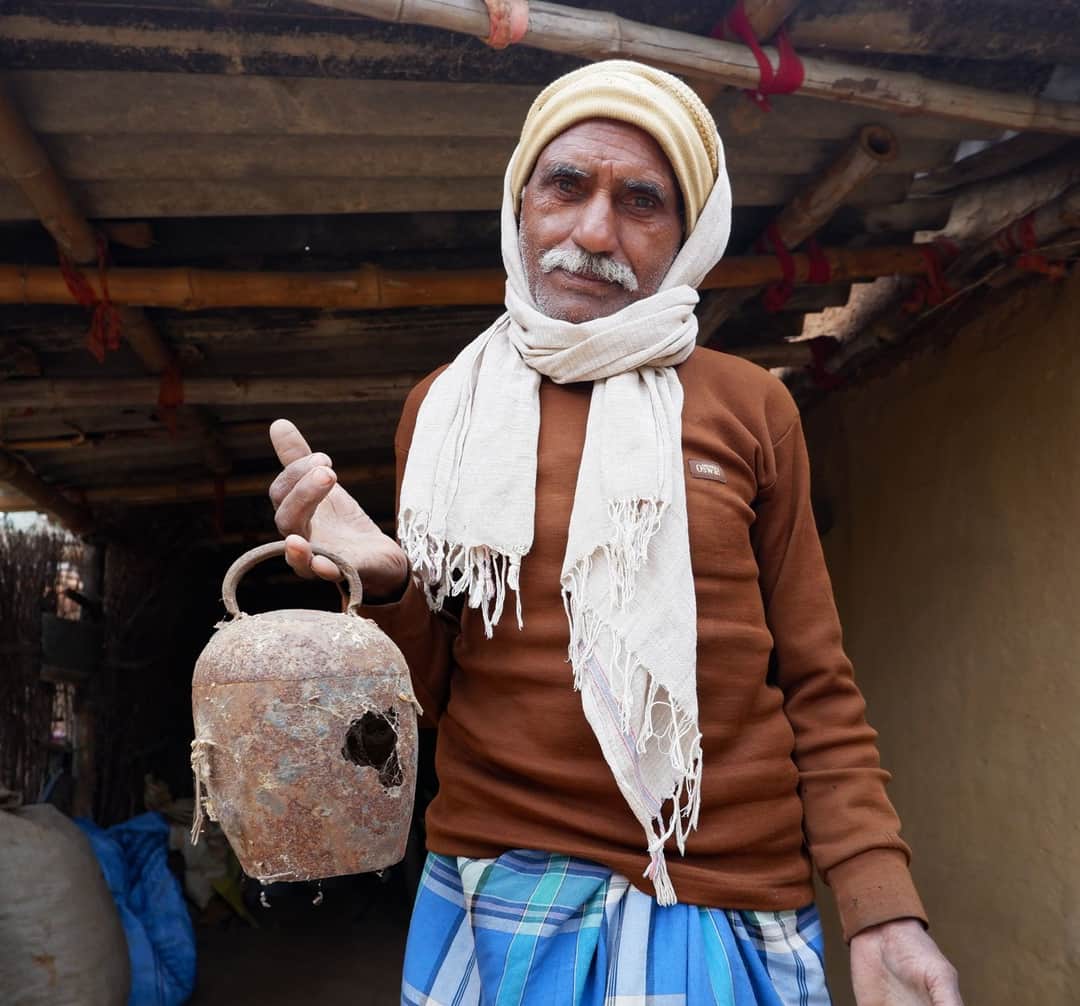
The 76-year-old is one of the oldest craftspersons making cattle bells in Ramghad Tola, in Baranw village of Jharkhand’s Palamu district. The tola (a settlement in the village, in this case of blacksmiths) is like one large factory, says Raghuveer – everyone is a bell maker here.
“Hamra baap dada sab yahi kar raha tha. Ham to nipadh admi hai, thepadhari hai, vishwas nahi kariyega [My father and grandfather all did this work. I am uneducated, a thepadhari—one who can’t sign and uses a thumbprint instead – you wouldn’t believe it],” says the fifth-generation artisan.
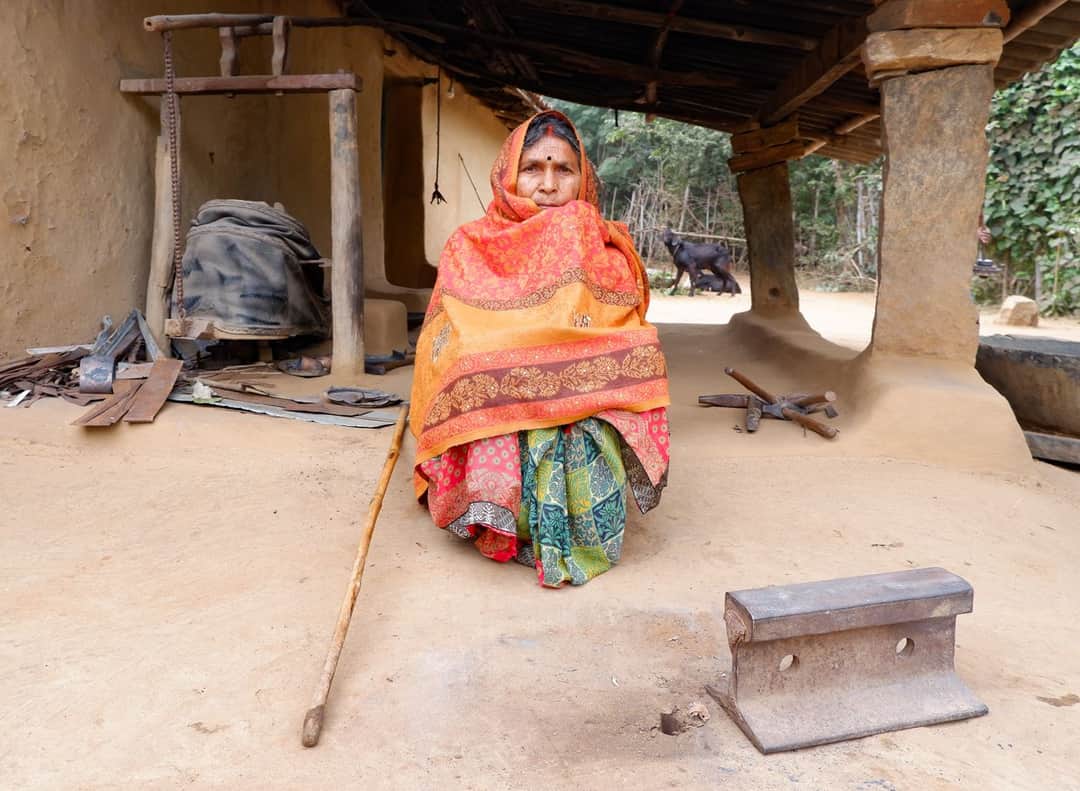
This cold winter morning, Raghuveer sits outside his mud house, perched lightly on his haunches on a jute sack. With his left hand, he grips the metal sheet, and with his right, he swings the hammer.
Cattle bells have long been considered ornaments for livestock. World over, rural communities have found the bell to be more than an accessory – its gentle clank has a practical purpose, helping farmers locate their cattle in dense forests.
Once a symbol of a prosperous rural life, with the advent of machines, the once-familiar sound of these bells has faded.