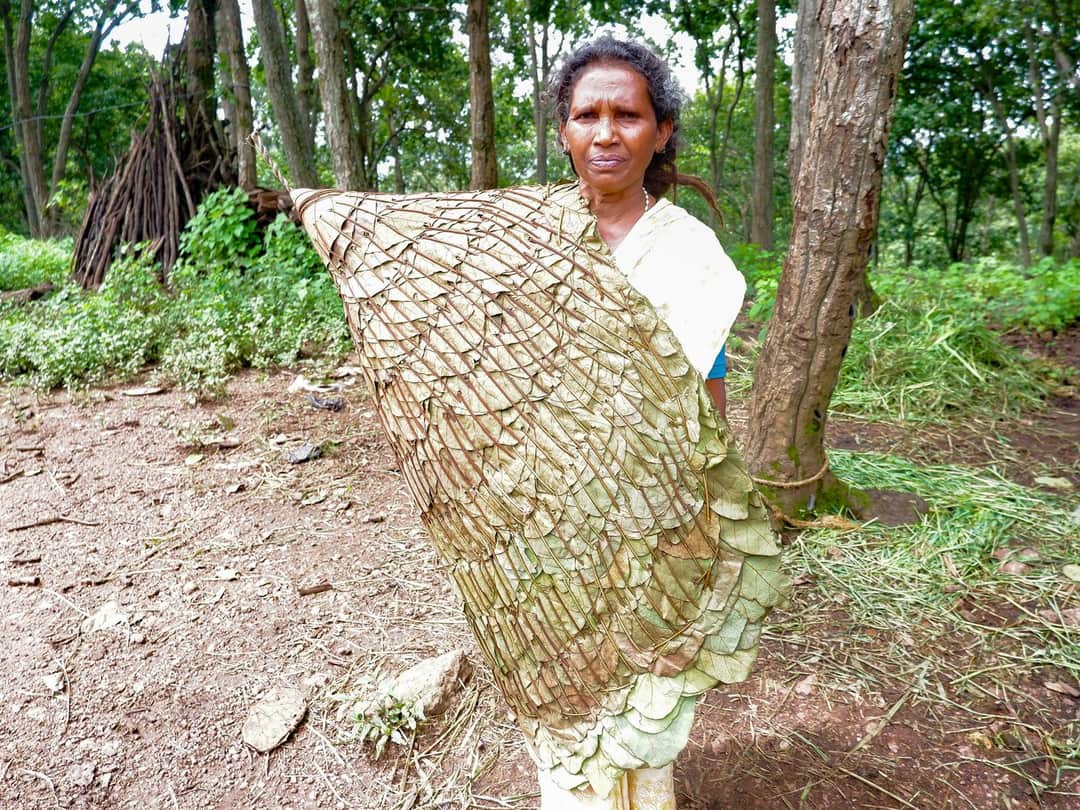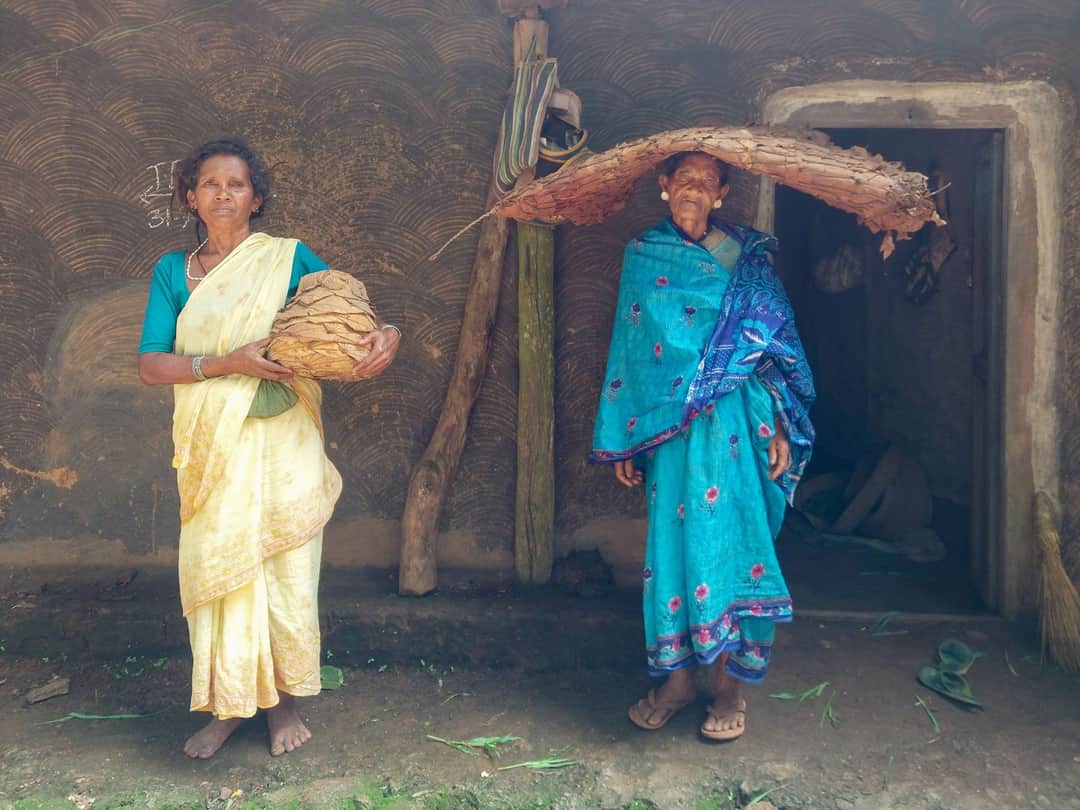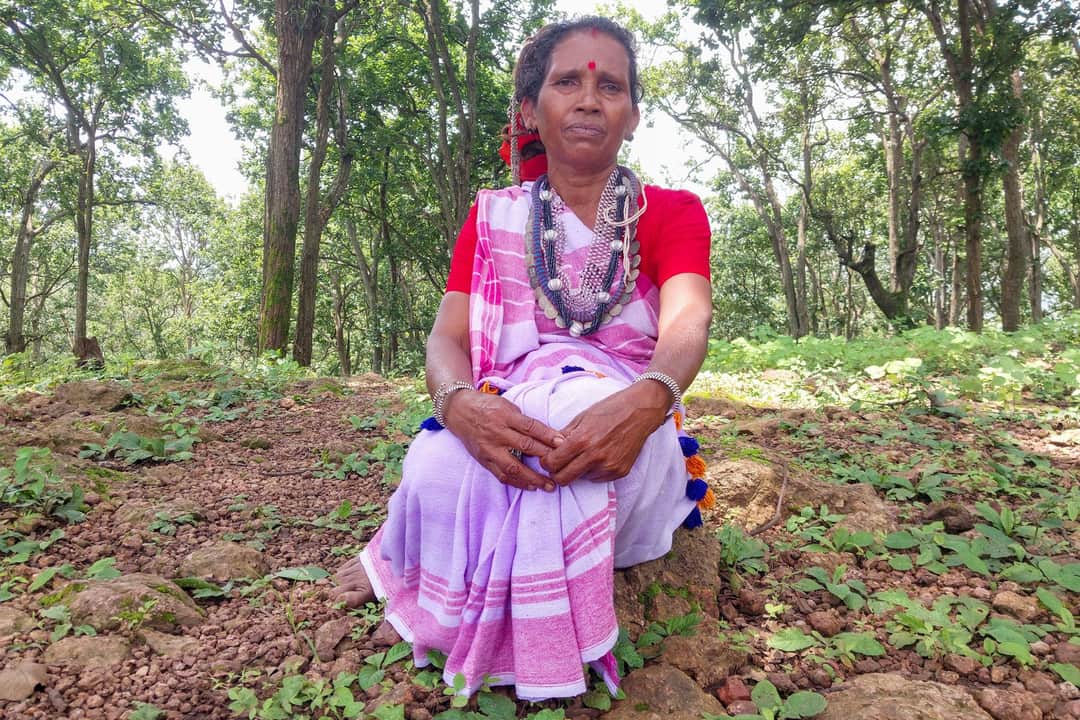

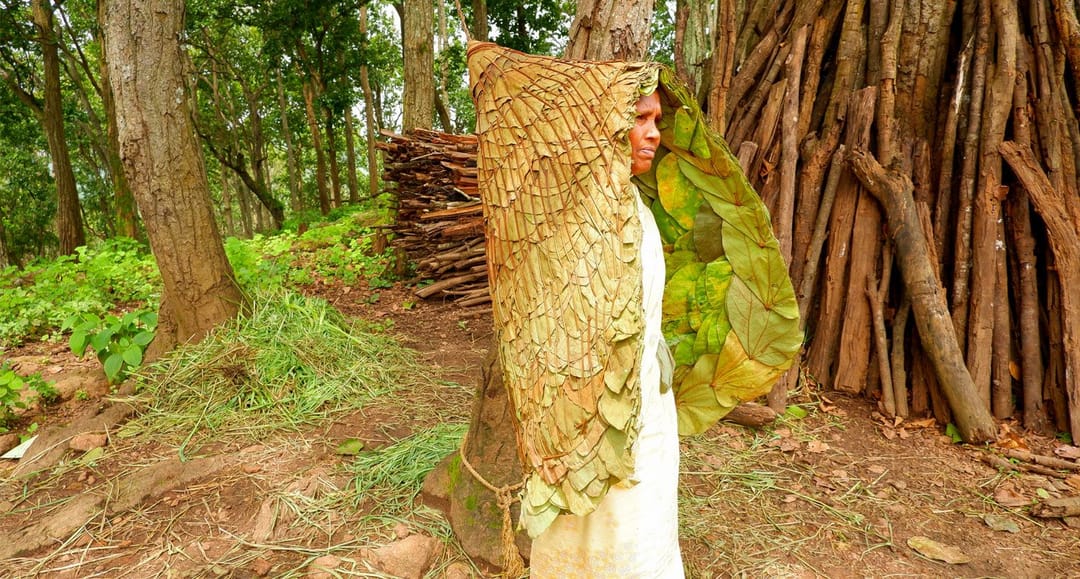
“If you wear a ghunghu to the forest, lightning will never strike you,” says Shukhani Asur, a resident of Kujam village in Jharkhand’s Gumla district. Ghunghu is a sort of umbrella crafted from leaves of the maloo plant (Phanera vahlii), a commonly found creeper in the region.
Ghunghu is used all year round. In summers, it protects from the loo (hot winds), in winters against the chilly air and in monsoons against the rain. Importantly, the dome-shaped ghunghu when placed over the head allows the wearer to work with both hands free.
Shukhani learnt how to make ghunghu from her mother as a child. “Earlier everyone used to collect leaves from maloo growing in the forest and make ghunghu,” adds the 56-year old. “But now few use it, and fewer still make it.”
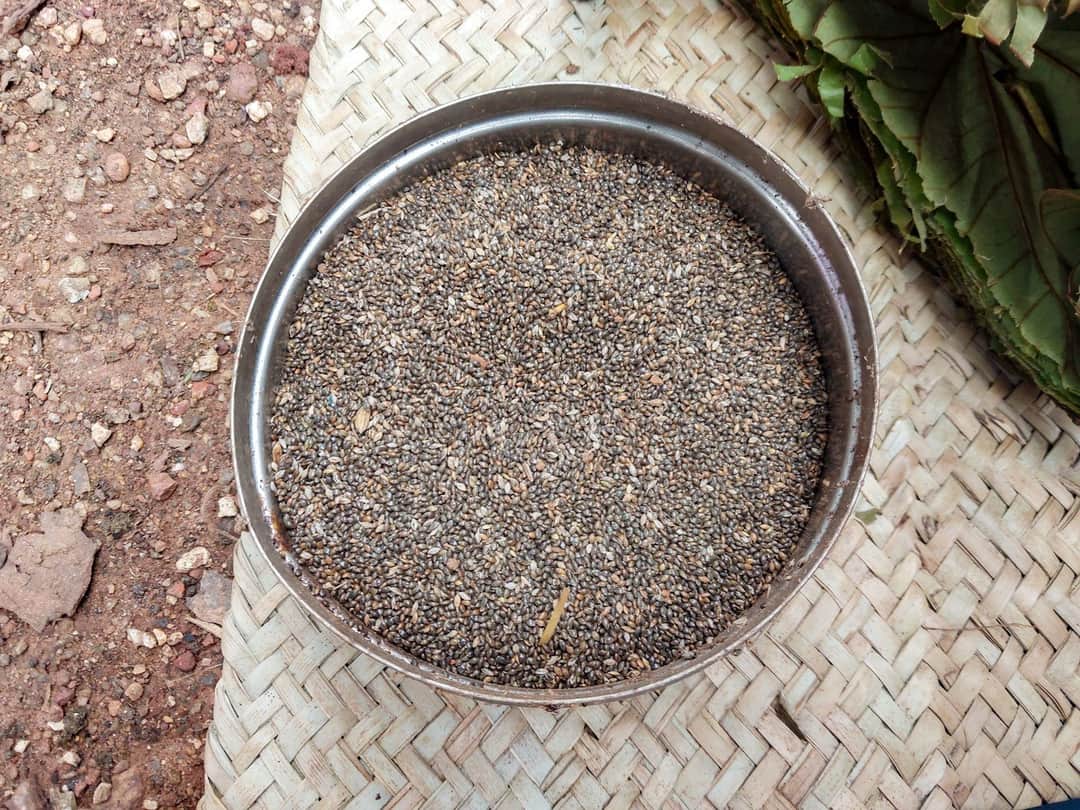
Shukhani is from the Asur community – listed as a Particularly Vulnerable Tribal Groups (PVTGs) in the state. Her family cultivates 10 acres of land that they own, mostly growing paddy, maize and gundli (little millet).
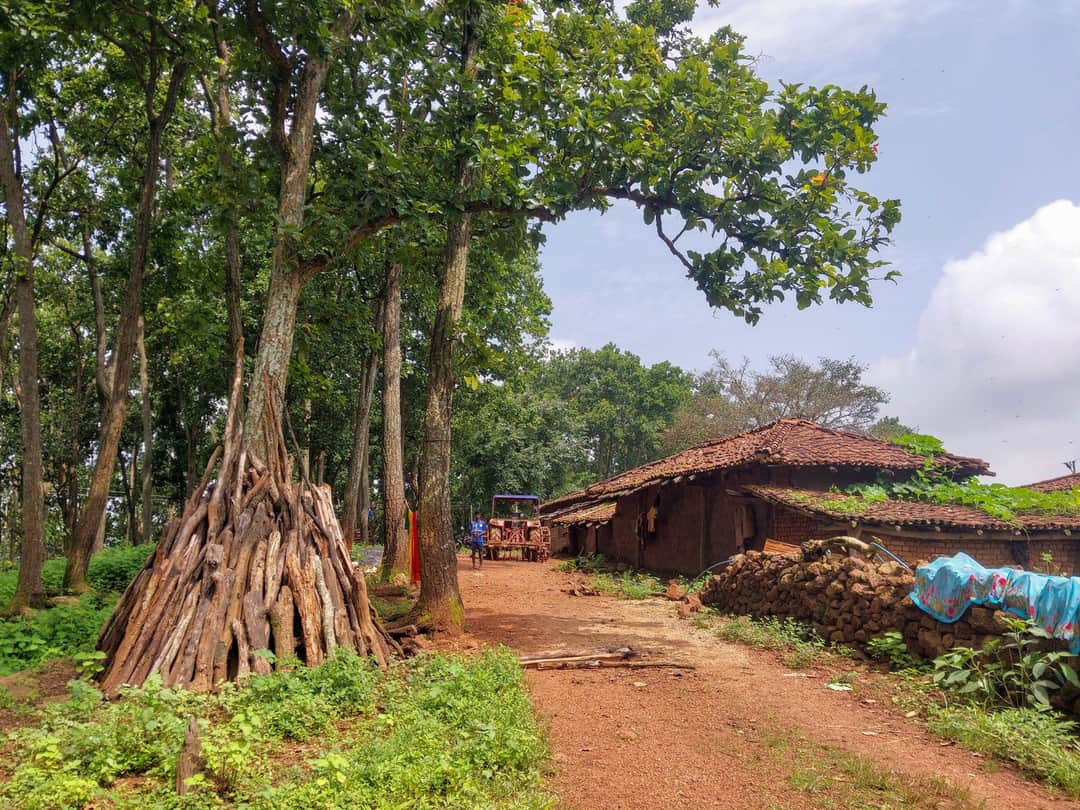
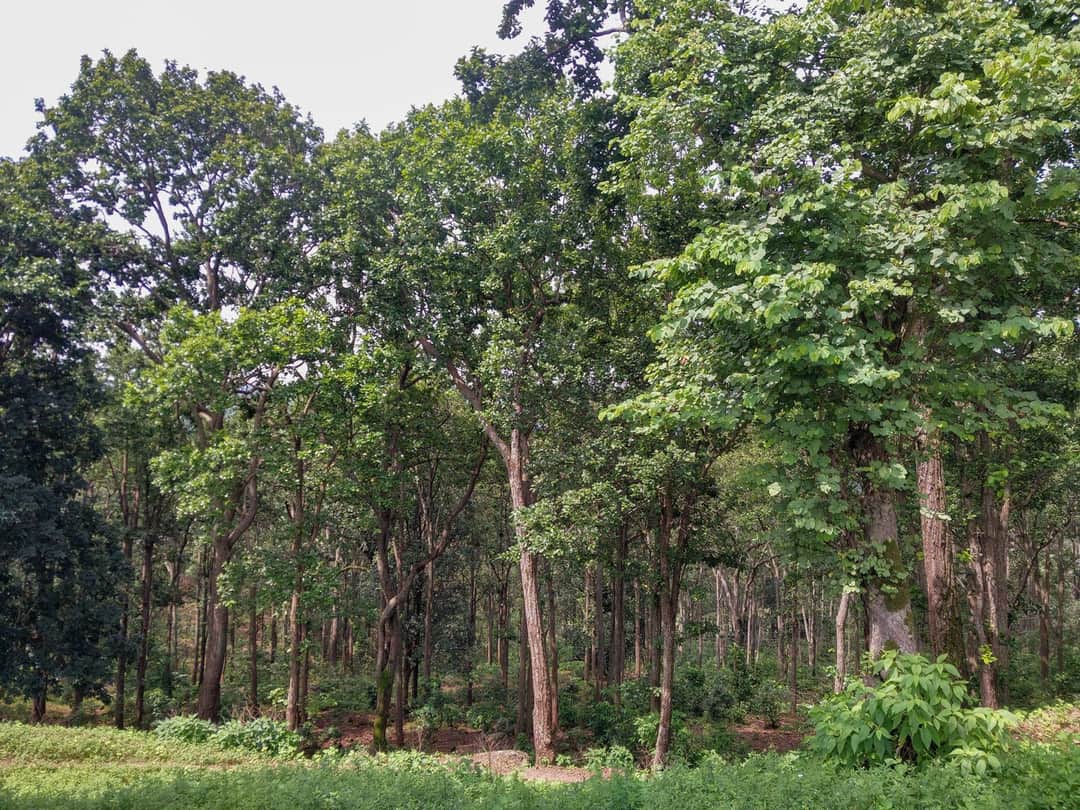
The Bishunpur Forest Range starts barely 500 meters away from Shukhani’s three-room mud house, where 12 members of her family live. The residents of Kujam have relied on that forest for firewood, fruits, grazing land and more – “Hamra roji roti sab yahi hai [Our livelihood and sustenance are all here],” says Shukhani.