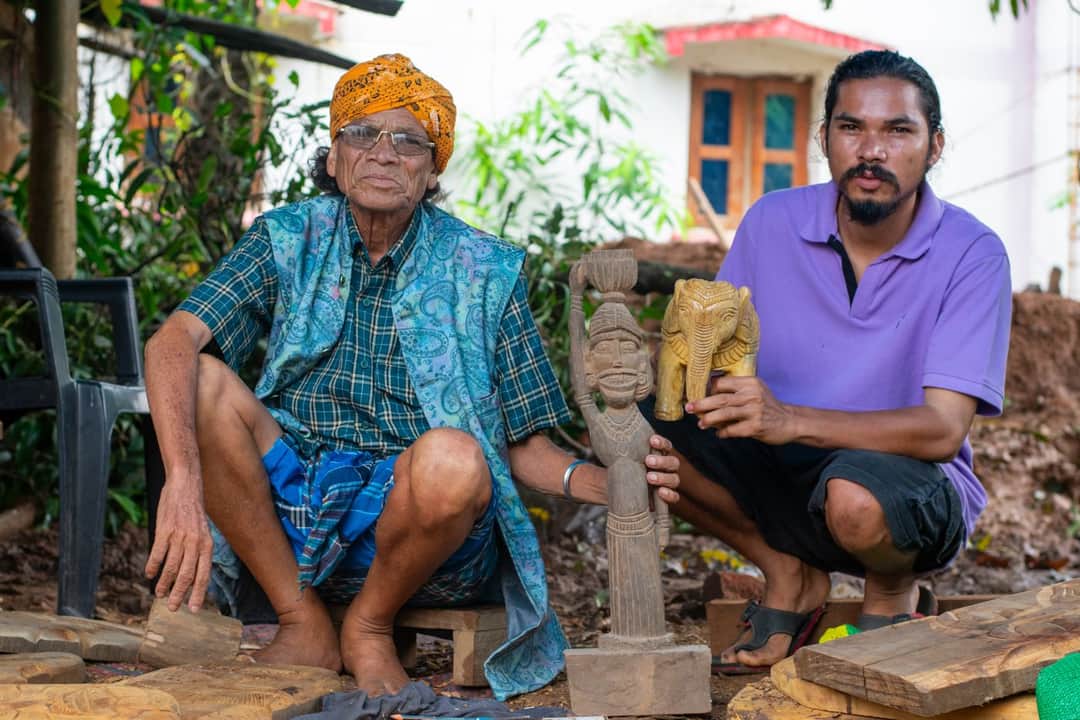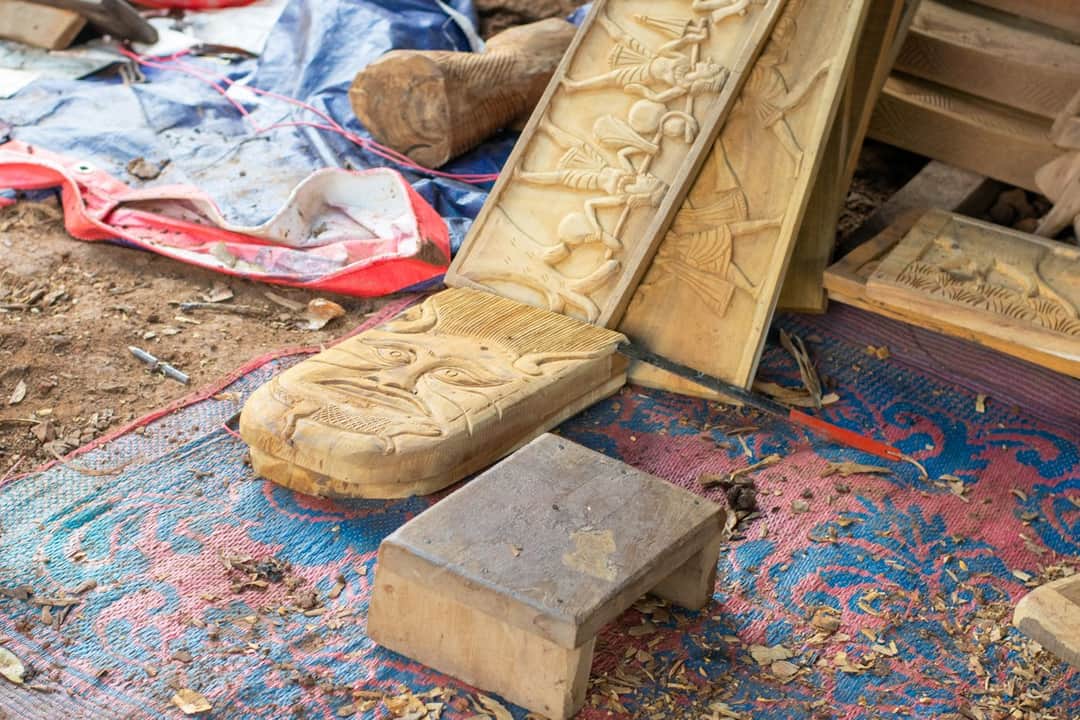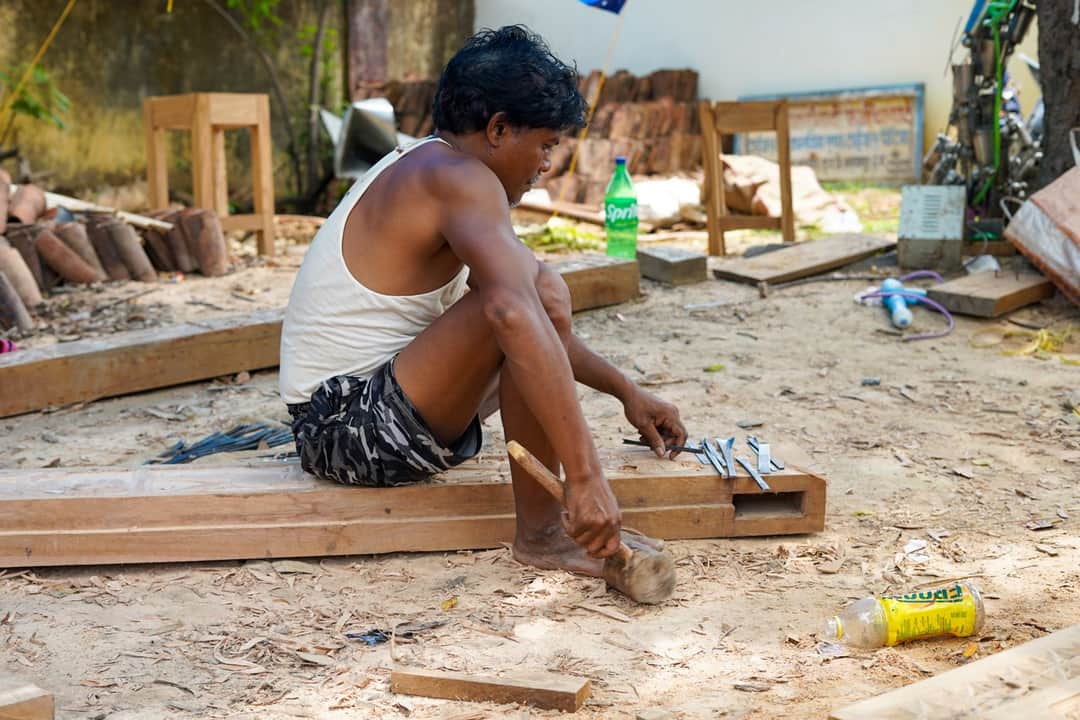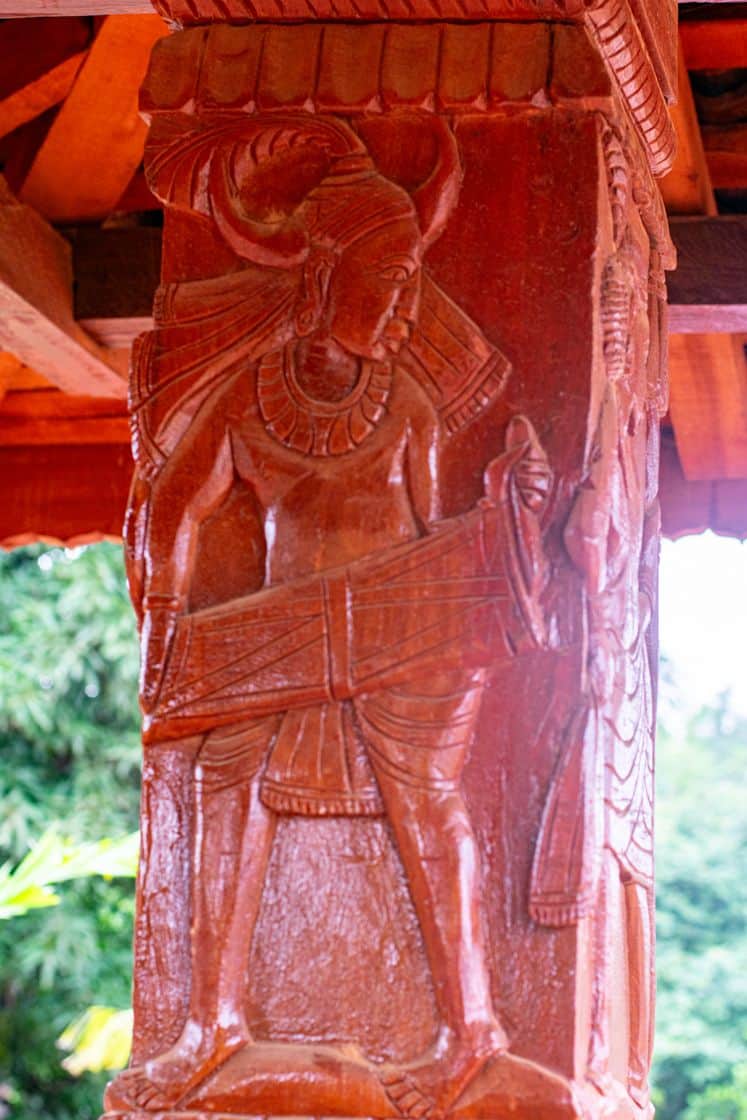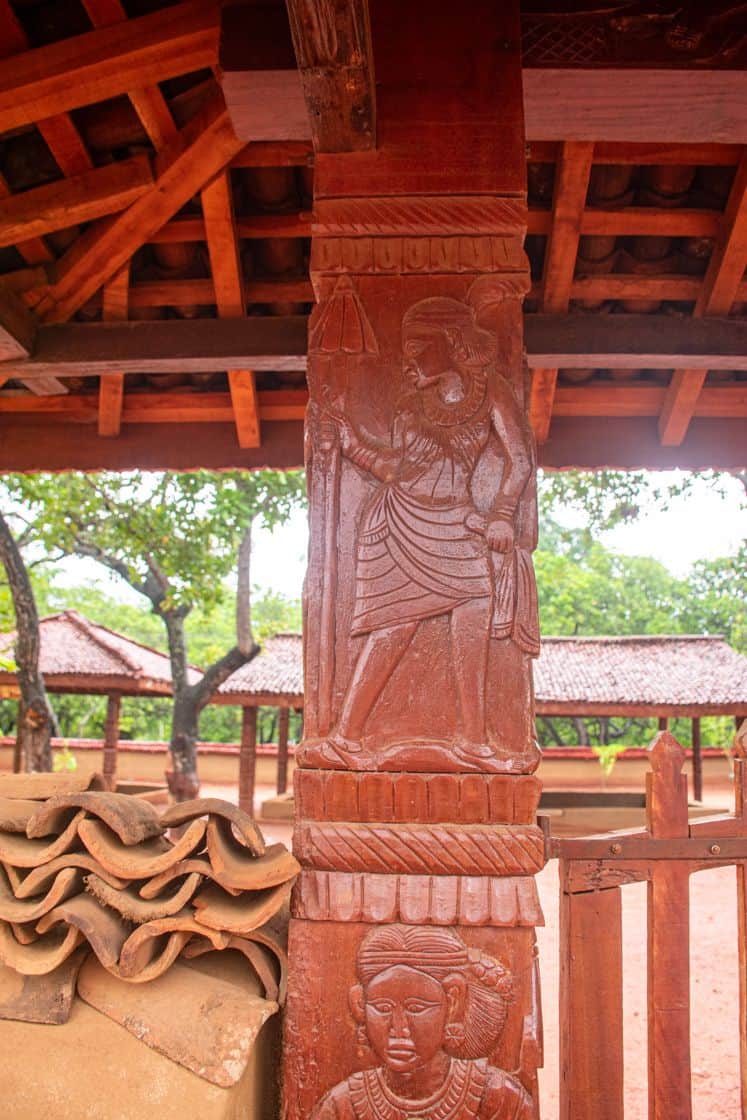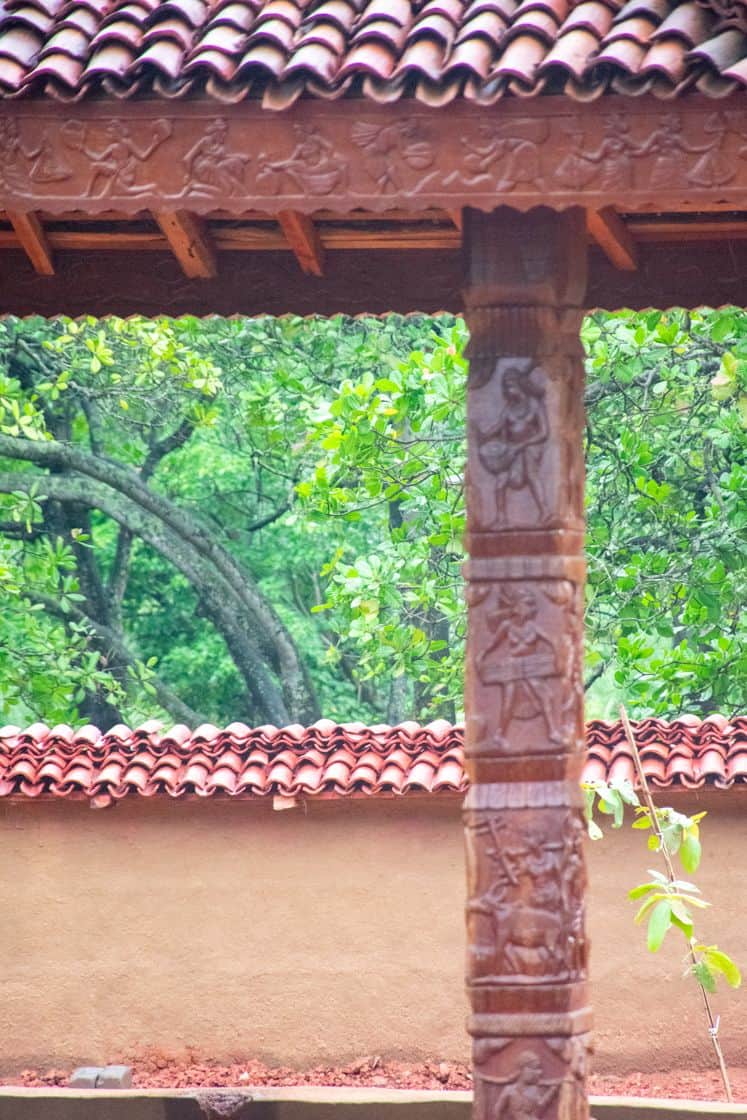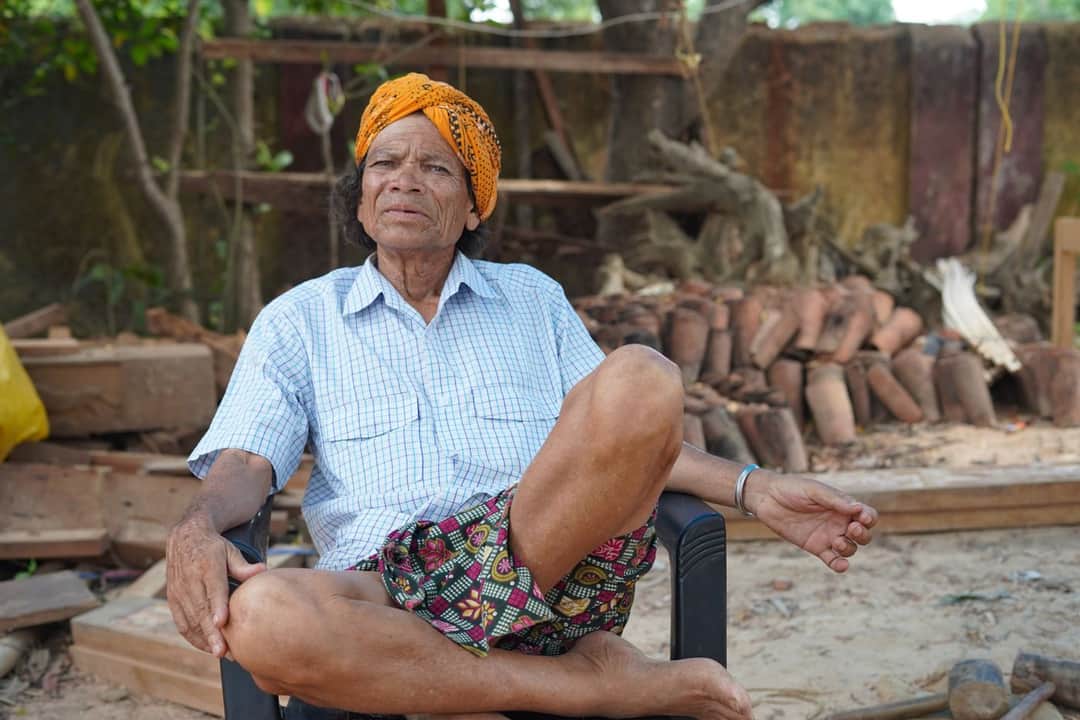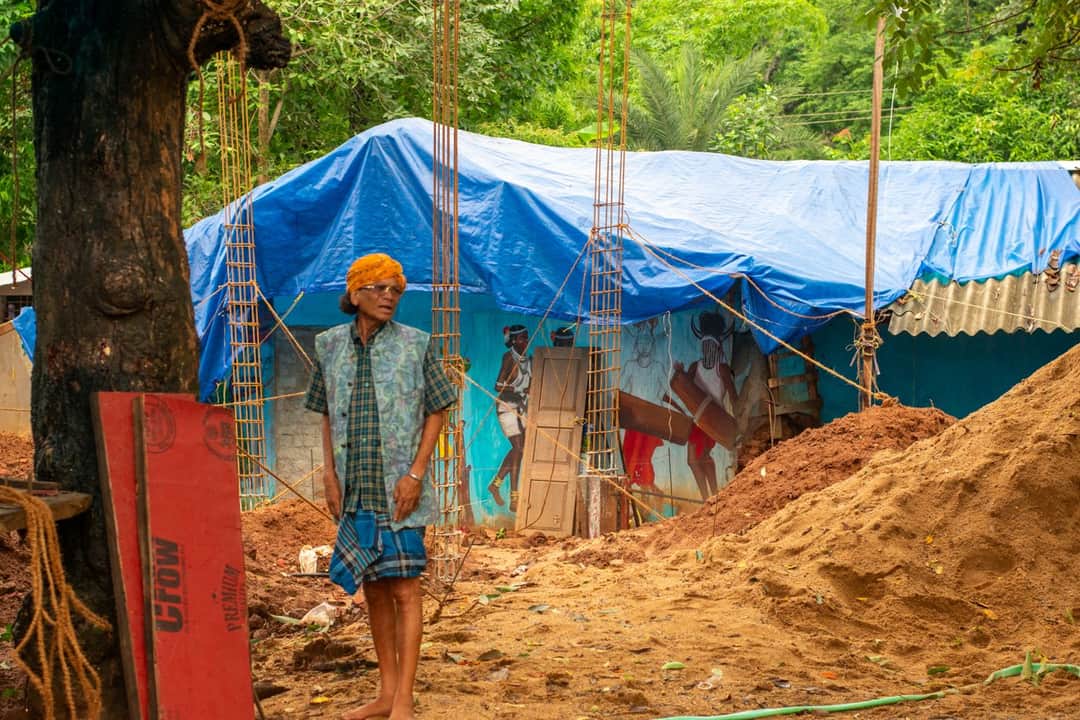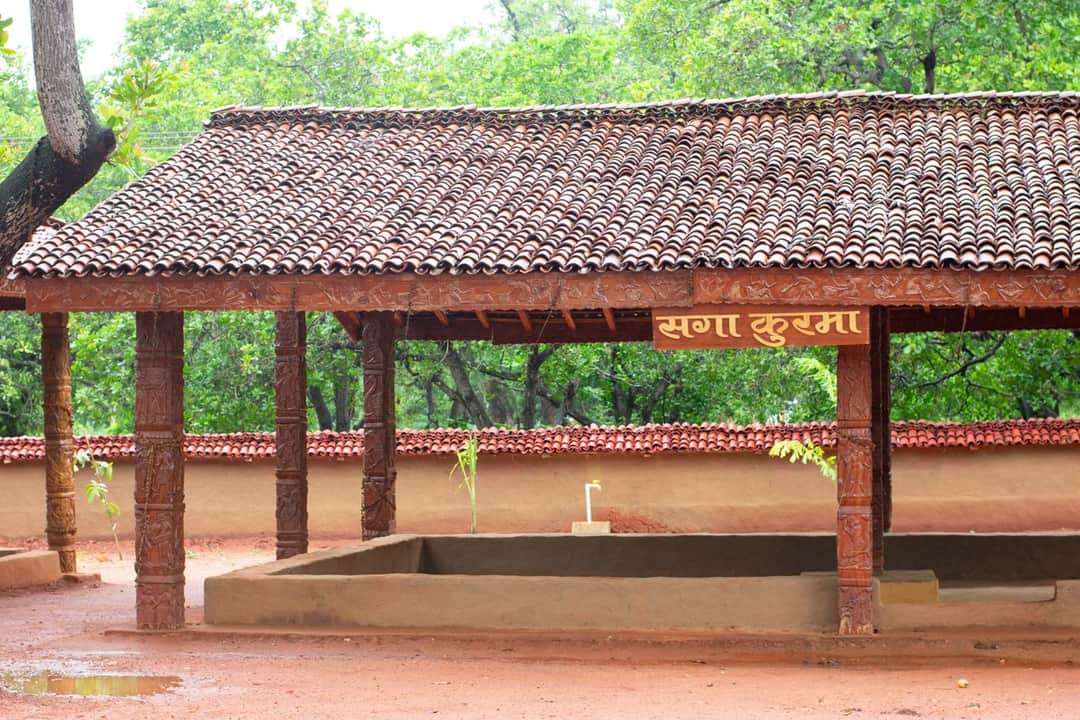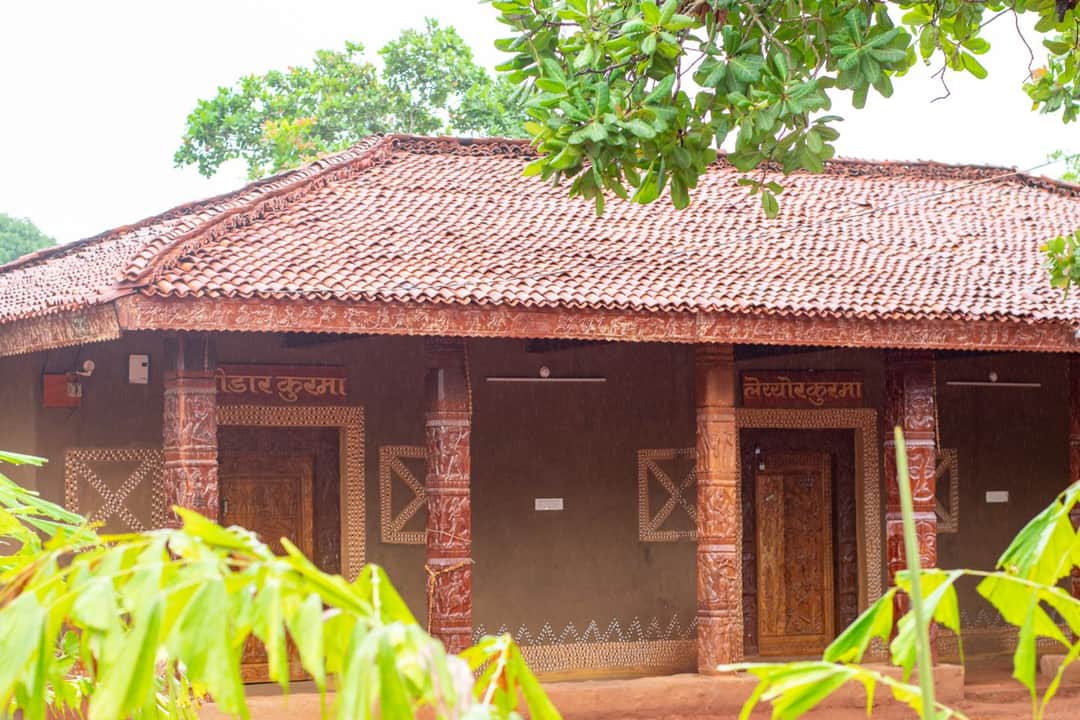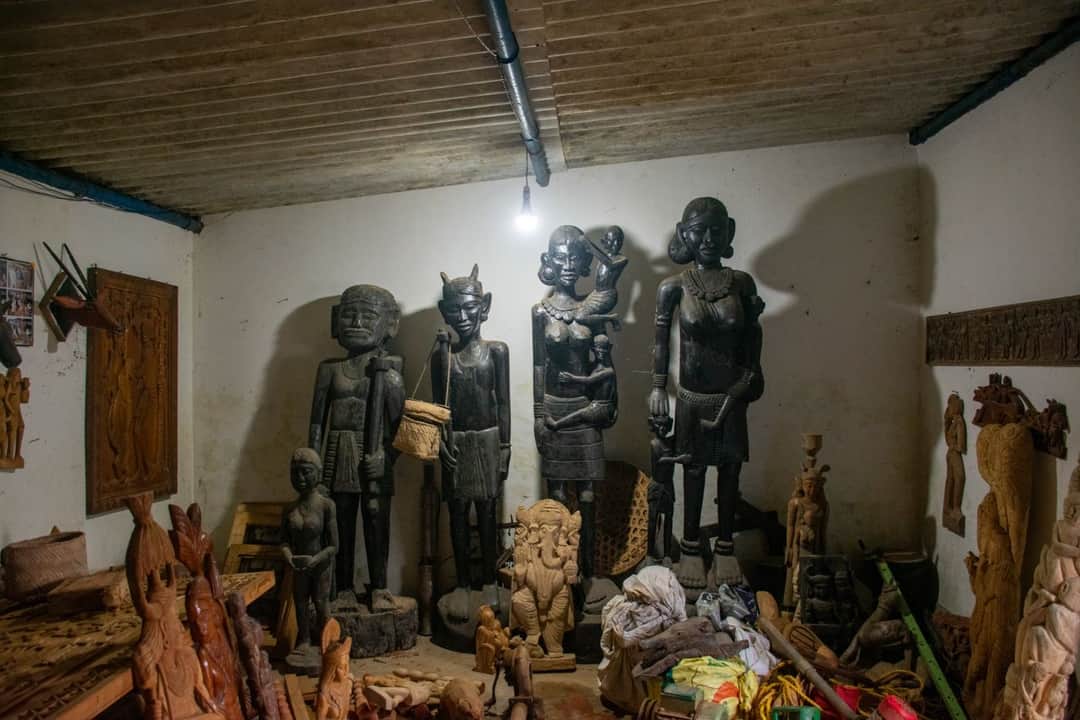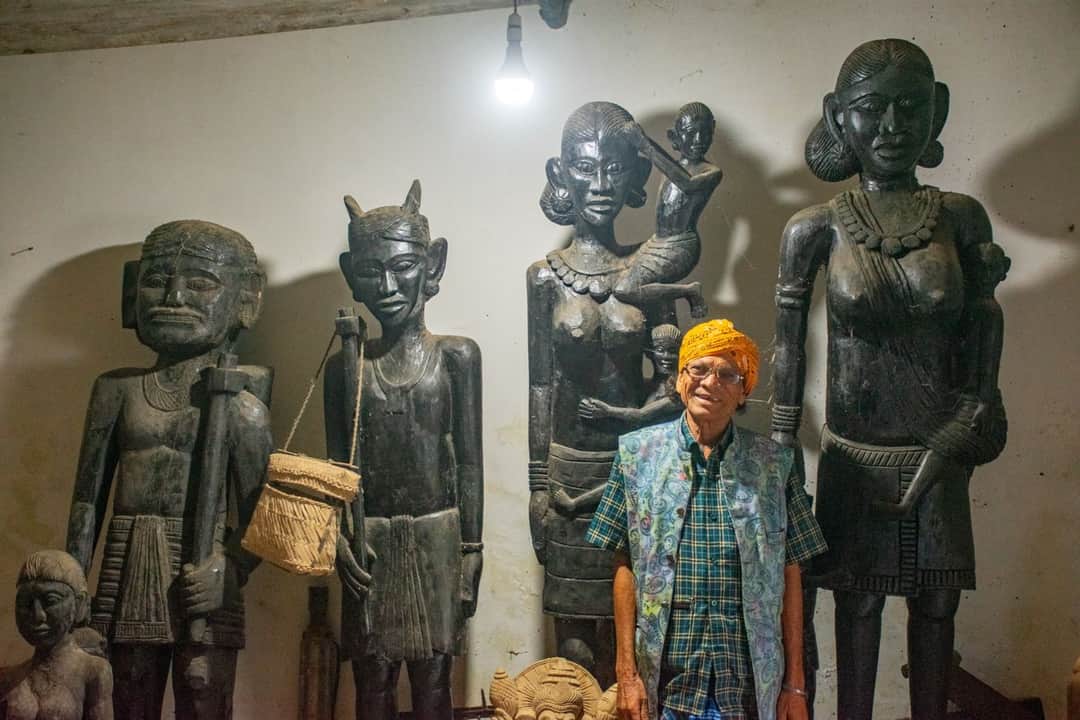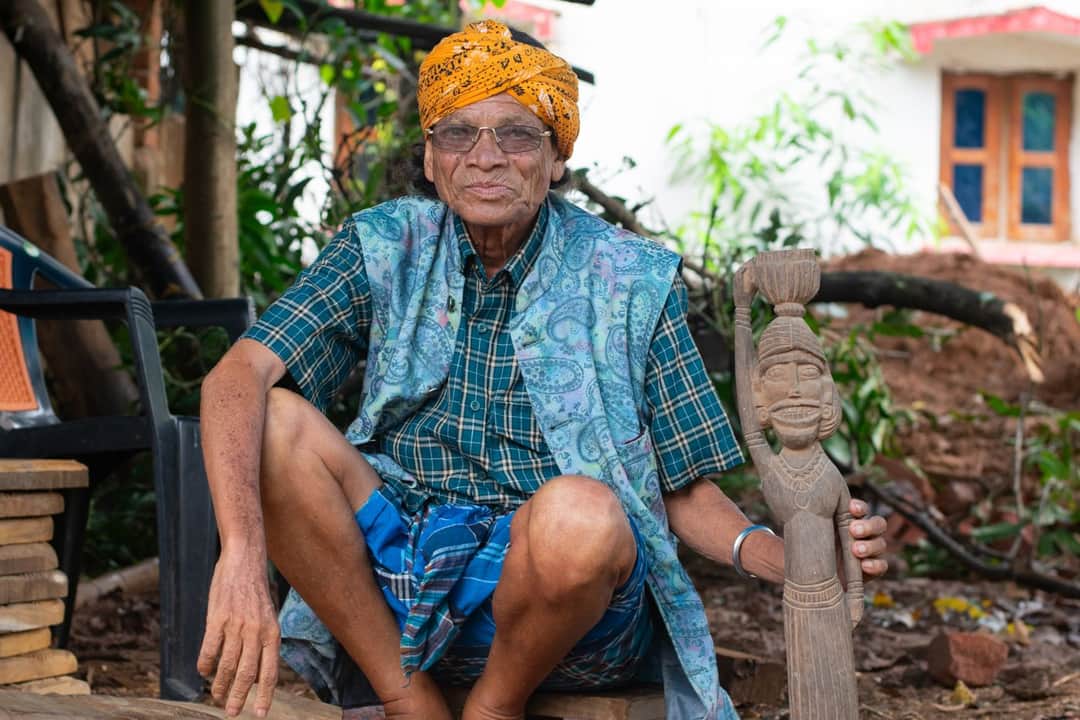

Women walking with baskets, men with axes, farmers guiding the bullock carts, young men and women dancing to the rhythms of Gaur Maria – the world of the Gond Adivasi community has descended on the courtyard of this old mud house with bamboo fencing in Garhbengal. A village inside Narayanpur’s dense tropical forest area. The place is filled with a warm, earthy, verdant scent of planks and pieces of freshly cut wood, some half carved, strewn all around. Each one waiting to tell a story. As does the old man, Pandi Ram who sits surrounded by his tools, timber and trainees.
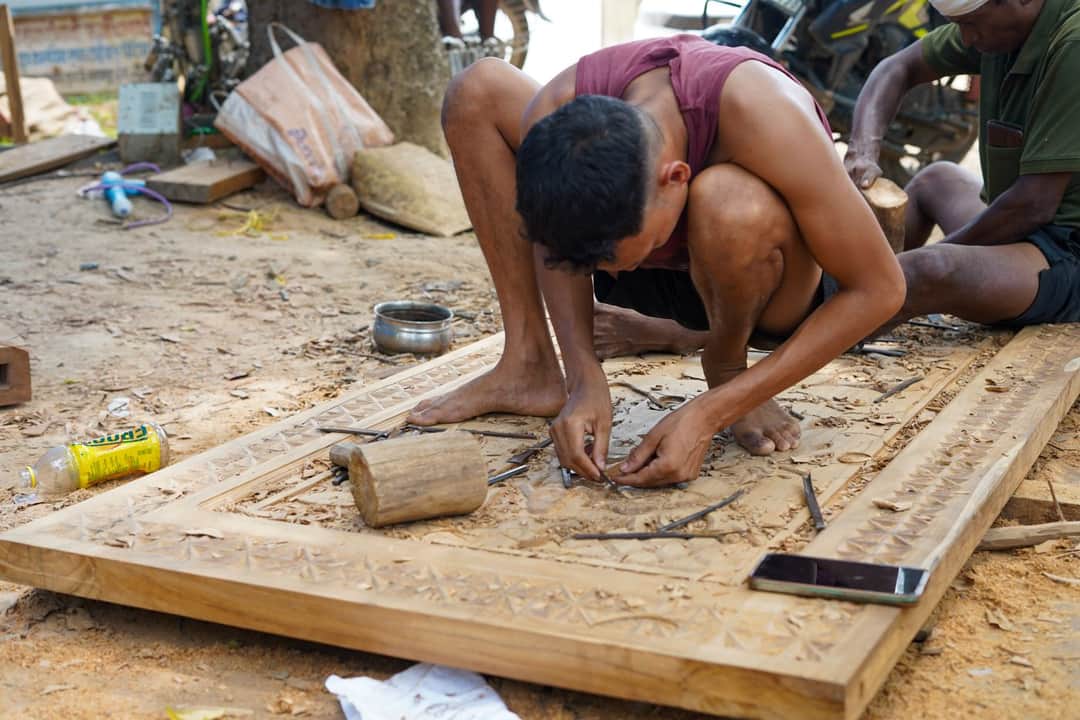
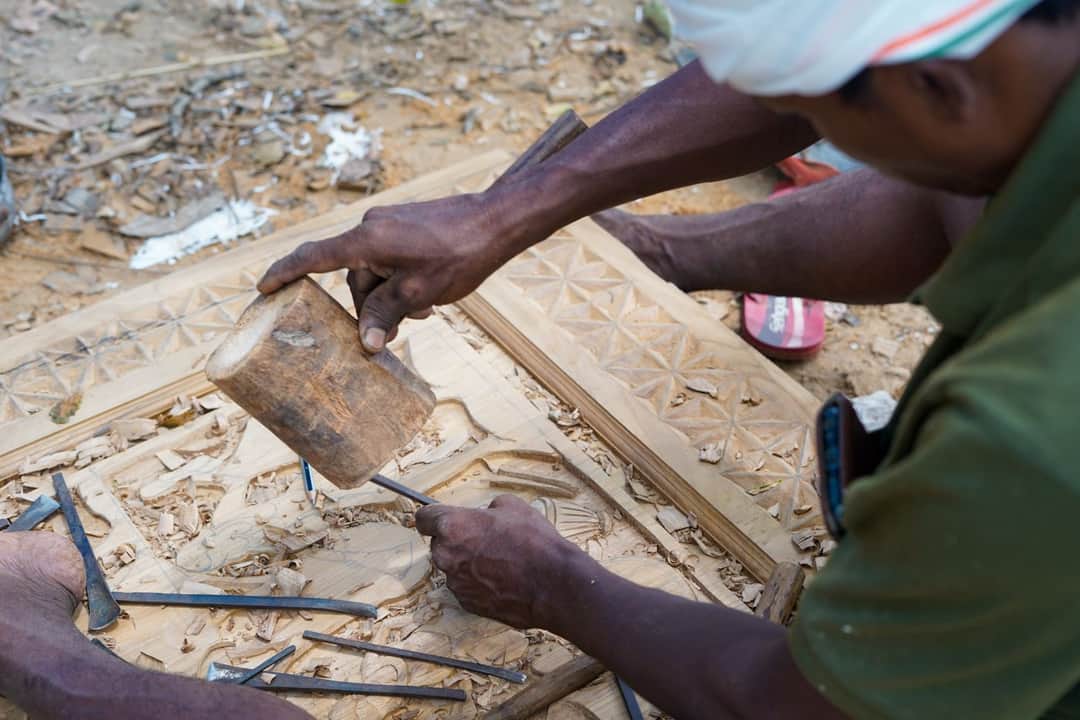
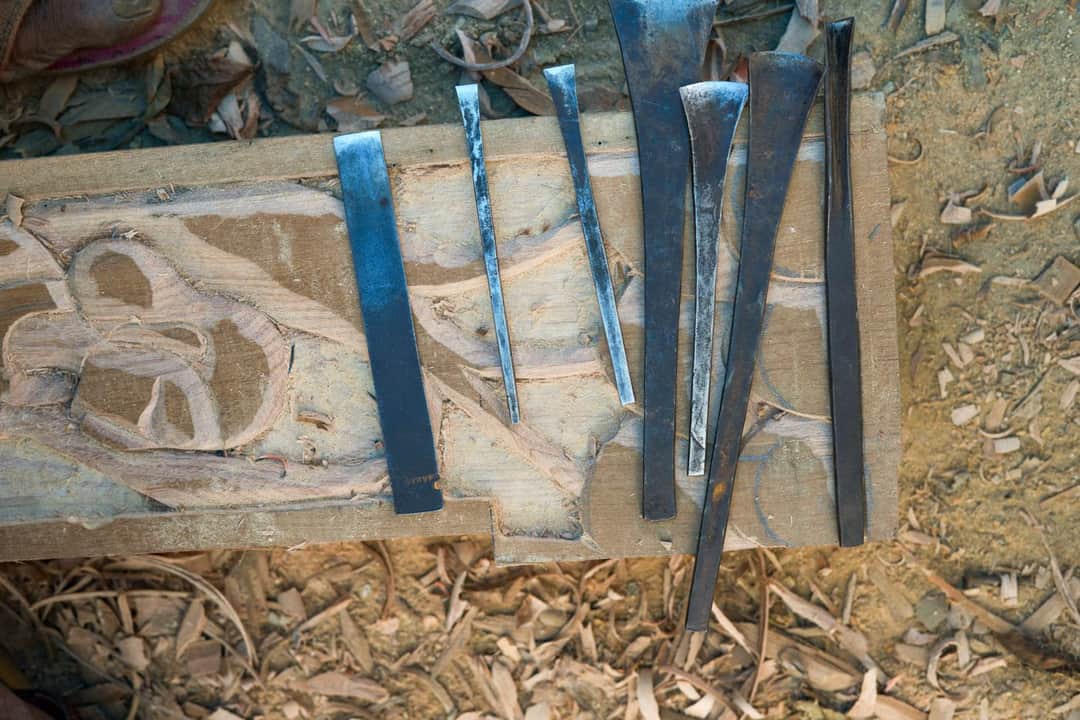
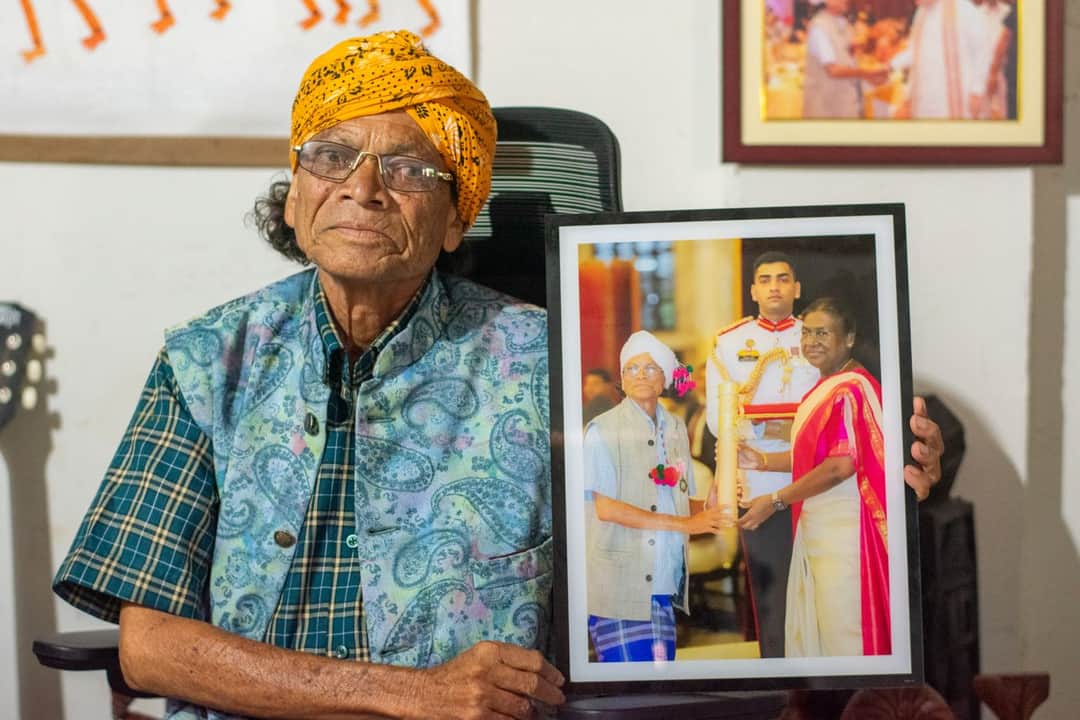
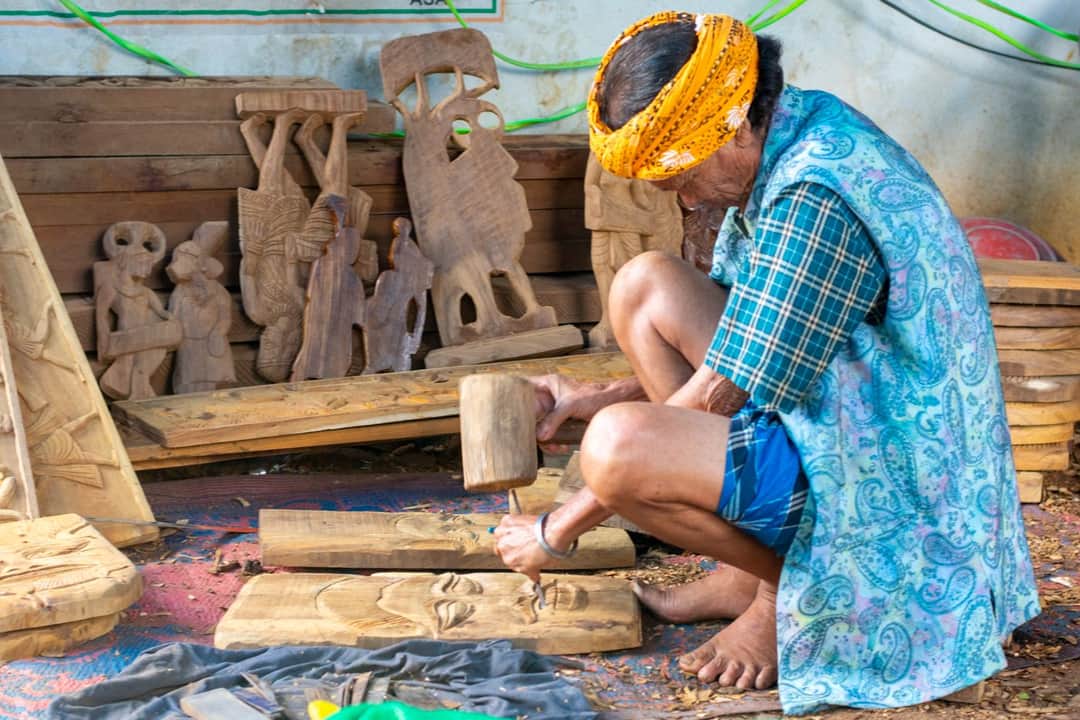
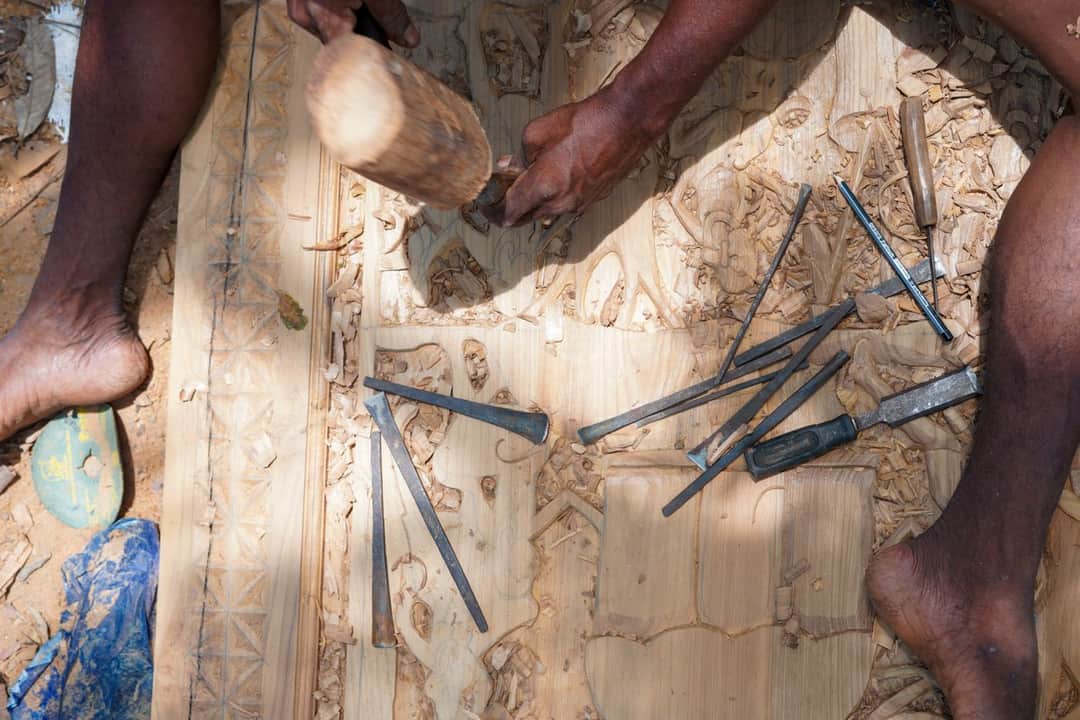
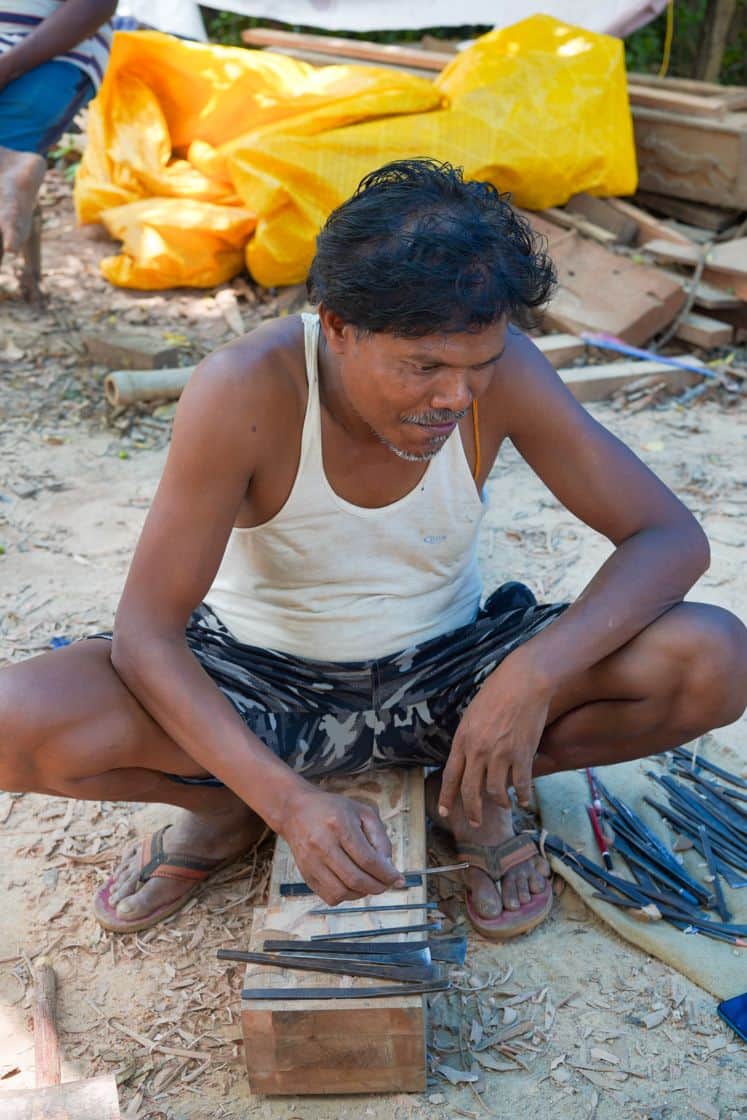
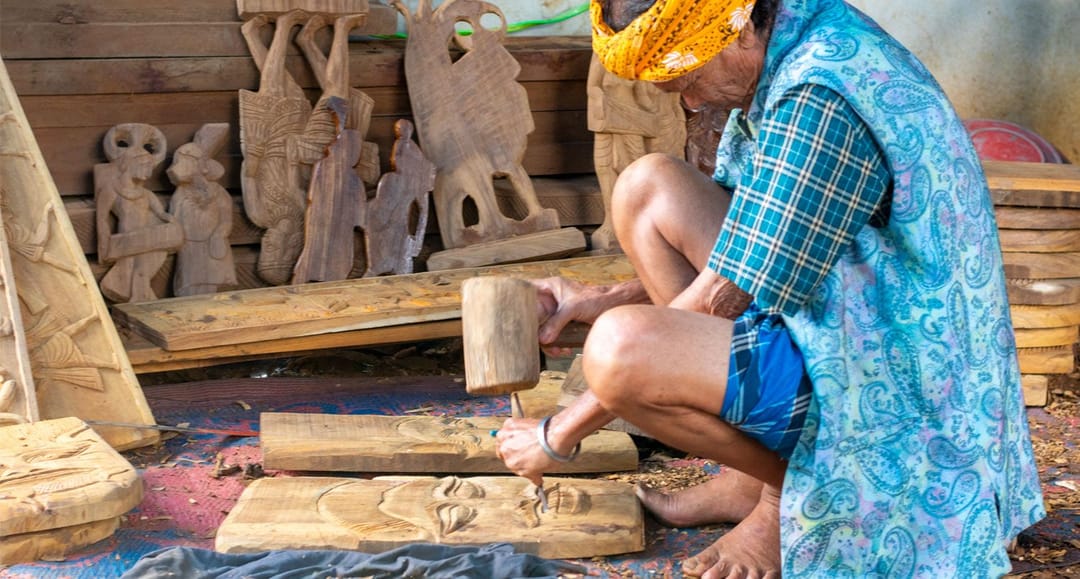
Sitting on his haunches, bending over a small piece of carved wood, squinting his now weak, cataract-hit eyes behind his protective glasses, this 70-year-old is giving the final touch to an artwork. He occasionally calls out for his special tools by their local names –chheni, trikon, regi, pataasi, hathori. He guides his students with each move of his working hands and words of advice or caution in his mother tongue, Gondi, every now and then. Each line Pandi Ram carves on the wood breathes of the forest, and a life lived in harmony with it that a generation in his Muria Gond community remember vividly.
But these days it is hard for him to work, and even harder to stay away from it. “He just has to touch a piece, and he knows what is right, what needs working on,” says his son Baldev, also an artist. “This art is as important as my breath,” says Pandi Ram, “if I leave it, perhaps I will not live any longer.” He is sitting in the porch with four to five people busy grinding wood, carving statues or moving the wood around.
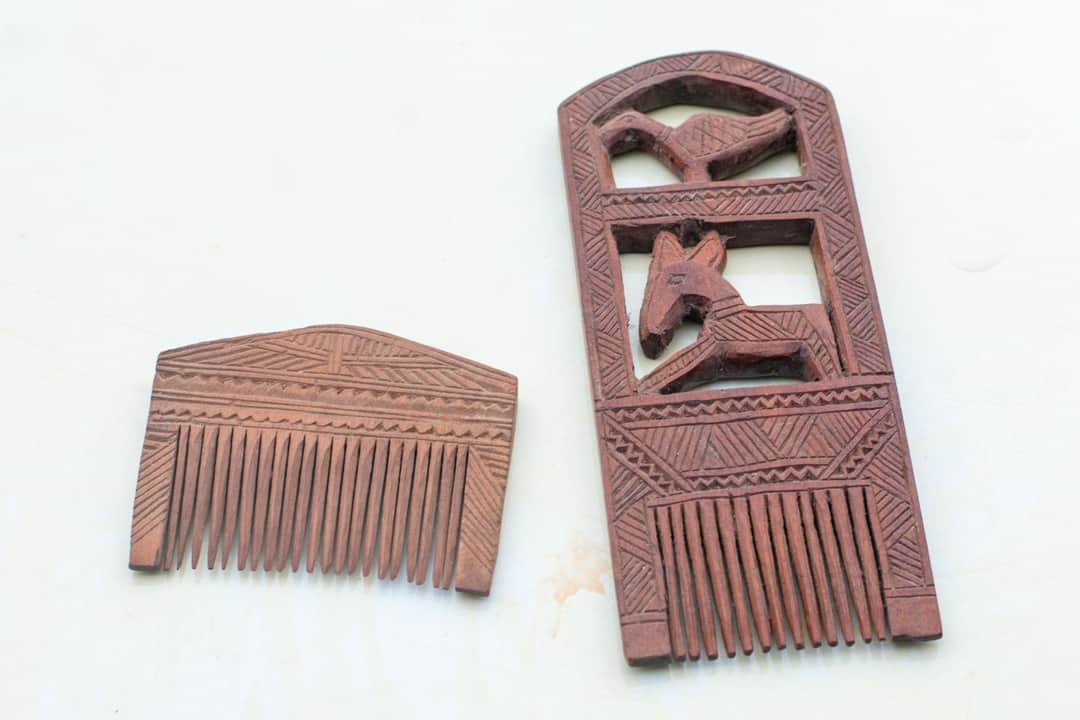
"I used to think this is just a village thing,” says Pandi Ram. “Then the city people started appreciating it and I realised it could be my livelihood. I decided to make this my life by gradually honing the skills I received from my father.” His 35 years of practice is dedicated to keeping the rich heritage of his community and the age-old art of wood carving alive. Wood and items made from it, both household and decorative, have been an integral part of the homes, rituals, festivals, and daily life of the community and not a way to make a livelihood.