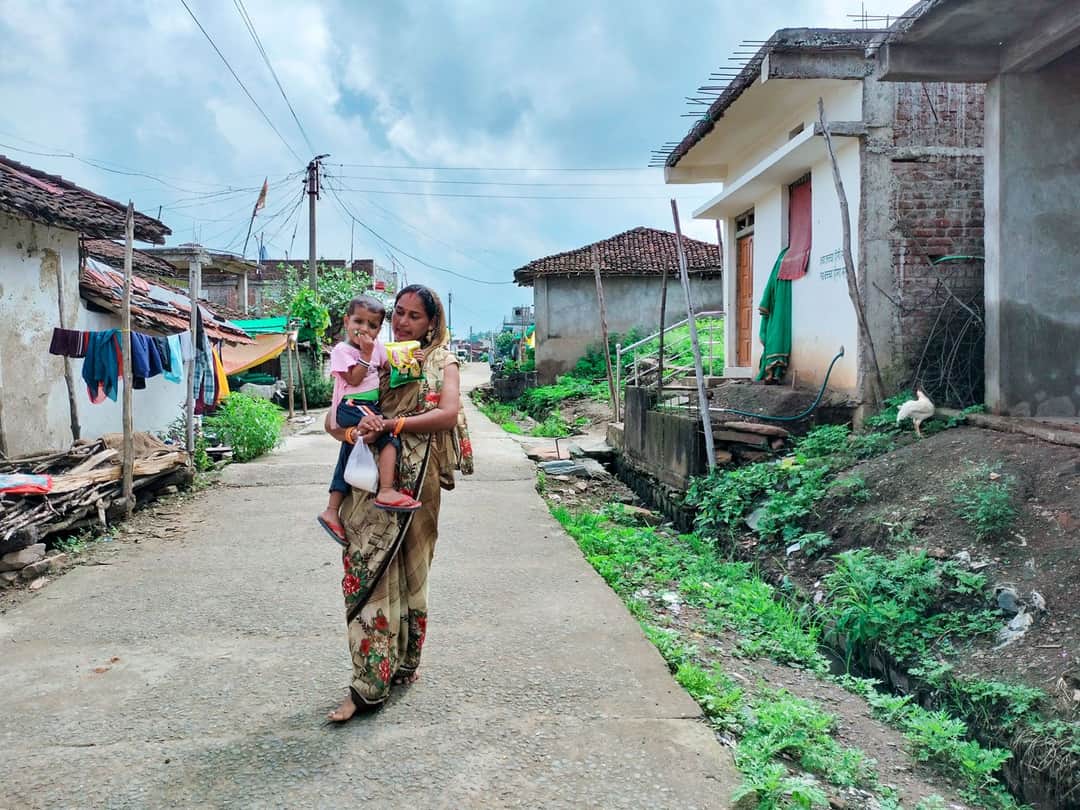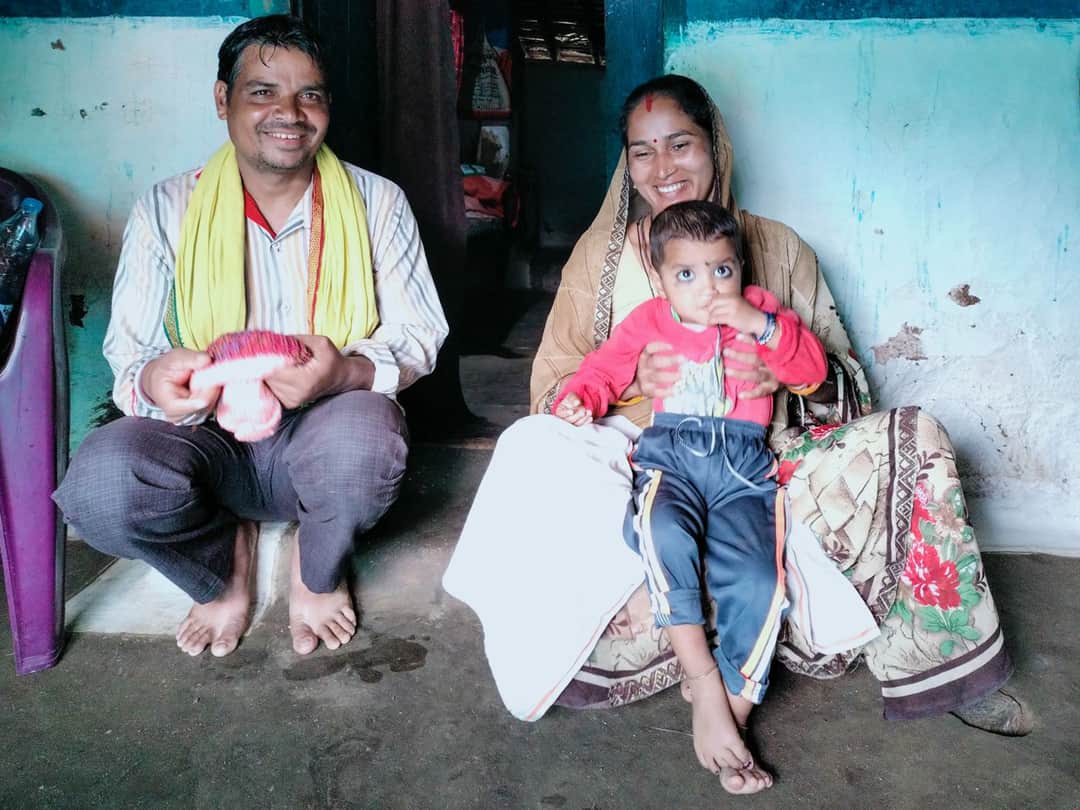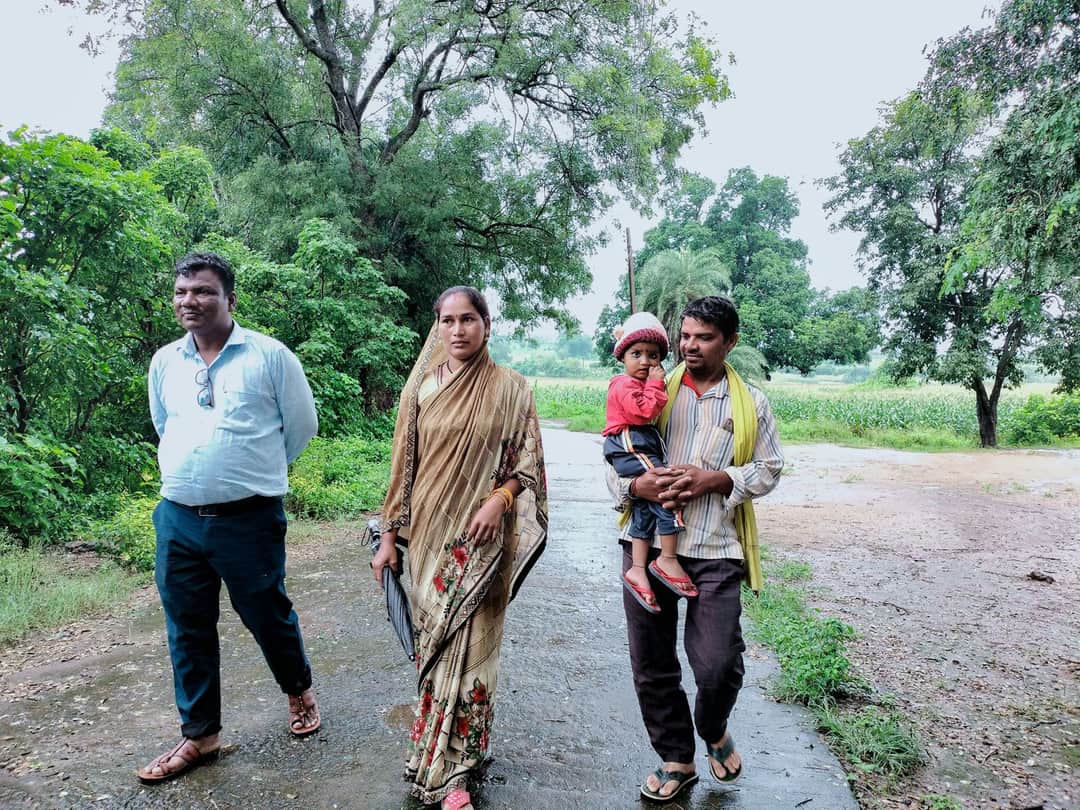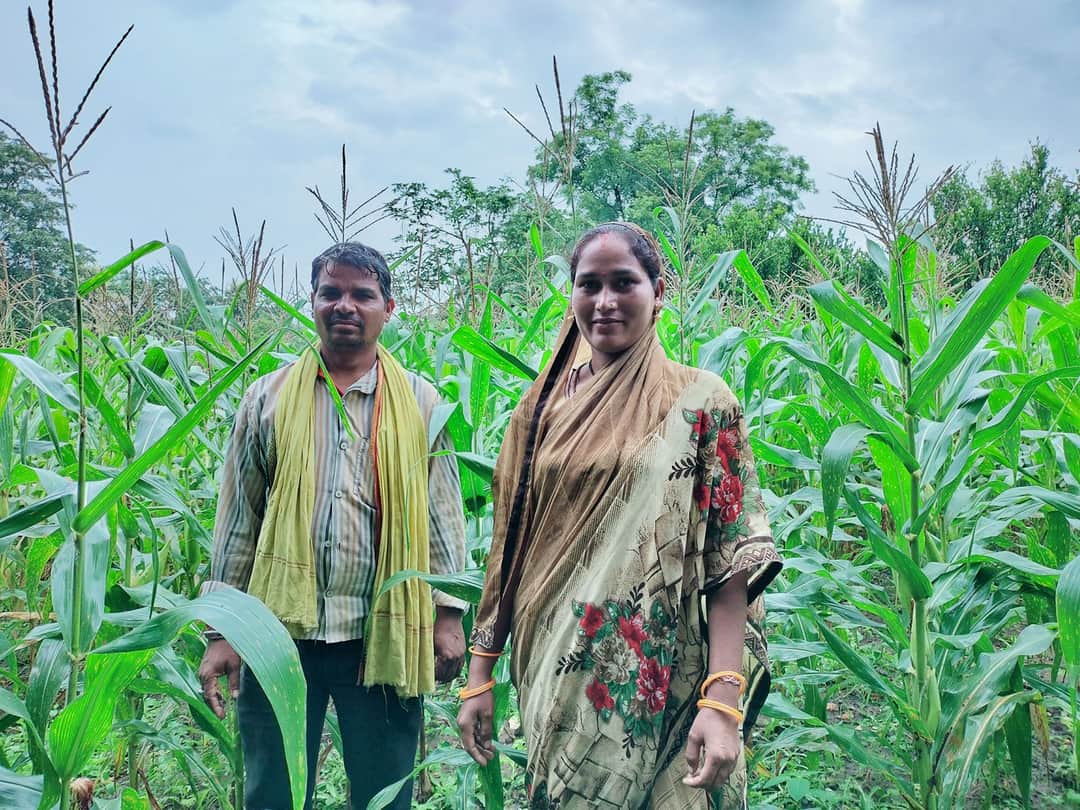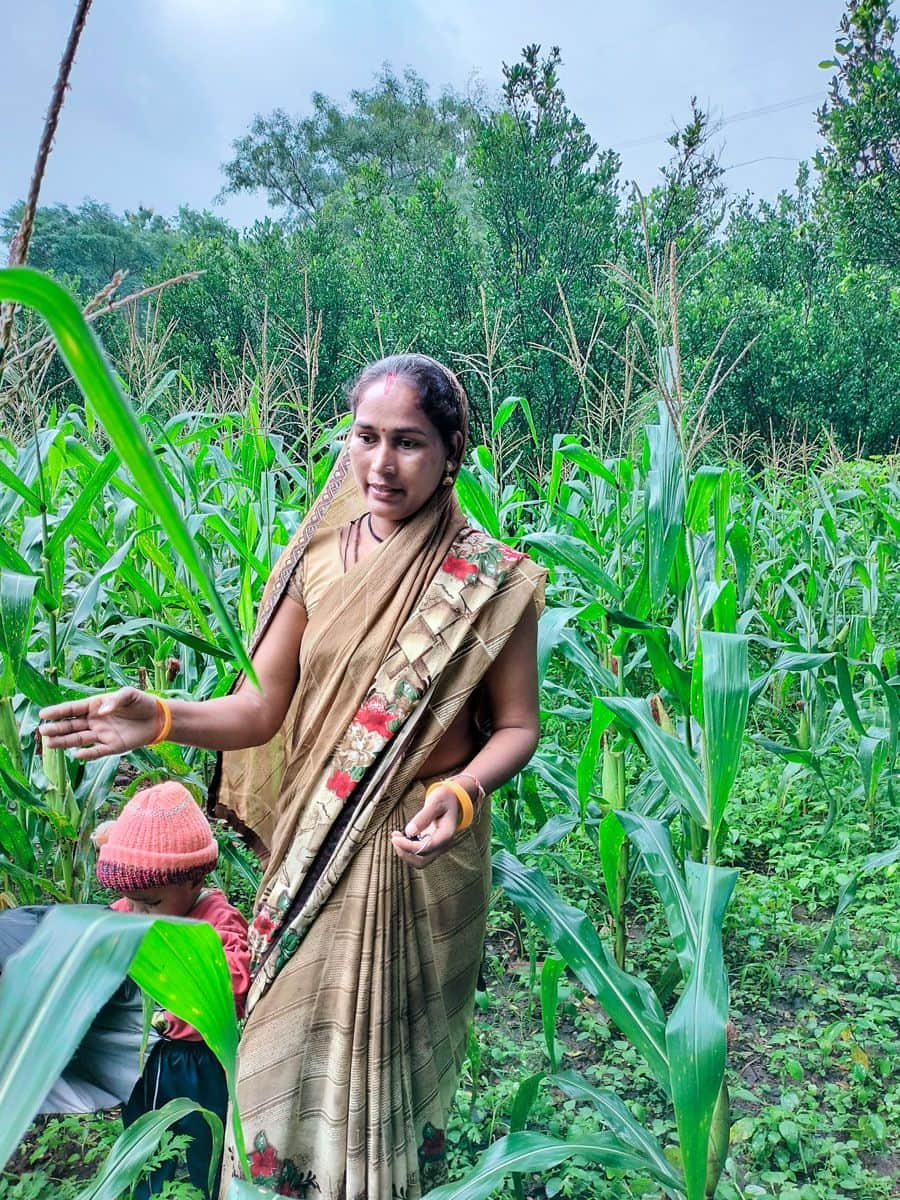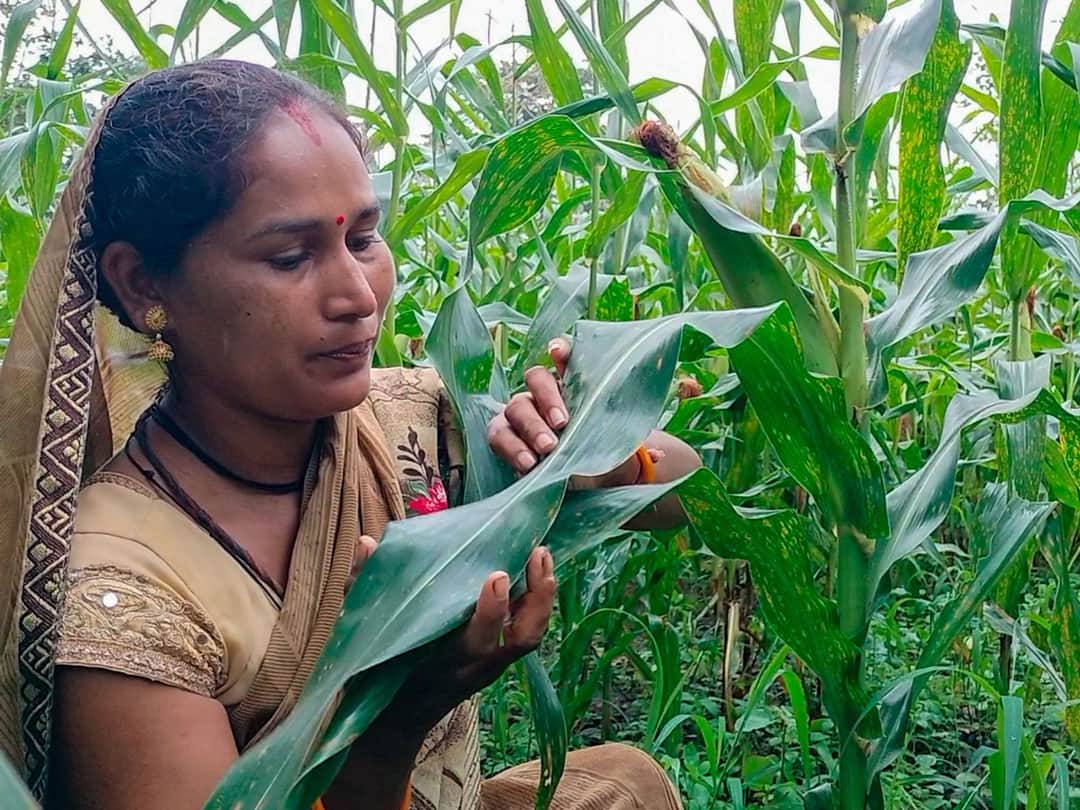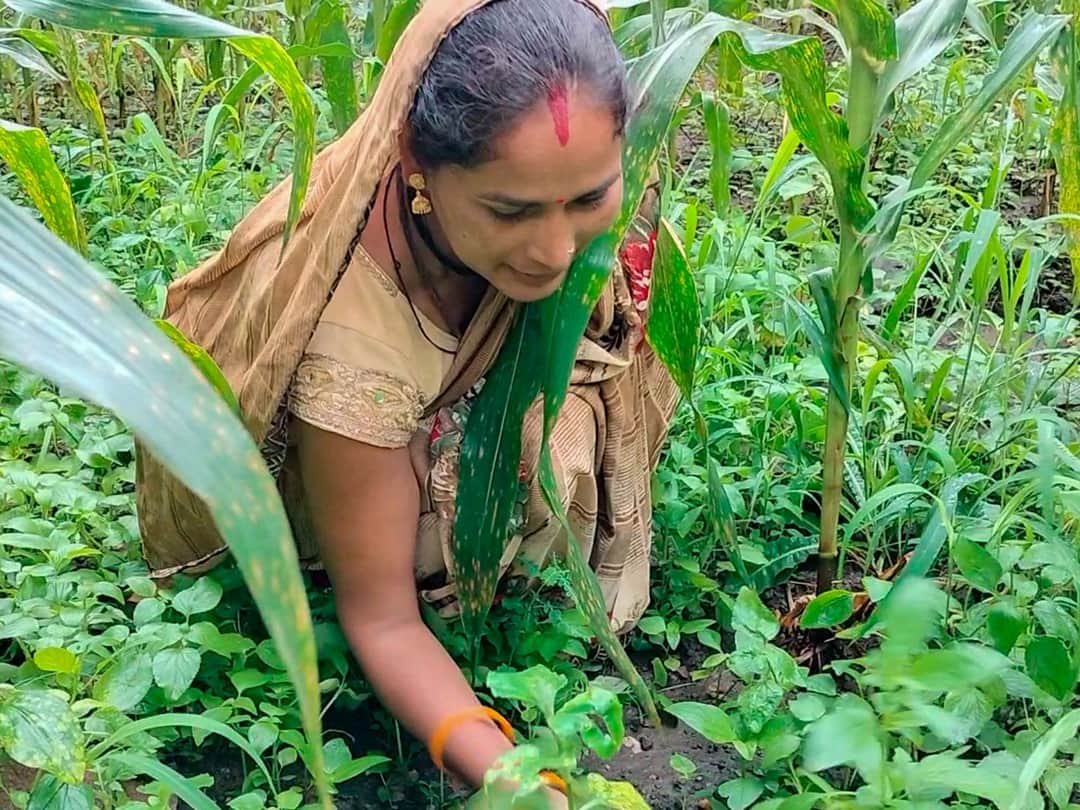

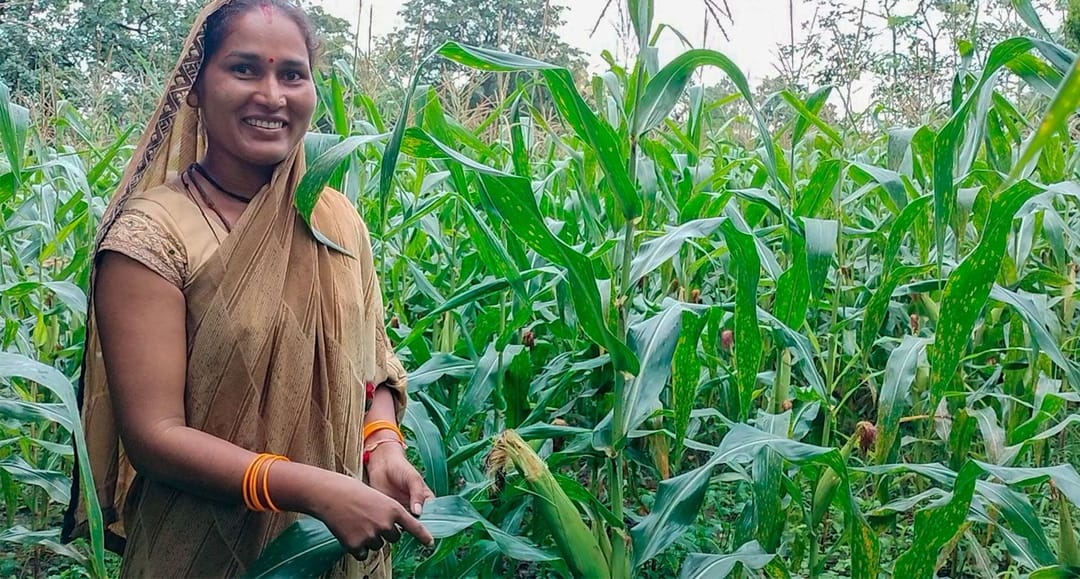
When Reena Parteti first stepped into her in-laws’ home in Lonadei village after marriage, she was surprised.
“Even young children in the family could speak fluently in my mother tongue [Gondi],” she recalls. Reena, on the other hand, could barely understand the language of her Gond community as “no one spoke Gondi in my village [Moya],” says the 34-year-old Adivasi farmer.
Around 80 per cent of the population in Lonadei are Gond tribals. “Even people not belonging to the Gond community manage to speak the language,” she points out.
Reena’s nephews and nieces would playfully tease her, “maami ko Gondi bolte nahin aati, chachi ko Gondi bolte nahin aati [Our aunt doesn’t know how to speak in Gondi]! She laughs while recalling the incident and adds, “even though initially I stammered a lot, eventually I began talking to them in my mother tongue.”
Gondi is a Dravidian language that was once spoken widely across not just Madhya Pradesh but other parts of central India. Today, it is listed as one of the potentially vulnerable languages by UNESCO. Although the Gond community is one of the largest Adivasi communities in the state, their language is under threat.