Gondi has seen better days, though.
“…Gondi was the official language of an ancient kingdom called Gondvana and it had its own script, grammar, figures of speech, etymology, and literature, which are available even today,” Motiram Kangali, a scholar of Gondi literature is quoted as saying on the website of the Bhasha Research and Publication Centre.
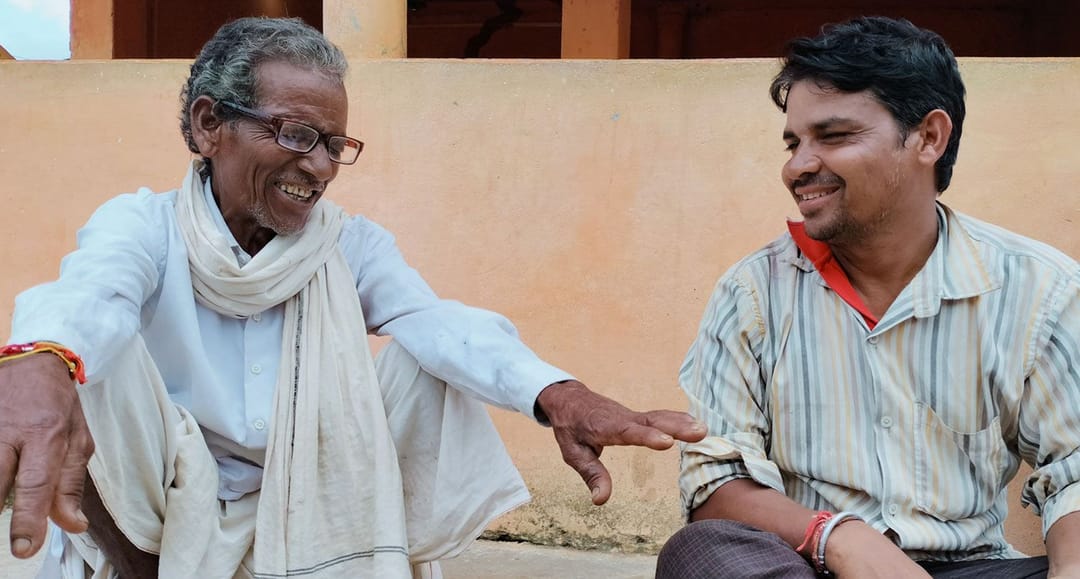
Gonds once ruled large parts of present-day Madhya Pradesh. “We are the descendants of Goddess Gaura [also known as Parvati and Durga in Hindu mythology], that is why we call ourselves Gond,” says Ramnath Uikey, a Gond social worker from Chhindwara. However, he adds, in contemporary times, the rich legacy and history of the community receive only token gestures, such as naming a railway station after the Gond queen Rani Kamlapati.
Their language has suffered a decline too, relegated mostly to the confines of their homes. Outside, in public spaces, people from the community often tend to switch to Hindi. And it is mainly the older population that still speaks Gondi; the younger generations are increasingly hesitant to learn or speak the language. Many attribute this to the fear of being misunderstood, or worse still, being ridiculed by non-Gondi speakers.
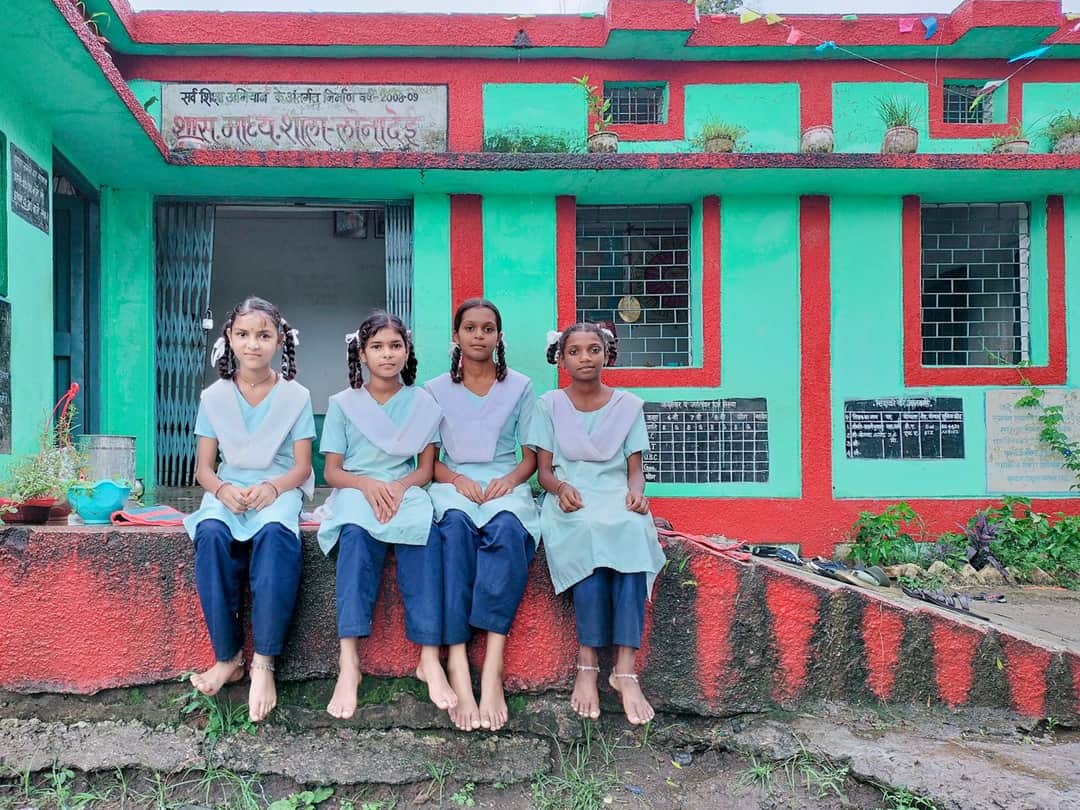
Prarthana’s father Mantram Parteti, a farmer in Lonadei, speaks to his children in Gondi only when they are at home; outside of their home, though, the family members communicate in Hindi, even with each other. “They [non-Gondi speakers] make fun of us or sometimes misunderstand our words,” he says. “Even now people tease us [when we speak Gondi].”
Mantram narrates a recent incident when he was visiting his son, Prithviraj, at his residential school. “I started speaking to him in Gondi. The teachers and other kids, who did not know the language, started laughing at us. I felt ashamed,” he says. His son has since forbidden him to speak in Gondi when visiting him at school: “‘You can speak as much Gondi as you want when I am home, he told me.”
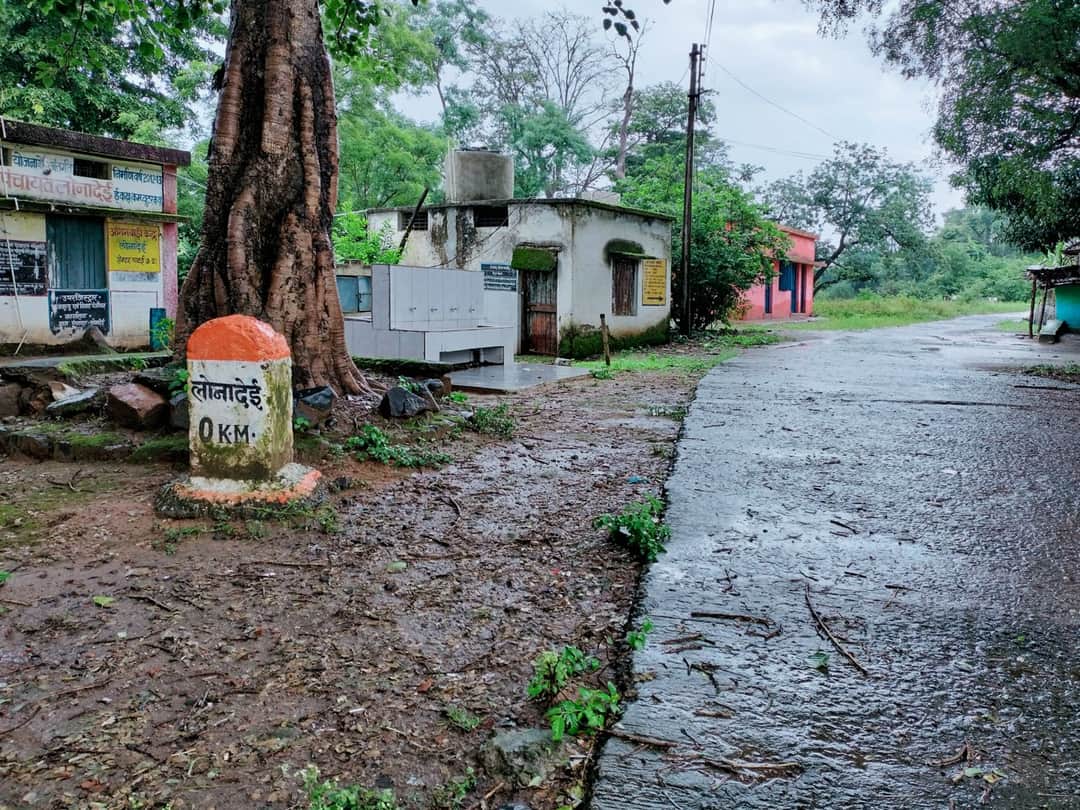
Despite being a predominantly Gond village, Lonadei is fighting a difficult battle to get its young population to speak and take pride in their mother tongue. Ramnath points out that what is happening in Lonadei is only a reflection of the larger situation in the district itself. “Here, in Chhindwara, Gonds are considered to be of low caste. So, they fear that if they speak in Gondi in public places, they may be looked down upon by others. Hence, they prefer to speak in Gondi only among themselves,” he says.
Ramnath believes that the school system also perpetuates discrimination against Gonds, besides playing a role in alienating Gondi from its speakers. He remembers how children from his community were subjected to humiliation at the government school he attended in his village in Atarwada block.
The upper-caste teacher would make Gond children sit separately, at a distance from the other caste and Adivasi classmates. He did not stop at that. “I must have been in Class 10 when I saw Sharma sir beating and cursing two Gond boys from my village, saying, ‘You are the sons of Gonds. You will never learn anything; however hard I try to teach you.’ The boys stopped coming to school after that day.”