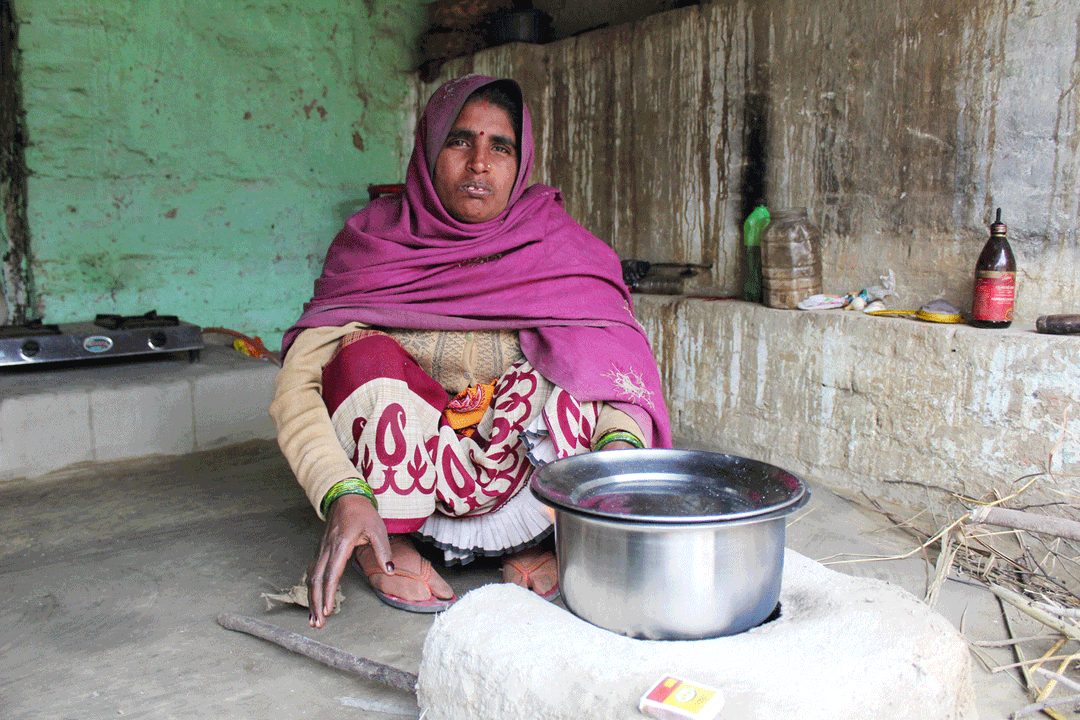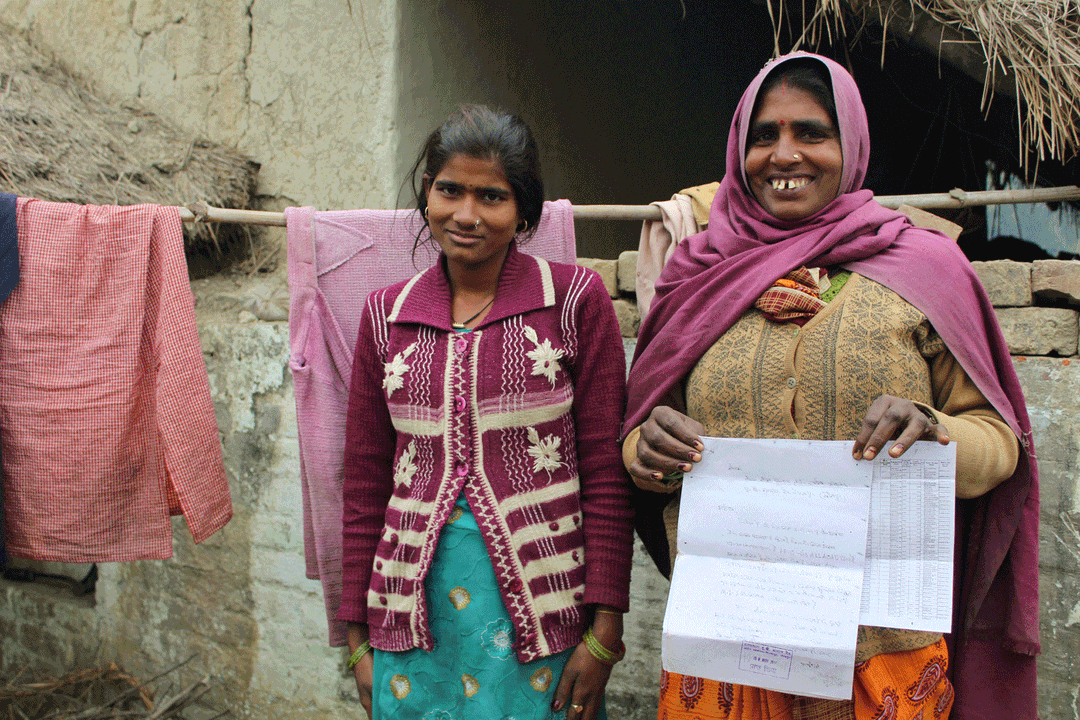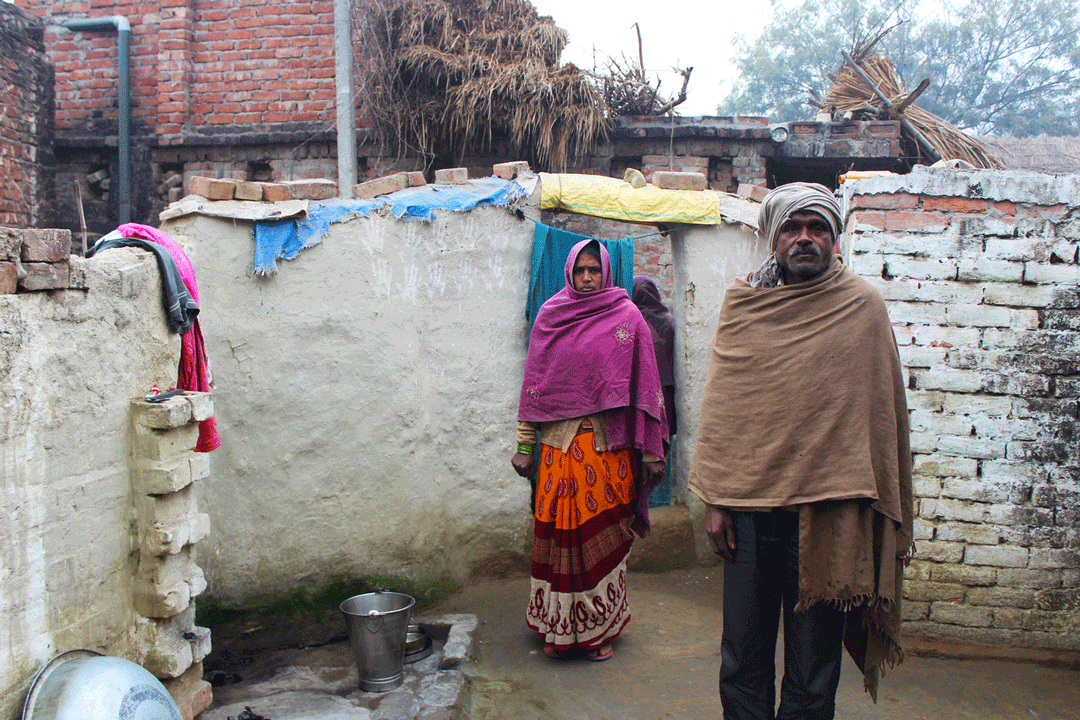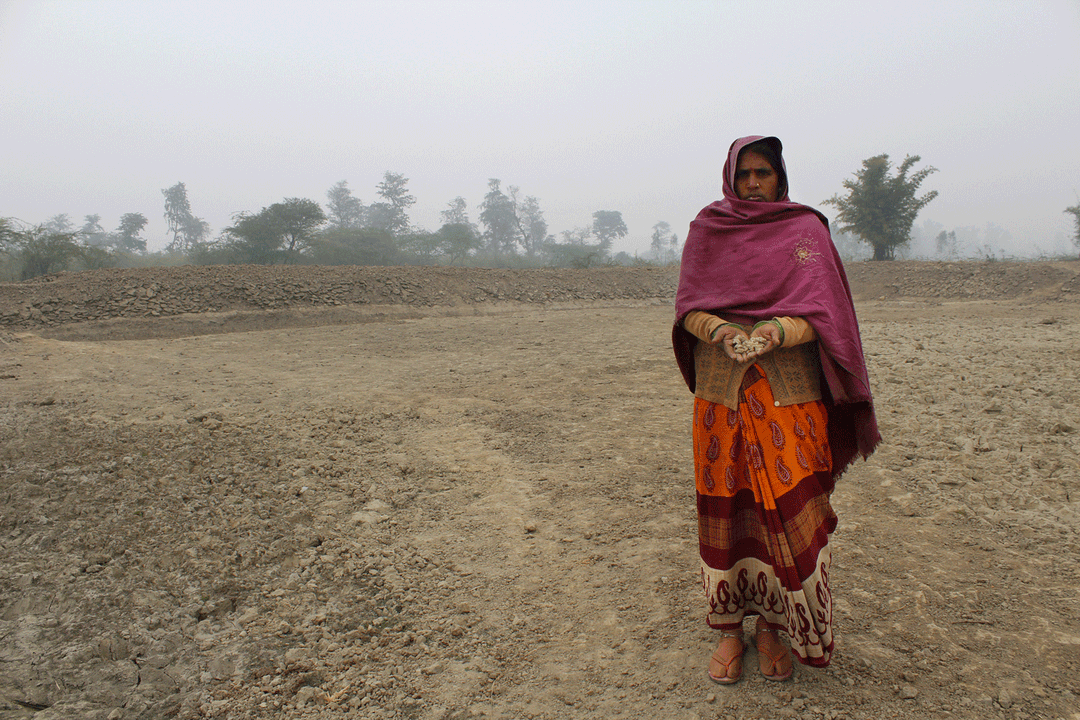
“Maybe the phone does have my money,” sighed Mula, standing in the hollow of a pond she had helped dig. It was a windy winter morning, and after many months of not receiving her wages, she finally had a clue about them. Or so she thought.
In January 2018, Vikash Singh, the Additional Programme Officer (MGNREGA) of Sitapur had, after repeated protest demonstrations at his office, announced that MGNREGA wages were going to 9,877 accounts opened with Airtel Payments Bank since January 2017. These new accounts, in Singh’s words “were opened without informed and express consent” during the purchase of a new SIM card.
The uninformed consent, obtained by just ticking a box on the online customer acquisition form while doing the ‘Aadhaar-based SIM verification’, resulted in a diversion of benefit transfers to these new accounts. This rode on a seemingly harmless guideline of the Unique Identification Authority of India: that the bank account seeded last with the Aadhaar number automatically becomes the one to receive any money disbursed as a direct-benefit transfer.
Mula, a 45-year-old, unlettered member of the Pasi Dalit community, felt a dull hope at Singh’s announcement. She too had bought a phone with an Airtel SIM card in 2016. One morning, prompted by neighbours mentioning great deals on Airtel SIM cards (a Rs. 40 card with 35 minutes talk time), Mula and her son Nagraj had walked from their village, Dadeora in Sitapur district of Uttar Pradesh to the main market in Parsada in Machhrehta block, four kilometres away. At the shop which sold them a mobile phone (and has since shut down) Mula was asked for a copy of her Aadhaar card, since her son did not have one. She produced hers.