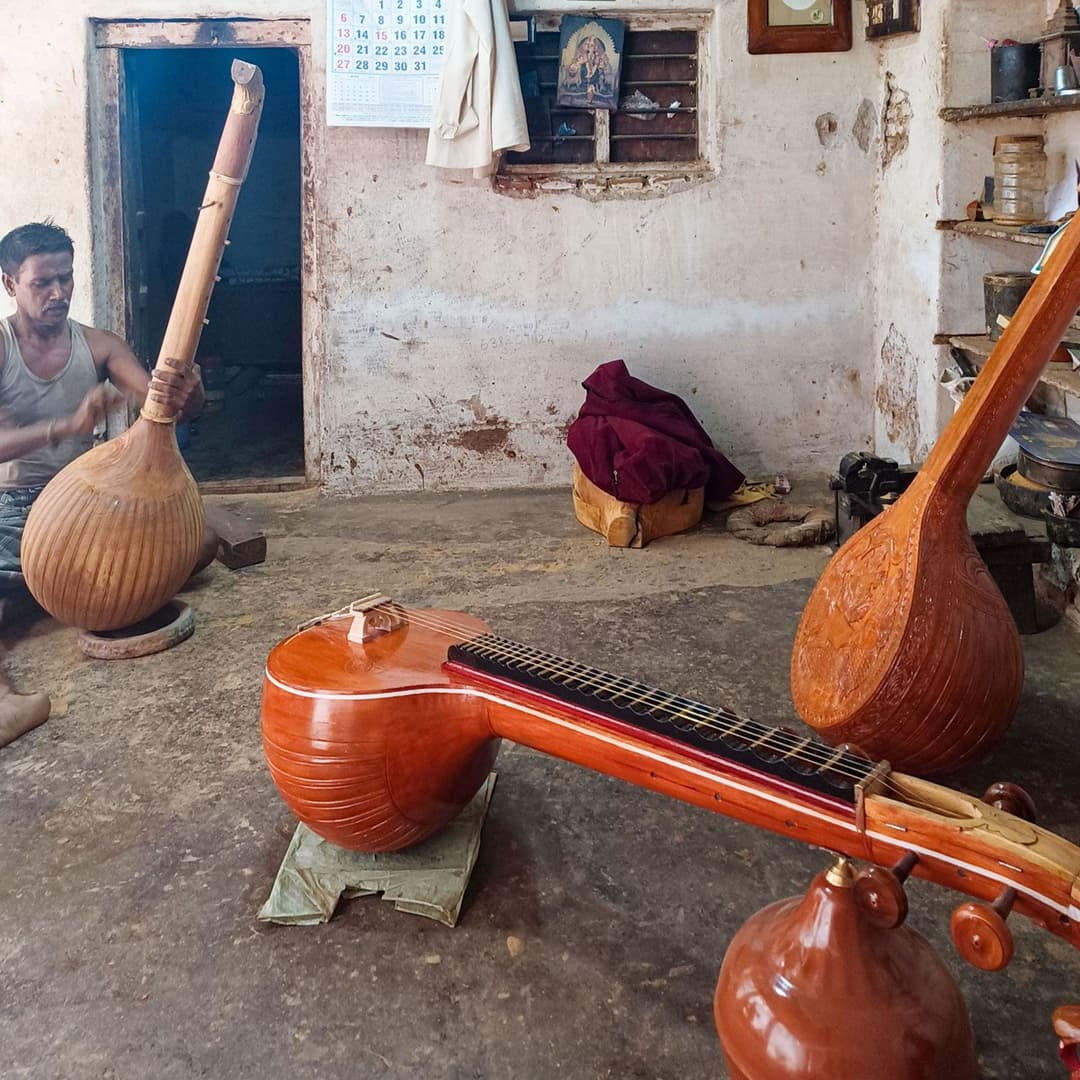
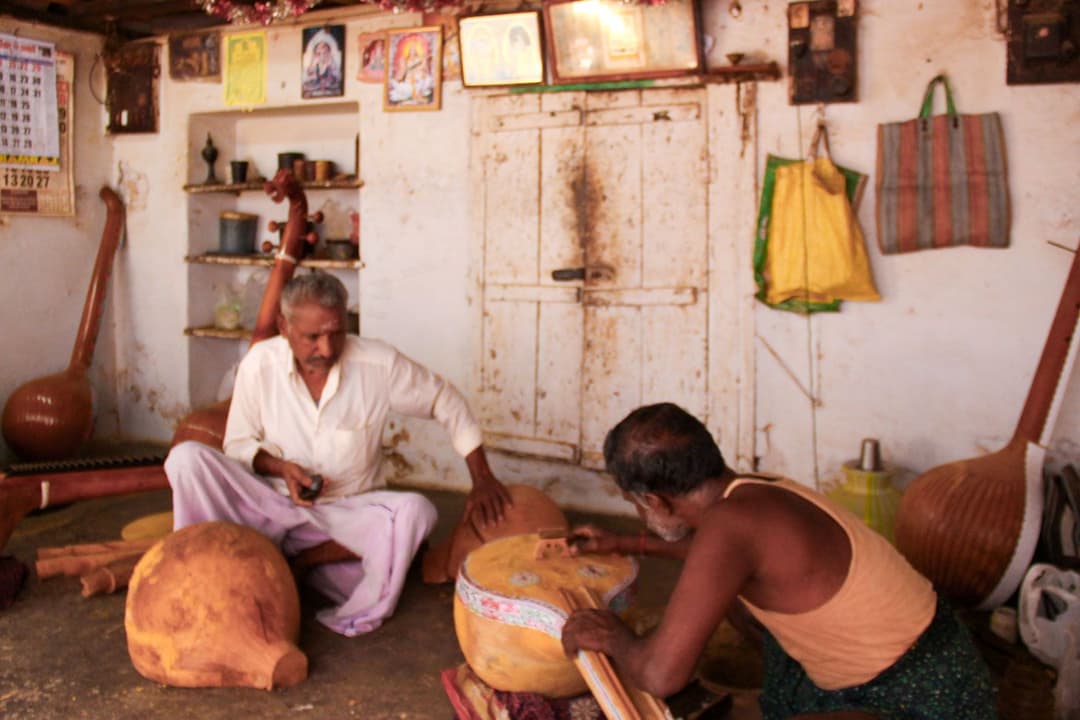
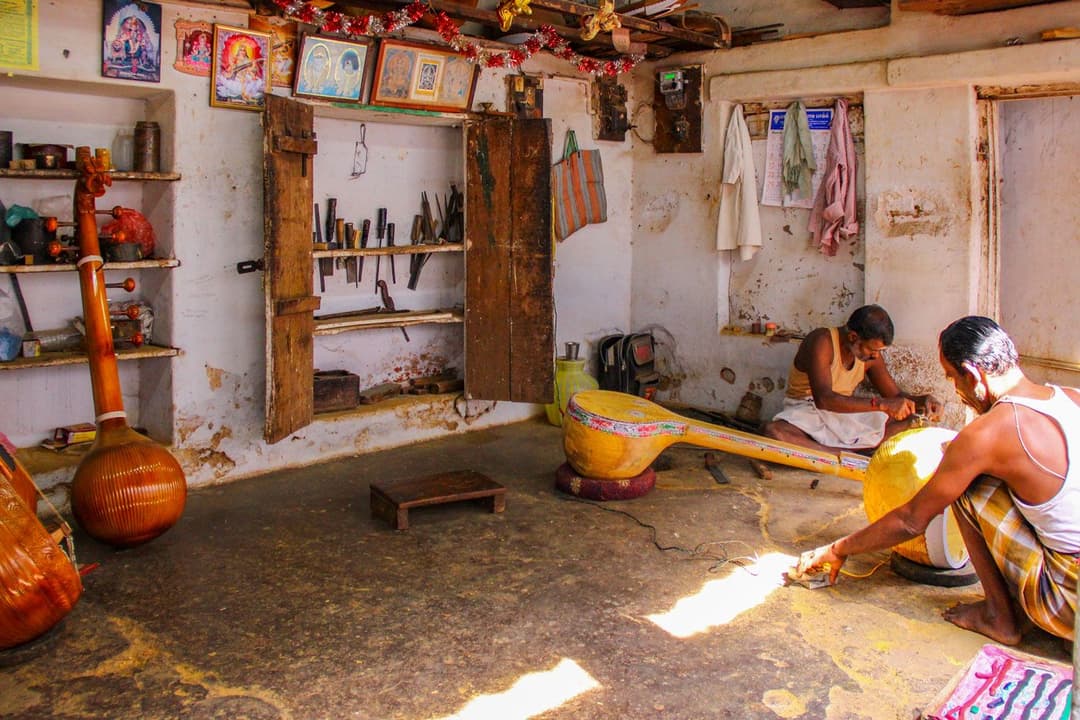
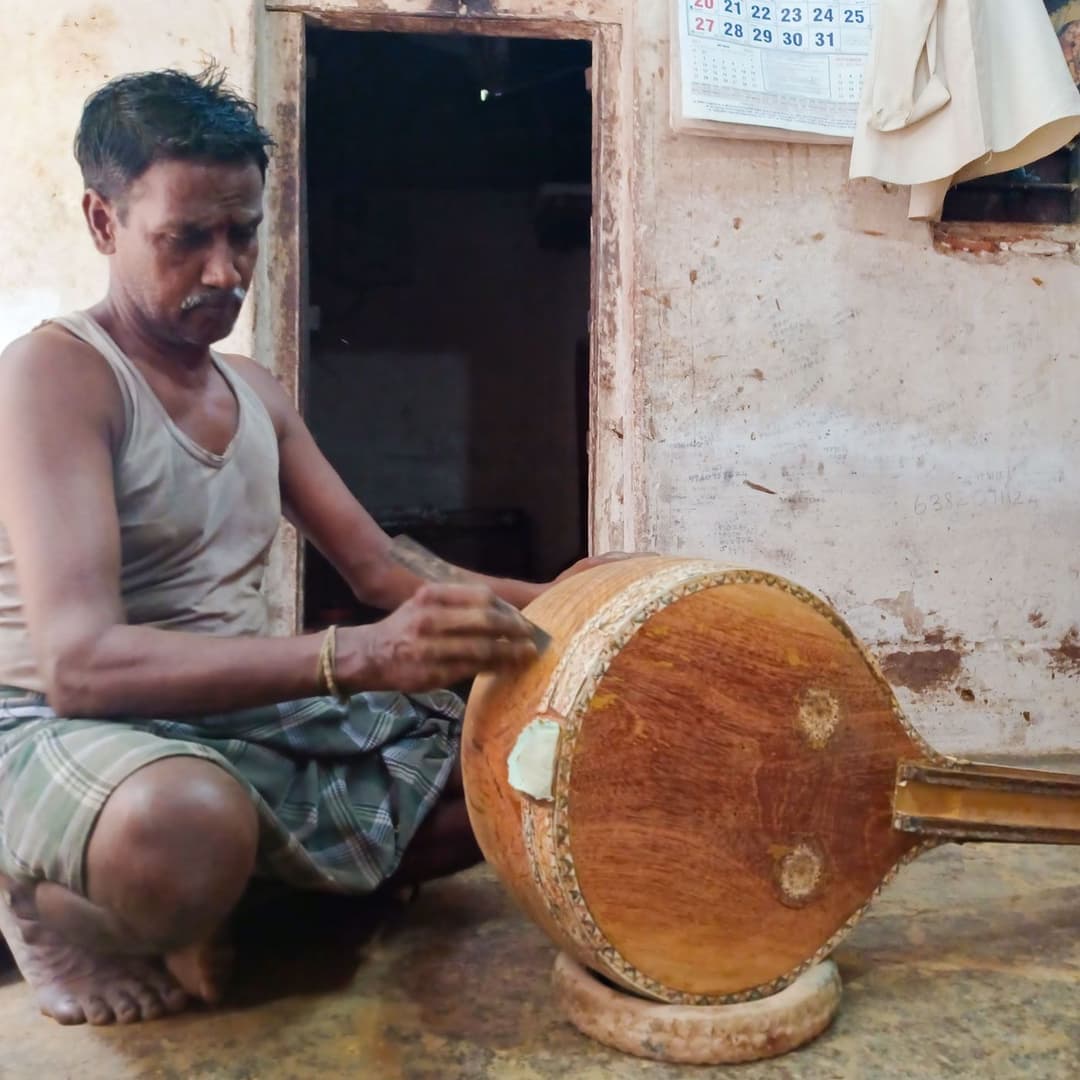
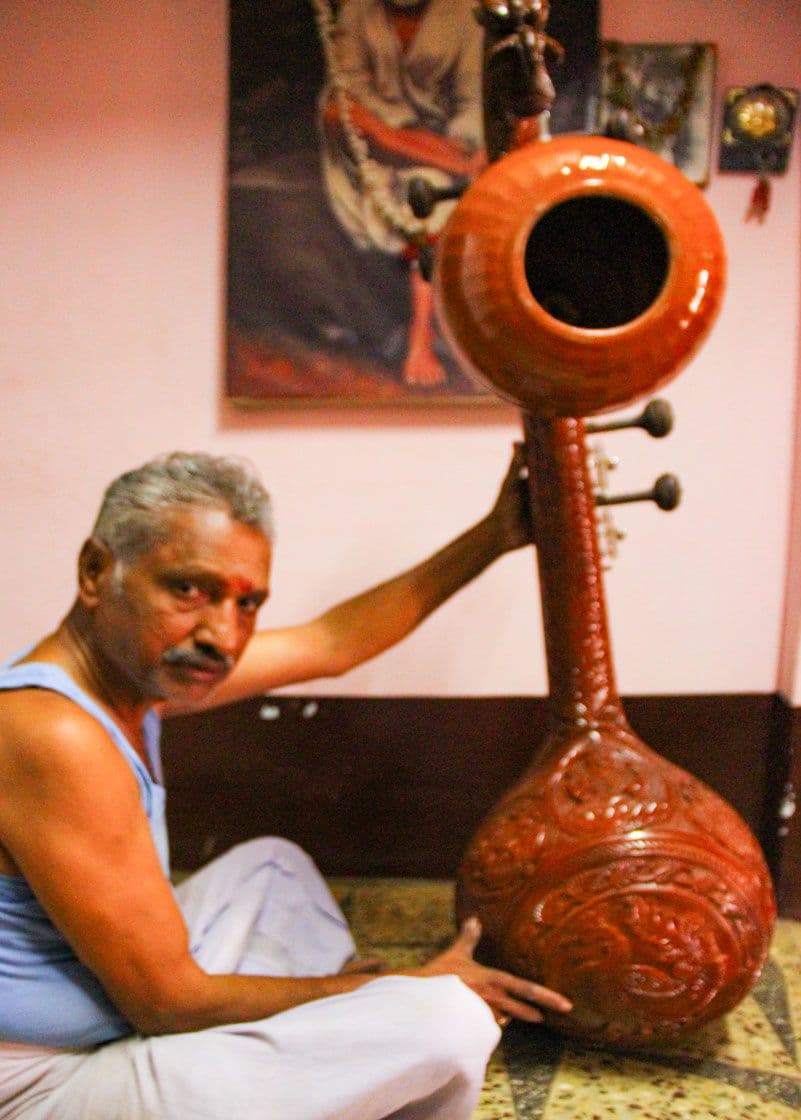
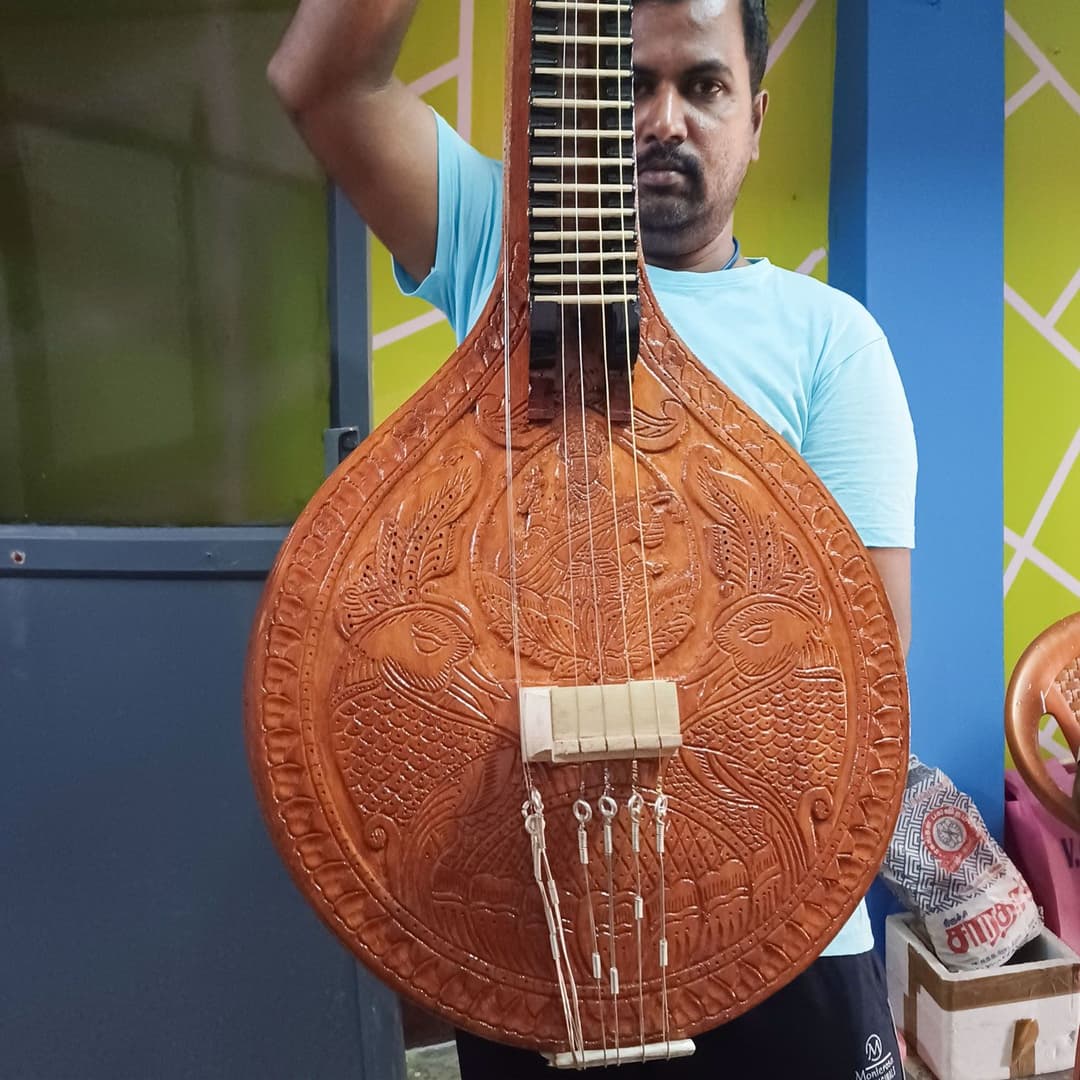
“The Asaris are members of the Vishwakarma community. They are people of material art who work with metal, stone and wood. Away from their creative pursuits, many people in the community have been reduced to labour activities that are adjacent to their traditional caste-based occupations. Those in the younger generation are also moving away to white-collar jobs,” writes T.M. Krishna in his book Sebastian and Sons.
“When we do speak of hereditary, caste-bound occupations, we have to be careful not to romanticise it as intergenerational continuity in knowledge creation, because all people and occupations are not equal in our social matrix,” Krishna points out. “Work that is passed down within caste-privileged families is considered knowledge and the perpetuation of such caste-limited sharing as preservation. And the practitioners do not experience oppression. Occupations and forms of work that are continued generation after generation within oppressed or marginalised communities are not considered knowledge. Nor are the people considered knowledge creators. They are looked down upon, undervalued and their work categorised as physical labour. And most importantly, those who practice these occupations experience caste-based oppression and violence. In many cases because of social circumstances they have no choice but to take up the family-caste-assigned job.”
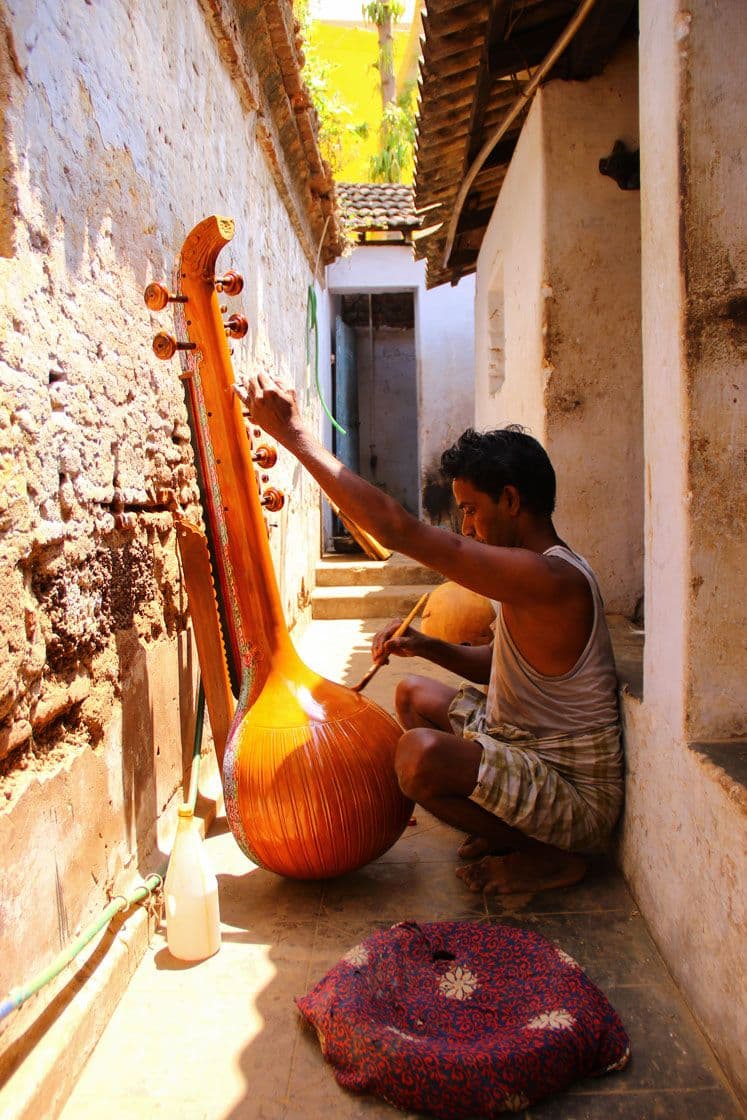
“All instrument makers in this country are spoken about – if at all – in technical terms,” says Krishna. “They’re looked at like a maestri [carpenter] who is working in a construction site. The [instrument] player would be the architect. The reason credit is denied – or frugally and grudgingly given – is because of caste.”
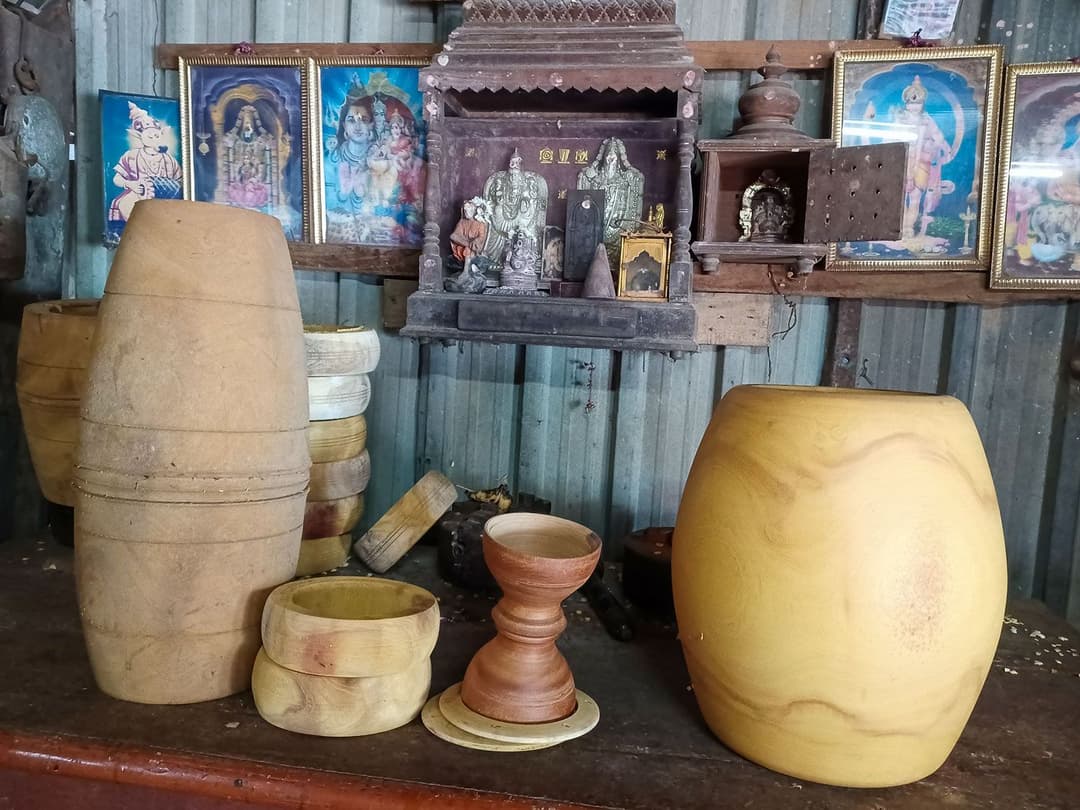
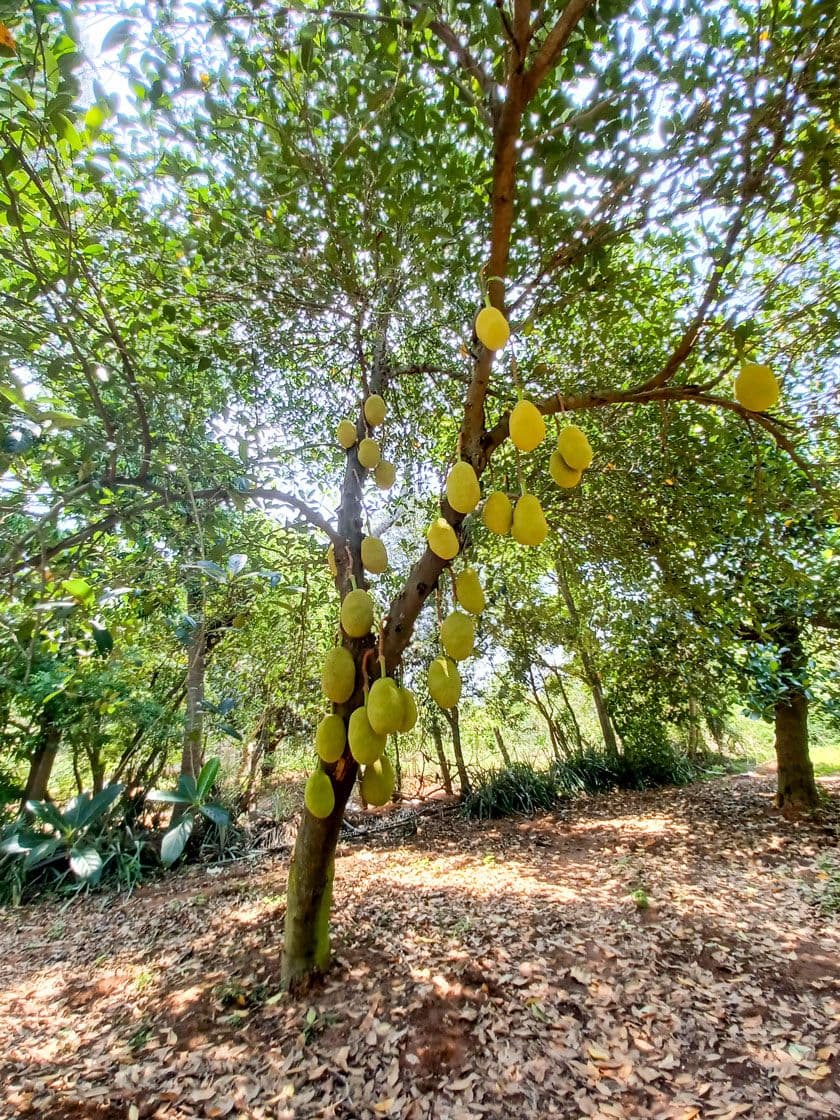
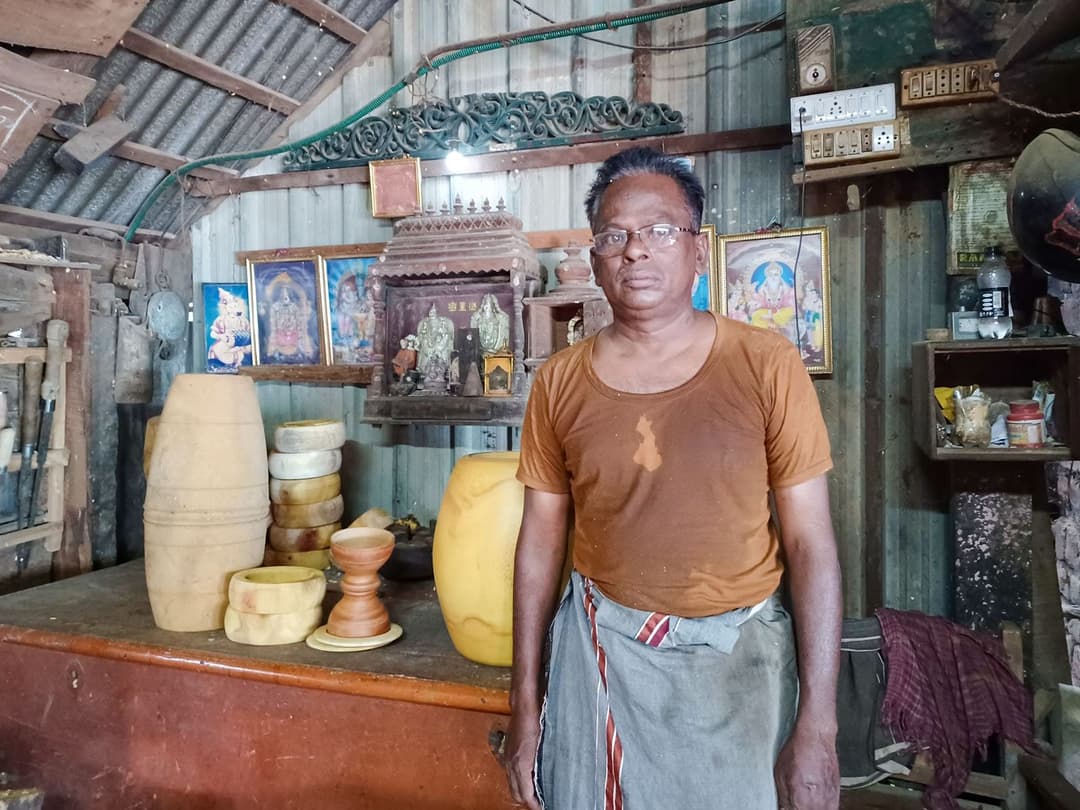
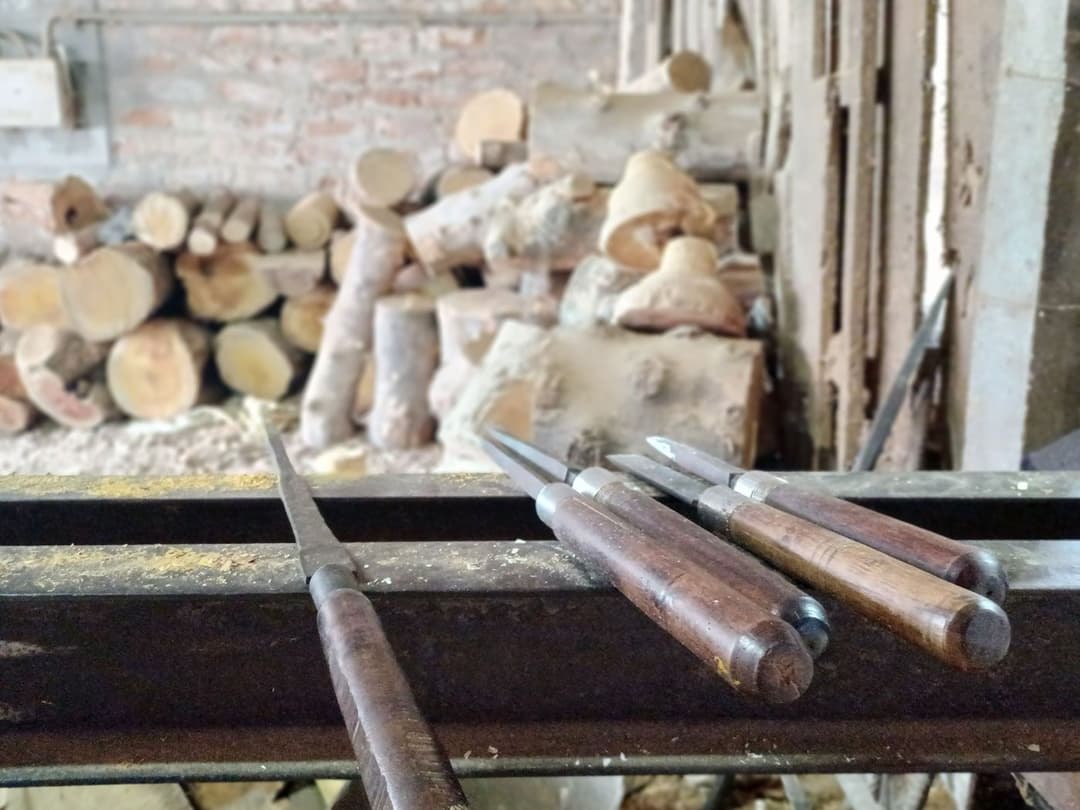
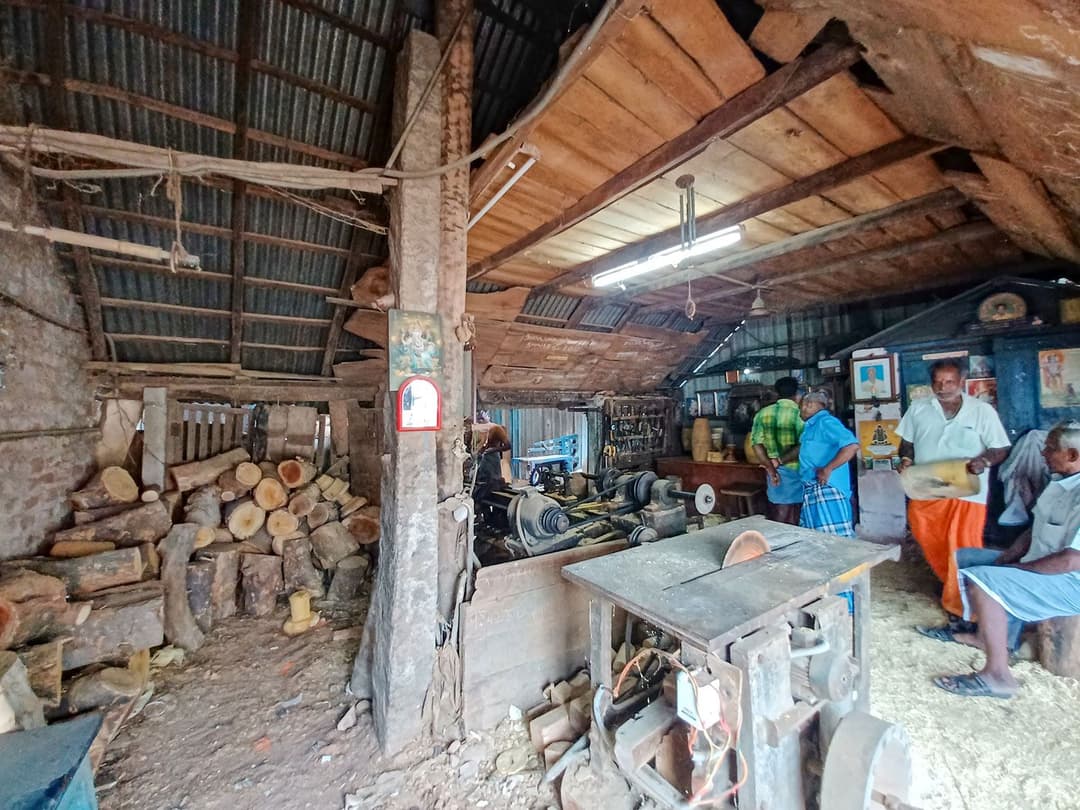
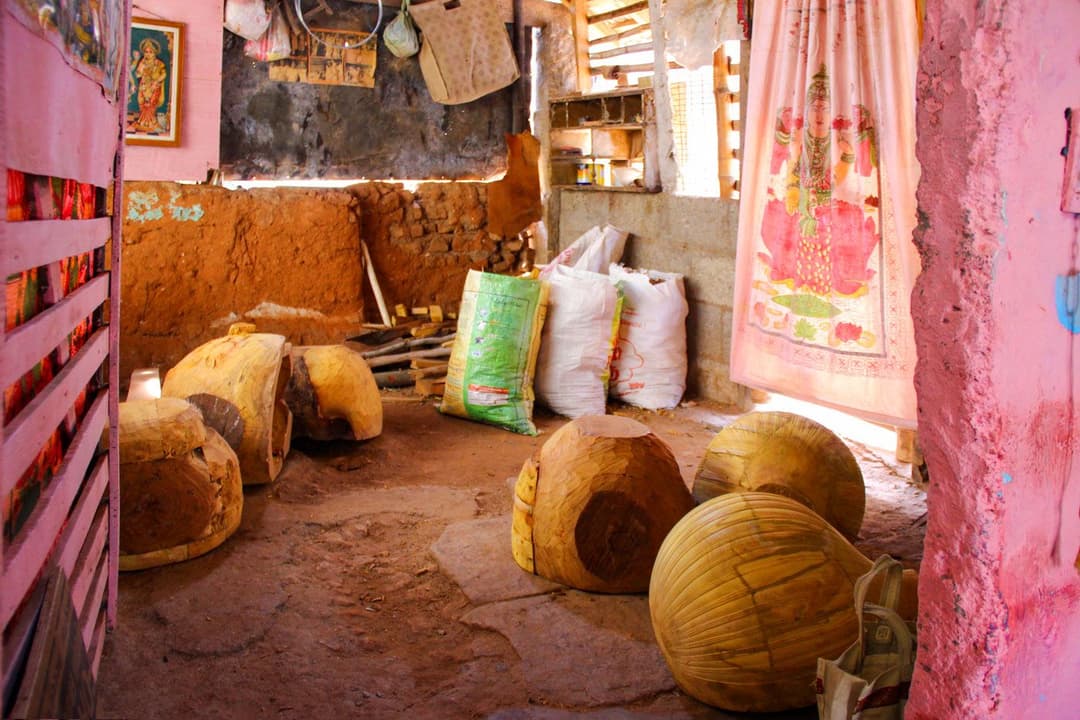
Mridangam-making is male dominated, says Kuppusami. “There are a few women who work with leather. But the wood work is done solely by men. The wood that is sourced is typically from jackfruit trees that have stopped fruiting. They will “close” the trees that are old and unproductive,” Kuppusami says. “And for every ten they cut down, they plant 30.”
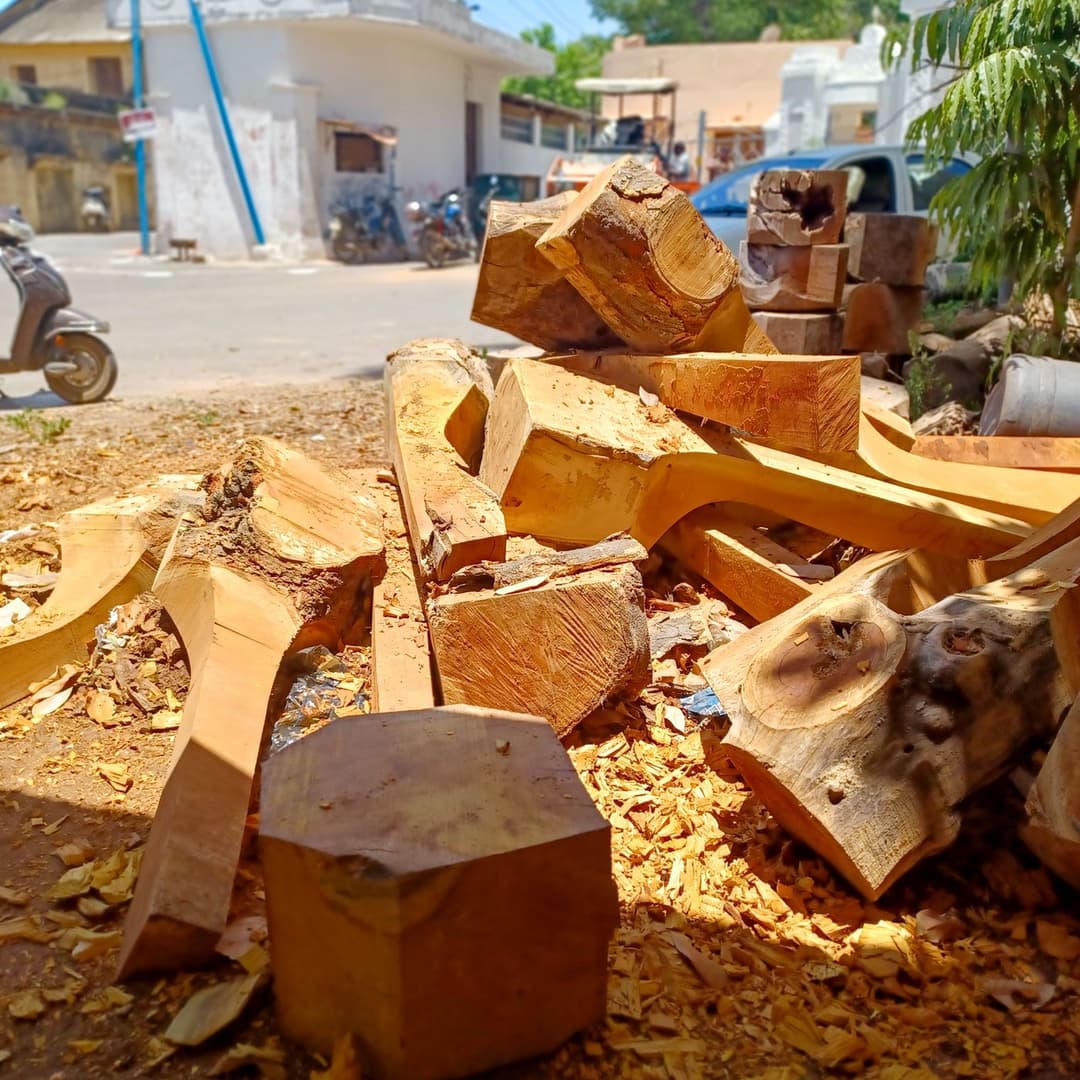
Kuppusami has many specifications for the wood. He prefers trees that are around 9 or 10 feet tall, wide and strong, and planted near the fence or by the road. Ideally, he’d take the lower portion of the wood, with a darker colour ensuring better resonance.
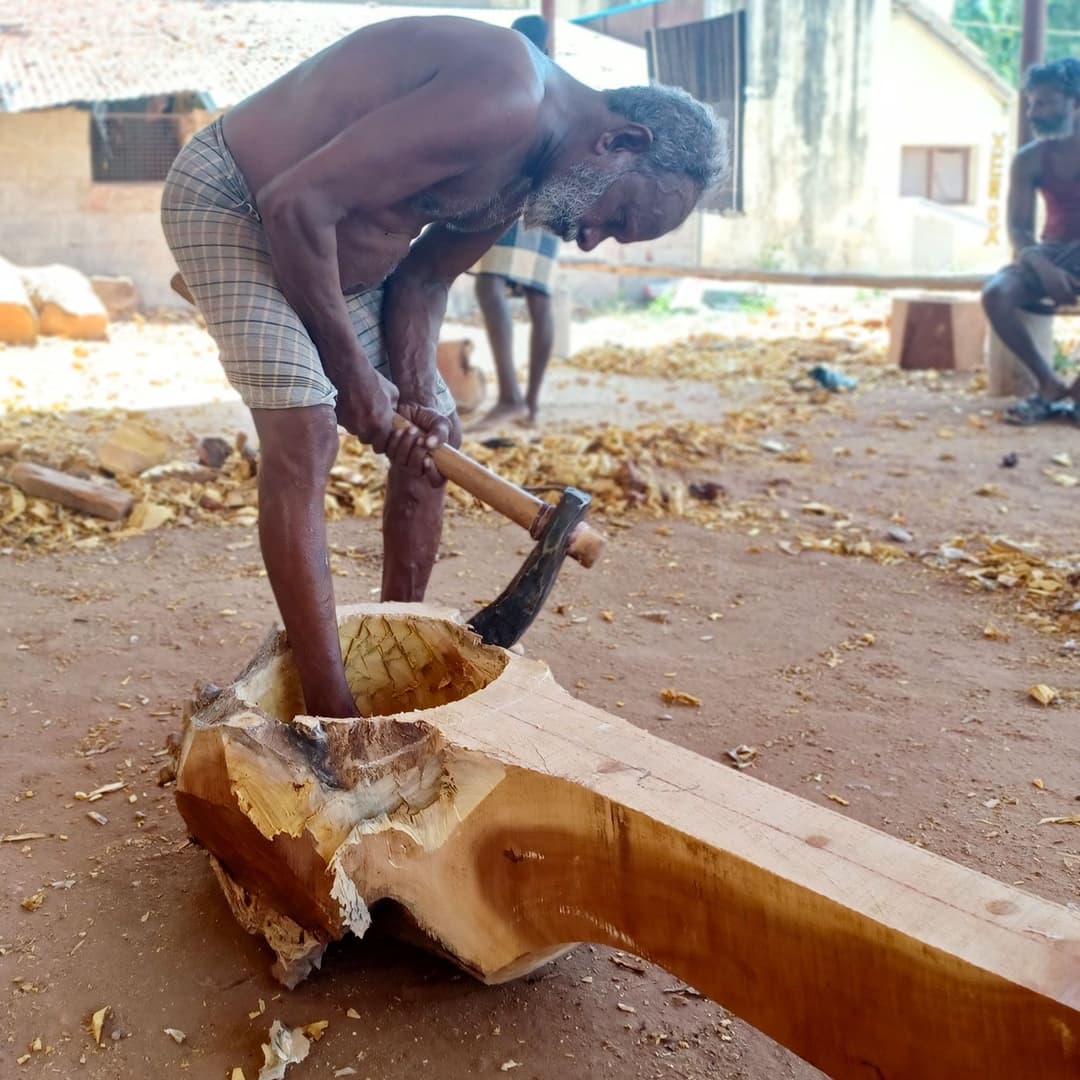
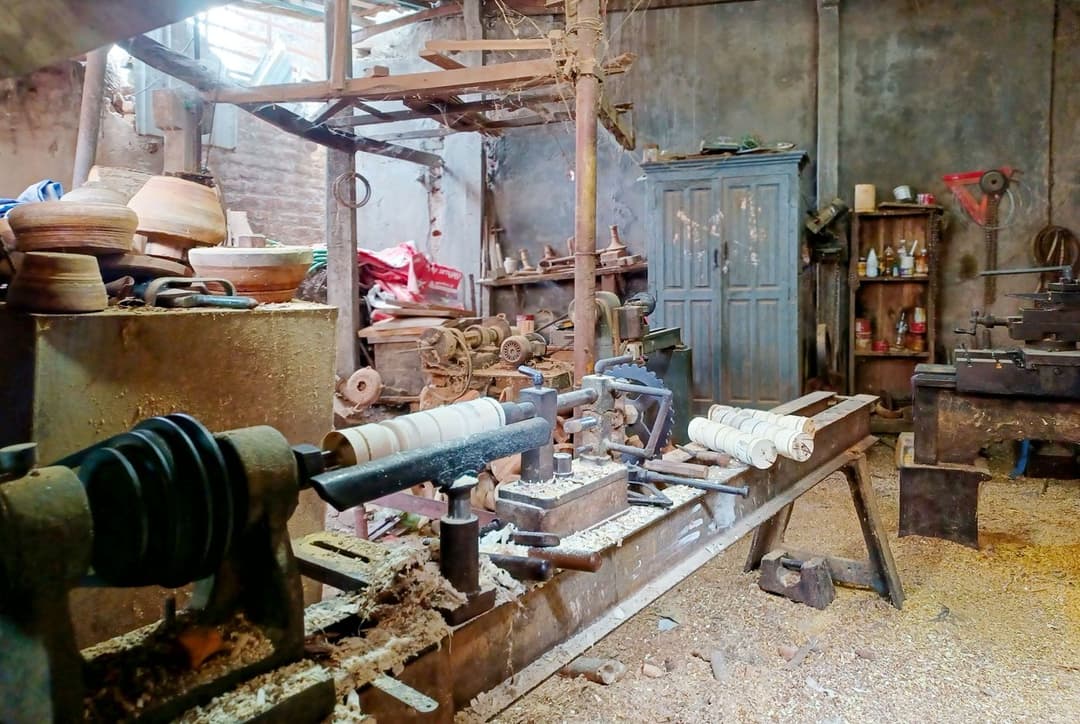
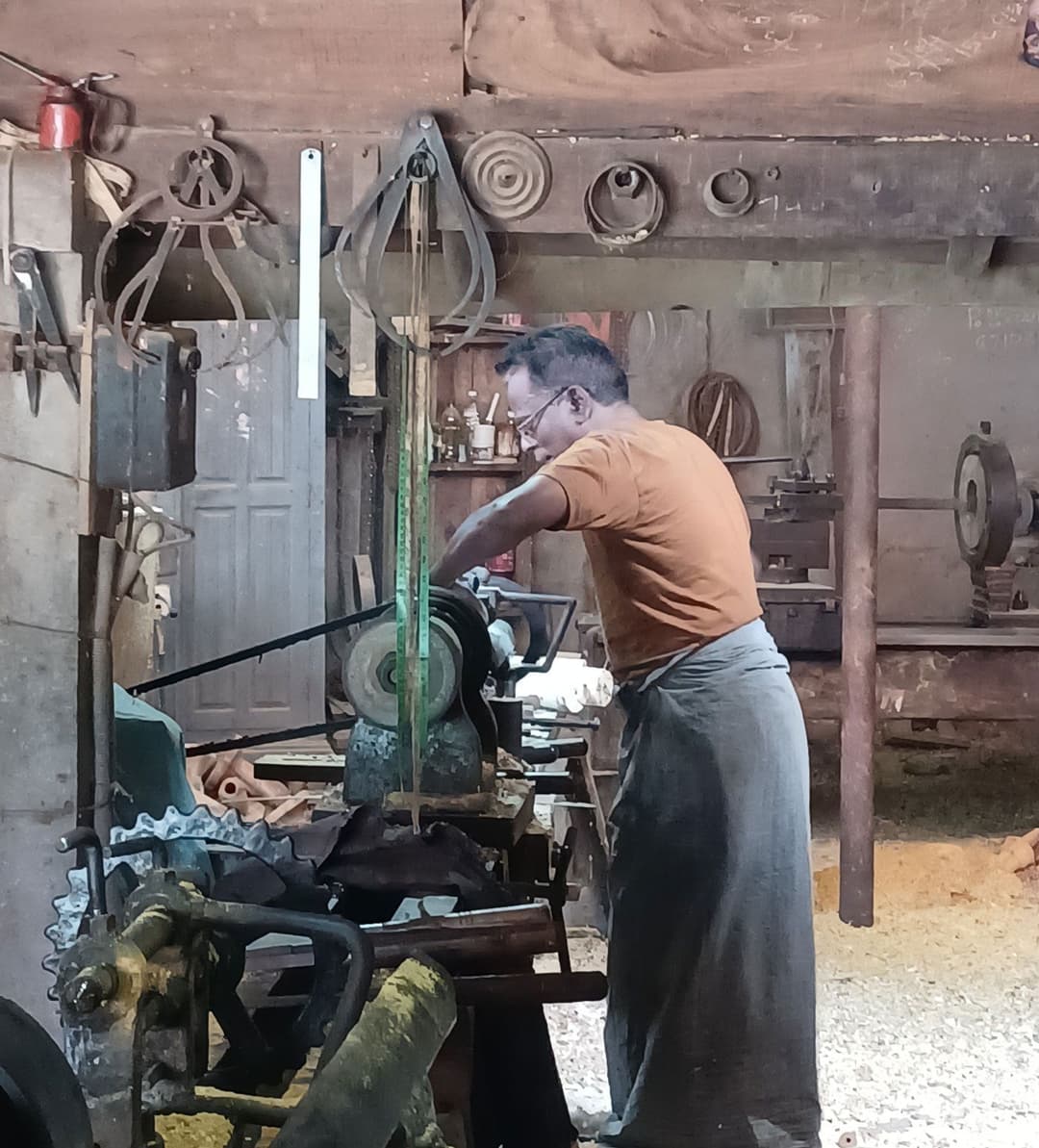
In a single day, he can cut and size about six mridangams. But the finishing will take two more days. His profits are minimal – he will be happy if he can make 1,000 rupees on a mridangam, he says. That’s after paying “the labourers 1,000 to work on this. It is heavy work, they won’t come otherwise, you know.”
Wood is not available throughout the year. When the trees are still fruiting, nobody will chop it down, he points out. So “I have to keep wood in stock,” he says. He invests five lakh rupees, to buy 20 logs which cost 25,000 rupees each. And that’s where he seeks intervention from the government. “If they gave us a subsidy or loan, to buy the wood… that would be so good!”
The demand for mridangams is good, Kuppusami says, and comes from both domestic and international markets. “In a month, I sell 50 mridangams and 25 tavils.” The trouble is getting the right wood and seasoning it for about four months. And since Panruti jack wood is “the best”, says Kuppusami, “there is heavy demand for it.” And he attributes the tonal qualities to the red soil in the region.