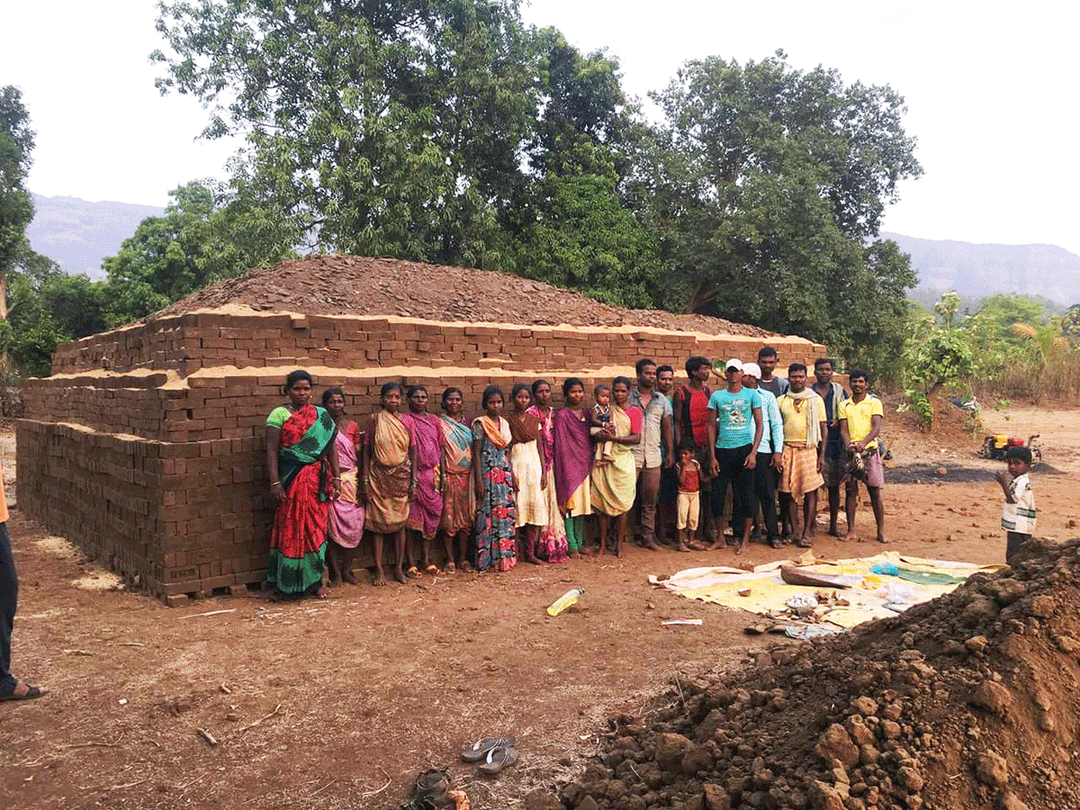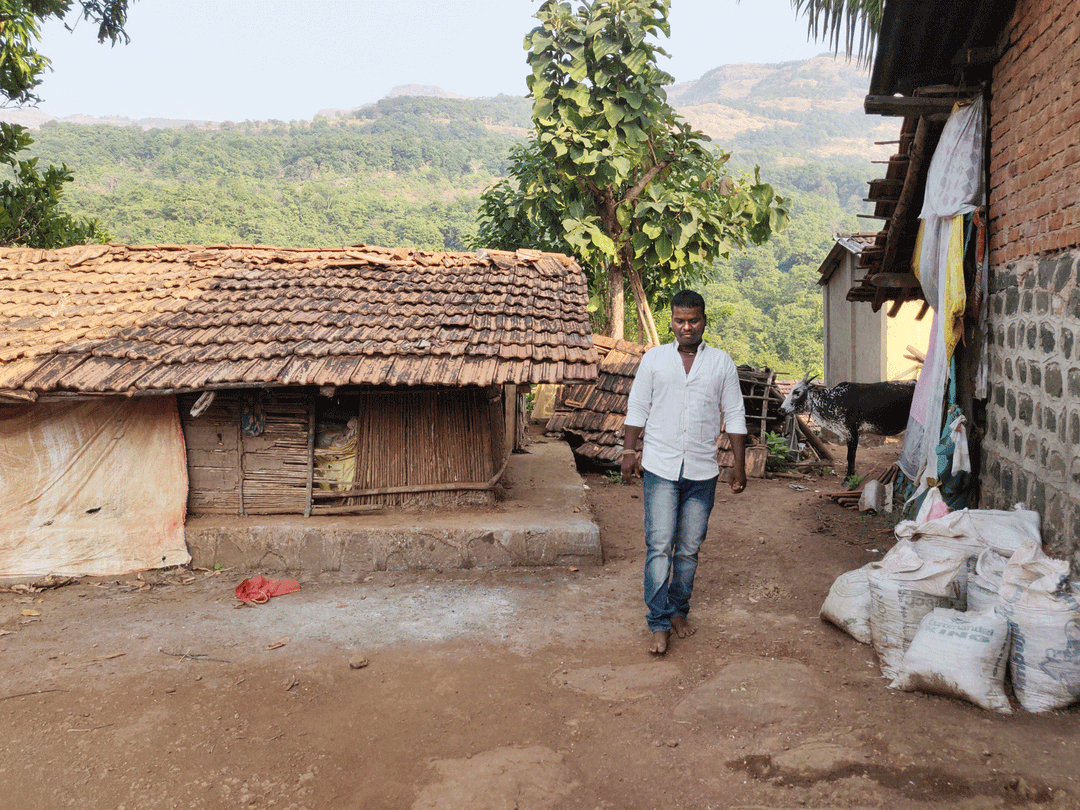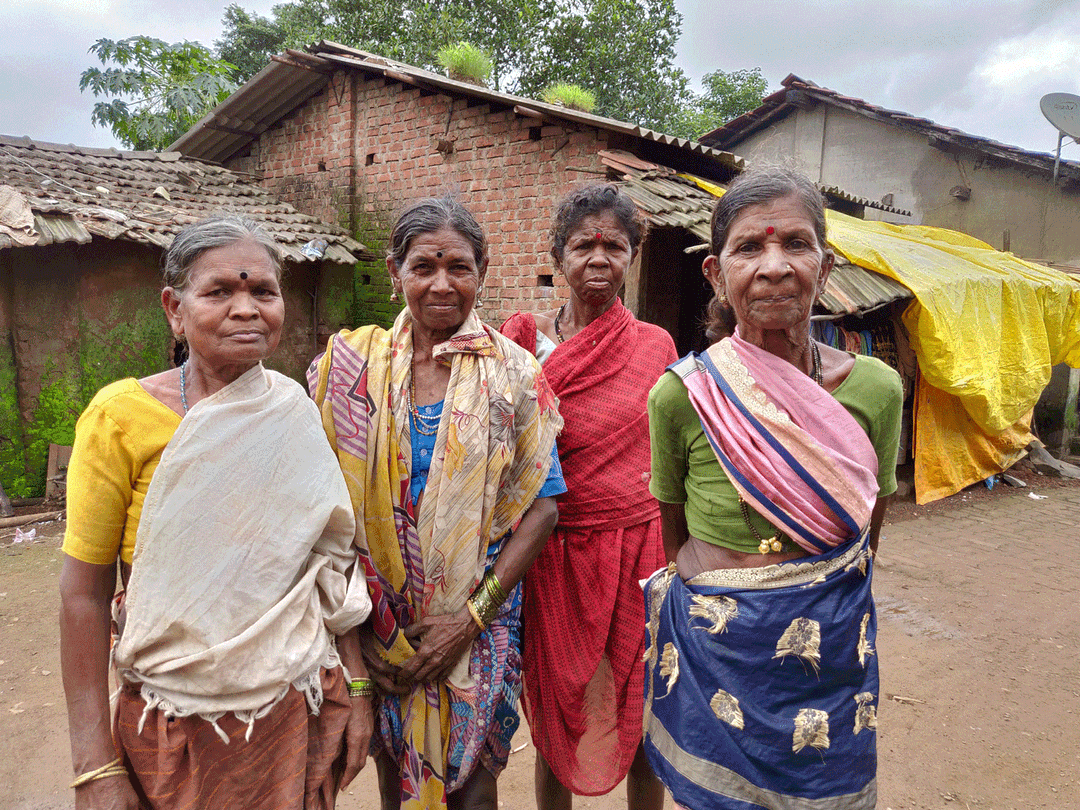
It’s after noon when a few cars arrive outside the community temple at Nadsur Katkariwadi. Vishnu Waghmare peeps to see who has come and says something in Katkari boli. The group of around 15 men and women move out to greet the visitors.
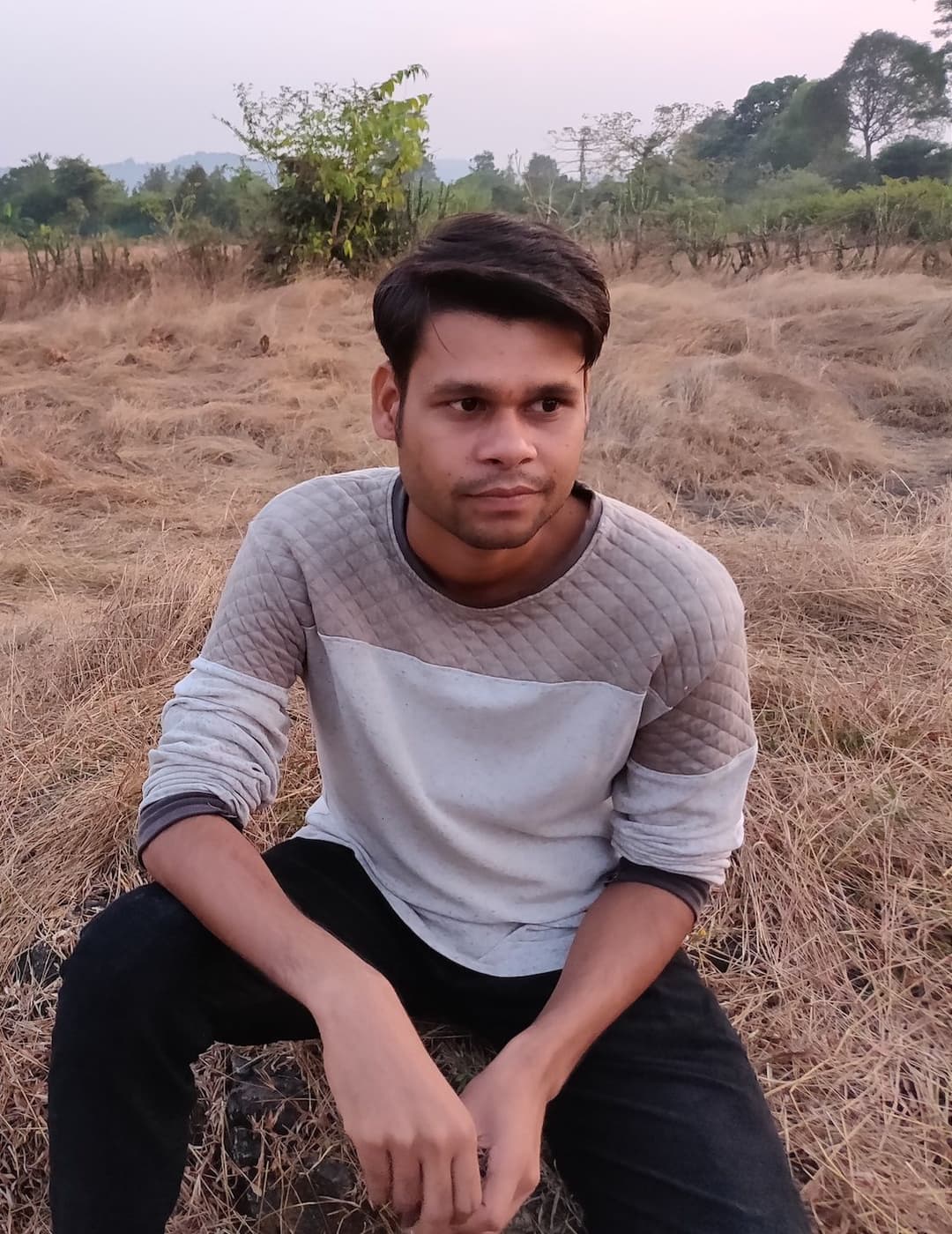
“They have come to pick up labourers in ‘lots’. They are all going to be sitting for negotiations now. Most of our people don’t understand that they are being fooled by these muqaddams [contractors]. They exploit us and we still go back to work for them. I never go to the bhatti,” says 21-year-old Vishnu, who occasionally does odd jobs that come his way in nearby villages.
Nadsur Katkariwadi is a hamlet in Nadsur panchayat of Sudhagad block in Maharashtra’s Raigad district (or Raigarh in the Census). Many of the 360 Katkari Adivasis here – a community listed as a Particularly Vulnerable Tribal Group – migrate every year after Diwali, usually by mid-November. They work in the kilns of Andhra Pradesh and Karnataka, and in Chiplun, Amravati and a few other places in Maharashtra. By early June, they return to the hamlet. These bhattis produce charcoal from the wood of babool trees, which is used for barbecues and tandoors in restaurants.
The trucks carrying the workers reach the kilns within Maharashtra after around 18 hours, and take up to 38 hours to reach the other states. At the sites, the Katkaris put up flimsy dwellings on open fields using hay, bamboo and sugarcane waste. They stay in these without electricity or toilets, and in constant fear of wild animals and snakes.