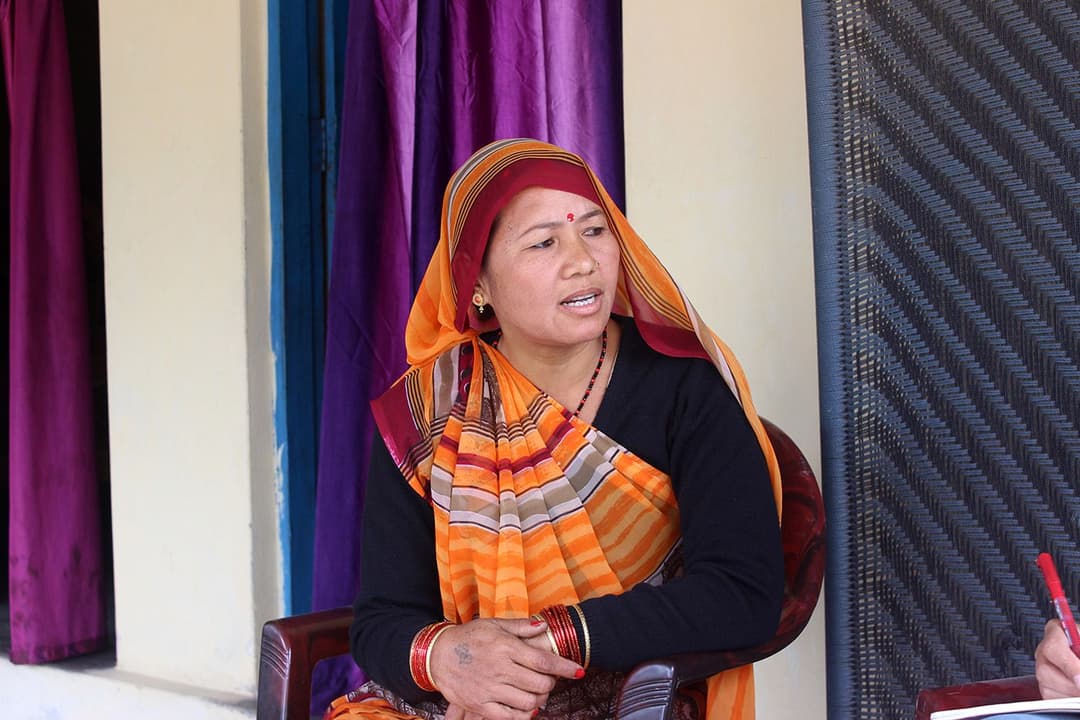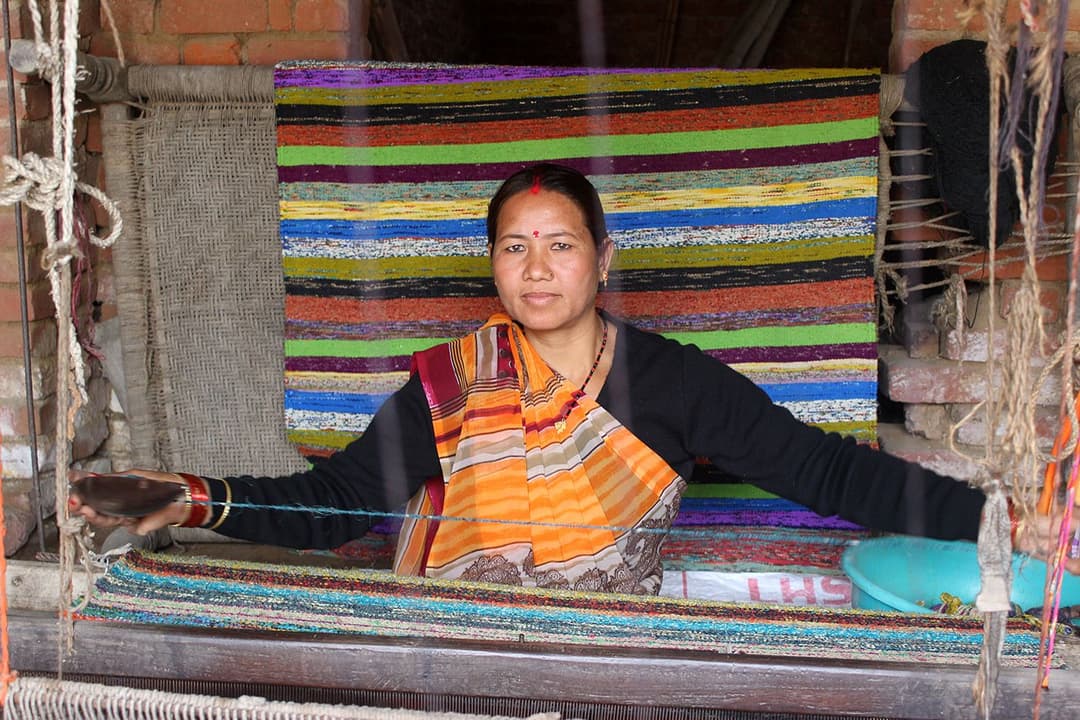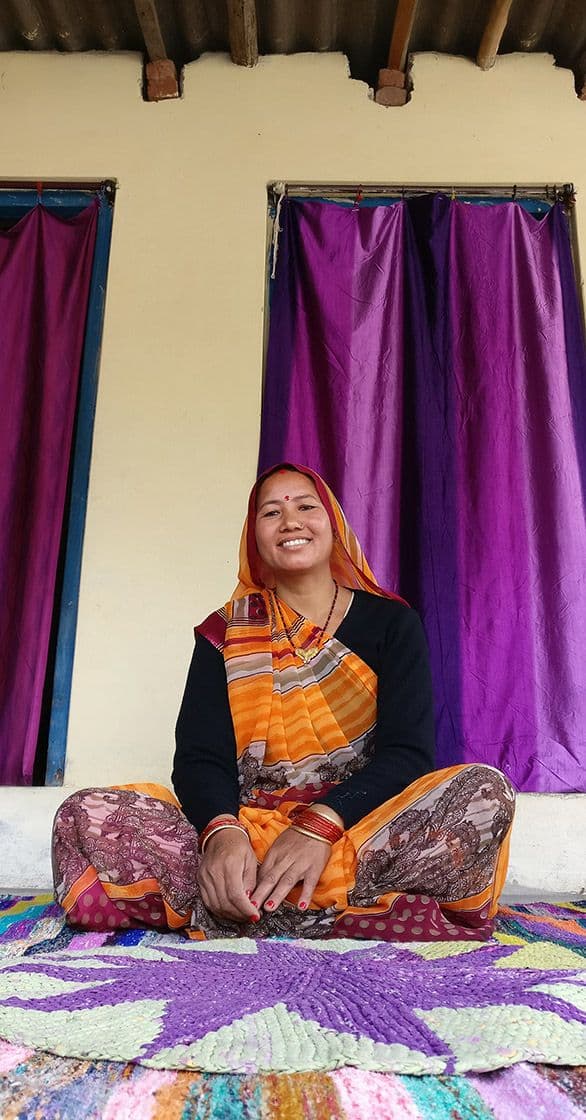

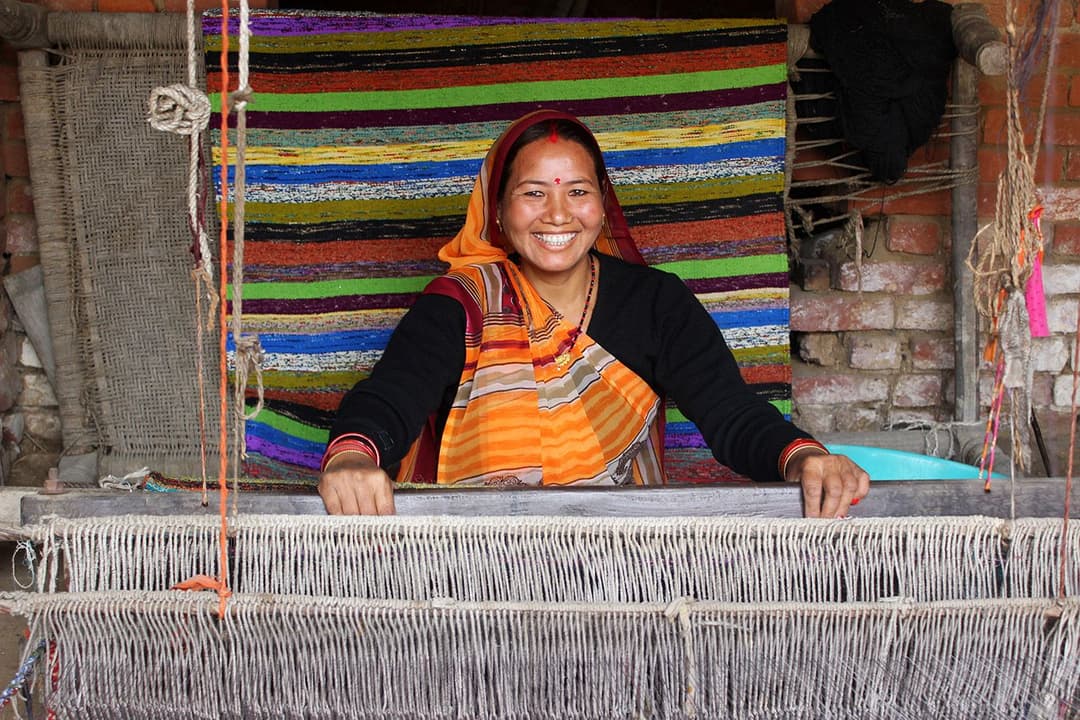
When they introduce me to her, my first thought is that her name is all wrong. They call her Ladaiti Devi (loosely translated, it means someone who is quarrelsome), but to me, in that first look she is a self-assured warrior – comforted by her strengths – but, more importantly, aware of the weaknesses she needs to accept.
She asks me to take a chair. I tell her we must sit as equals to have a conversation. She relents and pulls up another for herself. We are in the verandah of her two-room home.
I am in the village of Salmata – in Sitarganj block of Udham Singh Nagar in Uttarakhand. It’s a village of just about 112 families, mostly of Tharus – the largest tribe in the state – which, according to one legend, traces its ancestry to Rajput royalty. Ladaiti, a Tharu, has been introduced to me as someone the local women look up to. I am eager to know her story.
She traces life back to 2002. “What was I – just an ordinary woman? Then some people came in and told us we could have a group – that it would give us strength. That we could save money.”