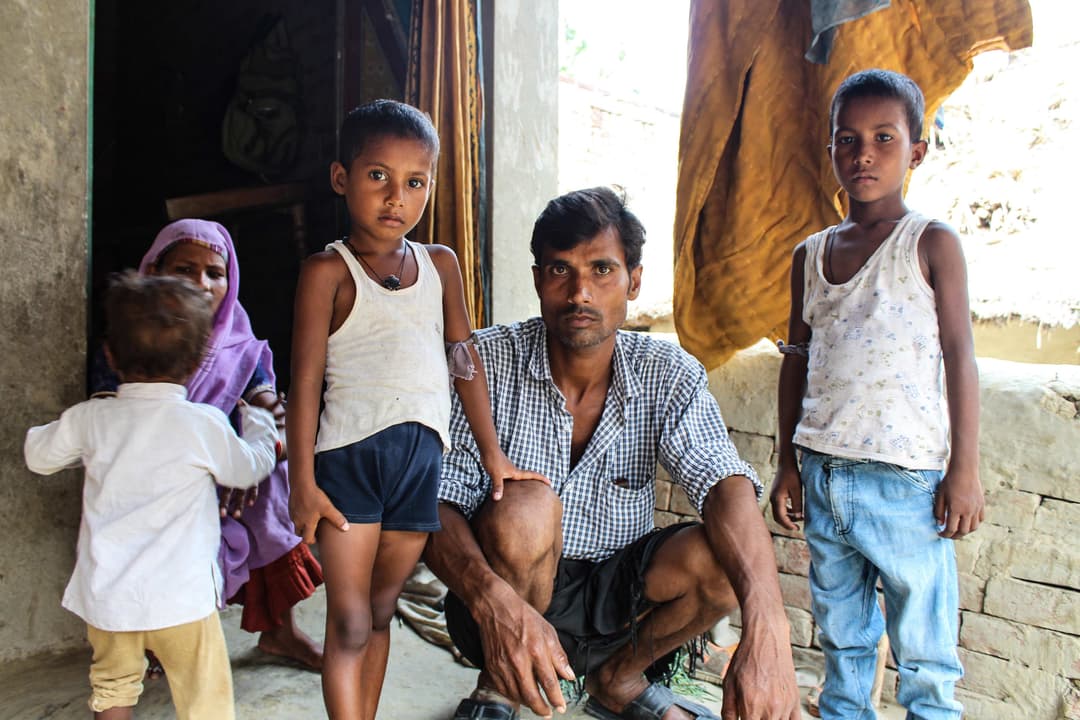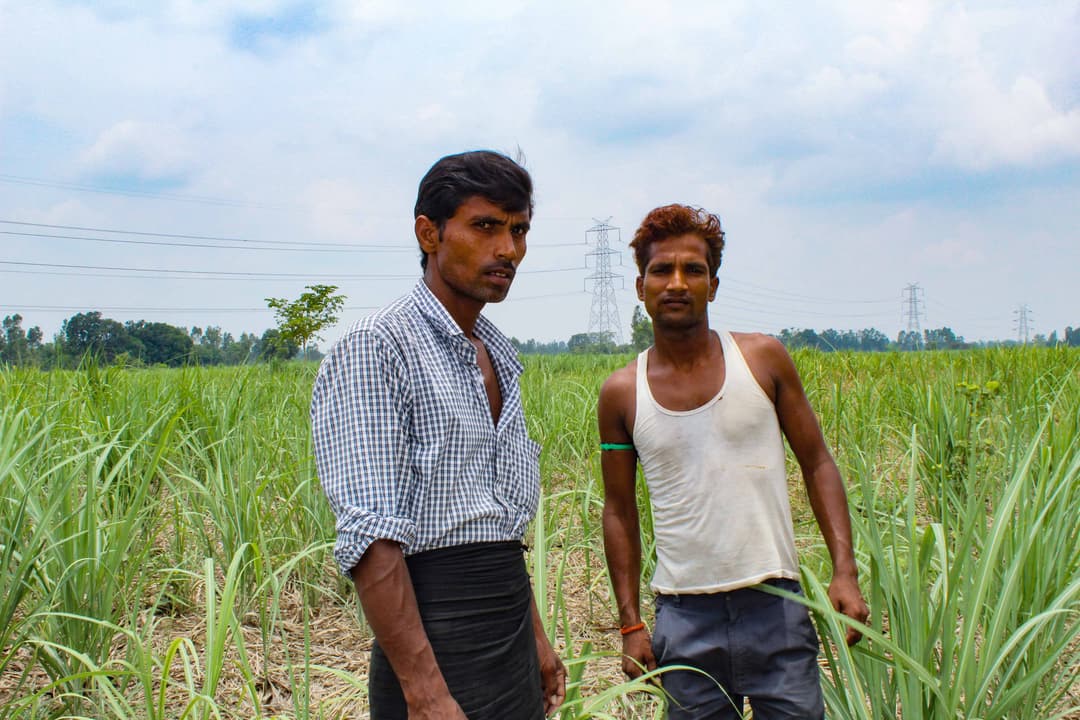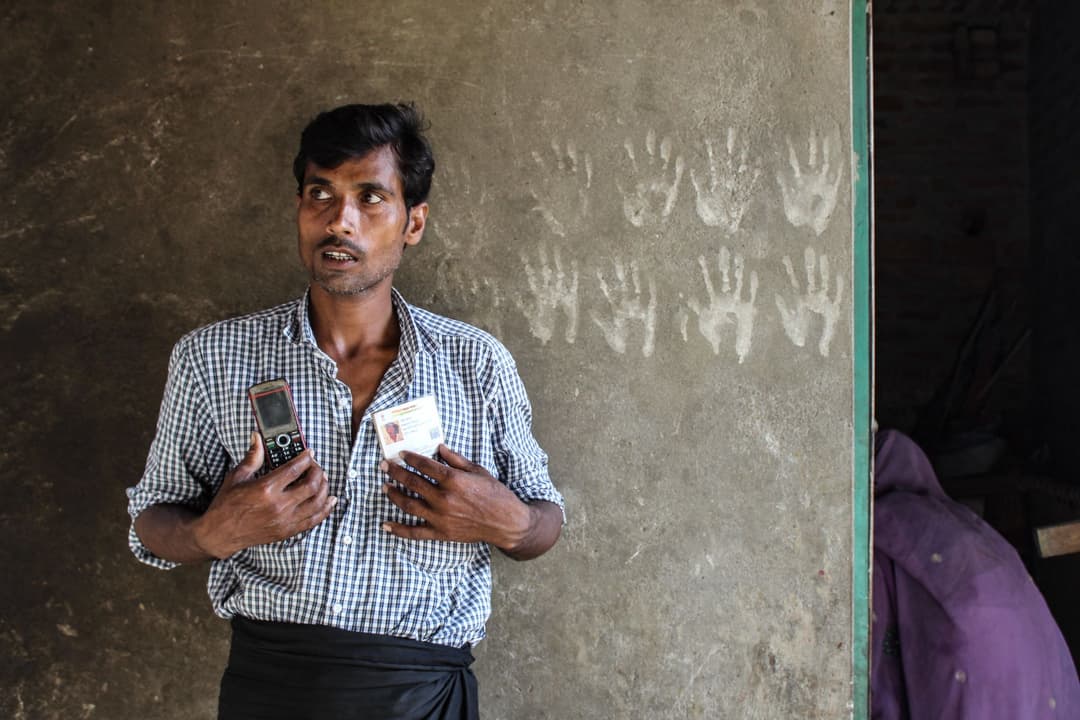
Pramod Kumar gave in only when the calls became incessant. “Give your Aadhaar or lose your number,” the caller said.
Since the first half of 2018, such calls had mushroomed in Kumar’s village, Dadeora. So even though he had used the mobile number for three years without any such identification, he cycled for four kilometres one morning in mid-2018 to a SIM card vendor’s shop in the Parsada market. “No questions were asked. The shopkeeper took my Aadhaar and asked me to twice push a button on a small black machine. I could see my photo on the computer screen. He said my SIM would continue to work as before,” recalls Kumar.
After that seemingly painless act, Kumar’s wages went missing.
The Department of Telecommunications (DoT) had, as far back as 2005, spoken of the need to verify the identity of SIM card owners, describing it as ‘a matter of concern …[with] serious security implications’. By 2014, the DoT had tweaked this step – now a customer would have to enter his or her Aadhaar number.
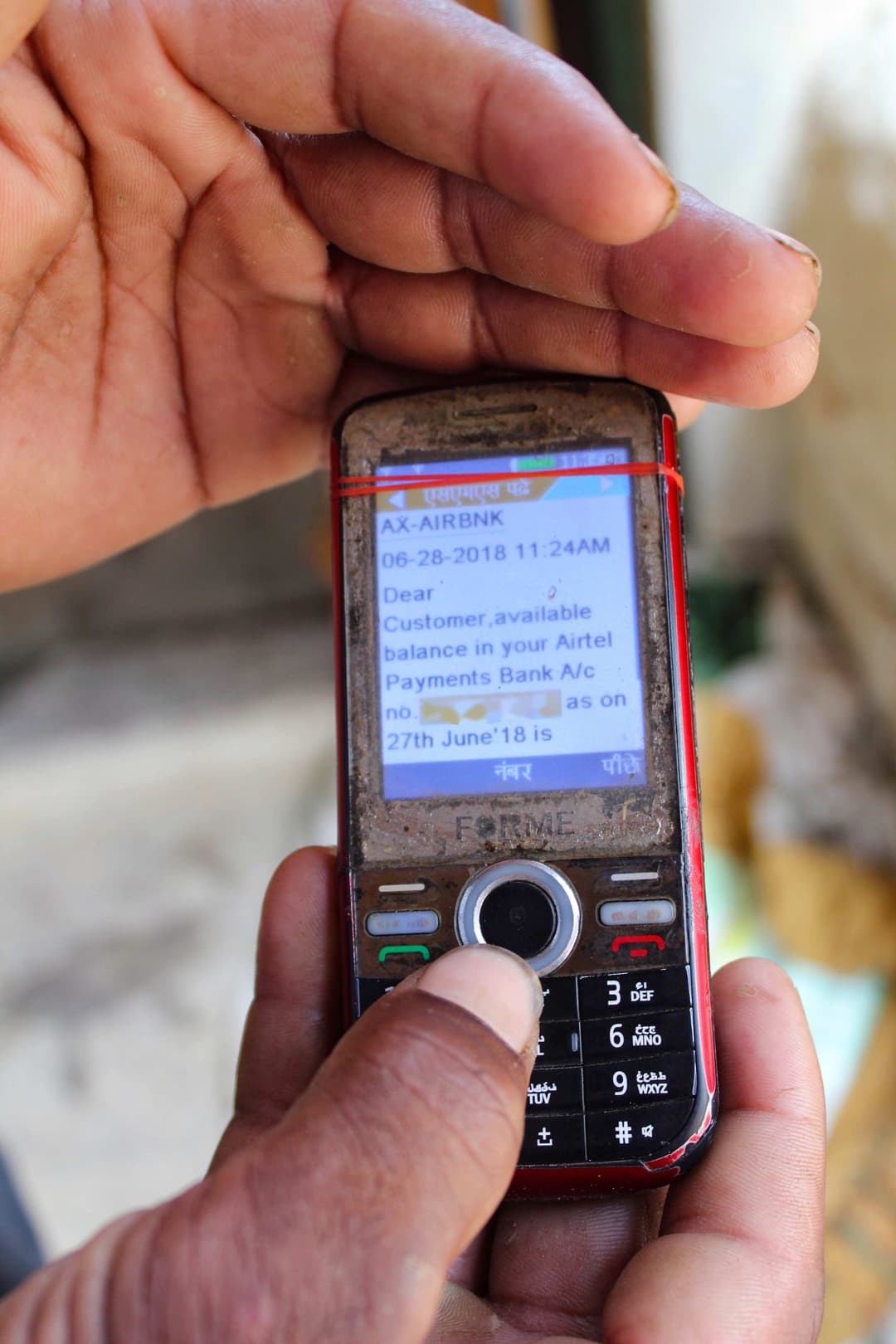
In January 2017, Airtel became the first mobile services provider in India to open a Payments Bank; its website promised ‘every Indian access to an equal, effective and trustworthy banking experience’.
In Sitapur district’s village, these developments upturned life for 33-year-old Kumar, an unlettered small farmer and labourer. He and many others in his family and village used Airtel SIM cards.