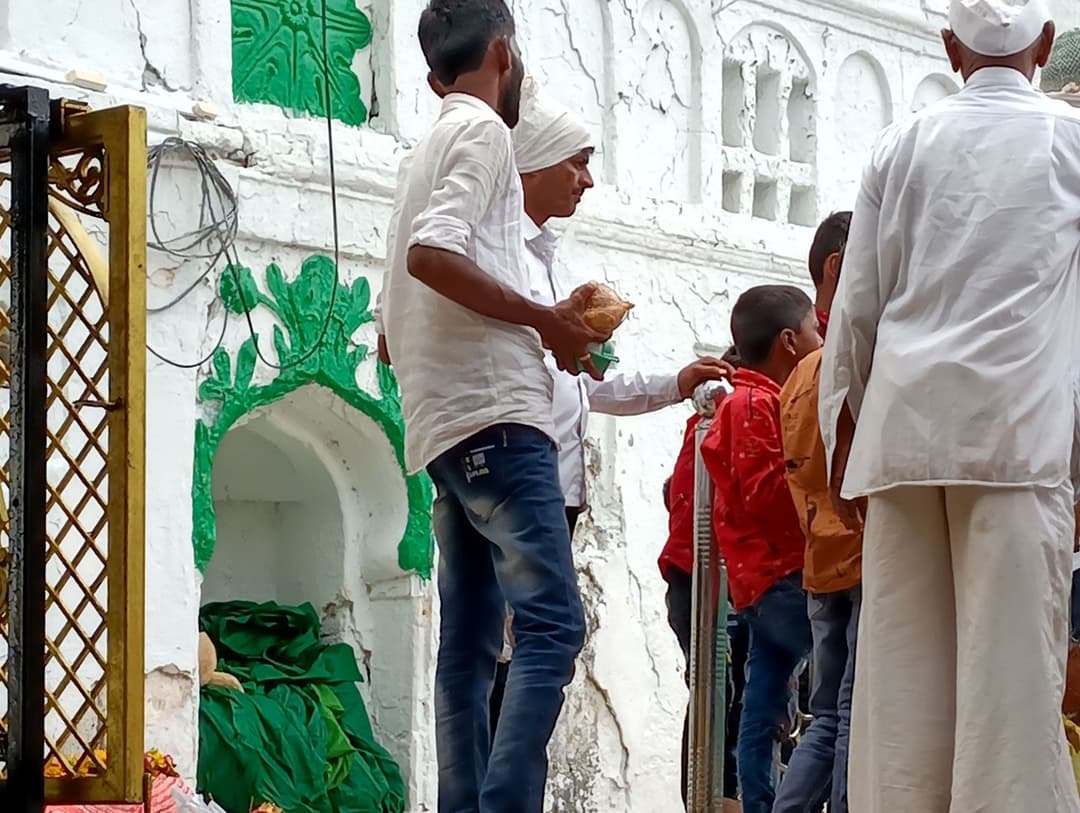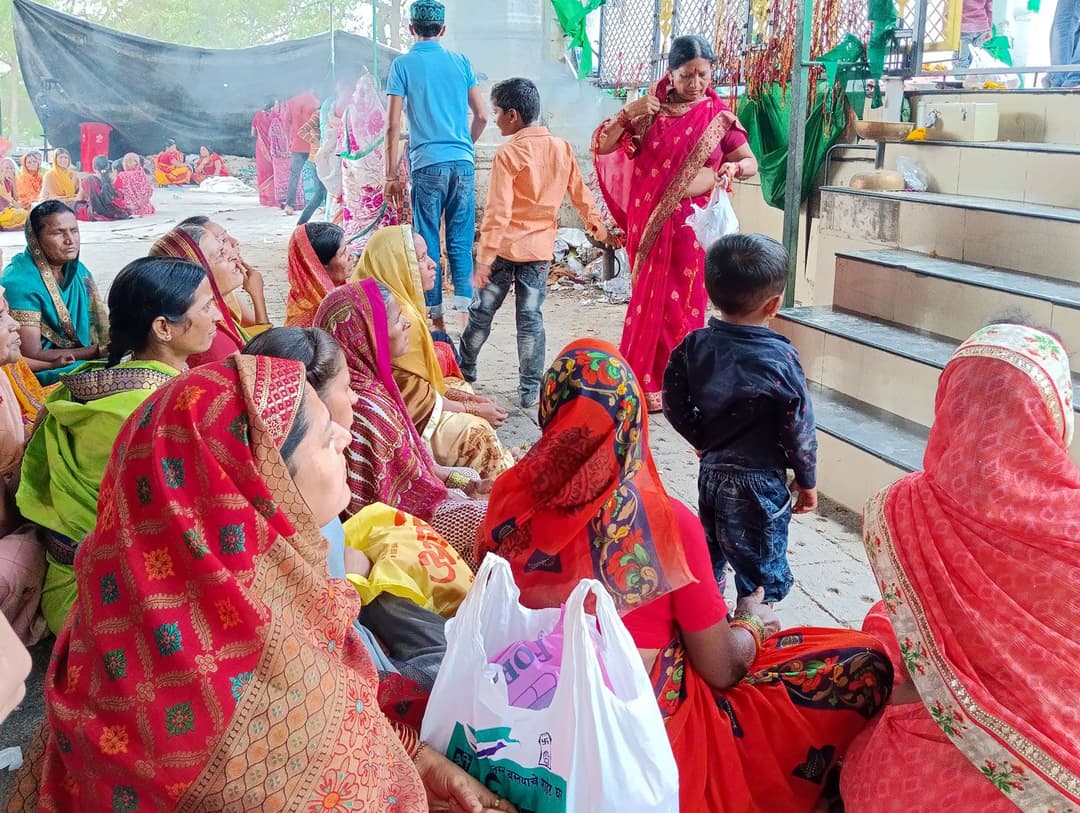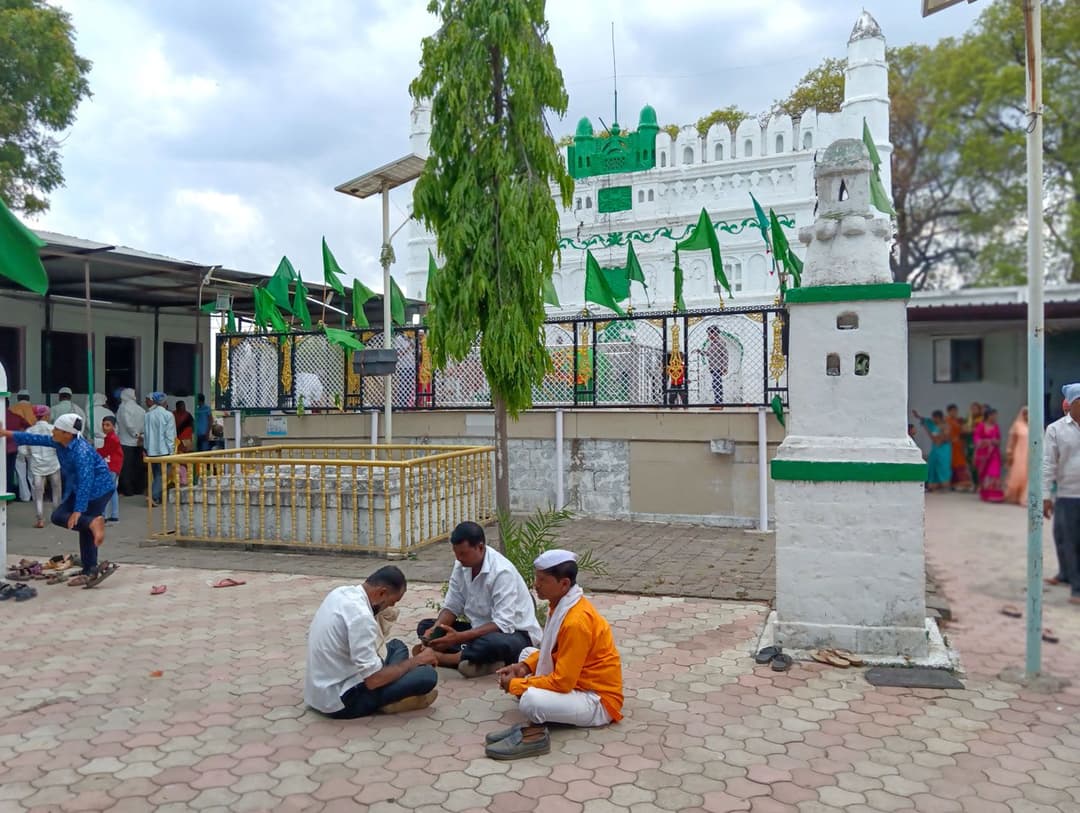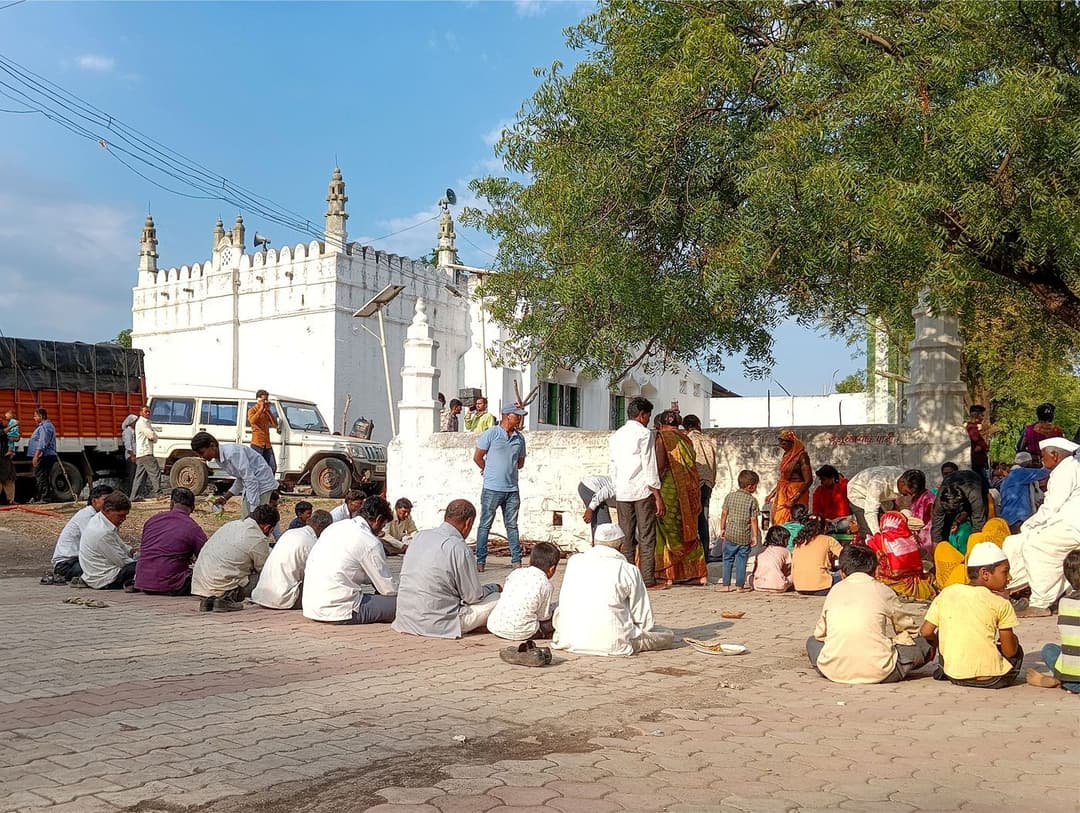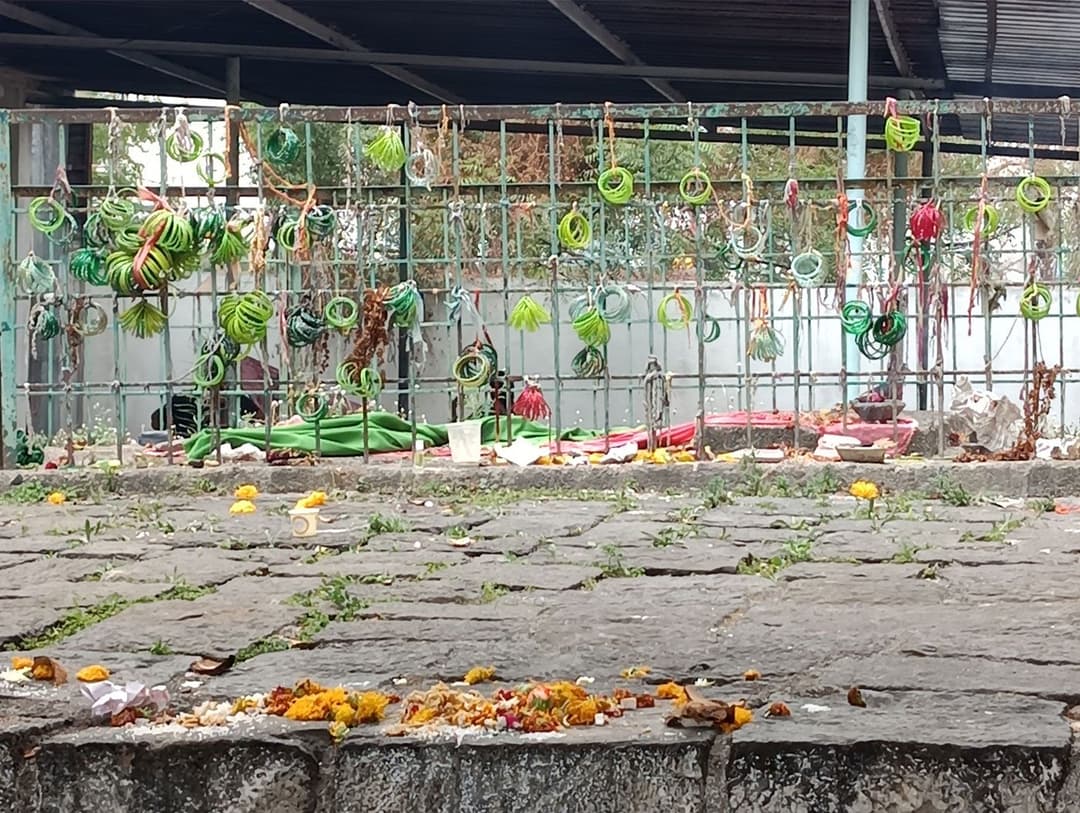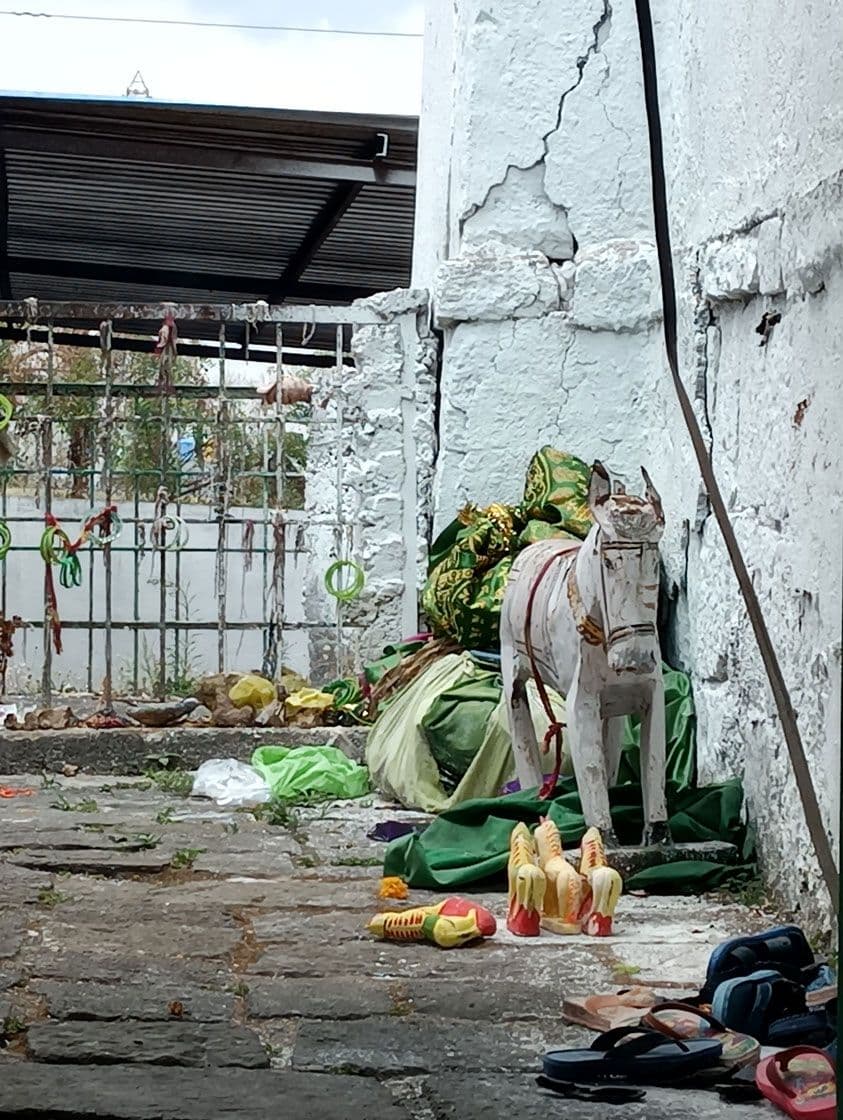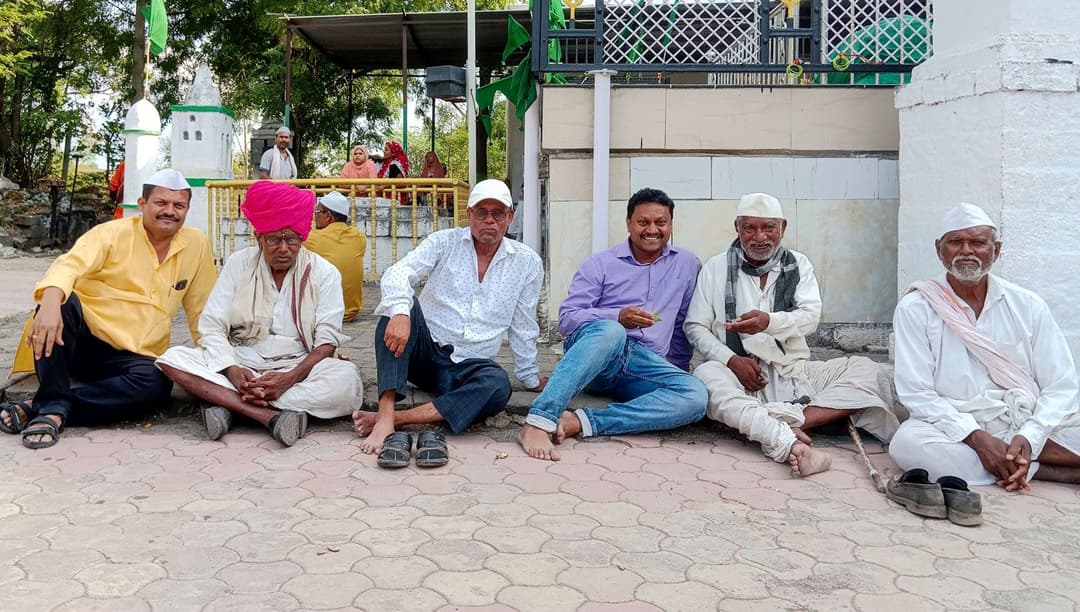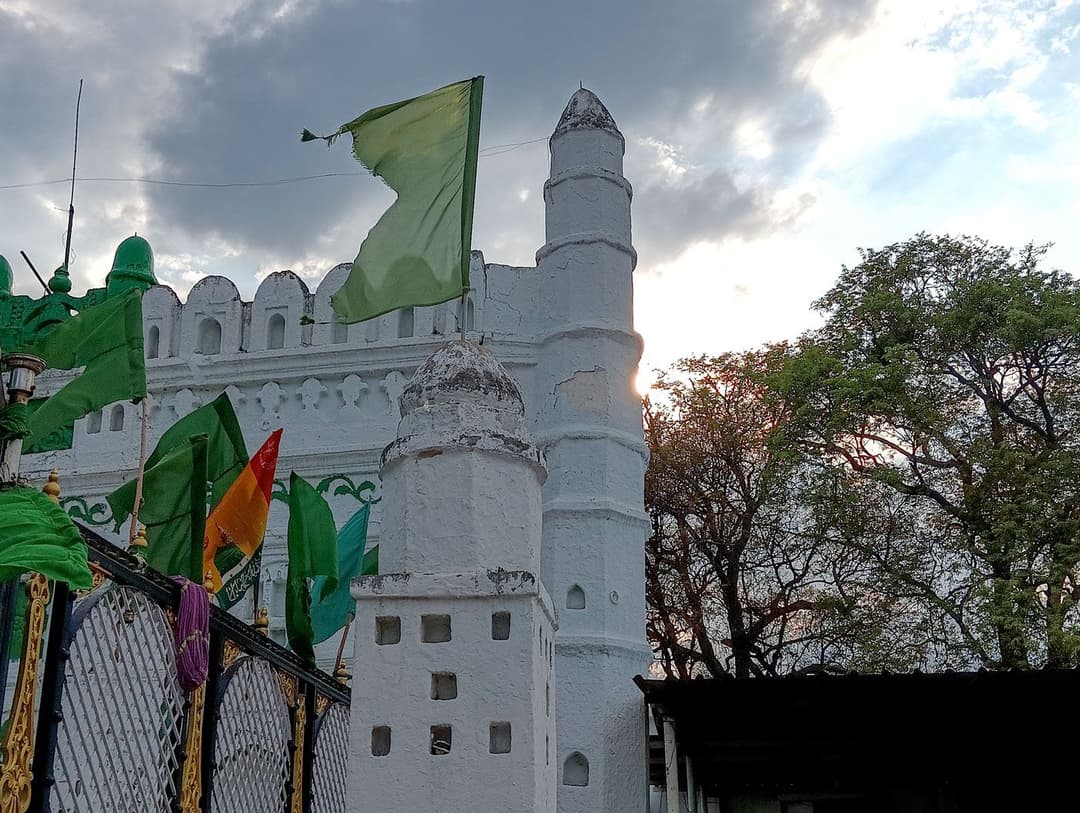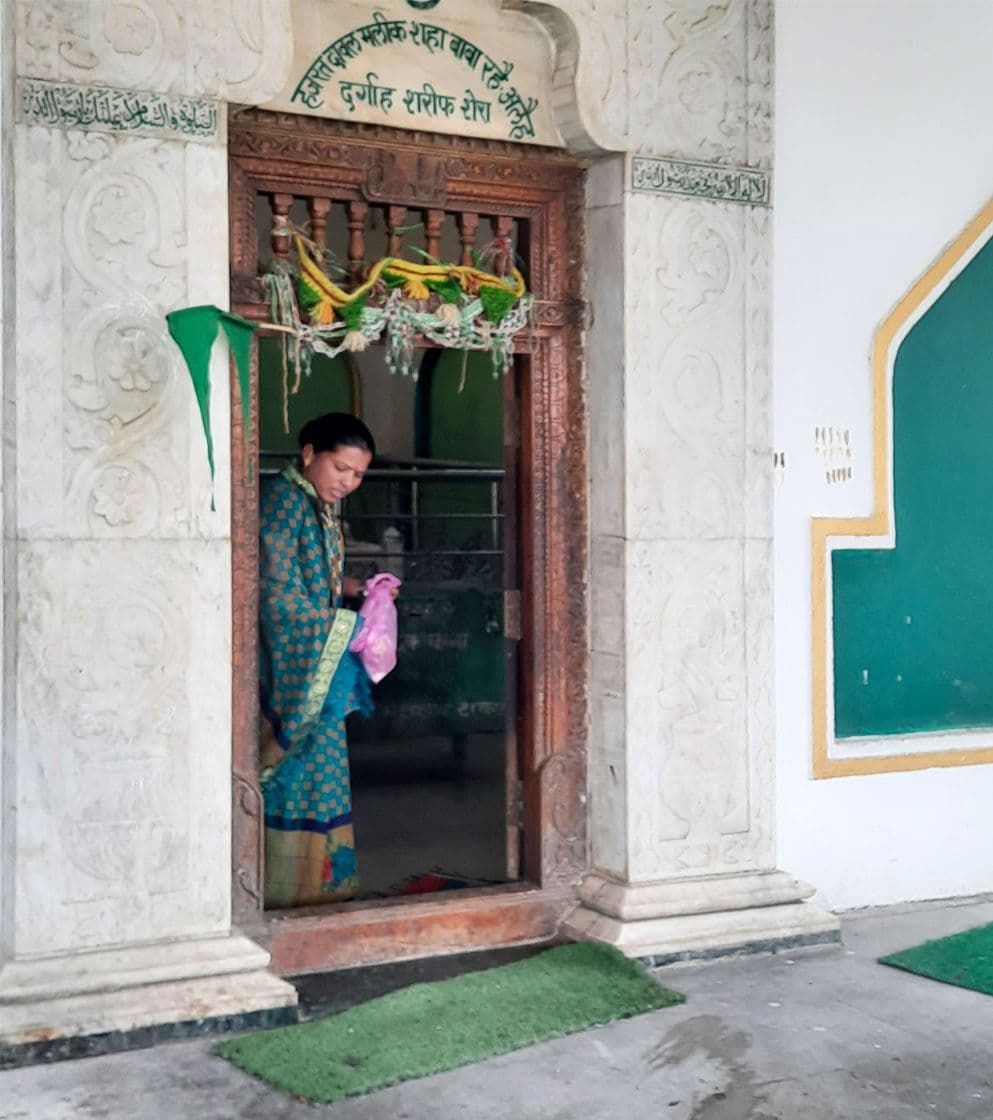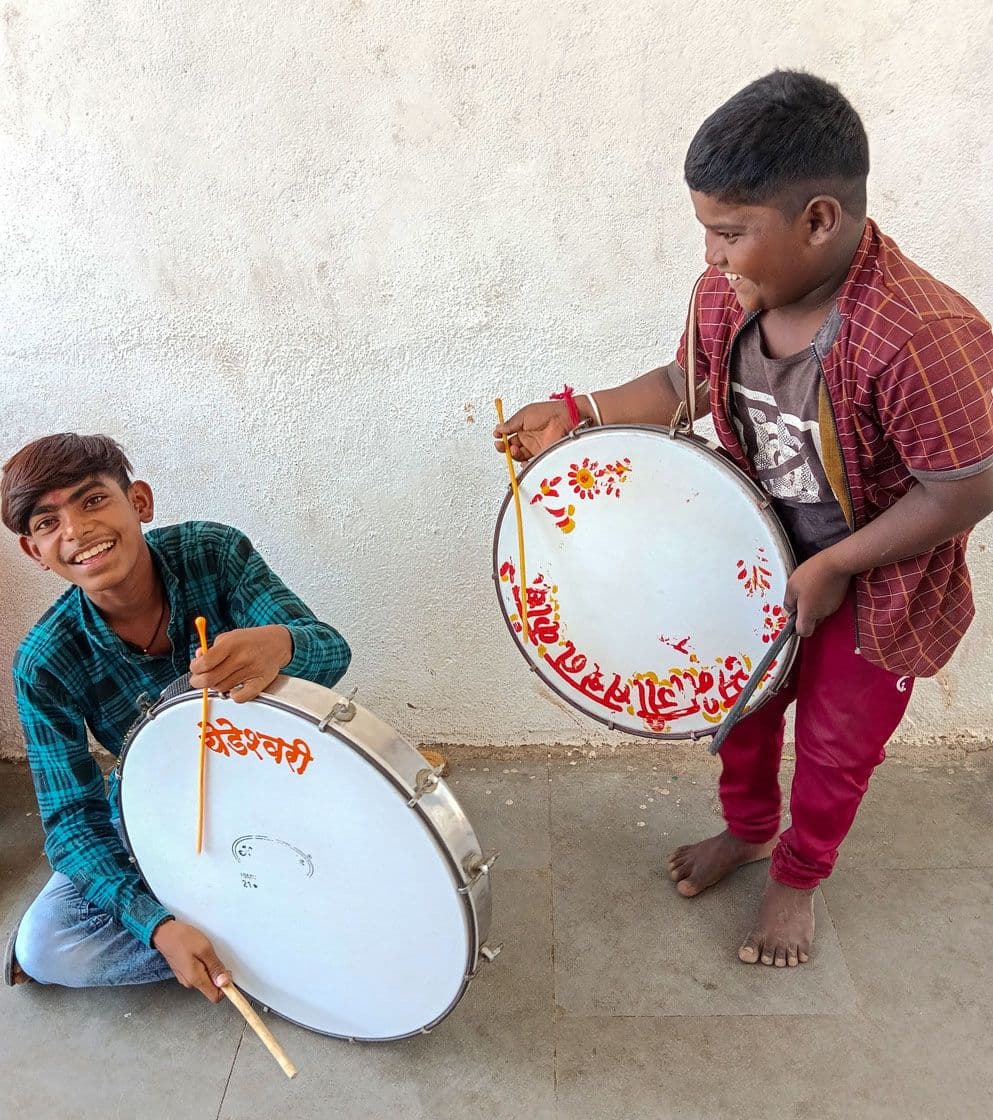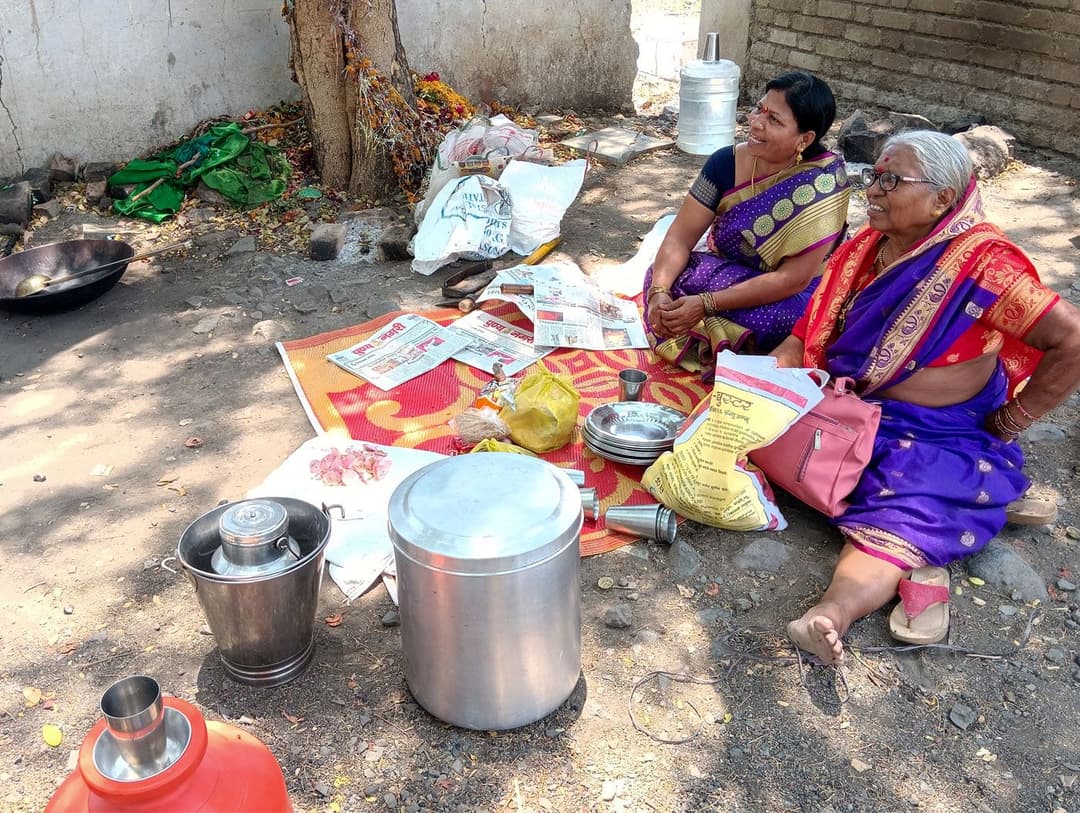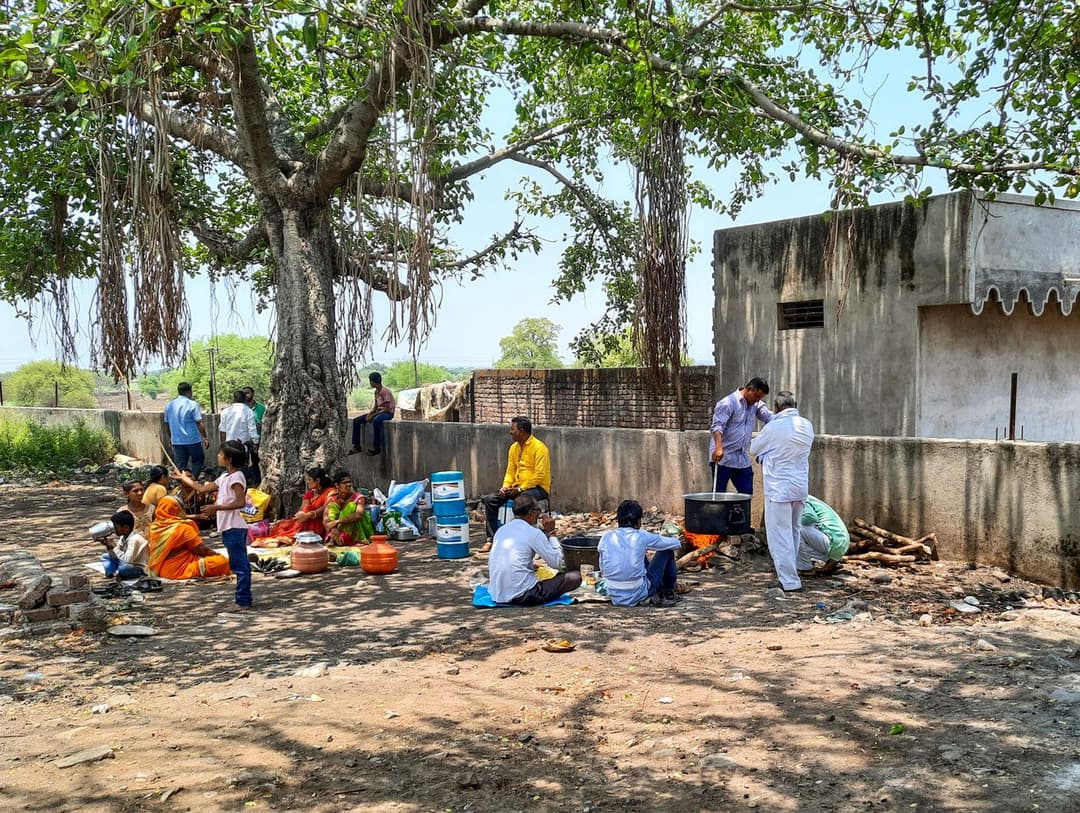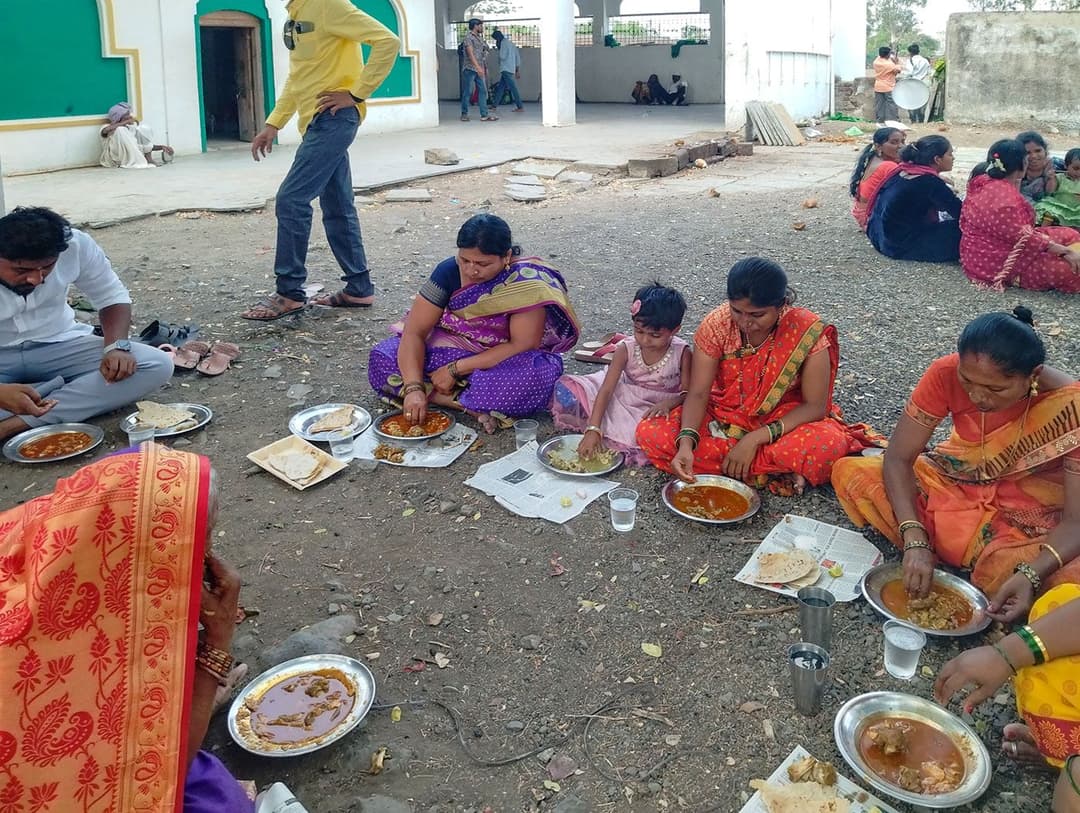

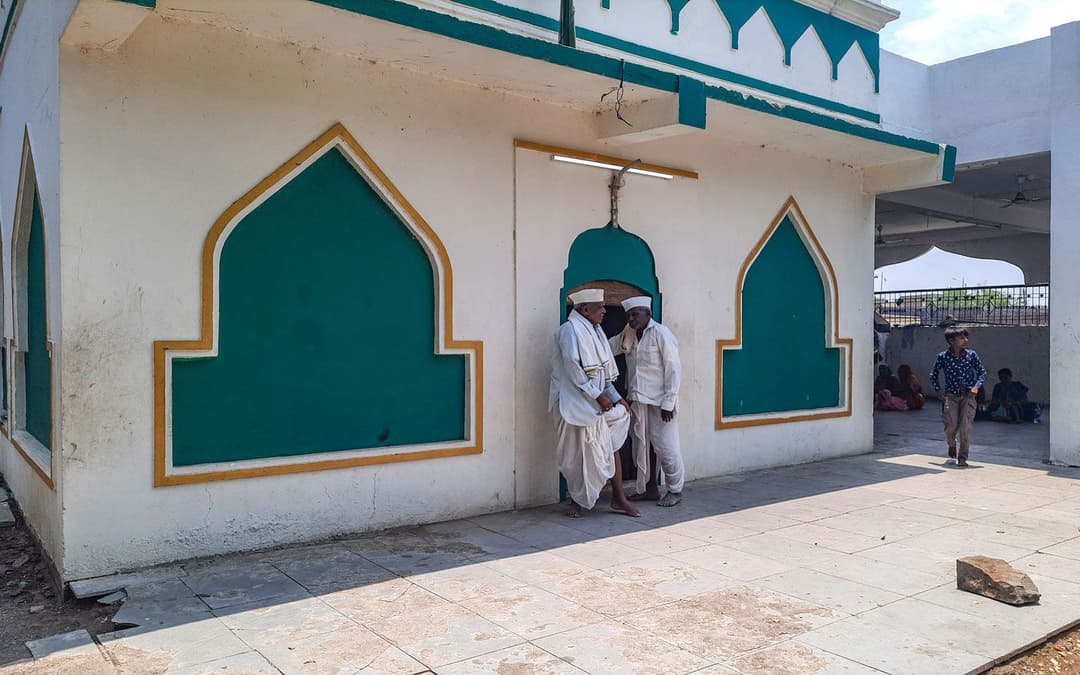
It’s a hot and humid afternoon in May, but the Hazrat Sayyed Alwi (Rehmatullah Alaih) dargah (shrine) at Moha is teeming with people. Forty families, more Hindus than Muslims, are busy with their annual worship and feast called kanduri. The Dhobale family is one of them, and my family and I are their guests at this 200-year-old dargah in Kalamb block of Osmanabad district.
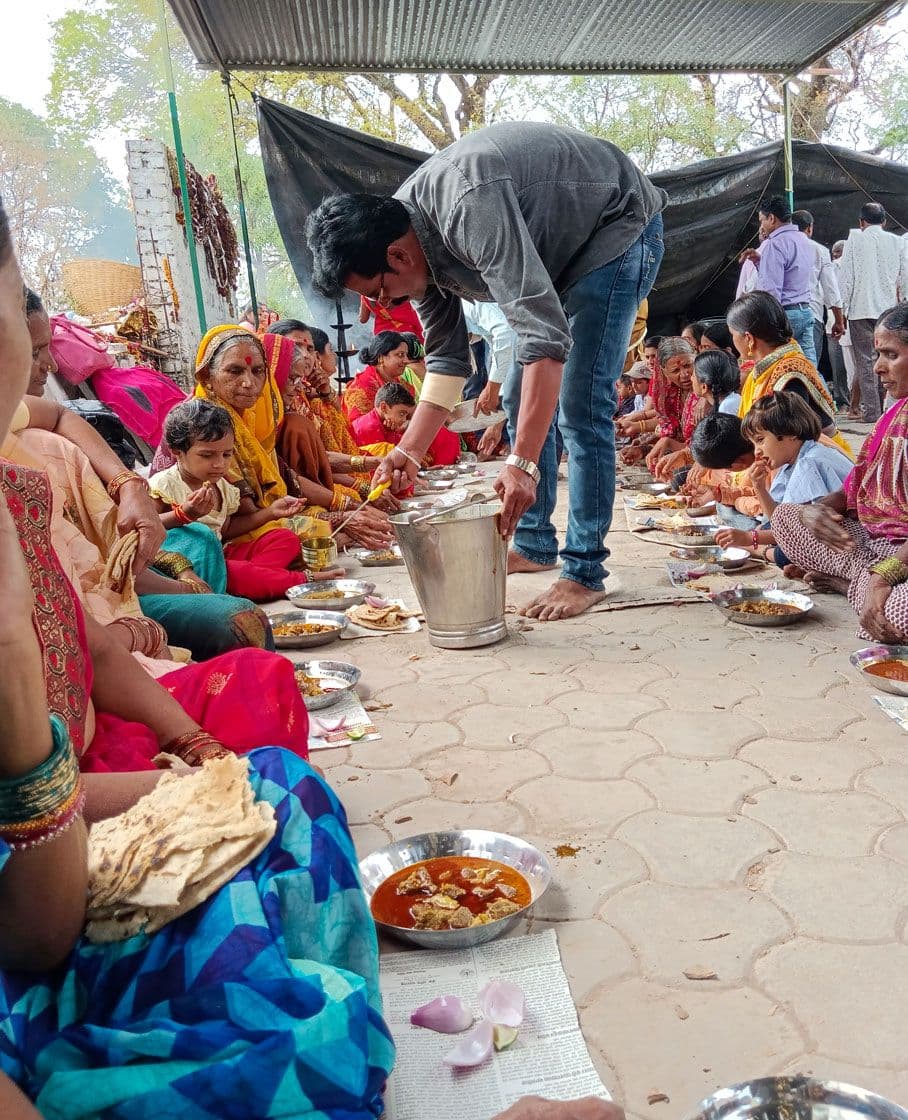
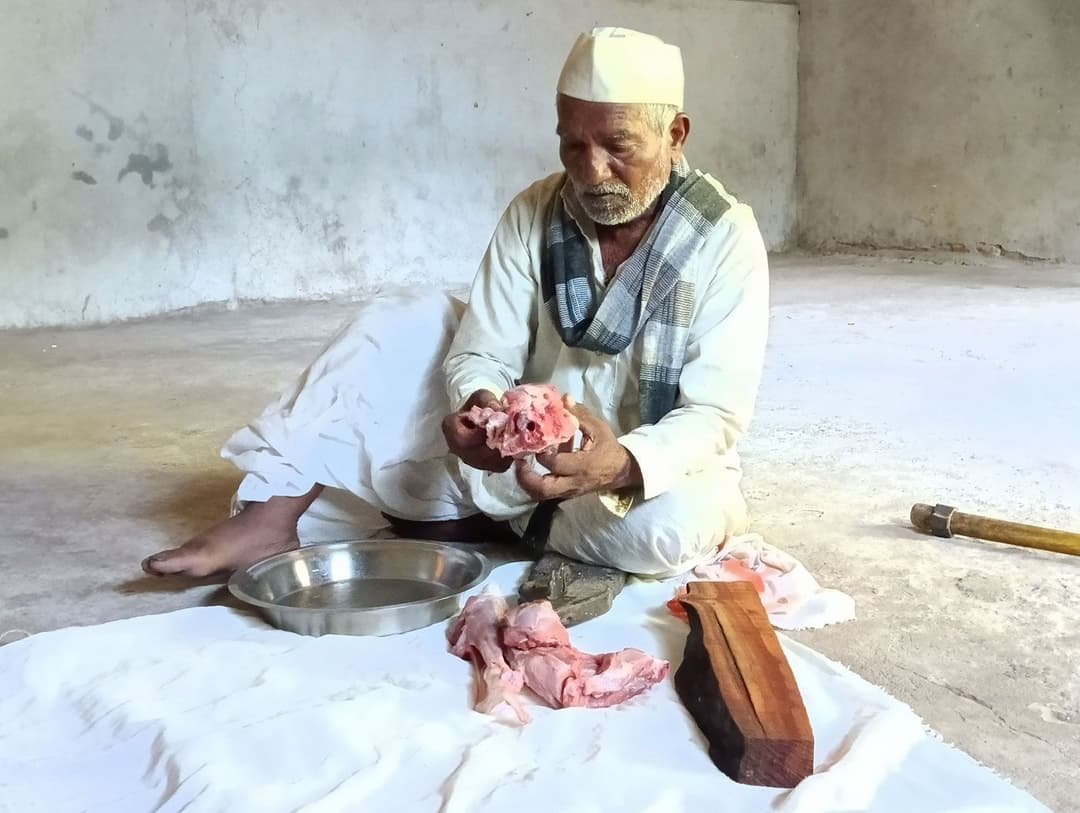
In the summer months when farming families have some free time, dargahs of pirs (holy men) in Osmanabad, Latur and six other districts – Beed, Jalna, Aurangabad, Parbhani, Nanded and Hingoli - in the Marathwada region, are usually bustling with activity. On Thursdays and Sundays, families arrive in large numbers. They sacrifice a male goat, offer a nivad of the cooked meat, seek blessings, eat together and feed others.
“We have done this [kanduri] for many generations,” says Bhagirathi Kadam, 60, our relative from Yedshi (also spelt as Yedsi) in Osmanabad. The region of Marathwada had Muslim rulers since the 13th century, (including the 224-year rule of the Nizam of Hyderabad). Belief and worship at these Islamic shrines are ingrained in people’s faith and rituals – representing a syncretic way of life.
“We worship at Gad Deodari. Those from Tawaraj Kheda come here to Moha and people from your village [Borgaon Bk. in Latur district] have to visit Shera,” Bhagirathi, fondly known as Bhaga mavshi says, outlining the centuries-old custom of villages being assigned specific dargahs for worship.
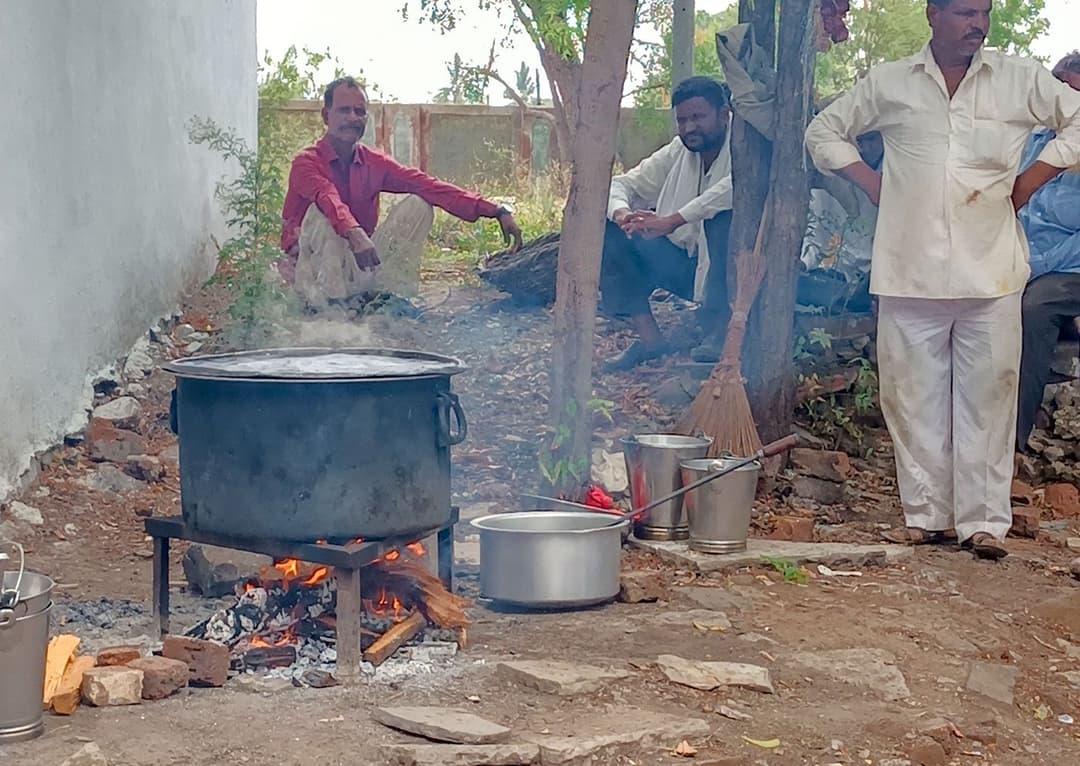
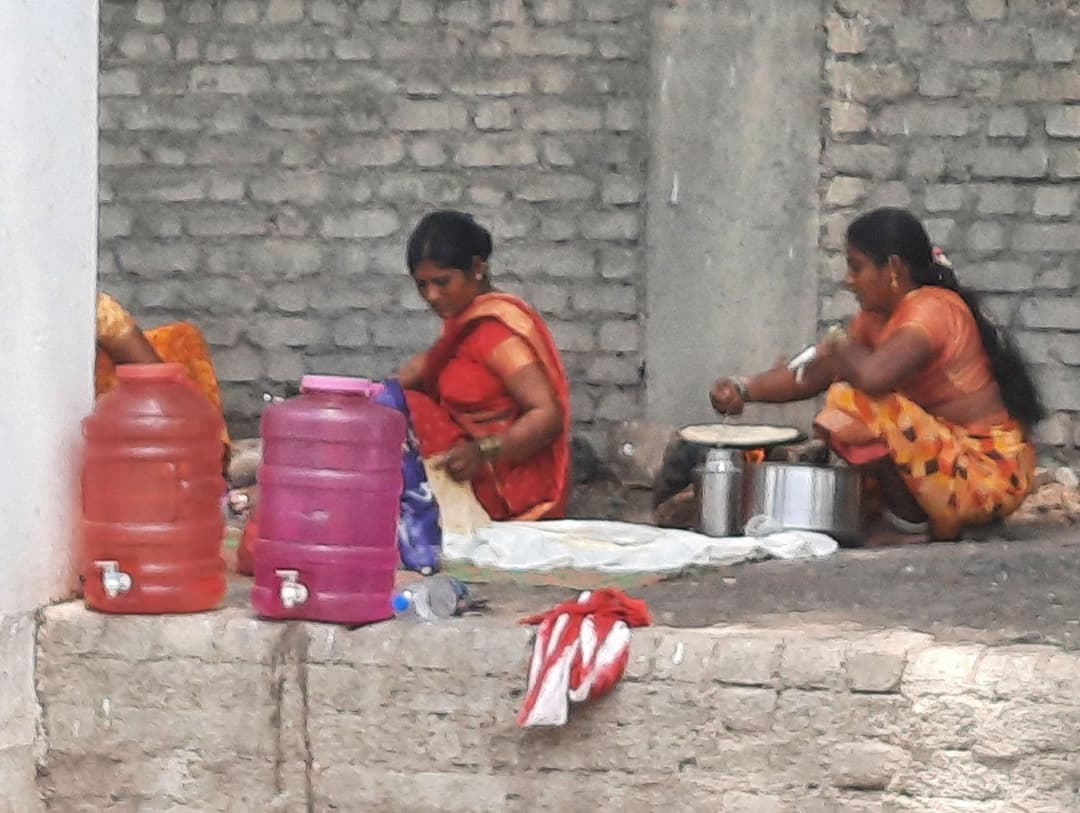
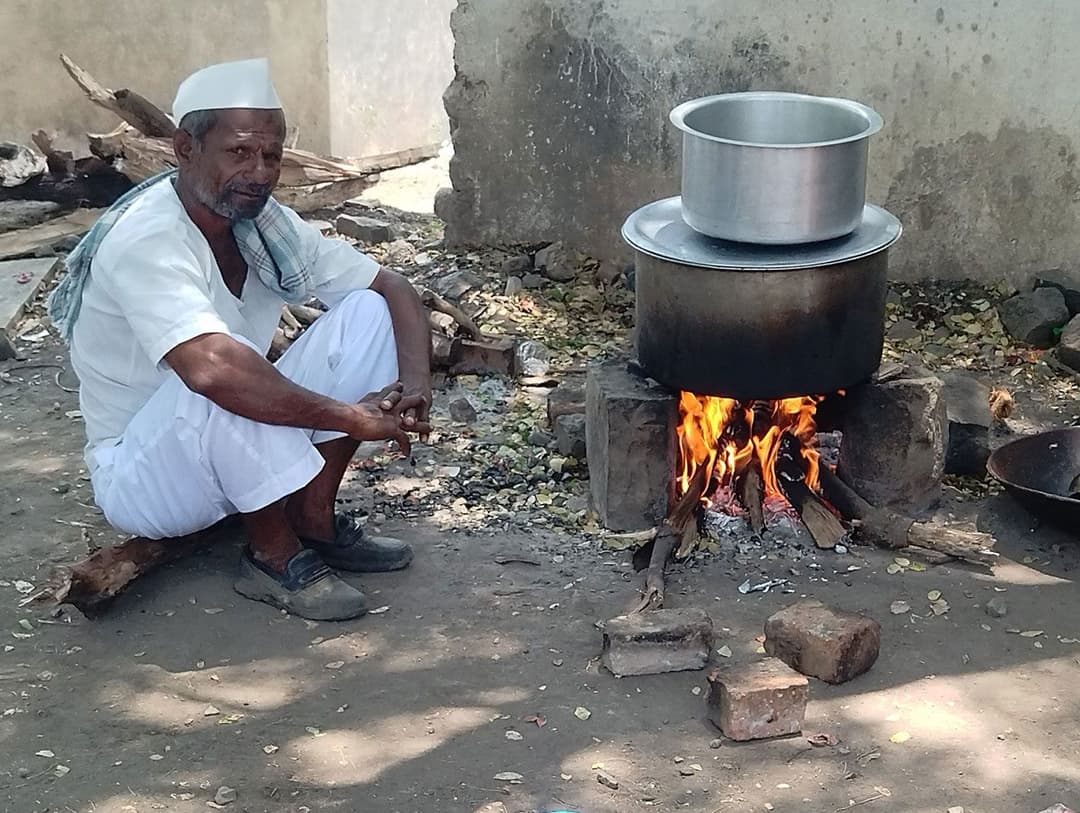
Here at the Hazrat Sayyed dargah in Moha, under every tree and shelter of tin roofs or tarpaulin sheets, people have set up chulhas (makeshift stoves) and food is being cooked to be offered during the rituals at the dargah. Men and women are chatting while children play to their heart’s content. The air is hot but clouds gathering on the western skies bring in some shade as does the canopy of old tamarind trees that line the entrance and provides a respite from the heat. The water body in the dargah – a 90-feet deep, old stone well called baarav is dry but a devotee informs us it will, “fill with water during monsoons.”