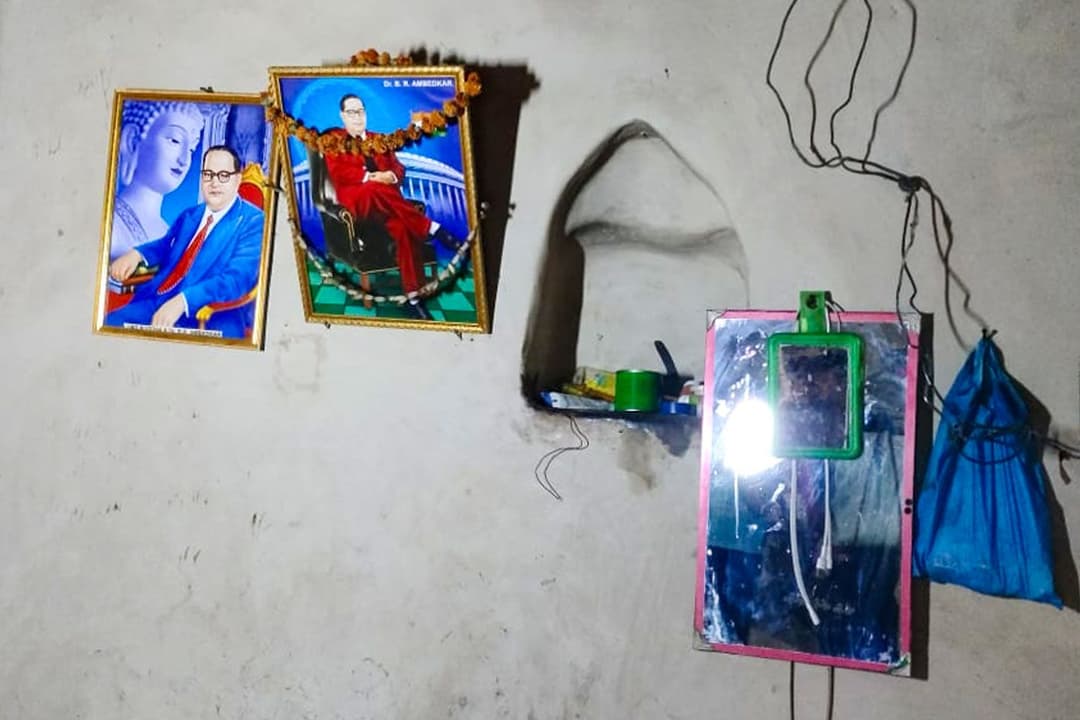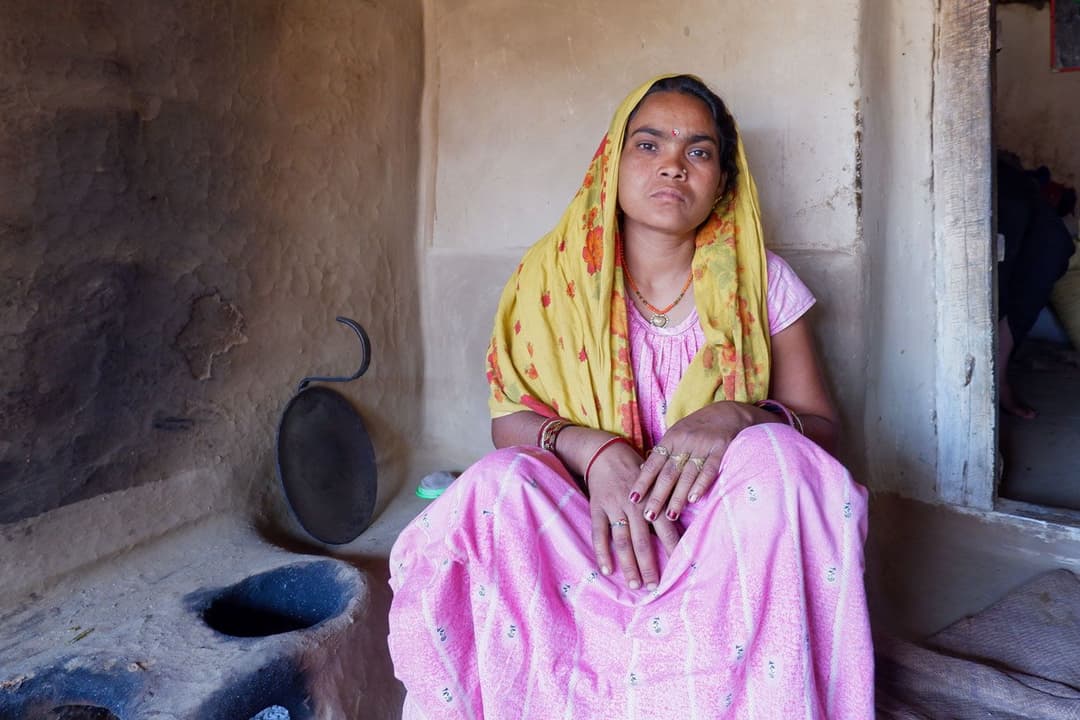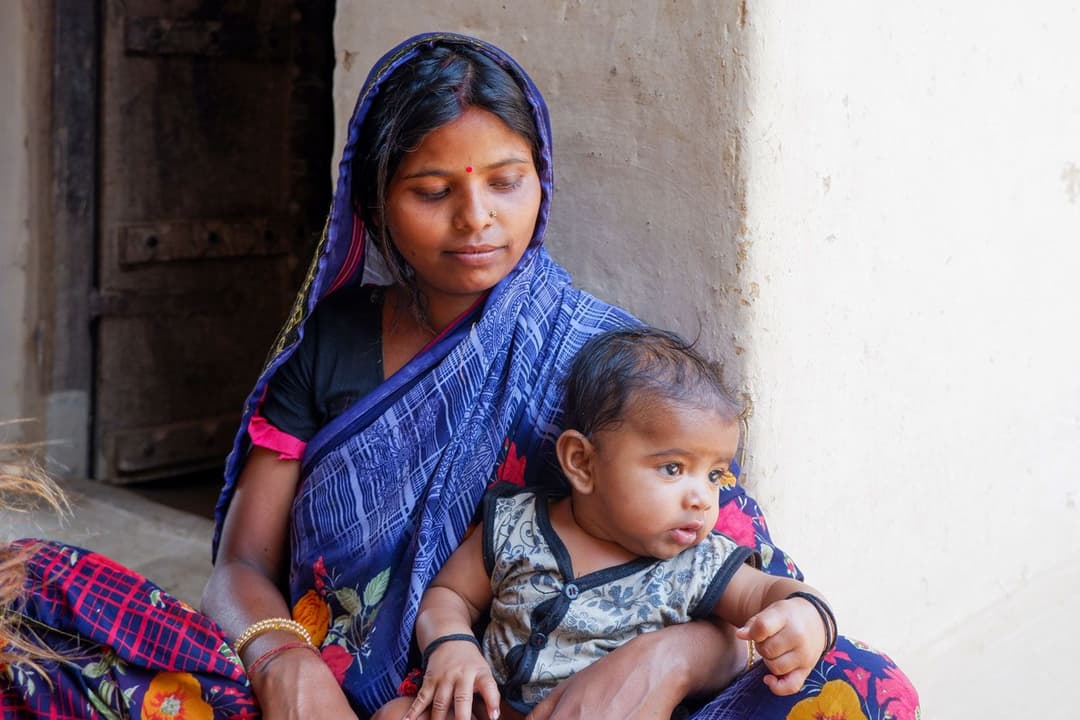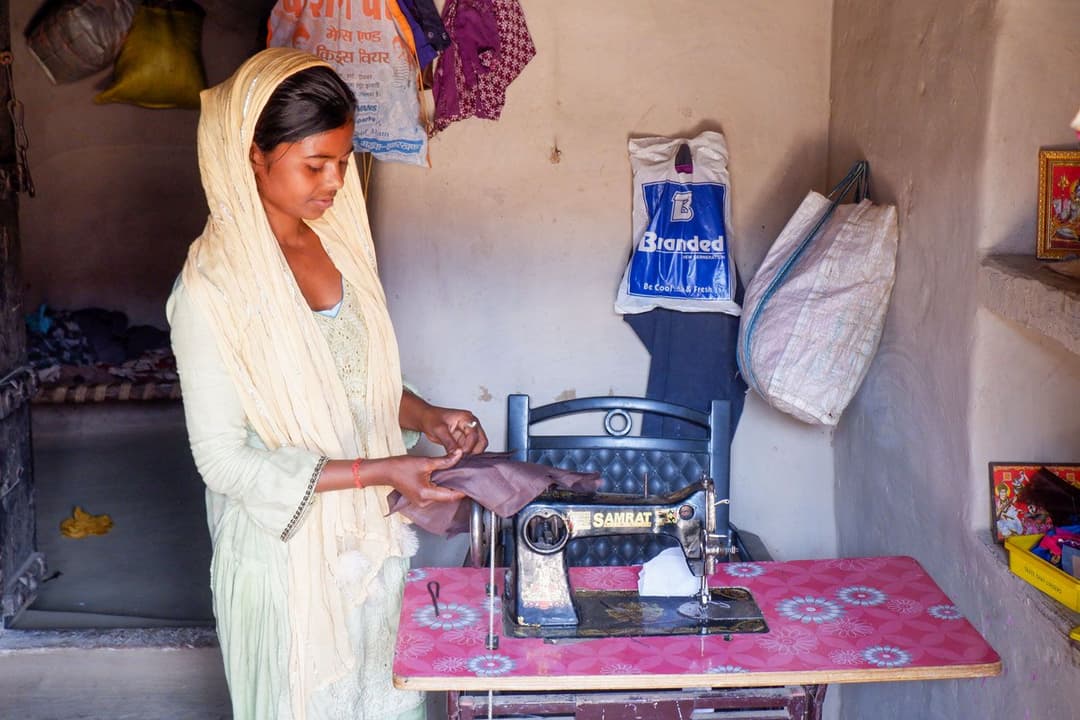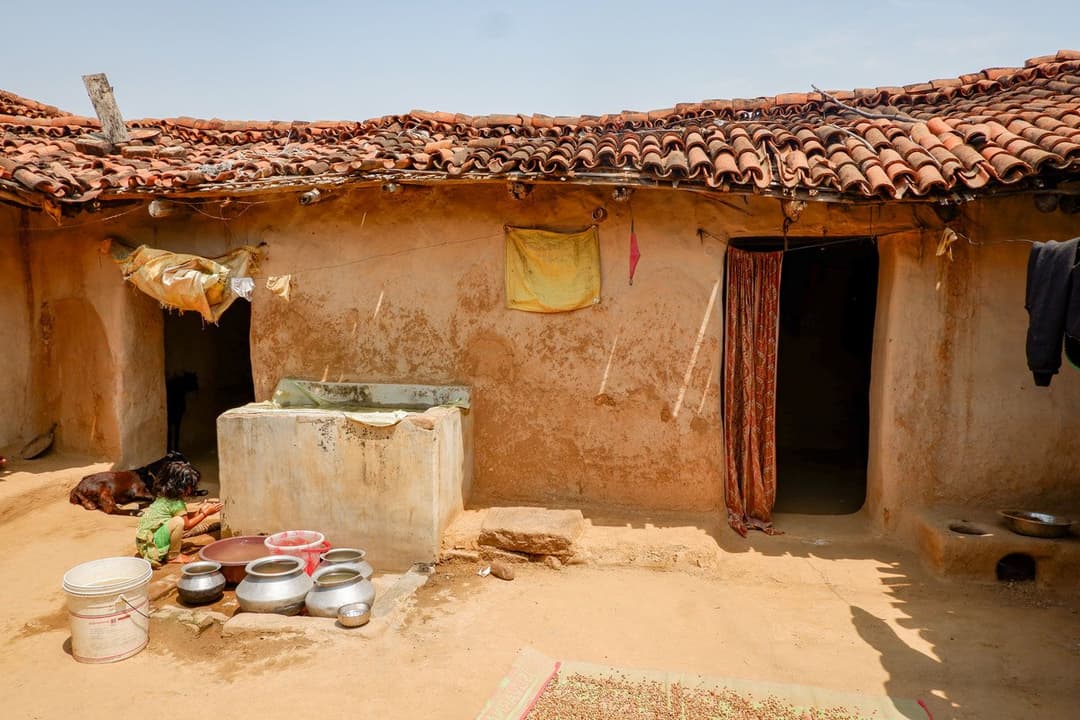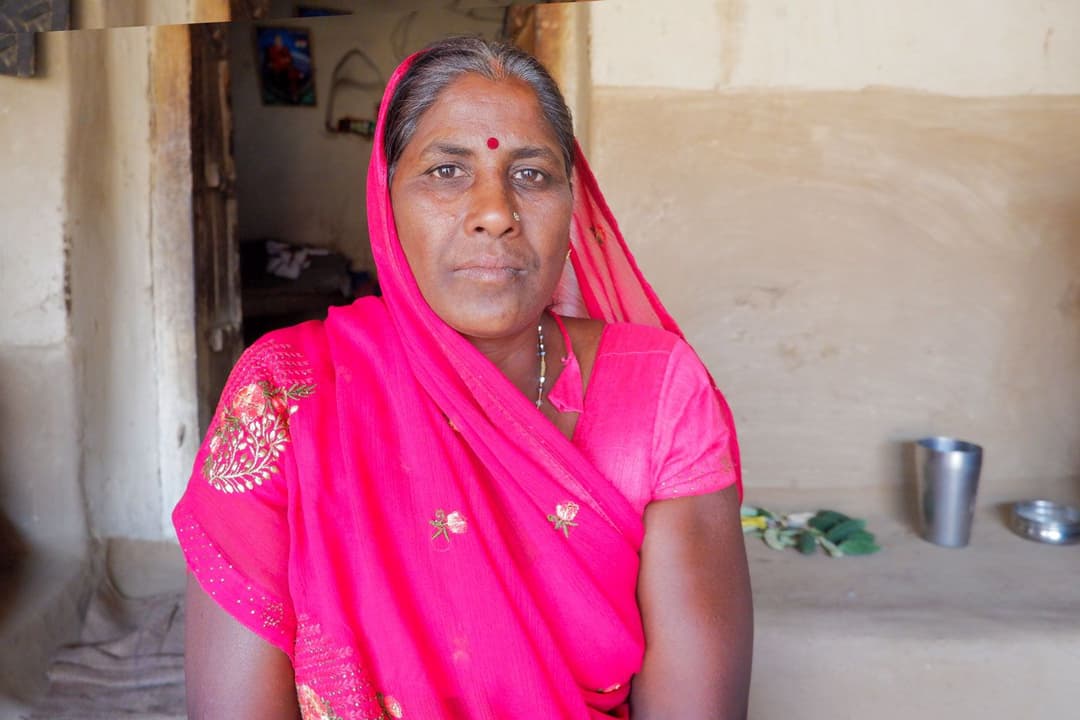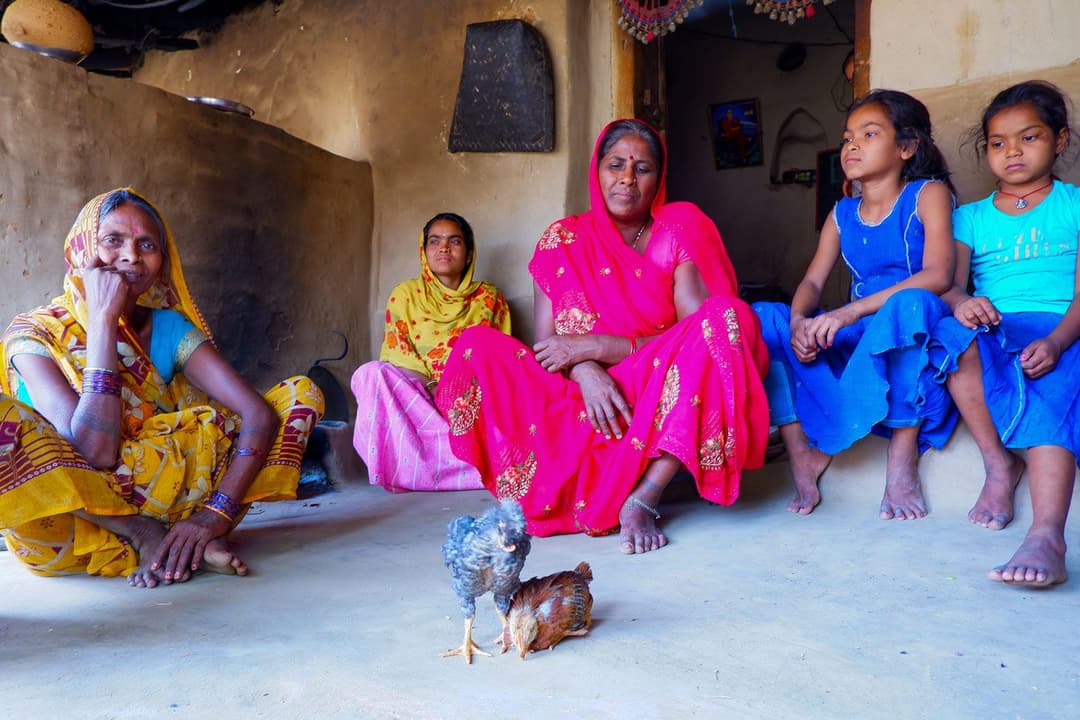
Dr. B. R. Ambedkar’s photo looks down from the walls of Savita Devi’s mud house in Checharia village in Jharkhand. “Babasaheb has given us [voting rights], that's why we are voting,” says Savita.
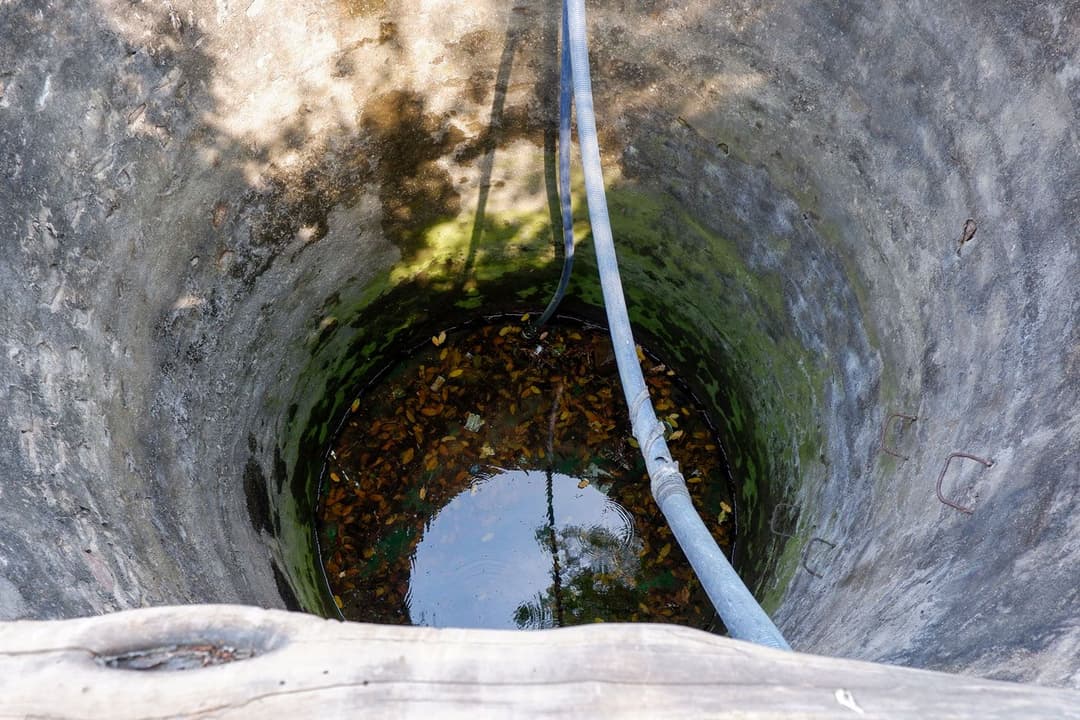
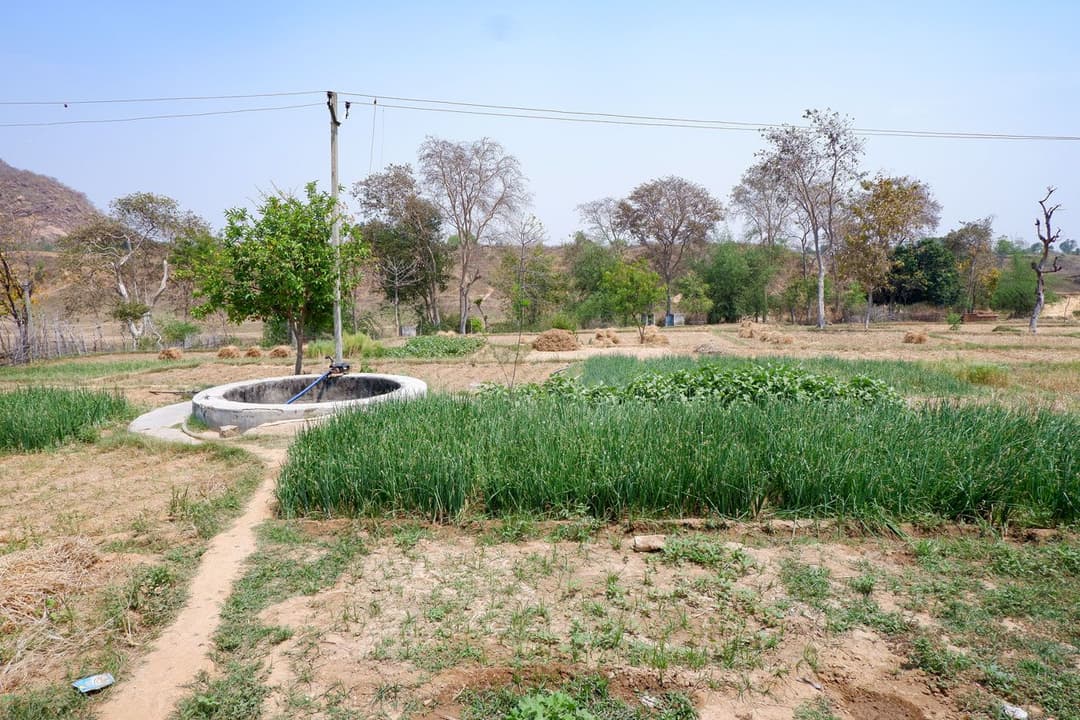
Savita owns one bigha (0.75 acres) of land on which she cultivates paddy and maize during the kharif season and wheat, chana and oilseeds during the rabi season. She thought she would work the land in her backyard to grow vegetables. “But for two years, there has been no water.” The consecutive years of drought have pushed her family into debt.
The thirty-two-year-old Savita lives with her four children in this village in Palamu district; her husband, Pramod Ram, 37, works as a migrant labourer, 2,000 kilometres away in Bengaluru. “The government is not giving us jobs,” says the Dalit daily wage labourer. “There is barely enough to feed the children.”
Working on construction sites, Pramod earns around Rs. 10,000-12,000 a month. Sometimes he works as a truck driver, but that option is not available through the year. “If the men sit at home for four months, we have to start begging. What can we do [but migrate]?” asks Savita.
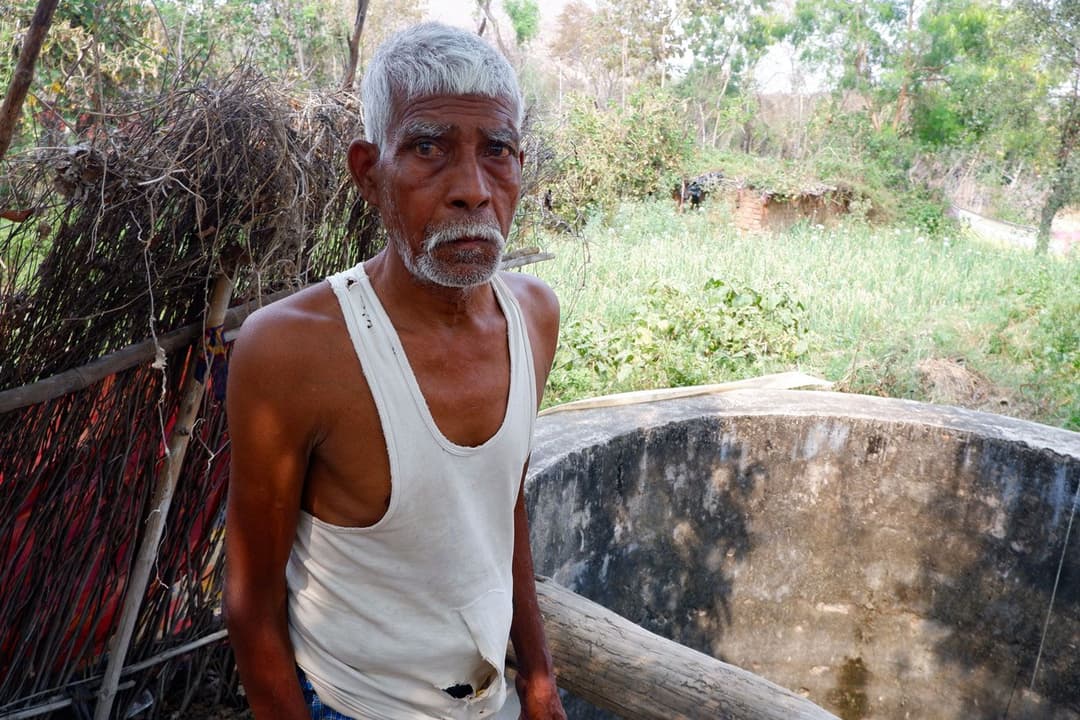
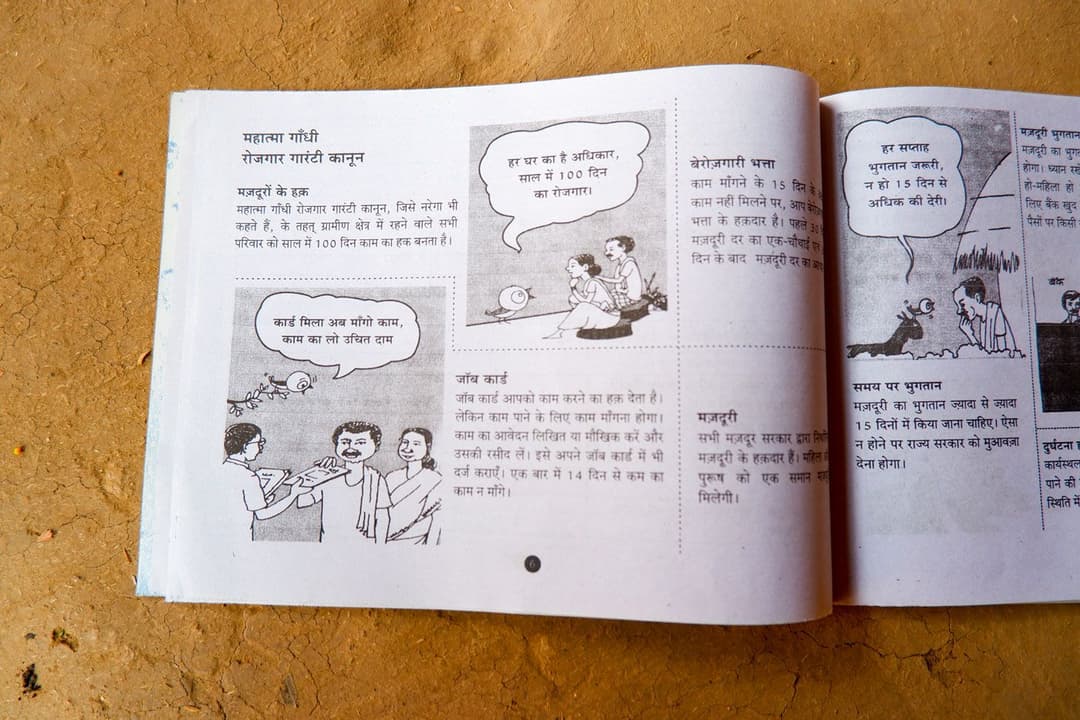
Most men in Checharia, a village of 960 residents (Census 2011), leave in search of work as “there are no job opportunities here. If there were jobs, why would people go outside?” points out Surpati Devi, Savita’s 60-year-old mother-in-law.