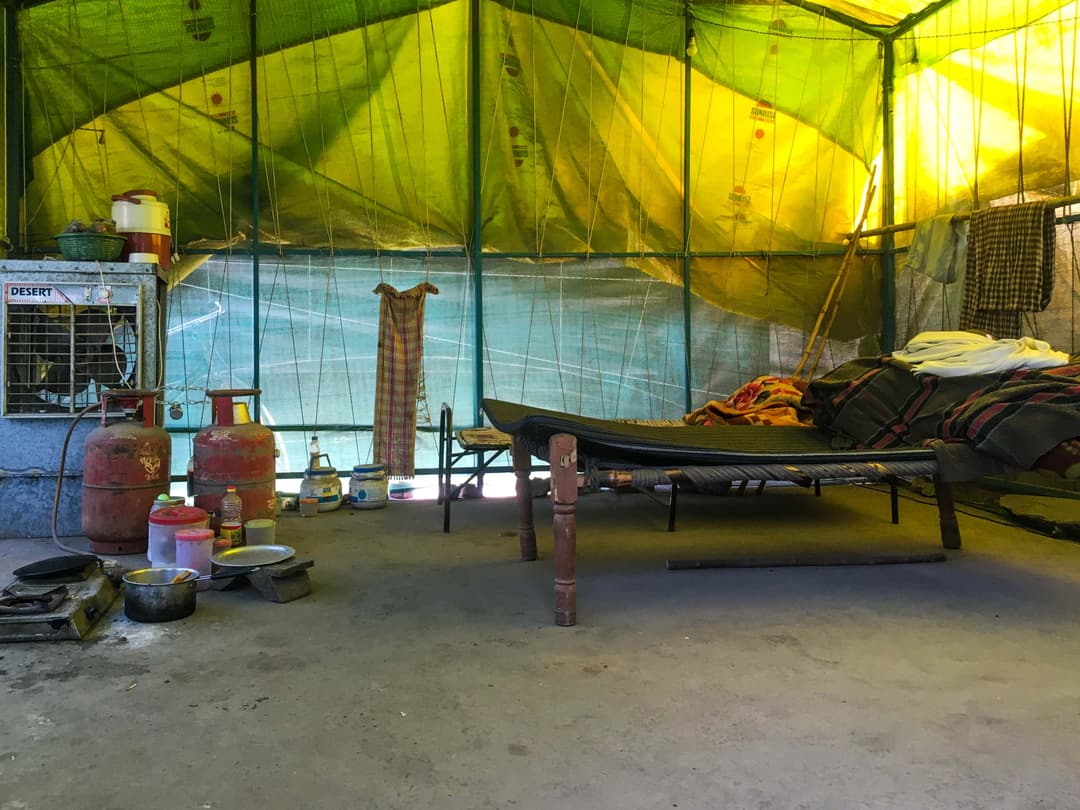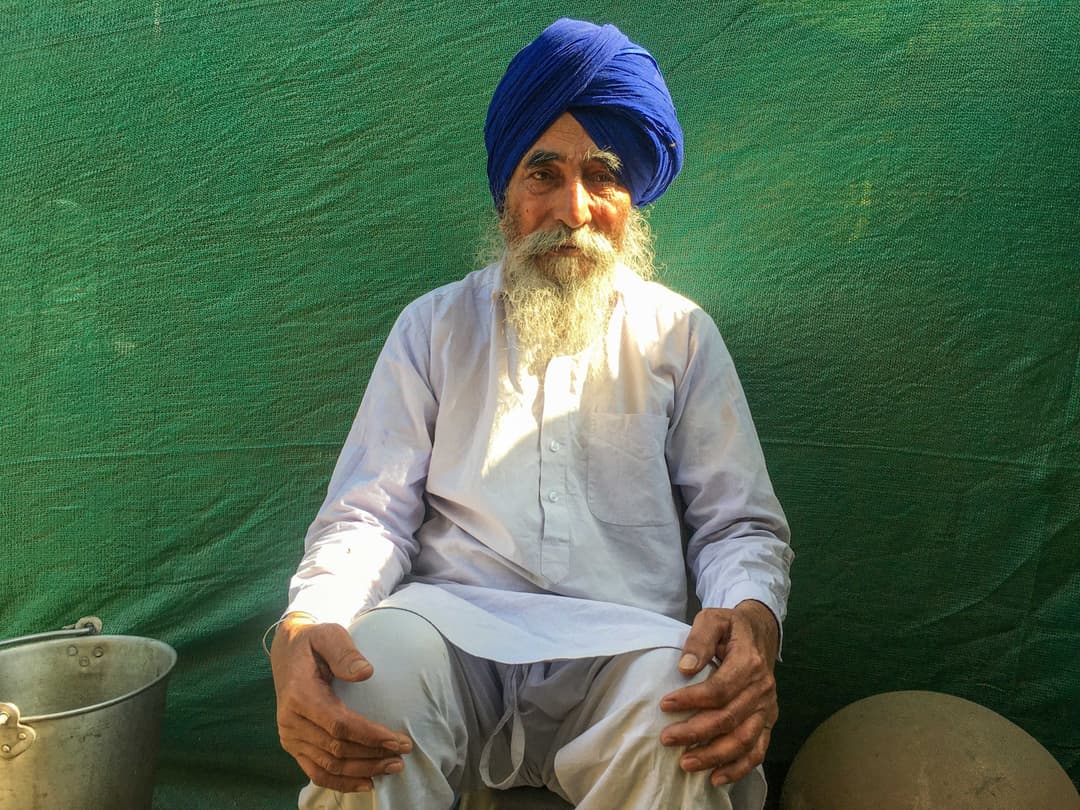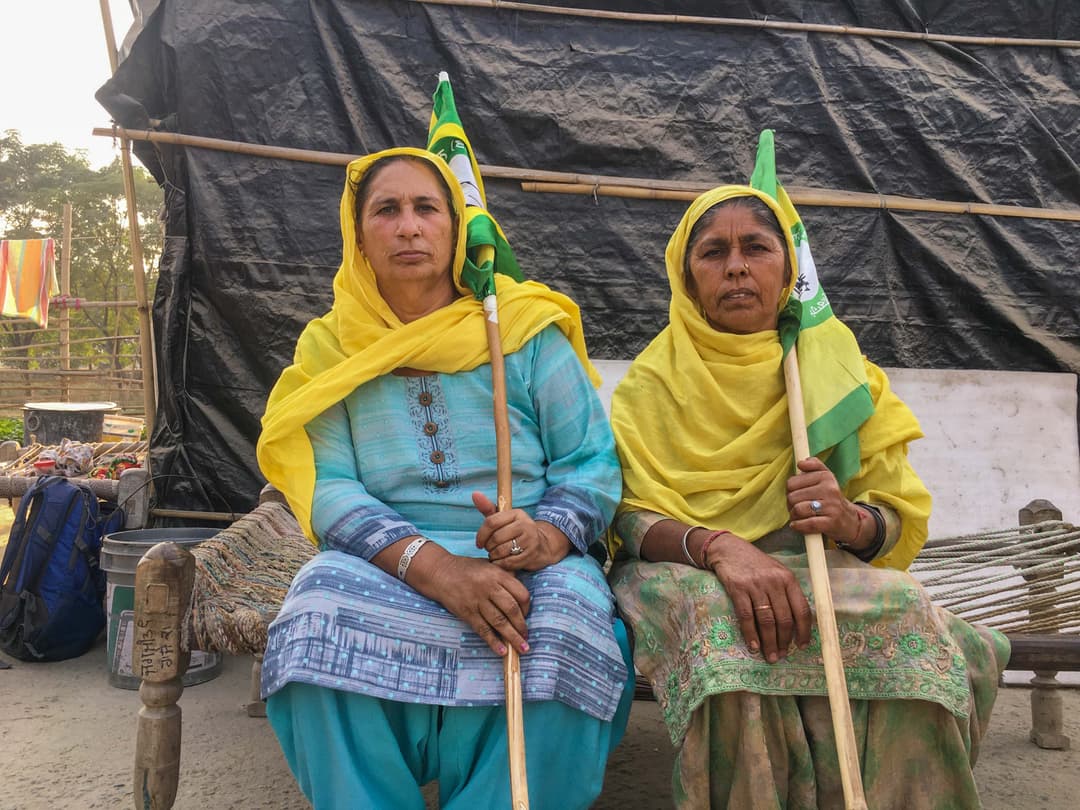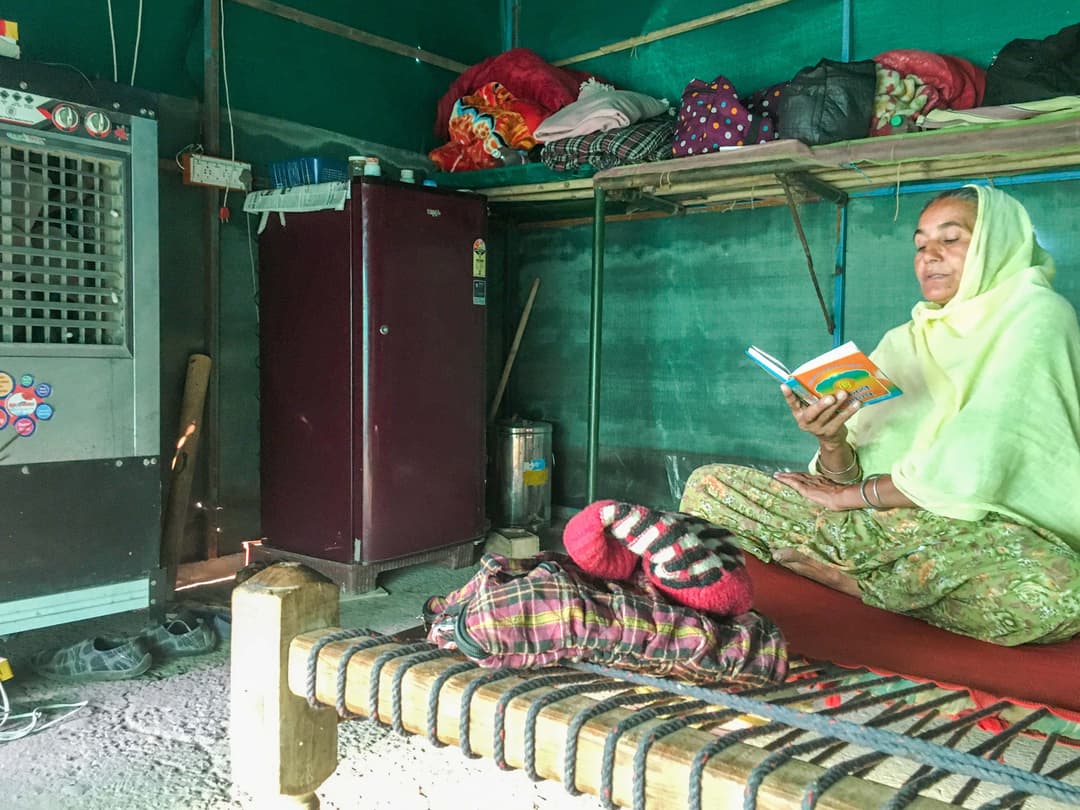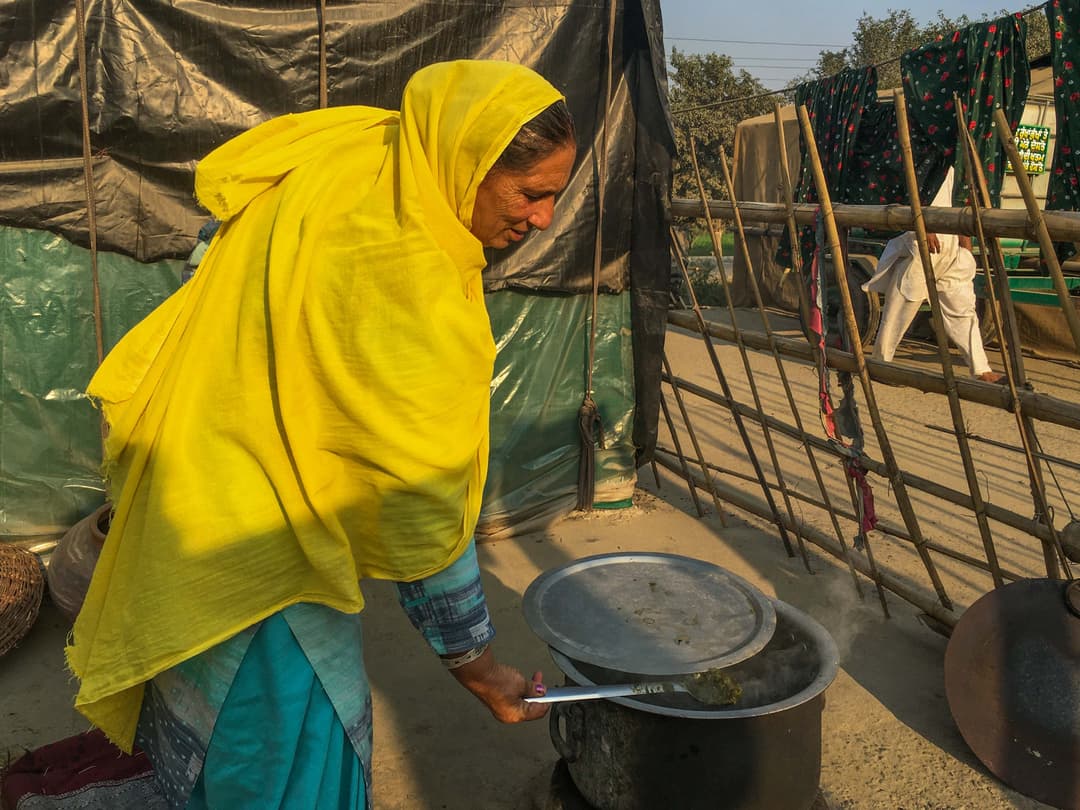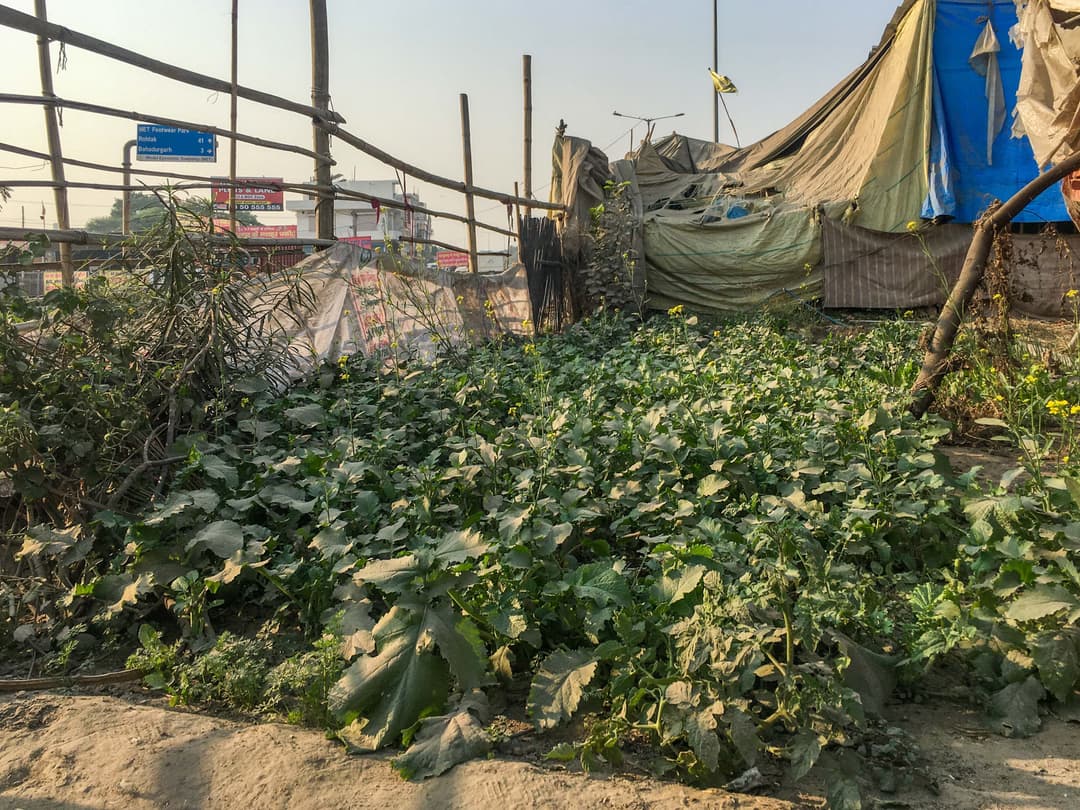

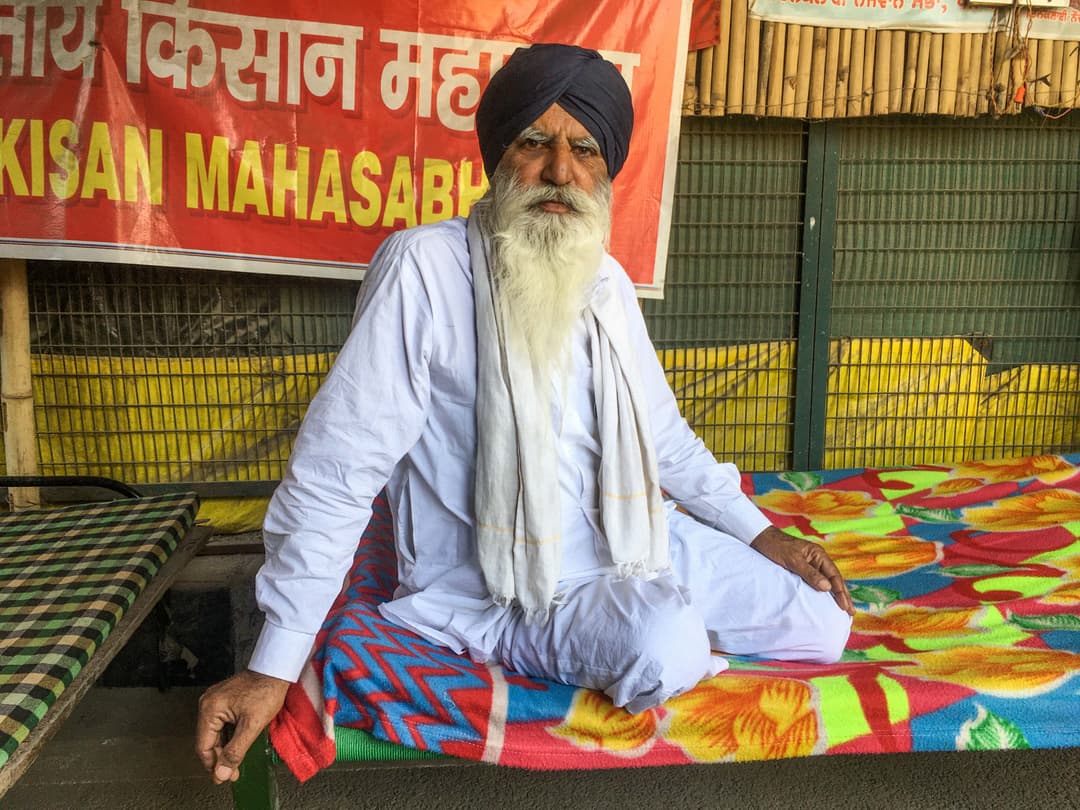
“Baapu, tu aa jaa [Grandpa, you come back],” Tanna Singh’s grandson often tells him on the phone. “How can I return? After all, I am here only for his future,” Singh says, sitting on a plastic stool near his tent.
“I feel like crying every time I hear from him [my son’s 15-year-old son]. Who would leave his grandchildren behind like this? Who leaves his son and daughters behind like this?” he adds, in tears.
Tanna Singh though has been determined to not go back, whatever the reason. He hasn’t left the farmers’ protest site in Tikri for a single day since November 26, 2020. And despite the announcement by the prime minister nearly a year later, on November 19, 2021, that the three contentious new farm laws will be repealed, Singh, 70 years old and a widower, says he will remain at Tikri till the actual repeal is stamped and sealed. “We are waiting for the president’s stamp to revoke these laws. We have left our home only for this day to arrive,” he says.
He is among the tens of thousands of farmers who came to the capital’s borders a year ago demanding that the three farm laws must be scrapped, and stayed on at Tikri (in west Delhi), Singhu (north-west of the capital) and Ghazipur (in the east) when not allowed to go further.
Singh came here from Bhangchari village in Punjab’s Muktsar district with a few other farmers on his tractor, which remains parked somewhere near the protest site. In his village, his family cultivates wheat and paddy on their eight acres. “I have come here leaving the responsibility of our khet [farmland] with my son,” he says.