
“Mirchi mein aag lag gayi [The chillies are burning].”
It was the night of December 2, 1984 when Bhopal resident, Nusrat Jahan woke up unable to breathe, her eyes stinging and watering. In a short while her six-year-old son began crying. The noise woke her husband, Muhammad Shafeeq.
“Qayamat ka manzar tha” [It was an apocalyptic sight],” says the now 70-year-old Shafeeq, sitting in his home in Nawab Colony, recalling the events of of what is known as the Bhopal gas disaster (BGD) which took place 40 years to this day, in Madhya Pradesh’s capital city.
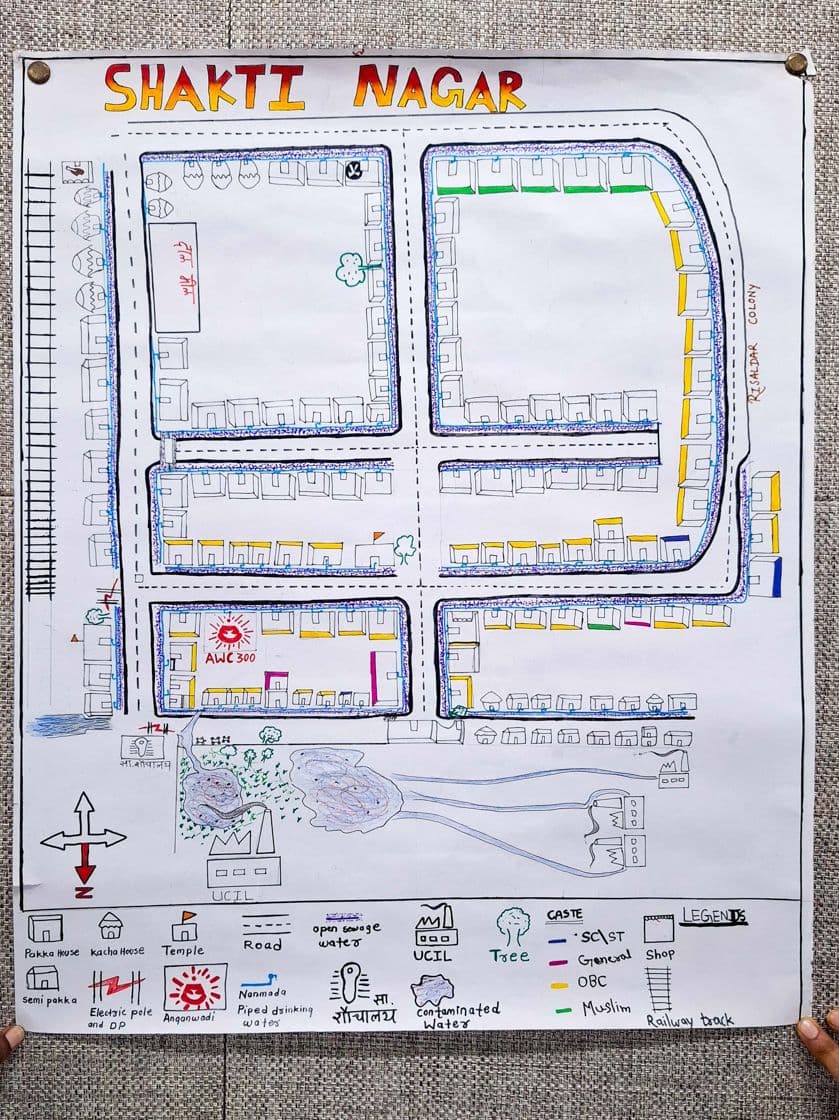
A daily-wage worker at a paper mill, Shafeeq would spend the next few years desperately seeking treatment for the impact of the toxic gasses on the health of his family, made worse by 18 years of exposure to the only source of water – a contaminated well. The water irritated his eyes, he says, but there was no other source. It was only in 2012 that the Sambhavna Trust Clinic tested the water and found toxic elements. Borewells in the area were subsequently closed by the state government.
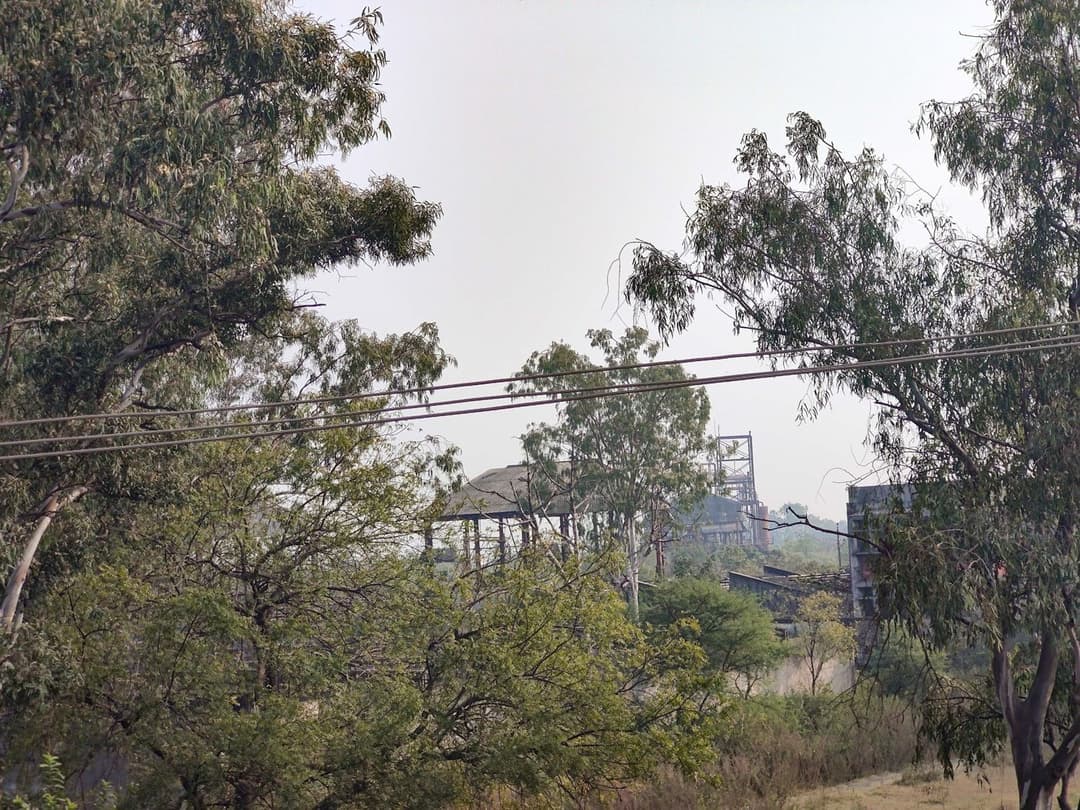
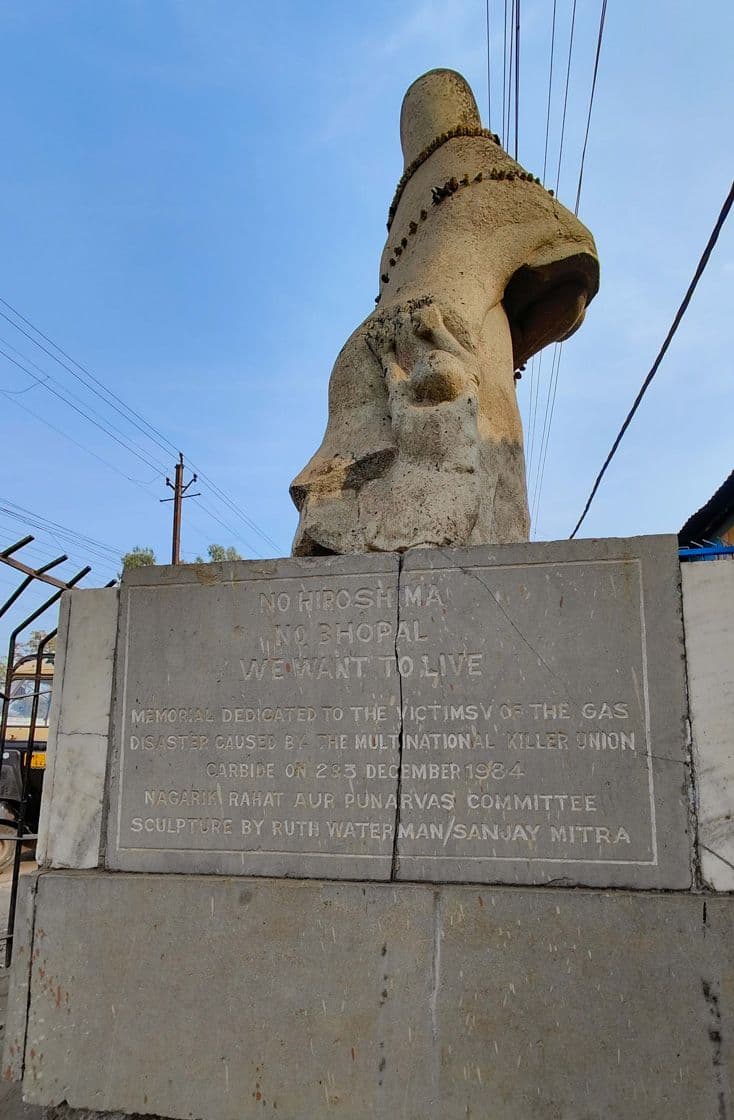
That night in 1984, the toxic gas that caused distress in Shafeeq’s household came from a factory of Union Carbide India Limited (UCIL), then owned by the multinational Union Carbide Corporation (UCC). The leak occurred on the night of December 2 – the highly toxic methyl isocyanate leaked from the UCIL factory and caused what is considered to be the world’s worst industrial disaster.