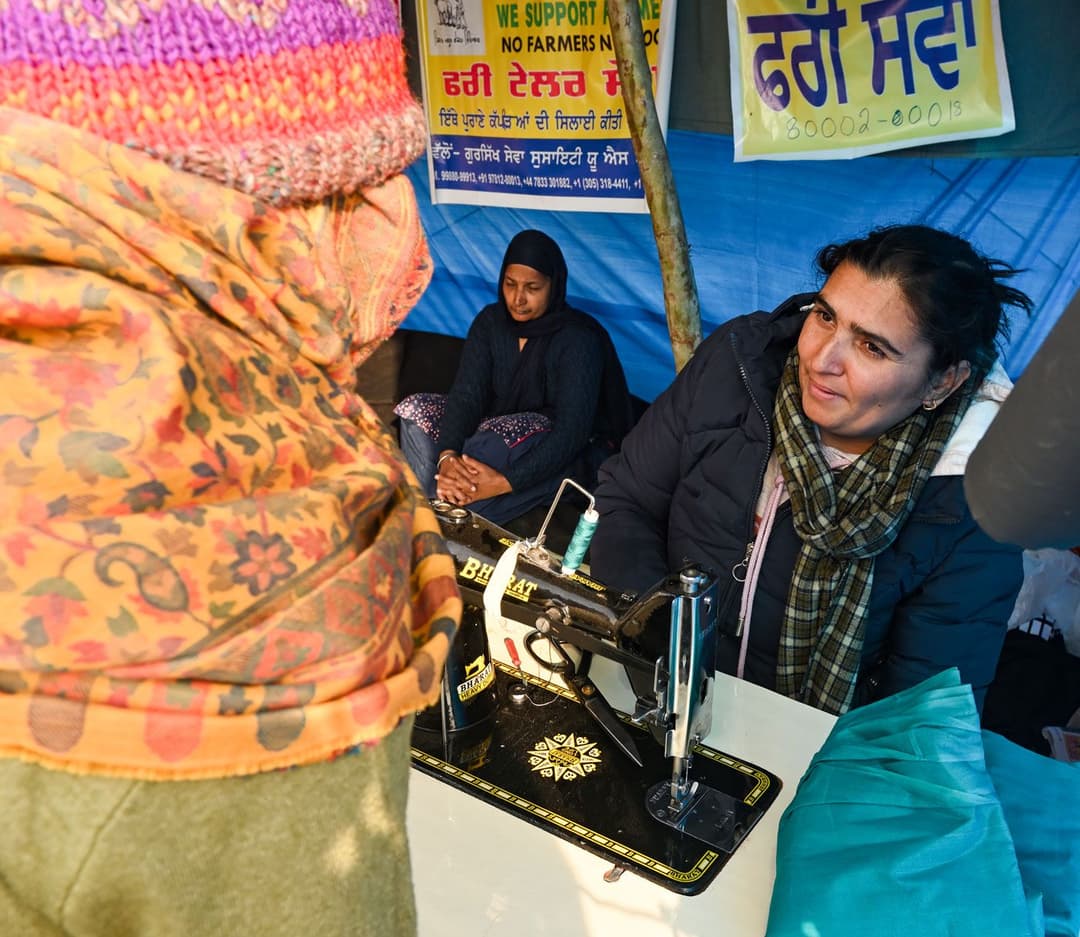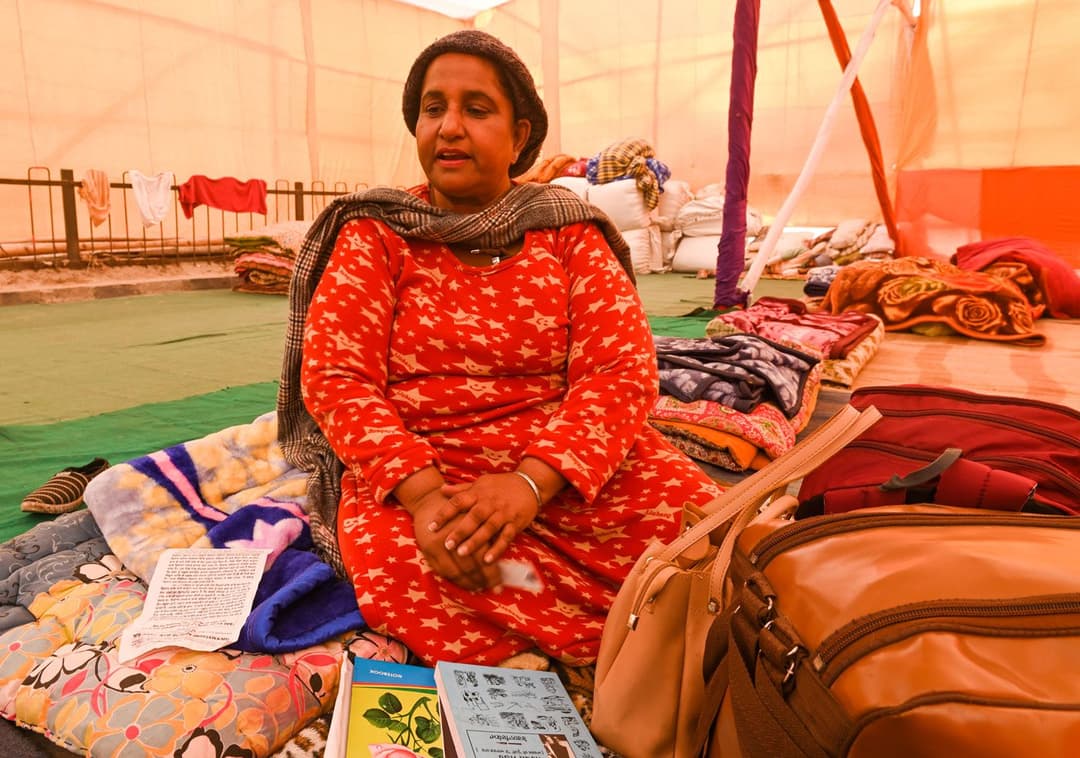


“I don't own farmland, nor did my ancestors,” says Kamaljit Kaur. “But still, I am here to help our farmers in my small way, because I fear that if I don't, I will have to counter corporate greed to put something on my kids' plates.”
Kamaljit, 35, is a teacher from Ludhiana city in Punjab, and along with a few friends she is running two sewing machines in a shaded space at Singhu. They come to the protest site in turns, three days at a time, and fix for free missing shirt-buttons or tears in salwar-kameez outfits of the protesting farmers. Around 200 people turn up every day at their stall.
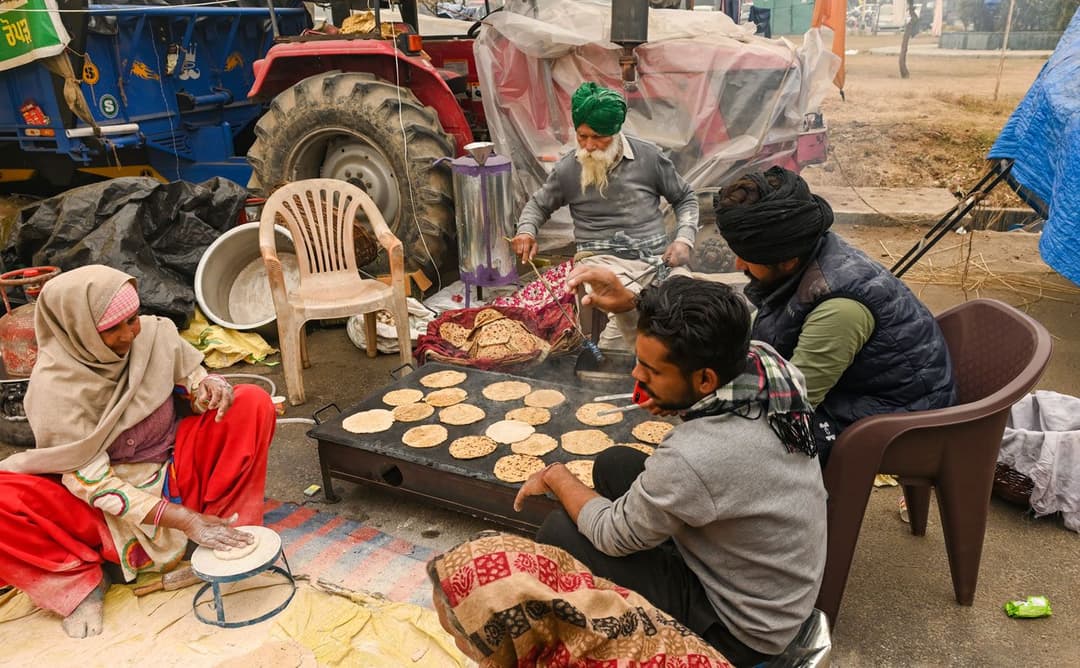
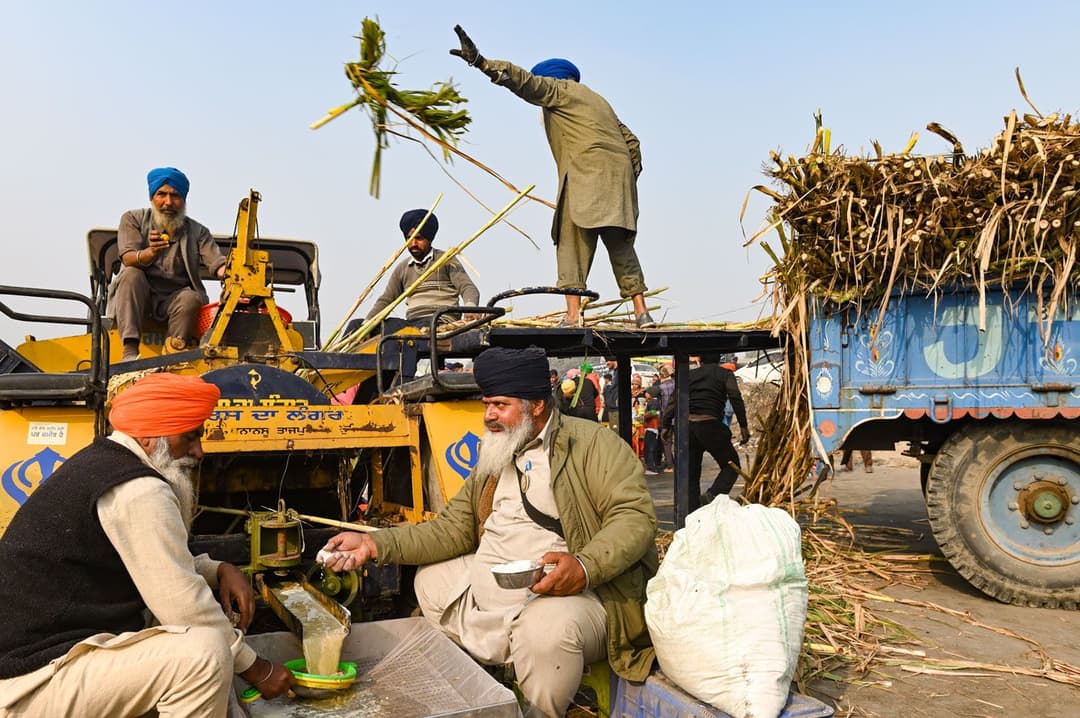
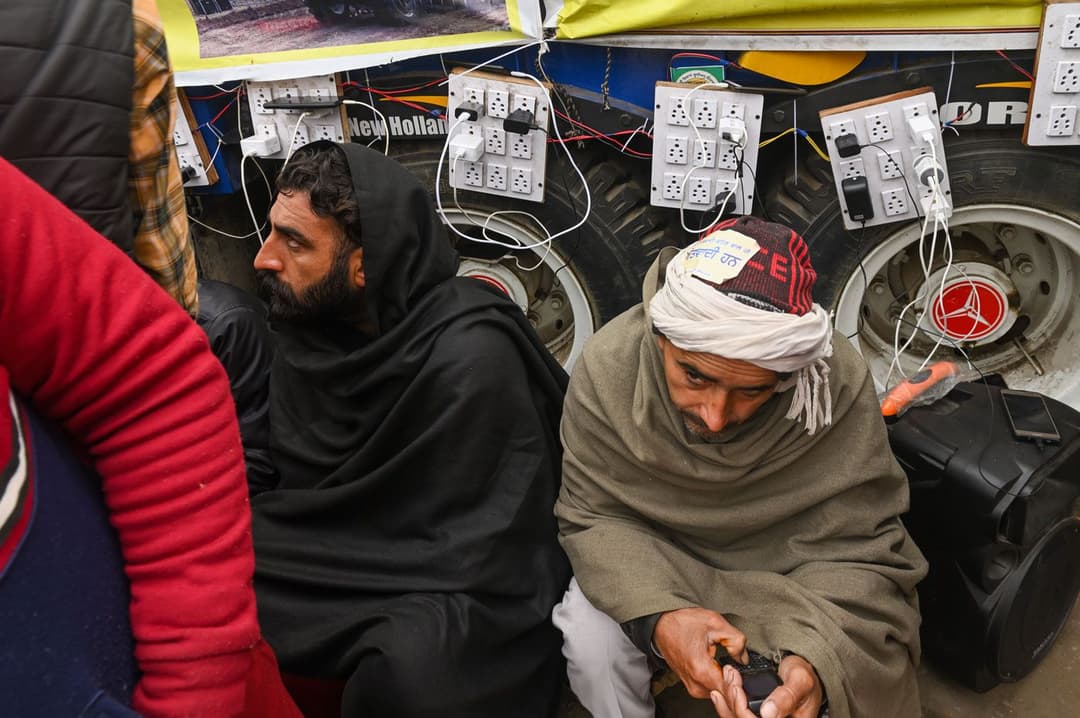
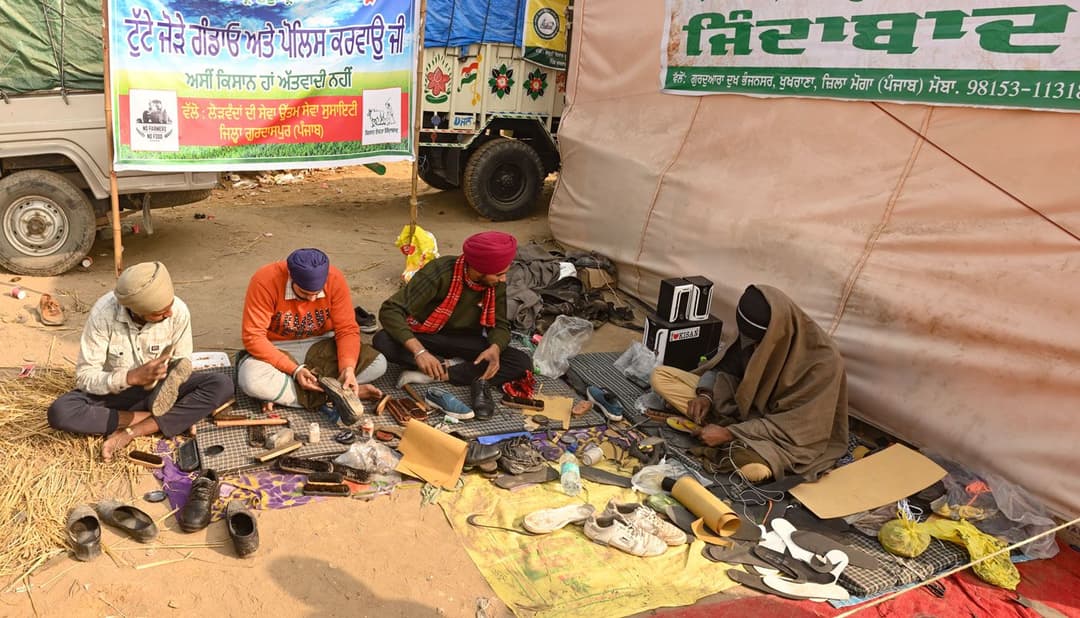
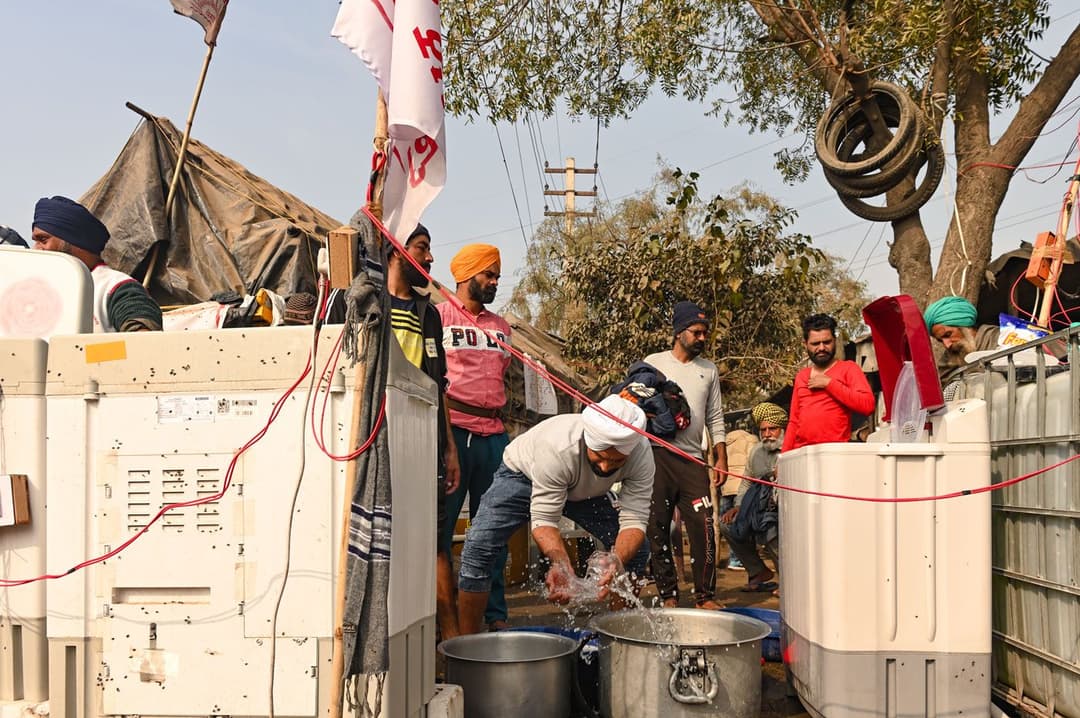
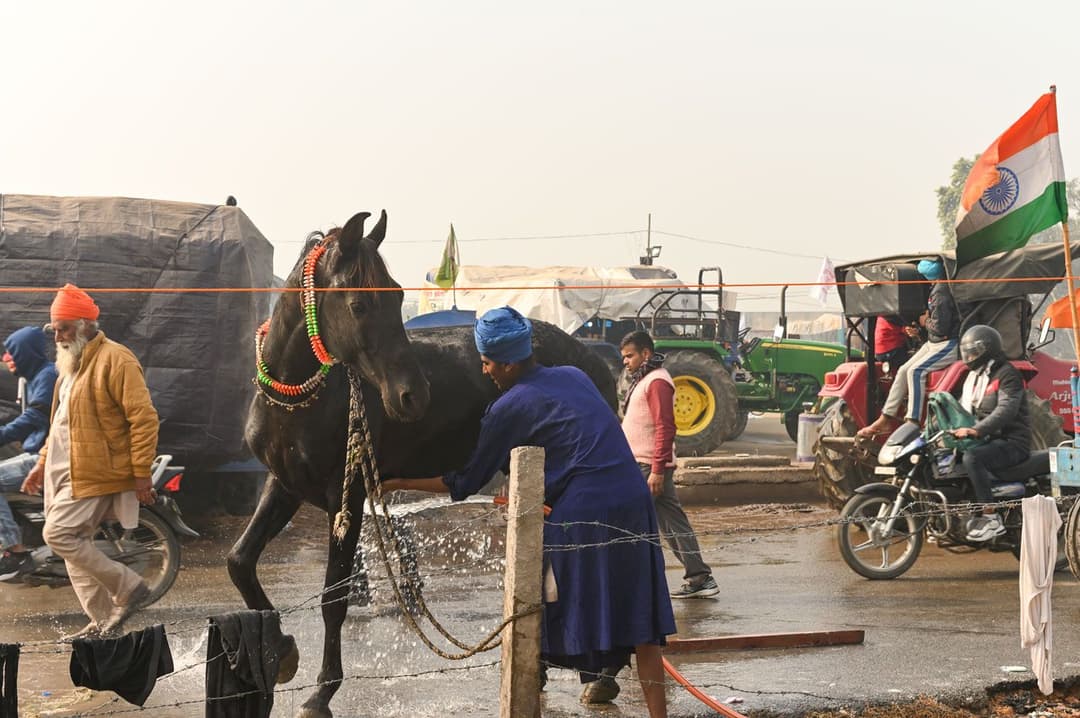
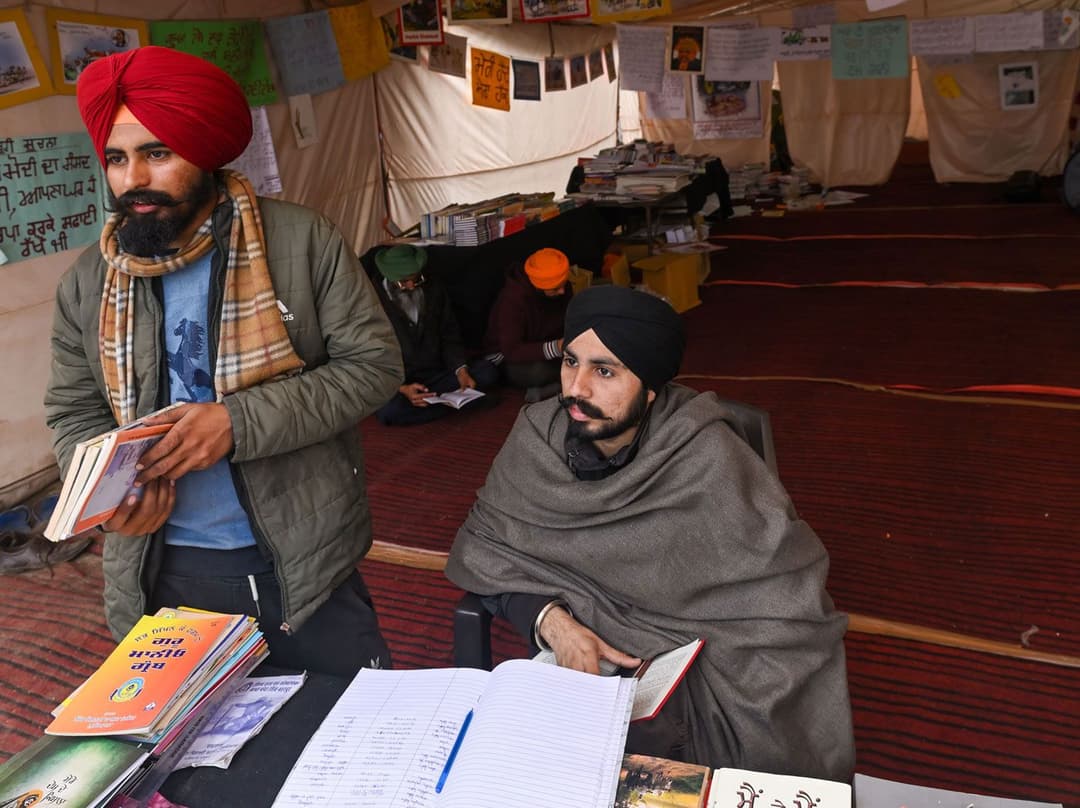
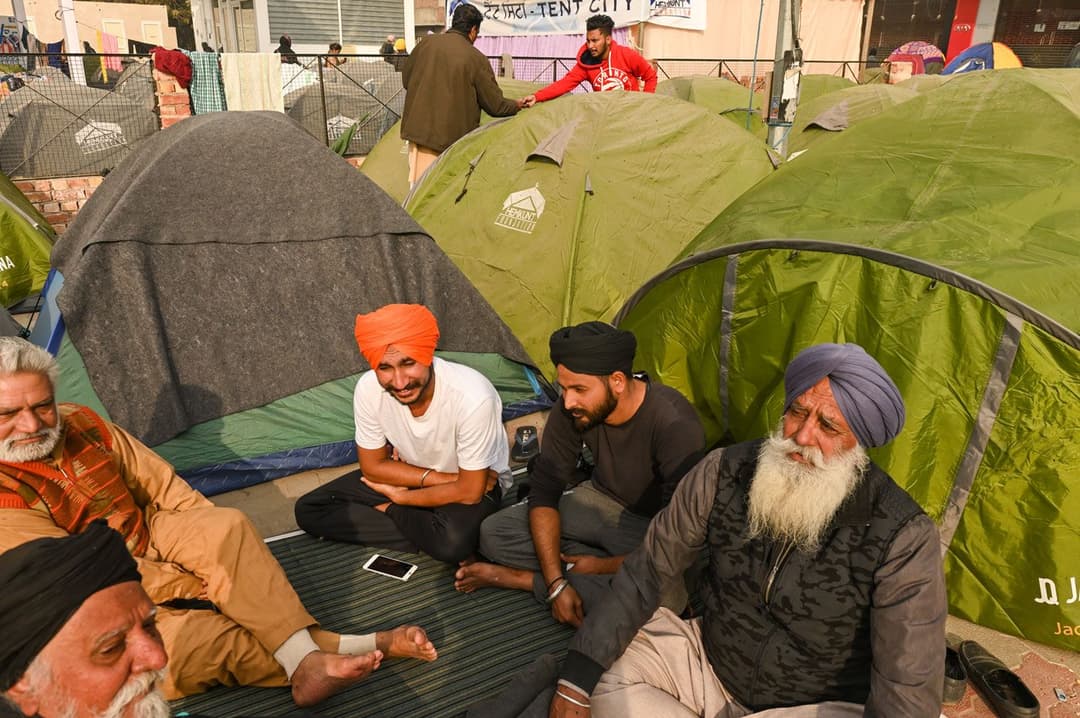
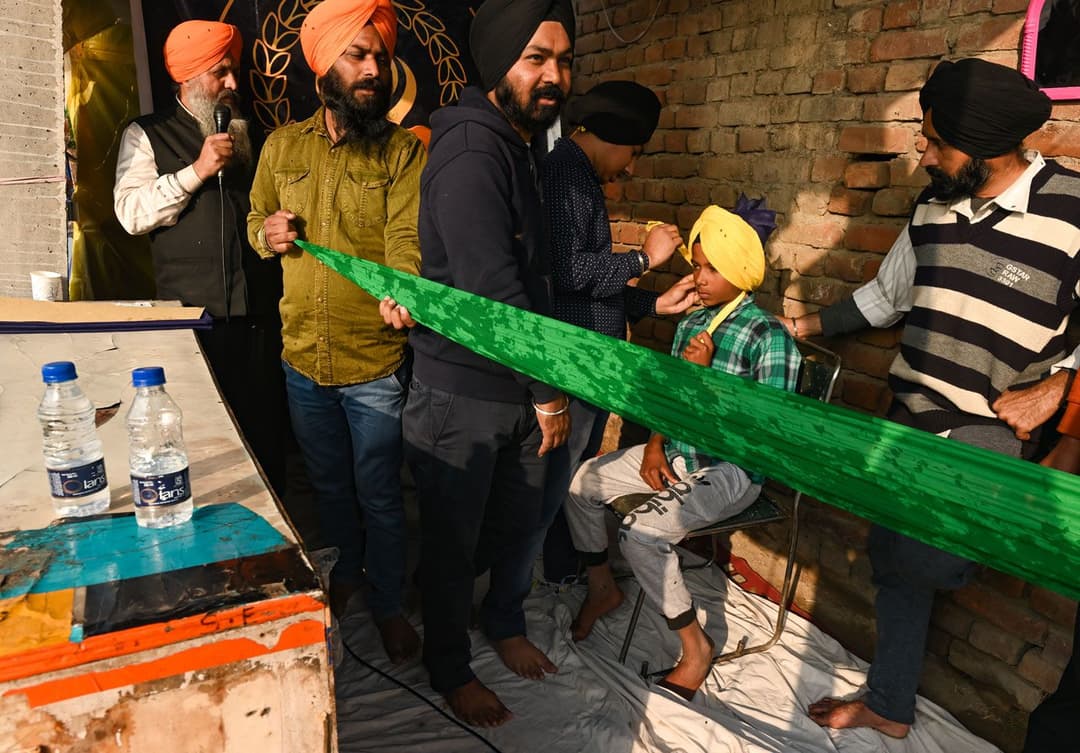
At Singhu, such sewa is available in many-hued and very generous forms – all as offerings of solidarity with the protests.
Among those serving are Irshad (full name unavailable). In a narrow nook outside the TDI mall in the Kundli industrial area, some four kilometres from the Singhu border, he is vigorously massaging the bare head of a Sikh protestor. Many others are awaiting their turn. Irshad is a barber from Kurukshetra, and says he has come here out of a sense of biradari – brotherhood.
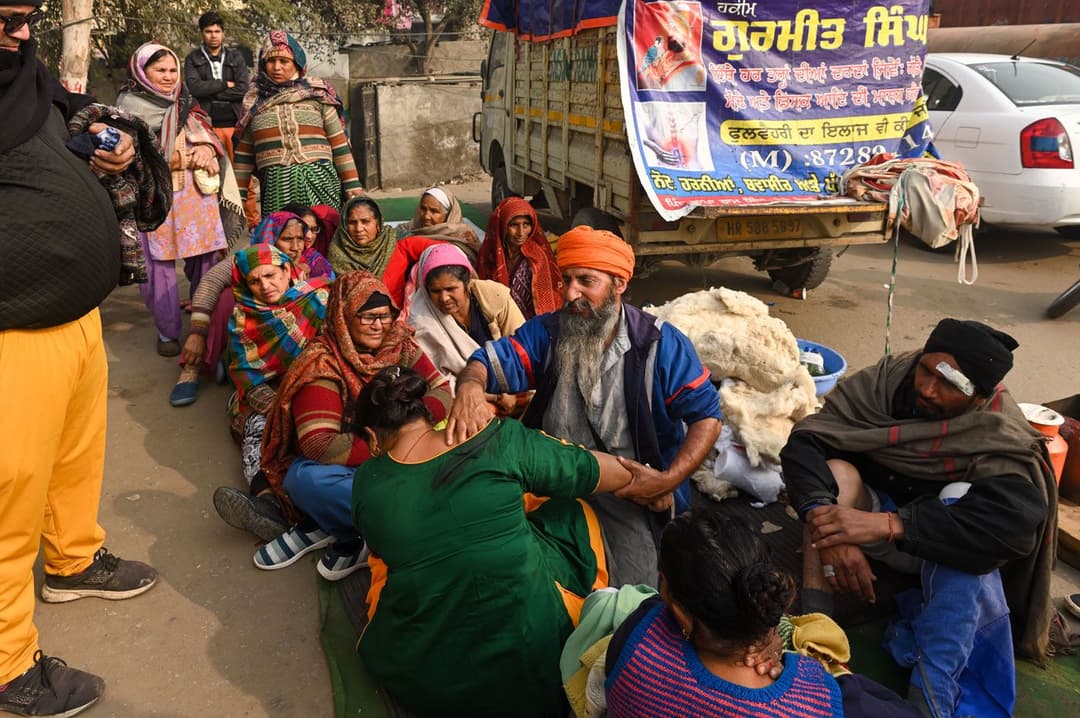
Also on this route, sitting outside his mini-truck, Sardar Gurmik Singh has gathered around him many seeking a free massage to relax their aching muscles, after the long hours of travel in crammed trolleys from Punjab to Singhu. “They are going through so many other kinds of pain right now…” he says, about what brought him here to help.
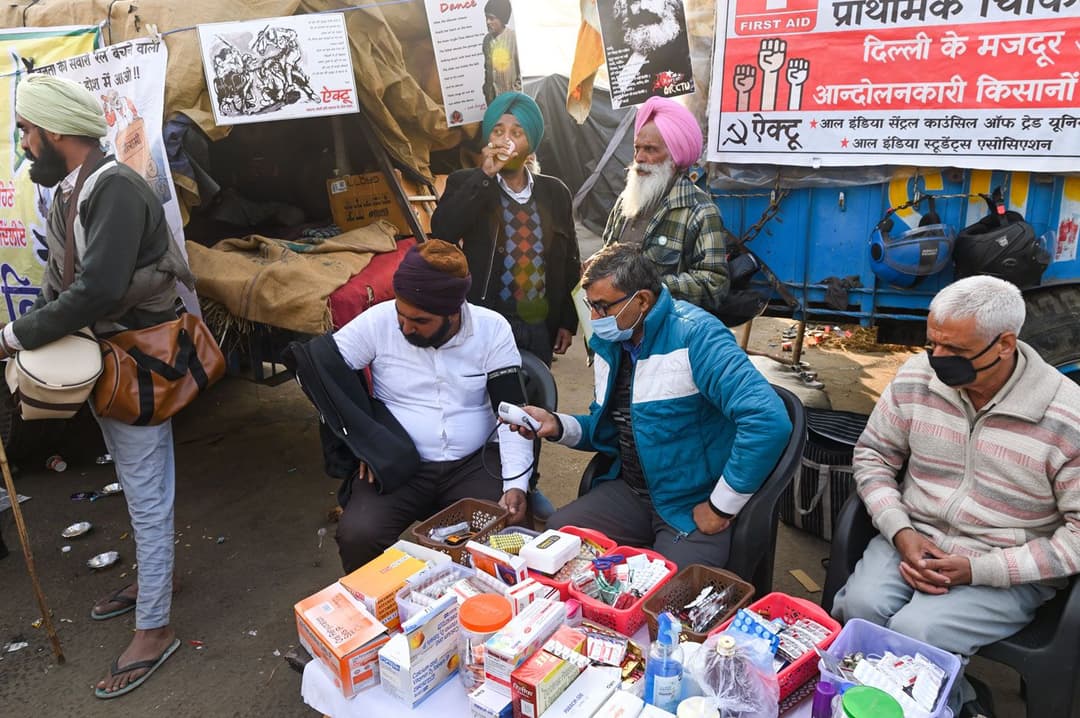
For Surinder Kumar, a doctor from Chandigarh, sewa has taken on the form of running a medical camp at Singhu, along with other doctors. This is one of numerous medical camps at the protest site – some run by doctors who have come here from as far as Kolkata or Hyderabad. “We are trying to abide by the pledge we took while graduating – by tending to the aged exposed to this biting cold day after day, many staying on open roads,” says Surinder.