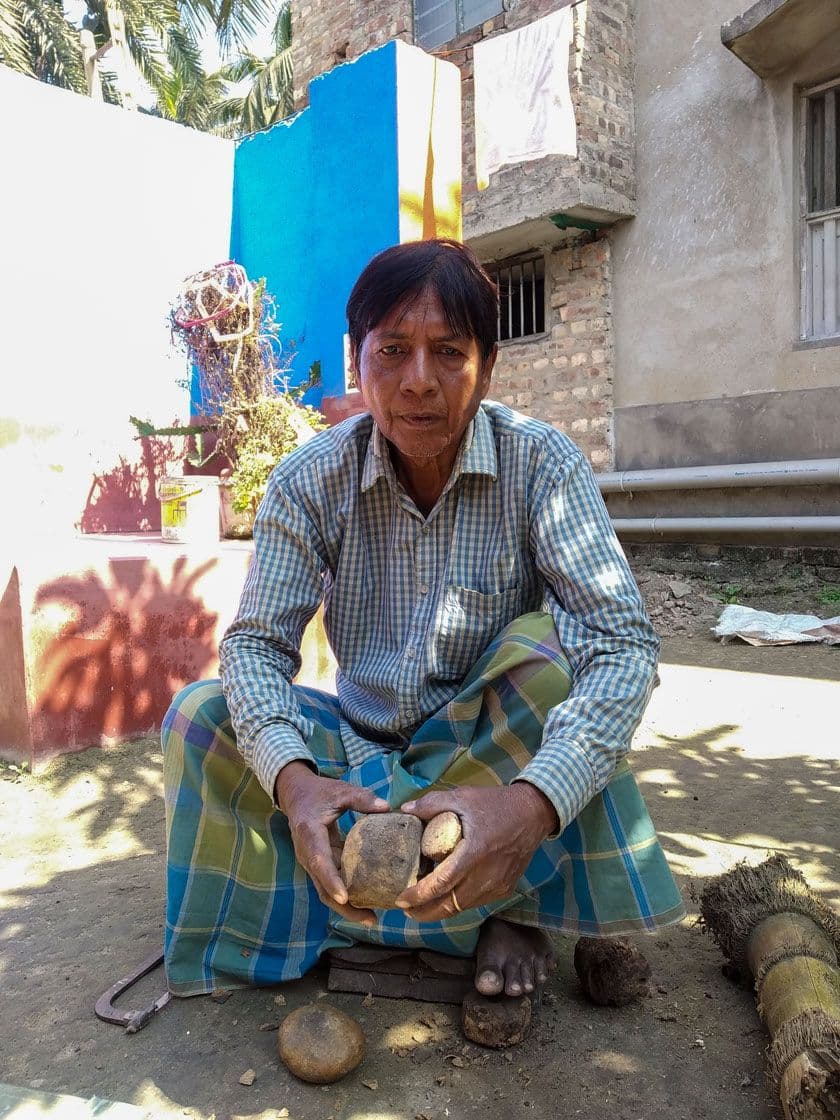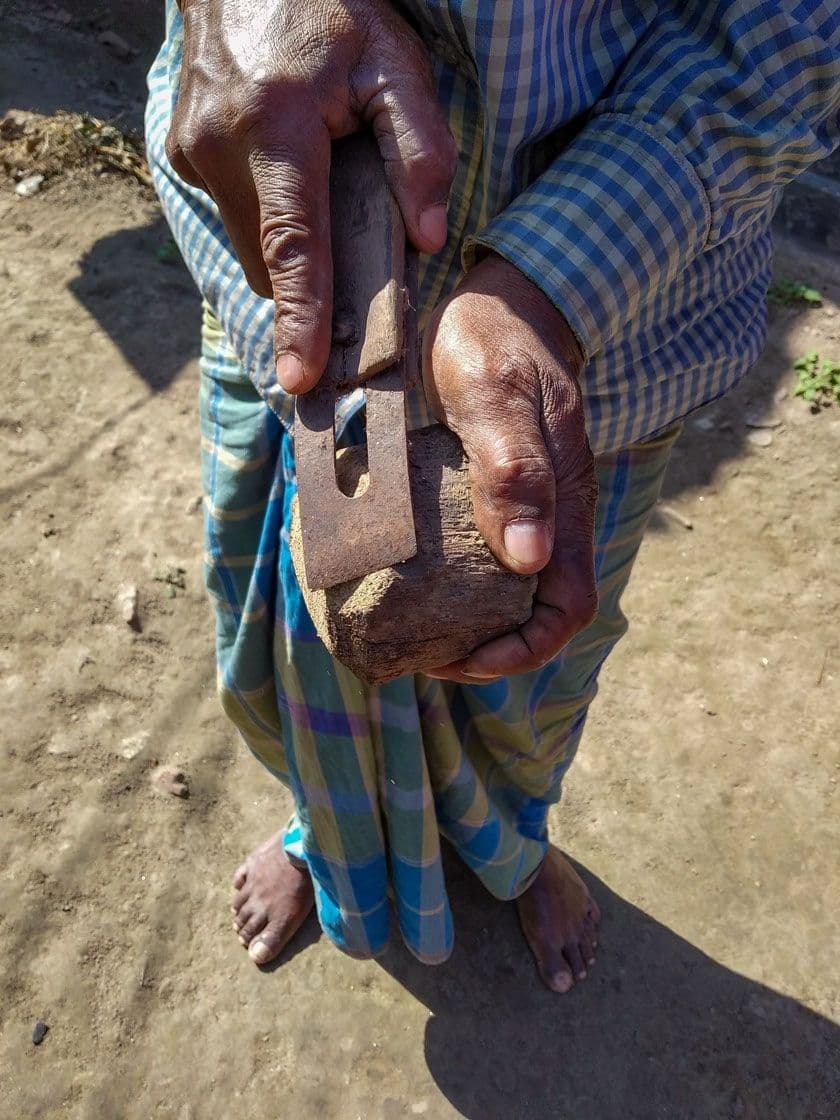

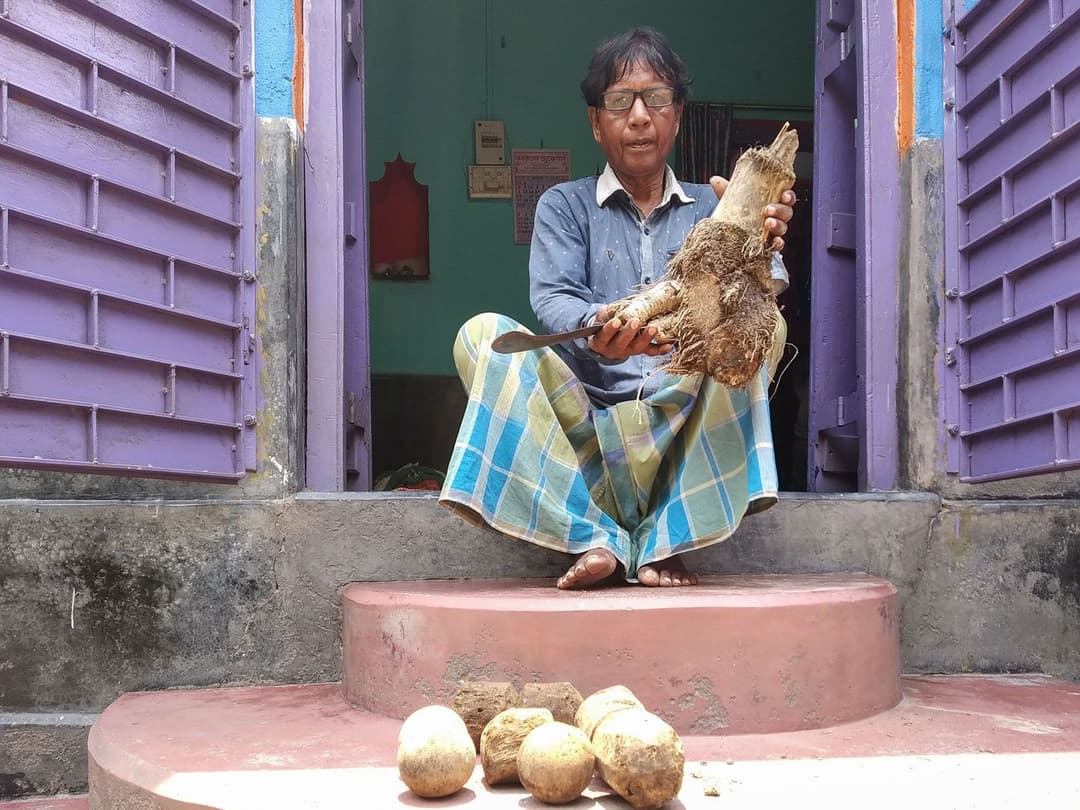
“Be it Kolkata, Jaipur, Delhi or Bombay, bamboo polo balls went directly from Deulpur,” says Ranjit Mal, listing the places where the sport of polo was played in India.
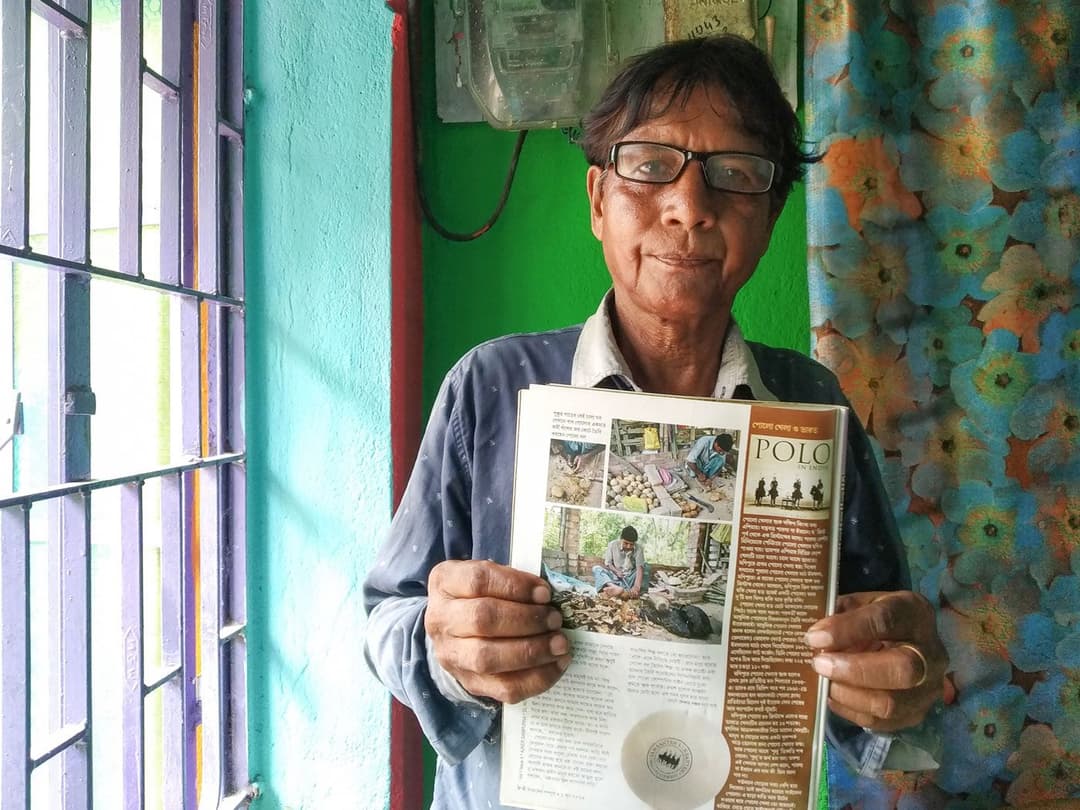
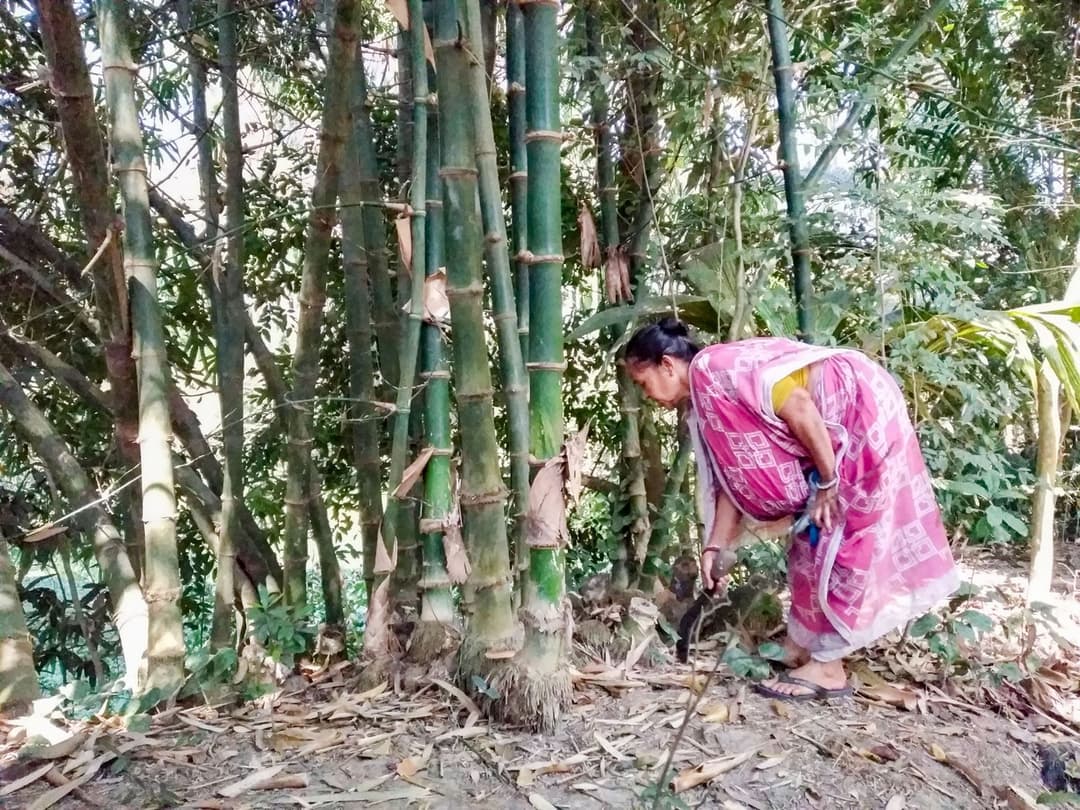
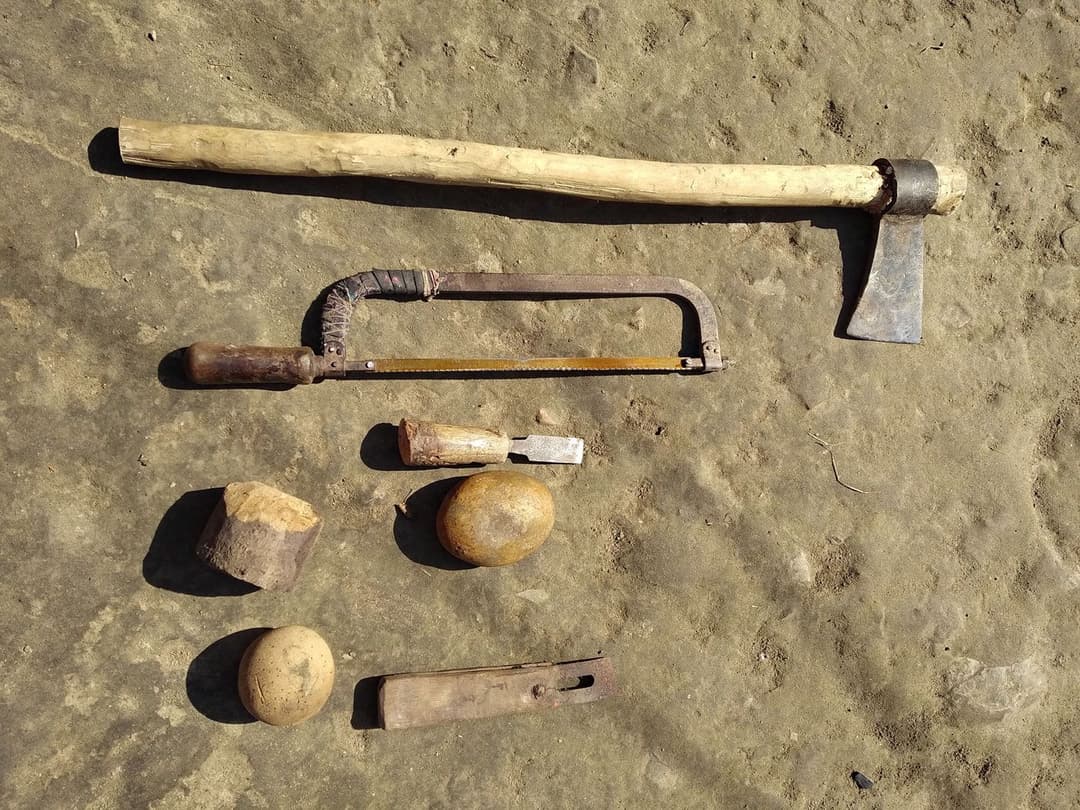
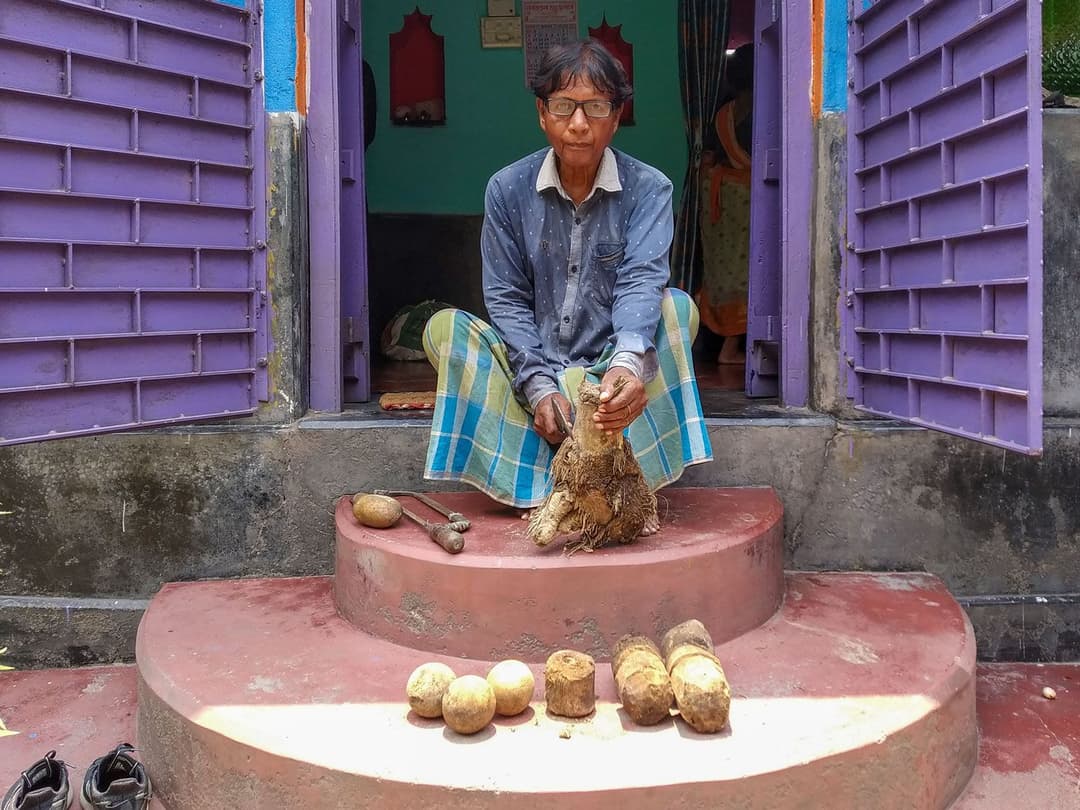
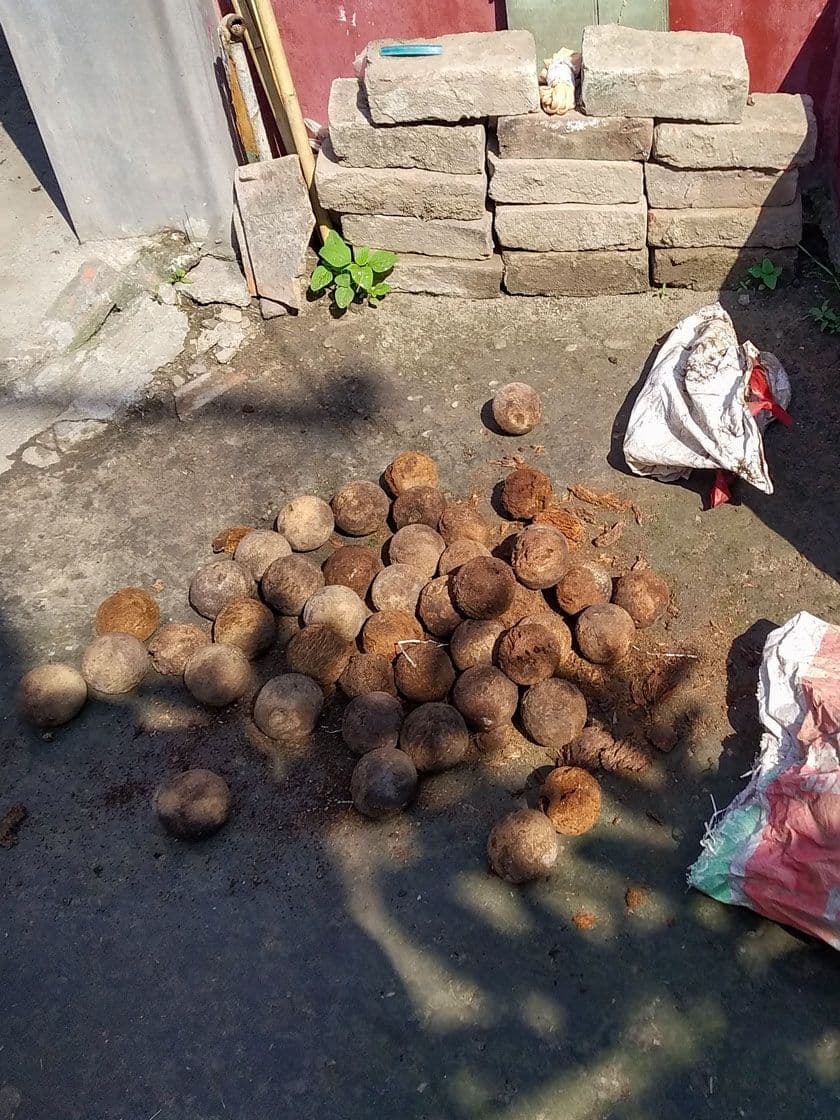
A polo ball craftsman from West Bengal’s Deulpur census town, 71-year-old Ranjit has sculpted balls from rhizomes of Guadua bamboo for close to 40 years. The rhizomes, locally known as bans-er gorha, form the underground portion of the bamboo plant which helps them grow and spread. Today, he is the last shilpkar (craftsperson) of the craft; a skill, he points out, that has already passed into history.
But, for over 160 years that modern polo has been played – initially by the military, royals, and elite clubs – the bamboo balls came from Deulpur. In fact, the first polo club in the world was founded in Silchar, Assam in 1859; the second came up in Calcutta in 1863. Modern polo is an adapted version of Sagol Kangjei (a traditional game of the Meitei community in Manipur), and it was the Meiteis who used bamboo rhizome balls to play.
In the early 1940s, six to seven families in Deulpur village employed over 125 artisans who collectively made as many as one lakh polo balls annually. “Our skilled shilpkars knew the polo market,” adds Ranjit. His claims are attested by a British era survey and settlement report of Howrah district that states: “Deulpur seems to be the only place in India where polo balls are made.”
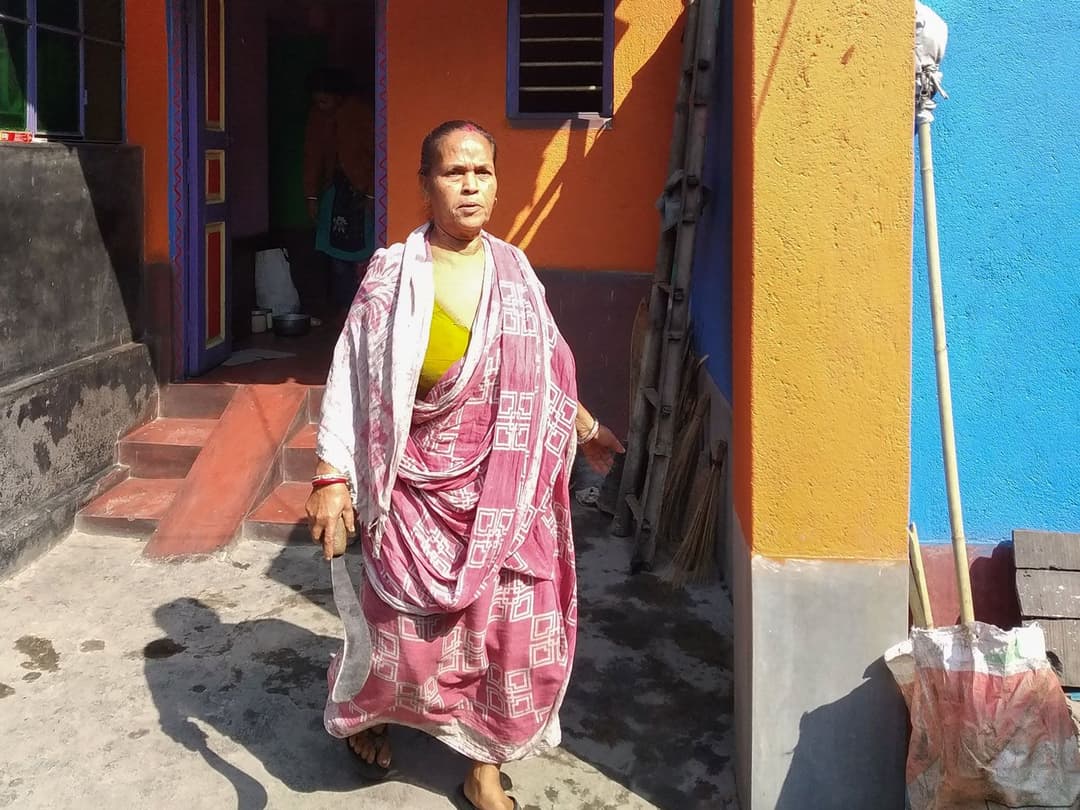
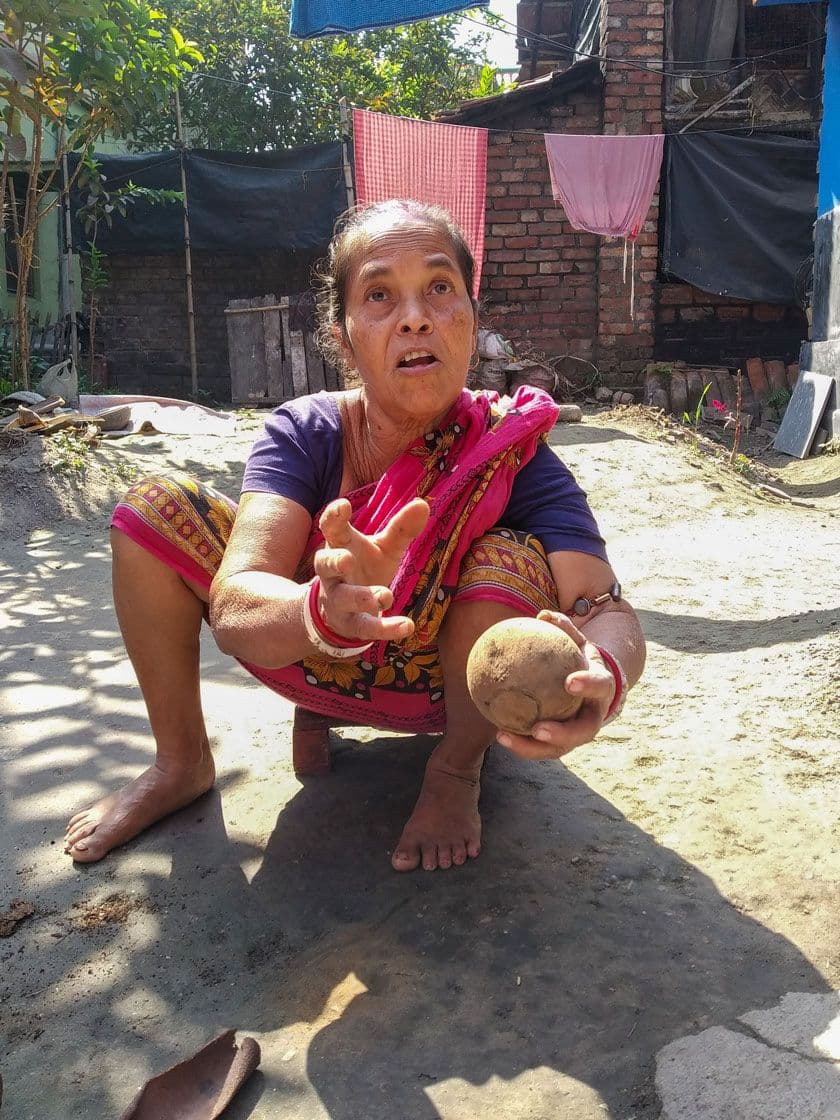
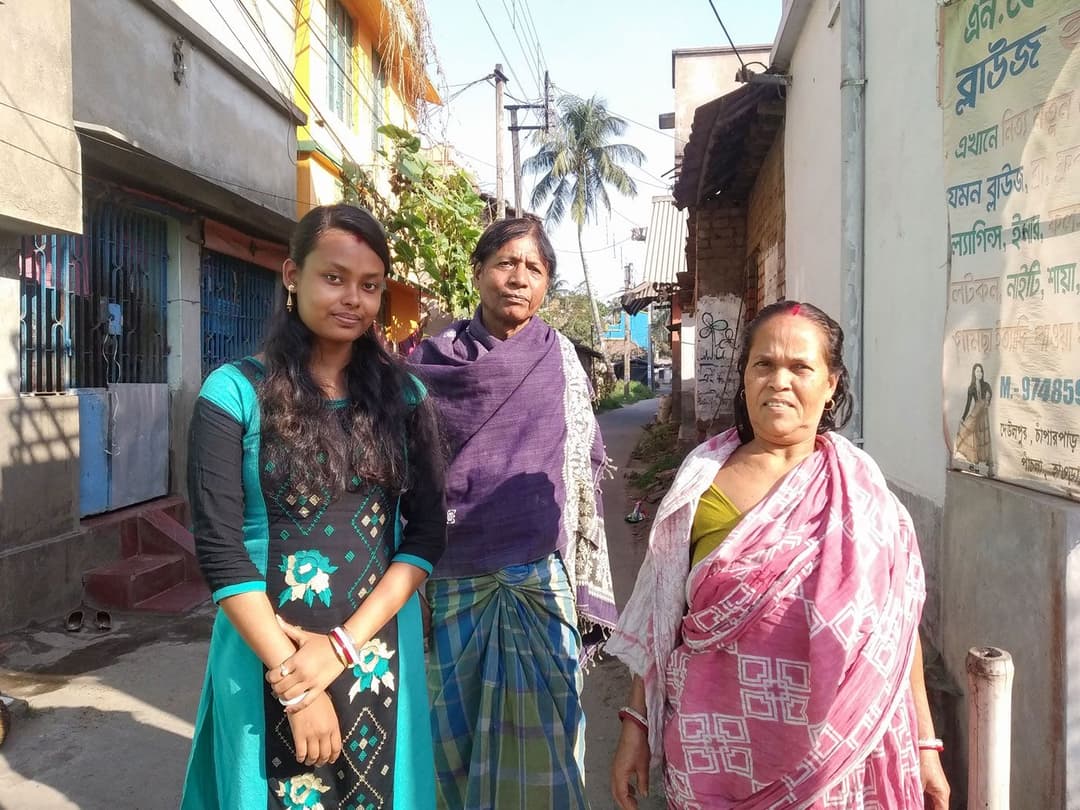
Ranjit’s wife, Minoti Mal says, “seeing the thriving business of making polo balls, my father got me married here when I was only 14.” She is in her sixties now, and until a decade ago, would help her husband in the craft. The family belongs to the Mal community listed as a Scheduled Caste in West Bengal; Ranjit has lived in Deulpur all his life.
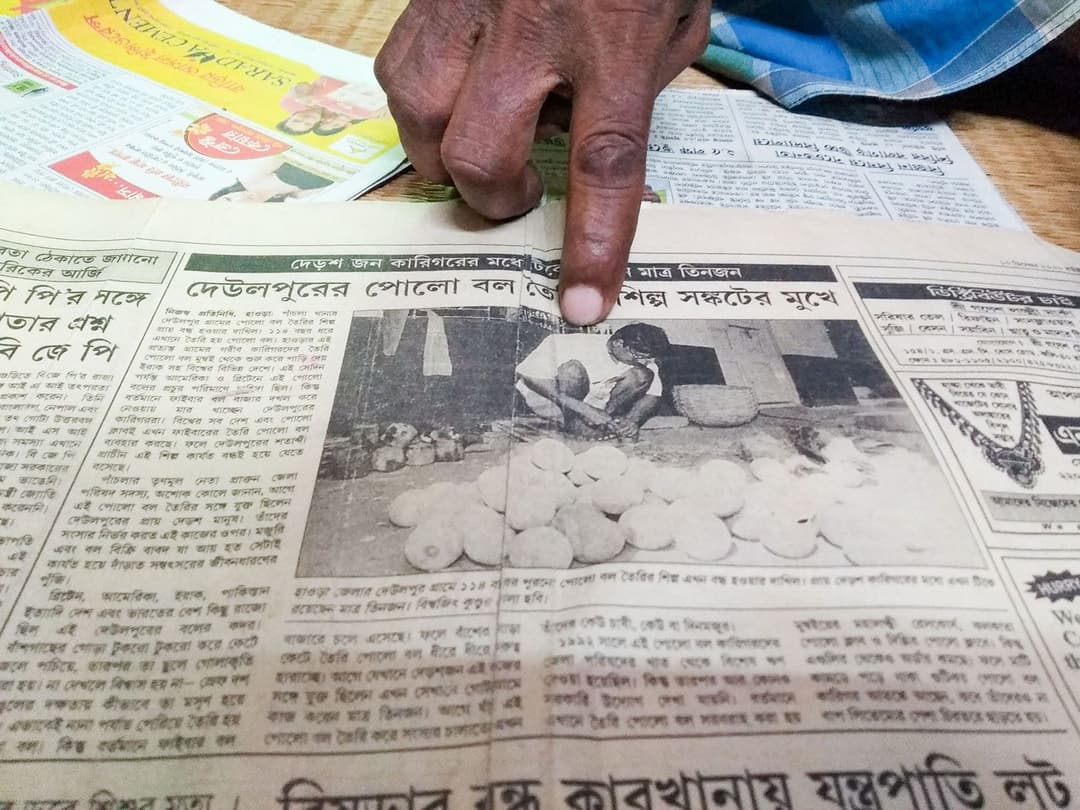
Seated on a madur grass mat in his house, he is skimming through his treasured collection of old newspaper clippings and magazine articles. “If you find a photograph of a man making polo balls in a lungi anywhere in this world, it is mine,” he says proudly.