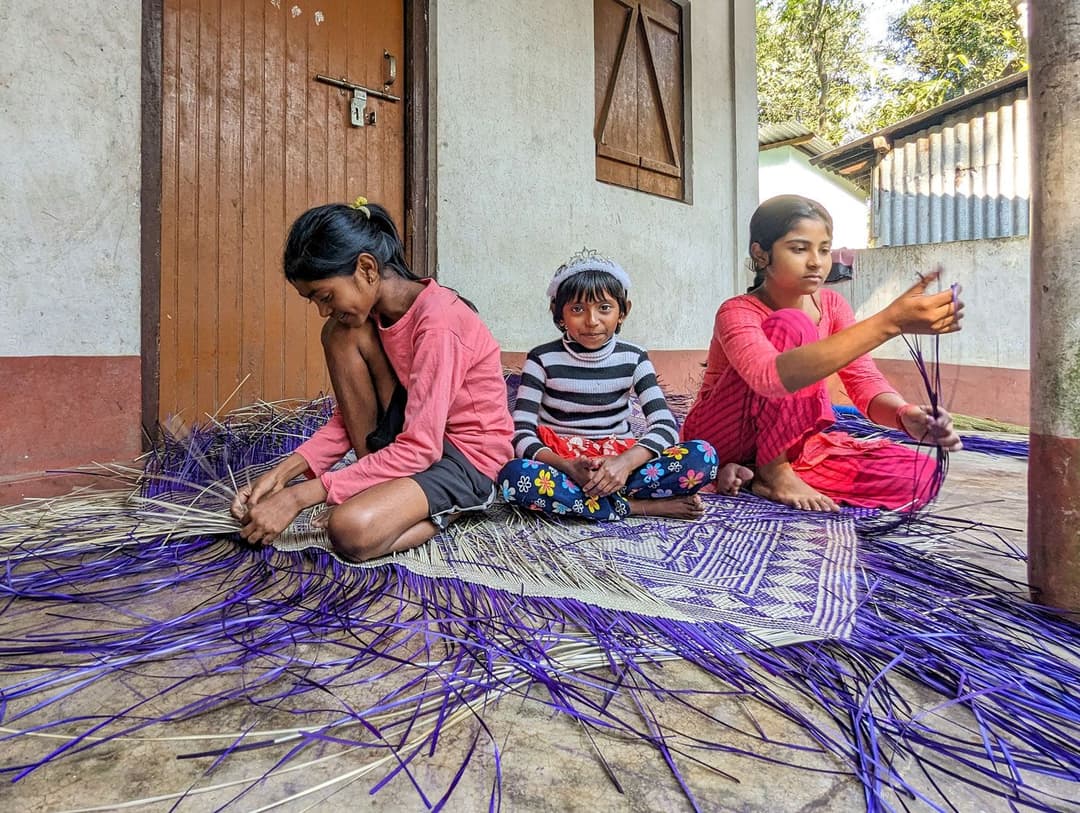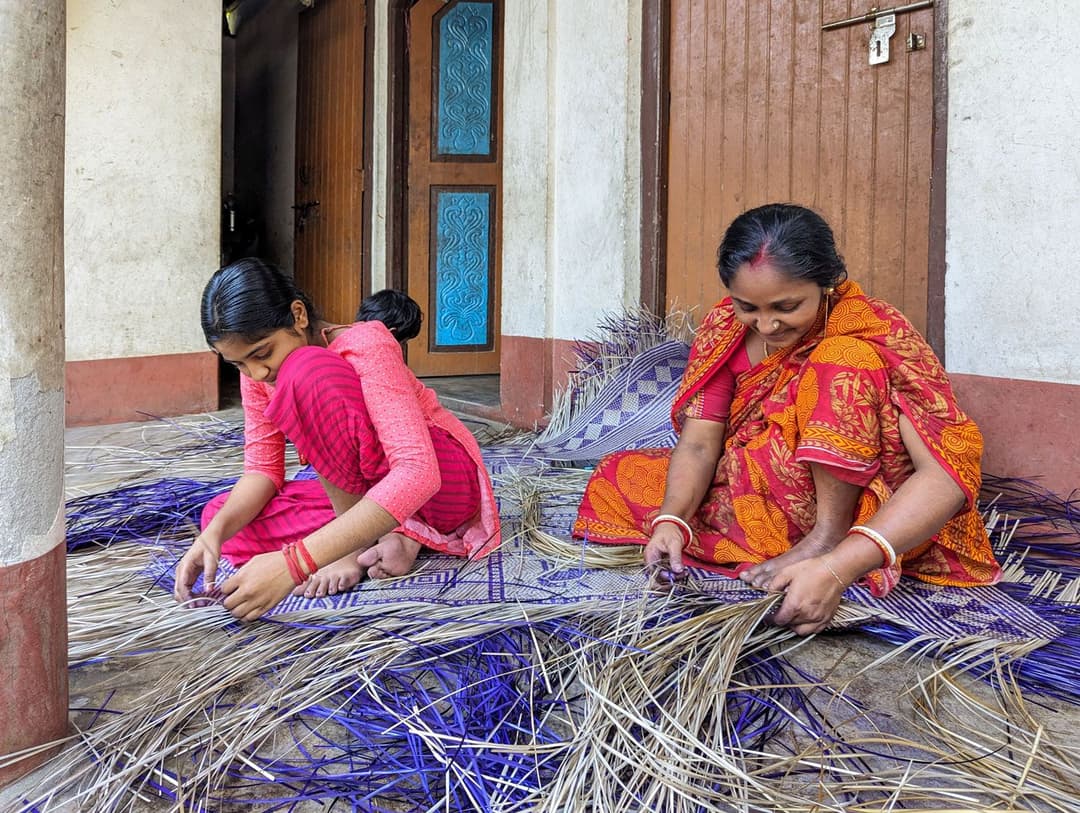
Few people can appreciate the finely-woven kamalkosh mat.
Fewer still can weave it.
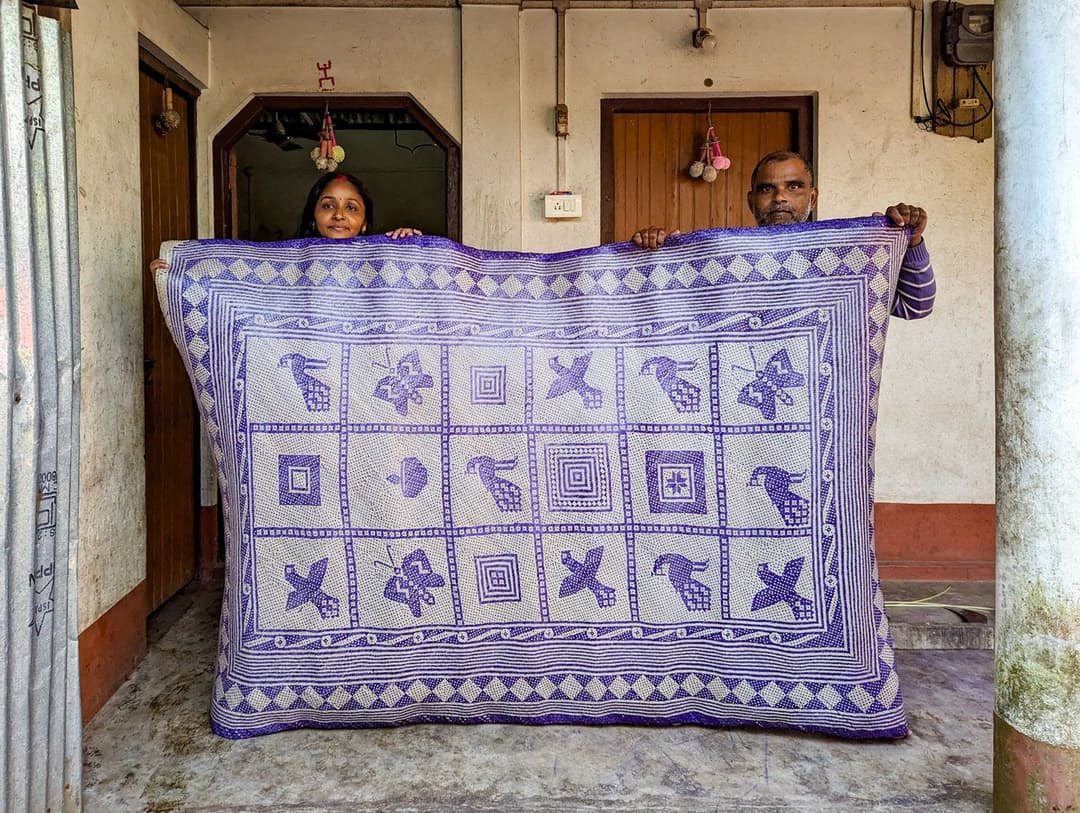
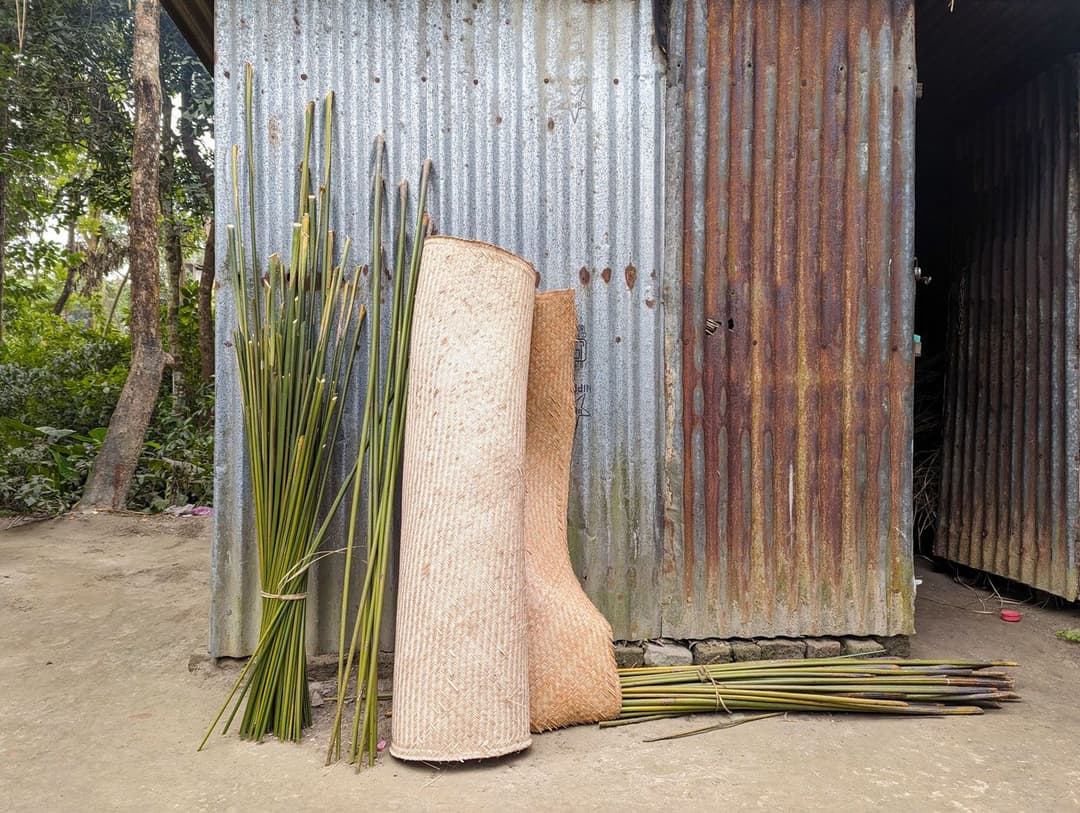
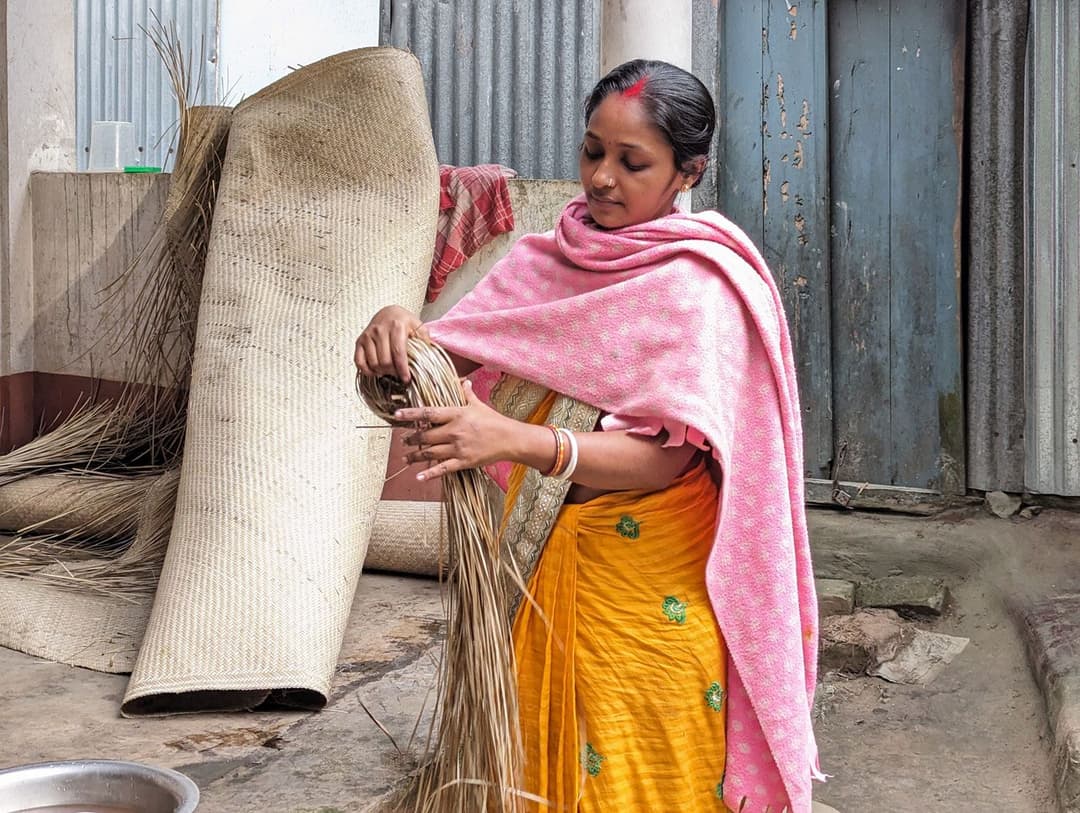
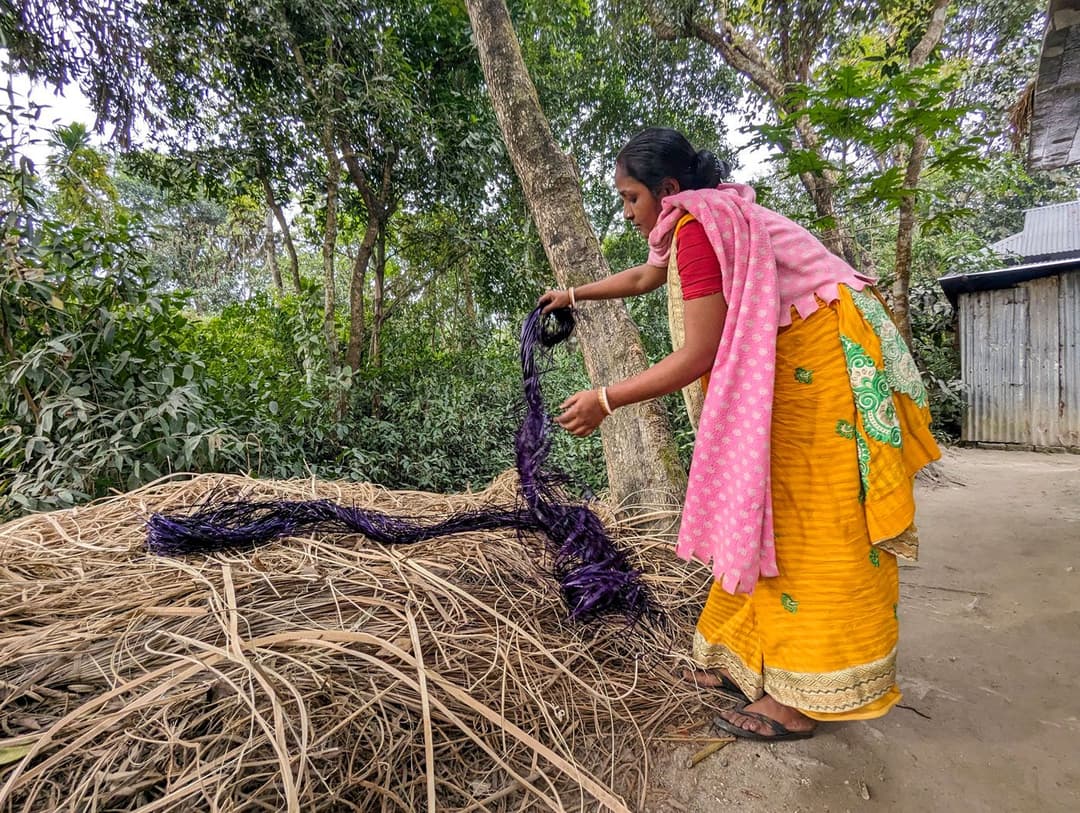
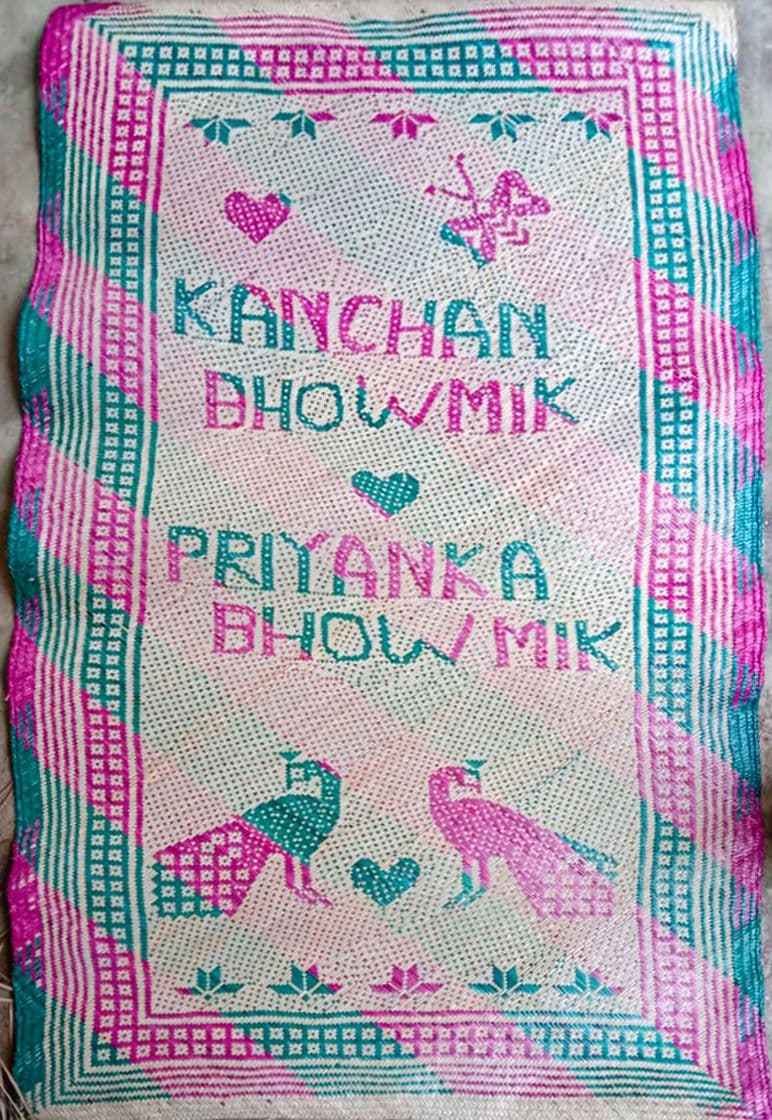
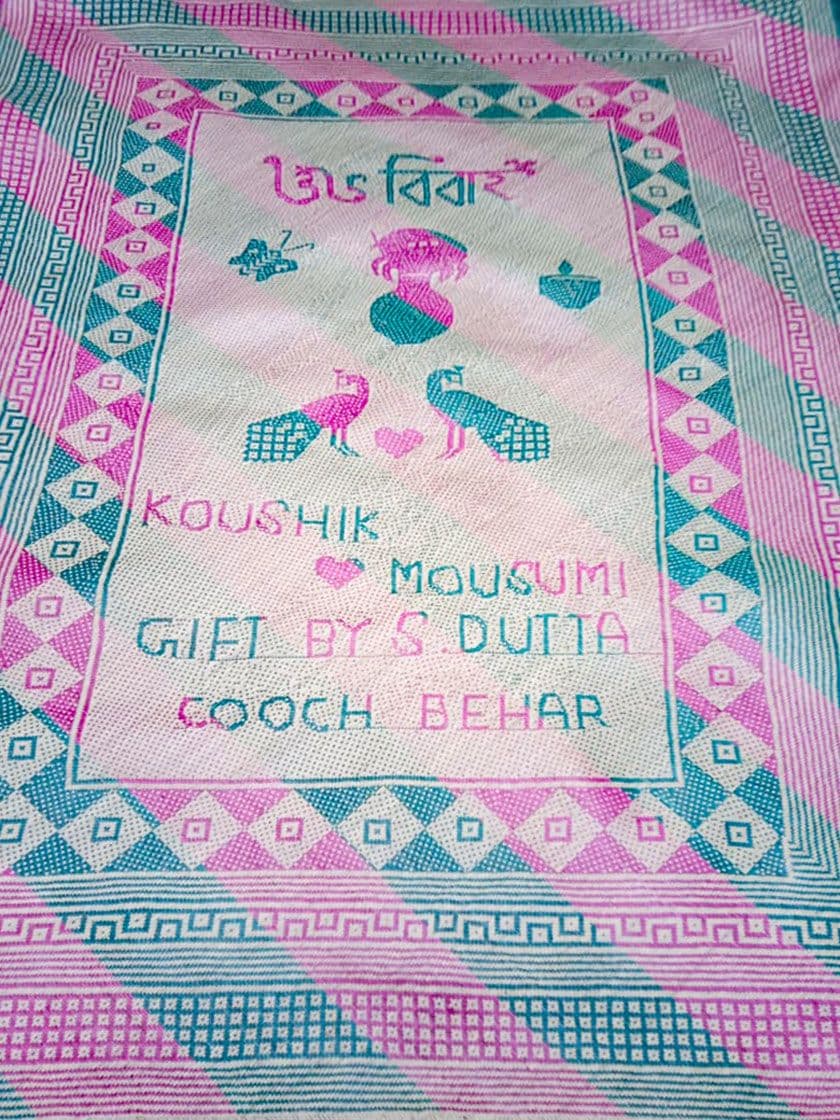
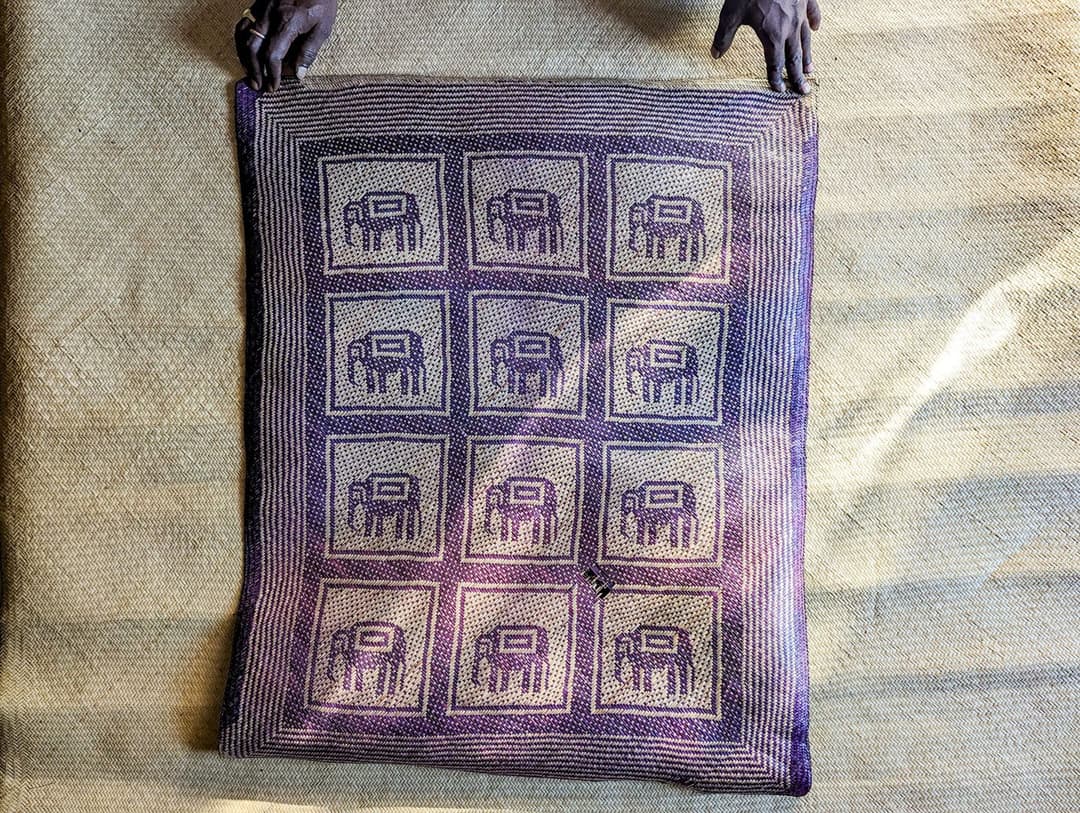
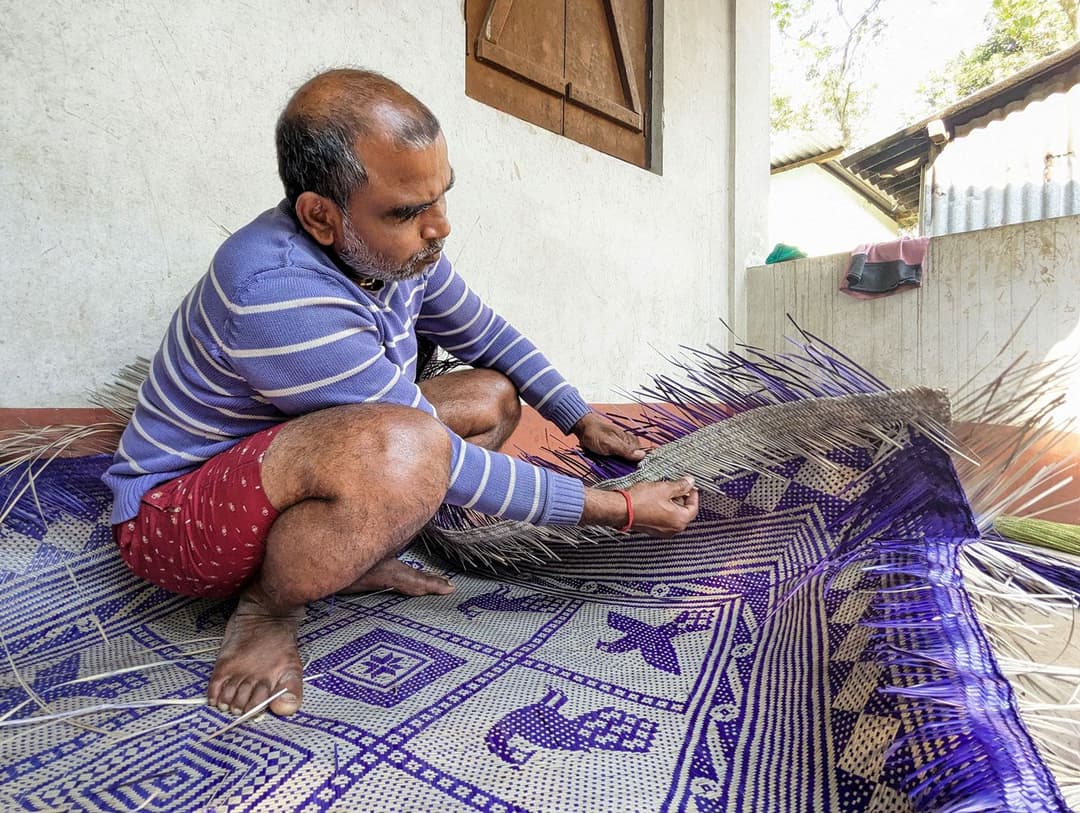
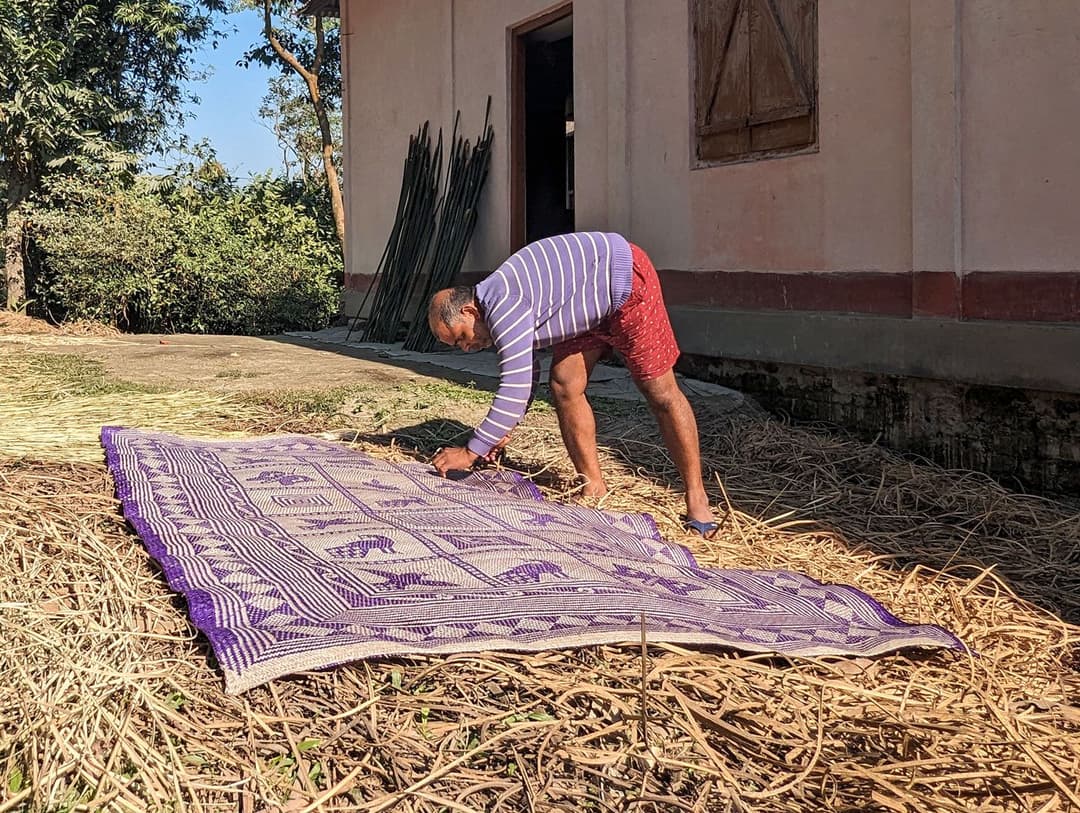
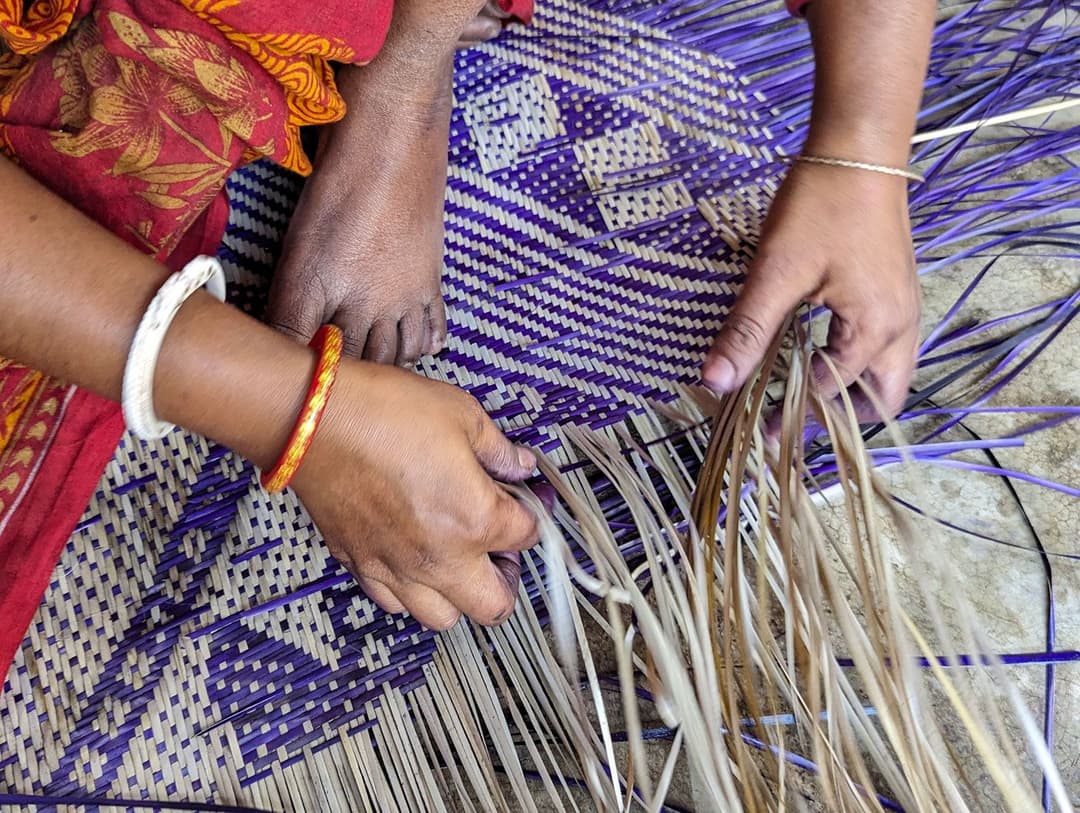
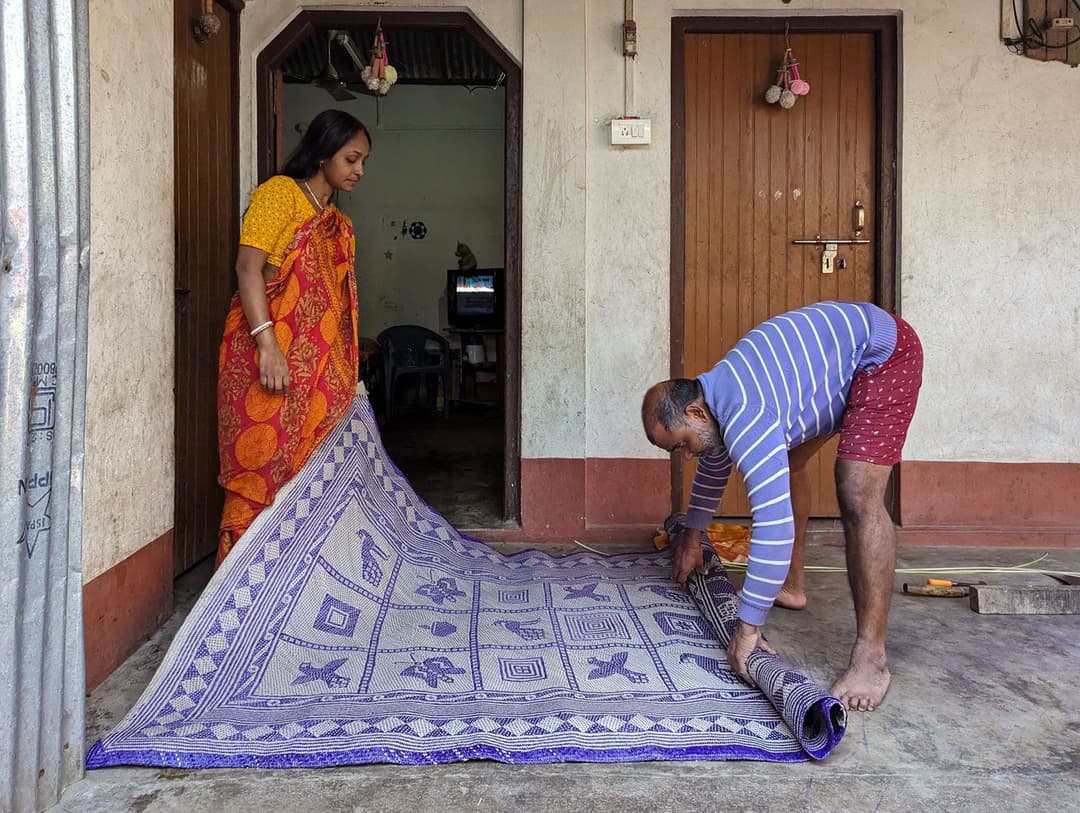
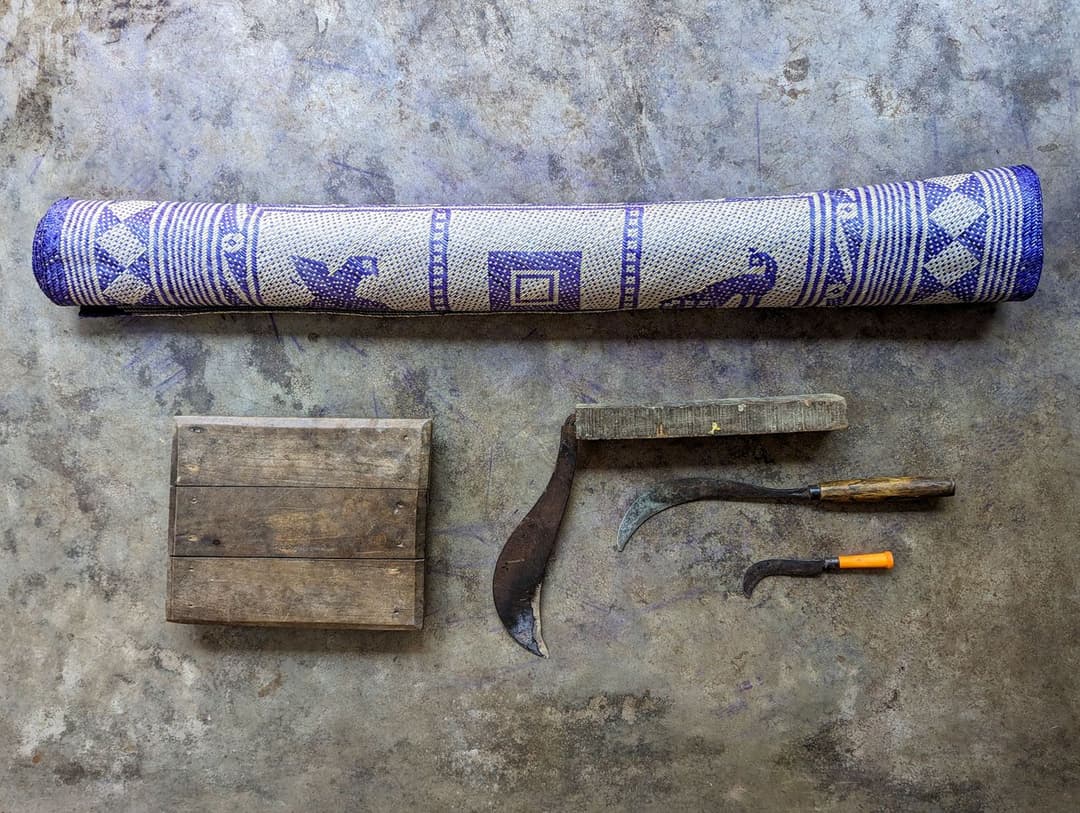
Made in West Bengal’s Cooch Behar district, these highly detailed cane mats, made with fine strips of starched cane, stand out from other mats for the cultural motifs on them.
“A traditional kamalkosh is adorned with auspicious motifs such as the kola gaach [banana tree], mayur [peacock], mangal ghat [urn with a coconut], swastik [symbolising well-being],” says Prabhati Dhar.
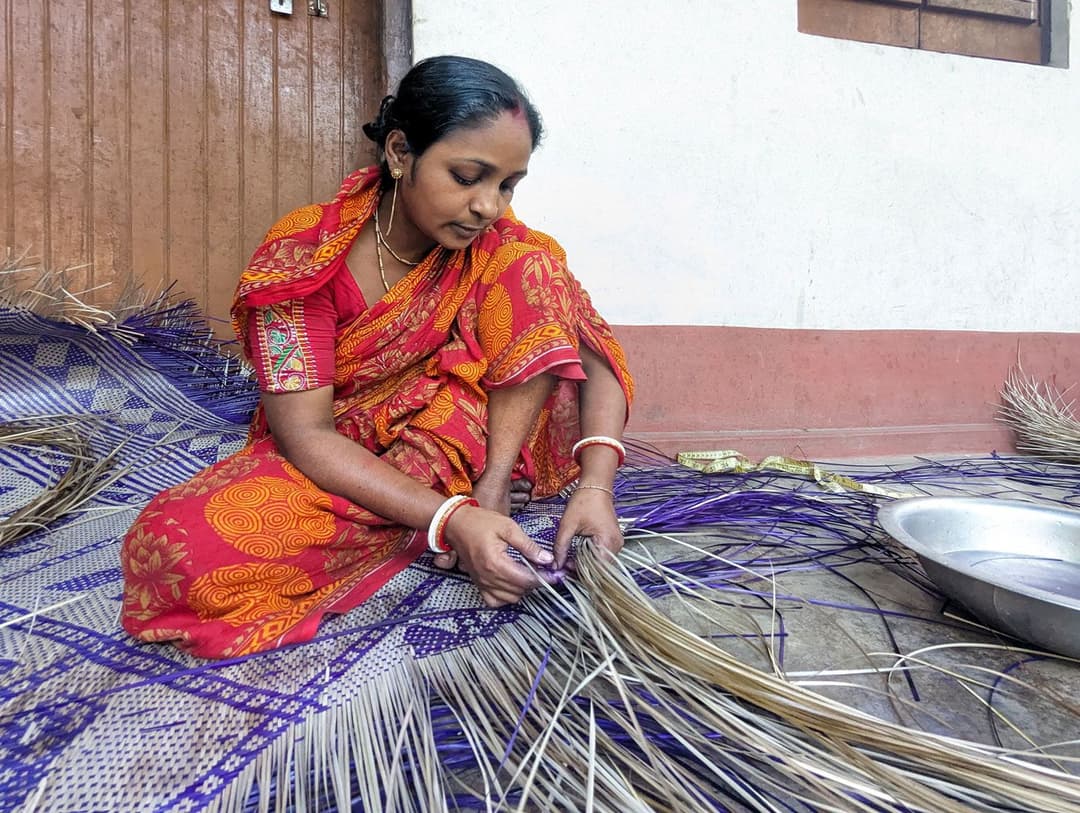
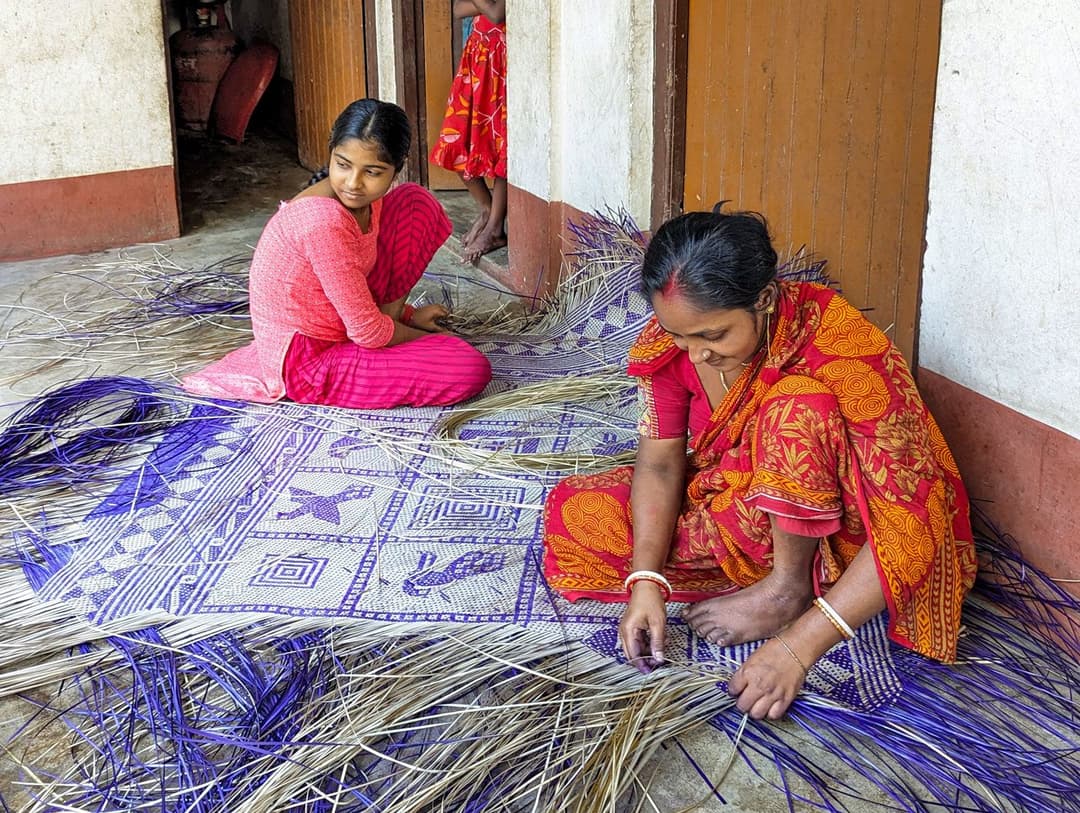
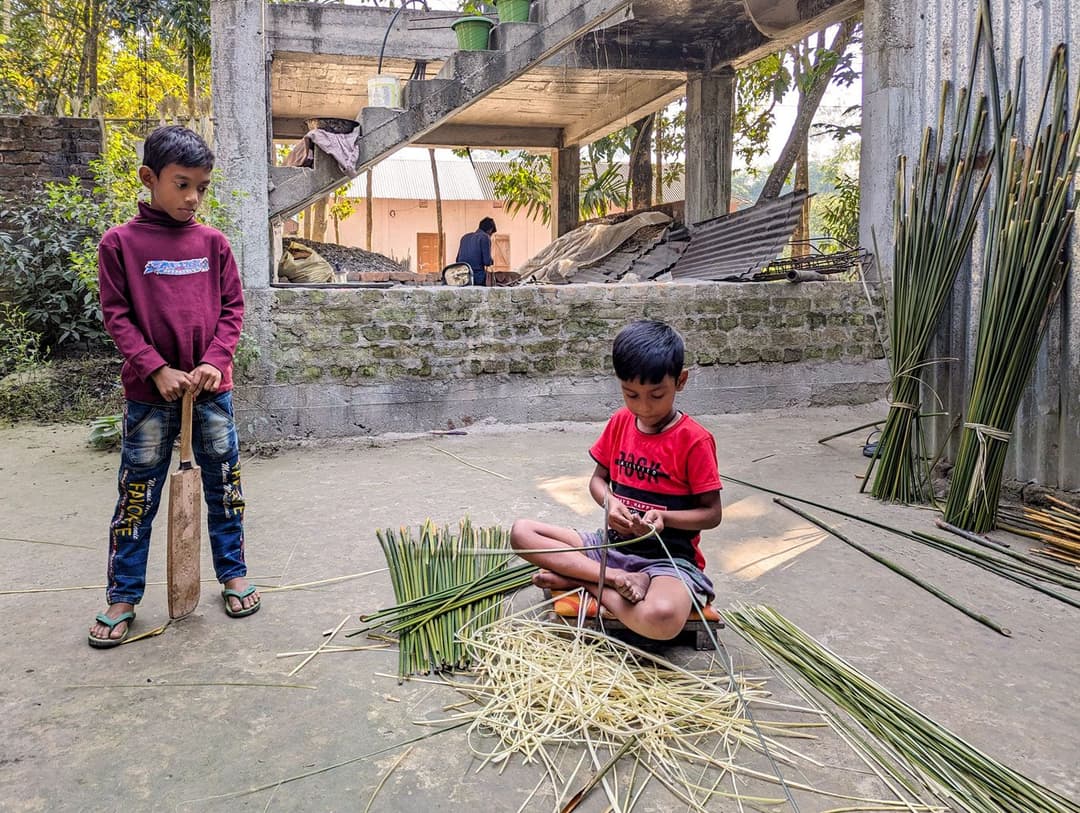
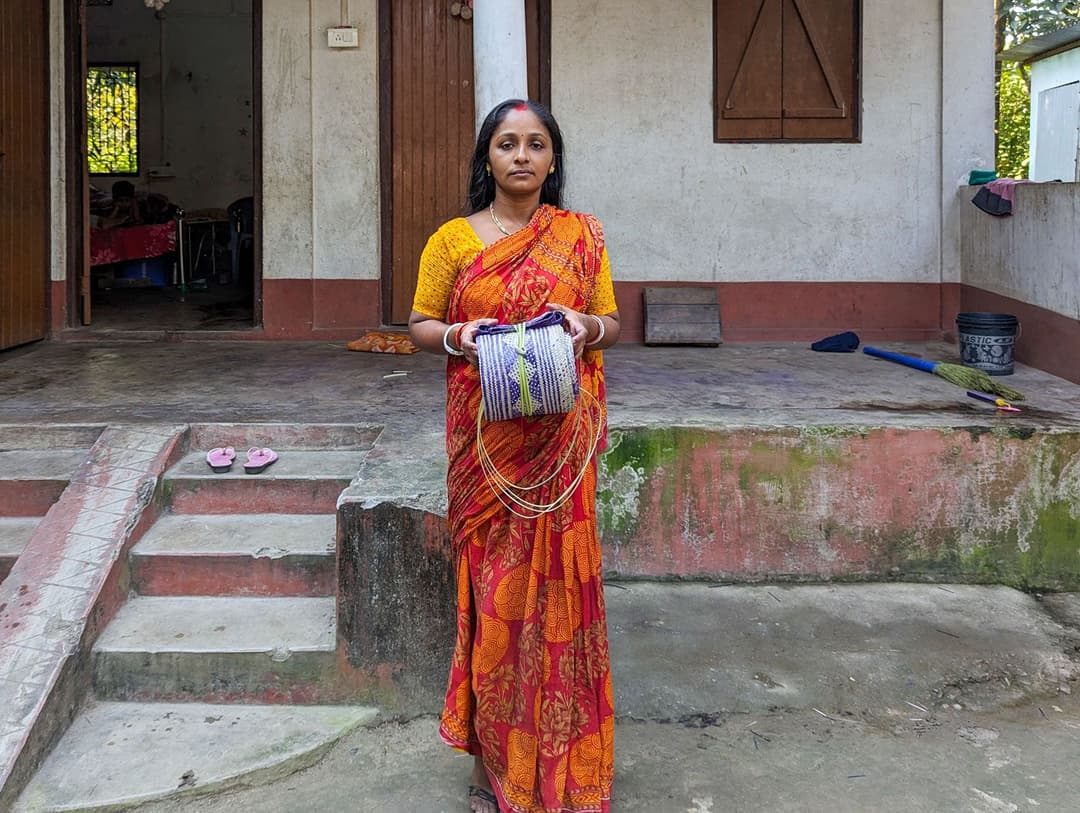
Prabhati is among the handful of weavers of kamalkosh who can weave these into a mat, and she started young, at the age of 10. “Everyone in this village [Ghegirghat] starts weaving mats from a very young age,” says the 36-year-old, dismissing any suggestion of precocity. “My mother could weave the kamalkosh only in parts, but my father had a good grasp of design and would explain well, saying, ‘try weaving this design like this’. Although he couldn’t weave himself, Prabhati feels she gained a great deal from his detailed explanations.
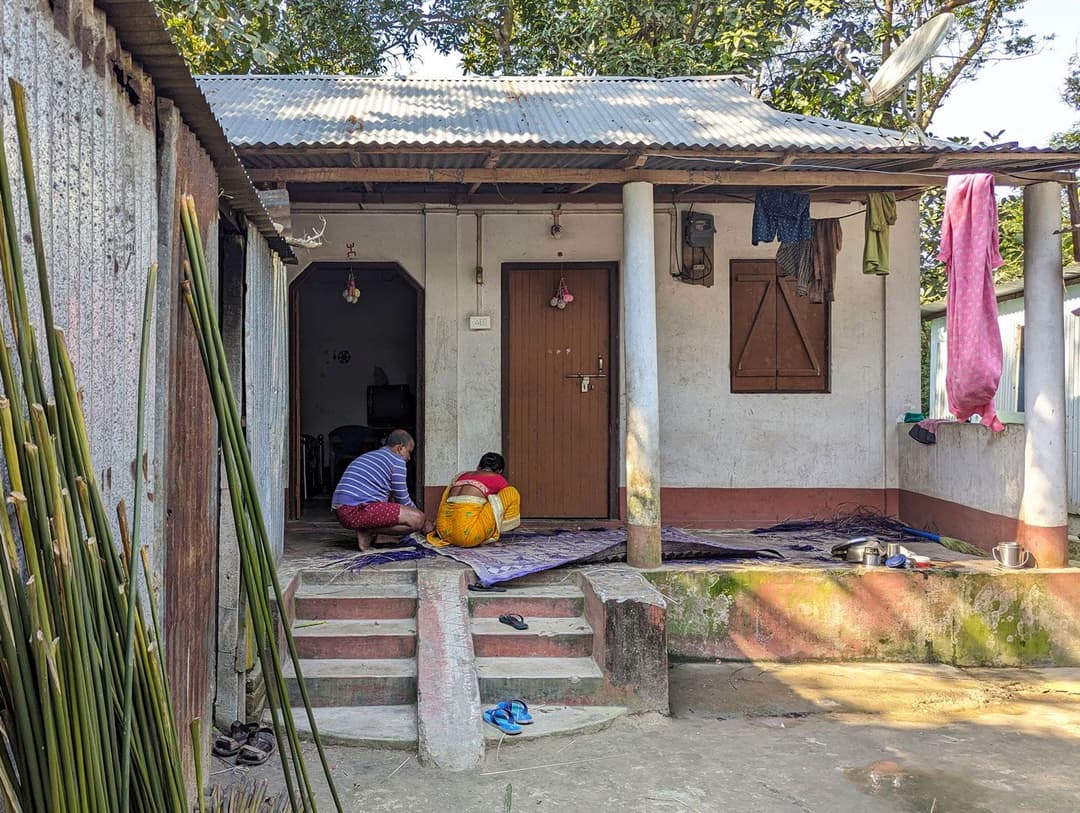
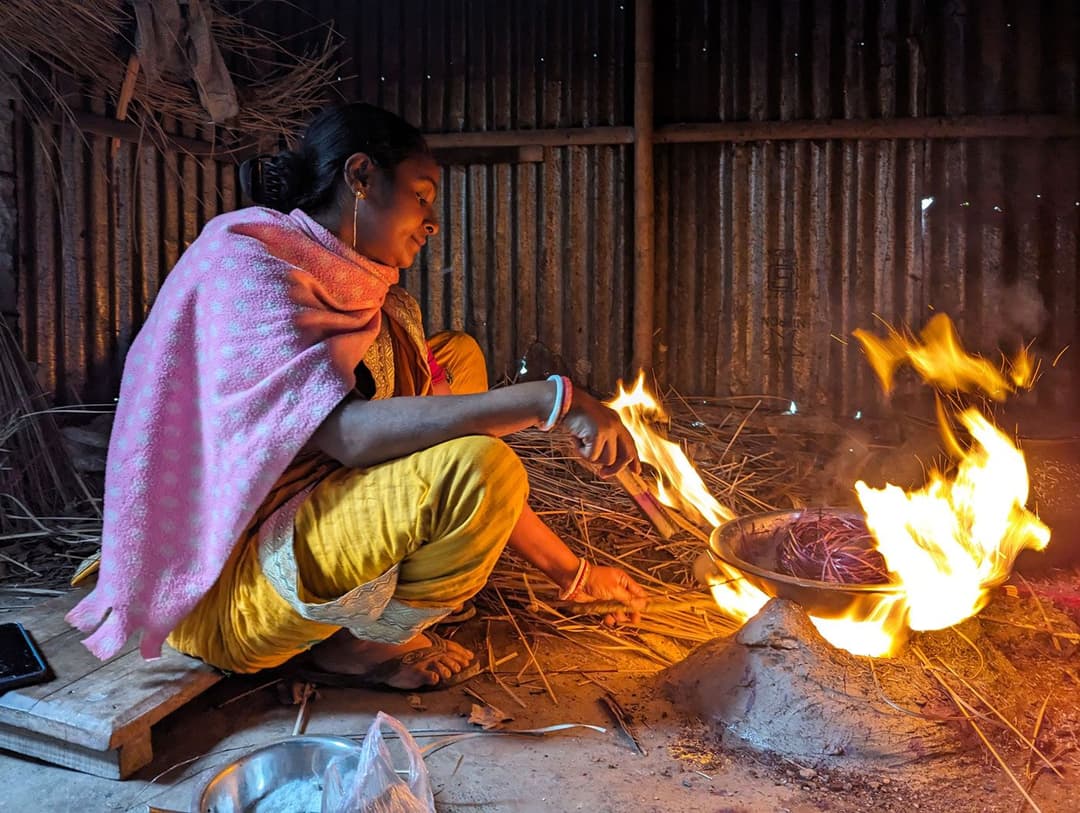
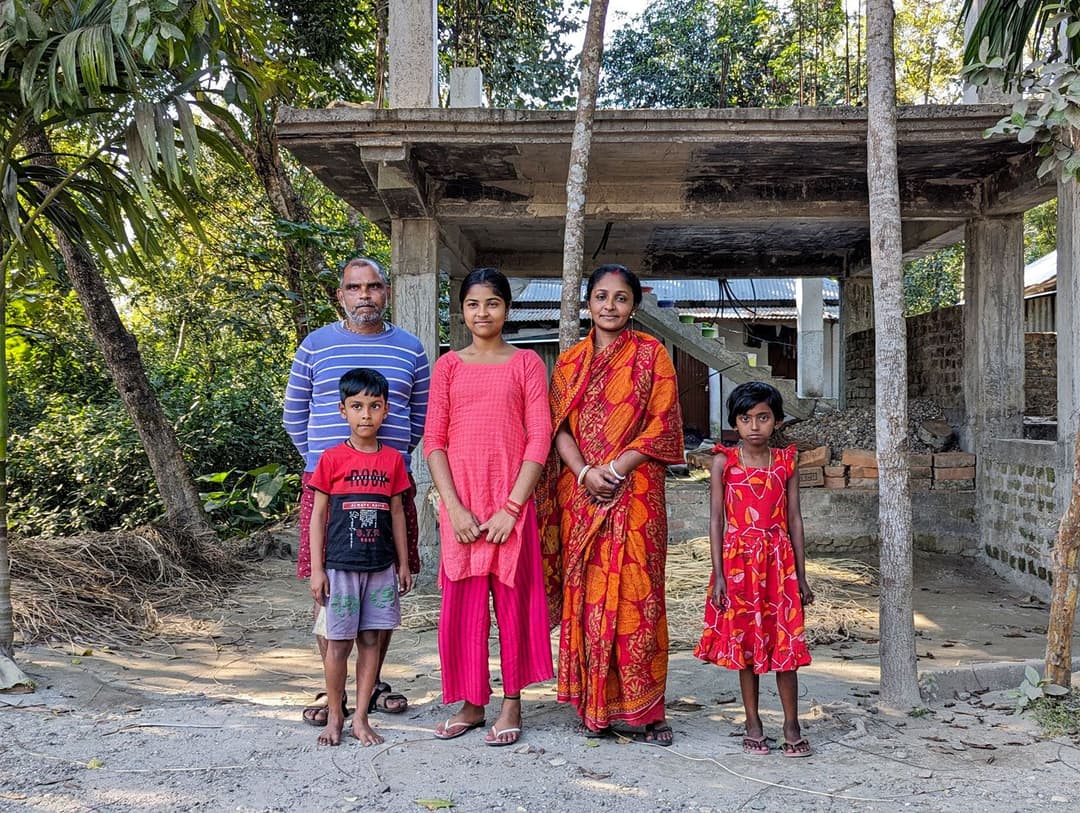
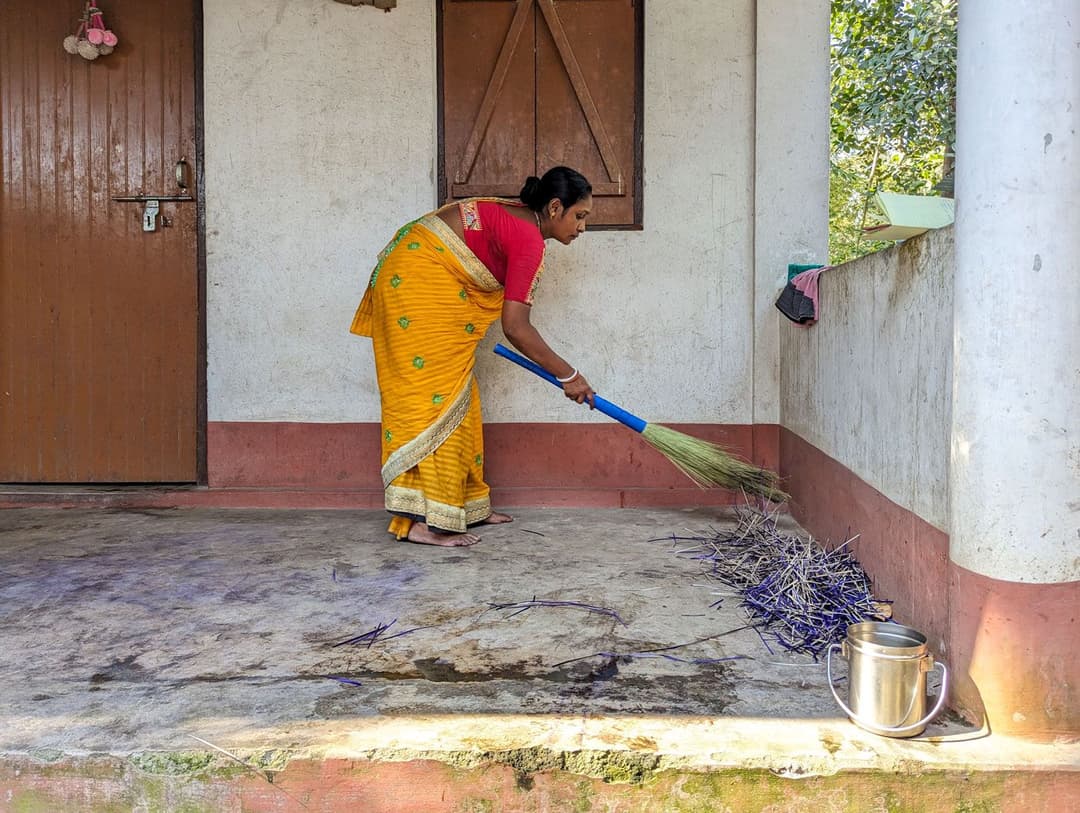
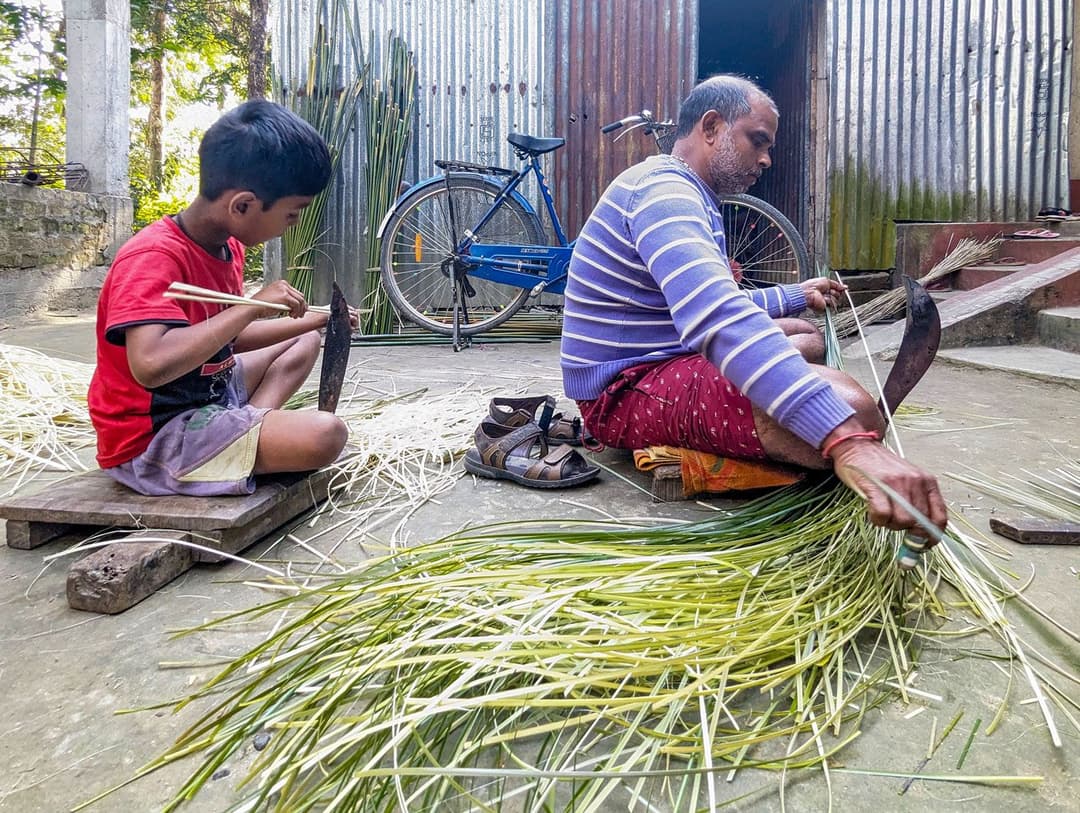
We are sitting in the verandah of her home in Ghegirghat. The covered porch is where most weavers in the region prefer to work. Her family is all around her, helping with various tasks connected to the craft. The actual weaving of the motifs within the strands of the mat, is conceptualised and crafted only by her. “We are habituated to doing this with our memory,” she says about her design process.