
It’s 9 in the morning, and Azad Maidan in Mumbai is alive with young cricketers getting ready for a fun weekend game. There are frequent cries of joy and anguish as the game proceeds.
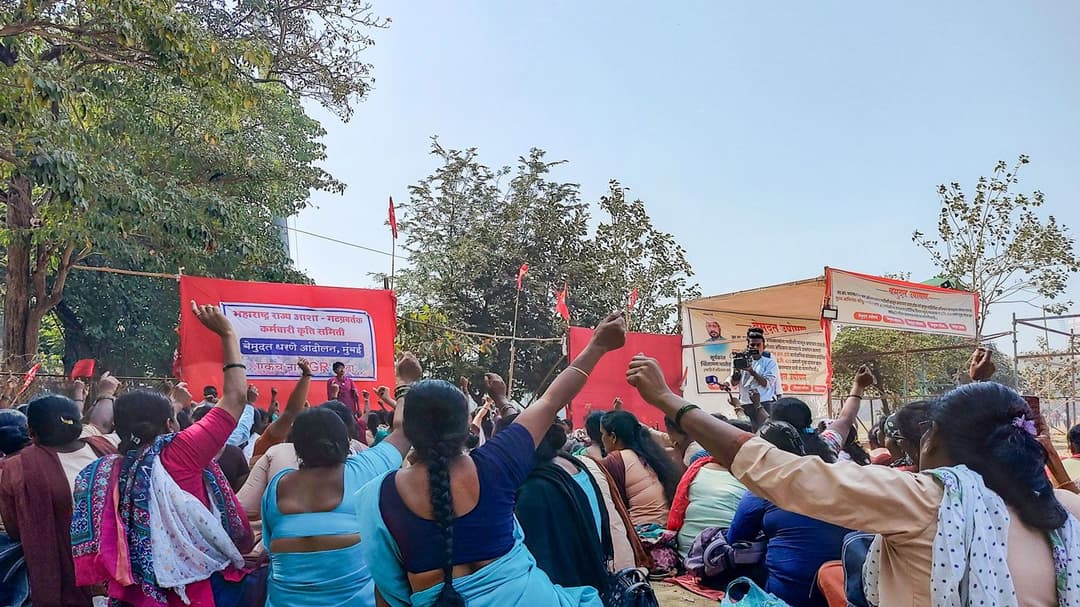
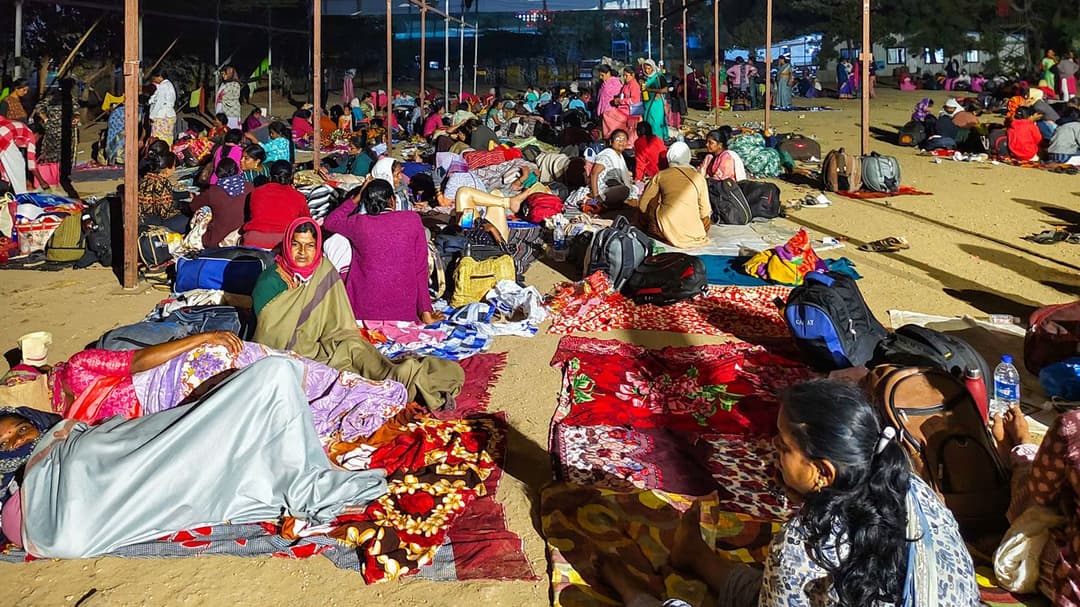
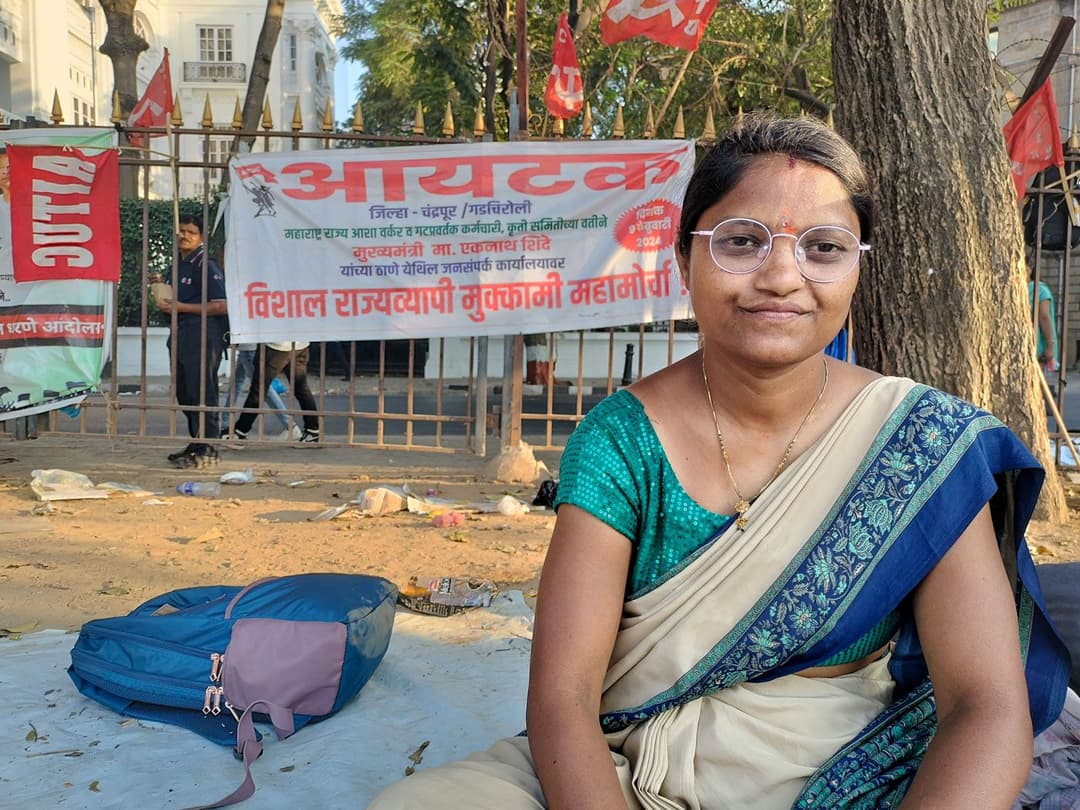
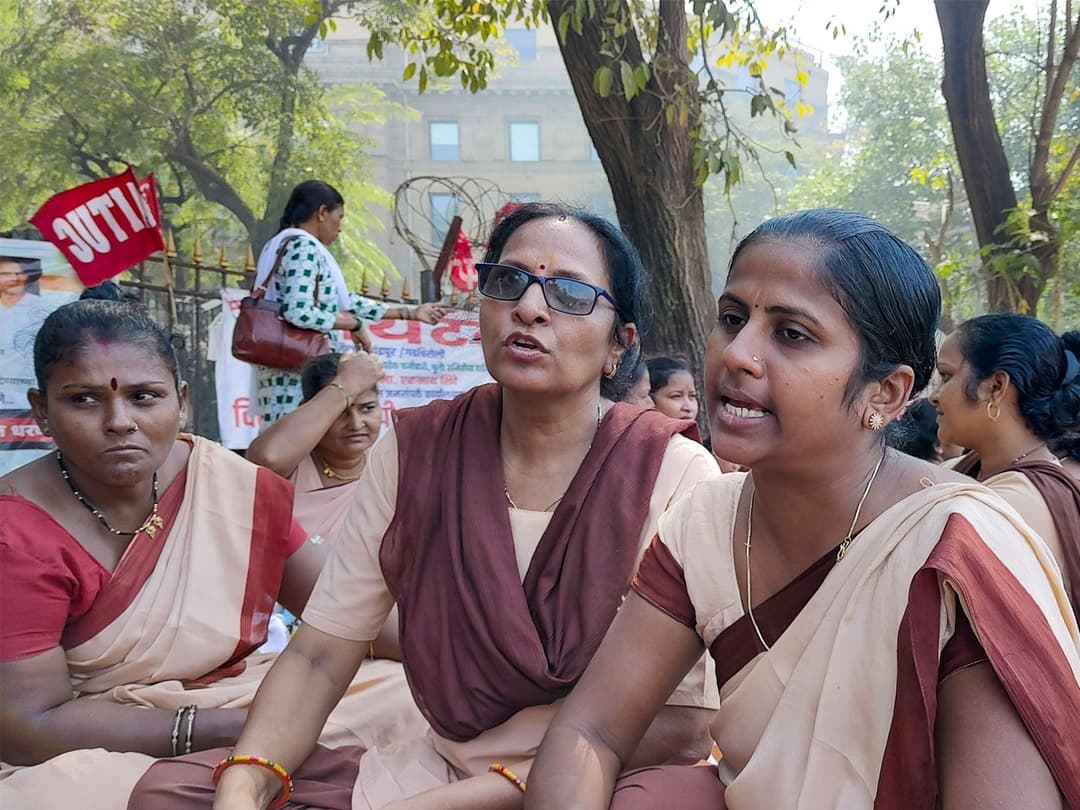
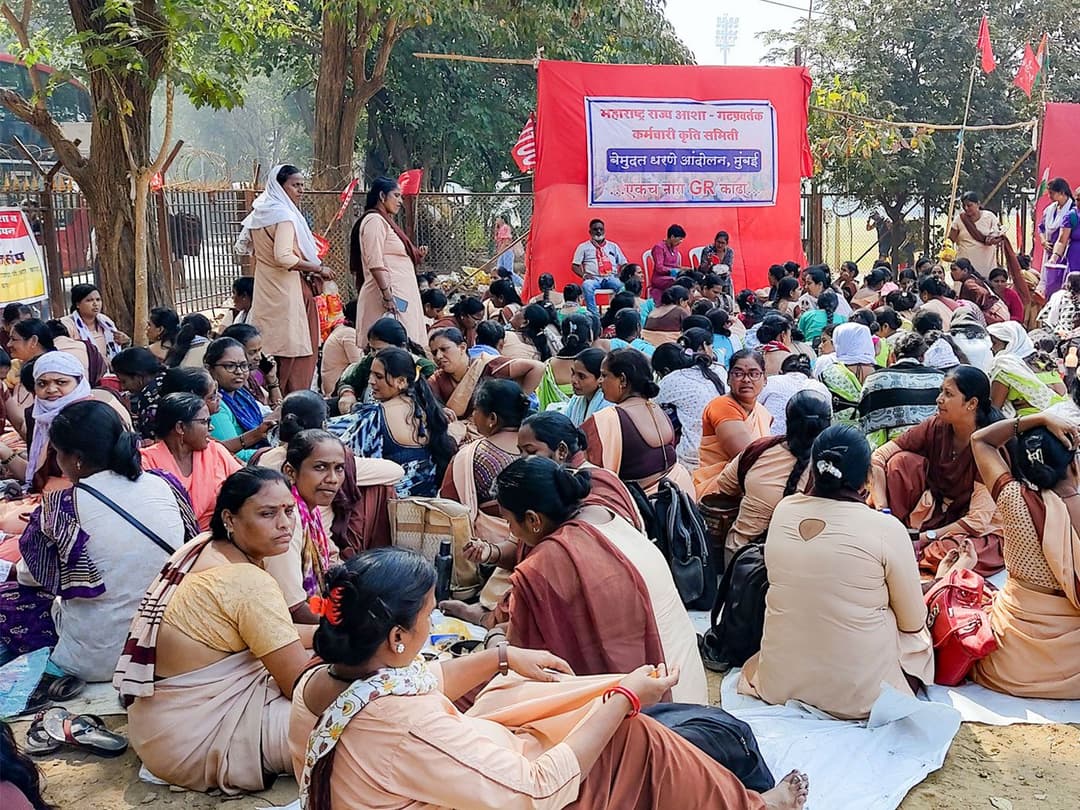
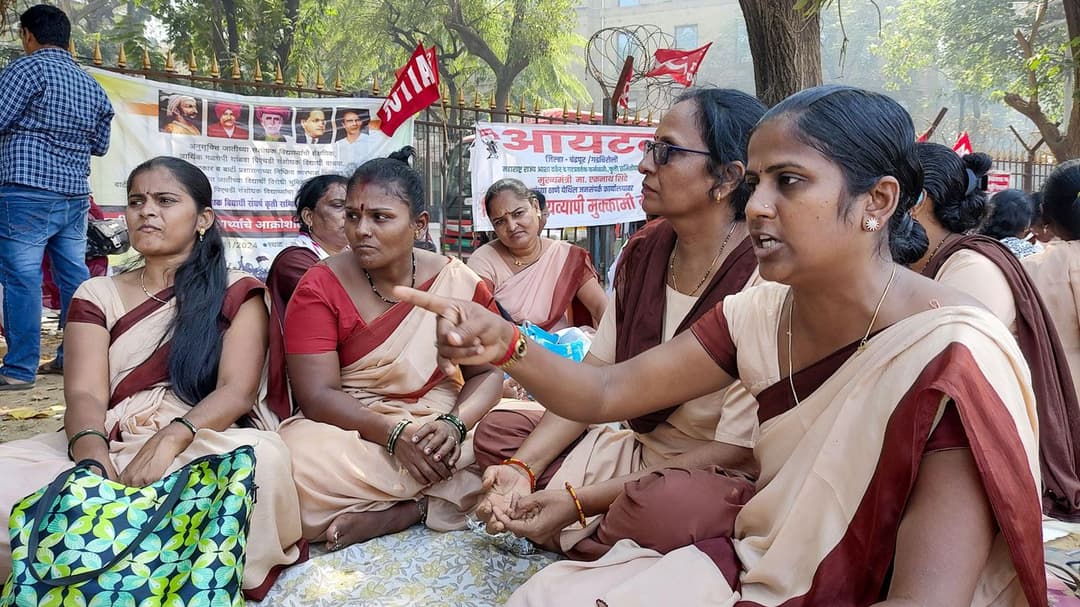
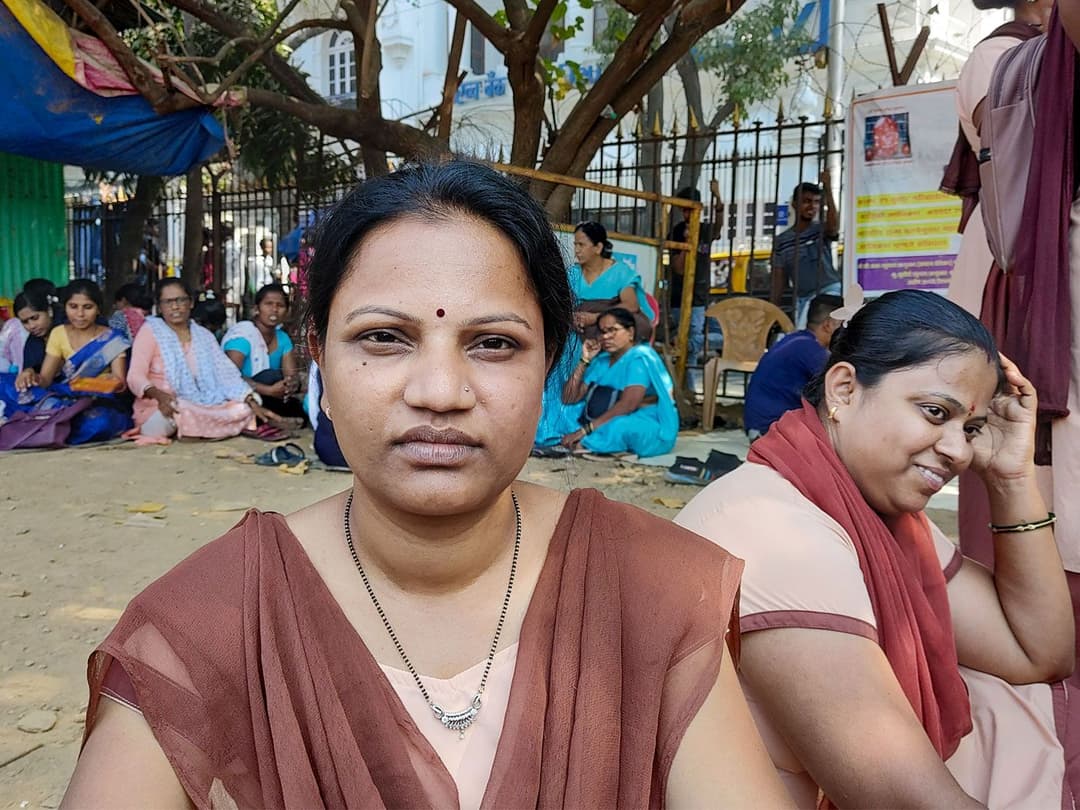
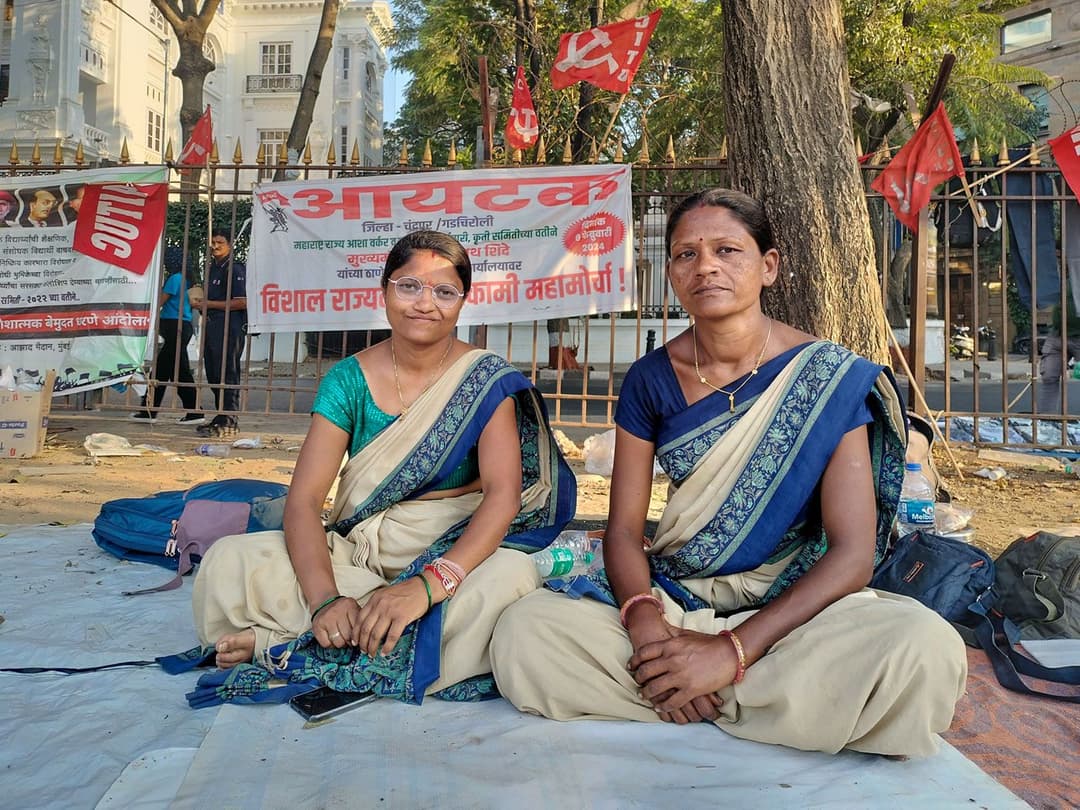
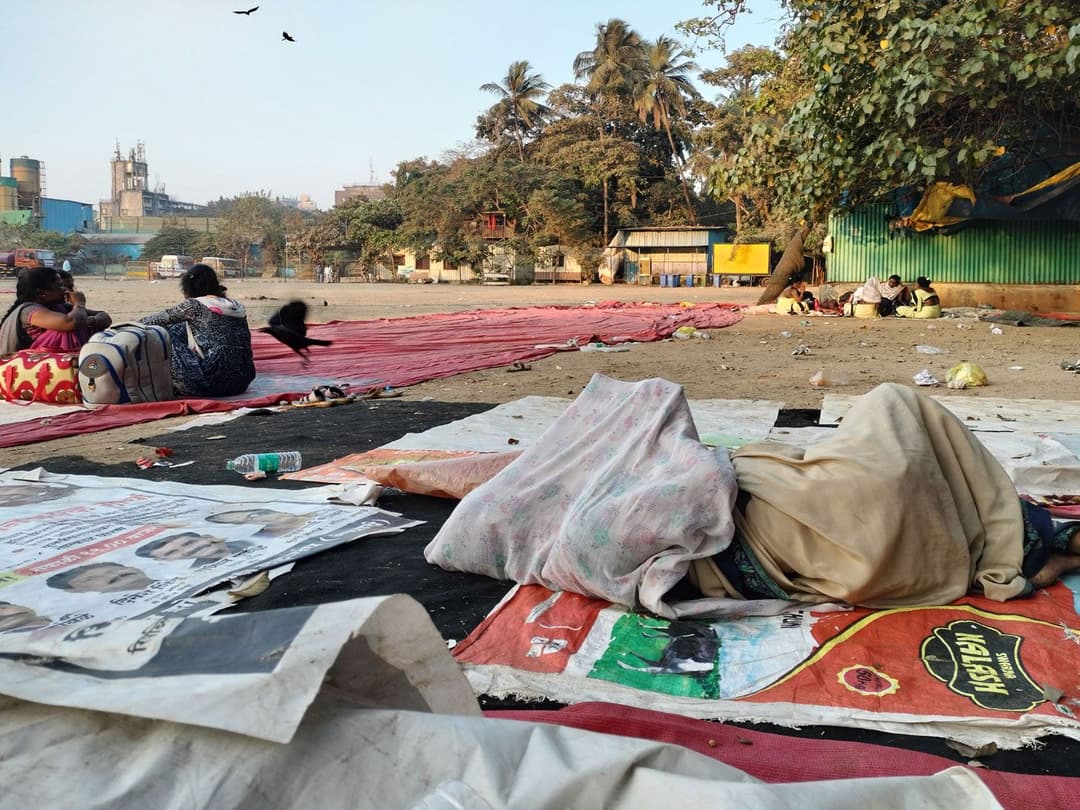
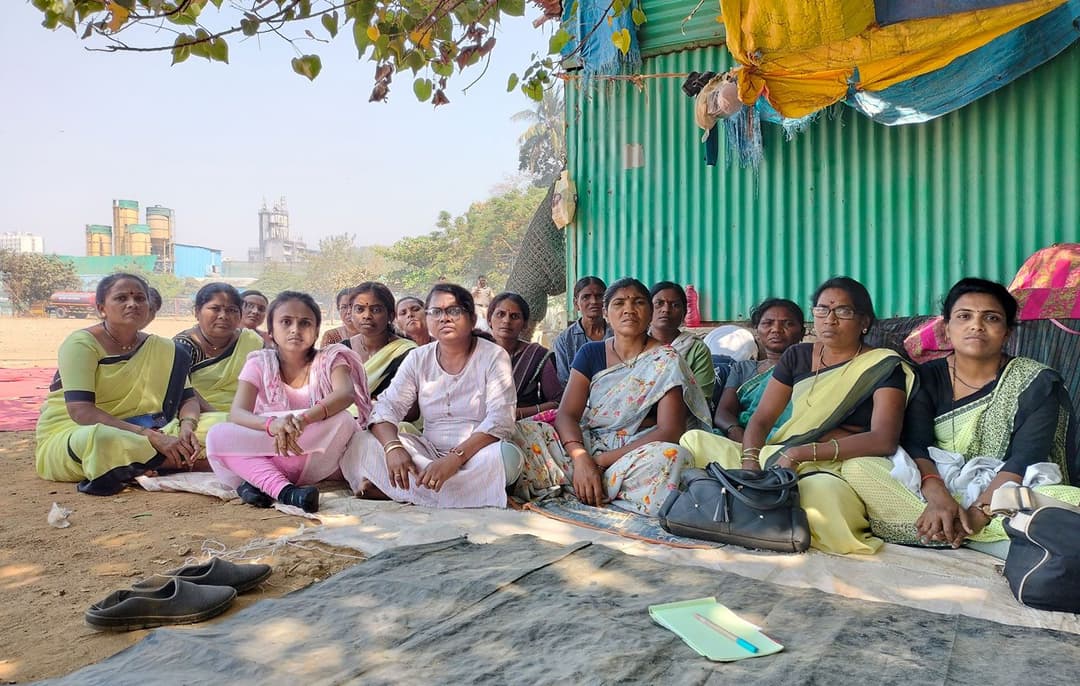
Barely 50 metres away, another ‘game’ proceeds silently with 5,000 participants. This one has been going on longer, the stakes are higher and there is no end in sight for the thousands of Accredited Social Health Activists (ASHA) – healthcare workers – protesting last month at Mumbai's Azad Maidan. More than 50 women participants had to be hospitalised in the first week of the agitation, which began on February 9.
Within view of the busy road, an ASHA in her early 30s sits down on the ground. She glances around nervously, avoiding the stares of people passing by. A group of women gather around, covering her with dupattas and a chadar as she quickly changes her clothes.
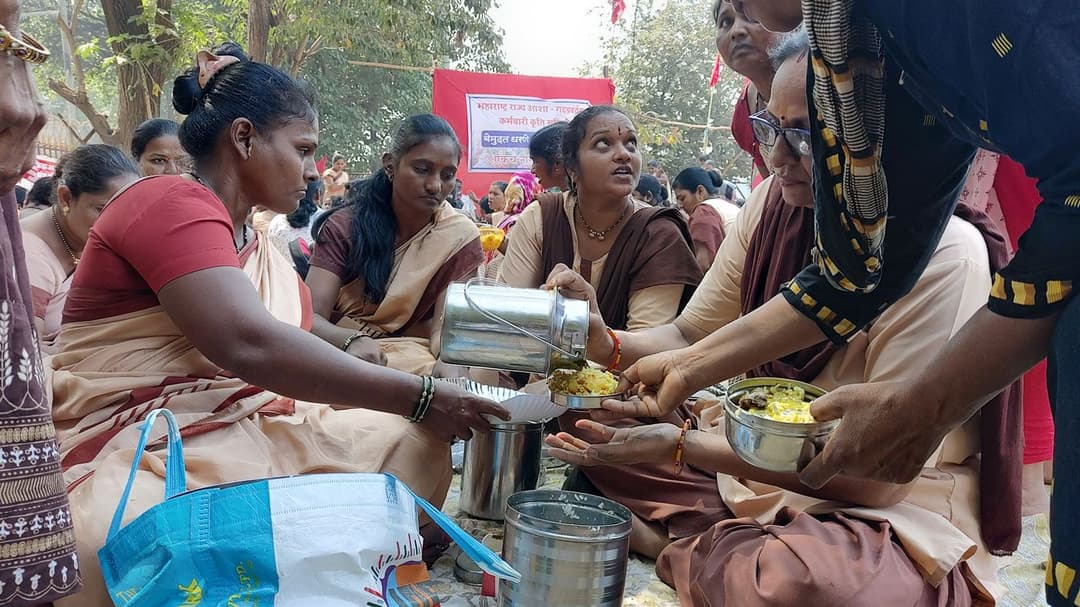
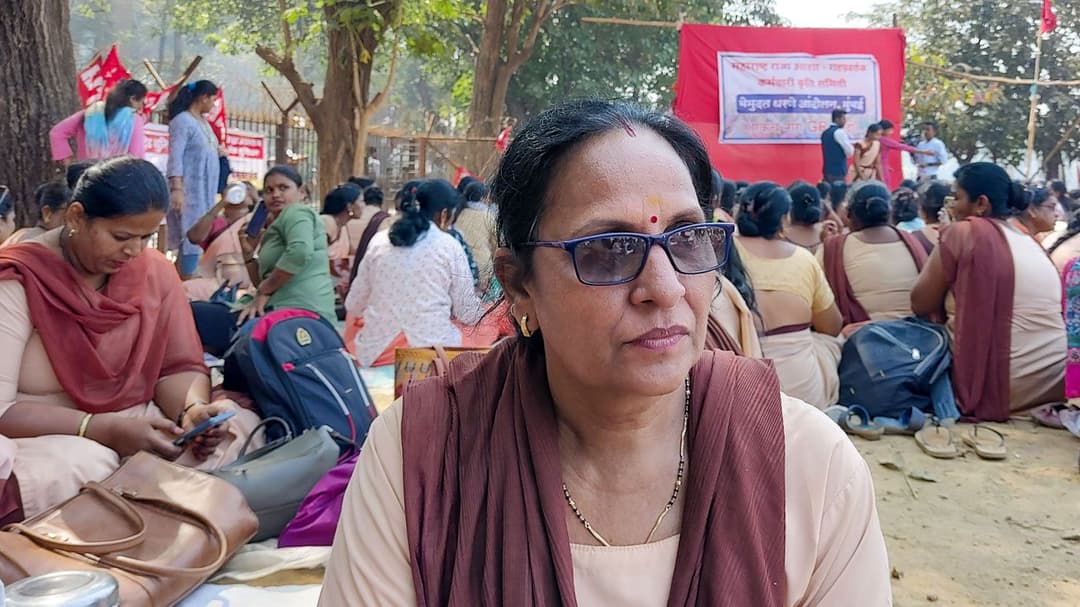
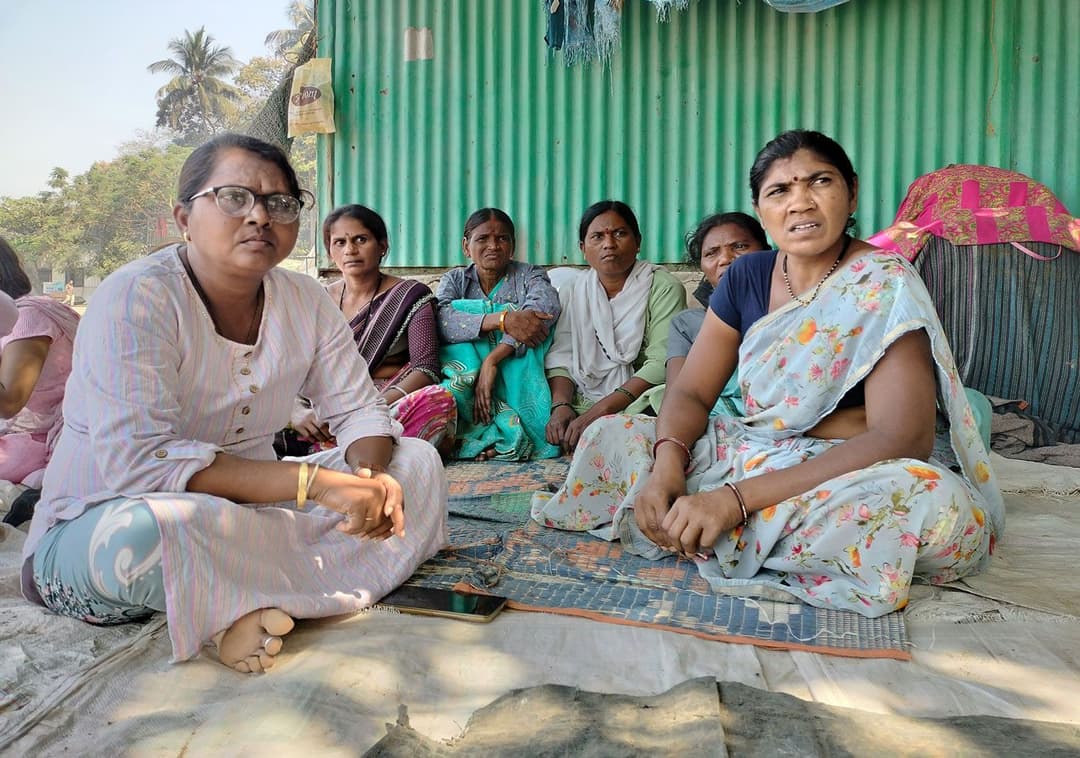
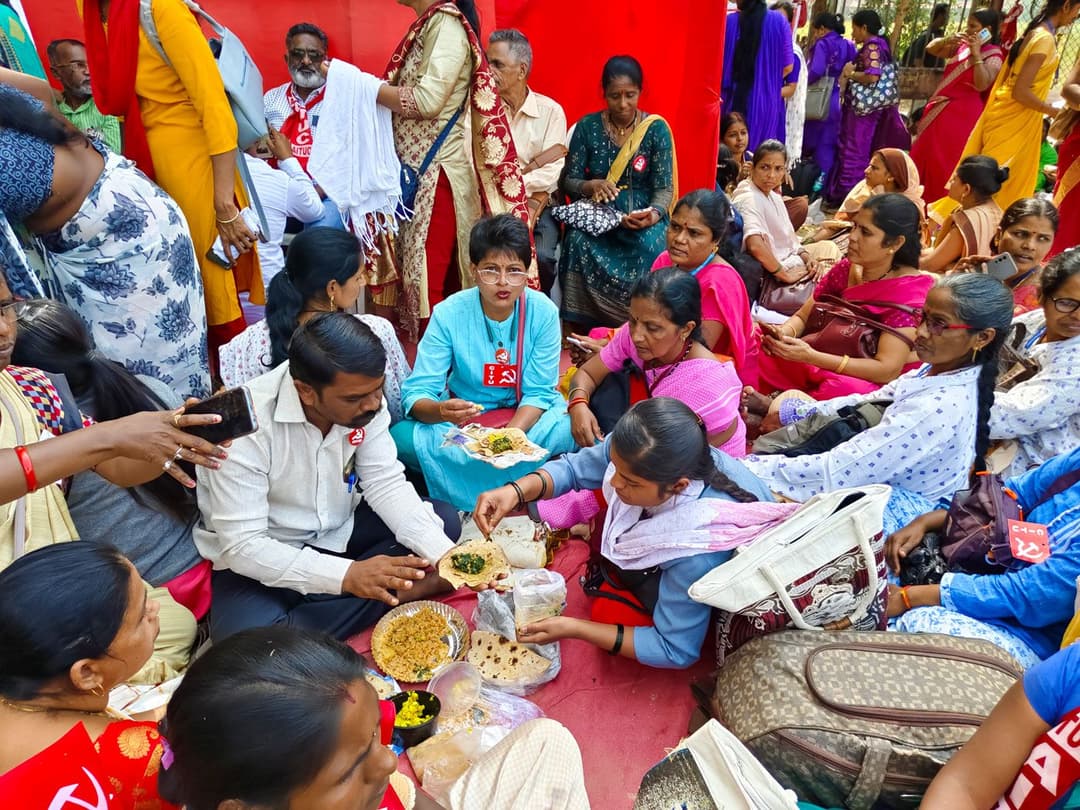
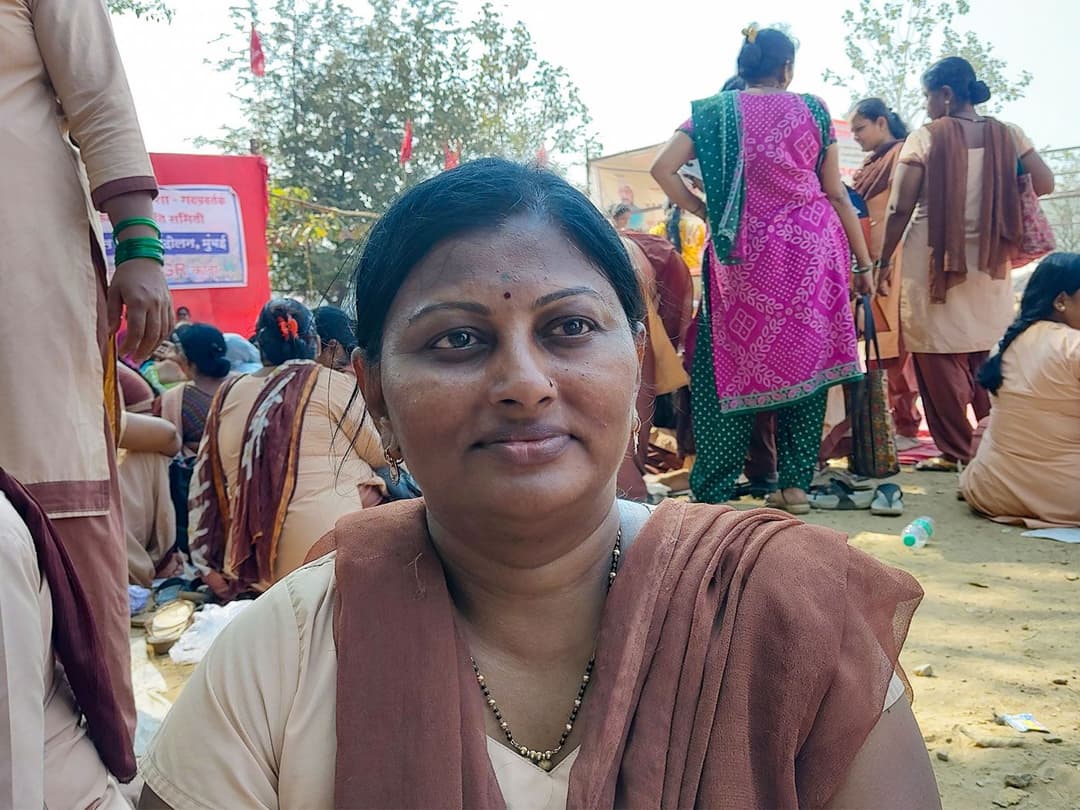
A few hours later, at lunchtime, under the scorching midday sun, ASHAs gather around their colleague, Rita Chawre, each holding empty tiffin boxes, plates, and even lids. They patiently wait their turn as the 47-year-old serves them homemade food. "I manage to feed around 80-100 ASHAs protesting here," says Rita who travelled around two hours to Azad Maidan daily from Tisgaon in Thane district, along with 17 other ASHAs.
“We are taking turns to ensure no ASHA remains hungry. But we are falling sick now. And we are tired,” she adds, speaking to PARI at the end of February 2024.