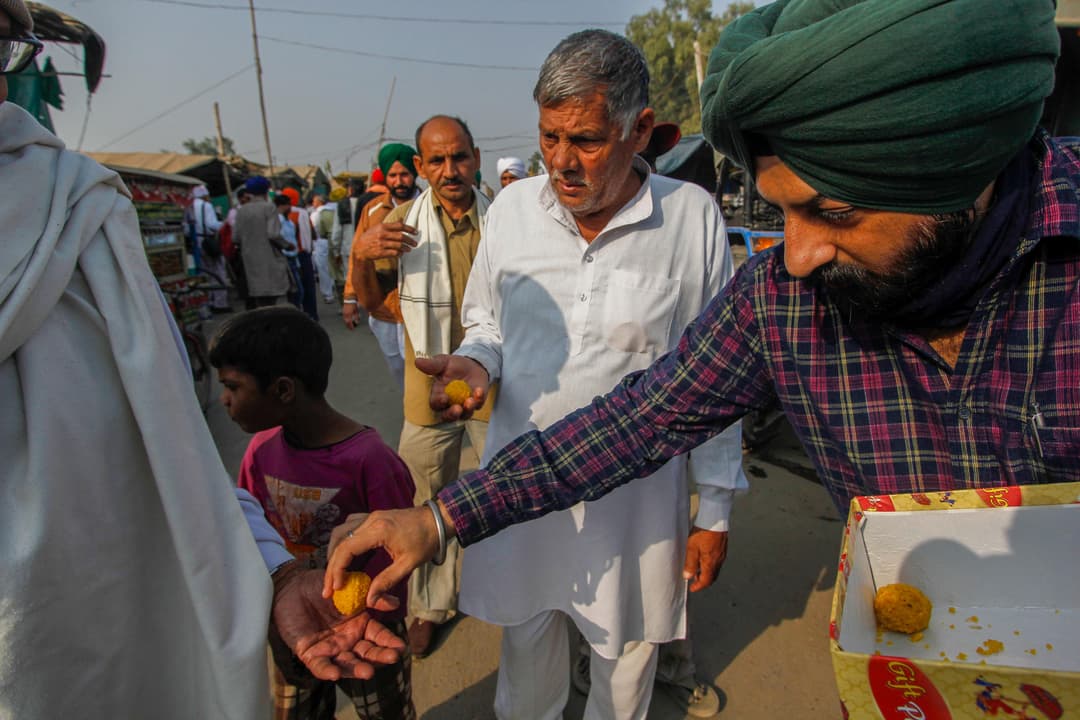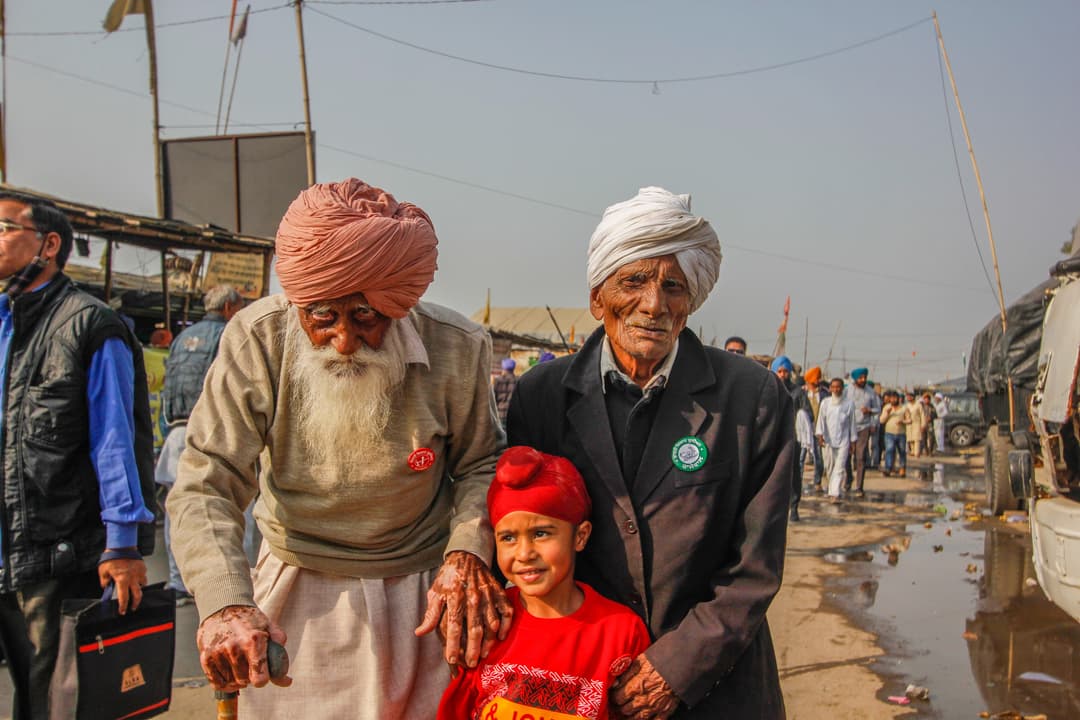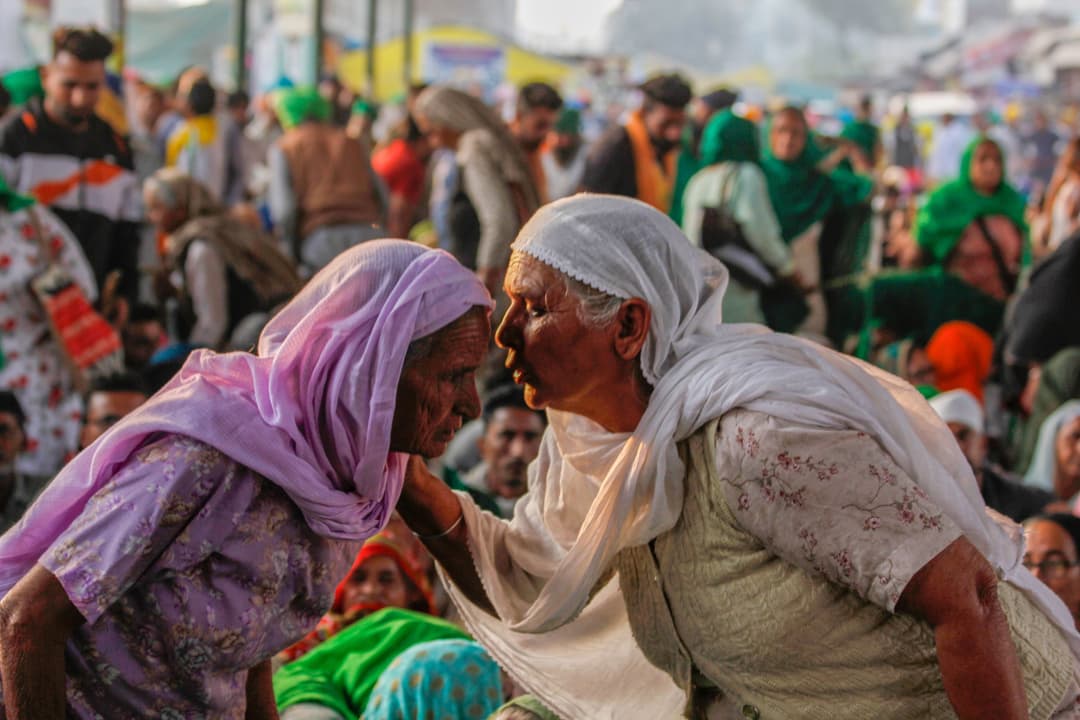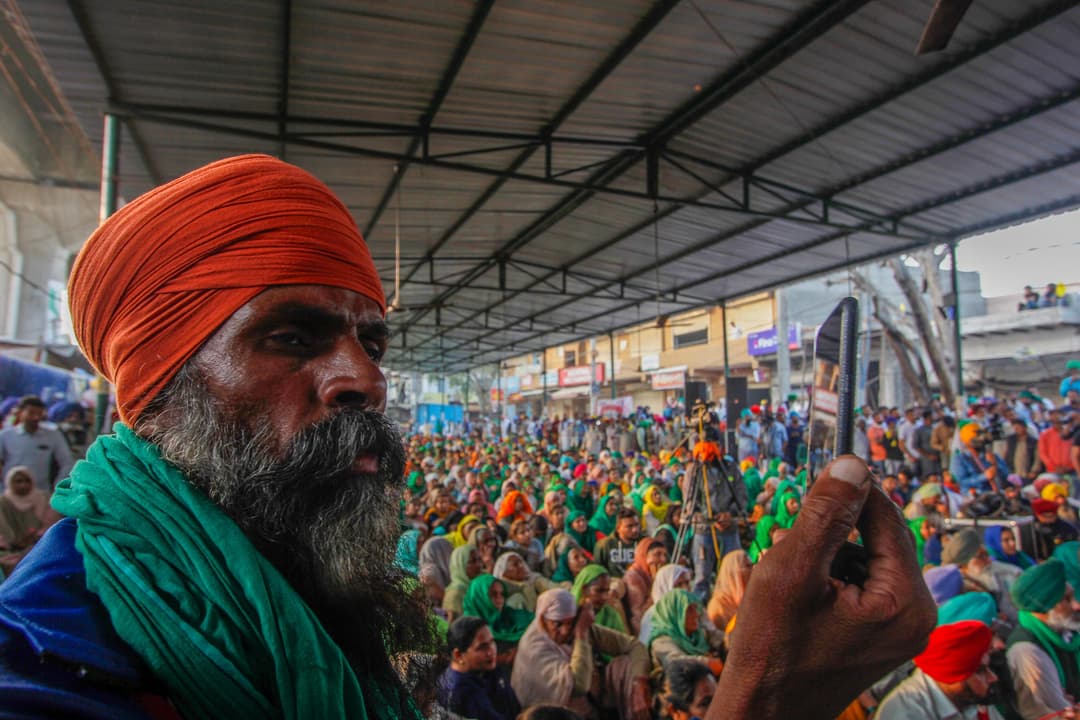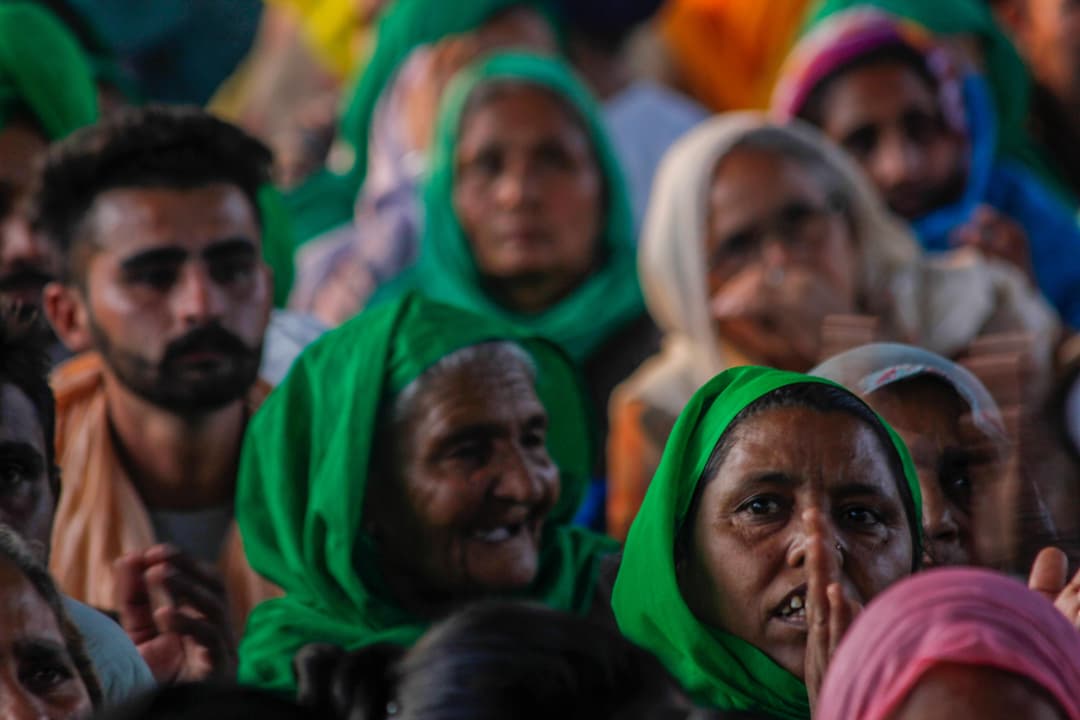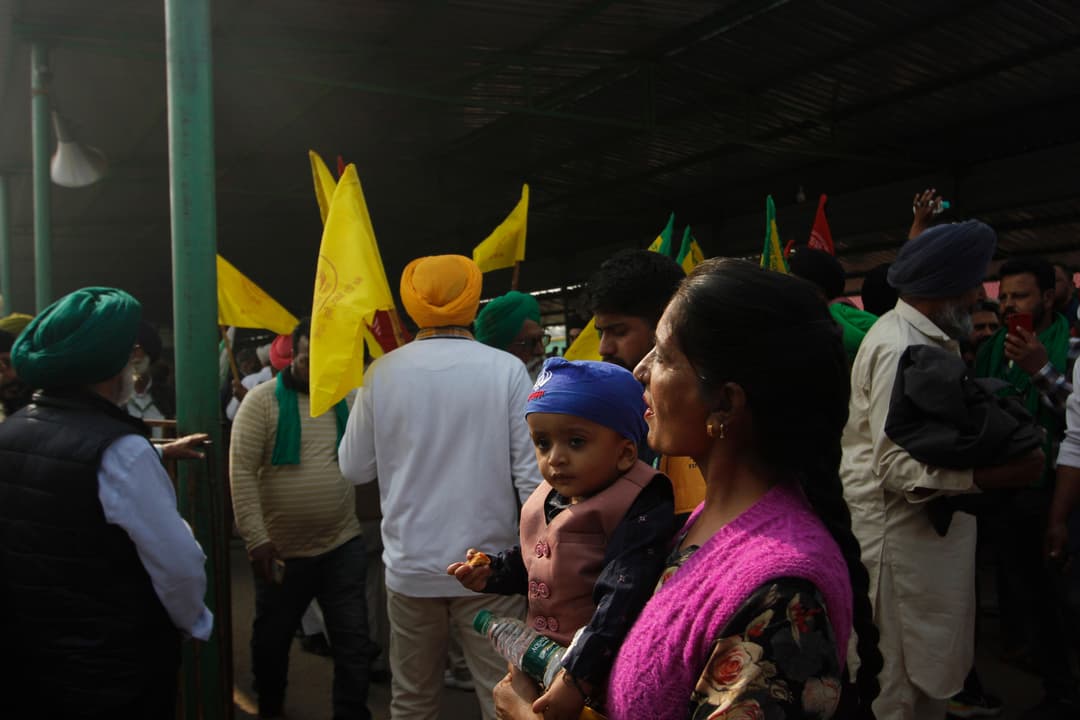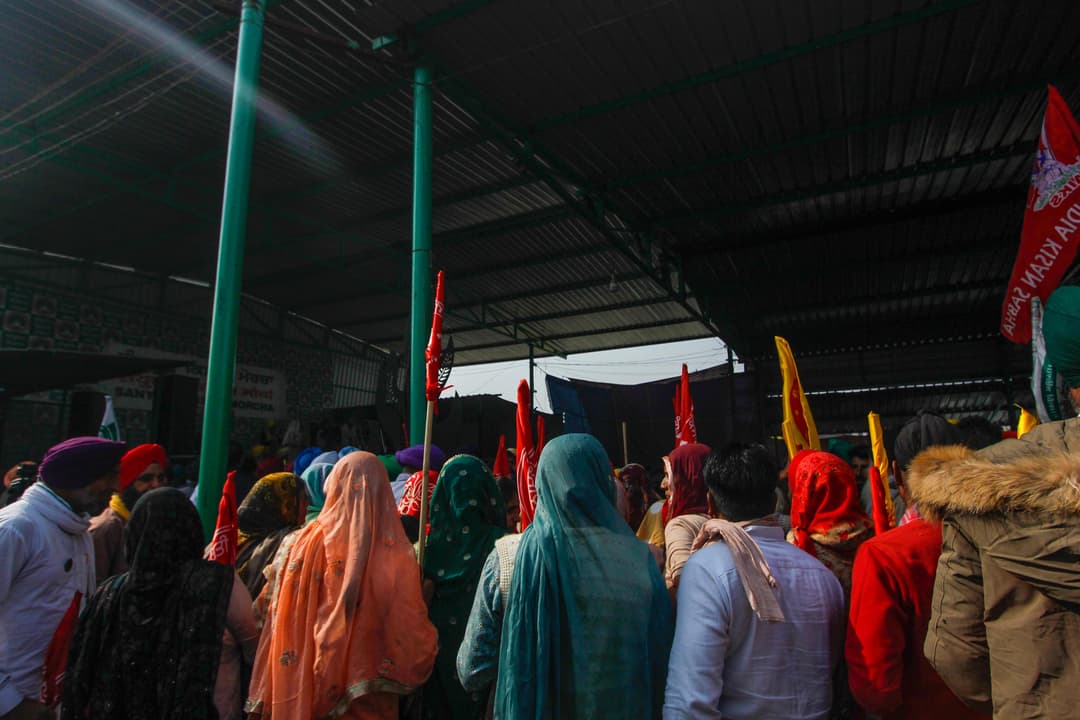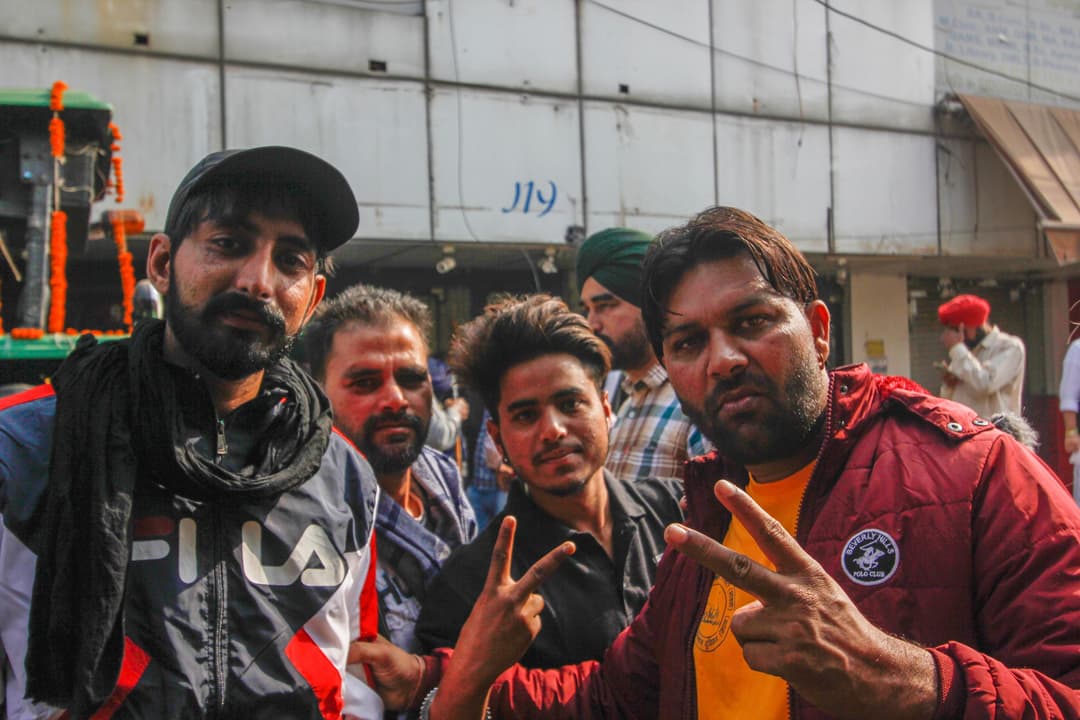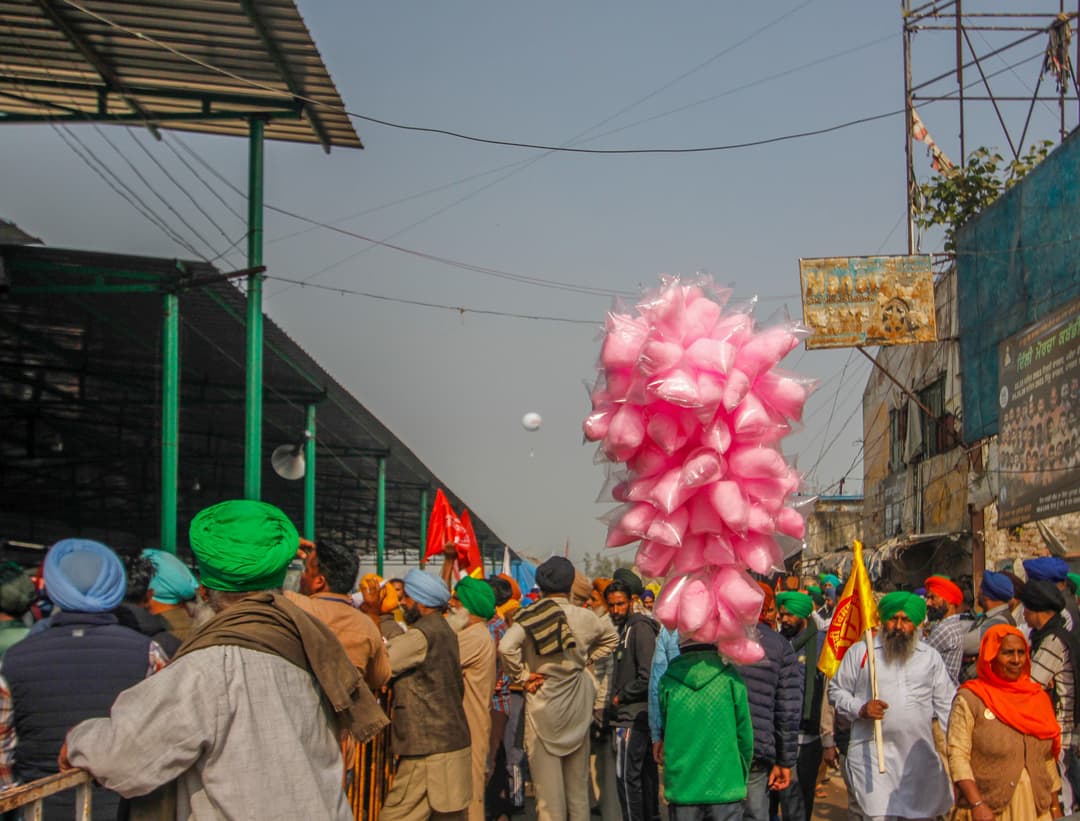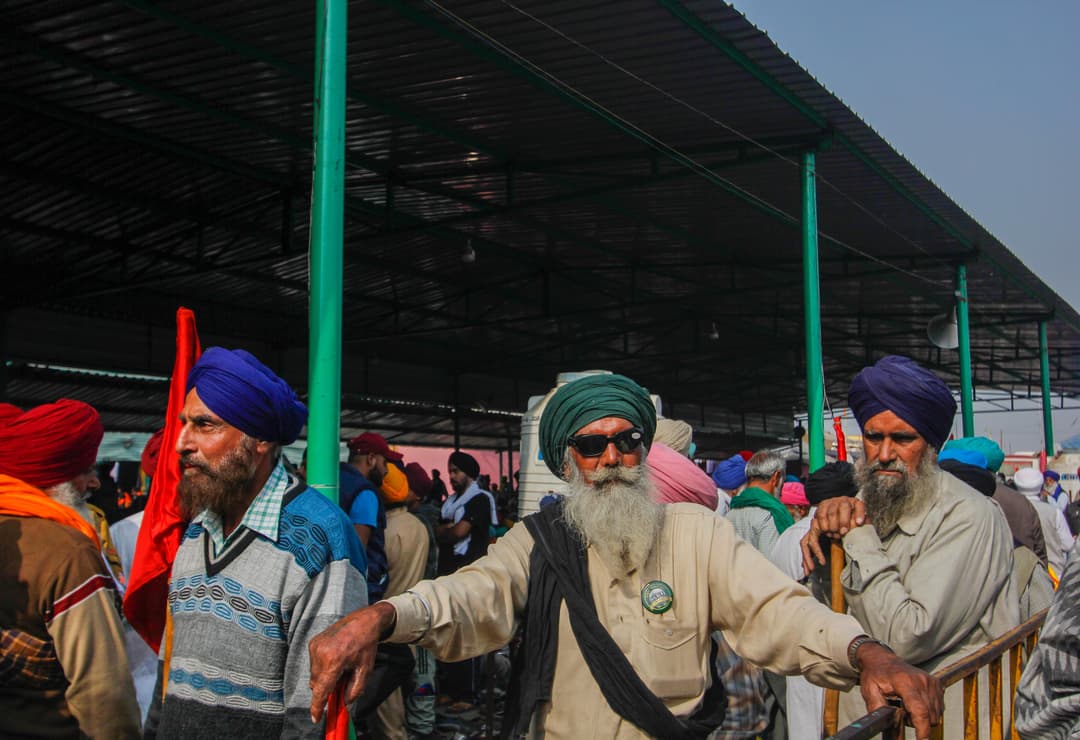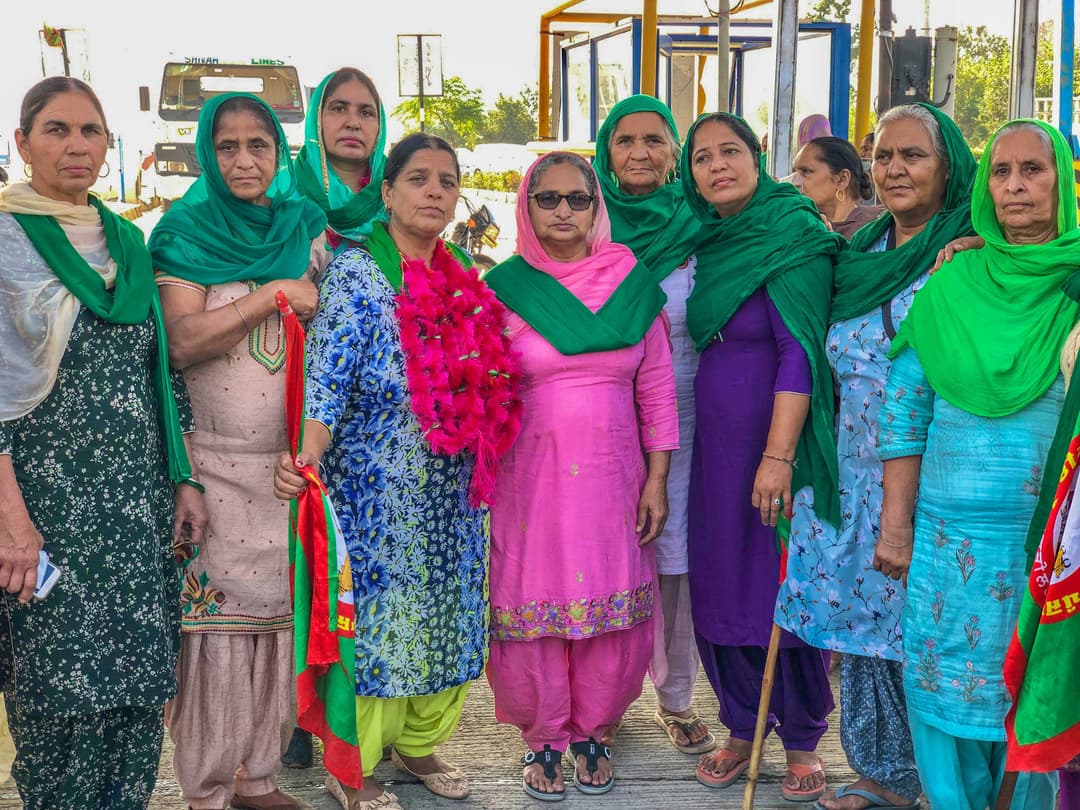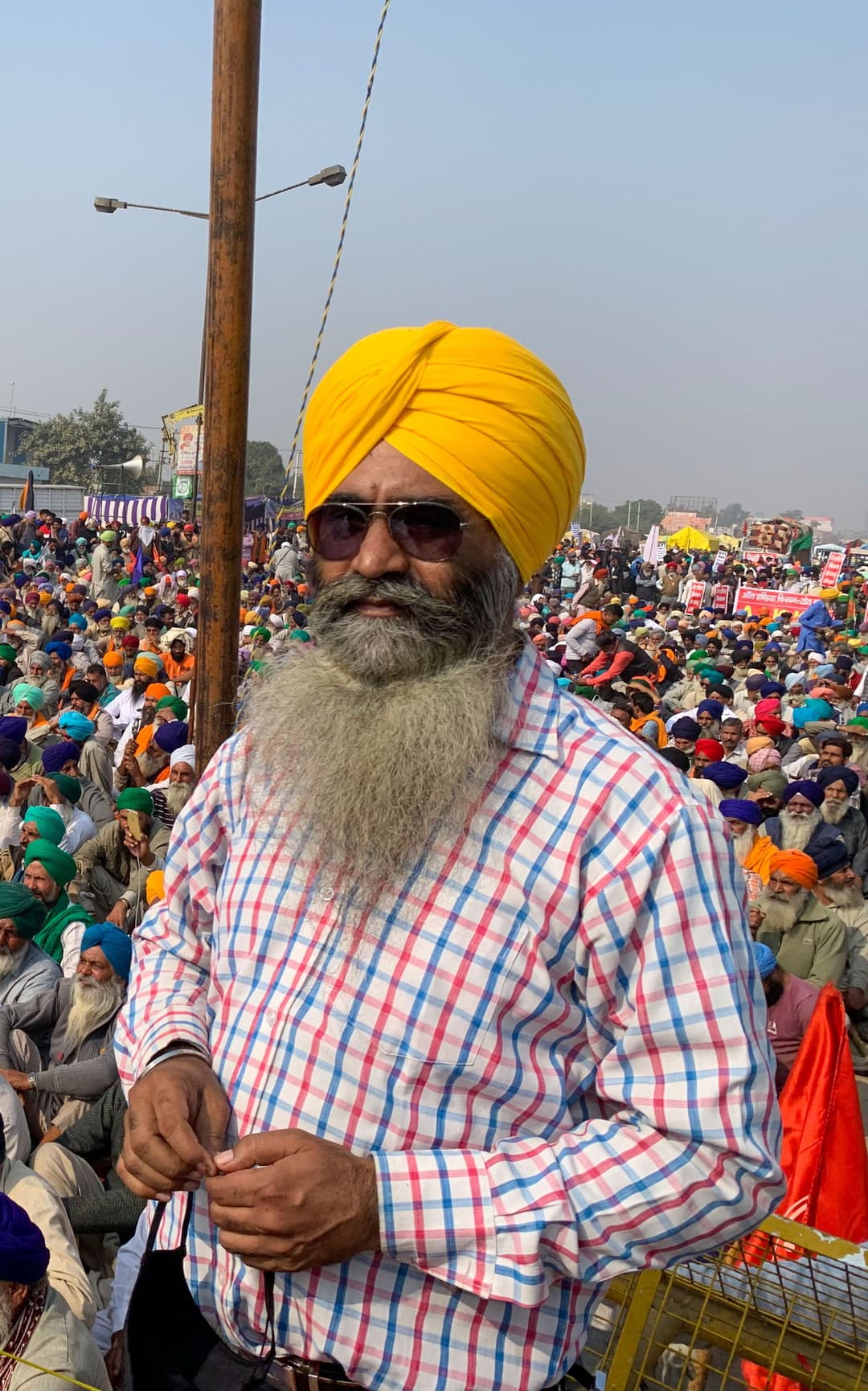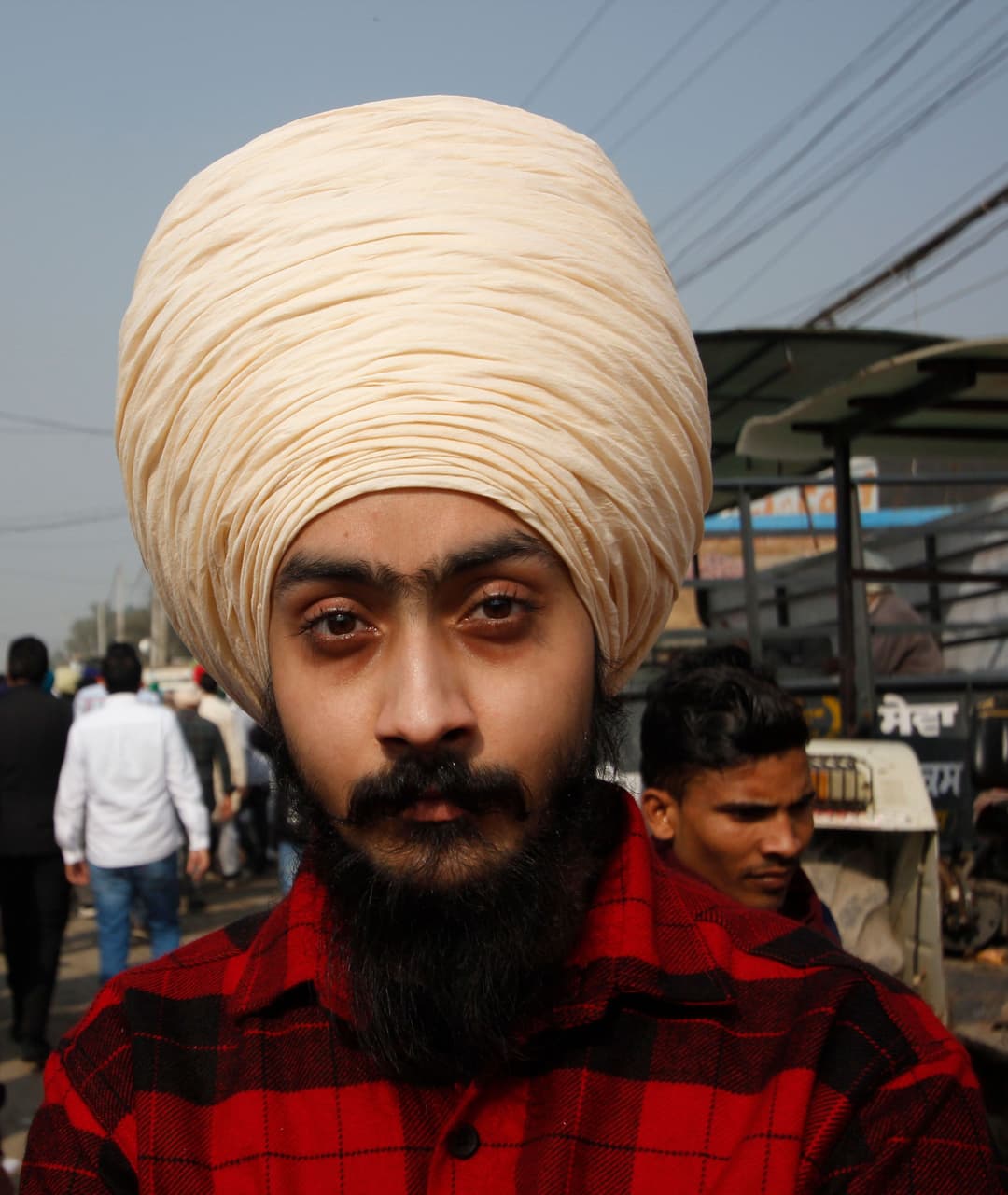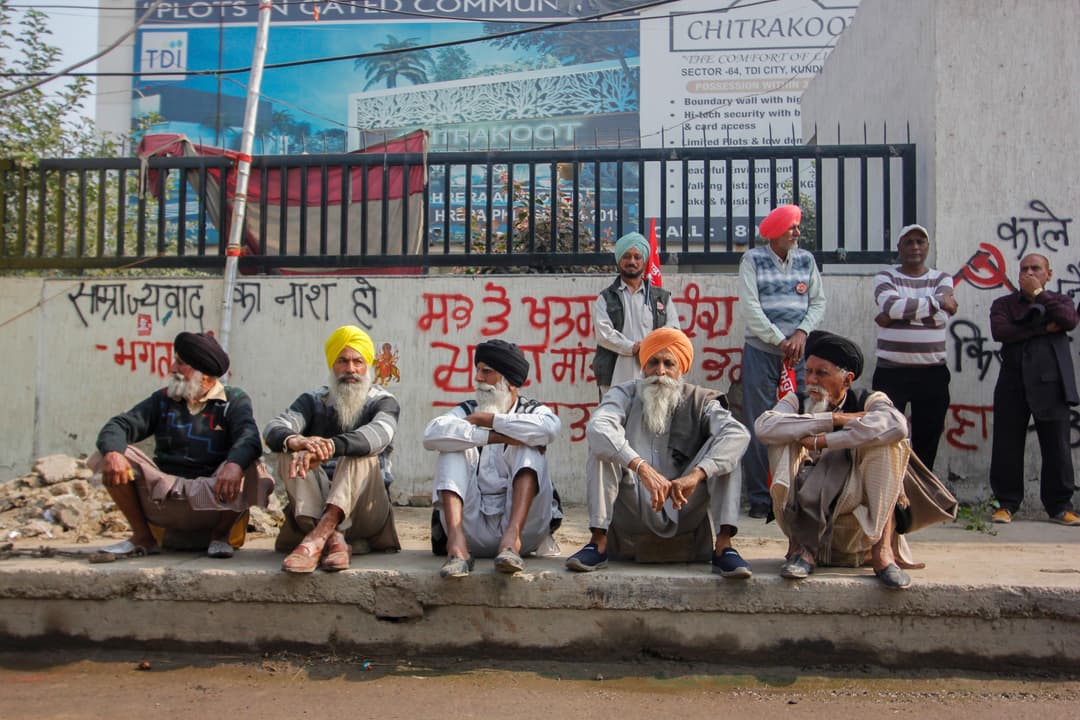

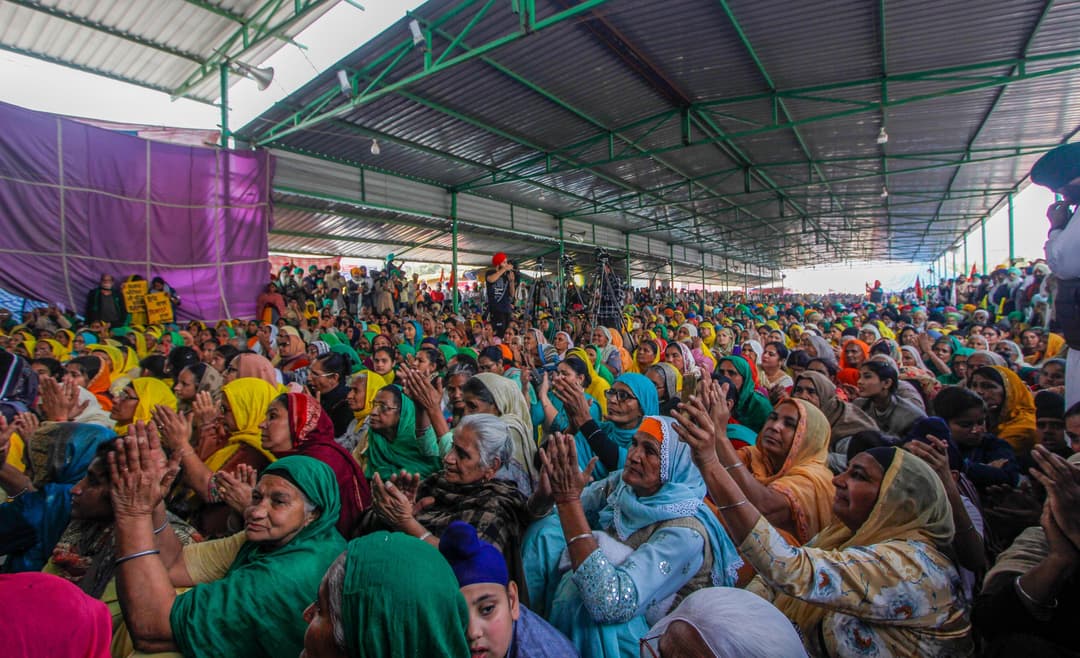
They walked past the stage, flags held high – red, yellow, green, white and orange. A group of women farmers came marching in, their heads covered in green dupattas. A contingent of men drove by on tractors, their turbans off-white and maroon, yellow and green. Various groups with flags held on their shoulders walked past the stage all day – each colour gliding by like verses in an epic poem.
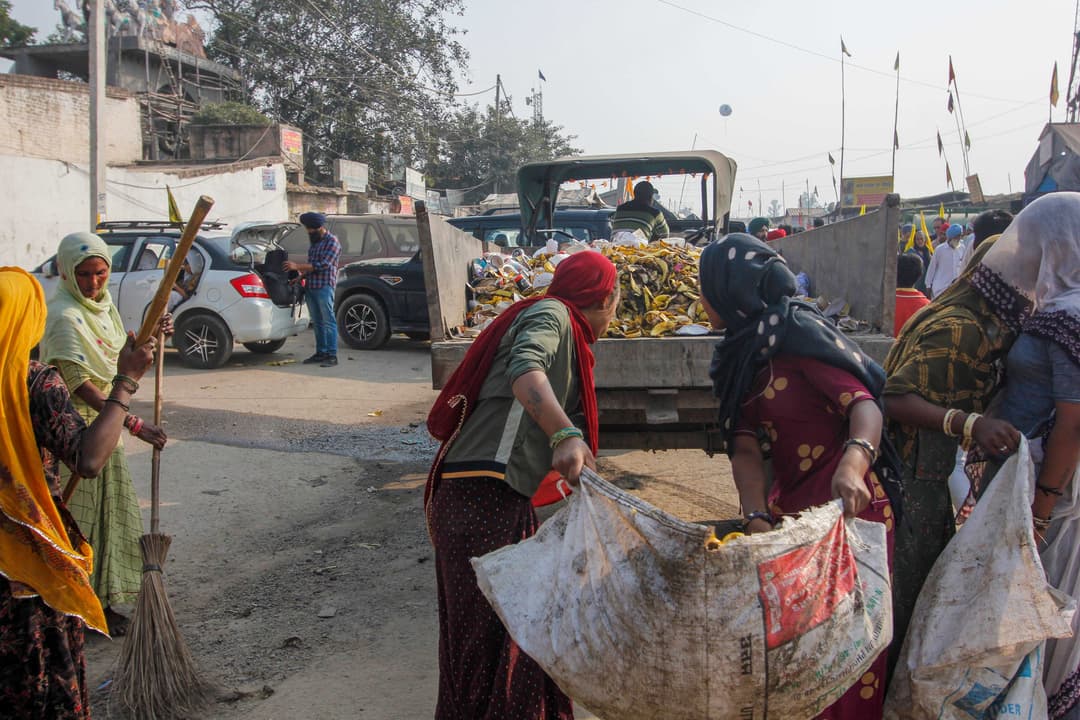
It was a full year since November 26, 2020, when many of them had reached the gates of Delhi to protest against the three laws passed by Parliament. To mark the milestone anniversary, farmers and supporters filled the protest sites at Singhu, Tikri and Ghazipur last Friday.
It was a day of triumph and tears, of memories and plans. It’s a battle won, not the final victory, said 33-year-old Gurjeet Singh, who was at Singhu, of the announcement on November 19 by the prime minister that the three laws will be repealed. Singh cultivates 25 acres in Araianwala, his village in Zira tehsil of Punjab’s Firozpur district.
“This victory belongs to the people. We defeated a stubborn administrator and we are happy,” said 45-year-old Gurjeet Singh Azad, who too was at Singhu that day. In Azad’s village, Bhattian, in Kahnuwan tehsil of Gurdaspur district, his uncles cultivate mainly wheat and paddy on the two acres he owns. “This battle did not start on November 26. That day, it arrived at the borders of Delhi,” he added. “The farmers had started protesting long before the bills turned into laws. After the three farm laws were passed in September 2020, a call was given to come to Delhi. We followed that call.”
He recalled that eventful march last year: “As we moved towards our capital, the government used water cannons. They dug trenches. But we were not coming to rage war to be stopped with raised fences and barbed wire.” (Last year, 62-year-old Jograj Singh had told me that it is farmers like him who feed the police, and the cops too are their children – so if their lathis also needed to be ‘fed’, then the famers were willing to offer their backs.)