It took a down payment of Rs. 2,500 for Rajesh Andhare to get his hands on a smartphone for the first time in his life. Two years later, he still can’t operate it. “It was a gift for my older child Dinesh, who had passed out of school,” says 43-year-old Rajesh. “We paid the remaining amount in five instalments of Rs. 1,000. The phone cost around Rs. 7,500.”
The smartphone is with 16-year-old Dinesh, but at home in Dongari village of Maharashtra’s Palghar district, Rajesh too has tried using it – without success.
That phone cost Rajesh roughly what he earns in a month of work as a labourer – at between Rs. 250-300 a day. “I tried to learn to use it,” he says. “But I gave up after a few days. I am good with my old phone, which has a proper keypad.”
His son’s generation, even in the difficult terrain and conditions of difficult Talasari taluka – with a majority Adivasi population of low-income families – is far more adept at using smartphones. But undermined by both costs and connectivity.
This tribal belt along the Gujarat border is just 130 kilometres from Mumbai – but very poorly connected to the internet. “Even electricity supply is intermittent, especially during the monsoons,” says Rajesh, who belongs to the Warli tribe.
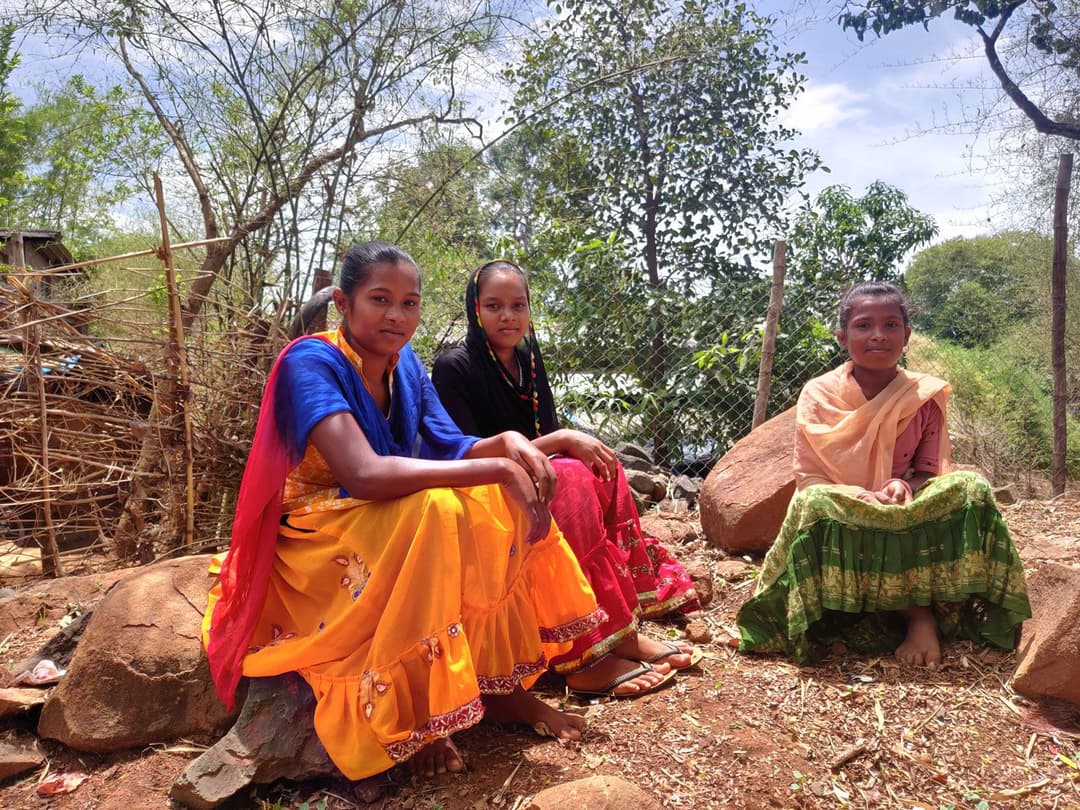
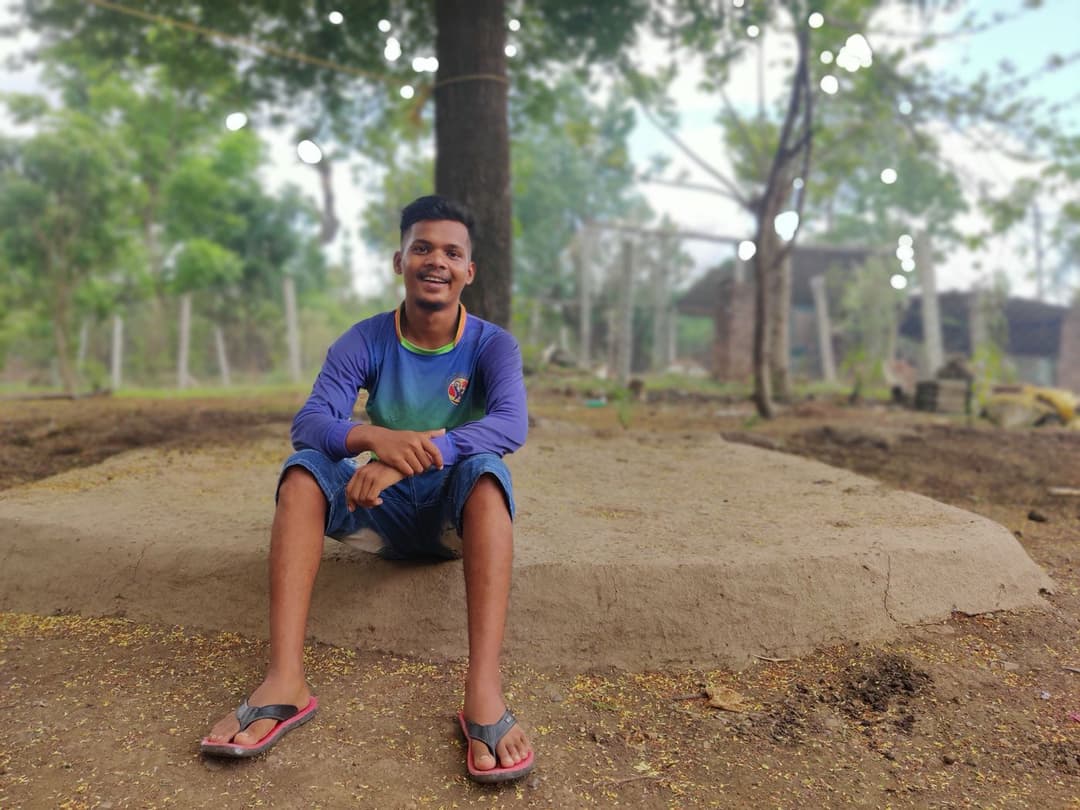
So if you see a group of boys in Dongari sitting under a tree, it’s a safe bet that the spot has some semblance of network. One or two among the group would have a smartphone, while the rest would be staring at it in excitement. And yes, they would be boys. It’s hard to find girls here who own a smartphone.