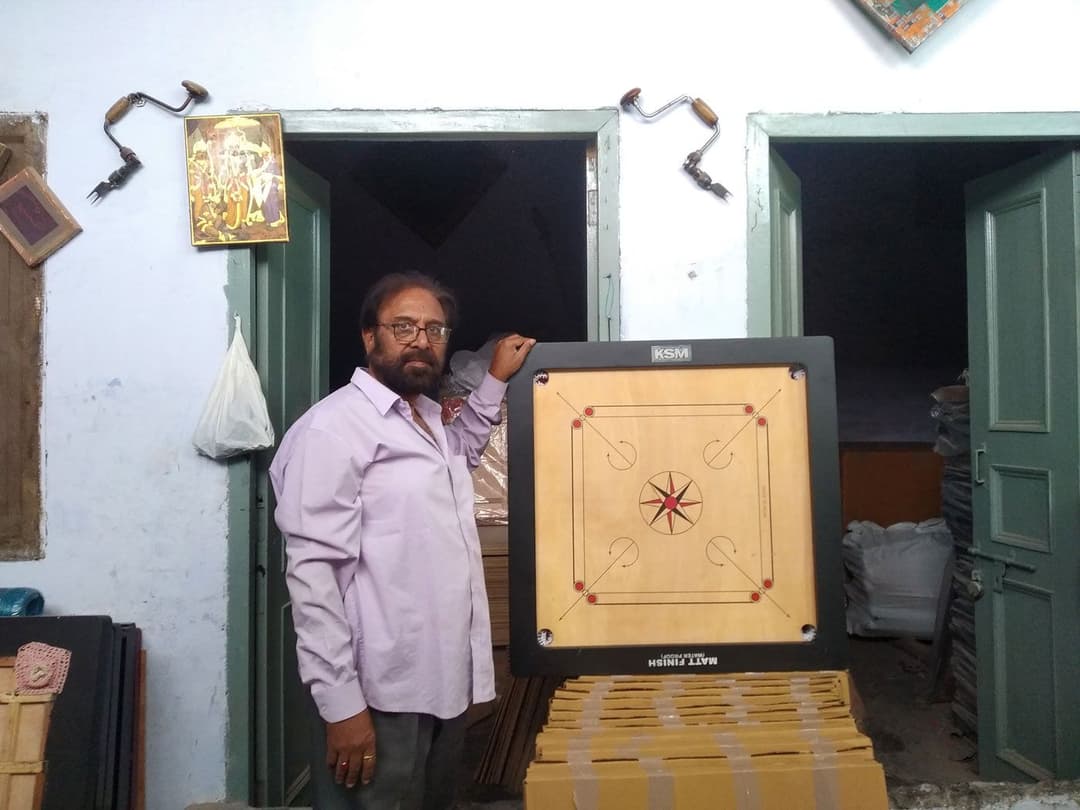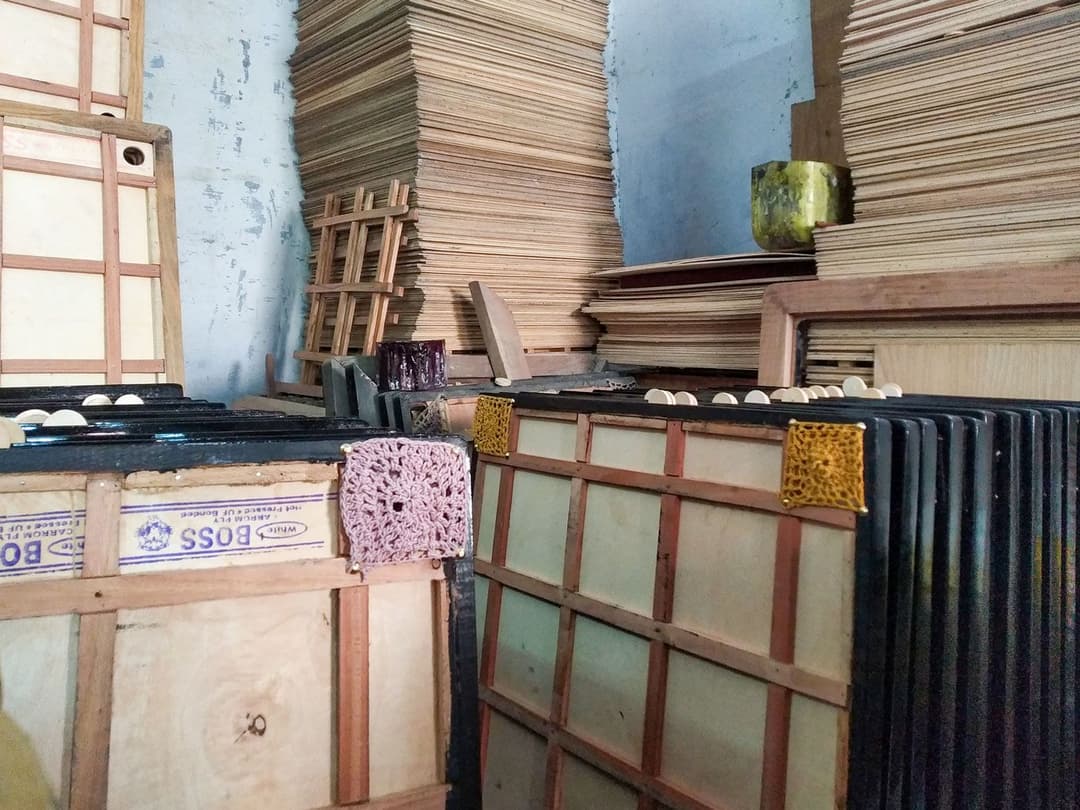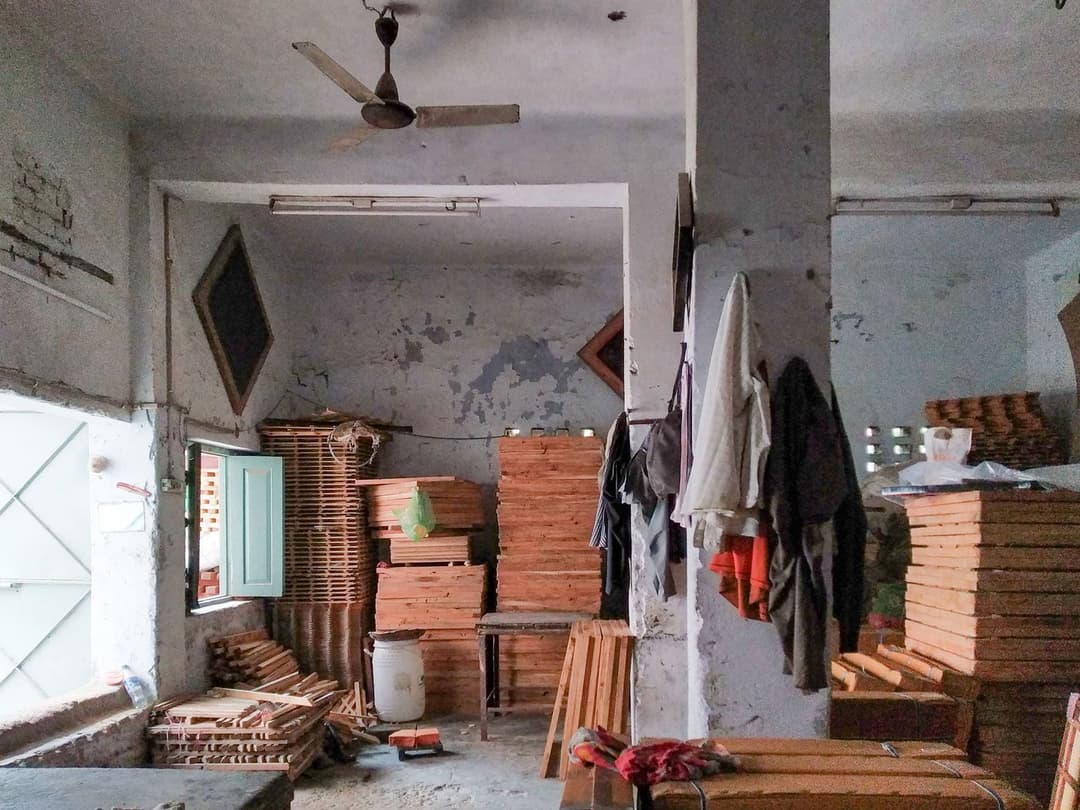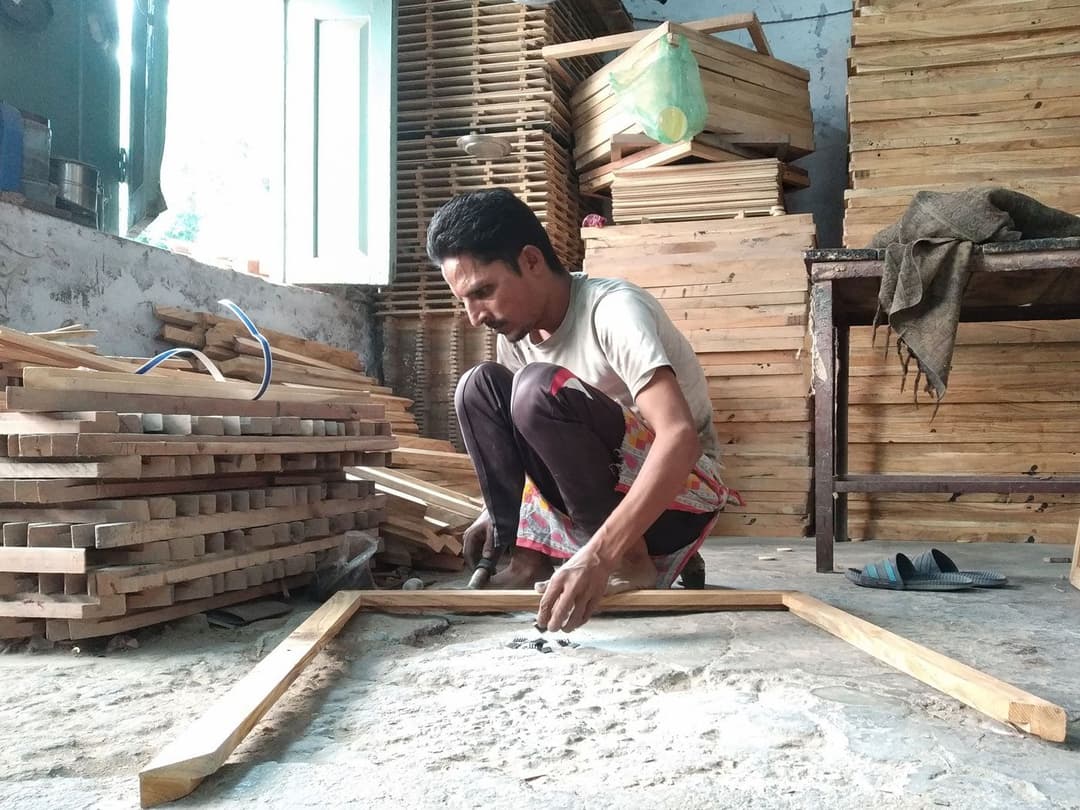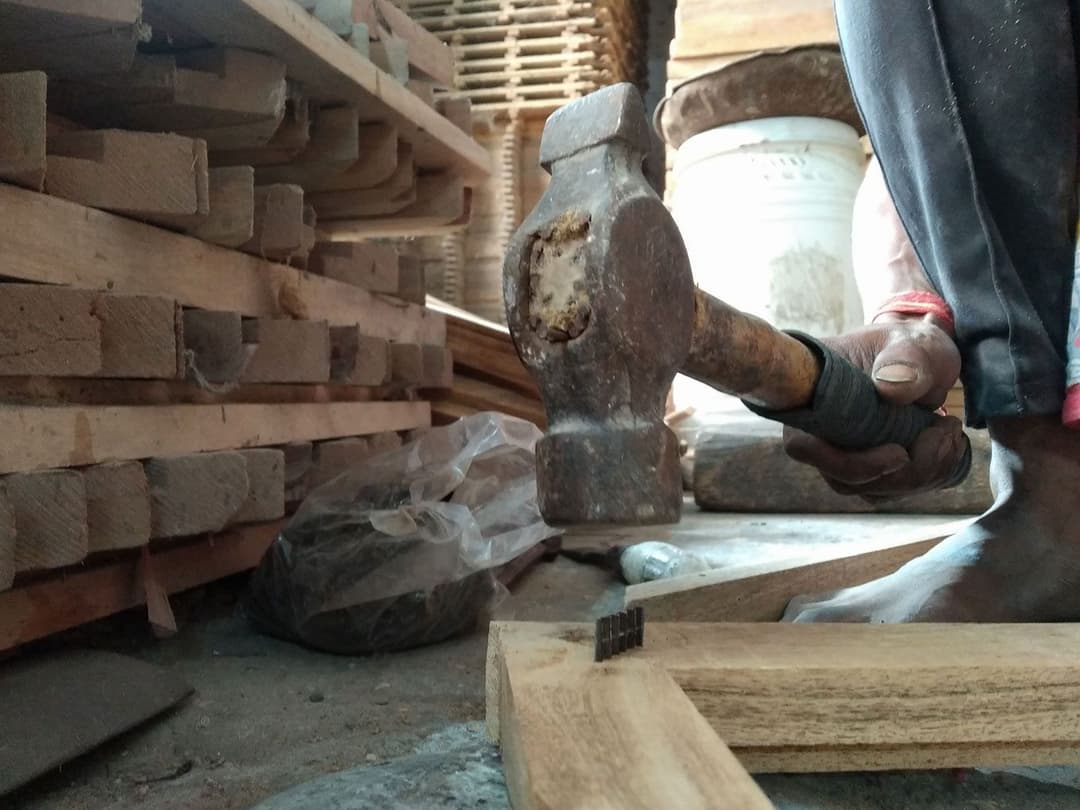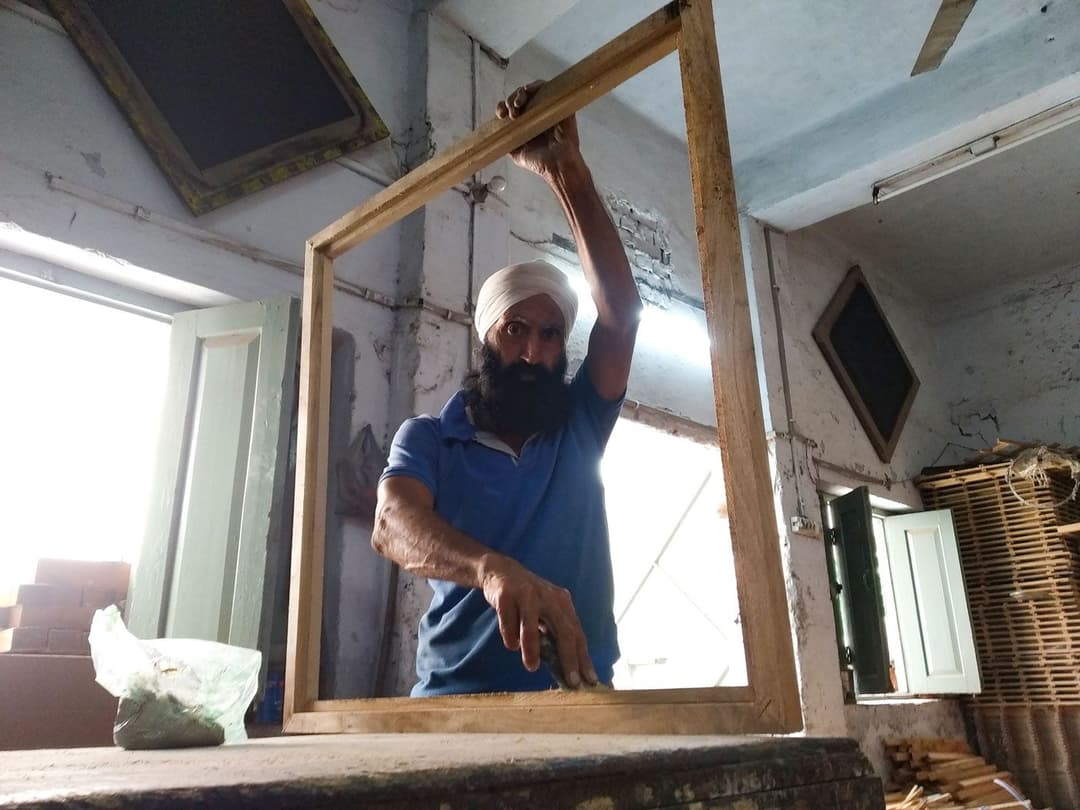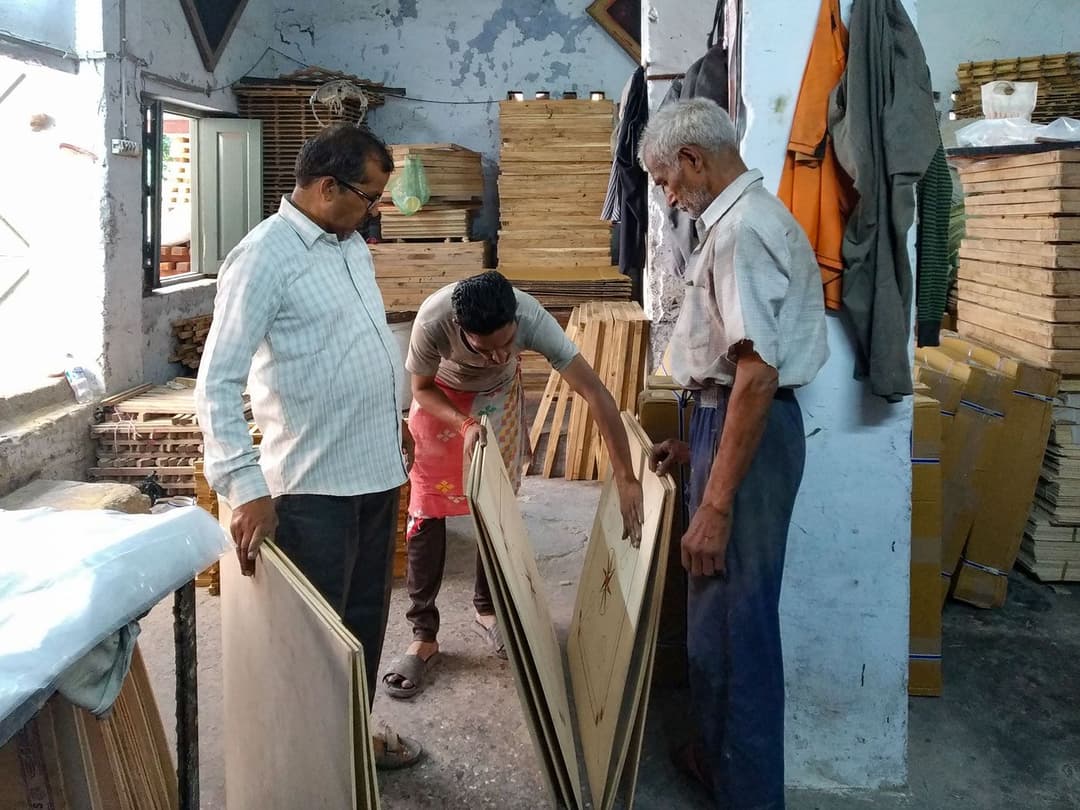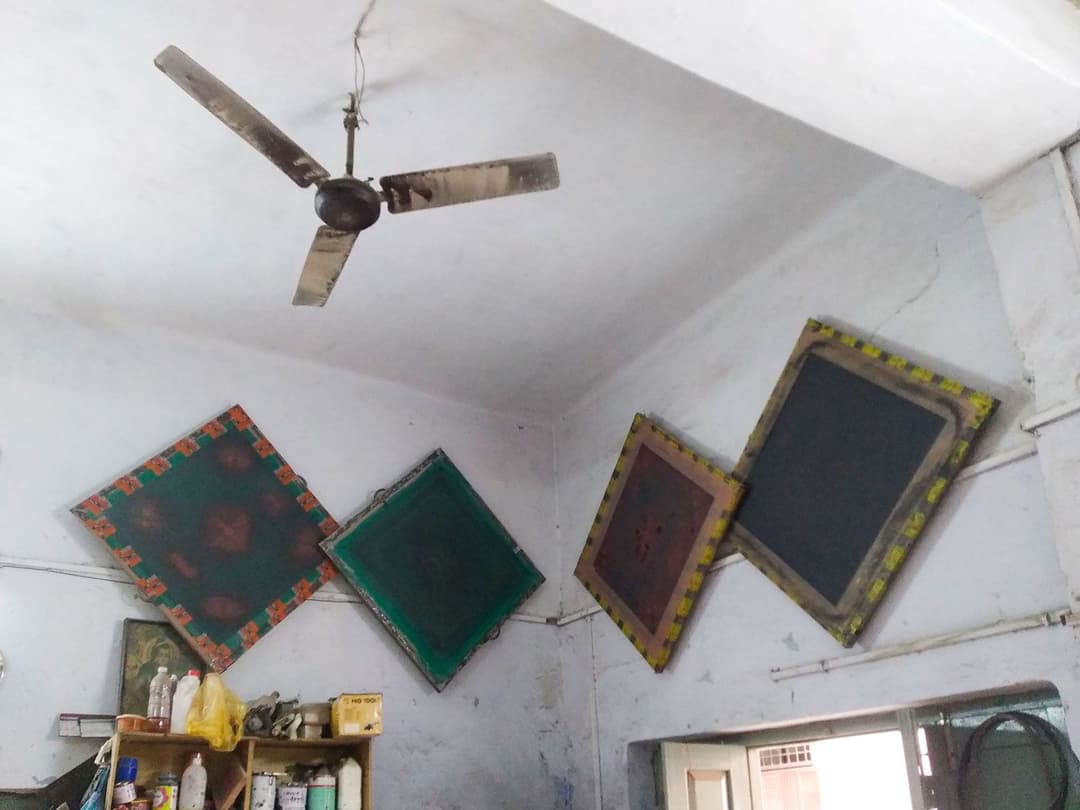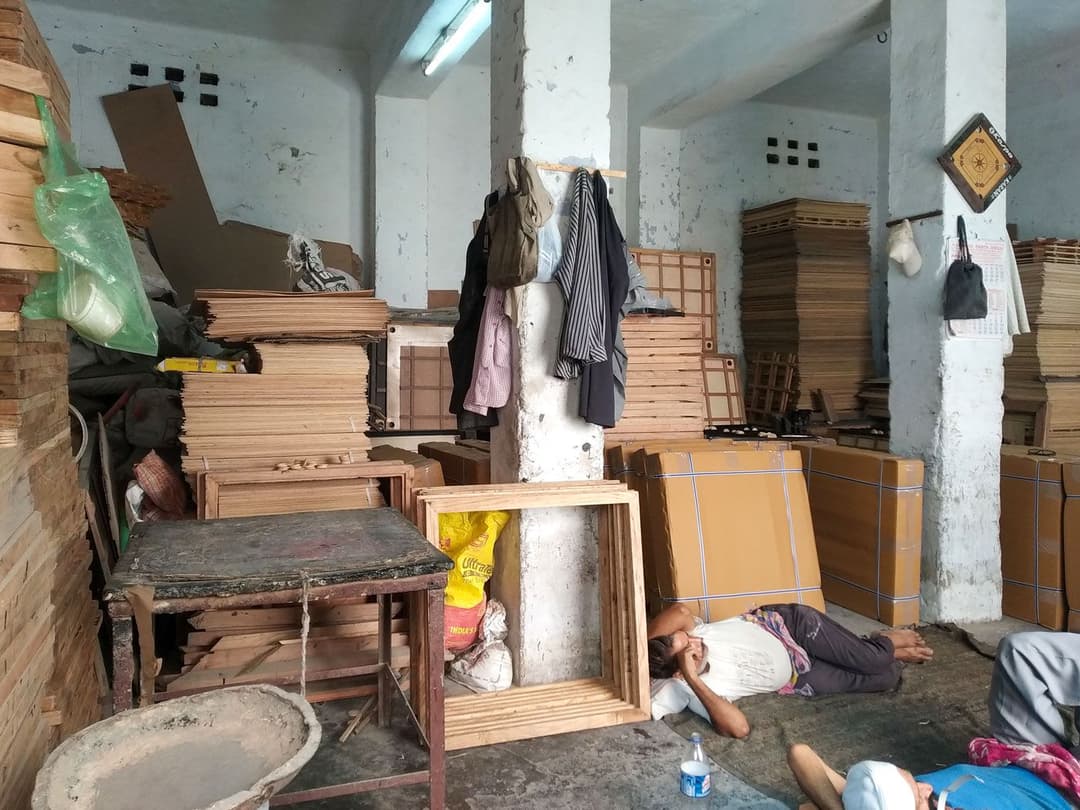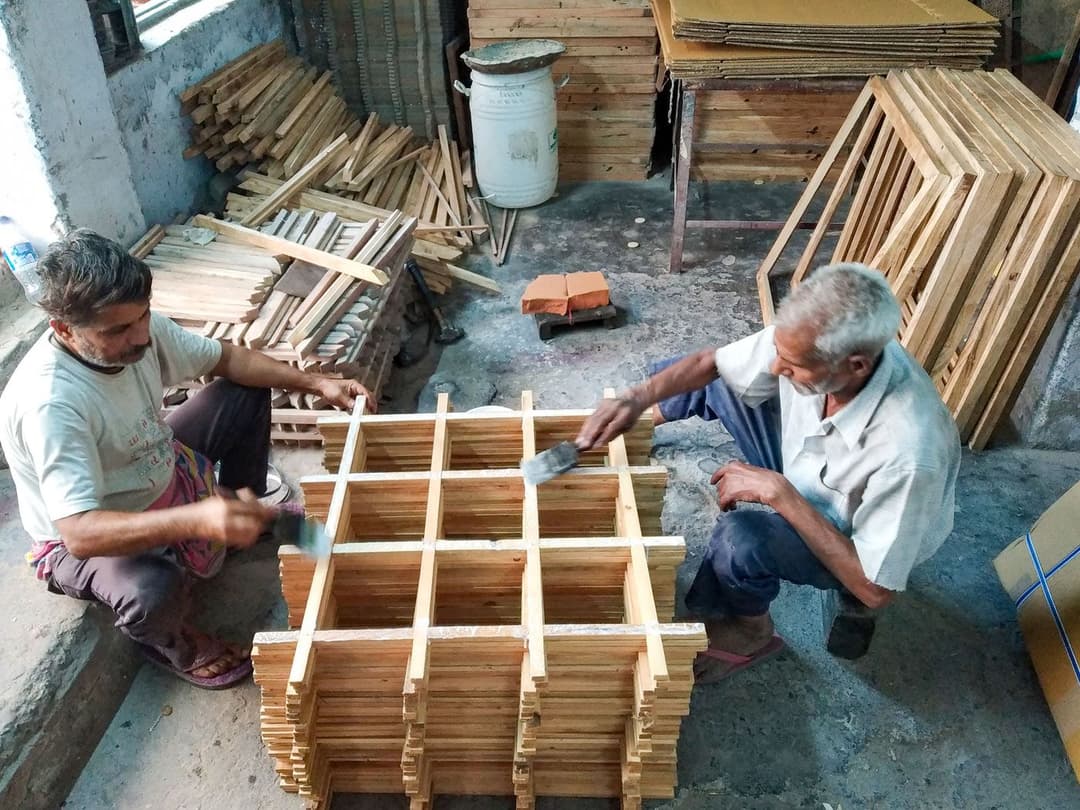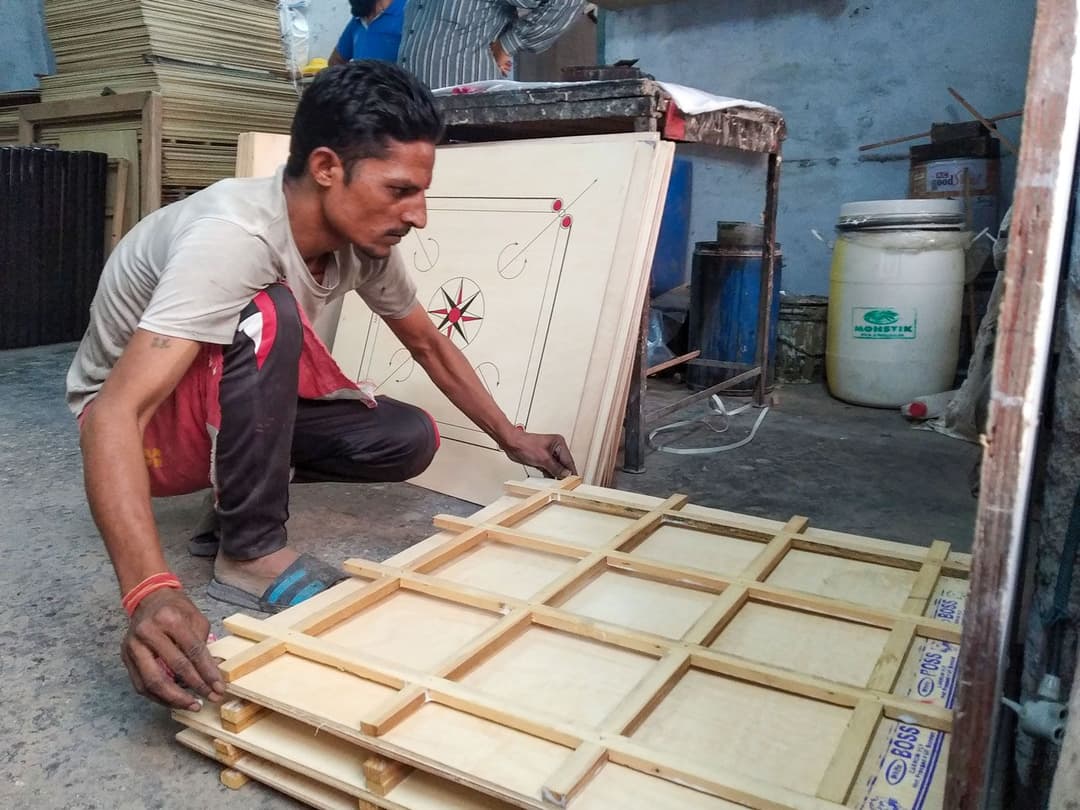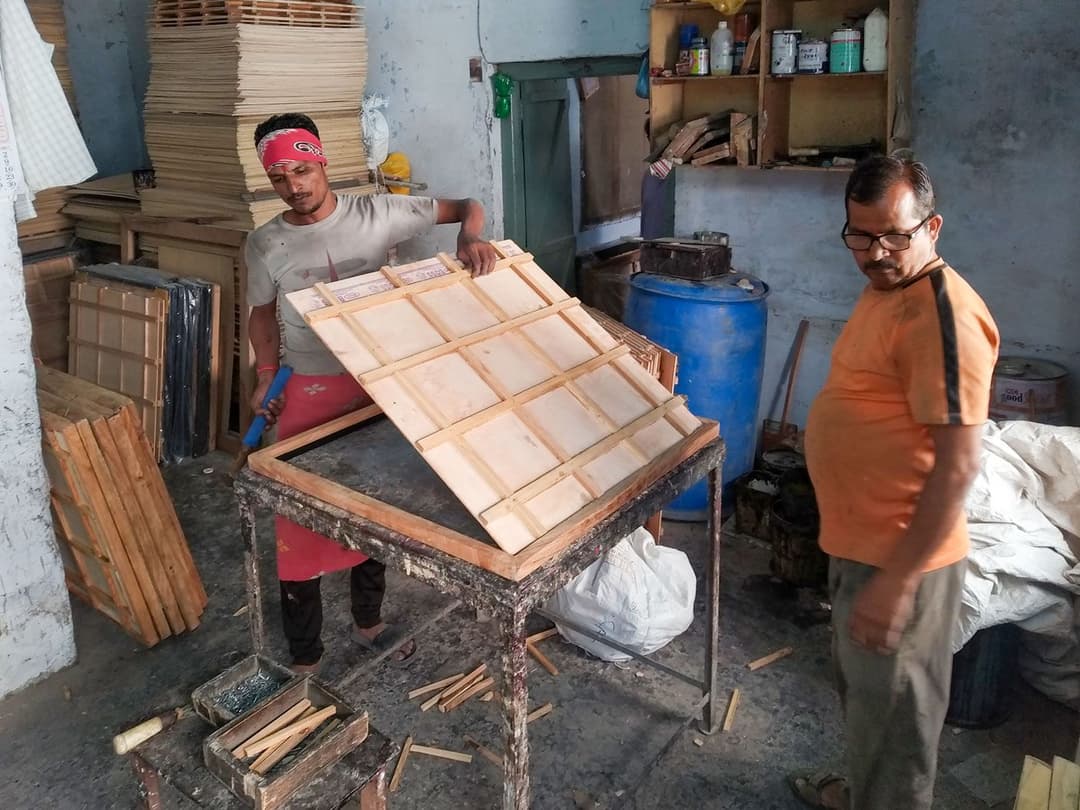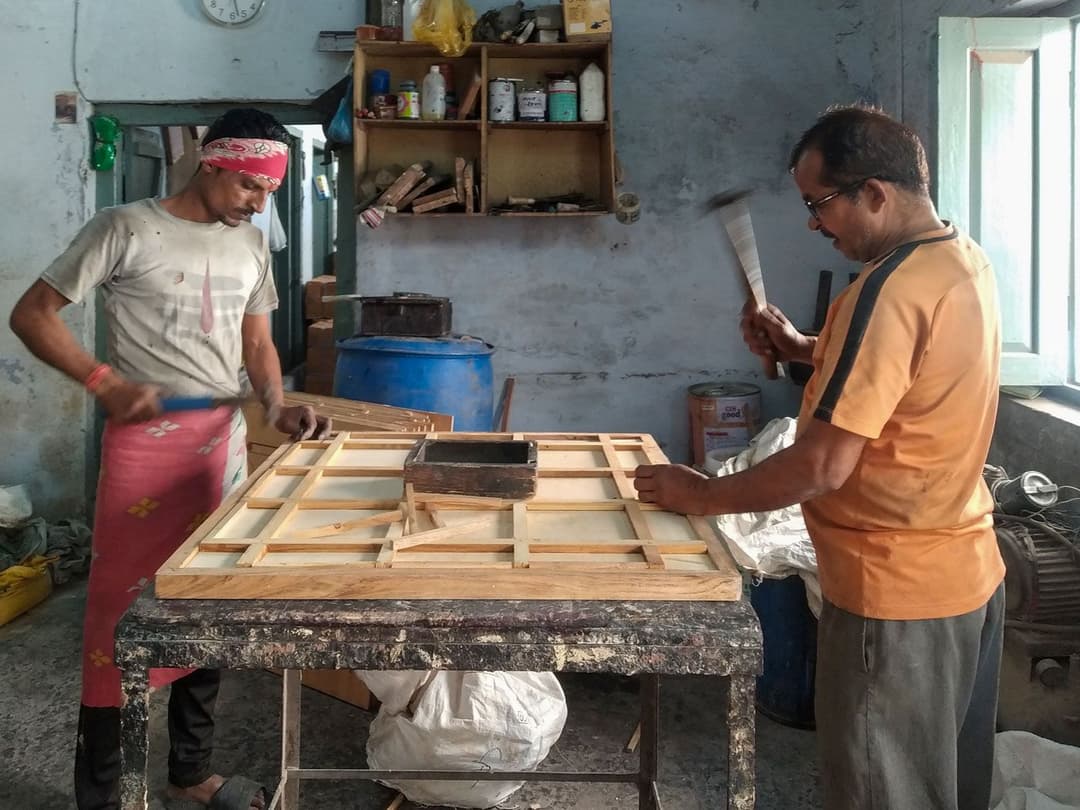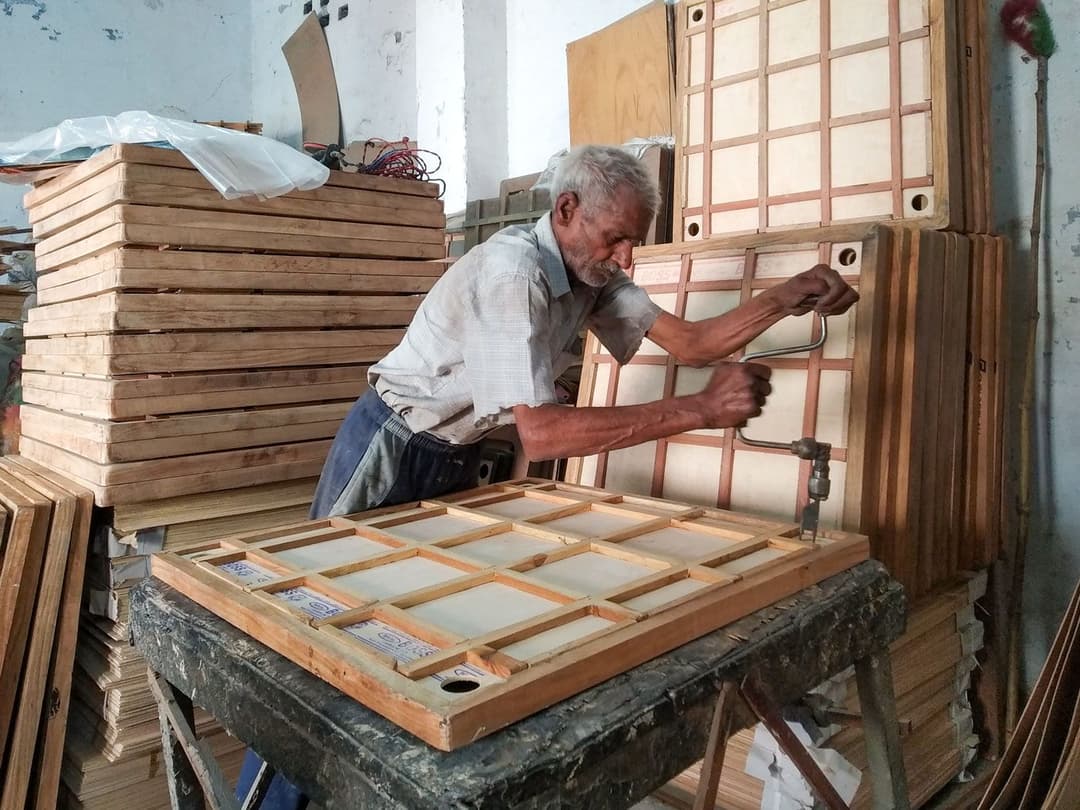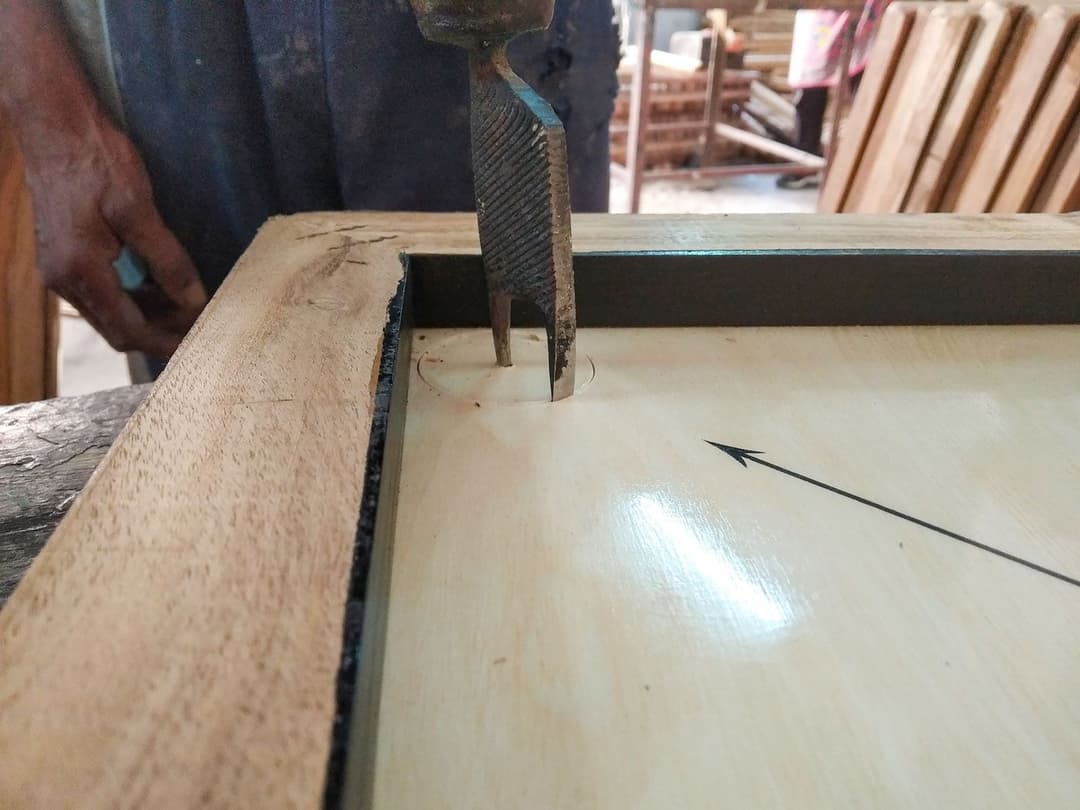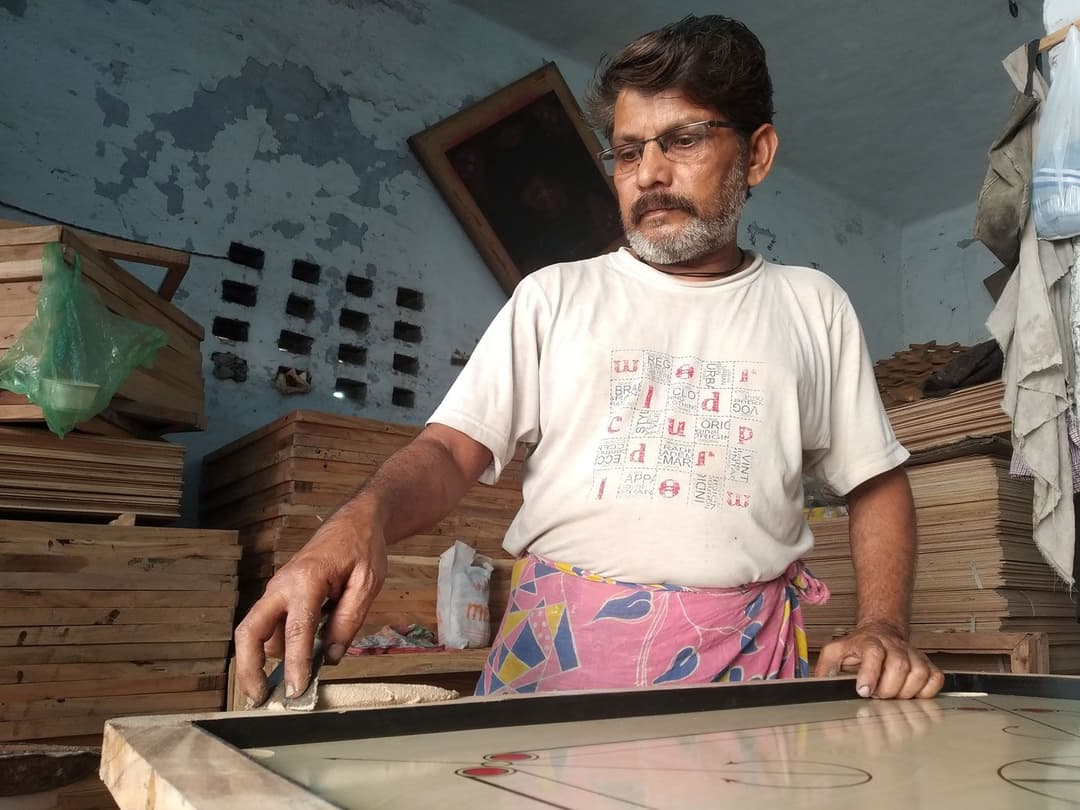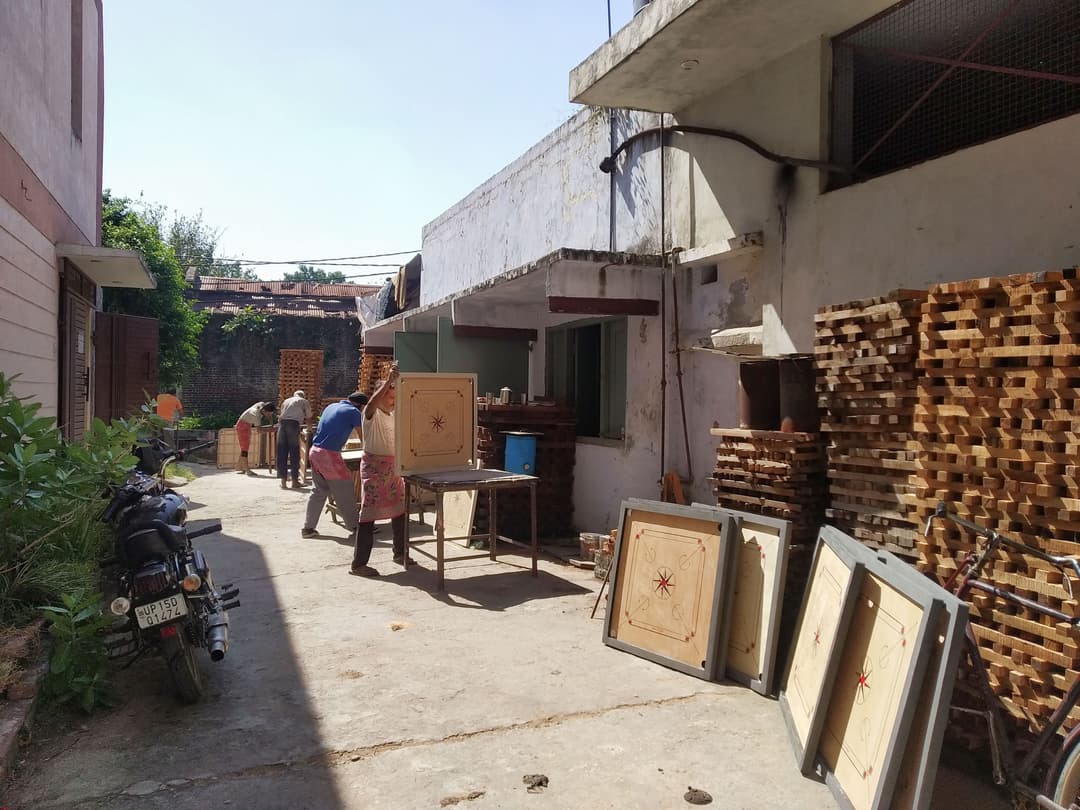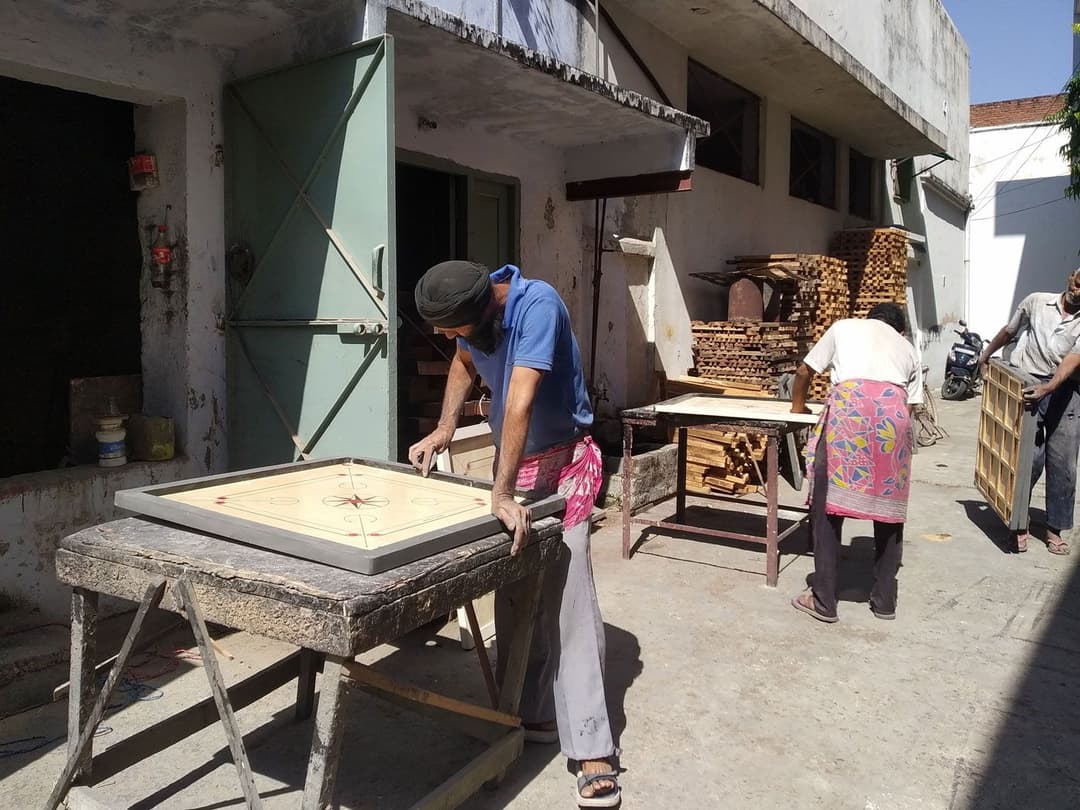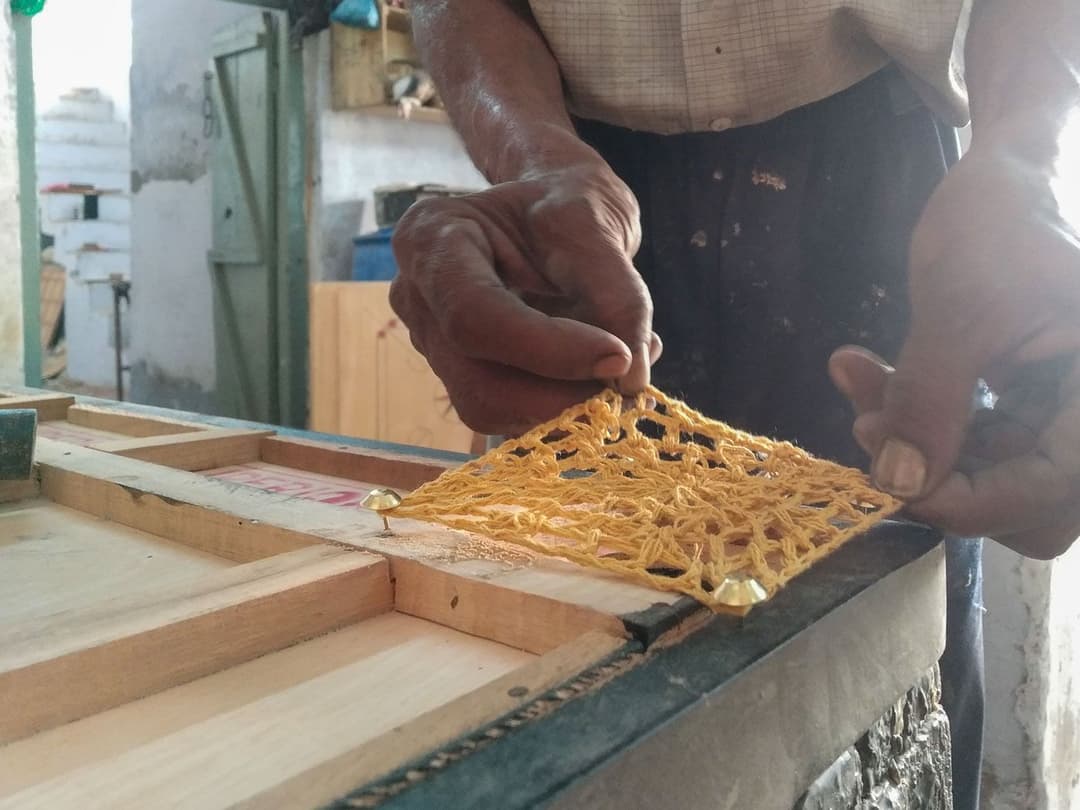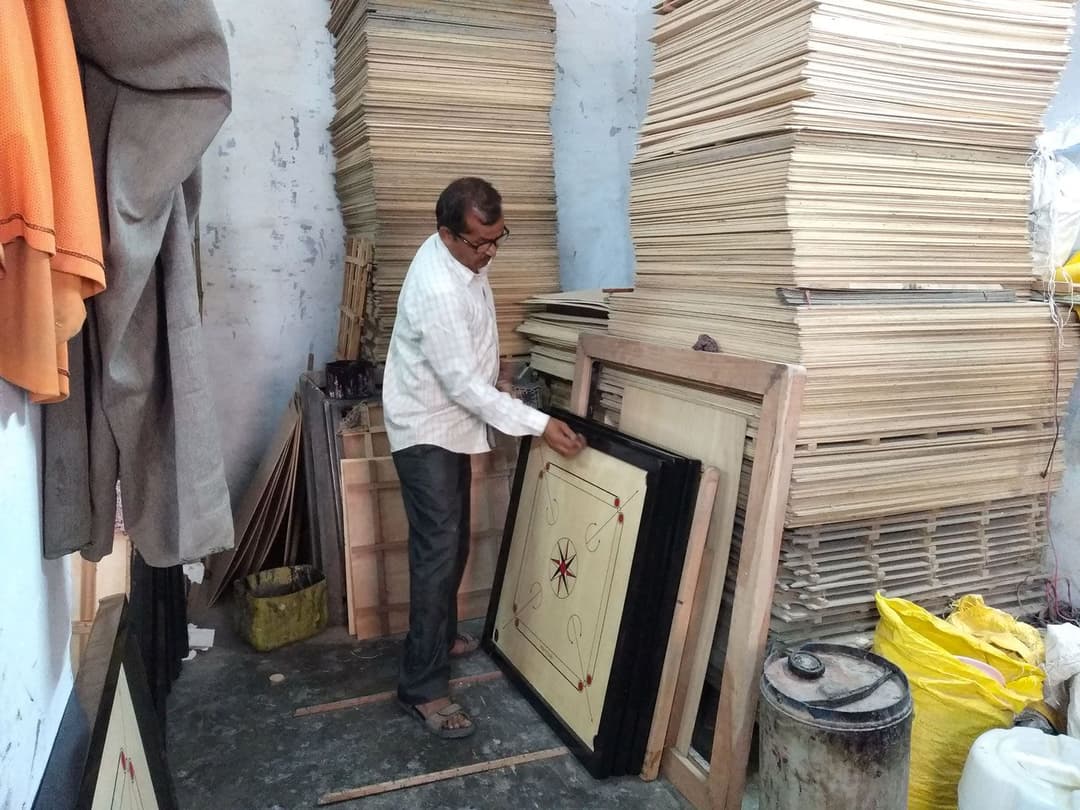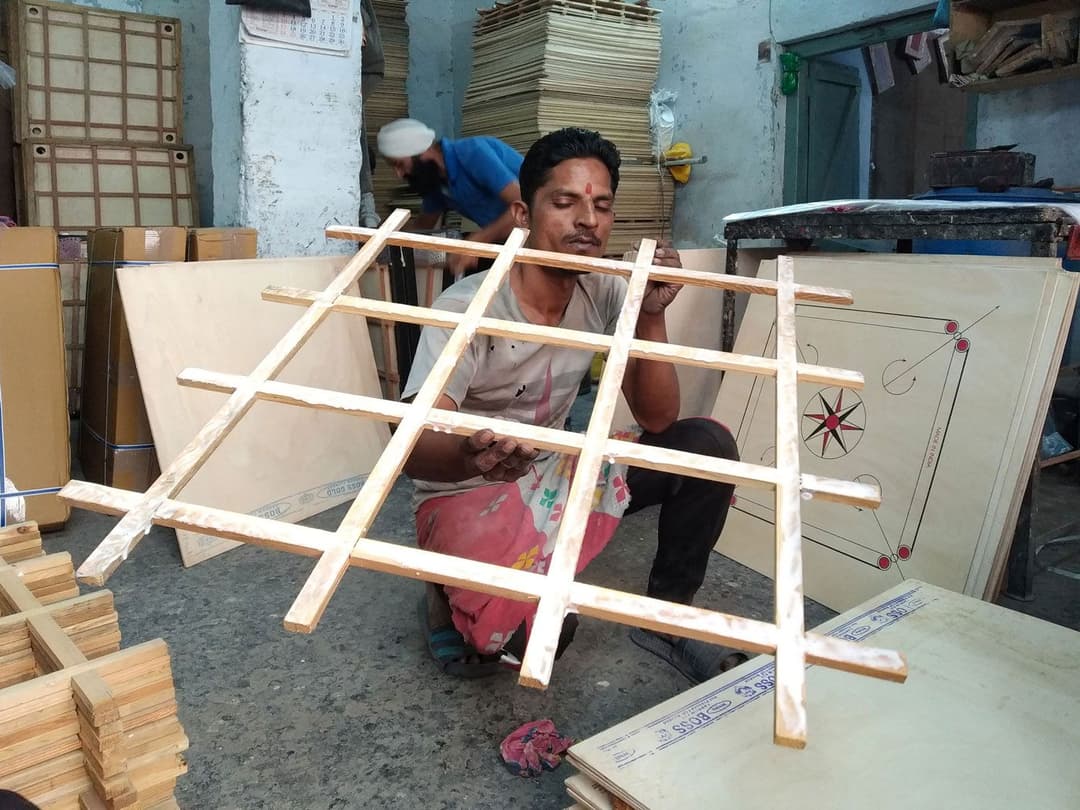
Five karigars in a carrom board karkhana (factory) in Meerut work eight hours on five consecutive days to ready a batch of 40 boards. Each of the craftsmen in this workshop knows all that it takes to make the striker and coins shuttle swiftly between a carrom board’s frame. It’s a game that supports a maximum of four players – but there are five artisans here working on each board. They help make the sport of carrom possible, but have never played it themselves.
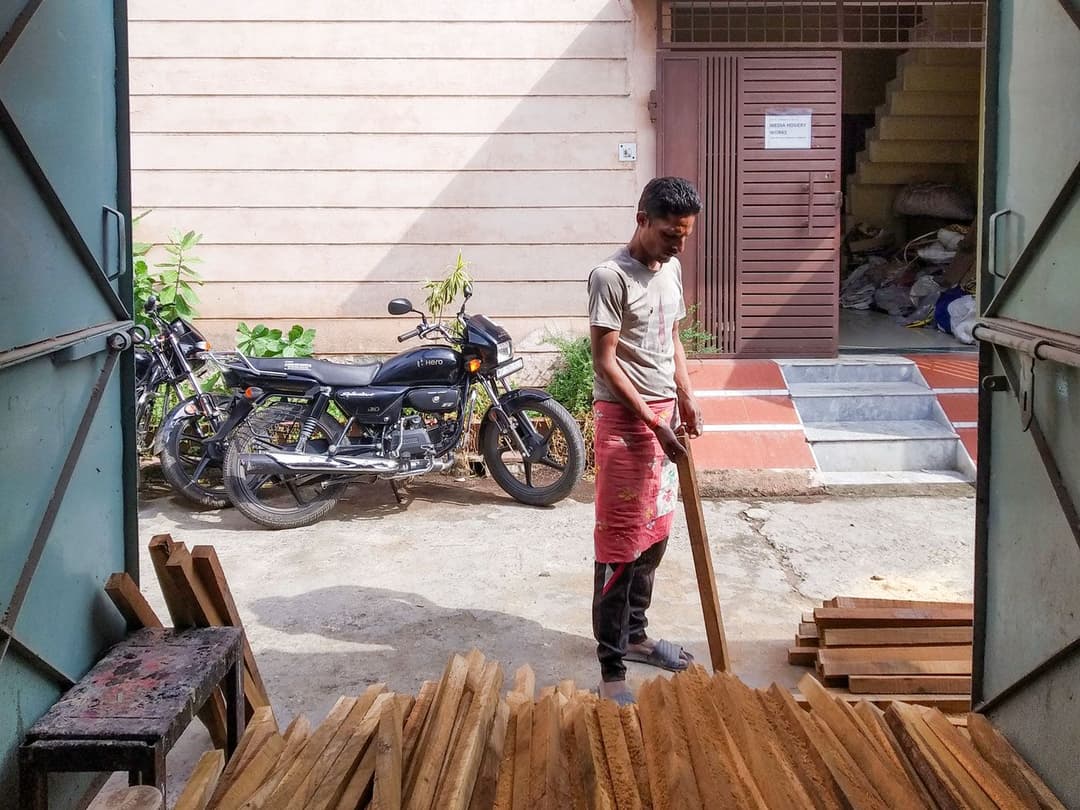
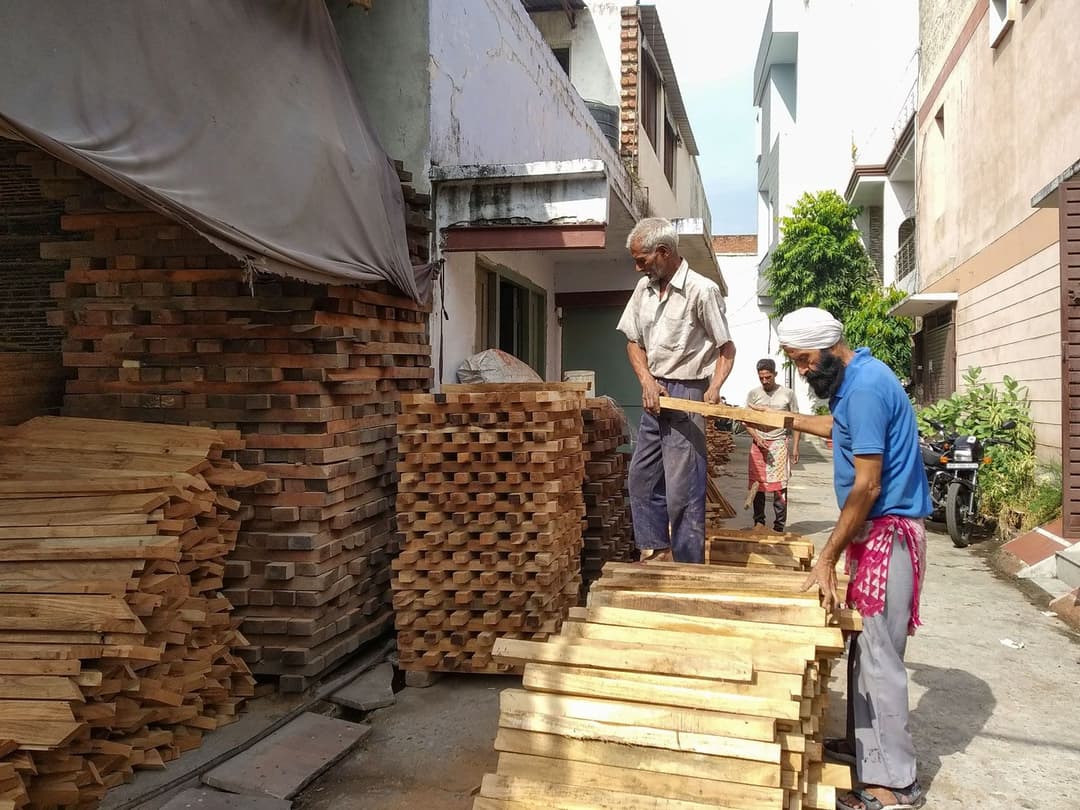
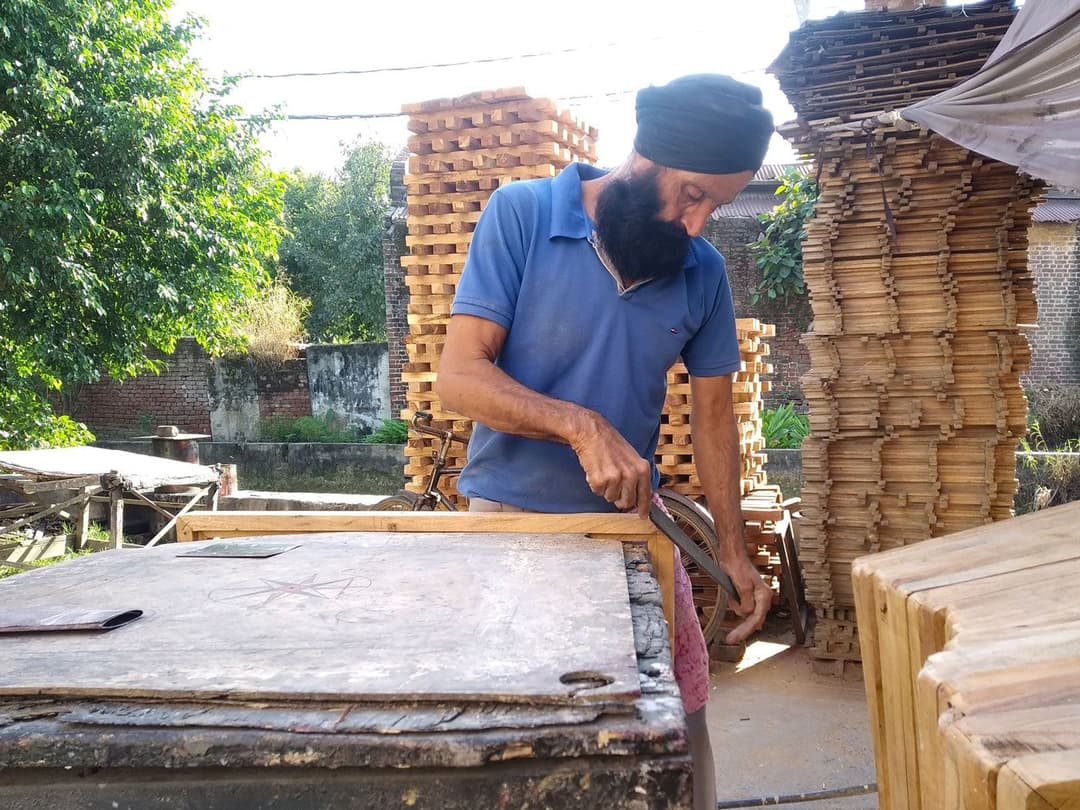
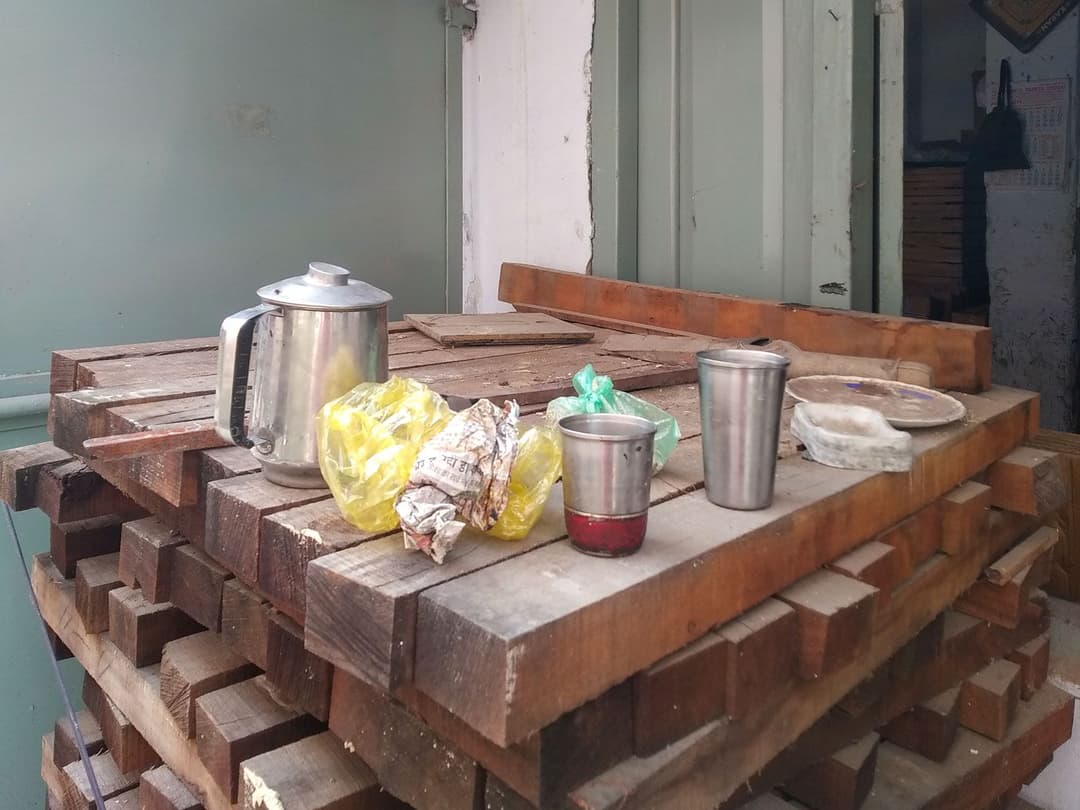
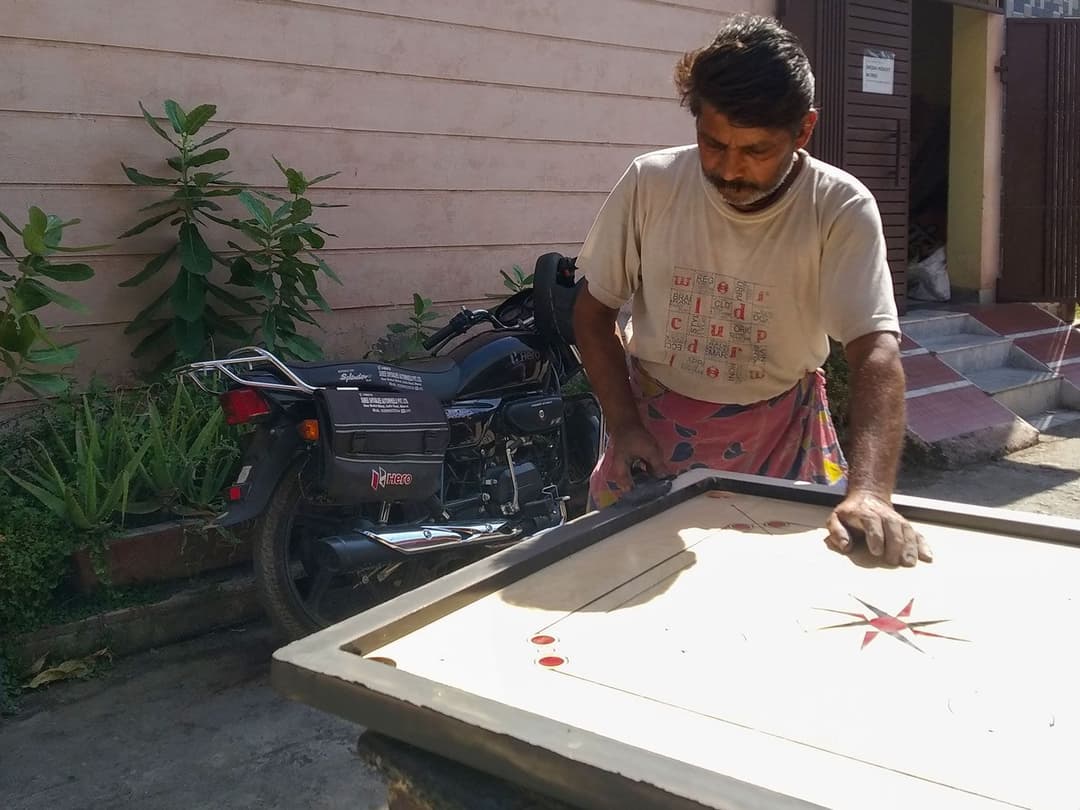
“I have been making carrom boards since 1981, but I have never bought a board or played carrom. Where is the time to spare?” asks 62-year-old Madan Pal. Even as we’re chatting, he and his fellow karigars (craftsmen) meticulously arrange 2,400 dandas or cut pieces of babool wood. These are each of 32 or 36 inches length and the workers lay them out in the galli (lane) along the outside wall of the workshop.
“I reach here by 8:45 a.m. and we start work by nine. By the time I am home, it is 7-7:30 in the evening,” says Madan Pal. ‘Here,’ is the tiny carrom board factory in Suraj Kund Sports Colony in Meerut city, Uttar Pradesh.
Madan leaves his home in Puttha village, Meerut district, at seven in the morning, six days a week, to travel 16 kilometres on cycle to his workplace.
Two transporters on a chota hathi (literally, small elephant – actually, a mini tempo truck) have just delivered those cut pieces of wood from the sawmills in Tarapuri and Islamabad localities of Meerut city.
“These pieces will form the outer frame of carrom boards but first they have to be kept out to dry in the open for four to six months. Air and sun drying makes the pieces moisture free, keeps them straight and prevents fungus growth,” Madan explains.