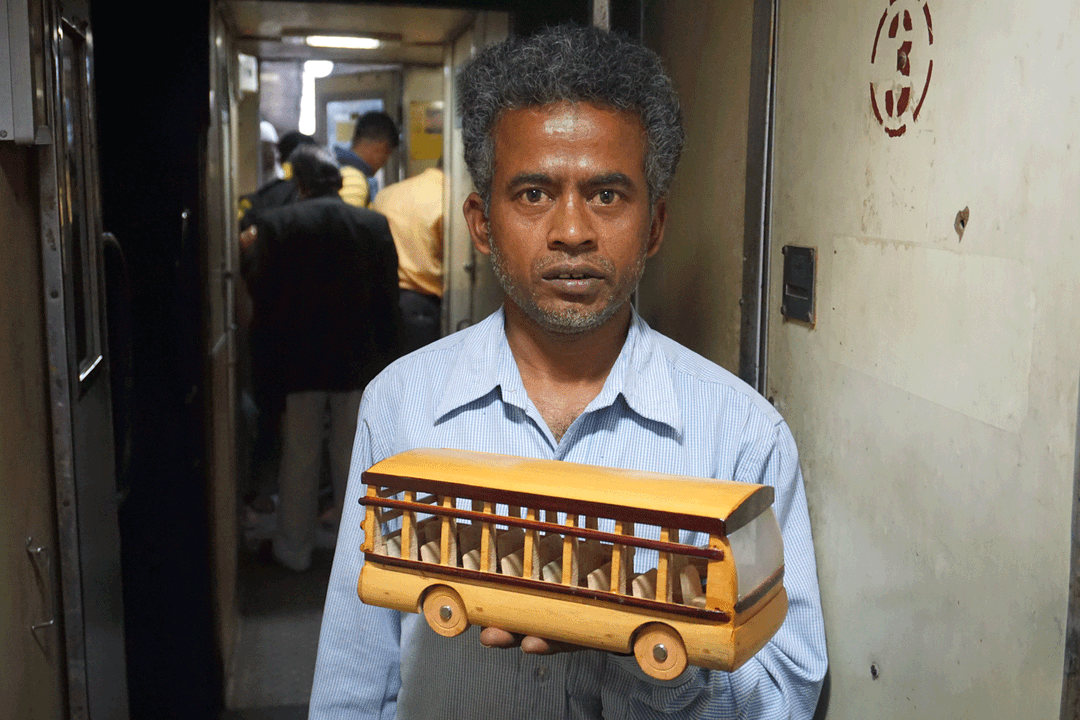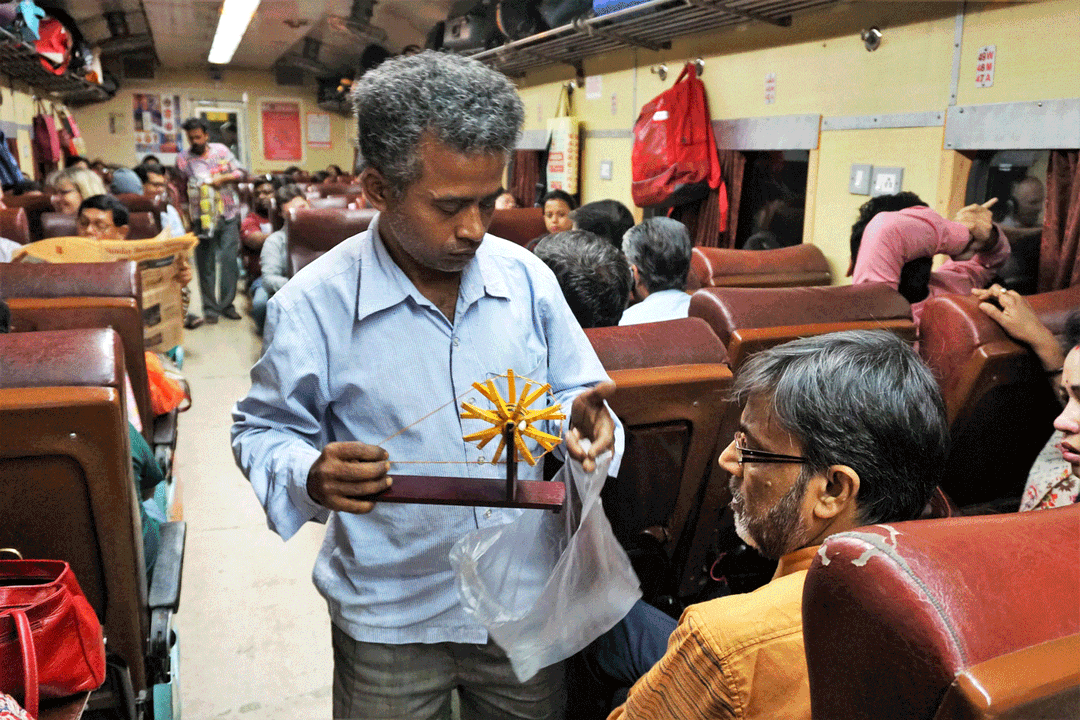

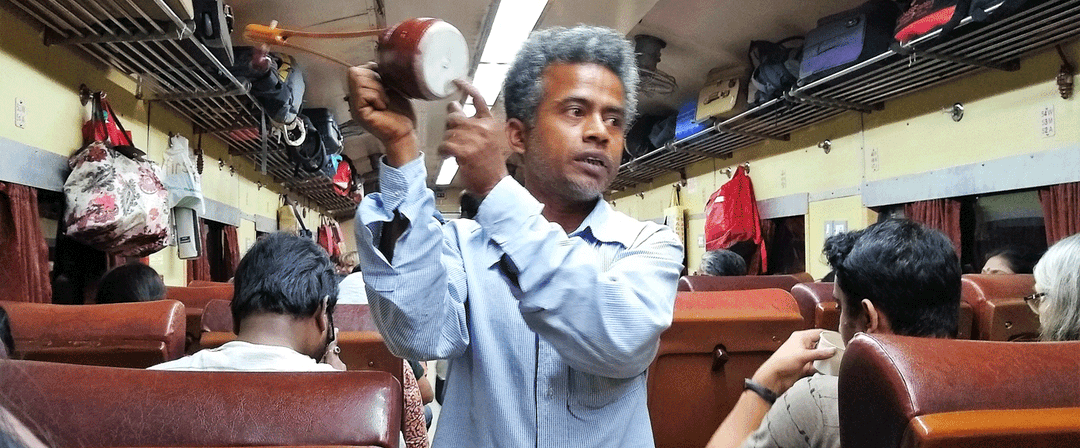
The Hazarduari Express from Beldanga town to Kolkata has just passed Plassey when the sound of an ektara fills the compartment. Sanjay Biswas is carrying a large basket full of artefacts made of wood – a charkha, a table-lamp, a car, a bus – and the single-stringed ektara.
The finely-crafted items stand out amid the Chinese goods on sale – toys, key-rings, umbrellas, torches, lighters – and other vendors selling handkerchiefs, almanacs, mehendi booklets, jhaal-muri, boiled eggs, tea, peanuts, samosas, mineral water and more. Each vendor on these trains has a designated route and compartment.
The passengers bargain hard for the best deals. The hawkers do brisk business during the two hours that the train takes to cover the 100 kilometres between Beldanga in Beharampore subdivision of Murshidabad district and Ranaghat. Most of the vendors get off at Ranaghat, a few at Krishnanagar, both major railway junctions on this line. From there, many take connecting local trains to their villages and towns.
Someone asks Sanjay for the price of the ektara. Rs. 300, he says. The potential buyer holds back. “This is not a cheap toy, I create these with utmost care,” Sanjay says. “The raw materials are of the highest quality. What you see at the bottom of the ektara is pure leather.” Another passenger argues: “We get these in local fairs at much cheaper price.” Sanjay replies, “This is not the cheap one that you get at the local fairs. And I am not in the business of cheating people.”
He moves further along the aisle, displaying his creations, selling a few of the smaller items. “You are free to inspect them with your hands, you don’t need to pay to explore my art.” In a while, an enthusiastic couple buys the ektara without bargaining. Sanjay’s face lights up. “This needed a lot of labour – just listen to its melody.”